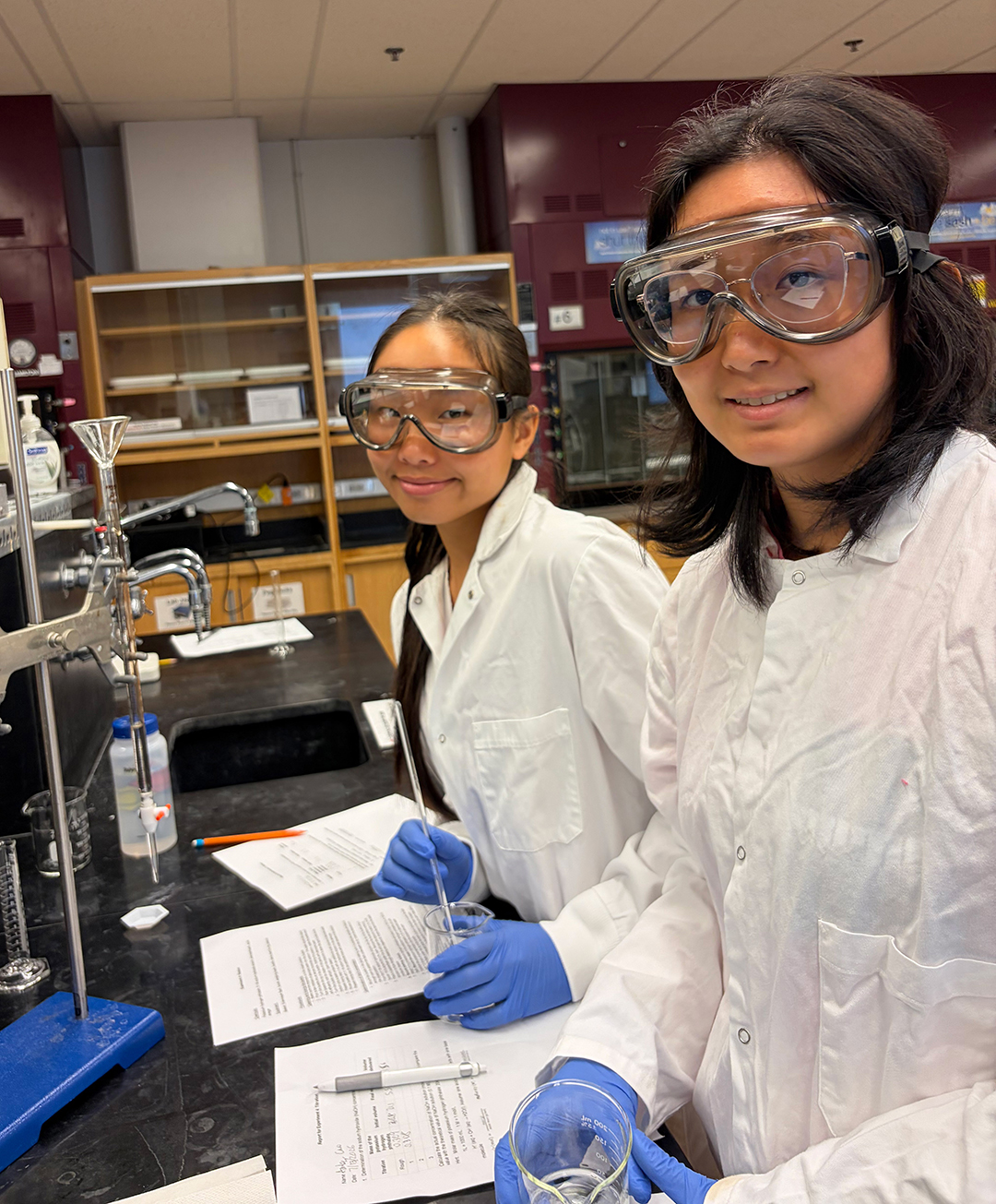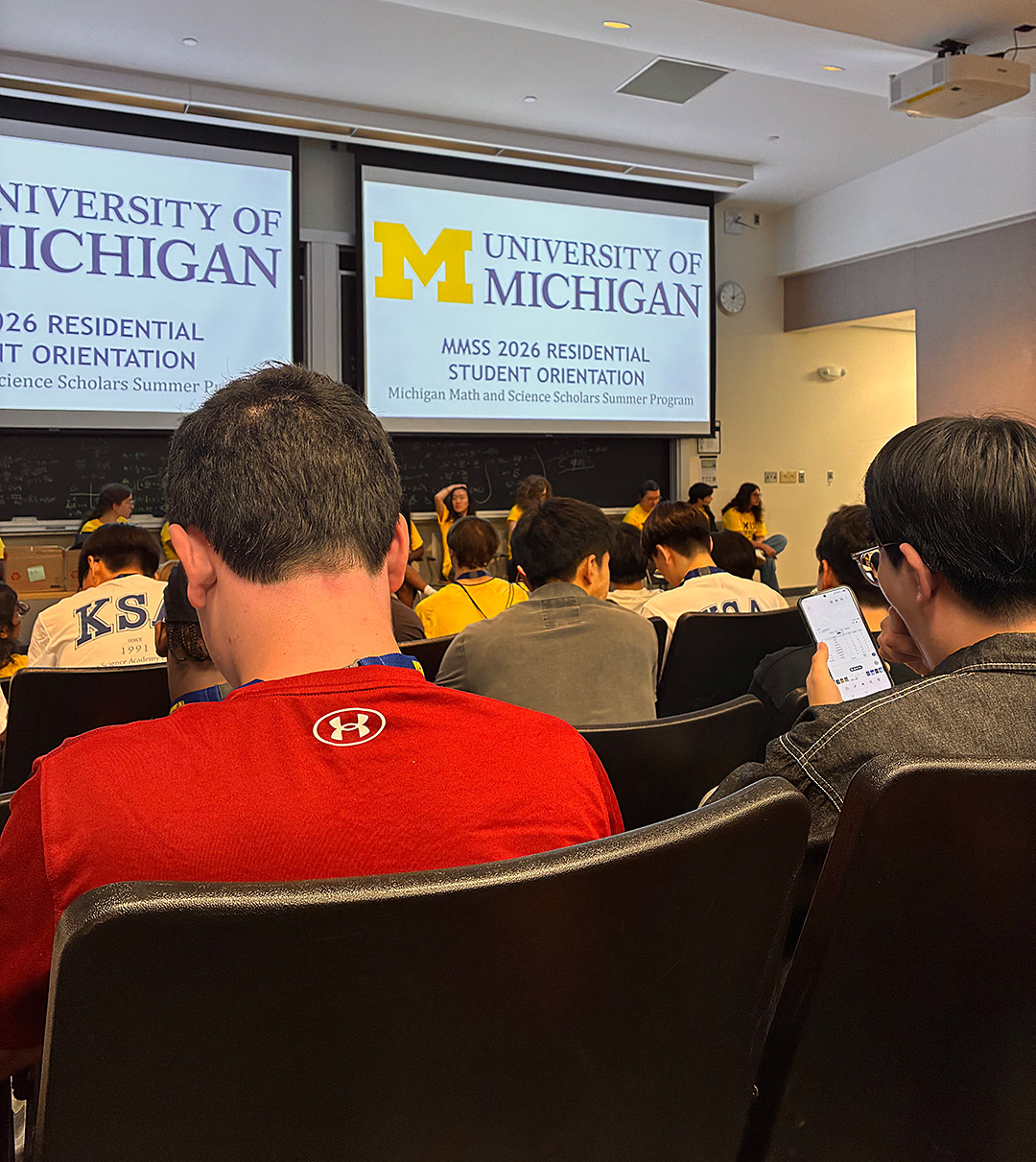
Claire Lu reports on her experiences at the Michigan Math and Science Scholars program, where she is studying “Surface Chemistry.”
“The first week of Surface Chemistry at the Michigan Math and Science Scholars program has been a great experience. The program is very busy with activities, lectures, and labs, but there is still time to hang out with my friends and explore the city of Ann Arbor,” Claire says.
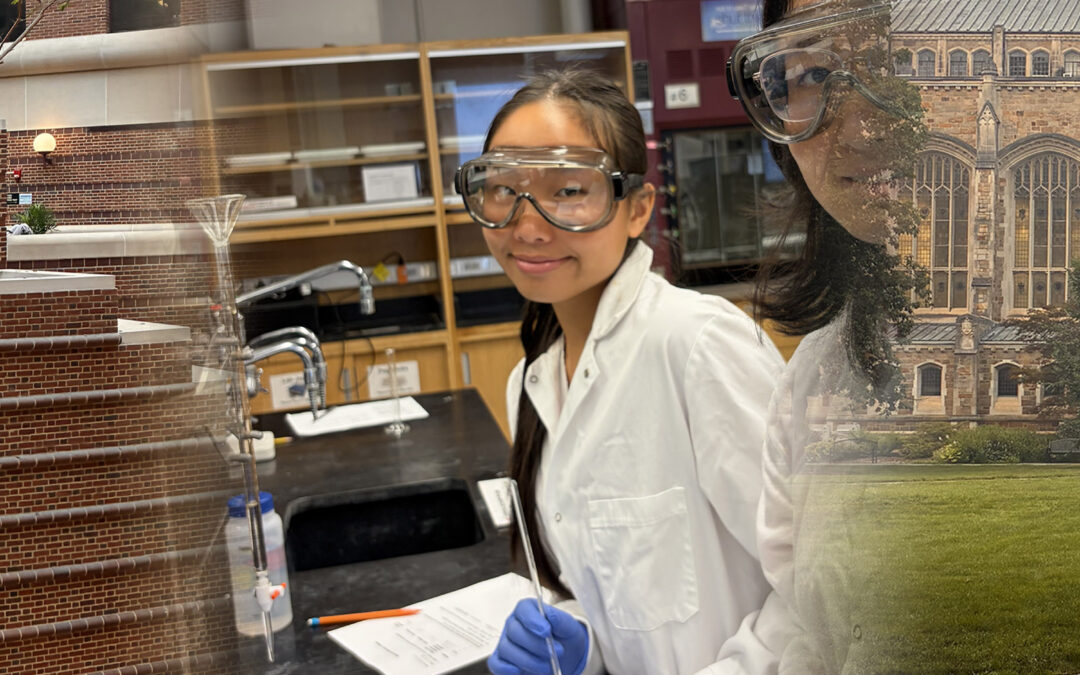
“One of the most exciting parts of our course is the hands-on labs. They allow us to visualize the concepts we learn in class and understand them better. During our afternoon lab, as we were wrapping our handmade nylon onto a glass rod, many of us noticed bubbles forming in the solution. Instead of simply telling us what happened, the instructors asked us what we thought was causing it. After hearing our ideas, they explained that the two liquids had different densities. The denser liquid had been poured on top, so it naturally moved downward. As it sank through the less dense liquid, it created the bubbles we were seeing. This explanation made a lot of sense because I could actually visualize the process happening in the container,” Claire explains.
“The most challenging part of the program is that we have two presentations to give to our class, with one presentation each week. Each presentation must be created and rehearsed in around three days, and we work with randomly assigned partners. During this first week, my group’s project focused on hydrophobic and hydrophilic surfaces. This pushed me to take responsibility for my tasks and put myself out there to communicate with people I had just met. It was stressful at first, but it also made the program feel more realistic because scientists often have to collaborate with new people too. The day before our presentation, we realized that it was only 18 minutes long, even though the requirement was 30 minutes. We spent extra time creating more slides and practicing our presentation skills. In the end, all the hard work paid off. Not only did our project go well, but everyone felt proud of our performance. Teamwork truly made it all possible,” Claire adds.
Claire reports that the assistant instructors have been a great help with academics, stressing the importance of lab safety, and sharing their own research projects with the students. In addition, Claire has been meeting students from a variety of locations.
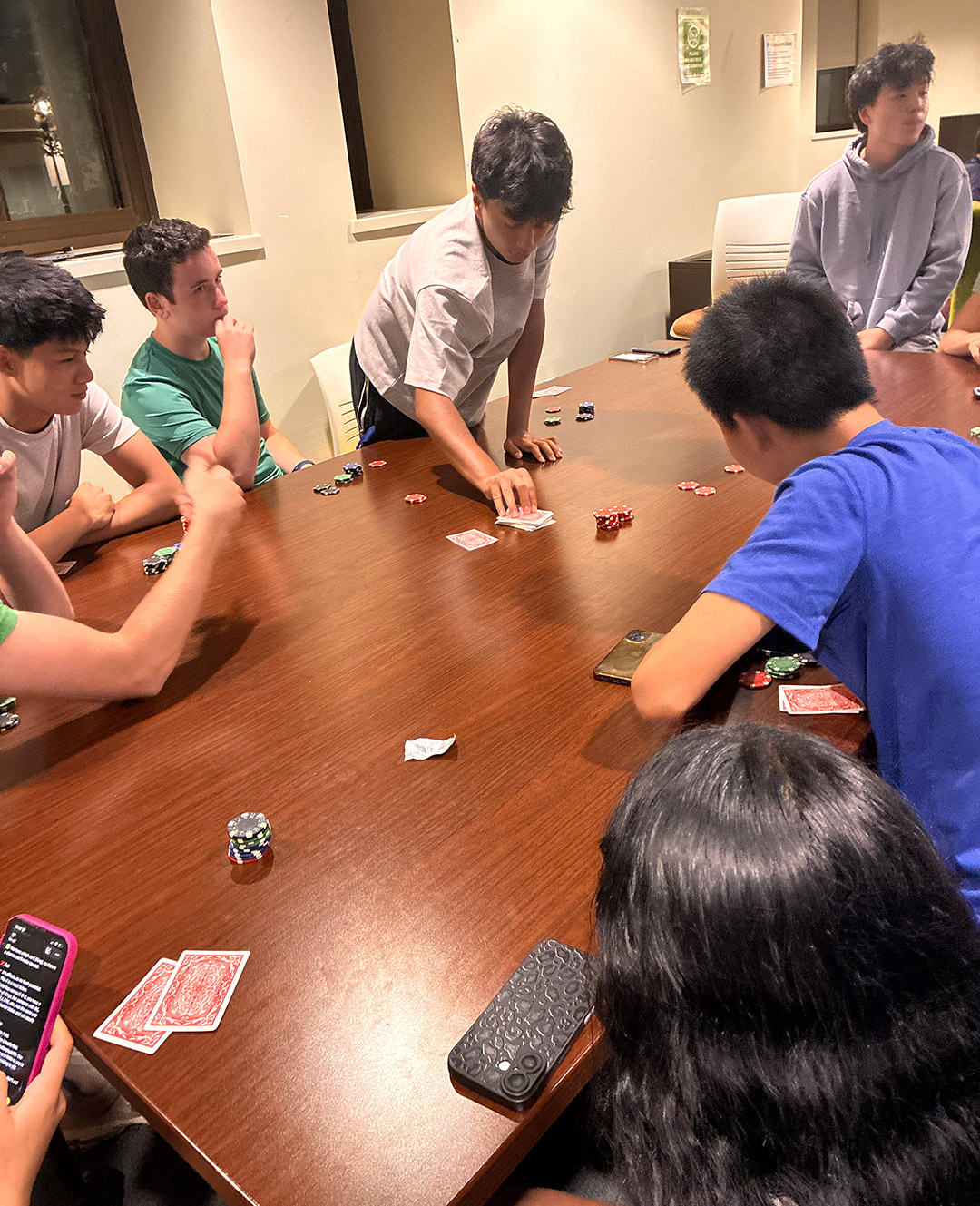
“Living in the residence hall has been a great experience. My roommate is from Canada, and it has been fun getting to know her and other students from different places. Even in my current friend group, there are people from New Jersey, California, New York, and Ann Arbor. Everyone has their own stories, experiences, and perspectives that they bring to the table, which makes our conversations more interesting. Outside of class, we play card games, watch the World Cup, and even run together after a full day of classes and activities,” Claire says.
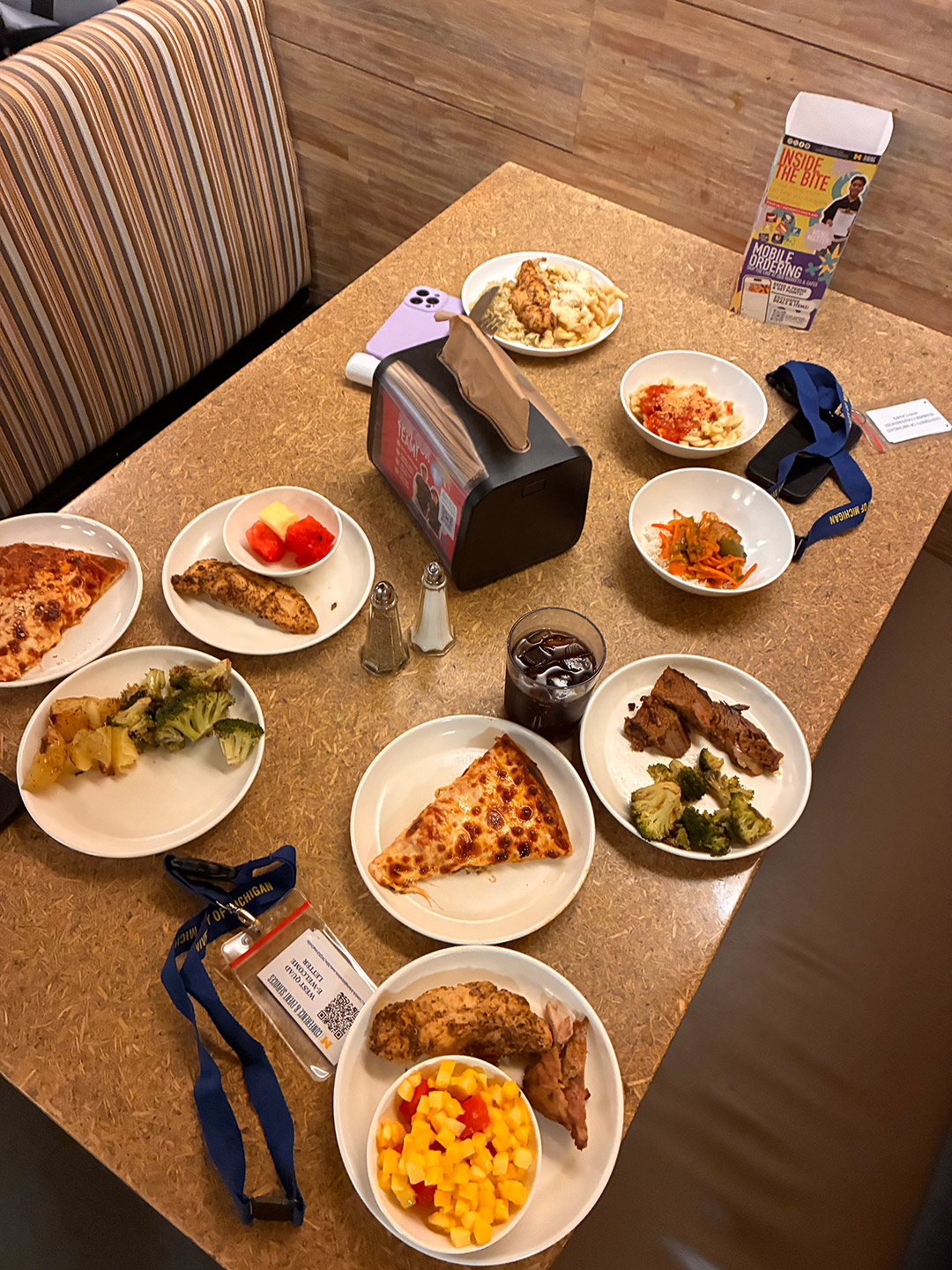
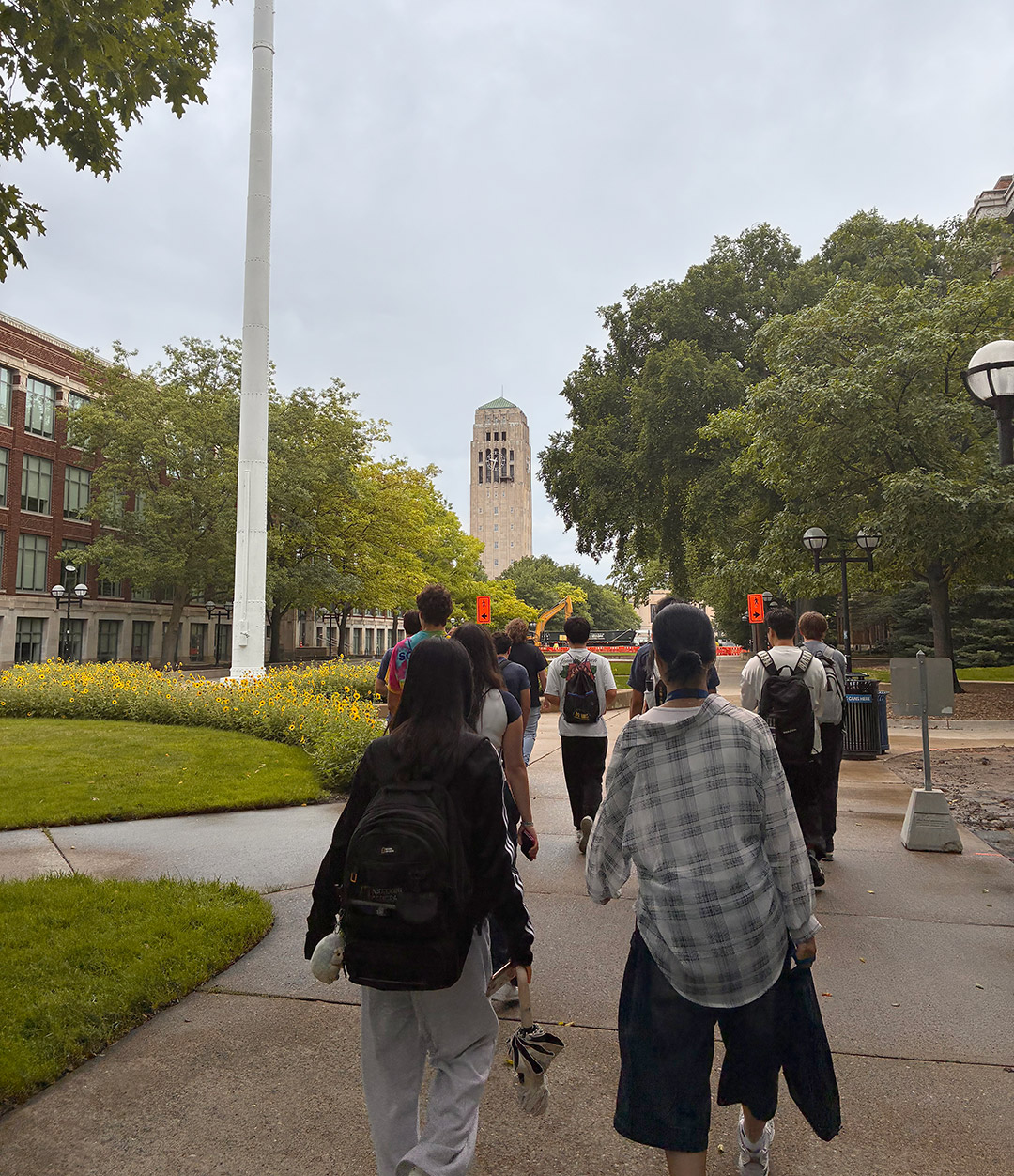
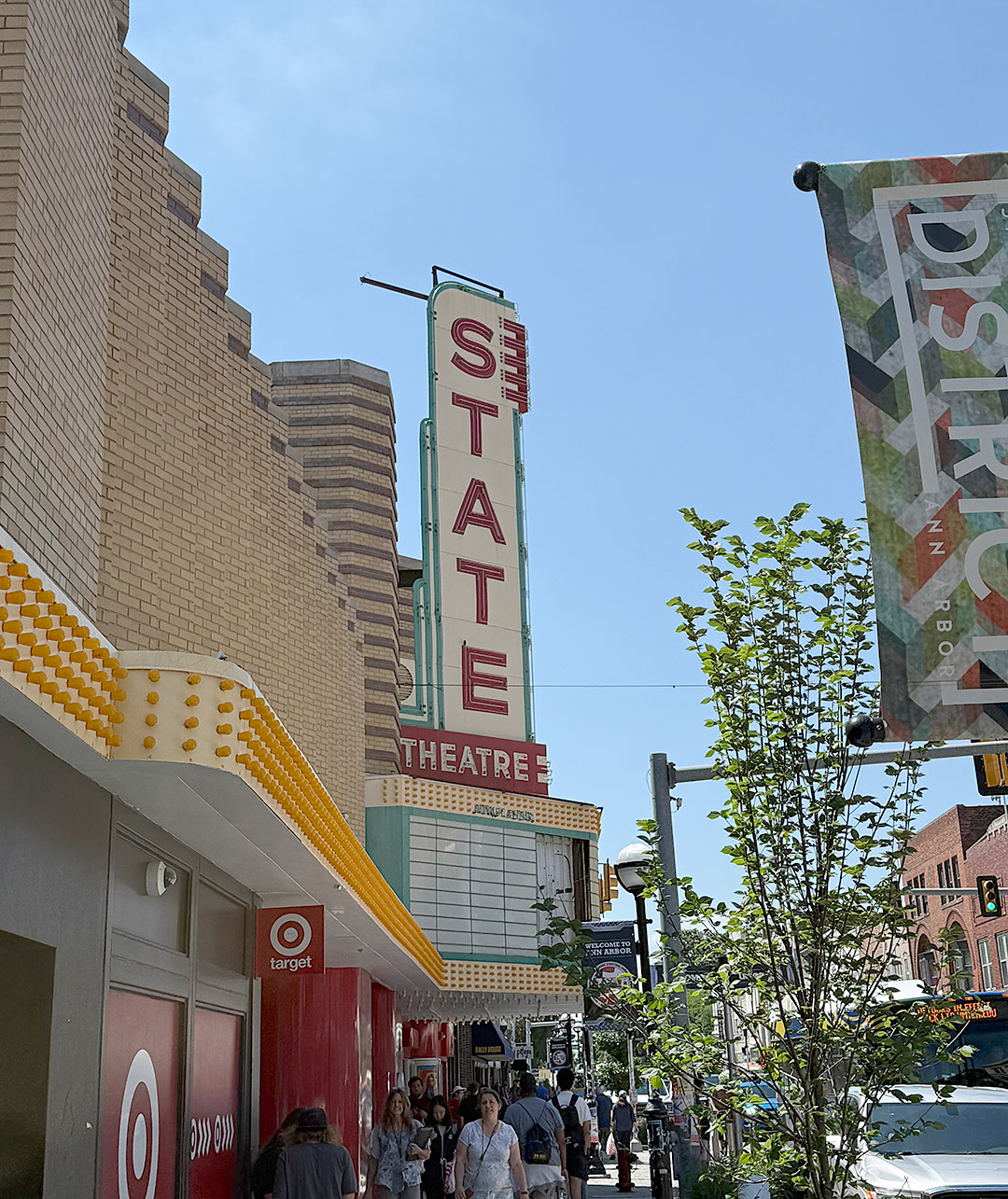
“MMSS has given me a glimpse of what college life may be like. We were given a designated area to explore on our own, as long as we stayed within the program’s boundaries. I still had to use Google Maps to find most places, but I enjoyed walking around Ann Arbor and exploring the city with my friends. The city felt very walkable, and drivers often stopped to let us cross the street. Having the freedom to find places to eat and manage my own time made me more interested in college life,” Claire adds.
Week Two — Chromatography & FTIR Spectroscopy
Claire states that after the first week, she was becoming more comfortable with the program and was looking forward to what would come next.
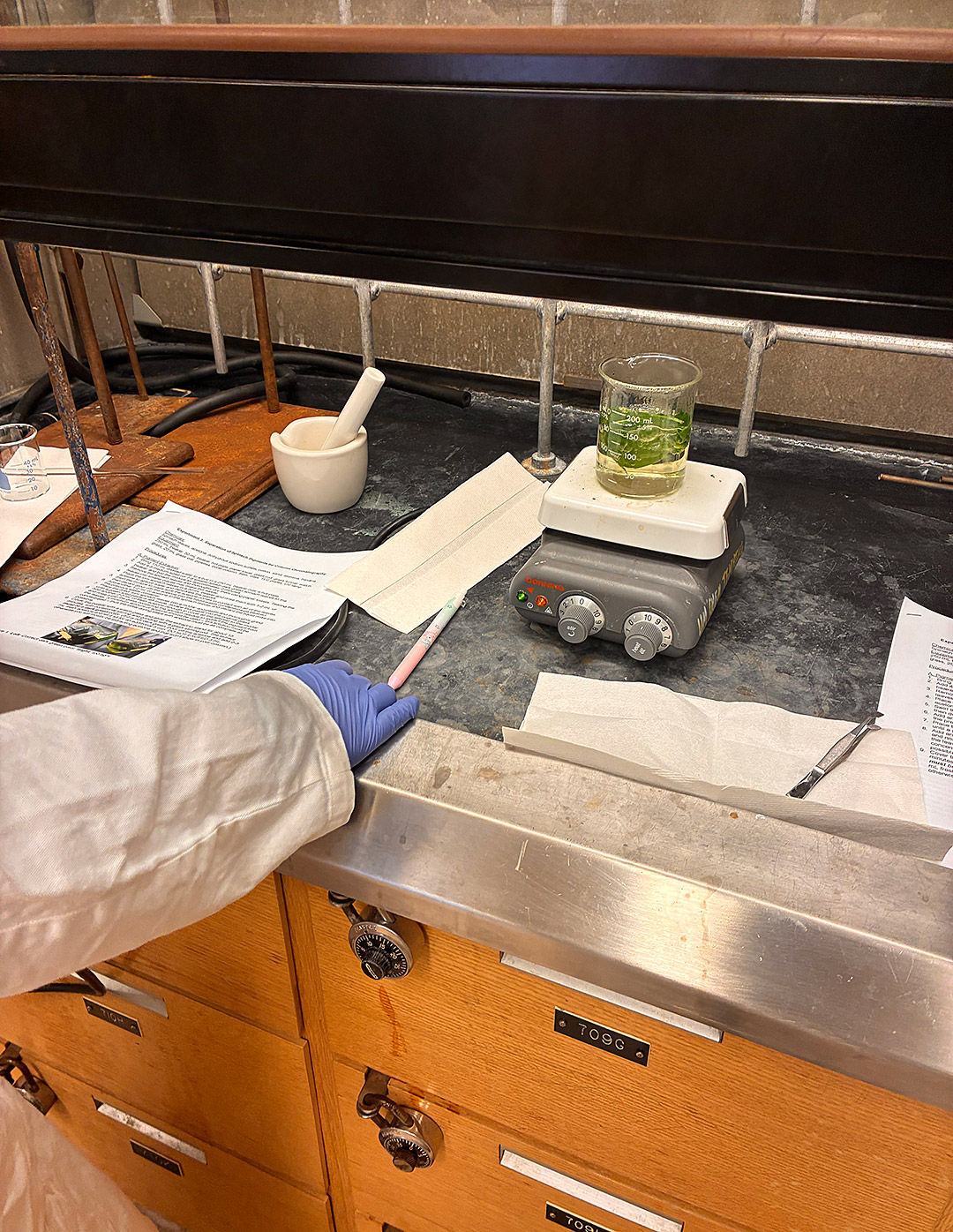
“Our first lab of the week involved chromatography, a technique we had already used earlier in the program to separate the different pigments found in boiled spinach leaves, allowing us to see the various colors that are normally hidden by their green appearance. This time, however, instead of separating pigments, our class competed against each other to collect a solution with the faintest shade of pink. The liquid contained an indicator that turned pink once a specific point was reached. Our goal was to stop collecting the liquid as close to that point as possible, leaving only the slightest tint. If we stopped too early, the solution would remain colorless. On the other hand, if we added just one extra drop, the beaker would turn “Barbie pink,” as we dubbed it, and immediately be eliminated from contention. Since appearance is subjective, our class argued over some samples. It also did not help that the color would fade away with time, making the competition seem somewhat like a gamble. The person who prepared the sample could have truly seen a pink tint at the time, but the judges who viewed it later could see it as completely clear. Nonetheless, our assistant instructors helped us settle our disputes by providing an unbiased opinion,” Claire reports.
“Another one of my favorite labs of the week involved pH measurements and Fourier Transform Infrared (FTIR) spectroscopy. We created a Clark and Lubs buffer by combining a strong base with a weak acid. After being given three buffers of pH 4.0, 7.0, and 10.0, we calibrated our pH electrodes by dipping the probe into the liquids to standardize our readings, ensuring that they are accurate. We then prepared our own solutions by adding water until our solution reached an assigned pH value. For the second portion of this lab, we used an FTIR spectrometer to generate a spectrum of the chemical PVA. By analyzing the shape and location of the peaks, we were able to determine what types of bonds were present,” Claire adds.
During the week’s lectures, Claire learned and developed an interest in biomaterials.
“Before attending MMSS, biomaterials had never been a field I was particularly interested in, or even very knowledgeable about. I had assumed the term only referred to highly advanced technology, like robotic limbs and artificial hearts, but I was surprised to learn that a biomaterial is just anything that replaces or improves something in the human body. As we examined the advantages and disadvantages of different materials, I began to understand the difficulty involved in selecting something that must function safely inside the human body for up to a lifetime. For example, metals are strong enough for screws, but they may also corrode over time. This showed me that there is more to biomaterials than meets the eye and that there are many trade-offs that scientists have to consider,” Claire explains.
Later in the week, Claire had a “memorable experience” touring a chemistry research laboratory.
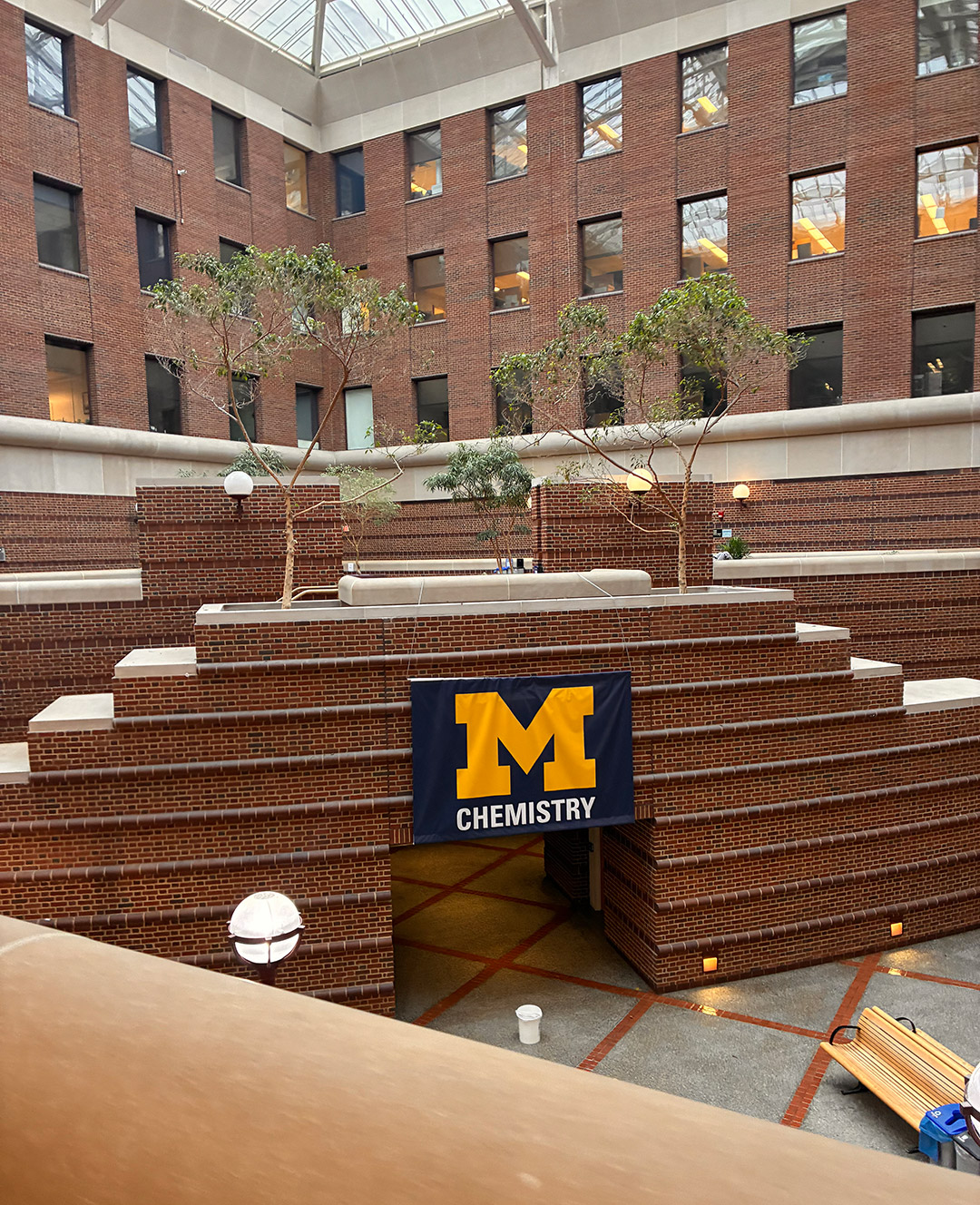
“Contact angle goniometry was my Week 1 presentation topic, so I had already spent a lot of time learning how it worked and included videos of the different measurement methods in my presentation. Even though I already knew what the instrument was going to do, seeing it operate in person was a completely different experience. Some parts of the process were not featured in videos online, like how the application automatically applies different mathematical equations to determine the surface properties. We also had the opportunity to see a Raman microscope, a sum-frequency generation spectrometer, and the lasers used for spectroscopy. Something new that I learned was that laser is actually an acronym for Light Amplification by Stimulated Emission of Radiation. Additionally, we learned about the lab’s research on the adhesion of barnacles and seaweed. Their work grabbed my attention because I never considered the effect that organisms attaching to the bottoms of ships could have on fuel efficiency and speed,” Claire reports.
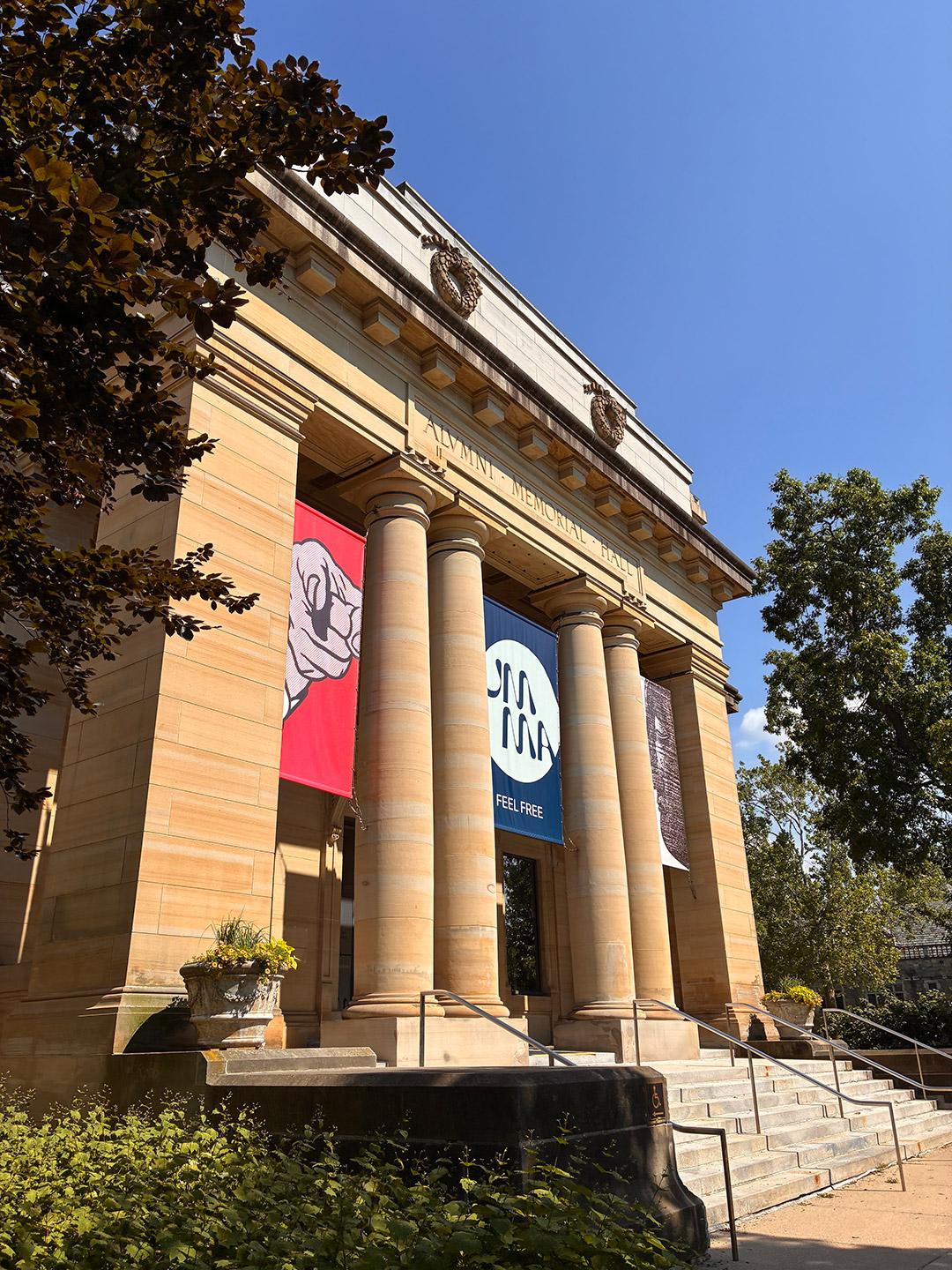
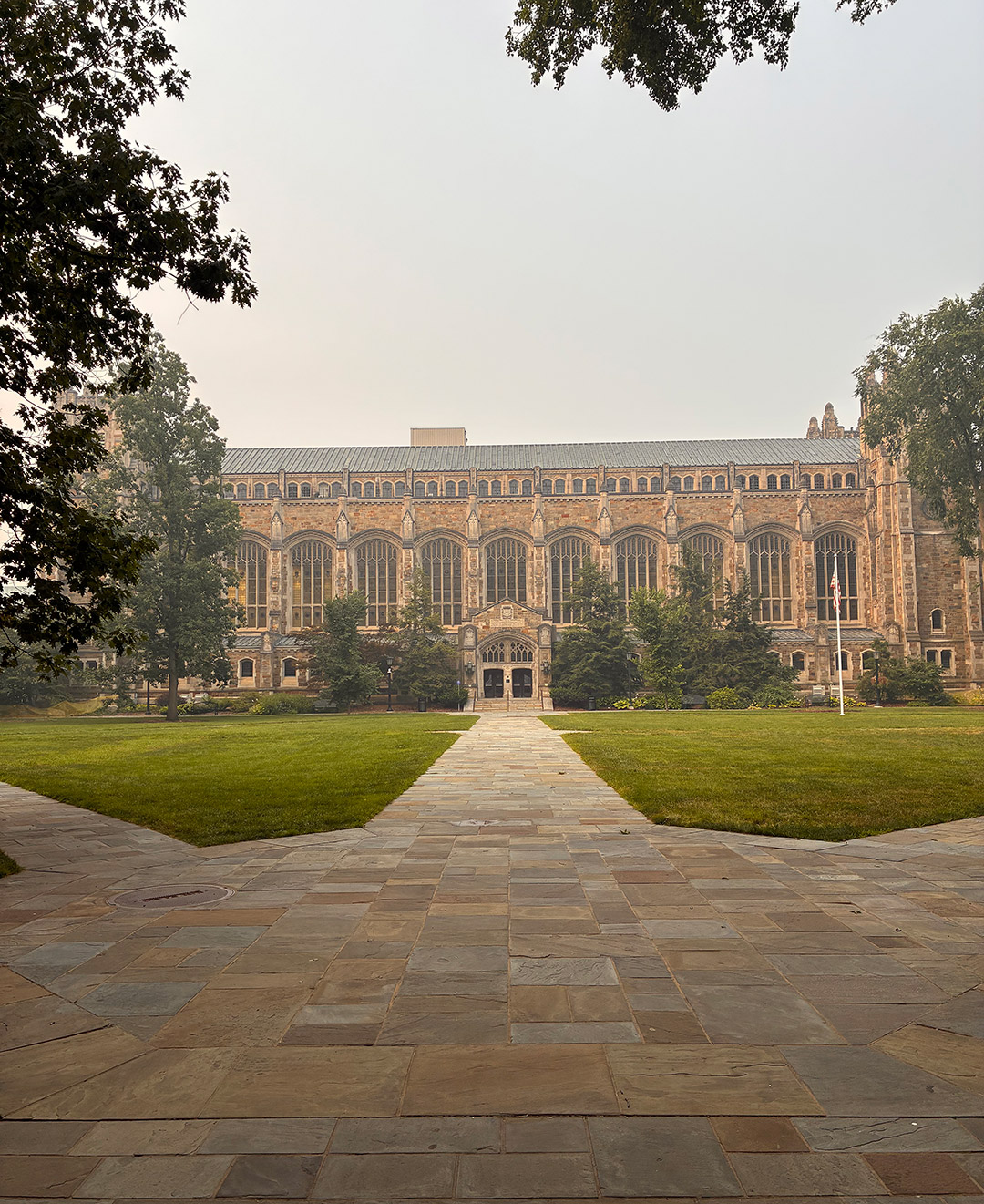
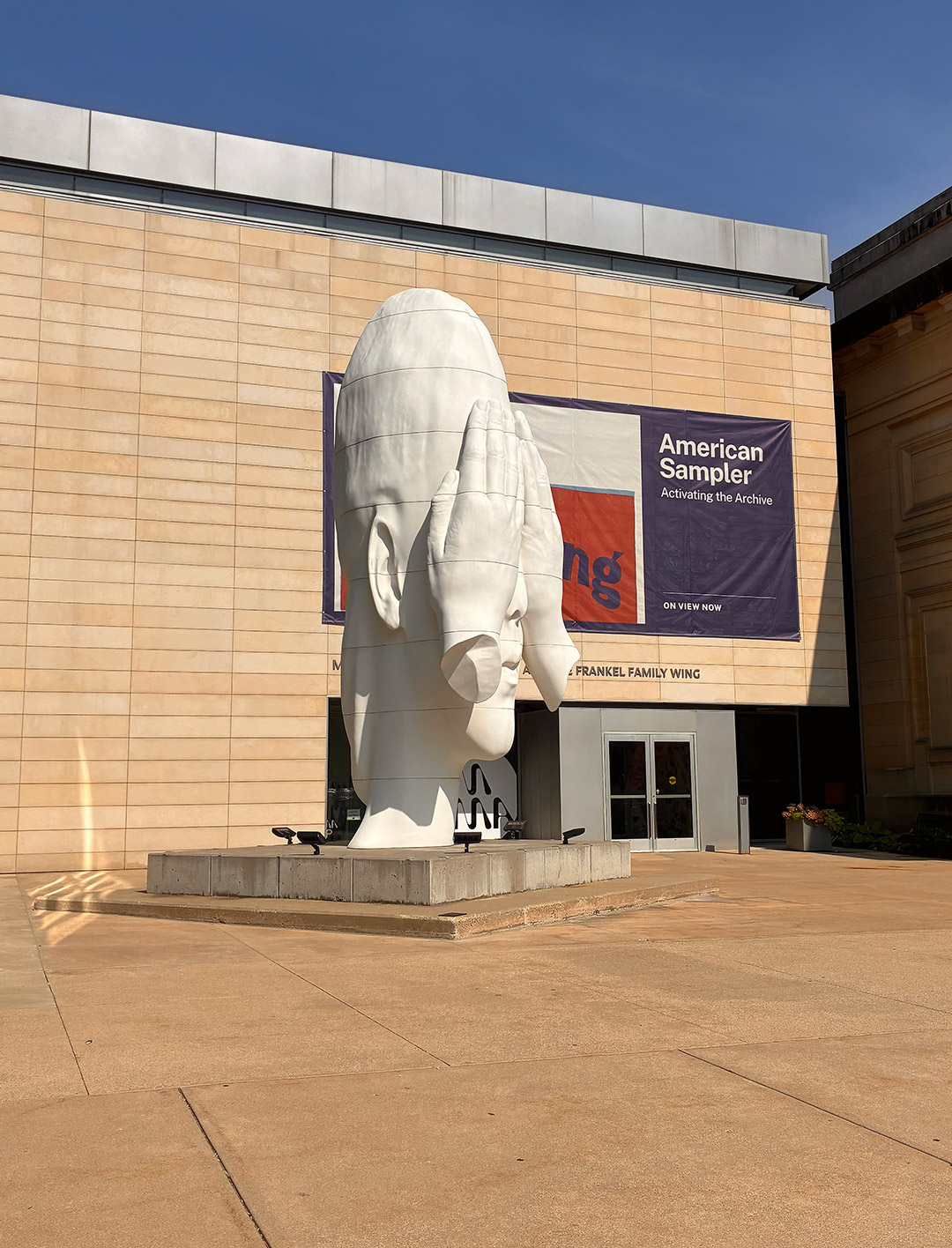
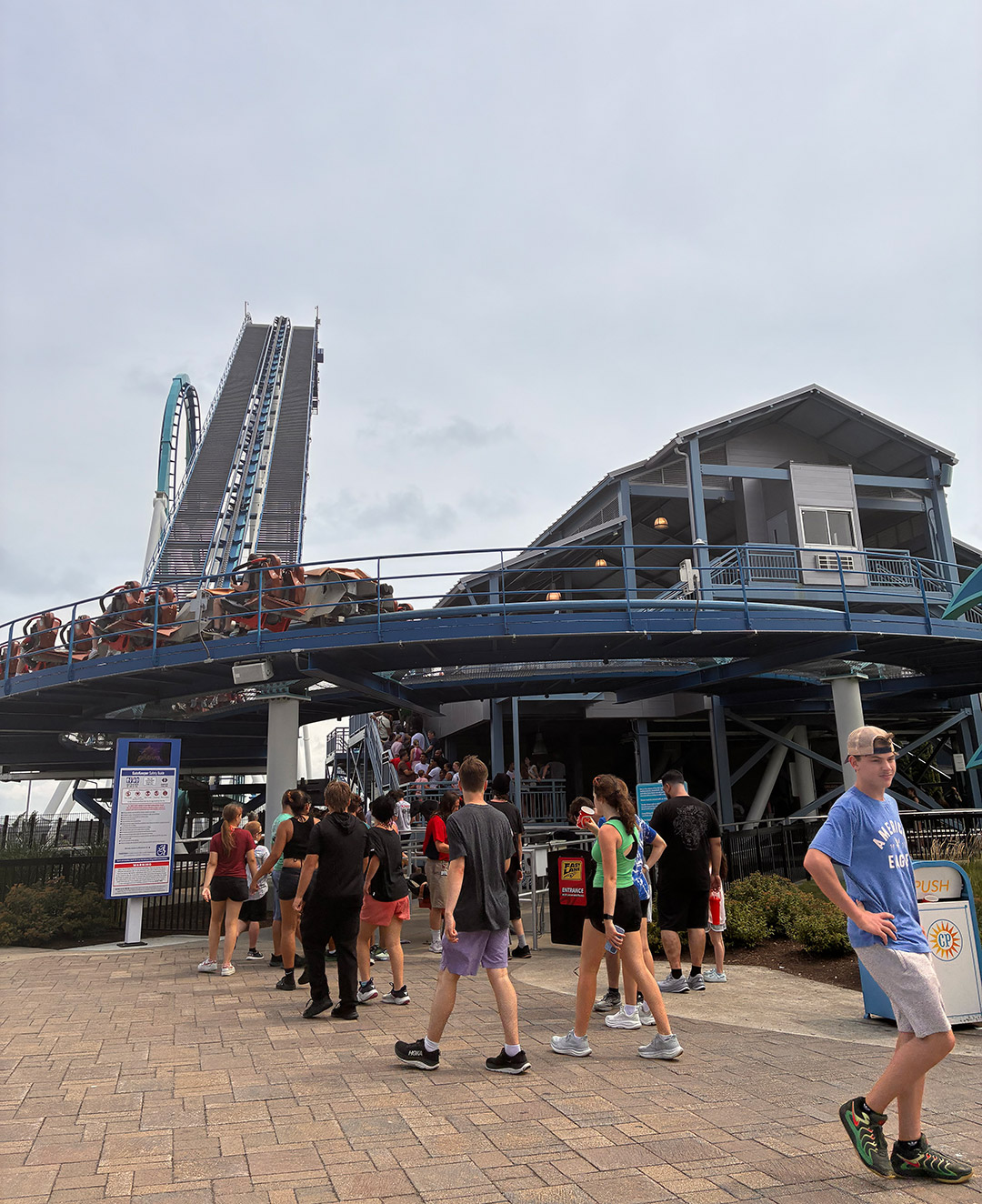
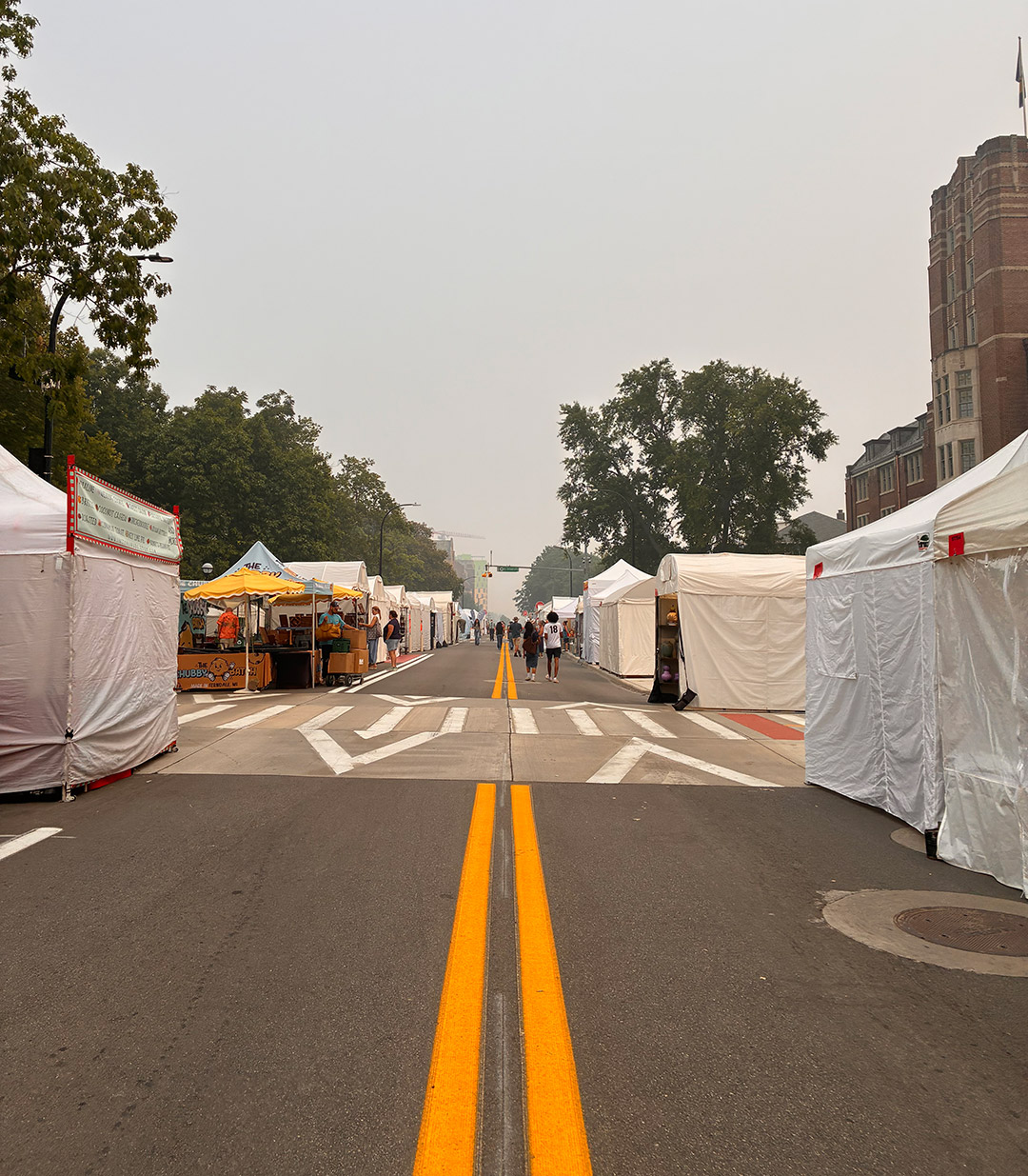
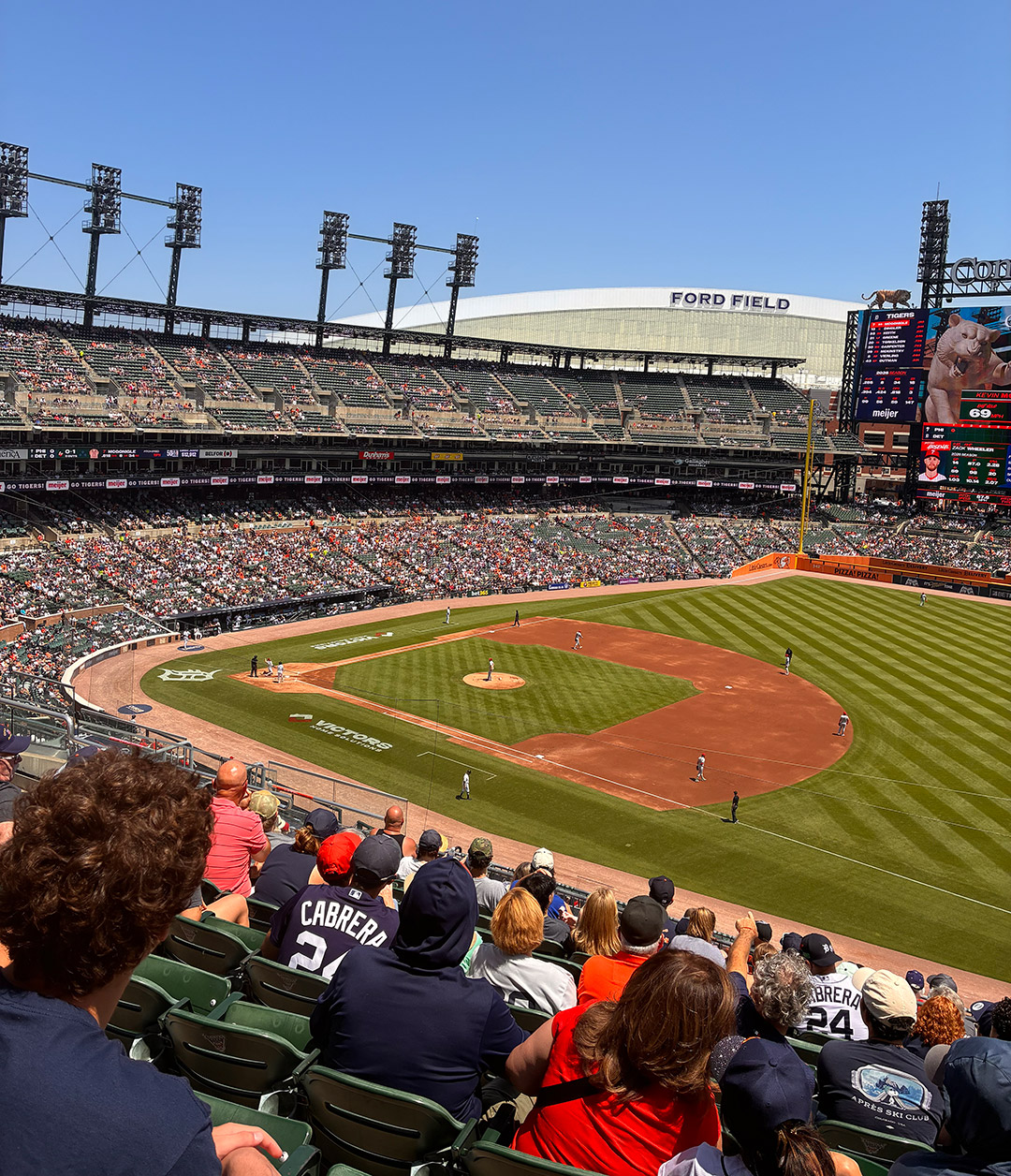
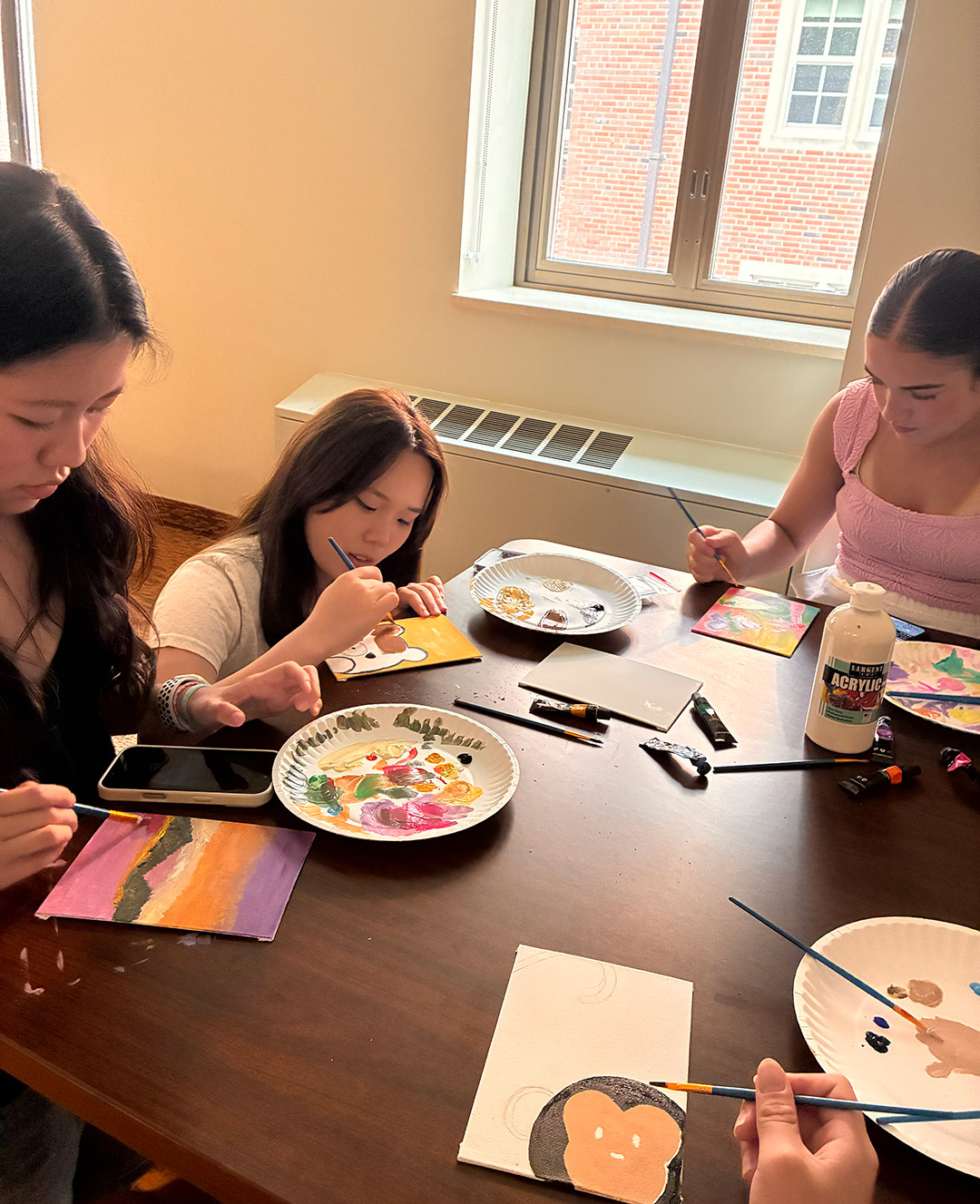
When not in class, Claire participated in several activities: exploring the campus, visiting the Ann Arbor Art Fair, attending a Detroit Tigers game, and getting together with other students for a painting exercise organized by the program
“This week helped me understand that the program was about more than academics. Even though I am excited to return home and see my family, I am also sad to leave the friends and people I have gotten to know here. I have only known them for a short time, but it feels like we connected almost instantly. I will never forget the memories I made here, and I am very thankful to the Garwin Family Foundation for making this experience possible. I could not have attended MMSS without their generous support, and I am grateful for the opportunities they made possible,” Claire says.
We are happy to hear that your experience at MMSS was a memorable one, both academically and socially. Great work, Claire!