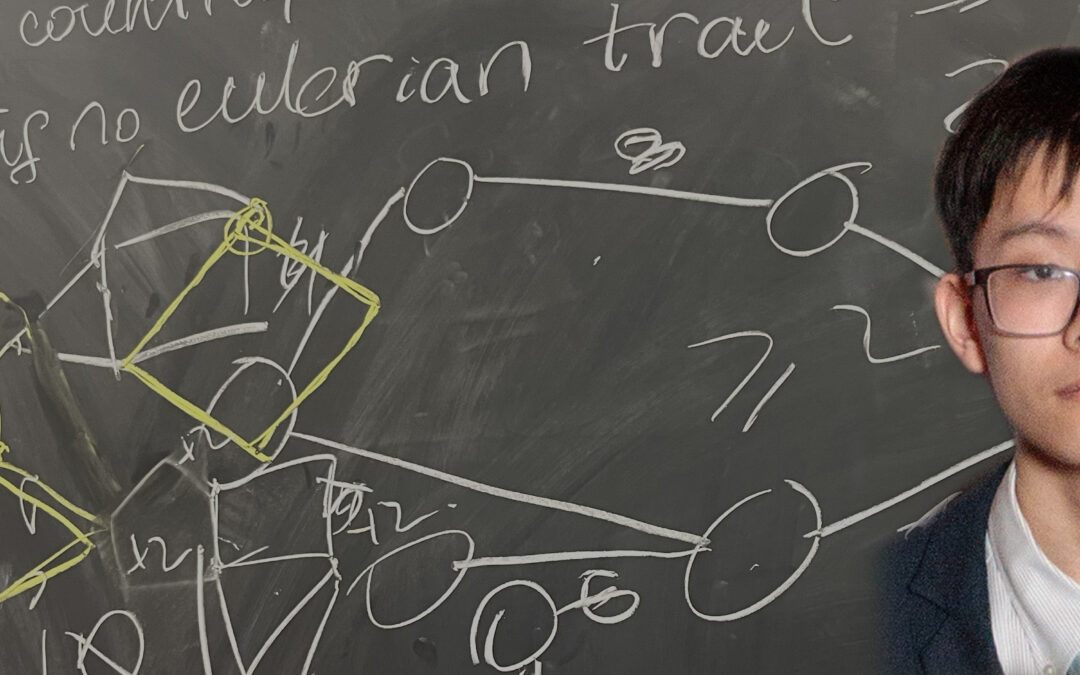
Takamichi Miyoski reports on his first two weeks at the Michigan Math and Science Scholars (MMSS) program at Michigan University where he is studying Graph Theory.
“This week in the program, I have been constantly learning new concepts, meeting very intelligent people, and having fun working alongside them. The students are highly motivated and enjoy discussing mathematics both inside and outside of class, which made the experience very enjoyable,” Takamichi says.
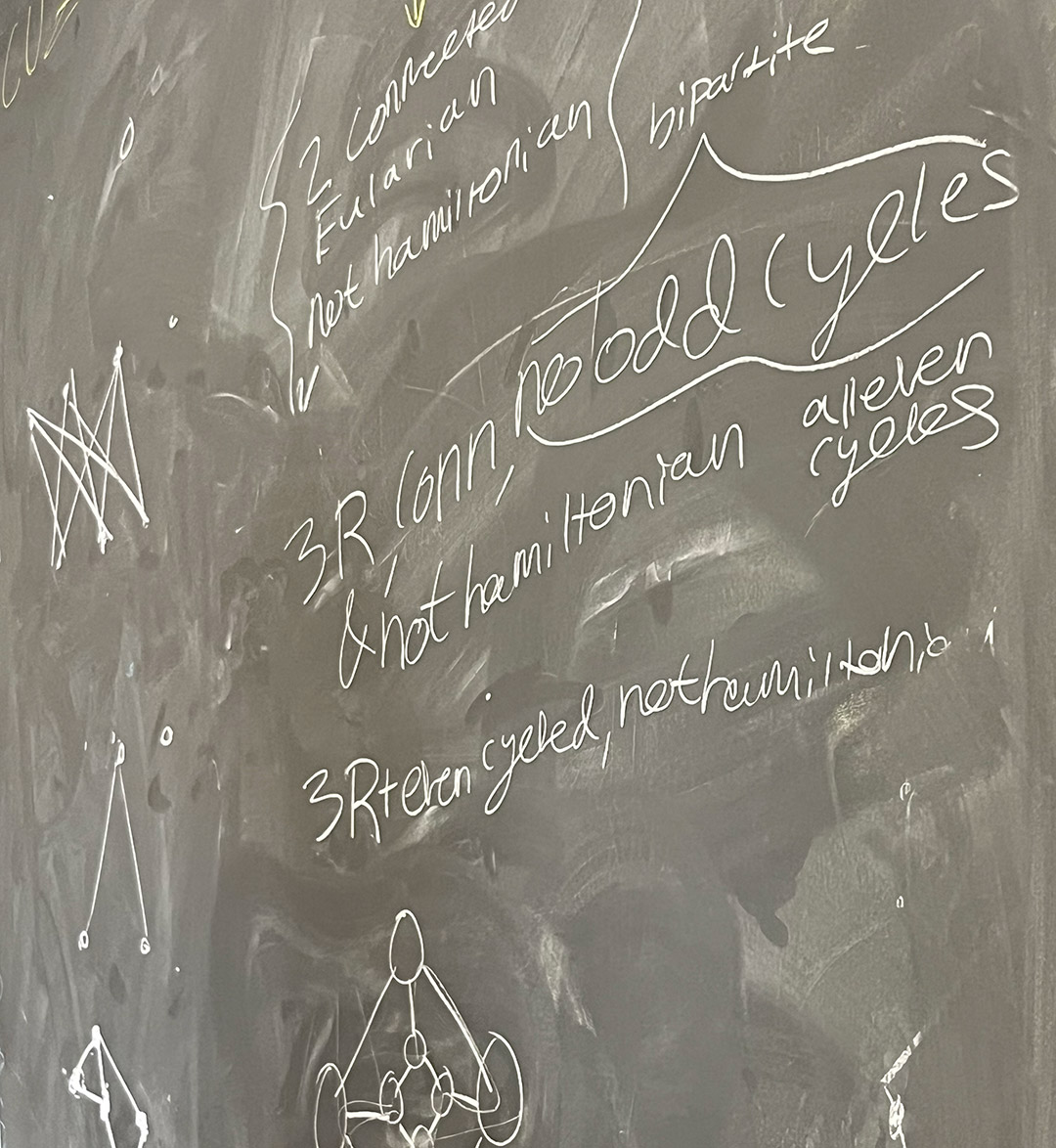
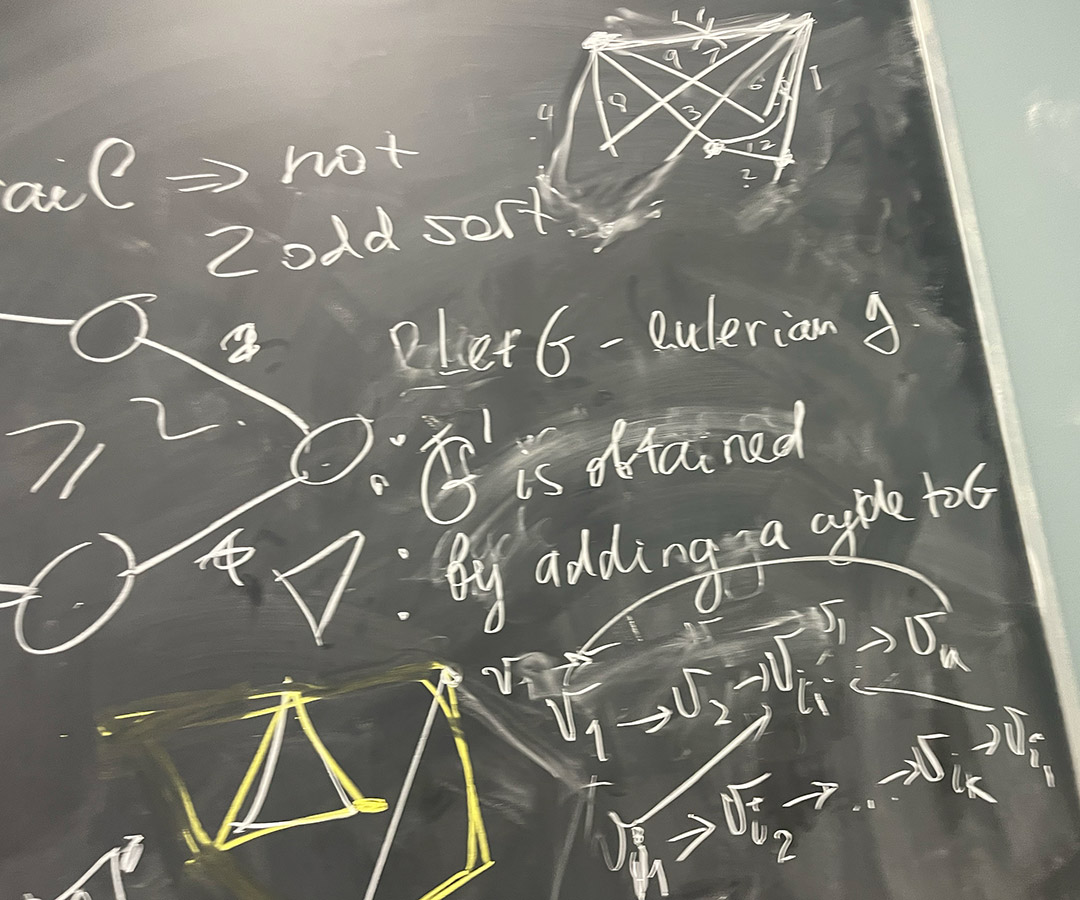
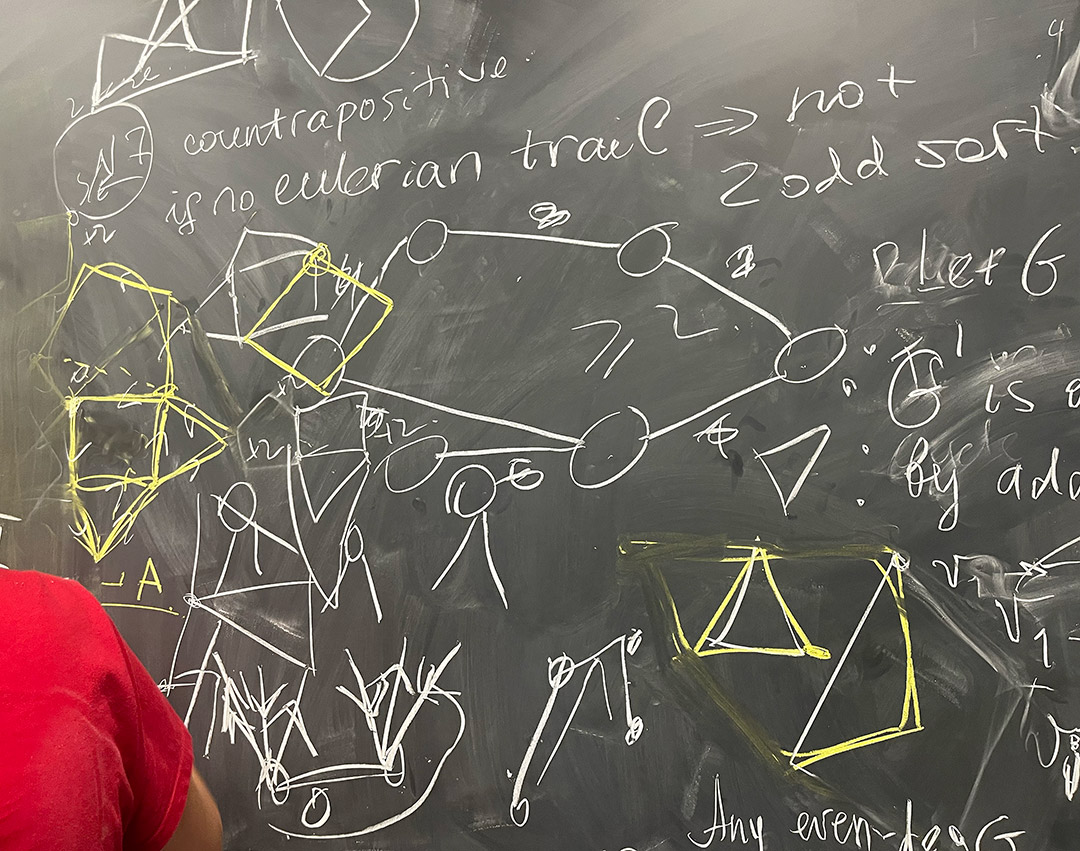
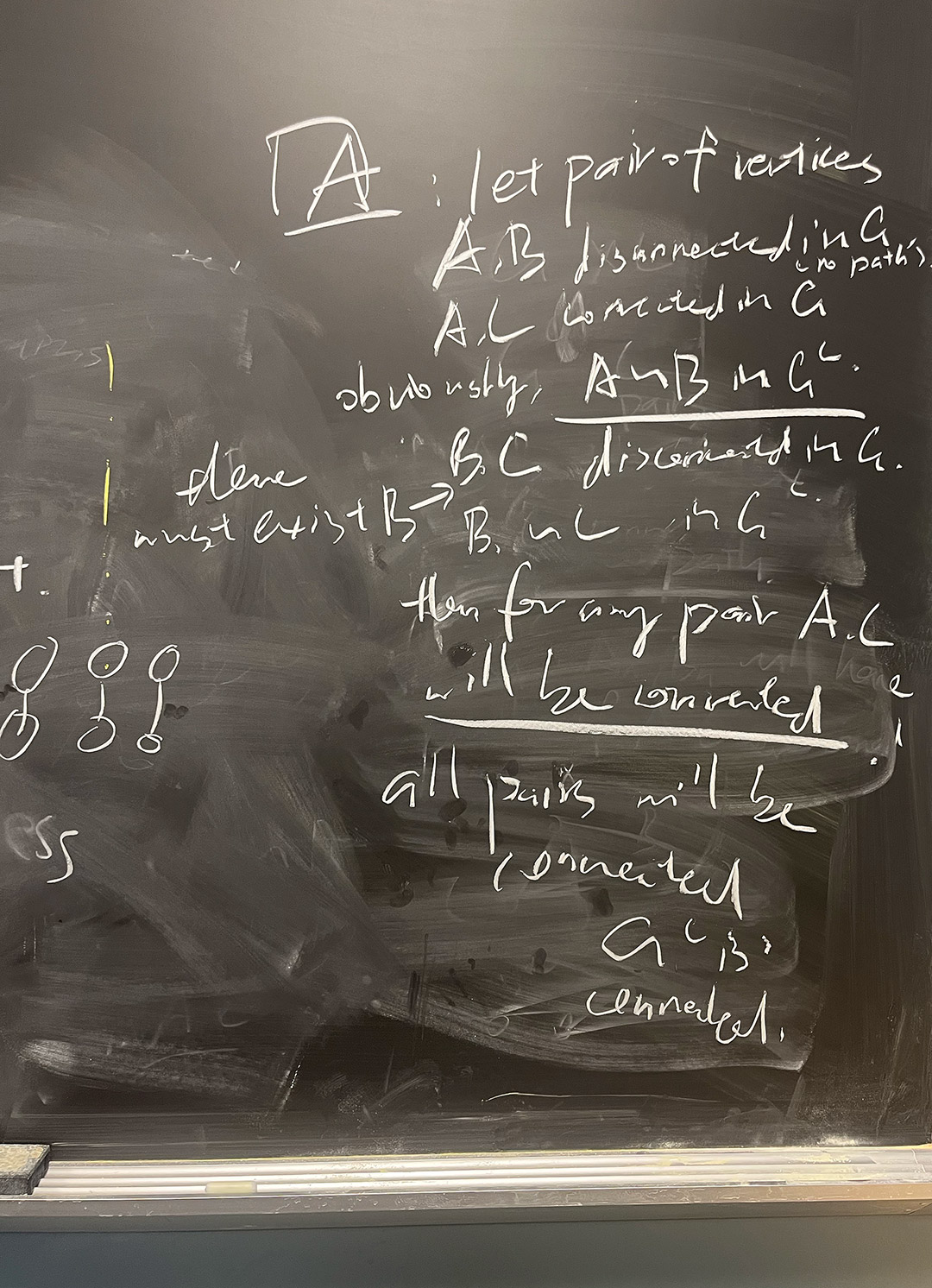
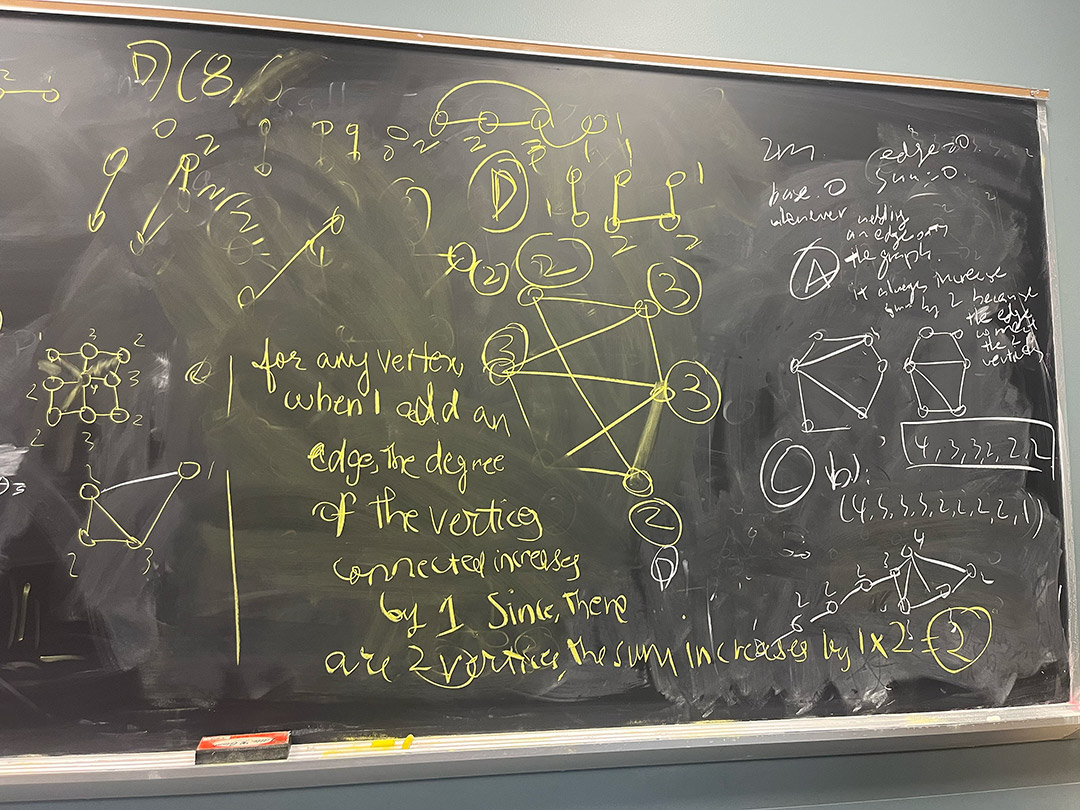
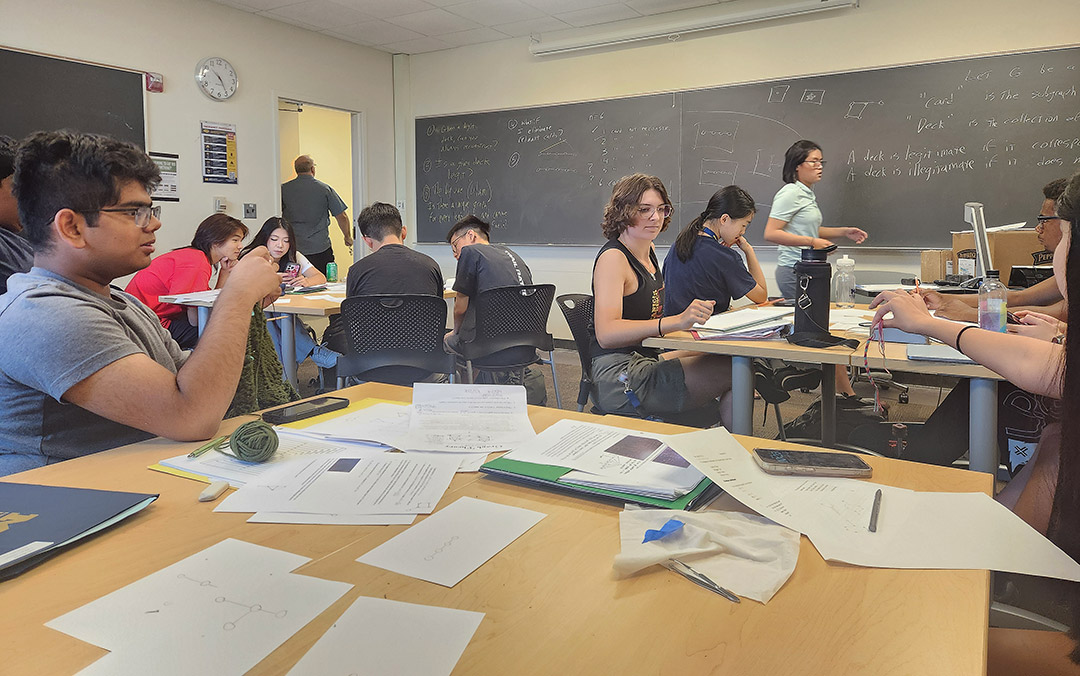
“In Graph Theory, the class I am taking, we learned about different types of graphs and spent time drawing the and analyzing them. Rather than focusing on just understandings, they focus on deep reasoning behind problems. Through this class, I found out that it is very difficult to explain your thoughts in a perfect solid statement. This was very different from what I have experienced in a traditional school setting,” Takamichi explains.
Takamichi reports that the course is the most rigorous academic program he has ever attended, but also states that it has been a great learning opportunity and has helped him to grow as a student.
“Although we do not receive traditional homework assignments, I spend a significant amount of time reviewing the professor’s lectures using the notes we take in class and also working through the problems we complete in class to make sure I understand the material. This is different from my experience at my regular school, where I usually finish assignments quickly without needing much additional review,” Takamichi says.
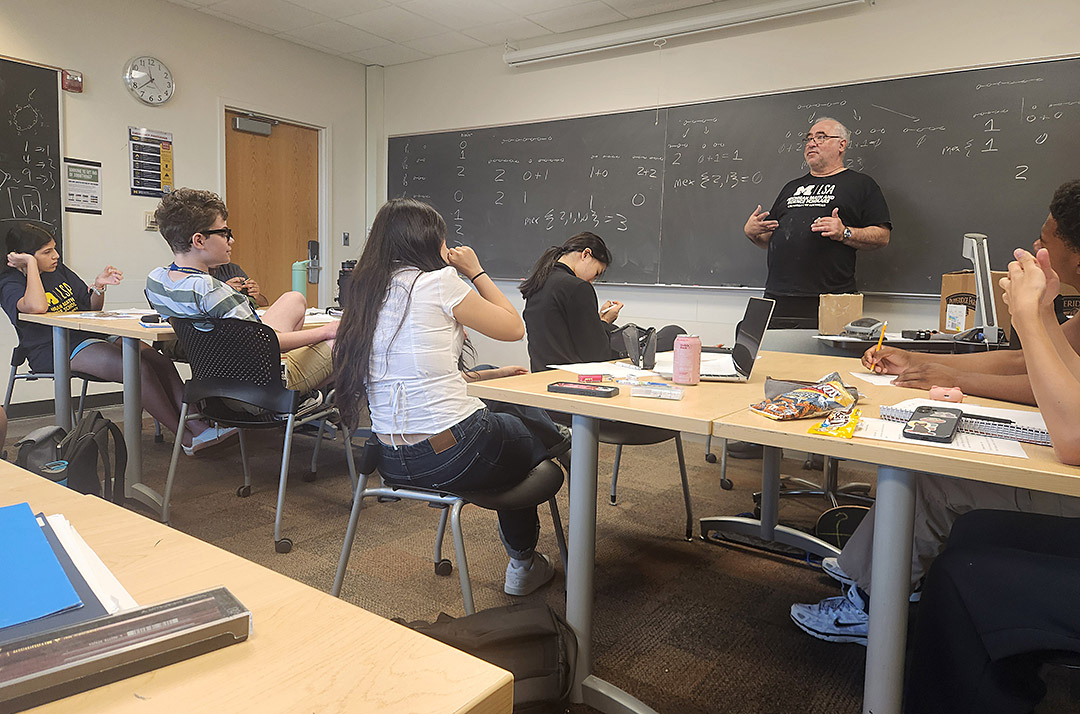
“My interactions with the professor and the other students have been excellent. Everyone is very intelligent, which makes discussions both interesting and enjoyable. I have learned a lot not only from the lectures but also from conversations with my classmates and friends. The faculty and the students have strong academic backgrounds and are always willing to help. Their enthusiasm for mathematics creates a great learning environment and motivates me to continue improving.,” Tachamichi reports.
“I believe that the most challenging aspect of the week has been making sure I fully understand everything covered in class. This especially matters in Graph Theory because just understanding the problem does not mean you can explain it,” Takamichi adds.
Acrylic Graphs, Degree Sequences & Degree Sum Theorum
As the weeks progressed, Takmichi reports that the class “continued exploring new topics in graph theory and build on many of the ideas we had learned previously.”
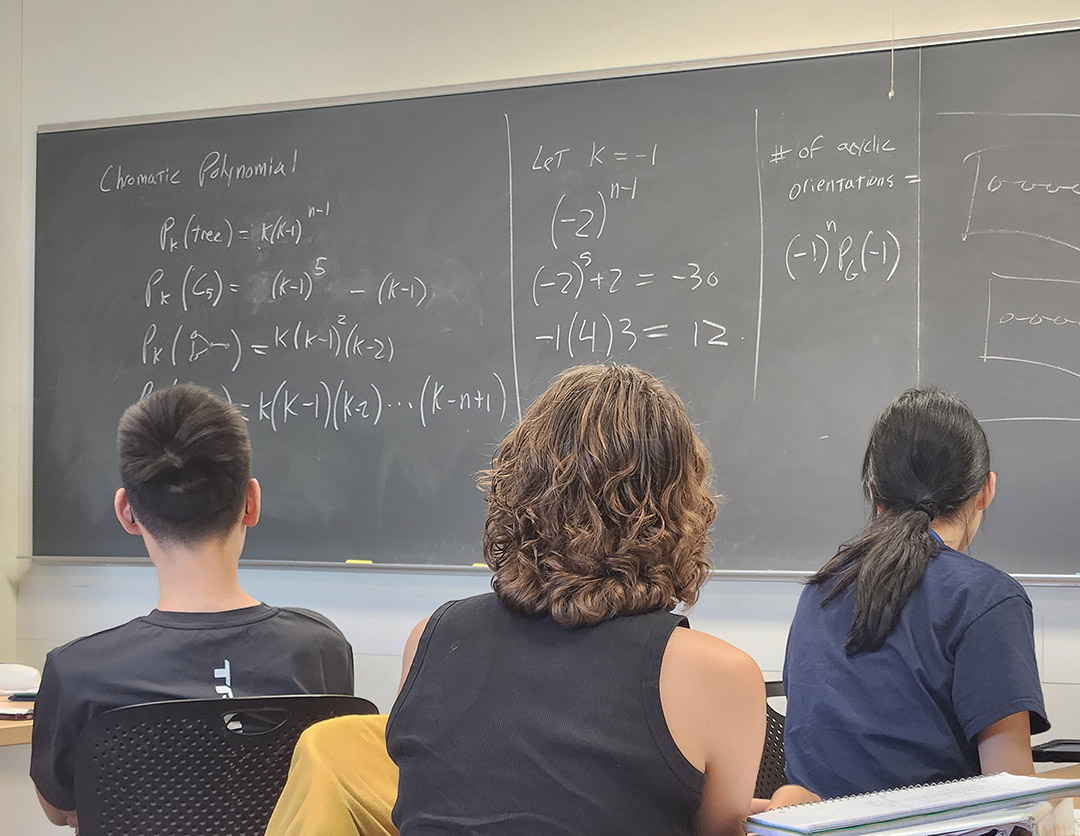
“We studied trees, acyclic graphs, degree sequences, and the Degree Sum Theorem, which states that the sum of the degrees of all verticals in a graph is equal to twice the number of edges. We also spent more time discussing the difference between necessary and sufficient conditions and learned how important it is to distinguish between them when writing mathematical proofs. As the material became more advanced, we relied more on logical reasoning and carefully justified each step of our proofs instead of simply finding the correct answer. I think the skill of being able to justify your answer will be very important in later courses where the problems get much harder and you need to have a clear path of thoughts in your brain,” Takmichi explains.
“Another interesting graph we studied was the Petersen graph. Although in has only ten verticals and fifteen edges, it has many unique properties and is often used as a counterexample in graph theory. Learning about the Petersen graph showed me that graphs with only a few verticals can still have surprisingly complex behavior. Throughout the week, our group continued solving proof-based problems, while the teaching assistants examined our work,” Takamichi adds.
When not in class, Takamichi has been spending time getting to know the other students.
“We often play chess together during our free time, which has been a fun way to relax after spending the day working on challenging math problems. I have also enjoyed playing Pokémon GO with friends while exploring the area around the campus. Over the weekend, a group of us visited Target to pick up a few things we needed, and it was a nice opportunity to spend time together outside of class,” Takamichi says.
Graph Invariants, Nimbers & Burning Numbers
During week four of his course, Takamichi reports that the class learned about graph invarients, nimbers and burning numbers.
“This week, we explored several graph invariants, which are numerical values that describe different properties of a graph. These include the independence number, clique number, clique partition number, chromatic number, and domination number. For each graph, we had to determine these values and justify our answers with logical reasoning. Many of the problems required us to prove that our solution was optimal rather than simply finding a valid one. I found it interesting that the same graph can be analyzed in many different ways depending on which invariant is being studied,” Takamichi says..
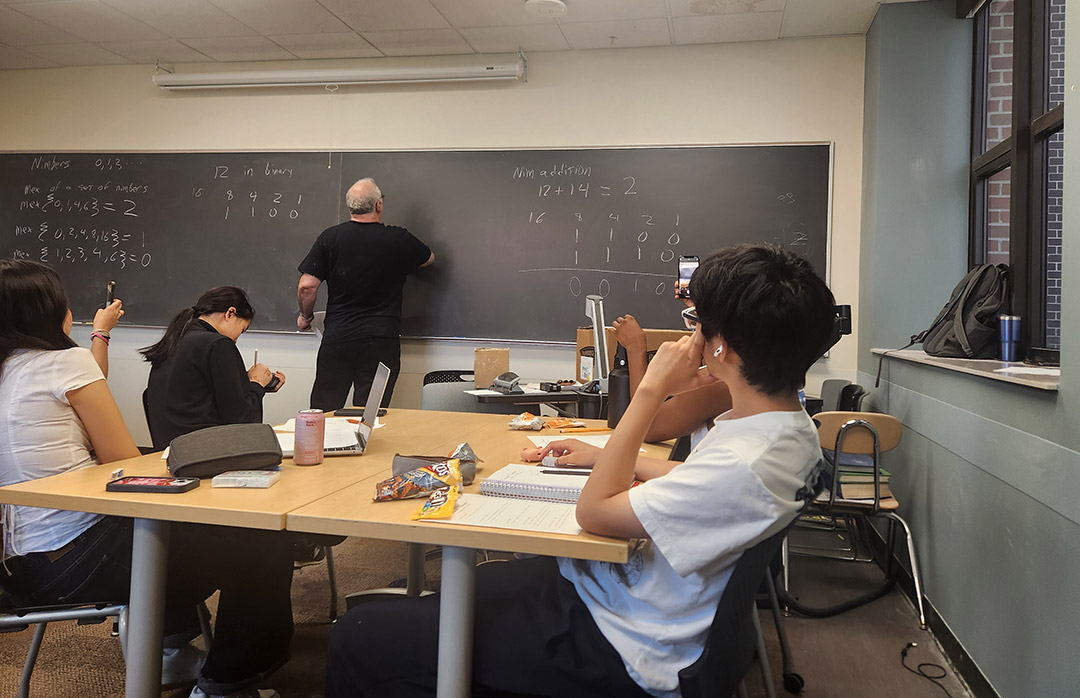
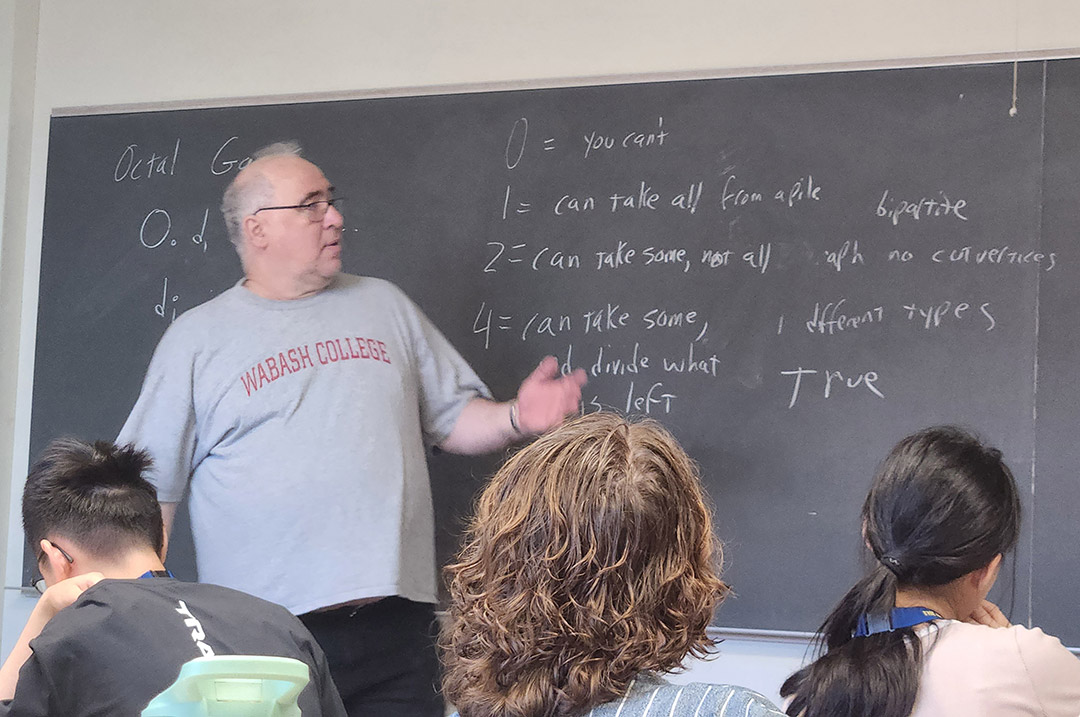
“We also learned about nimbers in combinatorial game theory. By assigning binary values to game positions, we could determine whether a position was winning or losing and analyze more complicated games using logical strategies instead of guessing. At first, the binary calculations were challenging, but after practicing several examples, I began to understand how nimbers can simplify the analysis of many different games. Learning about graph invariants and nimbers showed me how graph theory connects to other areas of mathematics in unexpected ways,” Takamichi adds.
“Another topic we studied was the burning number of a graph. In this process, we choose one vertex to ignite, and during each following step the fire spreads to neighboring verticals while we are allowed to ignite one additional vertex. The goal is to determine the minimum number of steps needed to burn the entire graph,” Takamichi explains.
Graph Theory Applications
During week five, Takamichi says the class learned several new topics and graph theory applications.
“As the course began to come to an end, Dr. Shaw introduced us to several new topics and graph games that showed how graph theory can be applied in many different ways. One of the most interesting games we studied was the Cops and Robbers game, where the goal is to determine the minimum number of cops needed to guarantee the capture of a robber moving around ag graph. It was fascinating to see how the structure of a graph can completely change the strategy needed to win,” Takamichi reports.
“We also continued exploring combinatorial game theory by studying nimbers to allow us to determine whether a position is winning or losing. In addition, we learned about Brualdi graphs, went deeply into the Four-Color Theorem, and the cop numbers of a graph,” Takamichi adds.
Throughout the week, Takamichi says that the class changed groups multiple times giving him an opportunity to work with many different students. As a result, he developed more confidence in working with others.
Future Opportunities in Mathematics
On the last day of class, Takamichi says his Instructor discussed several options students might take when choosing a career in mathematics.
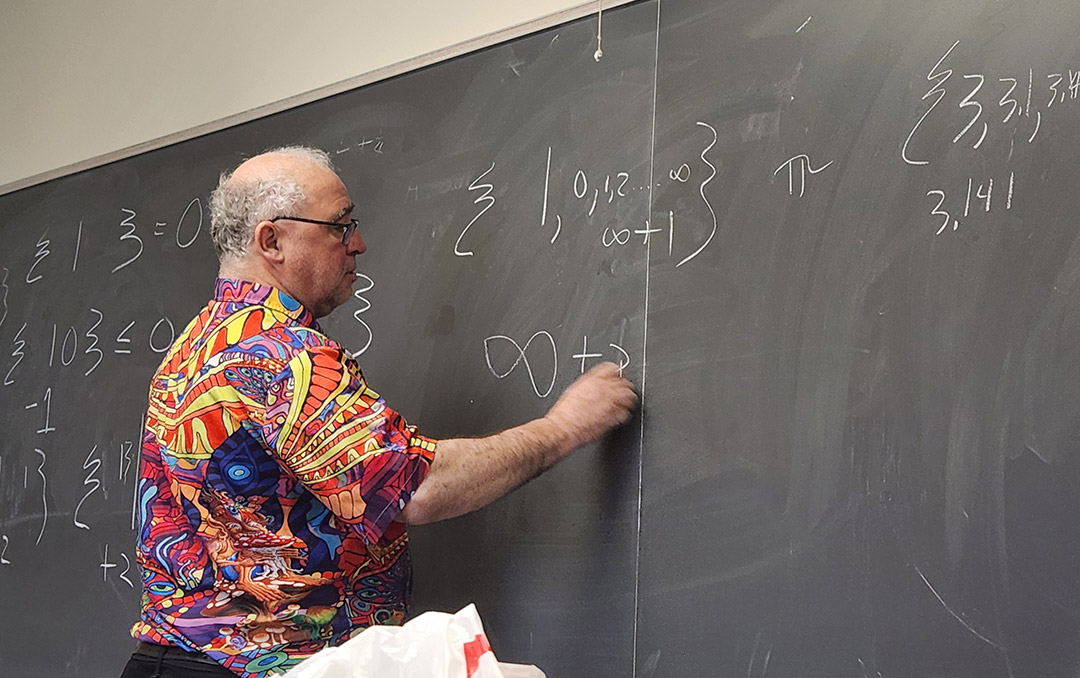
“Today was the final day of the program. Dr. Shaw spent time talking with us about our future in mathematics and higher education. He shared his experiences and explained the value of pursuing advanced degrees, such as master’s degree or a Ph.D., for students who are interested in research of teaching. Although I have not yet decided on my future career, I found it inspiring to hear about the different opportunities that studying mathematics can lead to,” Takamichi says.
“To finish the course, Professor Shaw also gave us several optional problems and activities to continue exploring graph theory on our own. I appreciated that the focus was not only on completing the class but also on encouraging us to keep learning even after the program ended,” Takamichi adds.
“One of the things I will remember most is how supportive Professor Shaw was throughout the program. He was always willing to answer questions during class, and he encouraged us to email him anytime in the future if we had questions about graph theory or other mathematics topics. Knowing that someone with so much experience is still willing to help his students after the course has ended says a lot about his dedication as a teacher. Overall, I recommend this program to whoever wants to pursue math in a higher degree. I am very grateful for this opportunity to be in MMSS,” Takamichi says.
We are happy to hear that you successfully completed your course at MMSS. Great work, Takamichi!
>> Read Takamichi Miyoshi’s Final Report (PDF File, 77 KB).
>> Learn about the other students’ experiences in the GFF Scholarship Program.