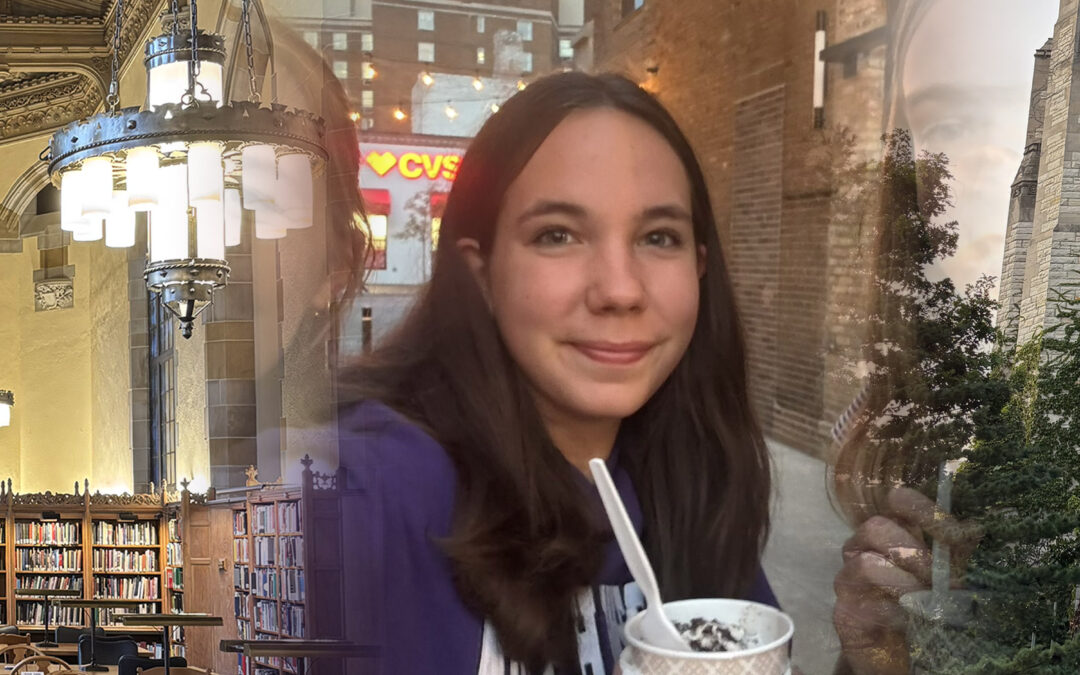
Reka Nabe reports on her experiences at Northwestern University where she is attending “It’s a Matter of Life and Death: Bioethical Decision-Making.”
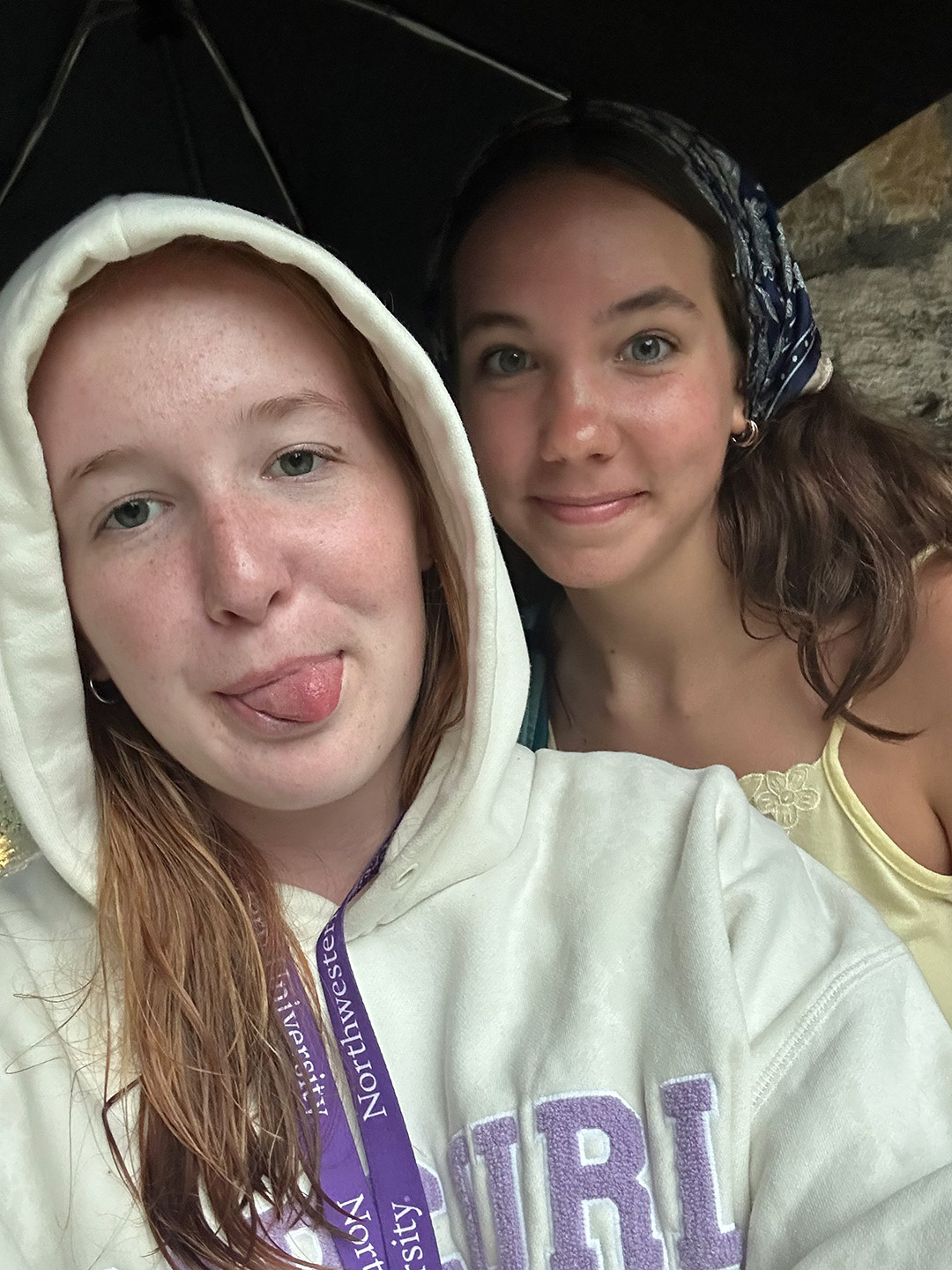
“My first week at Northwestern CPP has been nothing like I envisioned in the best way possible. During check-in on my first day, I happened to find my roommate, Clara, in our residence hall before either of us had actually entered our room, which meant that we got to experience the astonishment together of discovering that we lucked out on more or less the best room in our entire hall. It’s a massive loft with two halves separated by a full wall, each of which we agreed is bigger than our rooms in our houses, so we have a ton of privacy while still sharing a space to study together and chat. We decided to head downstairs to the lounge (affectionately called the WFFL, pronounced “waffle,” for “Willard first floor lounge”) to watch the rest of the World Cup and meet new people. We just introduced ourselves to everyone we bumped into, added them to a group text chat, and they joined us until we had this massive group of twenty-ish girls running around the halls and giving each other room tours,” Reka says.
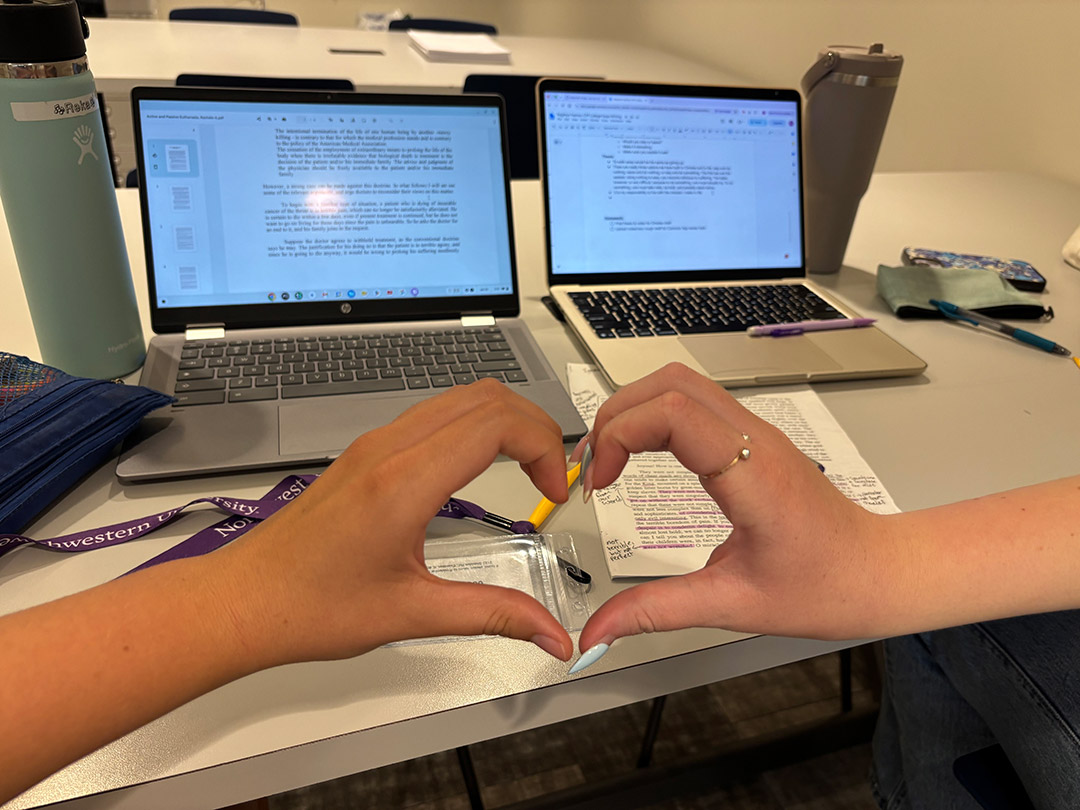
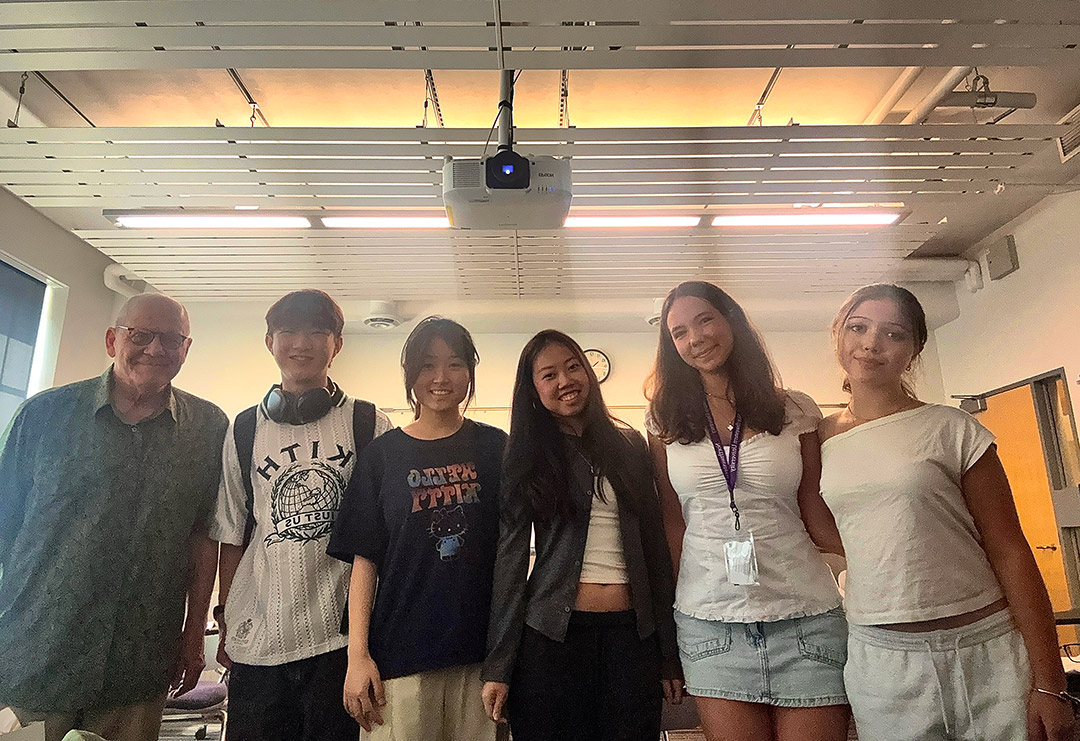
“We started out with a lecture (that felt less like a lecture and more like an educational conversation) about basic ethical terminology: the difference between descriptive and normative ethics, teleological versus deontological thinking, cultural and ethical relativism, and a set of other ideas none of us had ever heard of before but walked out understanding well. We also discussed the Hippocratic Oath and newer bioethical policies like principlism, which gives a somewhat subjective set of guidelines for medical treatment. We debated cases and had to reevaluate how much of our perception of morality is based on the laws we’ve grown up around. A few of us debriefed afterward and agreed that the class was thought-provoking and deep; I still have no idea why there were only five people signed up. I’m kind of grateful it turned out that way, though: we get to contribute a lot more individually in a lower-pressure environment, and we can really have discourse that includes our unfiltered opinions,” Reka explains.
“Over the course of the week, we’ve moved through topics like child organ donation, informed consent to care, abortion, physician-assisted suicide, and euthanasia, addressing each with the same amount of thoroughness and care that our professor gave us on the first day of class. On the third day of class, we visited the Museum of Science and Industry, where we got to view a set of 18 fetuses that show different stages of gestational growth and development, which, when we asked how they were obtained, led to an unfortunate explanation that they were the results of miscarriages. I had never seen anything like that exhibit before, so it was a saddening but also captivating experience. On a lighter note, our professor also bought us all astronaut ice cream (freeze-dried ice cream bars) because, for lack of a better explanation, he’s just awesome like that. He also let us make a Spotify jam to listen to on the car ride back and celebrated when he heard Fleetwood Mac and The Cure were popular within our group,” Reka reports.
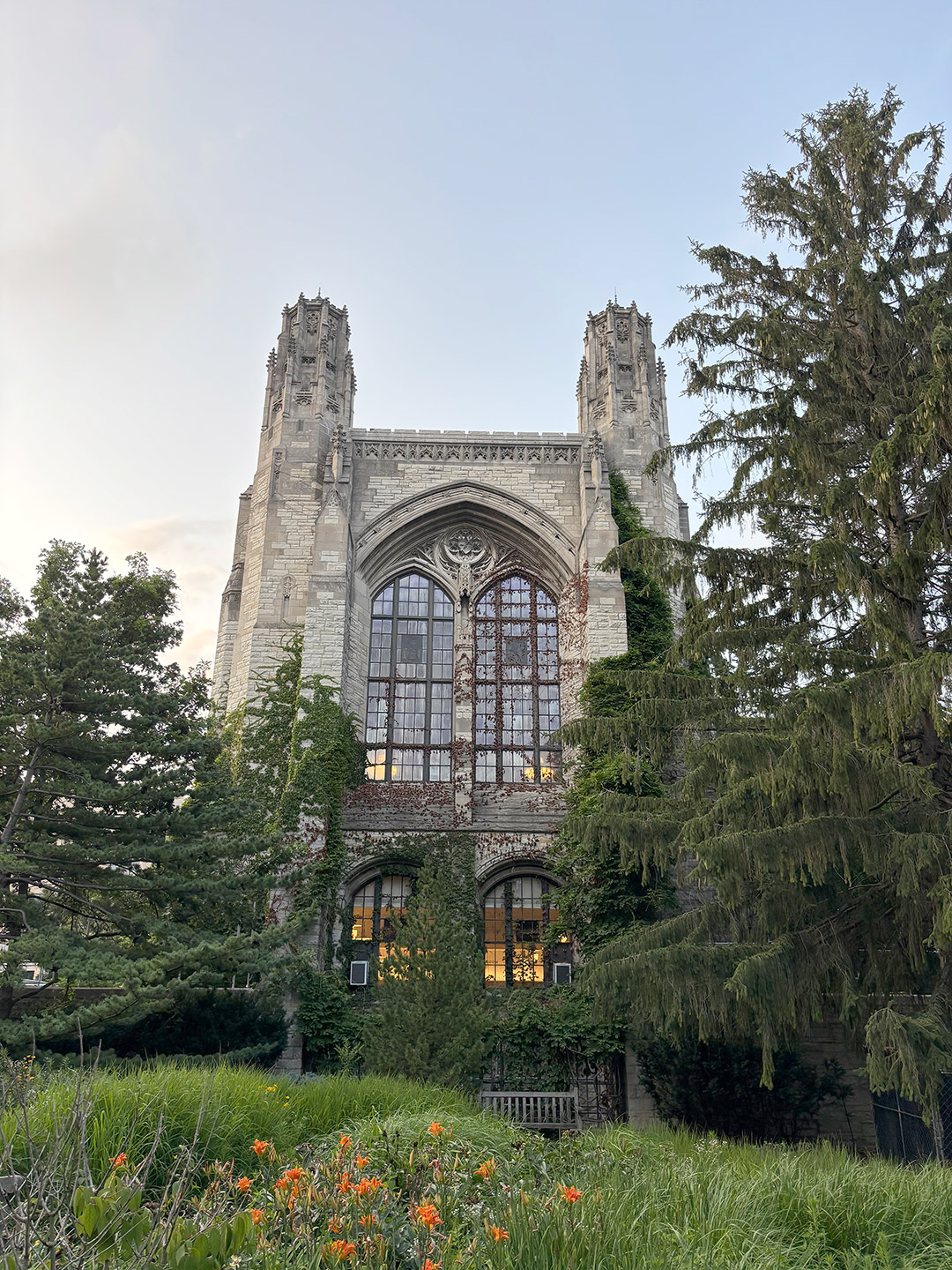
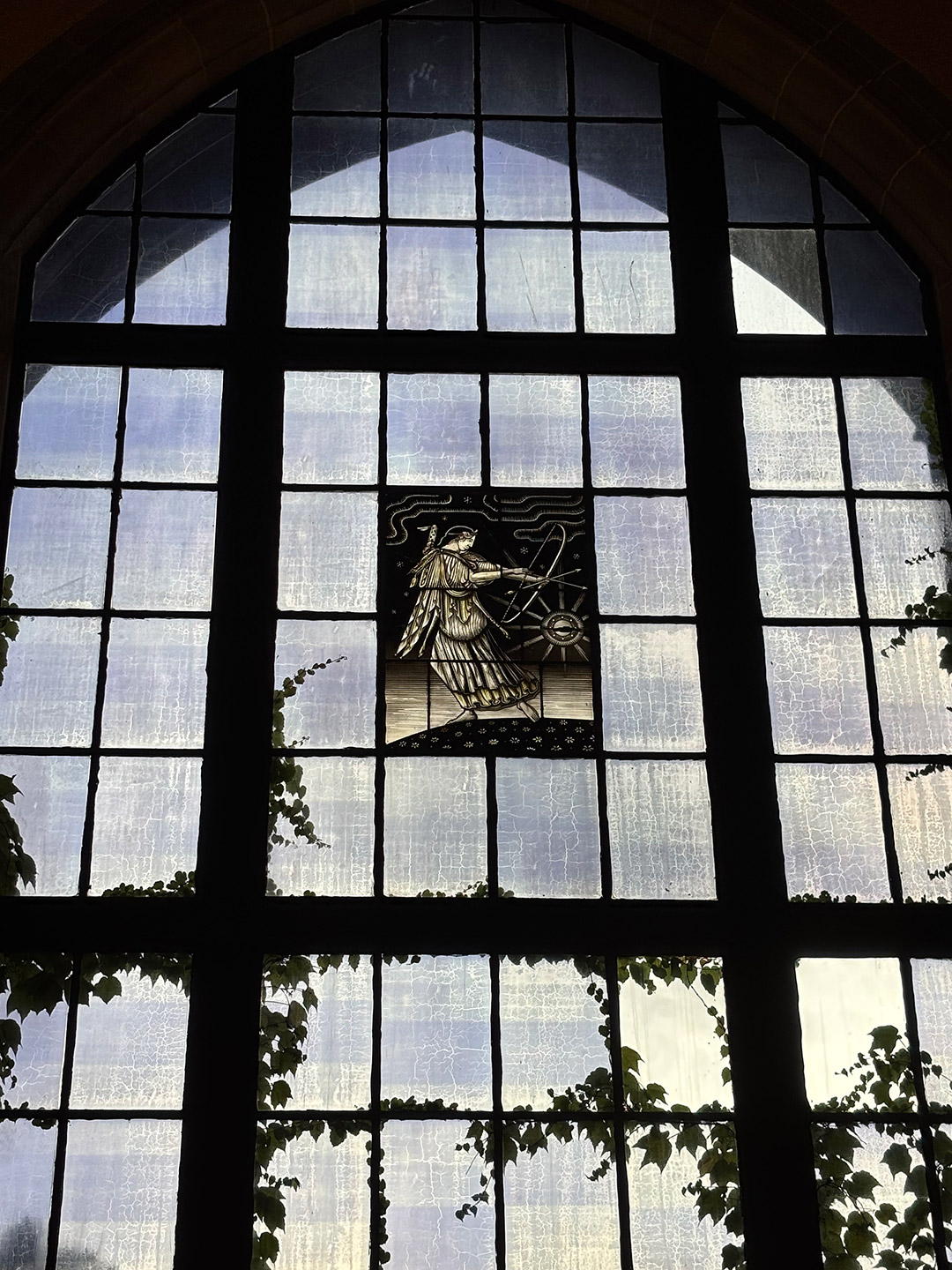
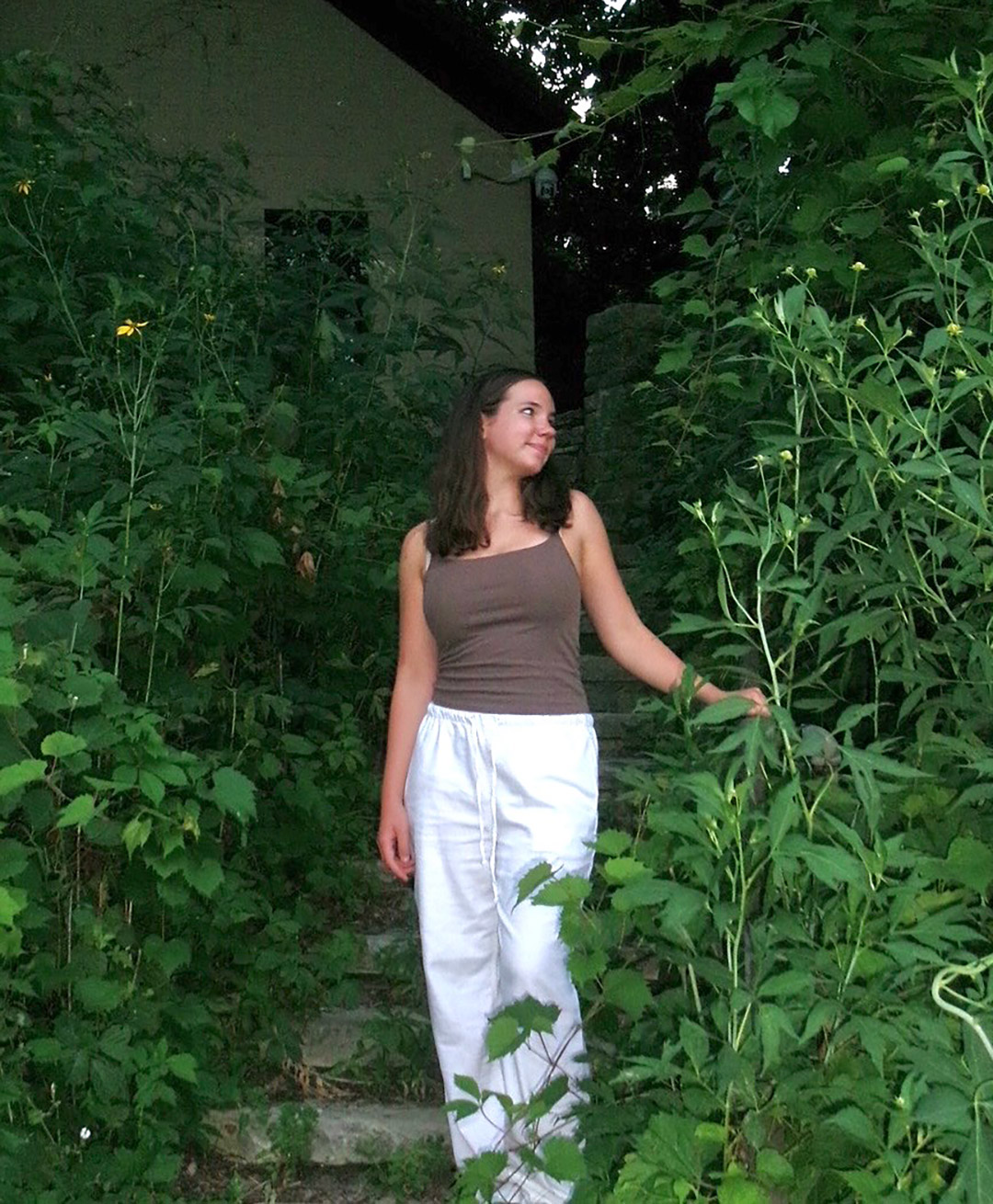
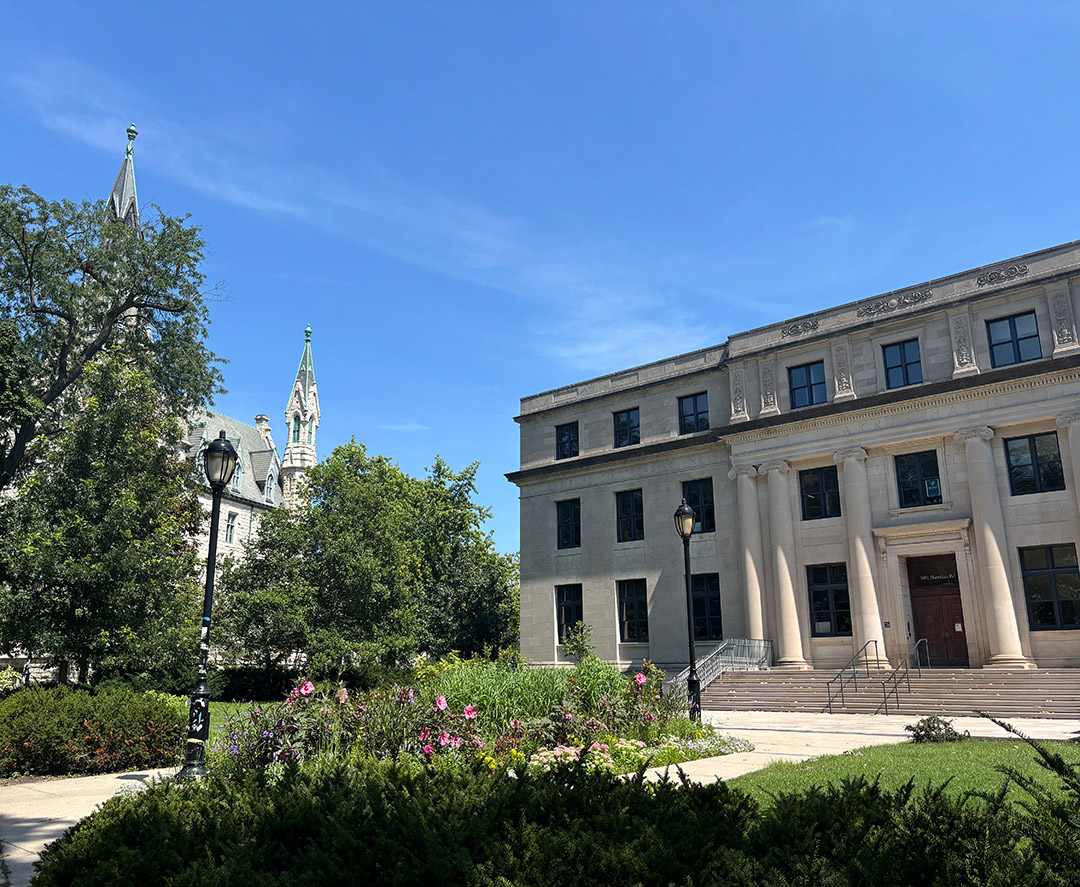
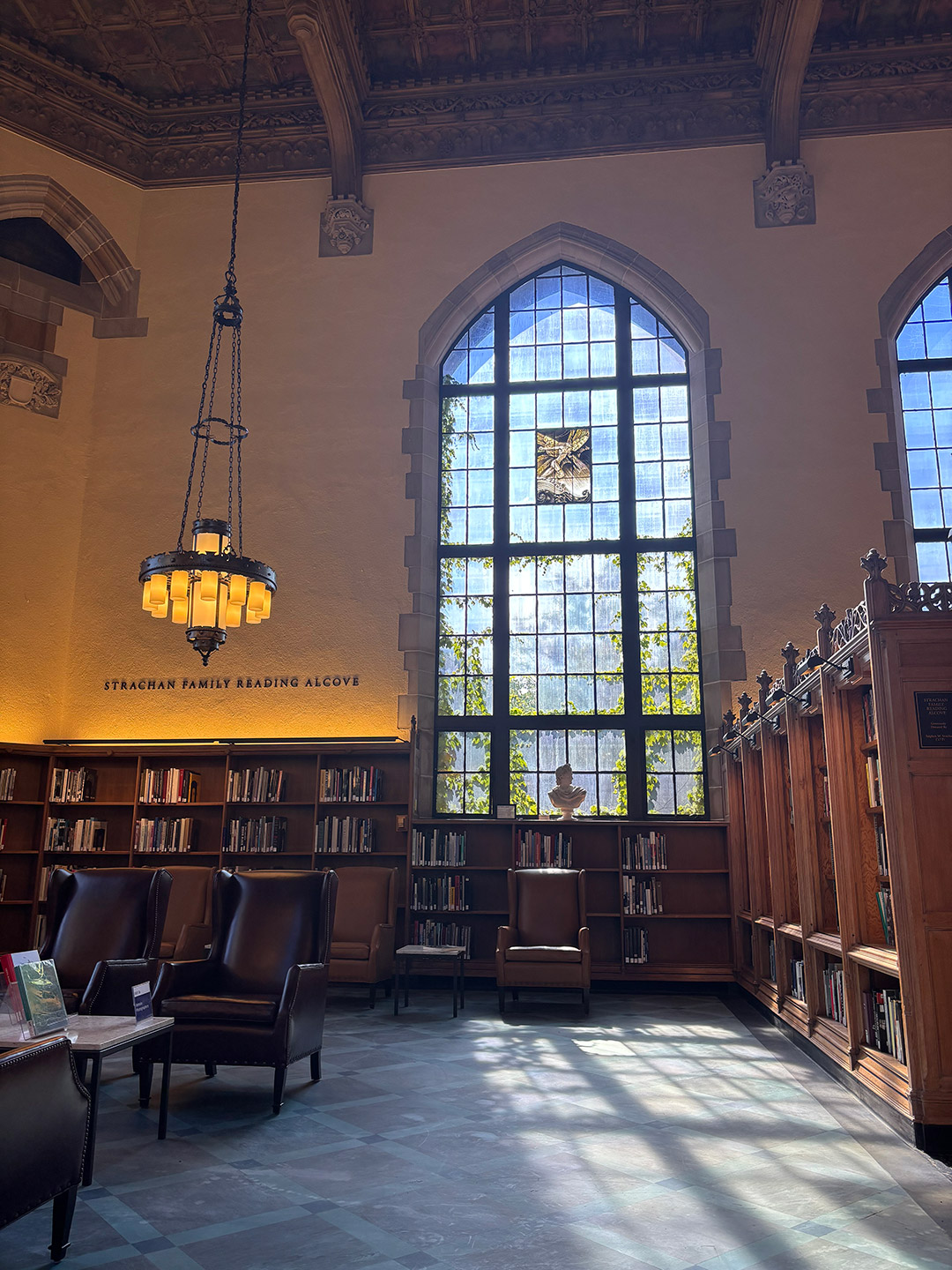
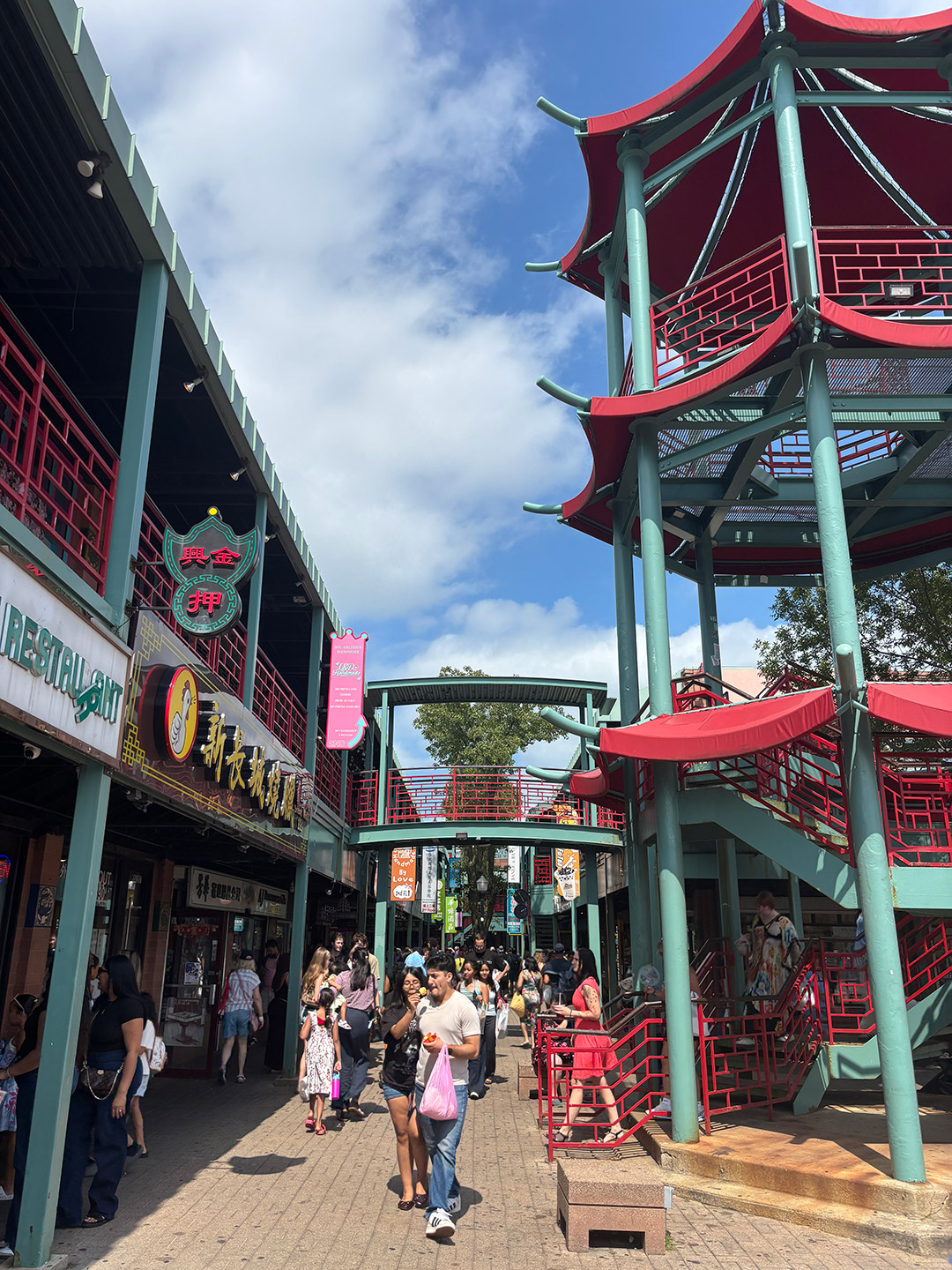
When not in class, Reka was able to explore the Northwestern University campus, plus visit the beach and Chinatown with friends. “We got to explore campus extensively, which was amazing because the architecture all over Northwestern is beautiful (and there are baby rabbits everywhere),” Reka says.
“I am having so much fun while simultaneously learning so much about the world and myself at CPP. In a week, I’ve gained a set of experiences as valuable, if not more, than those I’ve had in the past six months. I am immeasurably grateful to have this opportunity and can’t wait to see what the rest of my time at CPP will have in store,” Reka exclaims!
Week Two — A Tricky Ethical Subject
Reka reports that her second and final week at Northwestern seemed to fly by while students worked on their final class projects.
“Everyone, regardless of our courses, began building toward a final project that was decisive of the grades we would receive in our classes, so nervousness and excitement were simultaneously in the air. For my Bioethics course, our final was an independent case analysis presentation on a tricky ethical subject. I was assigned an intriguing case about a young woman, “P”, who, due to substance abuse, withdrawal symptoms, and misuse of antibiotic administration sites, struggled to act as her doctors advised when ill. She would leave the hospital early against medical advice and behave combatively toward staff, and she had received two prosthetic mitral valve replacements due to endocarditis as a result of infections from injection sites. P refused substance abuse counseling and was reliant on Medicaid to cover her hospital bills. Now, she had used an indwelling antibiotic catheter to shoot up cocaine, and she needed another mitral valve replacement. Without it, her heart would fail, or she would die of sepsis. P demanded the valve replacement, but the doctors were uncertain about whether her noncompliance with care could be grounds not to spend publicly funded financial resources and medical equipment on her, especially with the likelihood that she would perpetuate this infection cycle indefinitely. I was asked to act as a clinical ethicist and decide if the most morally acceptable solution would be to give her the transplant to save her life or deny her the care to conserve technically finite resources through a very rigorous case evaluation process,” Reka explains.
“Eventually, I determined that P should receive the valve replacement but be informed that if she continues to refuse counseling or rehabilitation therapy and becomes septic again as a result of drug abuse, she would not be provided another replacement after this one (to my great relief, it seemed like my class–and my professor–tended to agree with my proposal while we discussed my presentation). I had spent hours developing my case and rationale, so the validation of knowing my peers agreed was immense,” Reka says.
“My friends Peighton and Clara were also satisfied with their final project results in other courses, so all of us felt ready to celebrate by the time we finished our last classes. Though Clara had to leave early to rush off to another event, Peighton and I pooled our leftover breakfast vouchers and used them to buy a delicious lunch in honor of our professors telling us we’d both be getting satisfactory grades; I don’t know if margherita pizza and Caesar salad have ever tasted so great,” Reka adds.
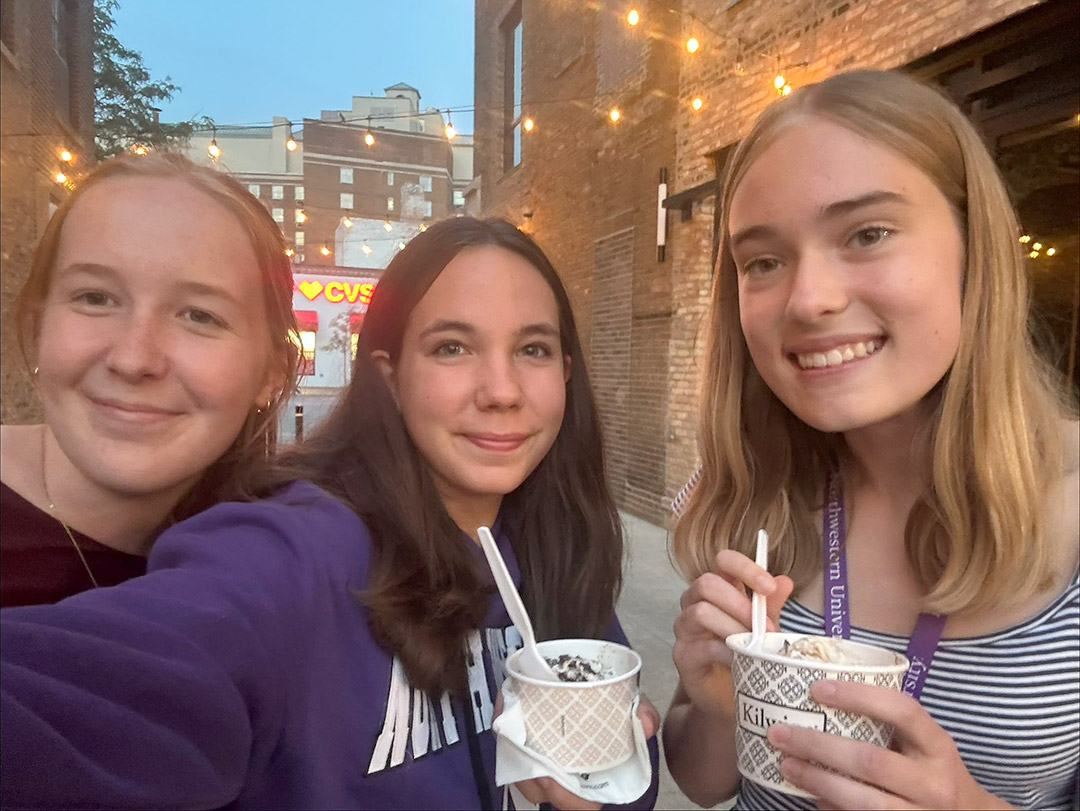
In between classes and working on finals, Reka and her friends had time to participate in activities on campus, plus visit downtown Chicago, Evanston, and the beach.
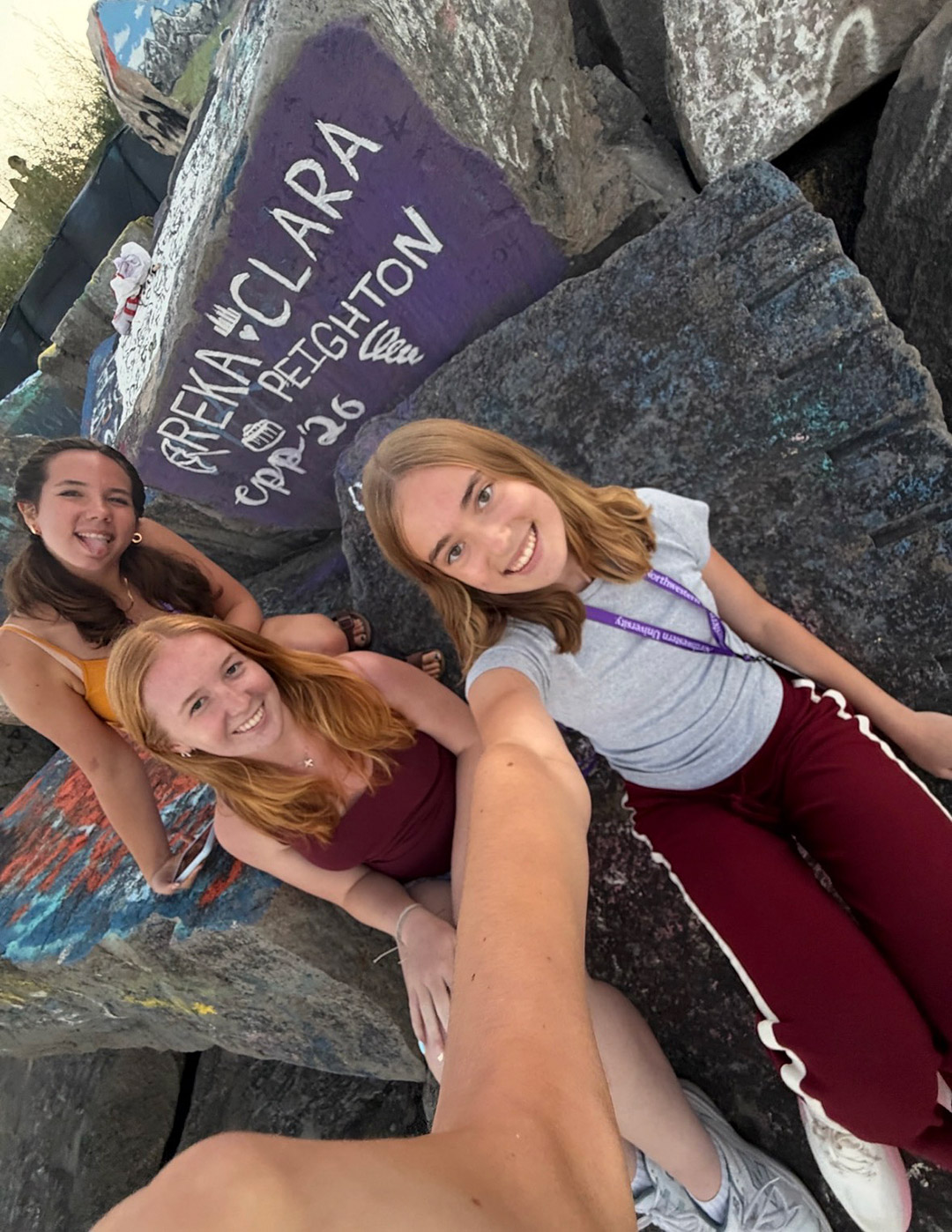
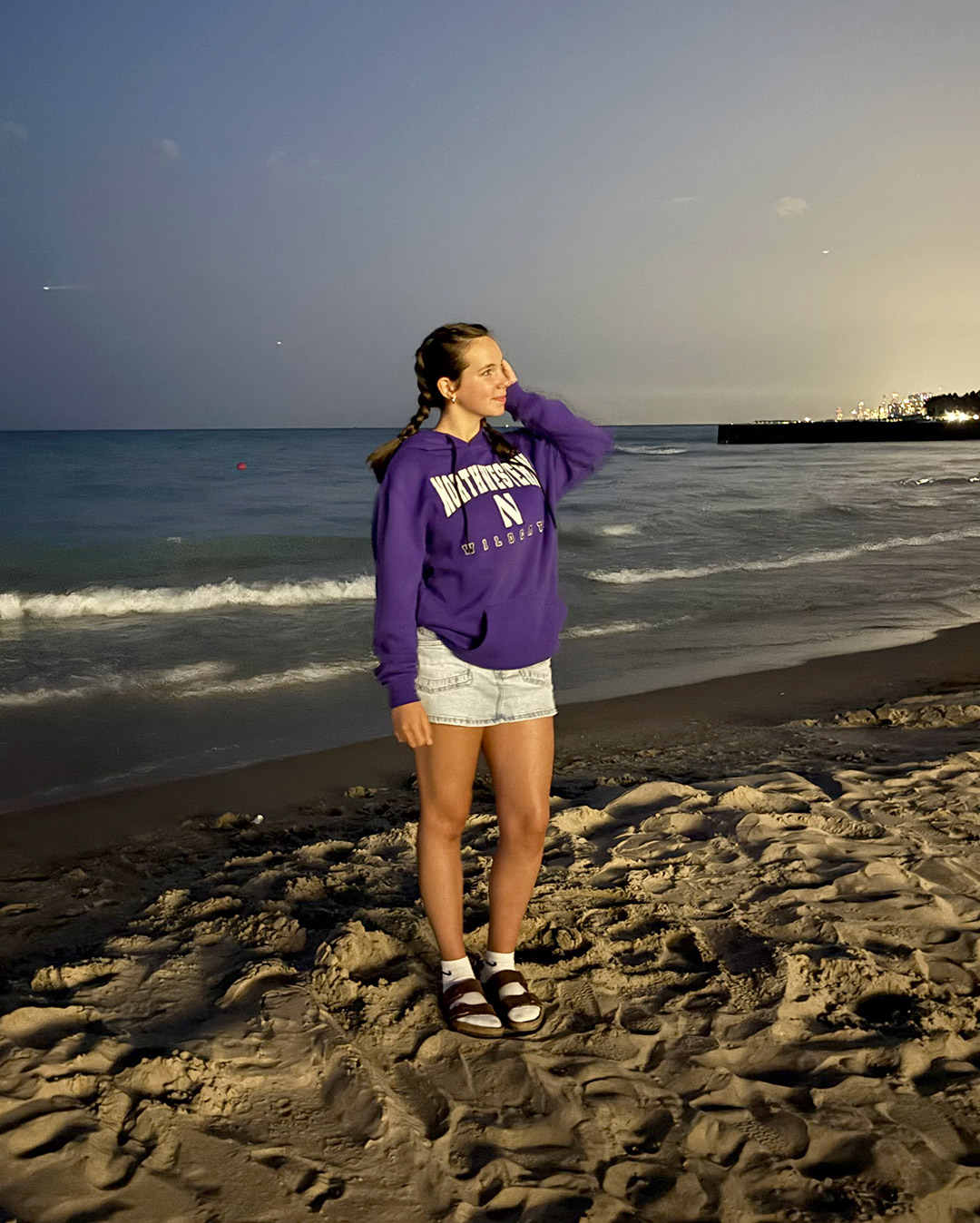
“Later in the week, we stopped by the beach to decompress, take photos, and build probably the best sandcastle the world has ever seen. We also decided to take the recommendation of our campus tour guide and partake in the Northwestern tradition of painting a rock near the university lakefill to memorialize the time we spent at CPP. Hopefully, if we return in a couple of years, we’ll still be able to find our rock amongst the hundreds of other painted boulders. The very end of the week was a blur of bonfires, movie nights, and finals preparation, but the three of us squeezed in as much time together as possible without crying at the knowledge that we were leaving in only a couple of days. We had gotten very adjusted to life at CPP, and it was bittersweet to be returning home,” Reka says.
“As much as I loved my first week at CPP, it was nothing compared to the connectedness, celebration, and validation that I experienced so intensely throughout the second week. I am most definitely looking forward to staying in touch with my friends, classmates, and professor, as all of these people made my time at Northwestern a million times more profound. Truly, I cannot express in words how grateful I am to have met all of these amazing people and to have the constant support of the Garwin Family Foundation in pursuing this kind of opportunity; in just the past two weeks, I have changed momentously for the better.
We are happy to hear that you had a valuable learning experience at Northwestern, plus made several meaningful connections while there. Good job, Reka!