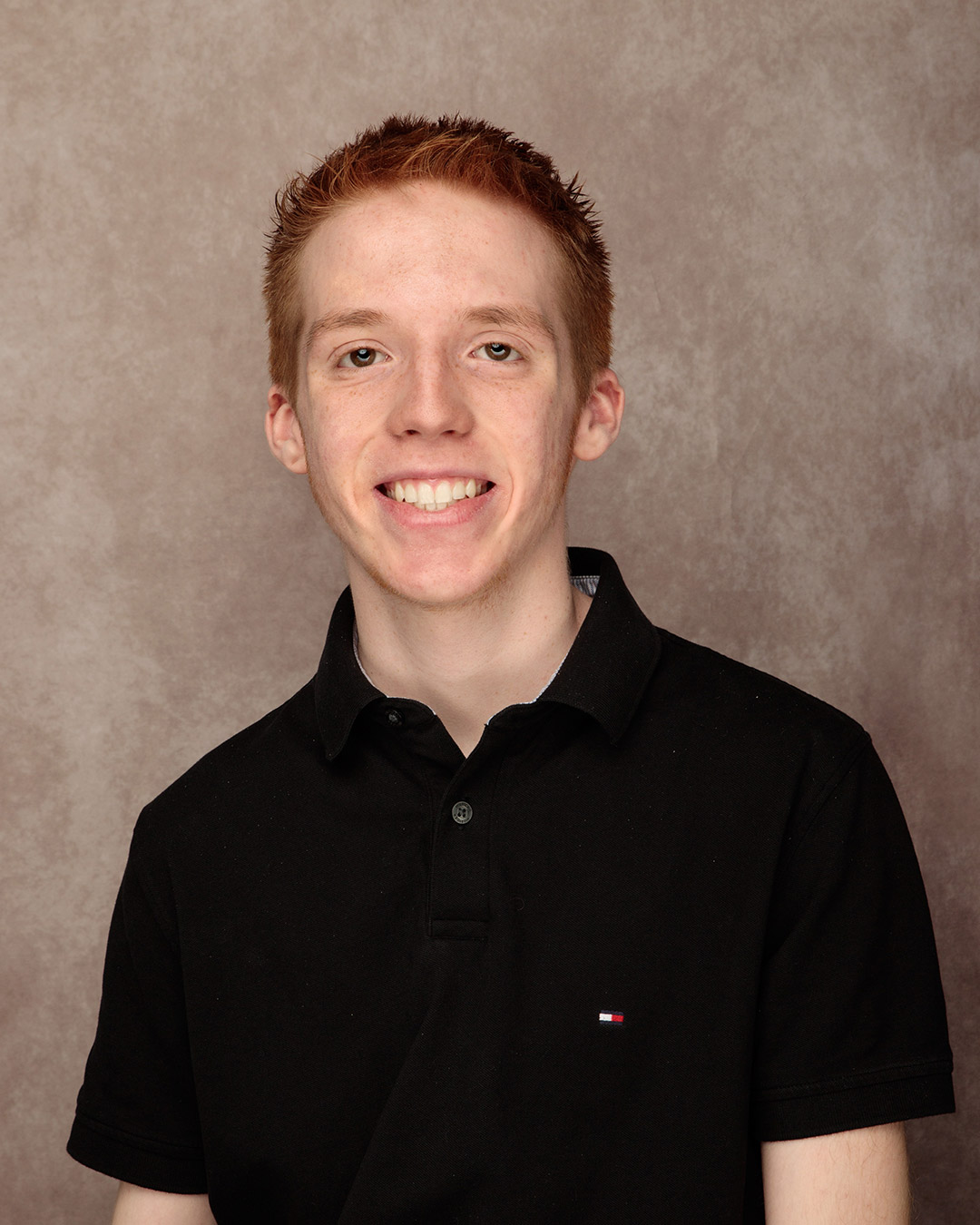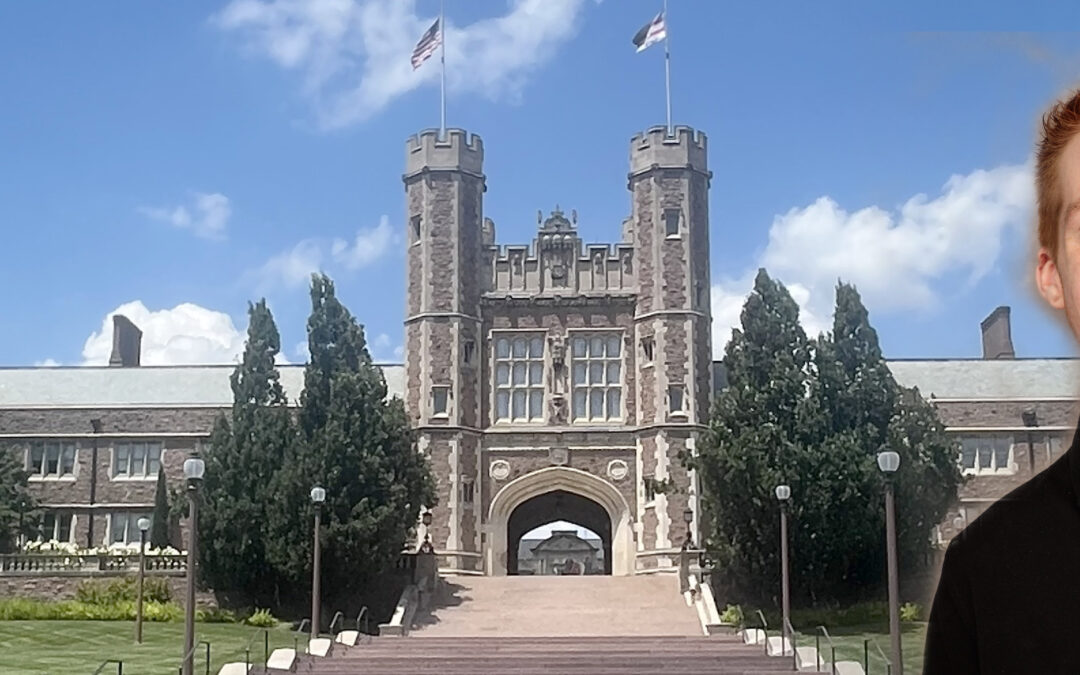
David Johnson reports on his experiences at the Washington University Pre-College Program, where he is studying Environmental Science. David says that he has been enjoying his first week, and has “learned so much from talking to people from both regional and international backgrounds, and I’m pleased to say I’ve already made some new friends.”
“Upon first arriving at my suite, I immediately met one of my roommates. He told me he currently studies in Switzerland, but was originally from the Chicago area. I would soon find out that another of my roommates was also from the Chicago area, while the last was from Vietnam. I loved talking to all of them and finding out about what life was like where they lived. Our suite had our own bathroom, which was nice. My bedroom had plenty of space along with five outlets, which was pretty awesome. The suite itself was the perfect hangout spot; we often came here after class just to relax and talk about the day ahead. One day my friend from Vietnam showed us a traditional card game that we had never played before, and even though I got last place, it was loads of fun, and I plan on showing it to my friends back home,” David says.
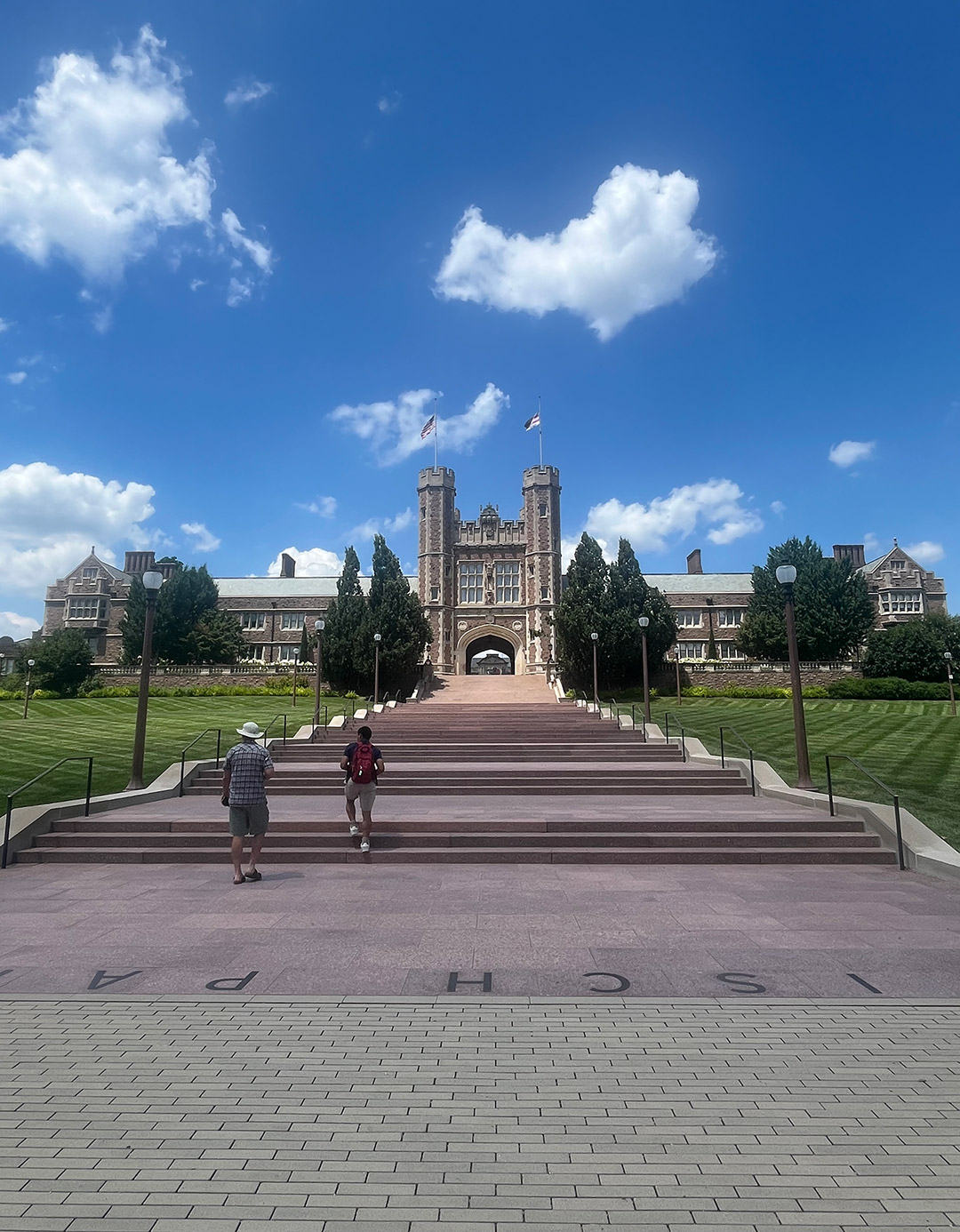
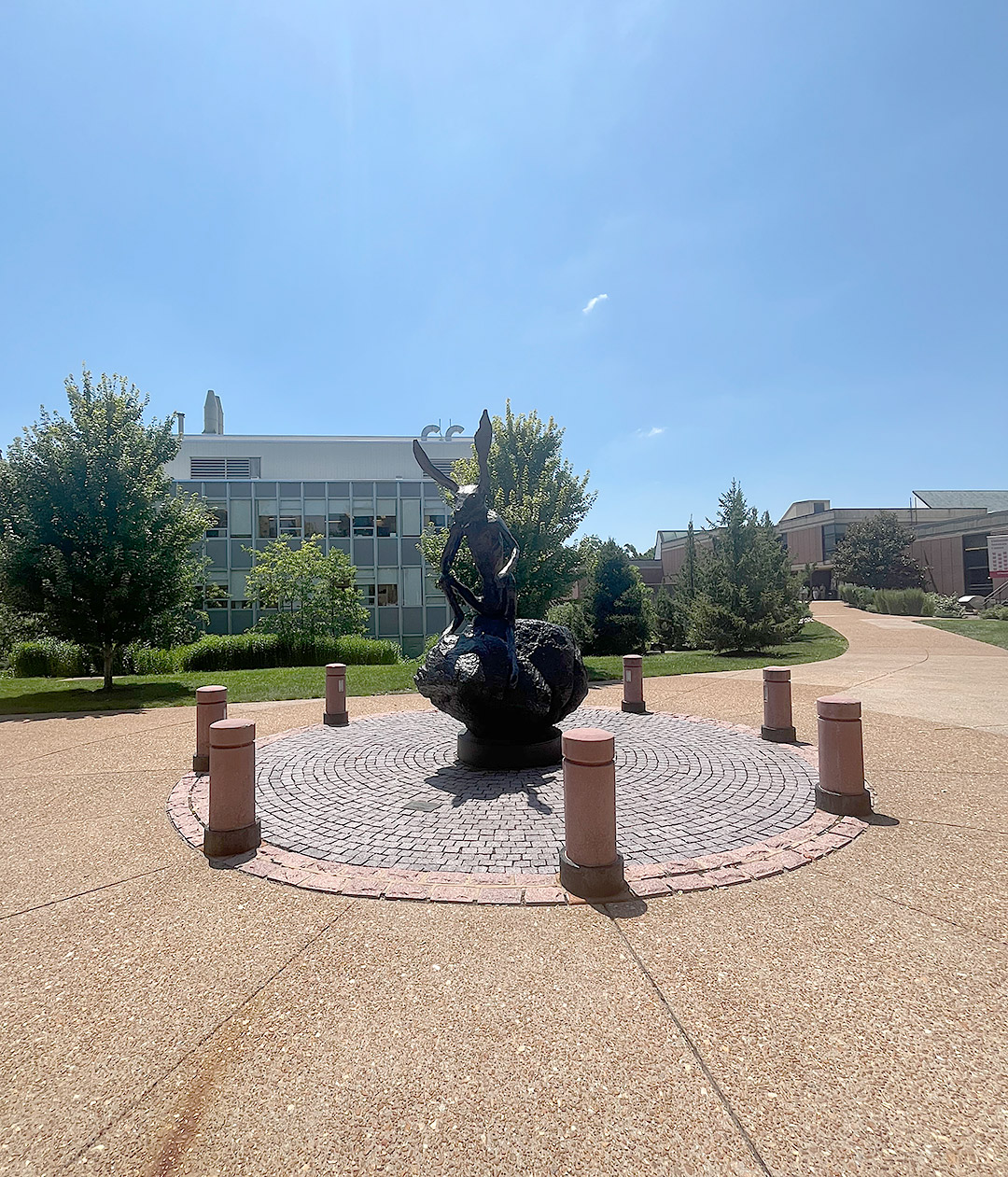
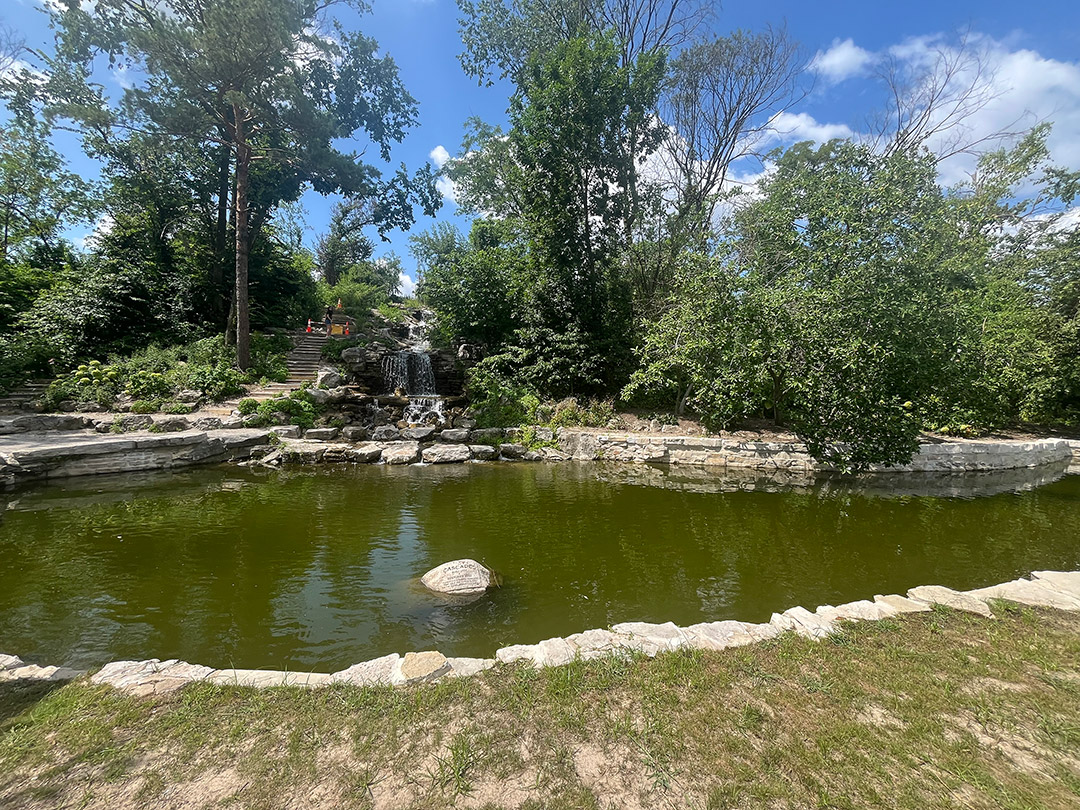
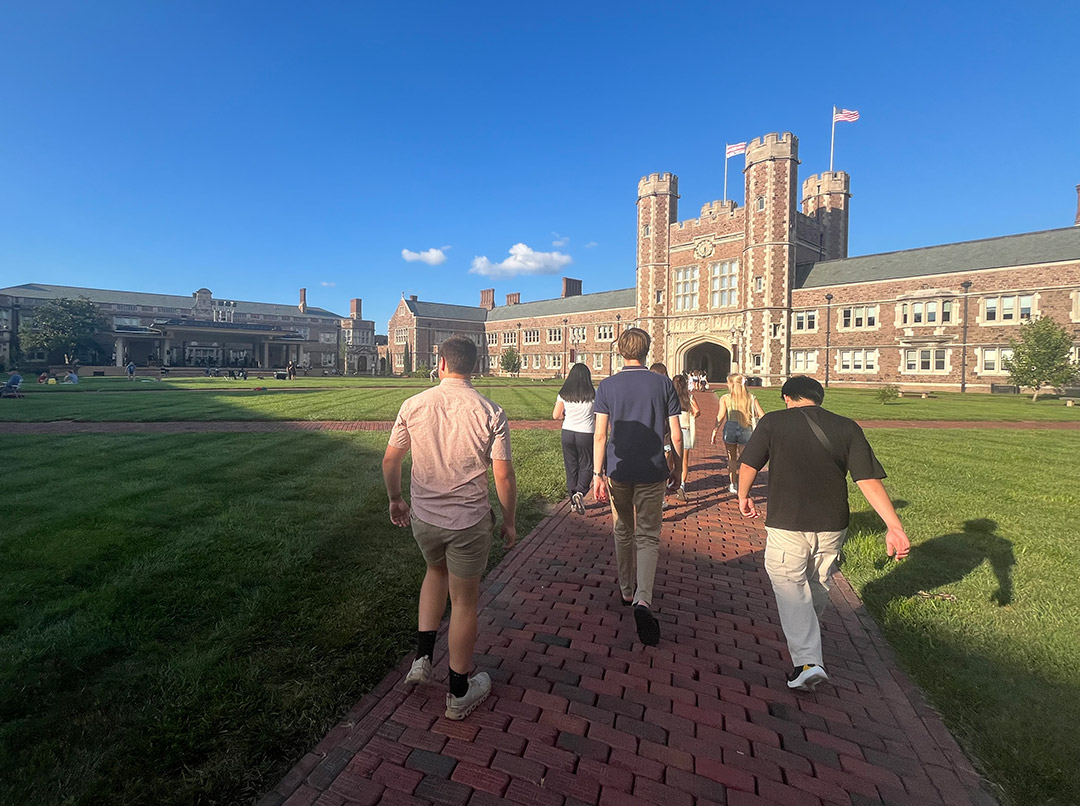
After getting to know his roommates, David and his new friends toured the campus to learn where class would be held the next day.
“Class itself was a combination of lectures and hands-on work. A lot of what we learned I had some background in from biology, like evolution and reproduction, and we demonstrated these concepts in labs with everyday objects. We allowed beans of different shapes and sizes to model different organisms and had to use utensils to gather the beans and act as predators. I managed to get stuck with chopsticks, which wasn’t the most satisfying experience, but it was interesting to see how the smaller “organisms” adapted and became the most numerous at the end of the simulation,” David explains.
“The homework thus far has been quite enjoyable, with the few assignments we’ve done being presentations, surveys, or simply self-evaluations of our environmental impact on the world. There are these hypothetical days called overshoot days, where if everyone were to live the way we did each year, there would be a certain day in which the world can no longer regenerate the resources we used up. So, the ideal overshoot day would be December 31; mine, meanwhile, was February 11,” David says.
“For our presentation, we had to analyze a particular biome and create both a plant and animal with characteristics capable of living there developed through adapting. We chose the desert, with our animal looking like what might be a cross between a fox, a chimpanzee, and an alligator, while our plant looked like a cactus from another planet. To put it simply, both organisms centered their adaptations on water preservation and temperature regulation. I am working on the survey now, which asks people in the community, in their opinion, how strong of a risk certain environmental threats pose. I look forward to seeing what the results are,” David adds.
“All of the faculty I have met have been so kind and helpful, and also seem to care deeply about our experience here. Each day, we have check-ins where we report on our mood that morning and where we are heading in case a problem arises. We also have weekly one-on-one and group meetings where we discuss our day, our classes, the restaurants we’ve been to, the places on and off-campus, and if we miss home. I am so appreciative of the staff here for making this experience special,” David says.
“I am so excited to see how this course will continue and the new people I will meet,” David exclaims!
Week Two — Alpha-Gal & Risk Survey Results
David reports that his second and final week at Washington University has surpassed the first week in many ways. He completed and shared research, explored chemical applications to preservation of natural resources, navigated the city, and found ways to enjoy himself when not in the classroom.
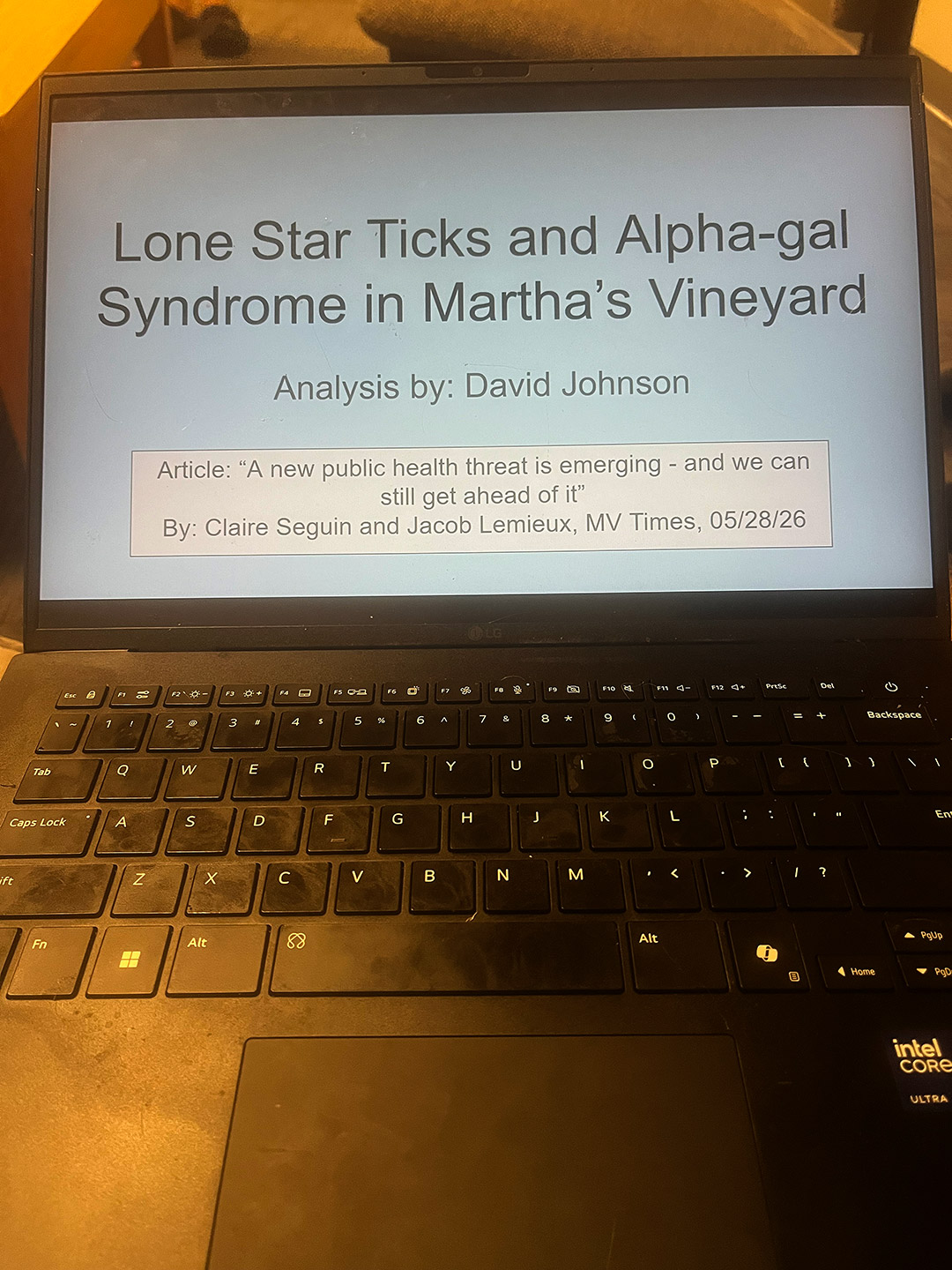
“I want to first comment on how much I’ve enjoyed the labs and analysis we did this week. One of our assignments was to choose a recent environmental article in the news and summarize it, critique it for bias, and finally offer our thoughts on how to take steps to mitigate the issue at hand. Funny enough, when I was looking through possible articles, I found one talking about the spread of alpha-gal syndrome by lone star ticks on Martha’s Vineyard, an island on the southeastern portion of Massachusetts; just the previous week I had watched a video on YouTube discussing the exact same topic, and so I was pleasantly surprised when I saw the article. To put it briefly, lone star ticks are an invasive species in the northeastern portion of the United States, and their bites transfer a non-naturally occurring sugar to humans that can activate an allergy to mammal products, most commonly beef and pork, but also dairy. In the span of five years, from 2020-2025, the number of tests administered jumped 18,000%, which was so shocking to me,” David explains.
“Most recently, I completed a research project investigating a particular energy source in the environment. Originally, I thought it would be so fascinating to investigate nuclear fission, but luckily I earned my second choice: tidal energy. Basically, these systems take advantage of the rising and falling tides that come when the moon and sun interact with the Earth to generate electricity. In a tidal barrage, the most efficient system, the falling of a high tide generates a water current that rotates a turbine attached to a generator, which creates energy. The coolest part about this type of renewable energy is that tides are predictable, and that makes the energy reliable, although not as immediately profitable as something like coal,” David says.
David reports that his lab project involving a water treatment assignment “was simply remarkable.”
“Our group first aerated the sample (exposed it to air) by pouring it back and forth between two cups. Then, we added alum (potassium aluminum sulfate) to densify and clump the particles to make filtration easier. Finally, we poured the water over gravel, sand, and charcoal to filter it, and the result was relatively clear water that smelled like walking in a forest after a rain shower. One group managed to do it almost perfectly, and aside from the sporadic flakes of charcoal, it looked like tap water, which was insane.
When not studying, David had time to explore area attractions and participate in activities after class with friends.
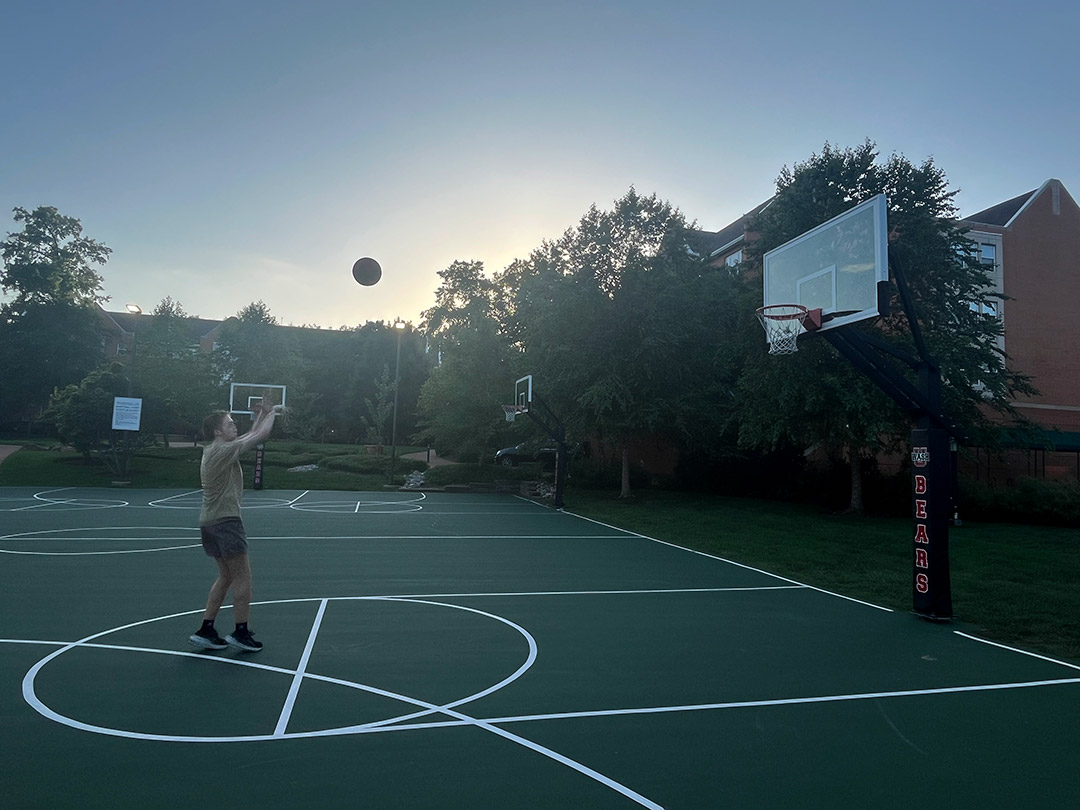
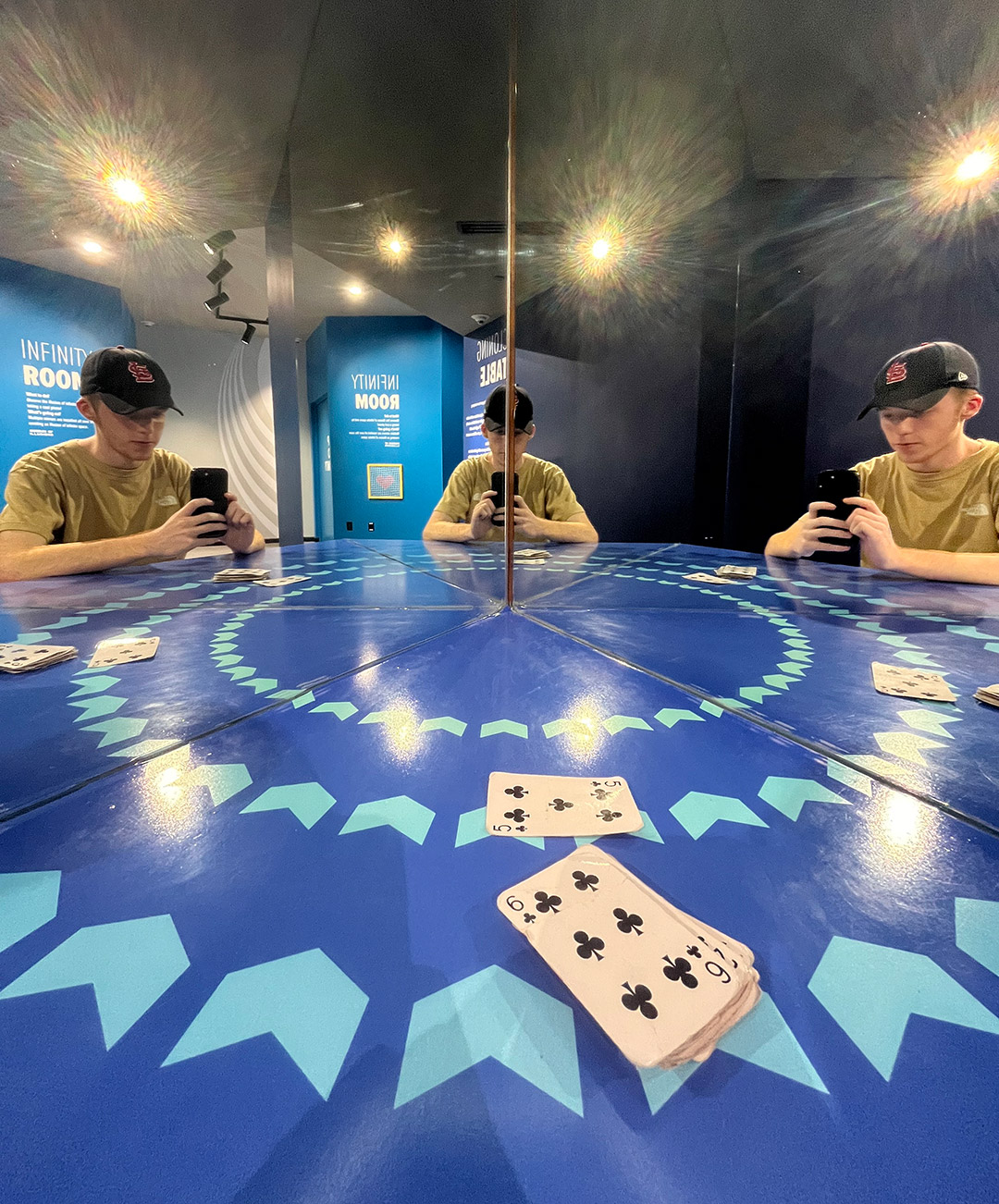
“Over the weekend, we went to the City Foundry. The Museum of Illusions was a bit smaller than I had expected, but I liked how the majority of the illusions were interactive and not simply a picture on the wall. The food court at the Foundry had so many options, and one of my roommates and I got Mediterranean food that was decent. Additionally, the World Cup Final happened to occur during my time here, and on Sunday our room and another room watched it in the main room on our floor. I think half of us wanted Argentina to win and the other wanted Spain, and when that final whistle blew, the emotions in the room were all over the place. There was also a basketball court right outside the dorm that another one of my roommates and I went to, and that was also pretty fun. Overall, I think I really got that college feel with all the different activities they had available for us to do,” David reports.
“I am happy to report that I found a snack spot right next to our dorm that I thought was closed when I wrote the last report. It’s one of those automated grab-and-go stores that Amazon makes, and it became of great use for me this past week. I’ve also utilized the library pretty much every day over lunch, which was the perfect study spot,” David adds.
“Finally, I want to share the results of the risk survey I mentioned in the last report. Apparently, most people overestimated the risk drug abuse posed to society, where the actual risk was an 8 on a 1-10 scale, with the perceived risk being a 10. Meanwhile, many people underestimated the risk that came with being overweight, with the actual risk being a 10. The activity was truly an eye-opener even to me as well, because I also underestimated the overweight factor. It was interesting for me to consider how this ties into protecting the environment. I wondered if all the things we do in our day-to-day lives that we can easily avoid, like throwing plastic in the waste bin or driving a vehicle that burns more fuel per mile, pose a much larger threat to our future than we believe,” David says.
“I lastly want to comment on how rewarding of an experience this has been. I can’t believe how quickly two weeks have flown by. I’ve learned the campus to a point where I can walk anywhere on autopilot. I’ve met so many people who I feel like I’ve known for years. It’s all become like a second life, and it feels so weird to leave it behind. I want to thank the Garwin Family Foundation for this amazing, amazing opportunity, and I can only imagine how challenging it will be to leave,” David says.
We are happy to hear that your time at Washington University has been a rewarding experience, including forming many close friendships. Great work, David!
>> Read David Johnson’s final report (PDF File, 75 KB)
>> Learn about the other students’ experiences in the GFF Scholarship Program.