Francis Bu reports on his experiences attending the RISE Practicum at Boston University.
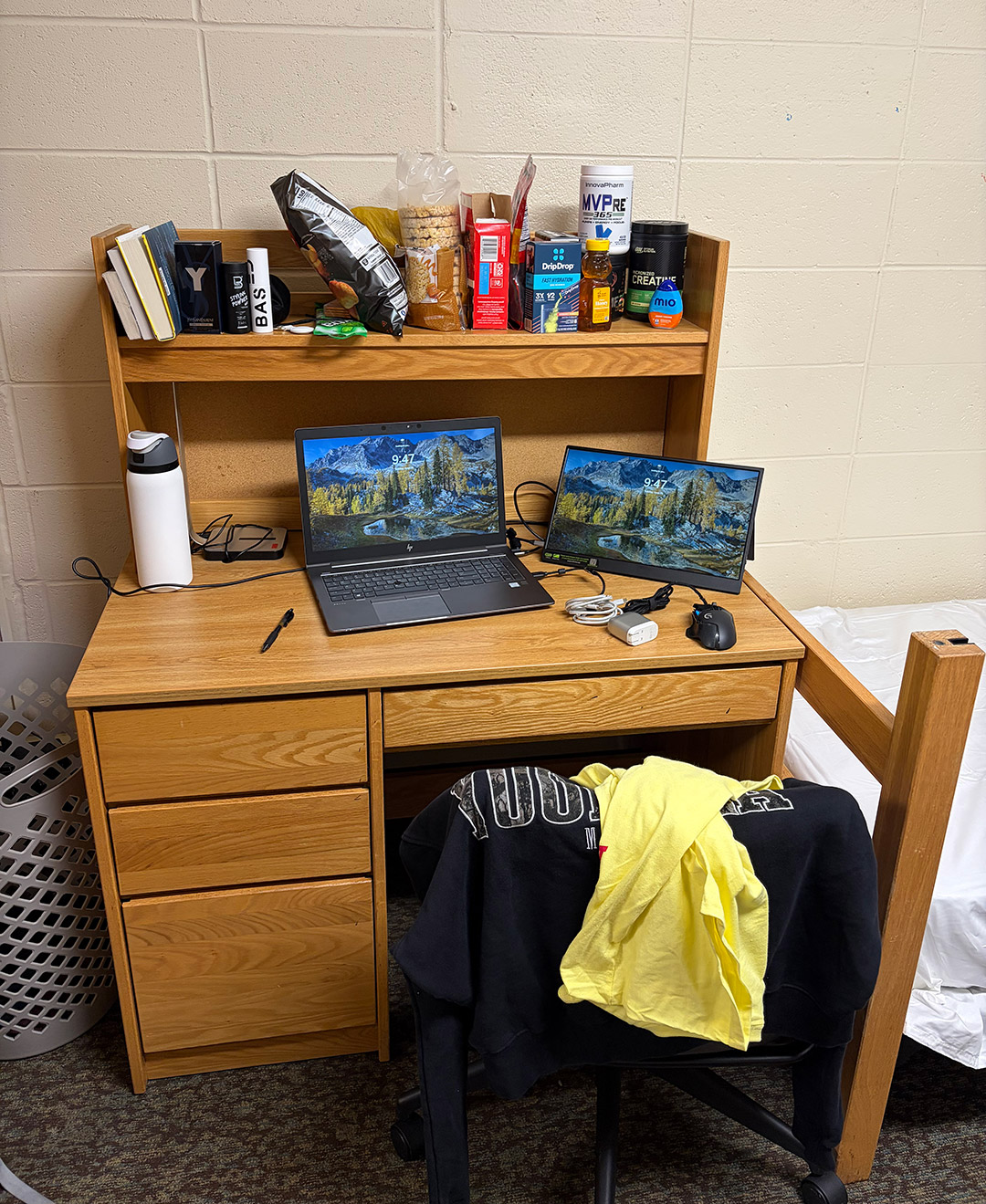
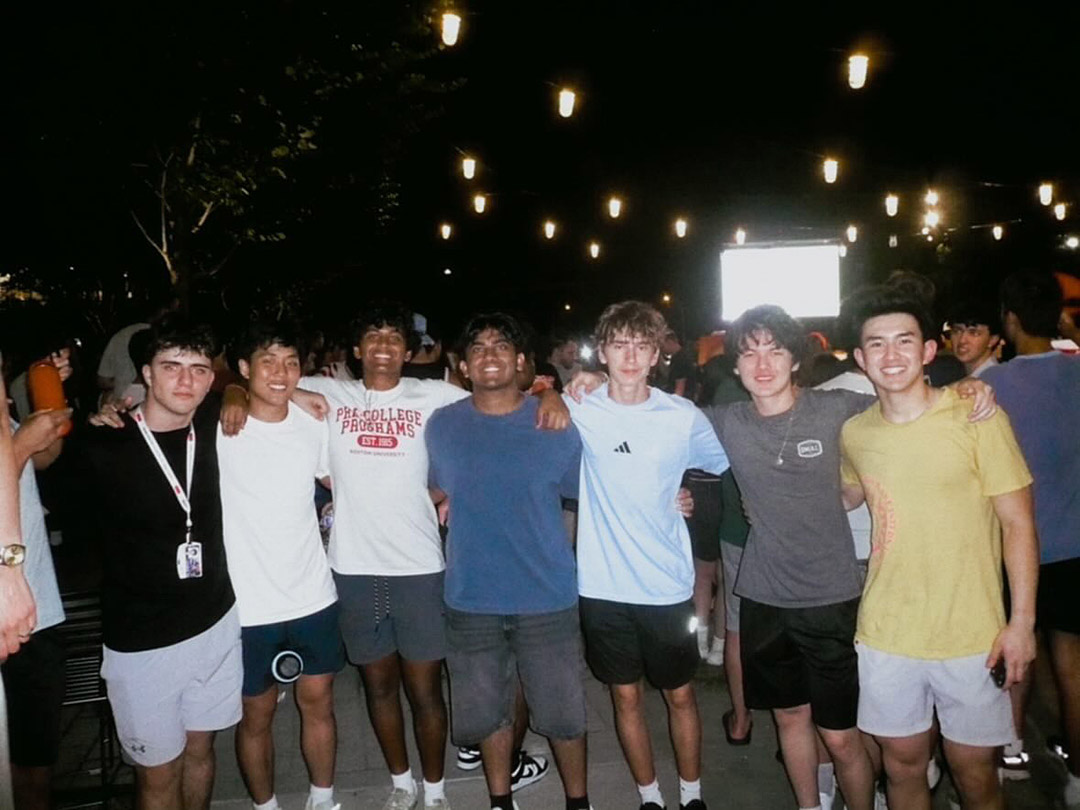
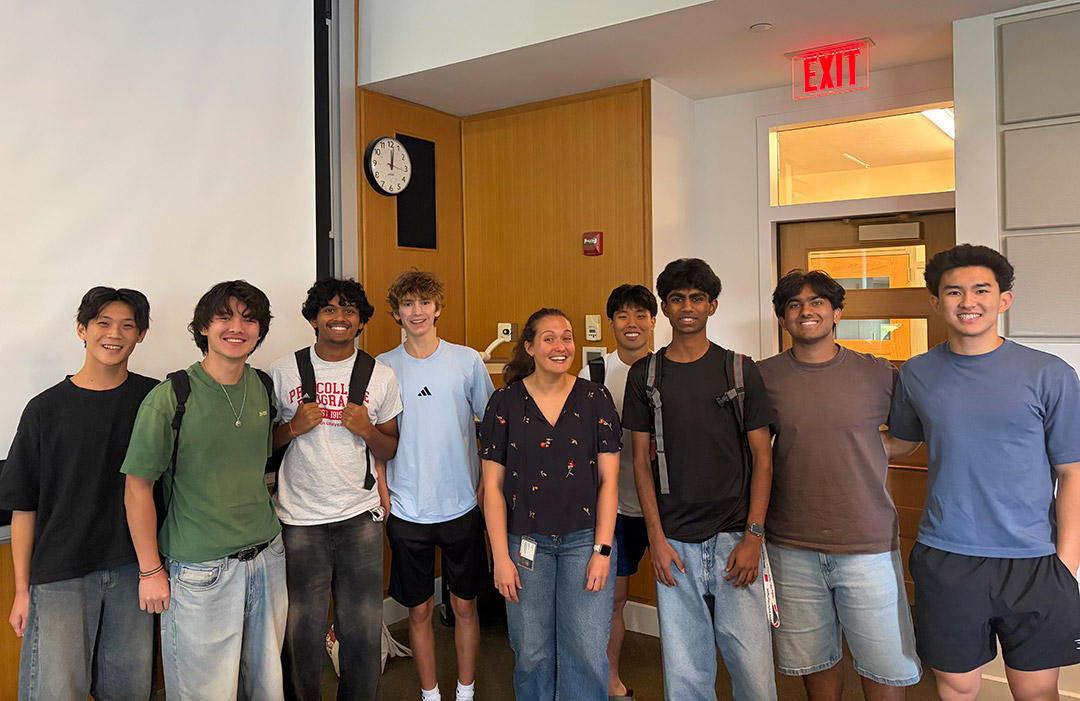
“Planes, trains, cars… and more trains! I am happy to report that I have had a great first week at Boston University. Throughout the week, I met over a hundred people from across the country—or at least that’s what I thought at first. I would say that almost 40% of the students here are from some part of California! While everyone was a little awkward at first, as expected, we quickly opened up to one another and started making connections. During the first week, most group activities were organized by PA groups and residence hall floors, so I got to know the people on my floor especially well. At the same time, there have been plenty of opportunities to meet students from the other floors and dorms as well,” Francis says.
“One thing I have learned about myself through my experiences with the GFF is that I really enjoy having a routine. After the first day’s hectic orientation and social events, I quickly settled into one. Most nights, I go to bed around midnight and wake up around 8:00 a.m. After breakfast, I head to my morning lecture from 9:30 to 11:30, followed by lunch at Marciano Commons before making my way to the lab for the afternoon. After the lab, I usually grab a quick snack for some pre-workout carbs and head over to BU FitRec to lift,” Francis adds.
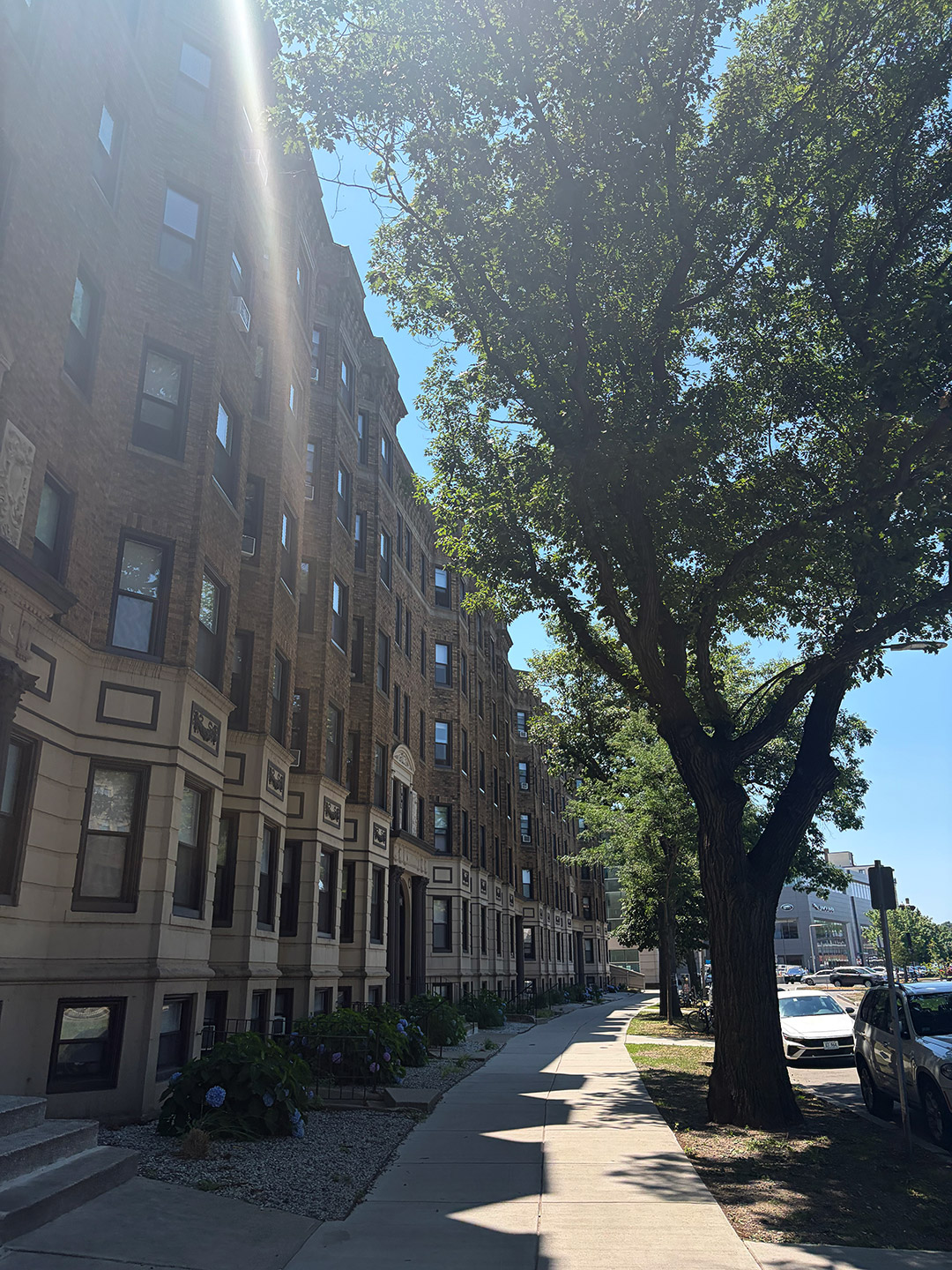
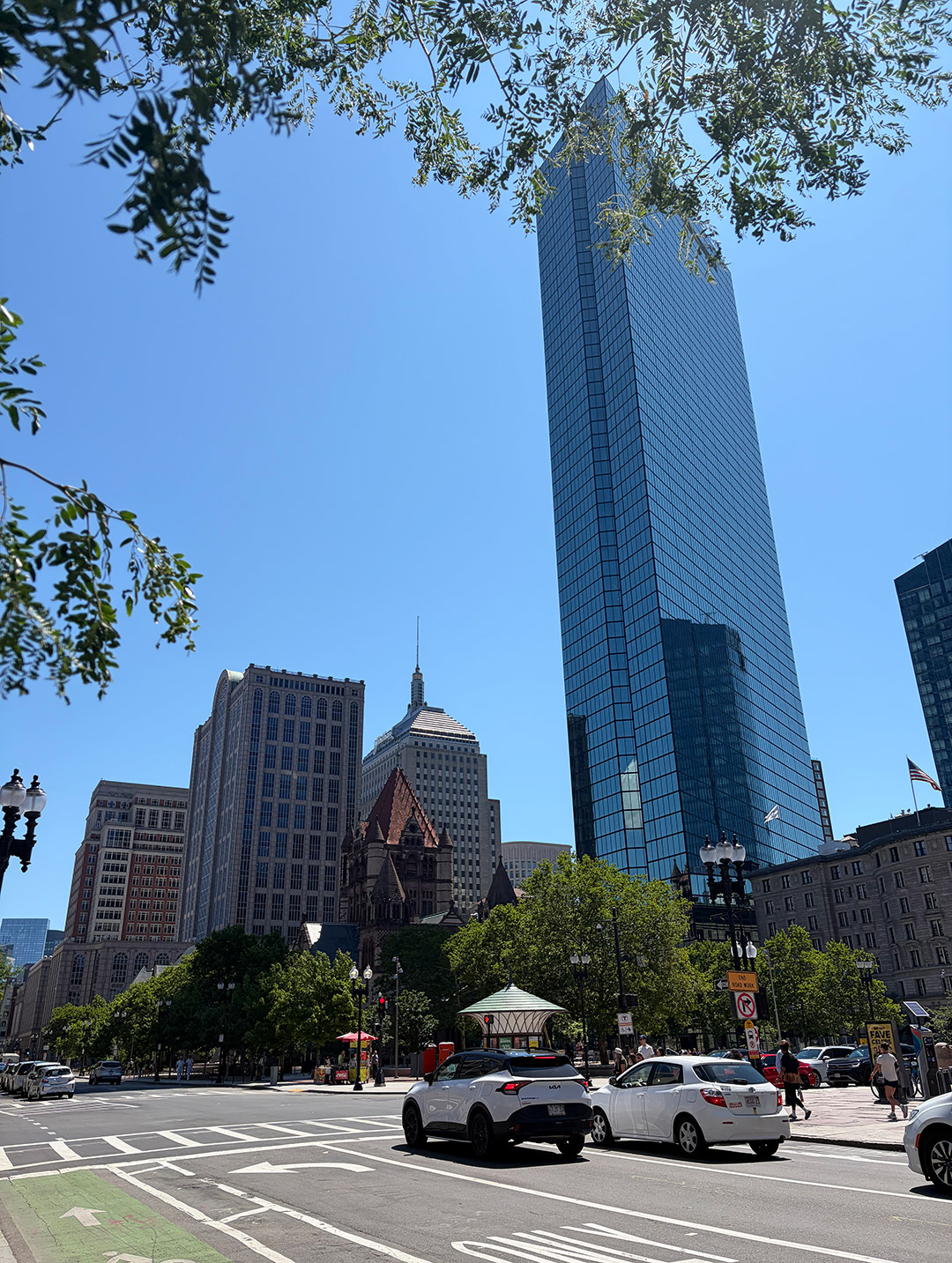
Francis says that he really appreciates how “walkable” everything is at Boston University, with many restaurants, cafés, stores within walking distance, and a lively downtown that he had not experienced before.
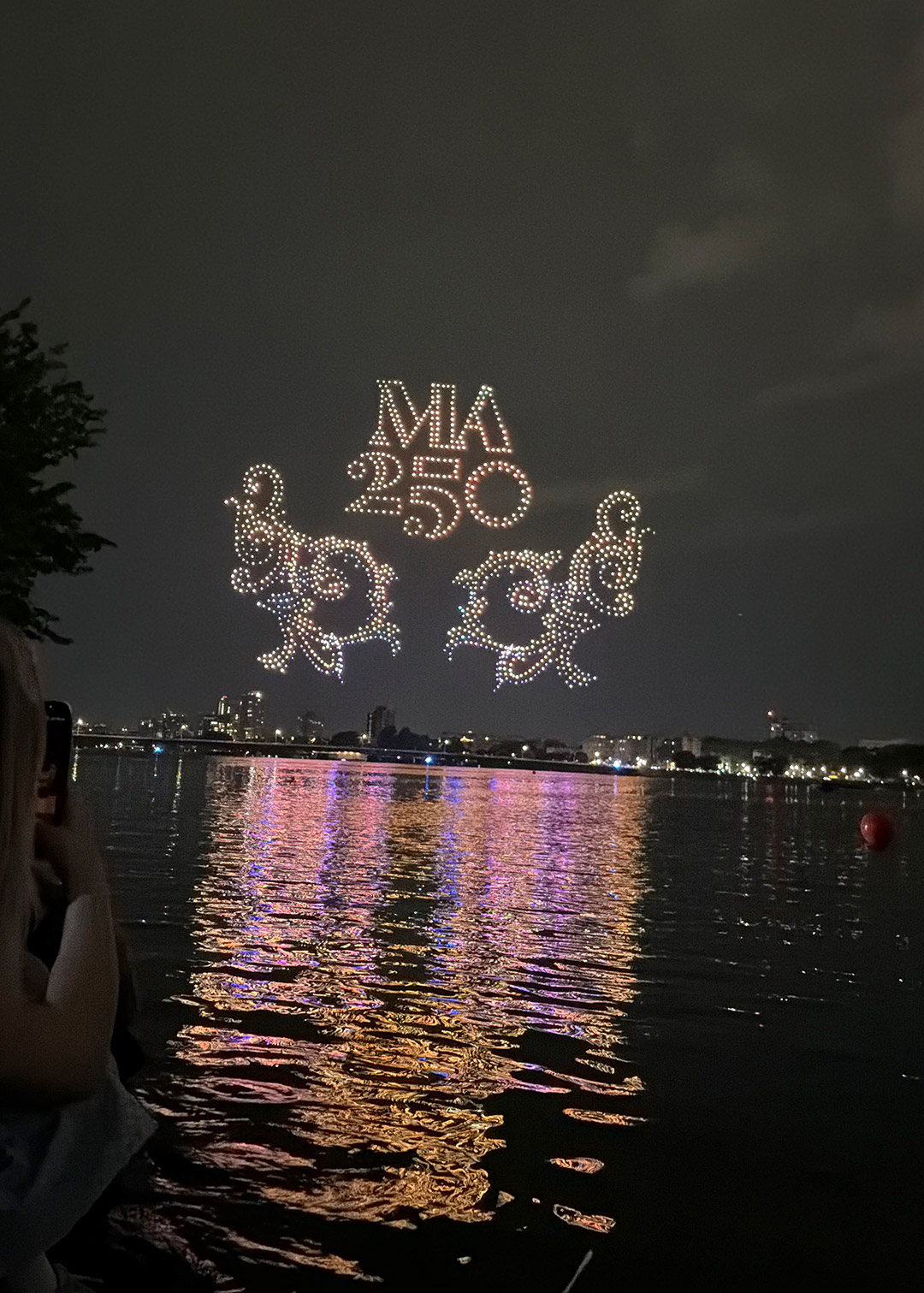
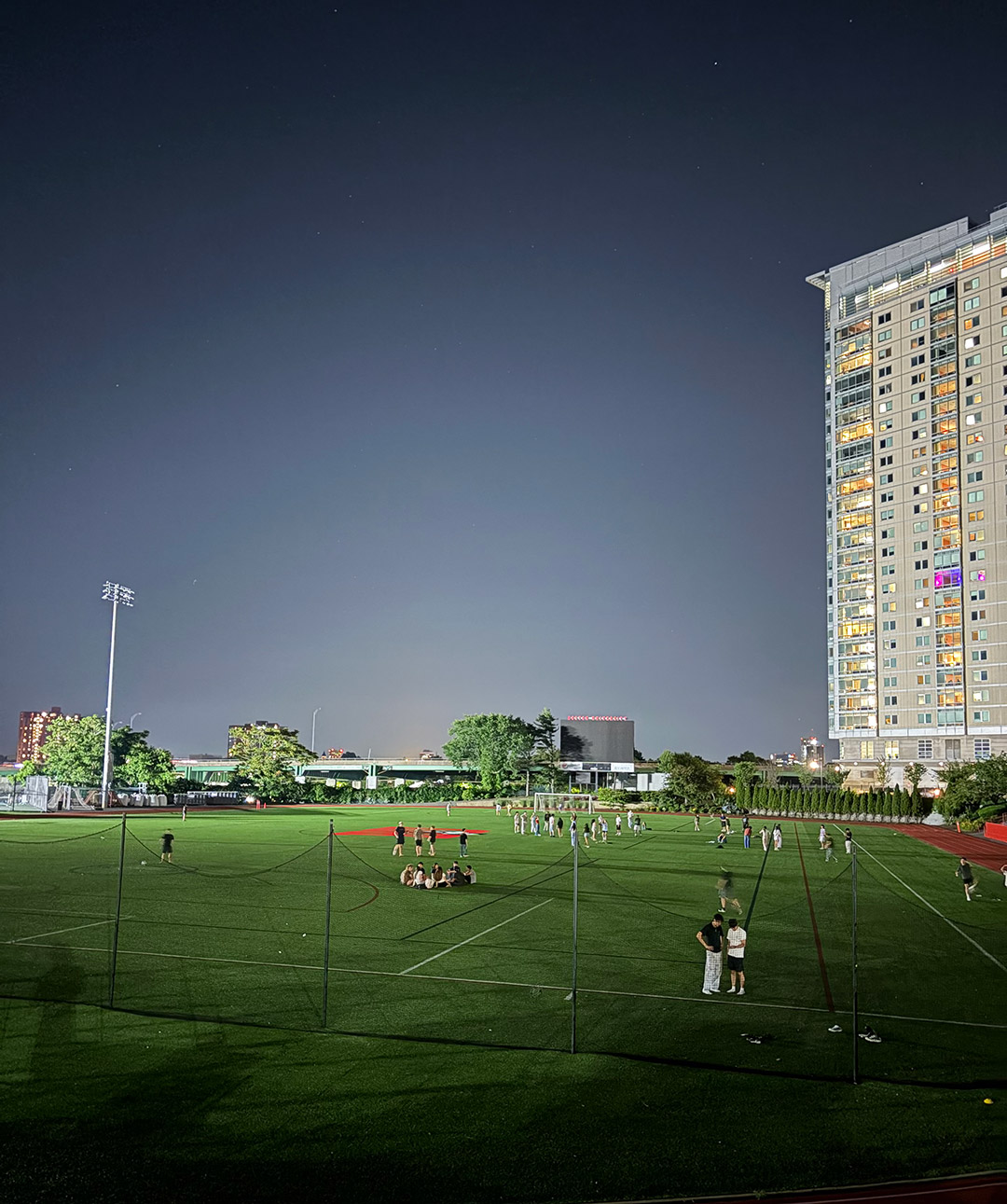
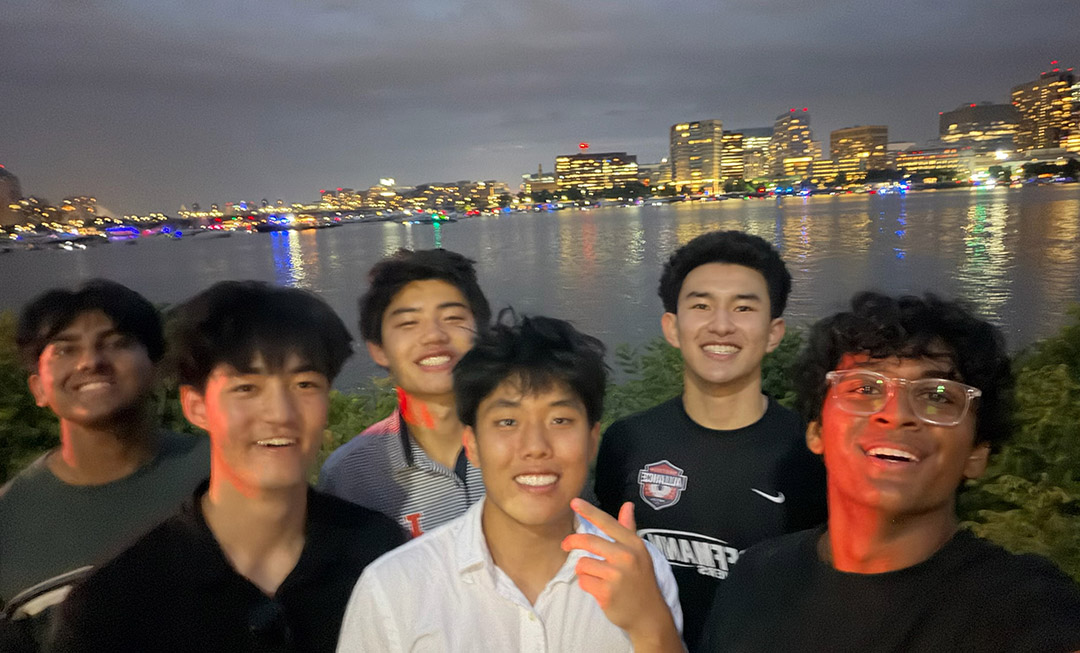
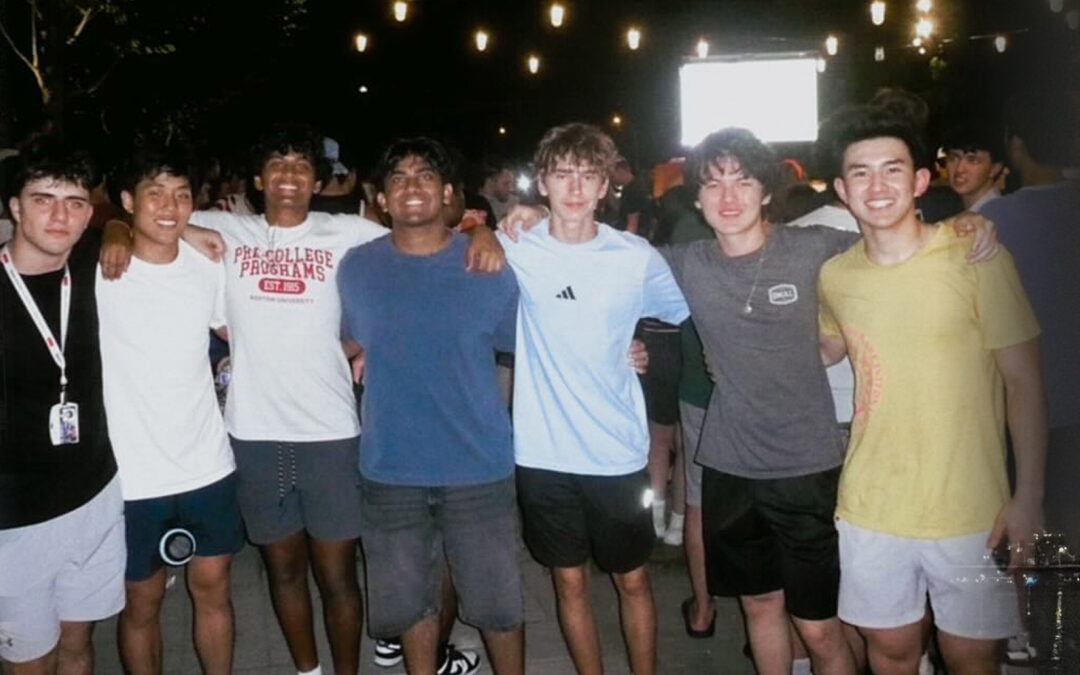
“My favorite memory from this week was attending a watch party for the United States vs. Bosnia and Herzegovina FIFA World Cup match, during which the U.S. earned a major victory and advanced to the Round of 16. The cheers, the groans, the countless calls for the referee to “open his eyes,” and the electric atmosphere created an experience I will never forget. It gave me a taste of the vibrant urban life that I do not often have the opportunity to experience back home in Carbondale. A close second was the Fourth of July fireworks and drone show, which I had the opportunity to watch from the banks of the Charles River. It was unlike anything I had ever seen, especially because I experienced it along Boston Harbor on America’s 250th anniversary,” Francis reports.
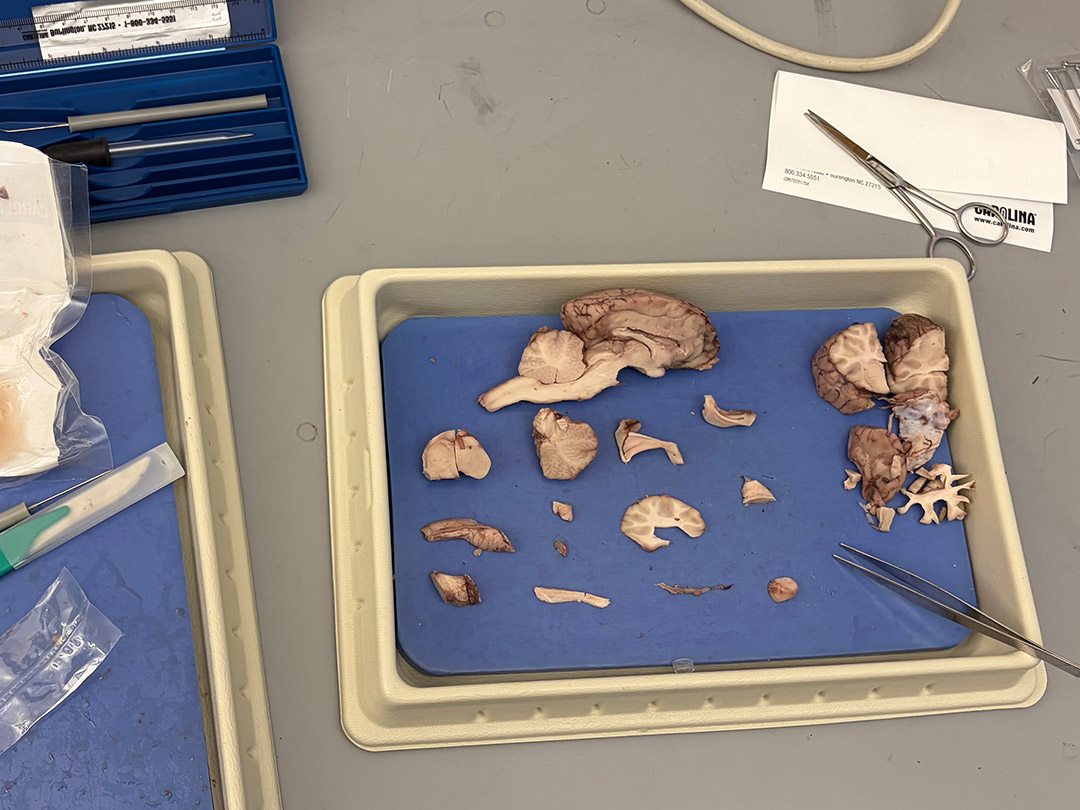
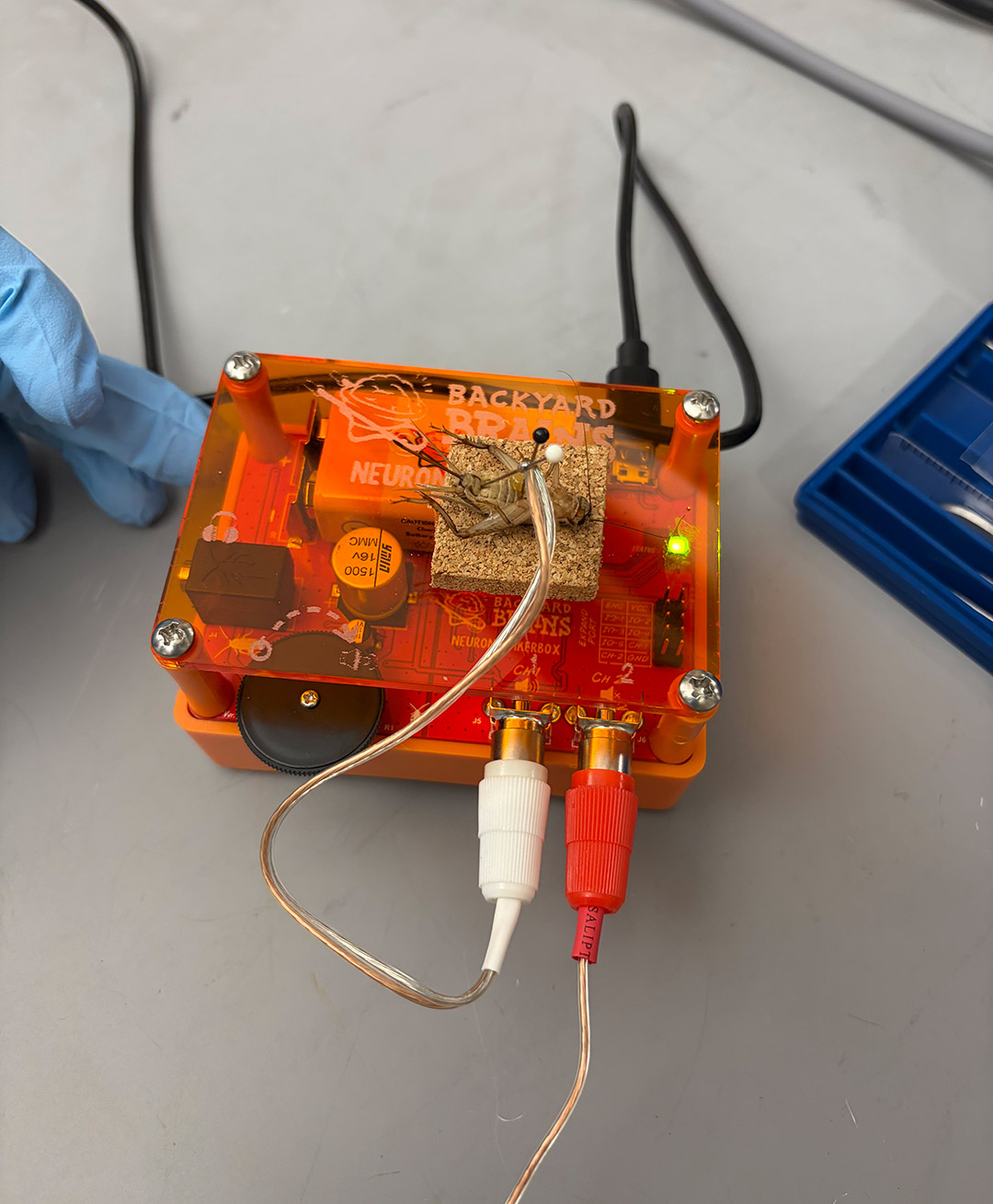
“This week, the lectures primarily covered the fundamentals of neuroscience for students with little or no prior experience in the subject. Fortunately, I was well-prepared and already familiar with much of the material from the neuroscience course I took at WashU during the summer of 2025. Aside from the sheep brain dissection on the first day, our lab sessions focused mainly on crickets. We measured action potentials in response to various stimuli applied to isolated cricket legs and whole crickets, allowing us to gain a hands-on, real-world understanding of the concepts we had learned during the morning lectures. I firmly believe that seeing tangible evidence of textbook concepts makes them far more memorable and leads to a deeper understanding of the underlying neuroscience,” Francis says.
“In the coming weeks, I am excited to dive into the more computational side of our work, which is where I have the least experience. While the labs we have completed so far have not been directly related to the research project we will present at the end of the program, they have provided valuable insight into neuronal circuits and laid the foundation for the computational techniques we will be using later. Using Python, we have begun analyzing audio recordings and other forms of data to draw meaningful scientific conclusions, and I am excited to continue applying programming to better understand neural systems as the program progresses. Beyond the academics, I am also looking forward to exploring more of Boston and continuing to build friendships with everyone in the program,” Francis adds.
“Overall, my first week at BU has been an incredible experience, and I can’t wait to see what the next five weeks have in store for me,” Francis exclaims!
Week Two — Crickets, Earthworms, and Neural Circuits
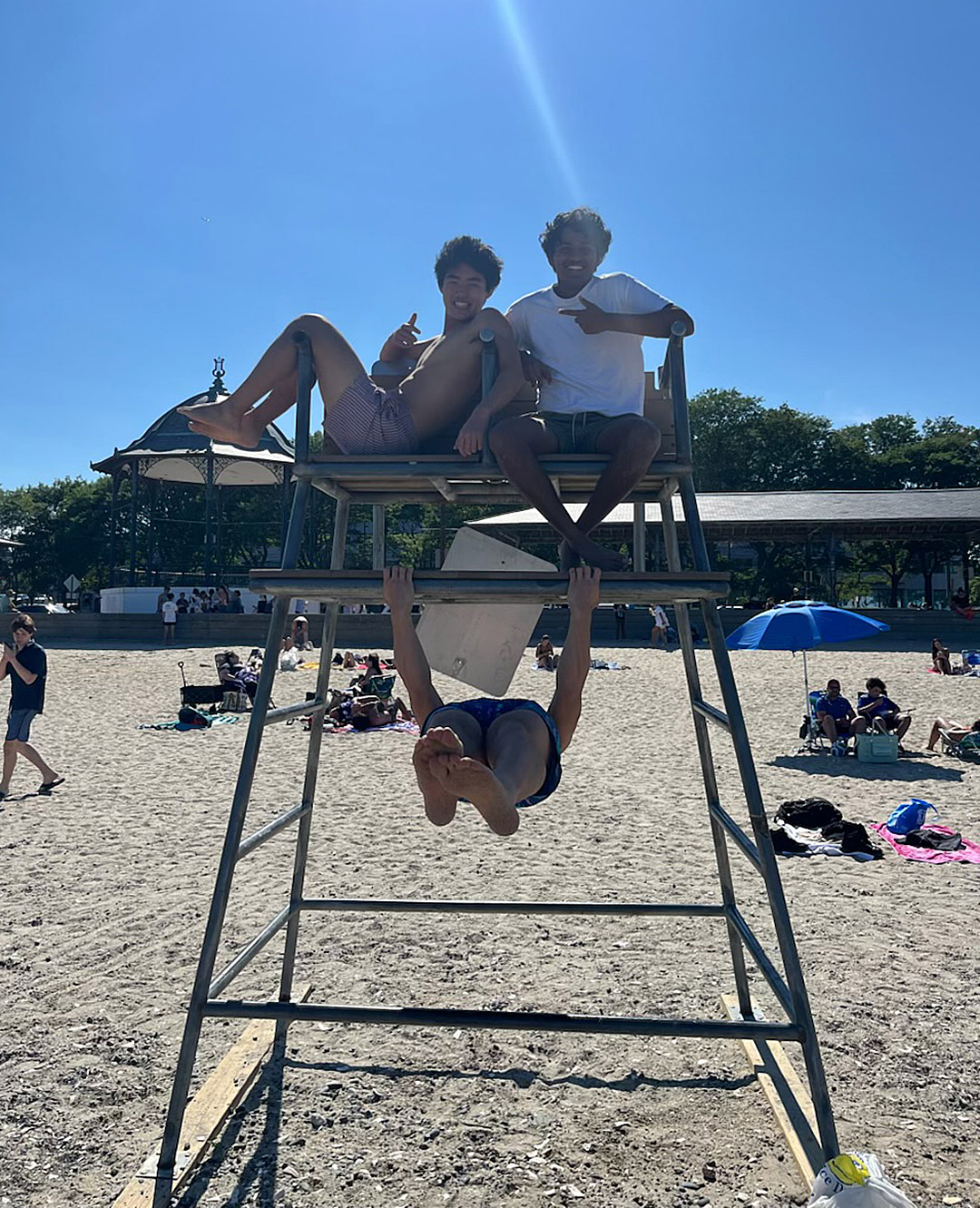
“The number of crickets, worms, and flies I have sacrificed in the name of science feels illegal. This week has been nothing short of amazing…and tiring. Between pinning electrodes into the ventral nerve cord of earthworms and getting sunburnt at Revere Beach, I never even had the time to stop and realize that my second week at RISE had already come to a close. Building off of last week, I have made even more friends, and I have gotten to know even more people; however, it does make keeping track of names really difficult,” Francis reports.
“On the academic side, RISE is definitely the most prestigious summer program I have ever attended. By far, these are the smartest peers I have ever met and worked with. While I am proud of my own work and extracurriculars, the caliber of some of the students here is truly remarkable. Truly, these students are the best of the best. Many of them have published several research papers, competed at ISEF, and just about everyone has taken 10+ AP courses,” Francis adds.
“Throughout the second week, we continued our morning lectures by exploring neural circuits, sensation, perception, movement, and navigation in greater depth. After lunch, we spent our afternoons in the lab studying the action potentials and spiking patterns of crickets and worms exposed to various stimuli. These experiments allowed us to visualize the concepts discussed in our lectures while learning how to collect and analyze data meaningfully. Although the labs were not especially difficult, they were structured effectively to provide valuable insight into the scientific process and the fundamental principles of neuroscience,” Francis explains.
“Next week, our lab focus will shift to the computational modeling side of neuroscience, which I am especially excited to explore. We will begin by reviewing the fundamentals of coding before learning how to model basic neurons, synapses, and neural circuits. This experience will provide us with the background knowledge and technical skills needed to develop our final projects, which we will present at the symposium at the end of the program,” Francis says.
Week Three — Computational Modeling
Francis says that during week three his lab work shifted from wet lab to computational work.
“We’ve spent the week reviewing basic coding syntax, coding simple models, and programming LIF (leaky integrate-and-fire) neurons to simulate how nerve cells generate action potentials. Honestly, this week has been the most enjoyable for me because I am learning so much new material. This week, we spent a lot of time covering learning, memory, and sleep, including the consolidation and recall of memories, memory engrams, and synaptic plasticity,” Francis reports.
“Next week, we will begin our projects. I am looking into researching and modeling neuronal circuits involved in neurological diseases and disorders such as Alzheimer’s, Parkinson’s, or schizophrenia. While I am personally not interested in pursuing a career in research or industry, the work is still really interesting and important. It’s crazy to see what is possible at our age within such a short time frame—we will have roughly two weeks to finish our projects before the symposium,” Francis adds.
“Throughout the computational labs, the TAs and main instructor have talked about their paths to their respective careers, what it took to get there, the obstacles they had to overcome, and their personal histories. One main conclusion I have drawn is that progress, in all aspects of life, is not linear. For instance, one of the TAs went to CMU for architecture but ended up switching majors and becoming a computational neuroscientist. Another went to UMich for business and eventually came to BU to pursue optogenetic research. Even our lead instructor, Karla, was rejected from numerous doctoral programs before ultimately conducting research at MIT. On that note, I have learned that even though I really want to become a doctor who helps people and interacts directly with patients, anything could happen. As long as I follow my true passions and enjoy my work, I am confident that I will end up in a career that I value and enjoy,” Francis explains.
Francis says he has enjoyed having freedom to explore while at RISE.
“One thing I really like about RISE is that the program gives us a lot of freedom to explore and roam around. The solo roaming range is pretty large, and you can go virtually anywhere if you are with a buddy. The program also organizes a wide range of social activities, including lawn games, trips to the beach, shopping on Newbury Street, and attending baseball games, all at no additional cost to us. Overall, the program provides the perfect balance of academic work, free time, and social activities,” Francis says.
Week Four — Group Assignments & Final Projects
Francis says his class continued the computational lab sessions by learning to code more complex and in-depth models. The class also received their group assignments.
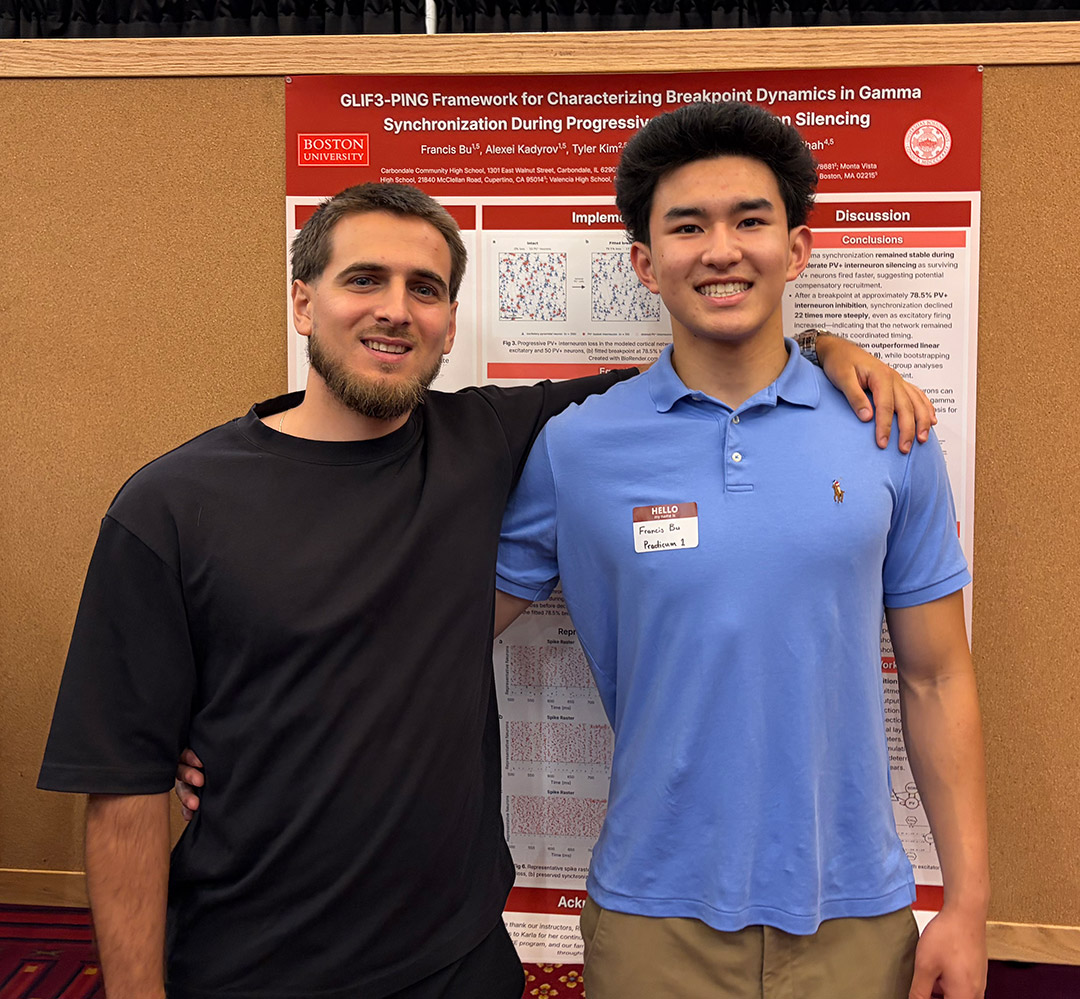
“We received our group assignments for the final poster symposium, and I was placed in a group of five students. Our group decided to study the relationship between parvalbumin-positive (PV+) interneuron function, gamma oscillations, and schizophrenia using a computational model of a mouse cortical network. Our goal is to determine whether gamma synchronization—a coordinated pattern of neural activity that occurs approximately 30–80 Hz—declines sharply after a certain percentage of PV+ interneurons is inhibited or instead decreases gradually in a linear pattern,” Francis explains.
“In our morning lectures, we continued to explore a more computational approach to neuroscience, including how differential equations and matrices can be used to model complex neural circuits in the brain. I believe the goal was to give us greater insight into how we could potentially construct our own models for our projects, which I found especially helpful. We also spent a considerable amount of time discussing neuropsychiatric disorders, which further influenced my interest in studying schizophrenia. Overall, I would say that the instructors here are highly knowledgeable and provide high-quality instruction. Although that may be expected of instructors in a program like this, I have learned that it is not always guaranteed,” Francis adds.
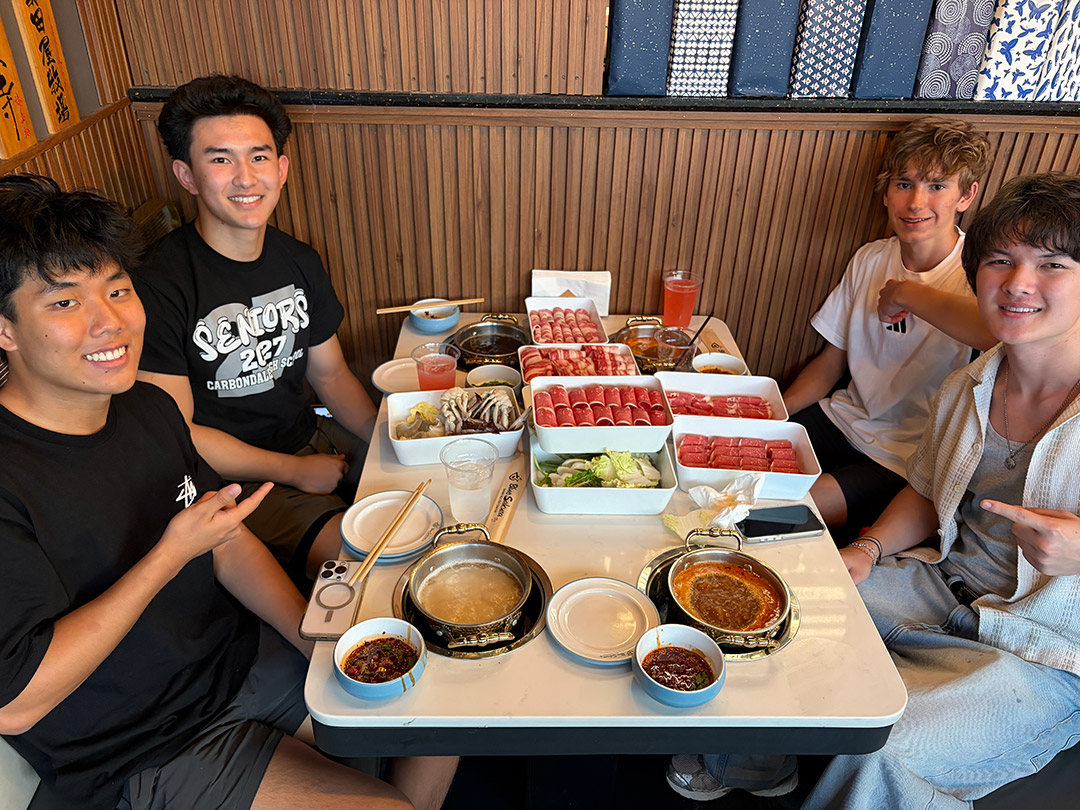
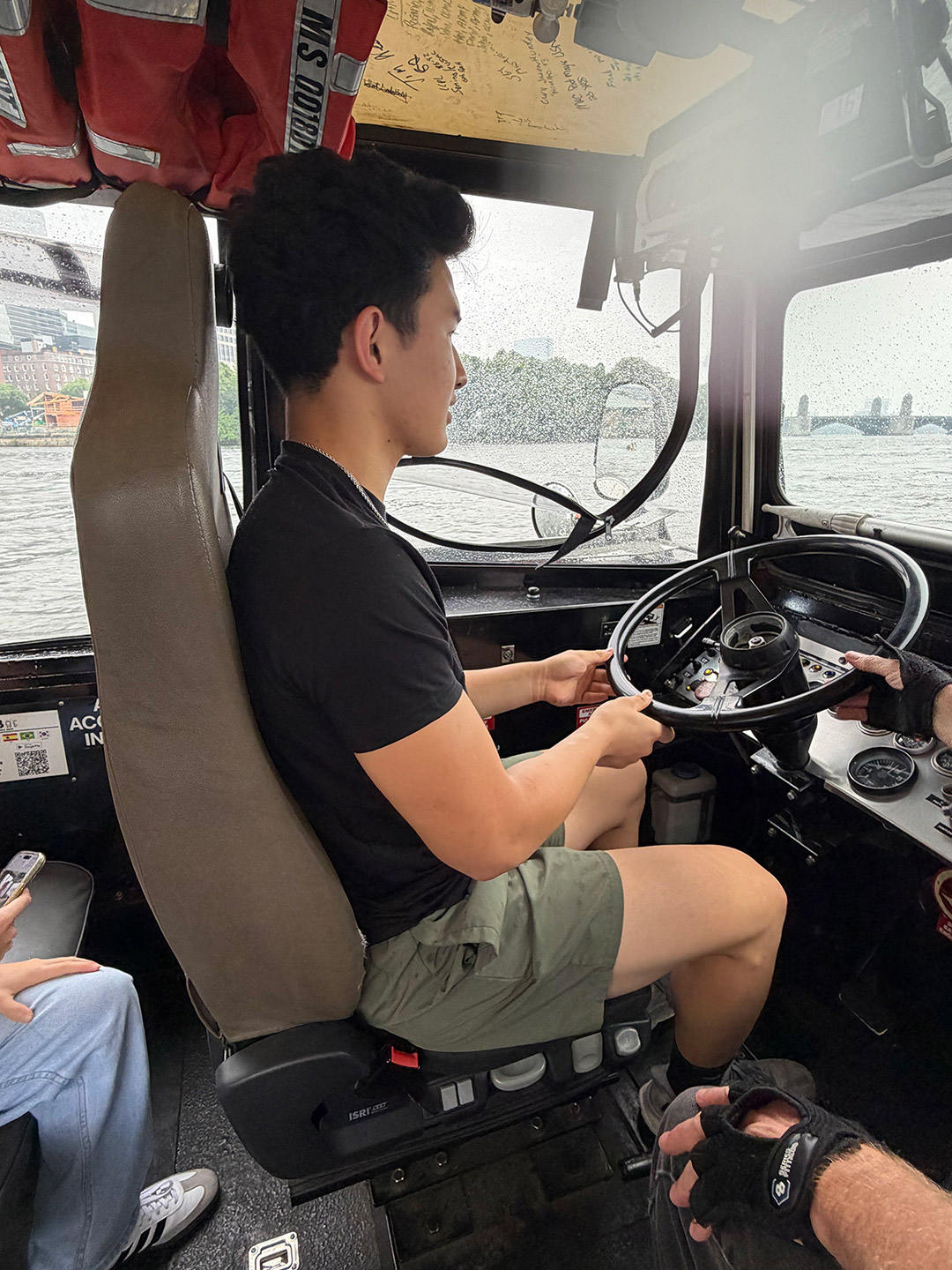
When not in class, Francis had an opportunity to explore more of Boston, including various restaurants and food options. He also spent time with friends in a variety of after-class activities.
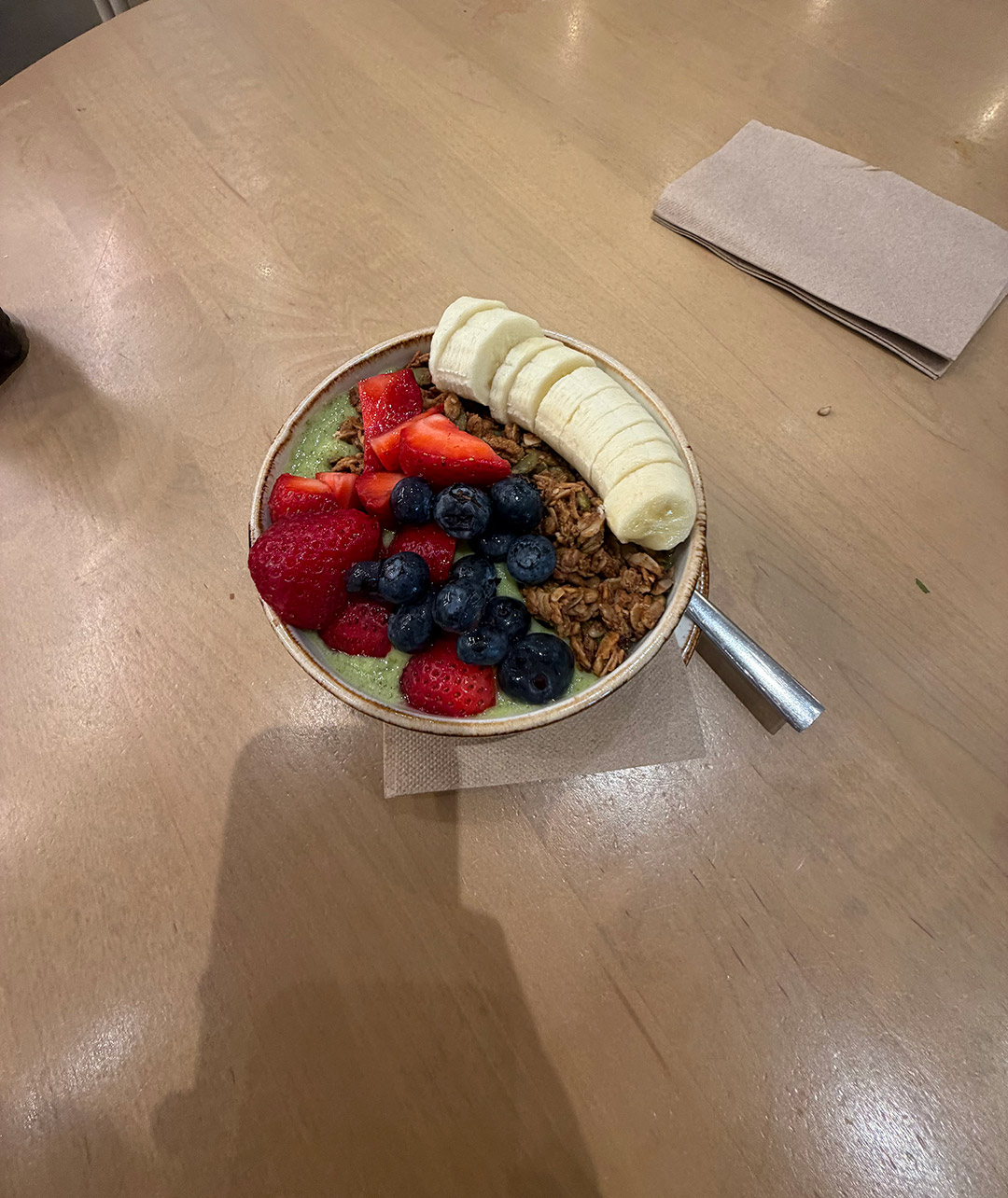
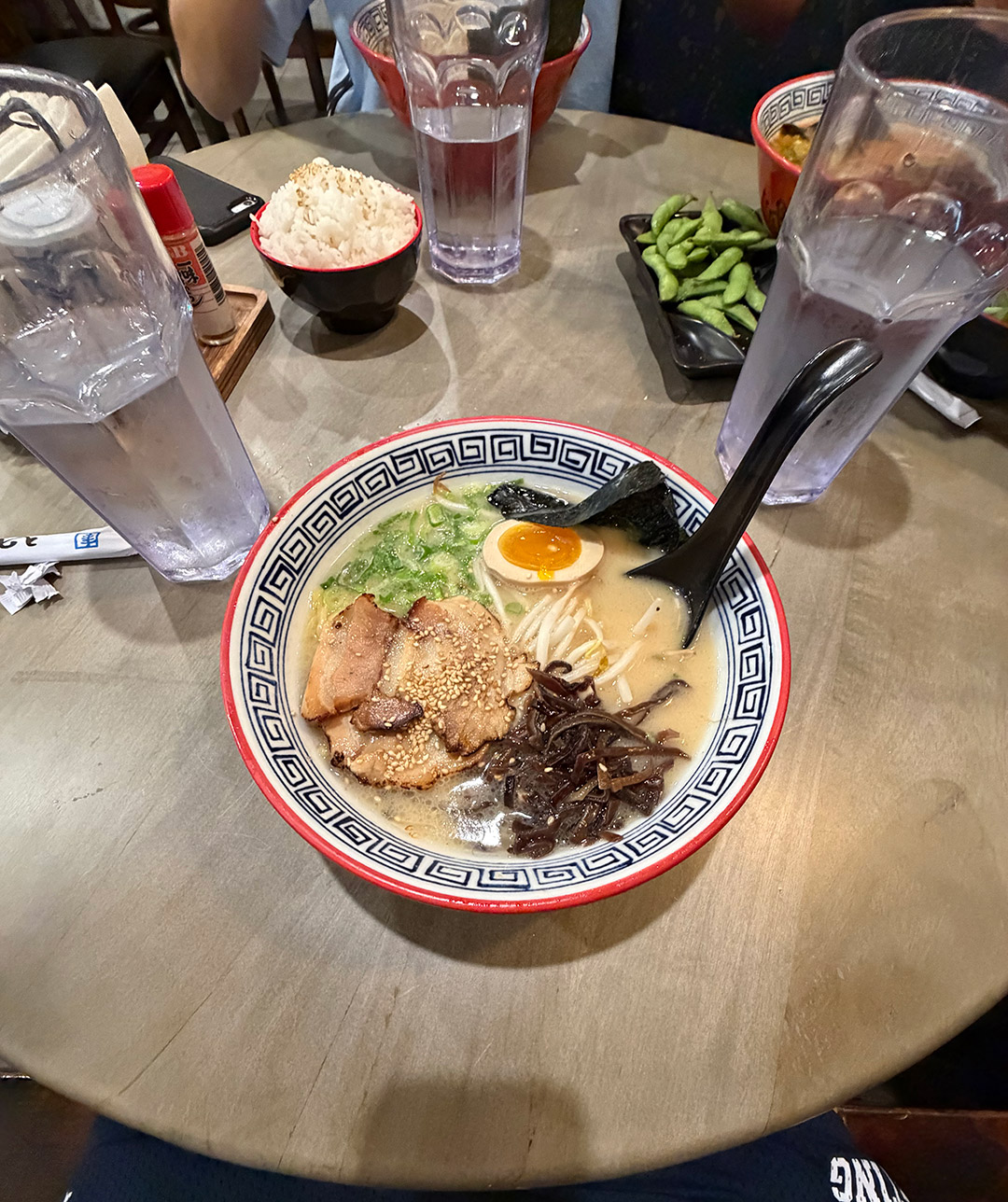
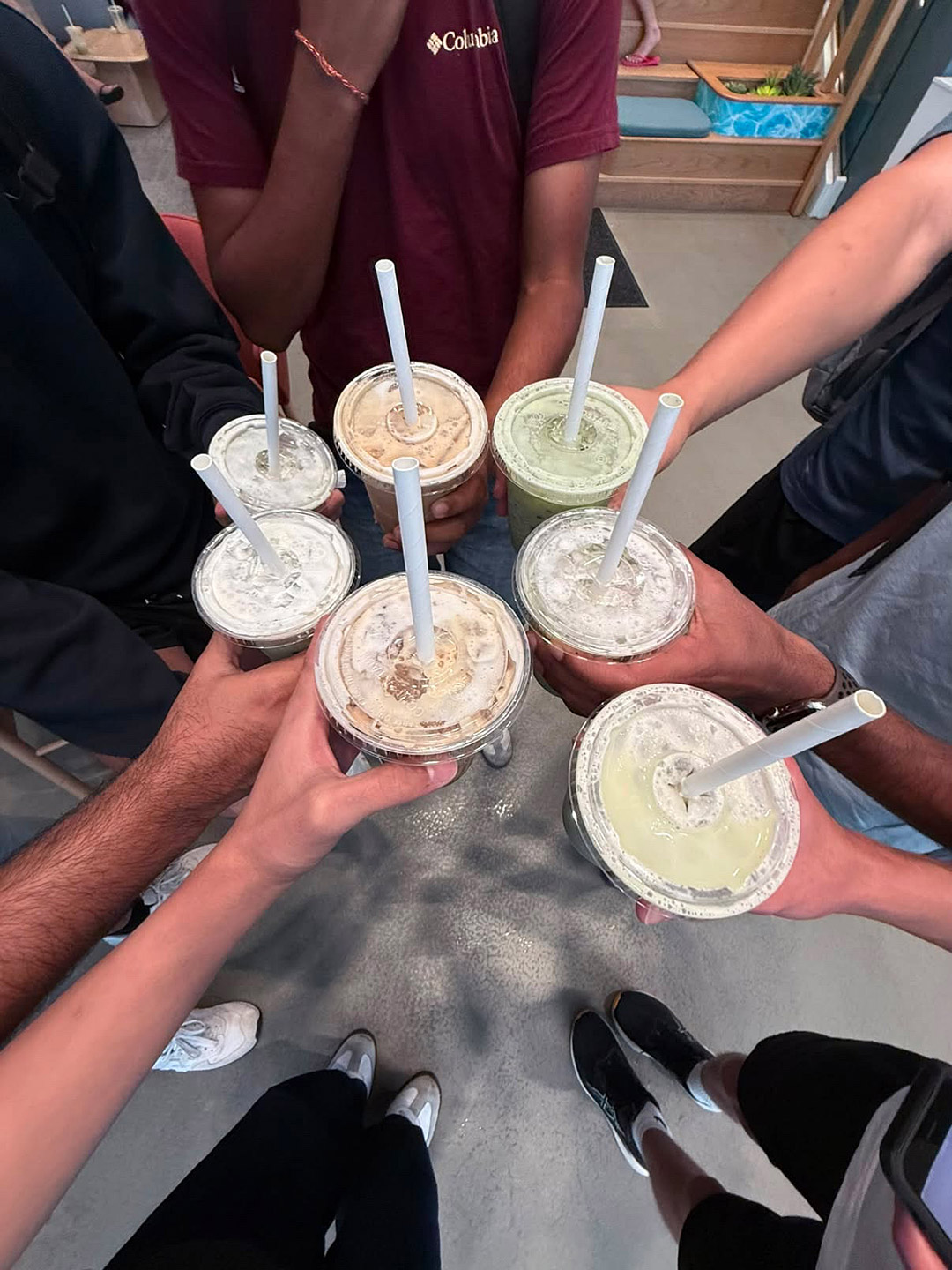
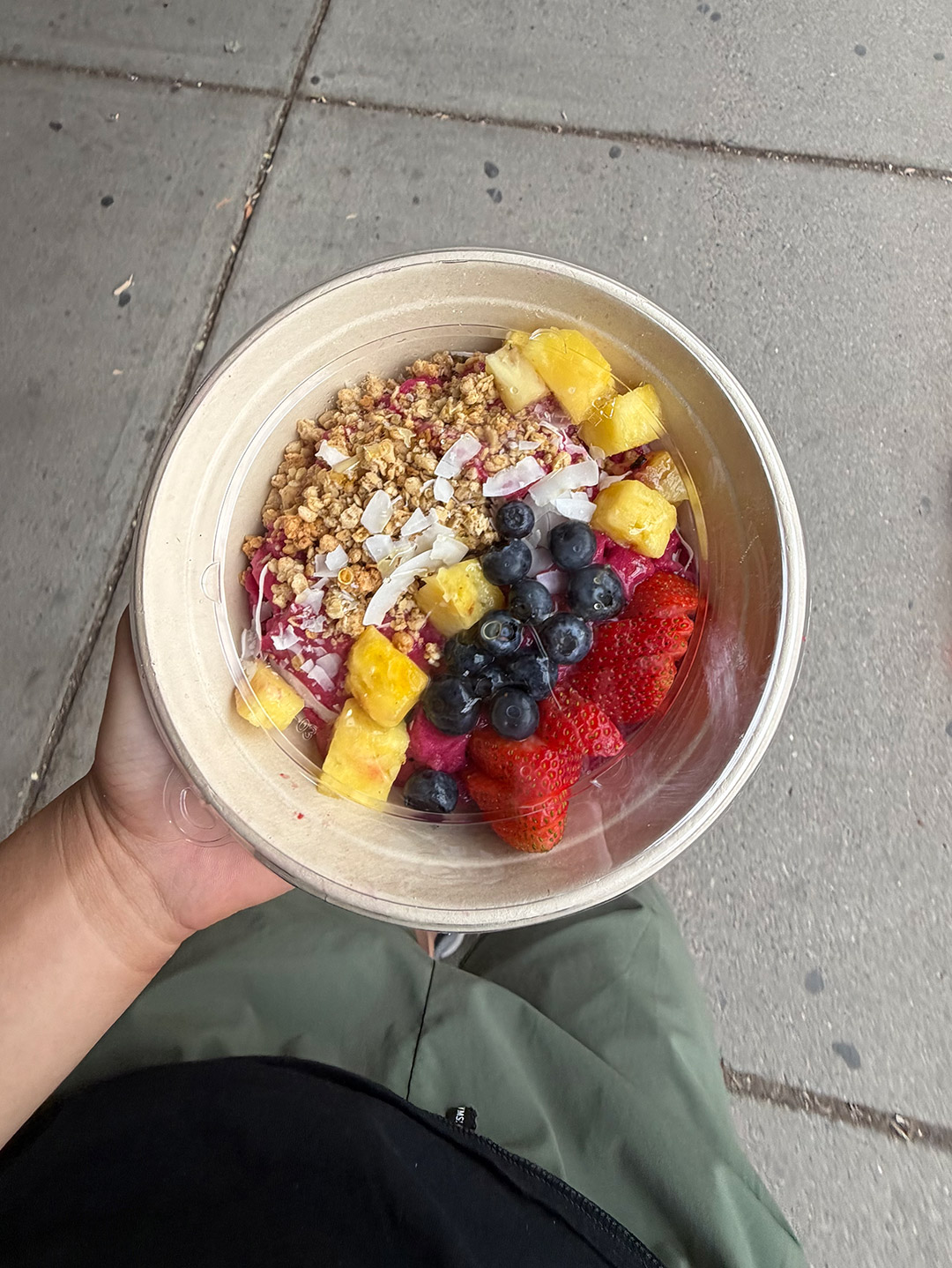
“I found great places to run along the Charles River and enjoyed plenty of great food—sadly, still no tacos—including lobster rolls, fettuccine, and burritos. Since I started working at Smoothie King in early February, I have developed a love for açaí bowls. Naturally, I have visited several açaí places around Boston, including a few located very close to or directly on BU’s campus. Although they have all been good, I still have to say that Smoothie King’s bowls are better,” Francis says.
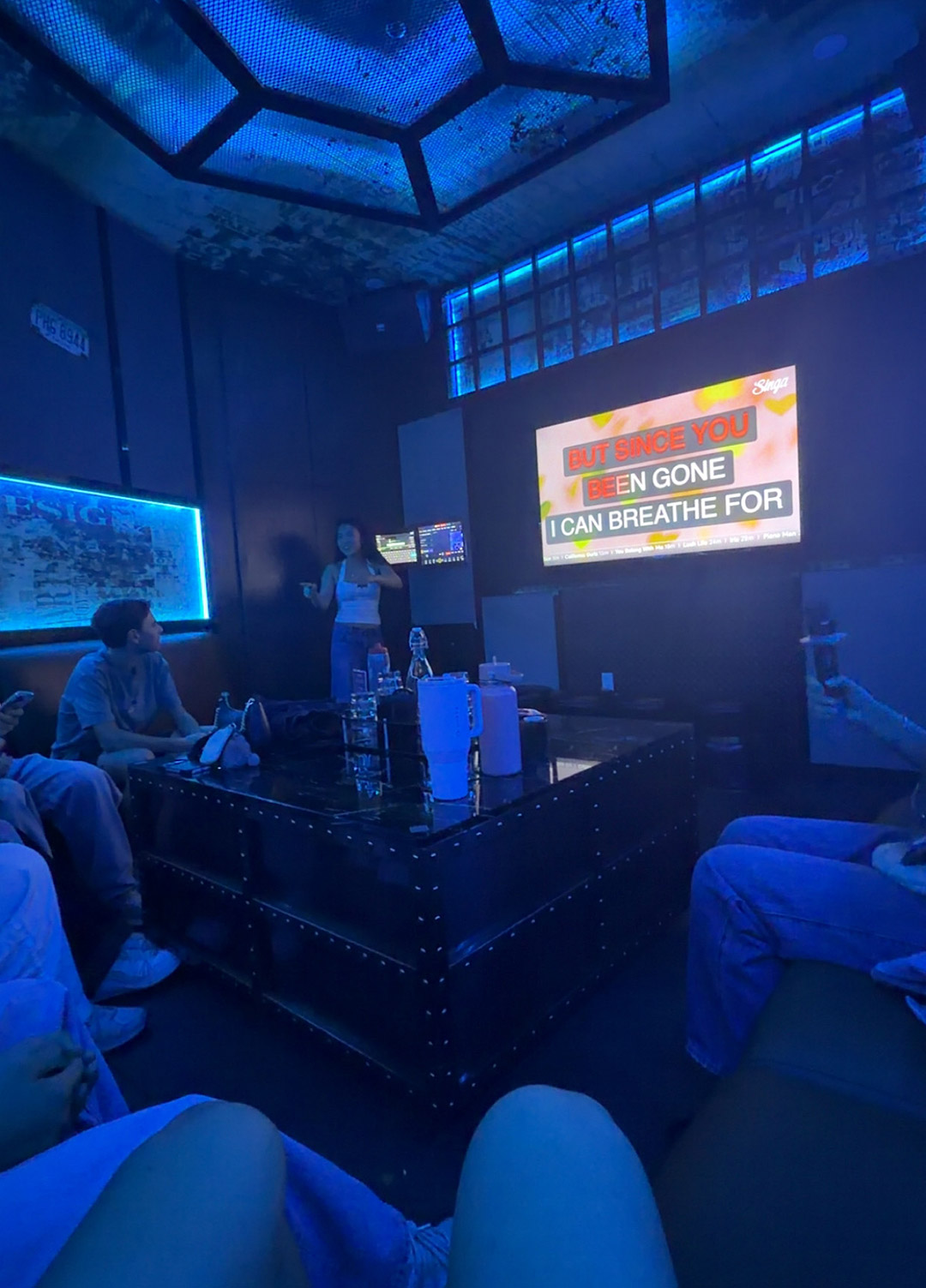
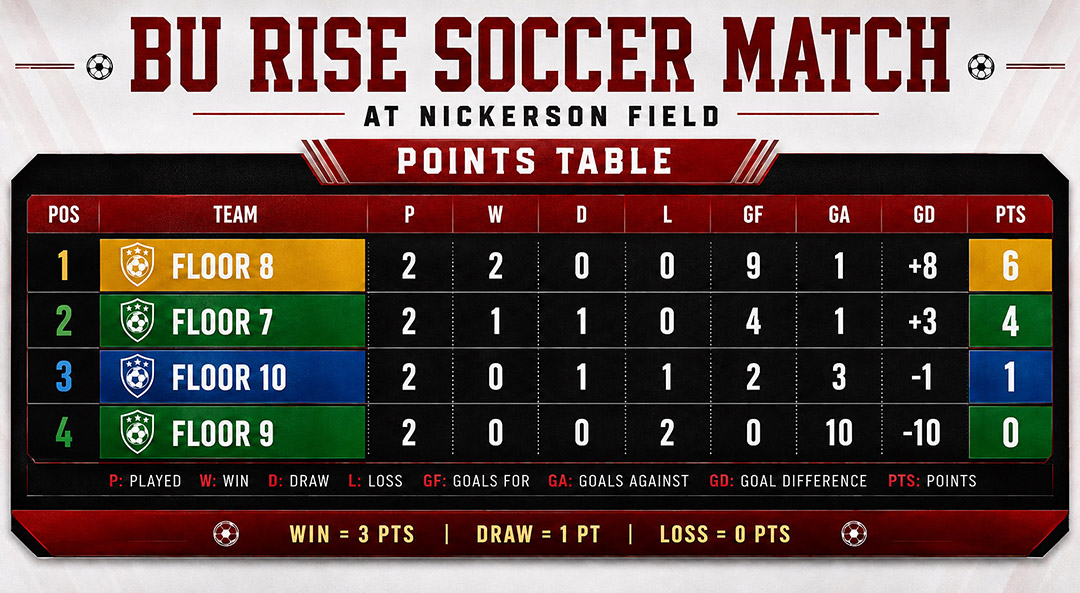
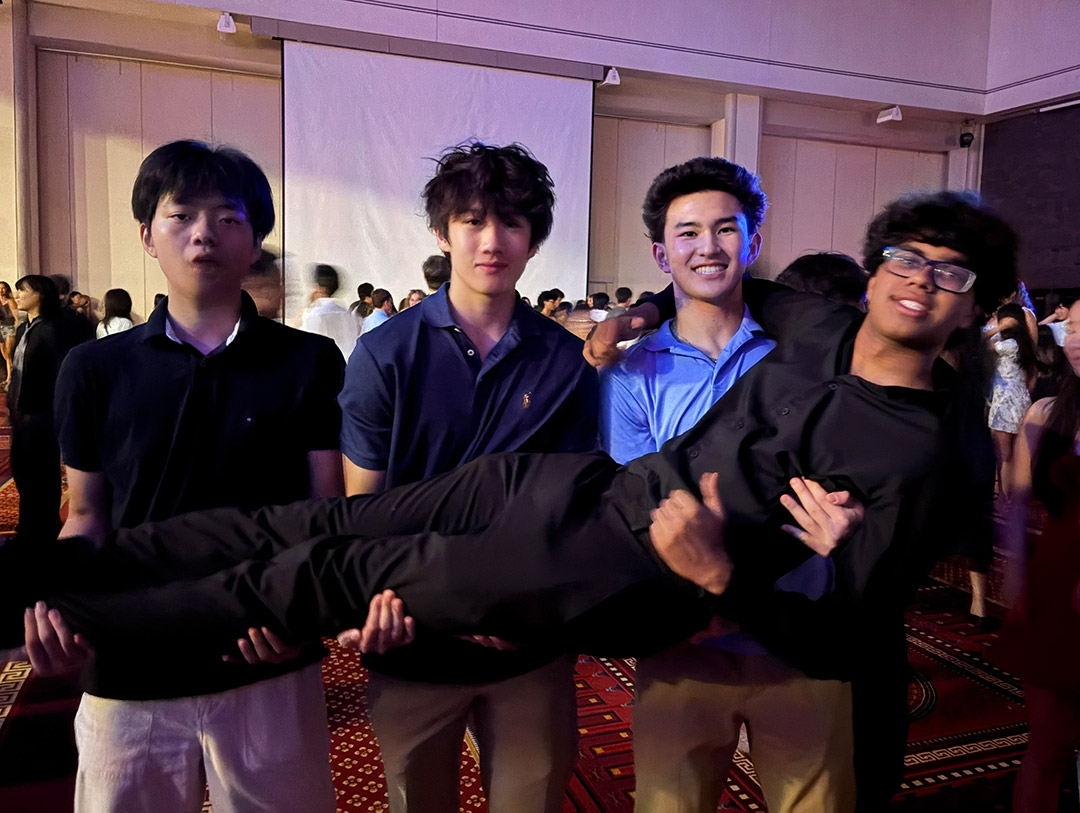
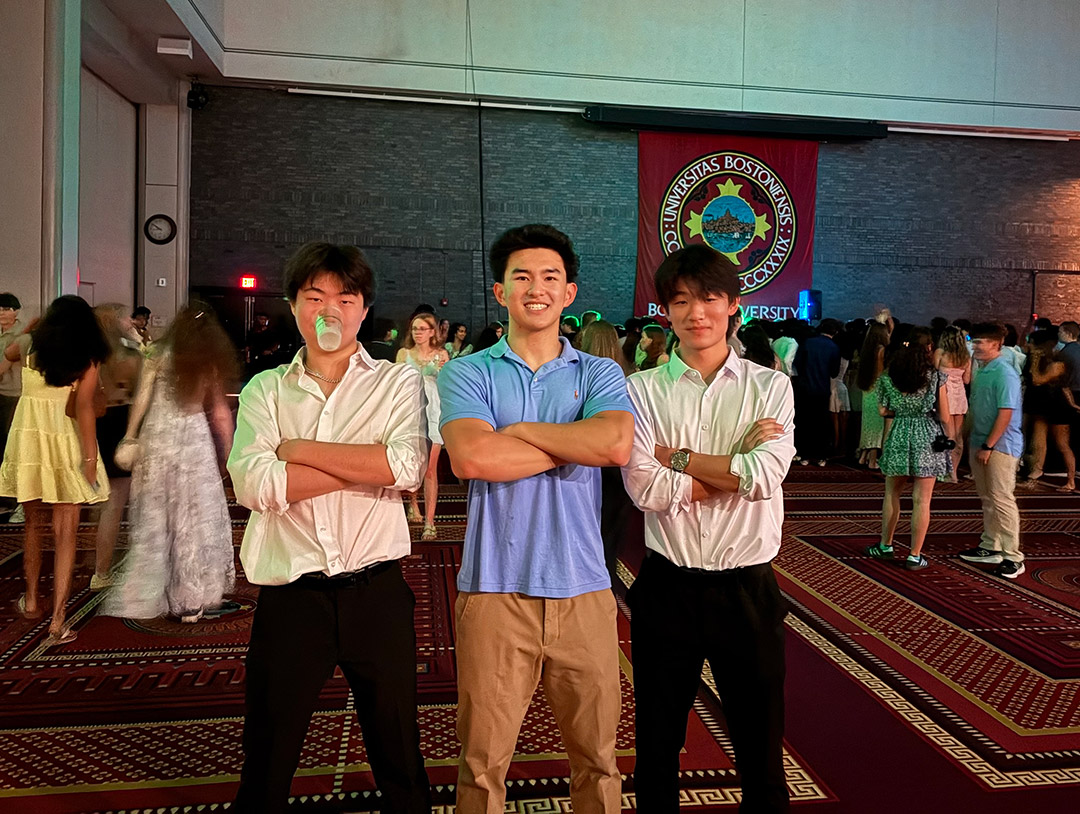
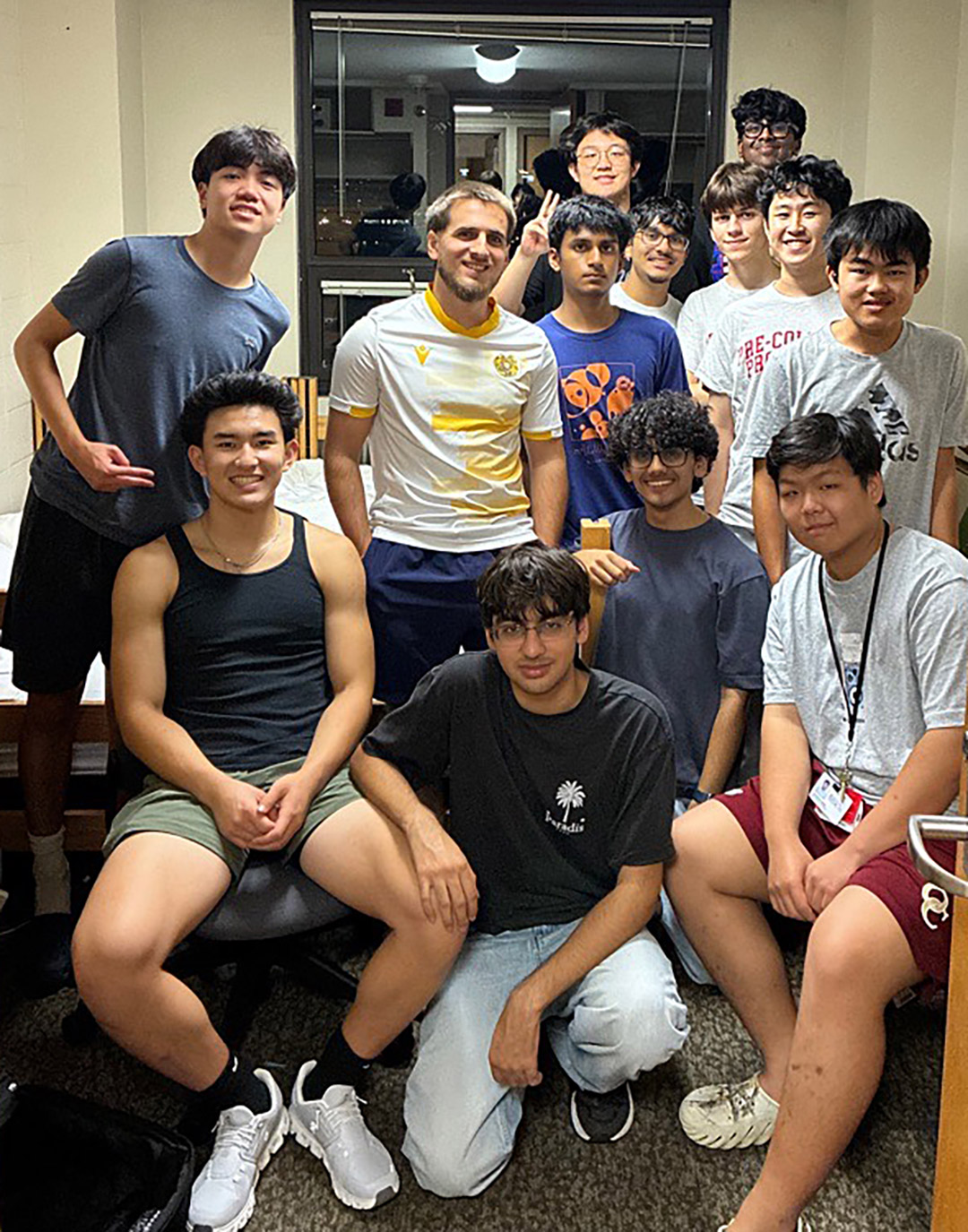
“I have also spent a considerable amount of time with friends, from late-night pickleball and soccer to ice cream runs and karaoke. The friends I have made here are truly people I will remember. There is something different about being surrounded by a group of like-minded peers who may not share the exact same goals but work hard toward their passions and consistently put in the effort. Being around people like that motivates you to work harder and become a better version of yourself. My personal belief is that many people struggle to succeed not because they are incapable, but because of the environment they are placed in,” Francis adds.
Week Five — Gamma Oscillations, PV+ Interneurons, and Schizophrenia.
During the fifth week, Francis and his group spent time working on their final project.
“My group decided to study the relationship between gamma oscillations, PV+ interneurons, and schizophrenia. Our goal is to model what happens in the brain as parvalbumin-positive interneurons are progressively removed from a neural network and analyze the resulting changes in gamma oscillations. Through this, we hope to gain a better understanding of how disruptions in gamma activity may contribute to some of the cognitive and motor deficiencies associated with schizophrenia. This week, we spent a lot of time conducting background research, reading papers, and searching for a model and an online database of neural data that we could use for our project. In the coming days, we will work to finalize our abstract and create our poster in preparation for the final poster symposium,” Francis explains.
“Looking back at my summer, I’ve realized just how quickly time has flown by. The first three weeks felt sort of slow, but after that, things really started to pick up. Before I even knew it, I was entering my last week at RISE. While I am forever grateful for this opportunity and for the friends, connections, and experiences I have had in Boston, I am also excited to go back home,” Francis adds.
“Throughout my final week, I look forward to getting more açaí bowls, exploring Boston more with my friends, and finishing up my project in preparation for the poster symposium. On the fun side of things, I’m also looking forward to going to my first baseball game to watch the Red Sox play! It is yet another fun, “free” event that RISE organized on our behalf,” Francis says.
Week Six — Final Projects and Presentations
Francis reports that his last week was spent working on his final poster project, and spending time outdoors enjoying the Boston area one last time with his newly formed friends.
“Reflecting on this past week—from the late nights spent singing karaoke to pulling all-nighters to finish my project—I am truly grateful for the people I have met along the way, the life-long connections I have established, and the countless memories that I will cherish for years to come,” Francis says.
“The front half of this week was spent working on our final poster project. Last week, we finalized our results and finished our abstract, so this week was relatively easier in comparison. There was no code to debug, no data to extract, and no graphs to generate. Just 10+ hours of moving text boxes and images around while deciding between an infinite number of color schemes and fonts for our poster… Ultimately, we decided on a red color scheme to stand out from the other poster projects—a lot of people chose blue. After submitting our posters for printing at the front end of the week, we spent the rest of the week continuing our morning lectures and practicing our presentations in the afternoon “lab” periods,” Francis reports.
When not preparing for his final presentation, Francis spent time outdoors going for runs along the Charles River and having dinner with the friends he has grown close to during his time at Boston University.
“While I am definitely excited to head back home and see my friends and family, I know I will miss my new friends dearly. Even though we have only known each other for six weeks, it feels like we are childhood best friends. Based on my experience at WashU last summer, I know it is not the end, and I am quite confident that I will keep in touch with the people that I’ve met for years to come,” Francis says.
“Reflecting on the past six weeks, I have come to understand the power and implications of computational modeling in the rapidly developing field of neuroscience and the importance of collaboration and networking in the grand scheme of things. Without the GFF, I would never have had the opportunity to attend RISE—or any prior program for that matter. I am truly indebted to the GFF and am a proud alumnus of the organization. Moving forward, I will continue to pursue my academic interests and hopefully give back to the GFF following my success,” Francis adds.
We are happy to hear that you had an amazing learning experience at Boston University and were able to connect with so many talented students. Good Job, Francis!
>> Read Francis Bu’s Final Report (PDF File, 100 KB).
>> Learn about the other students’ experiences in the GFF Scholarship Program.