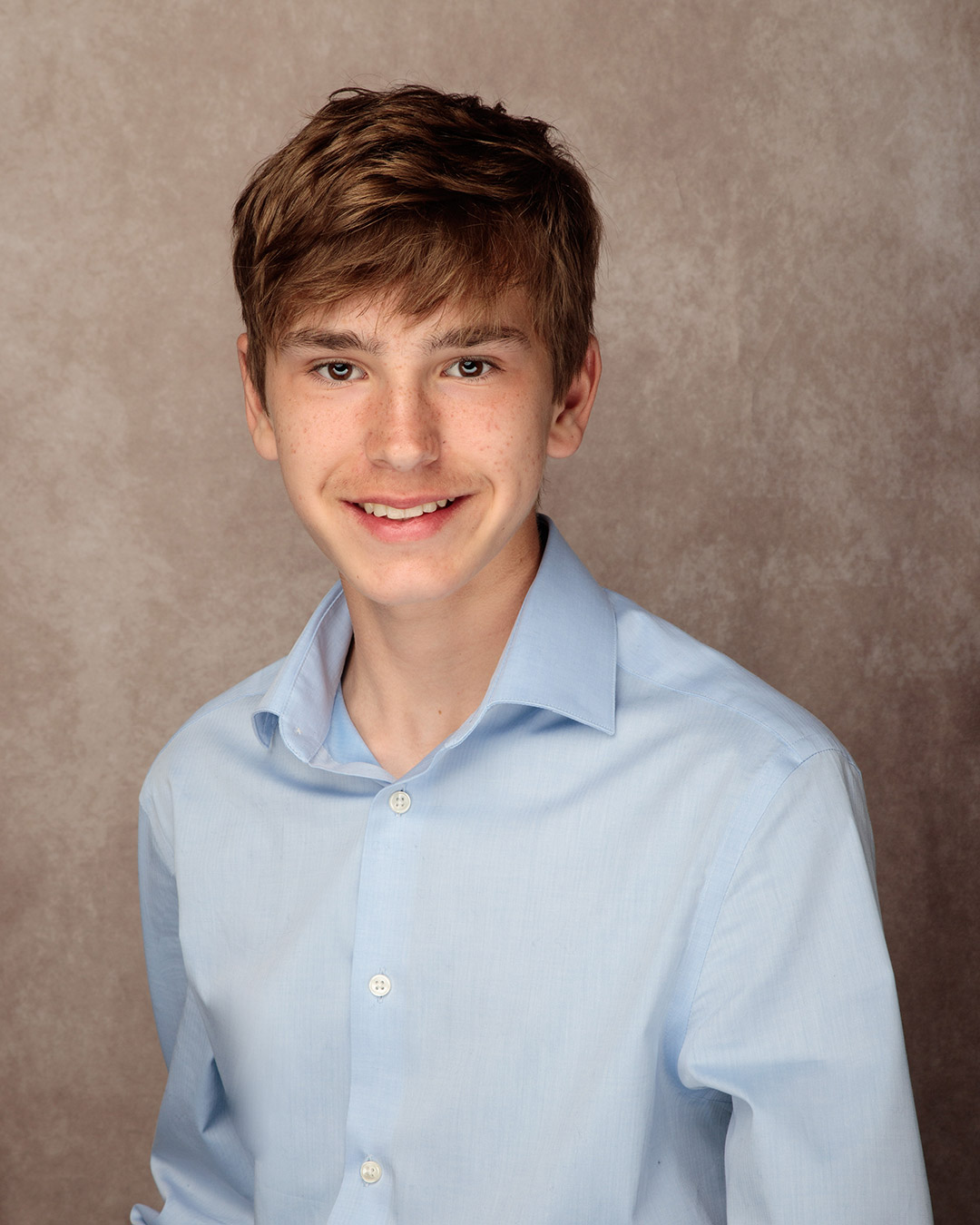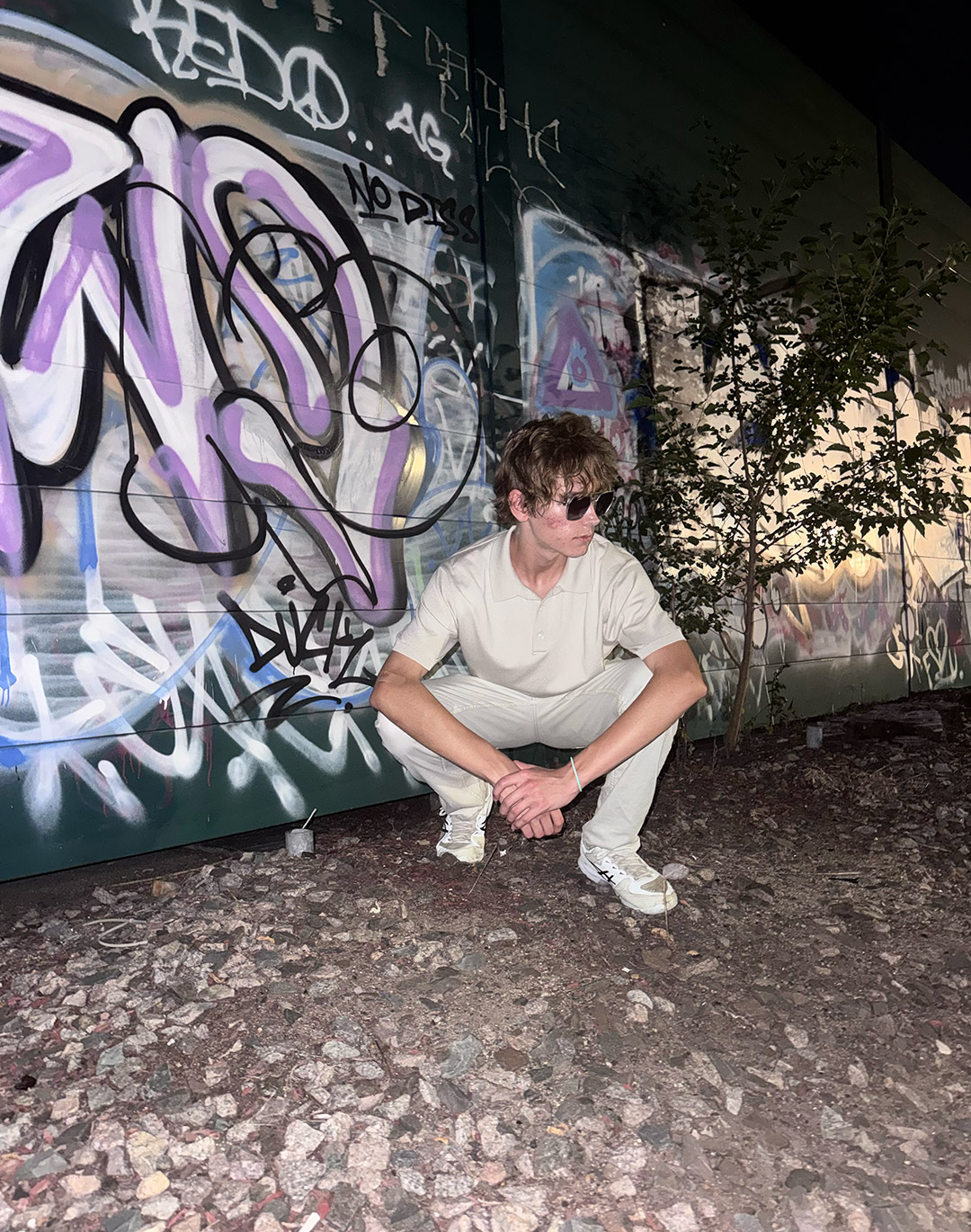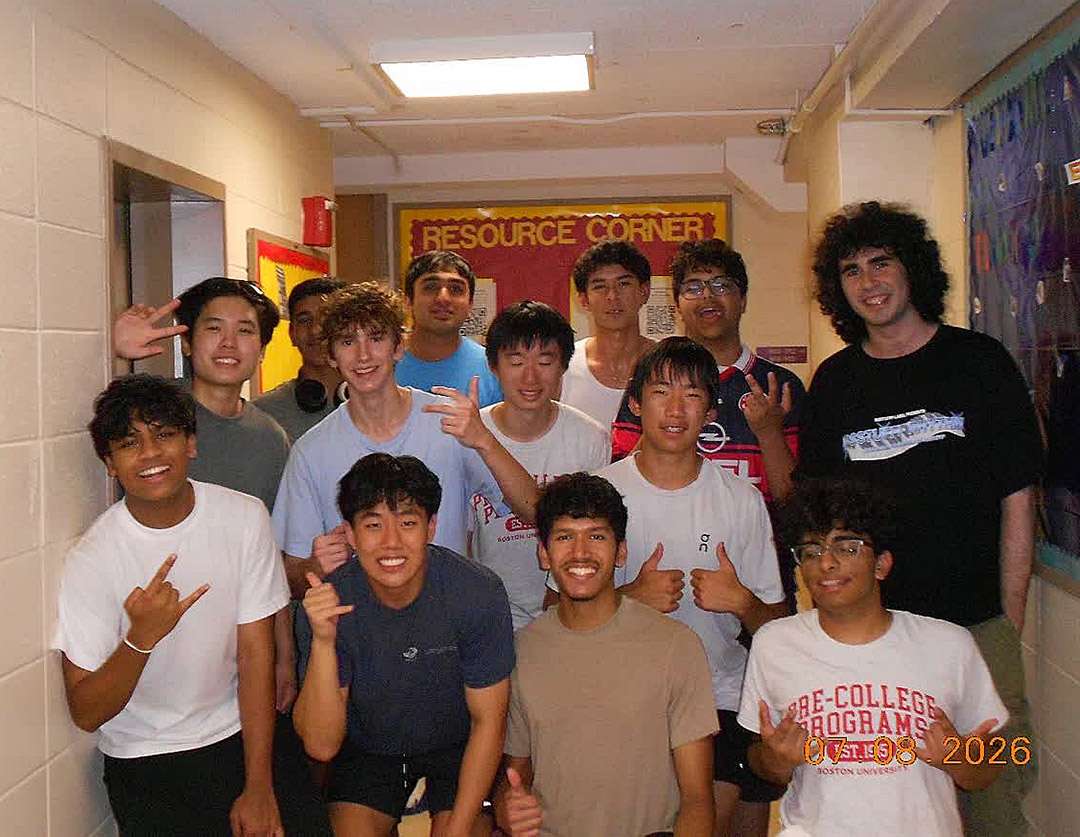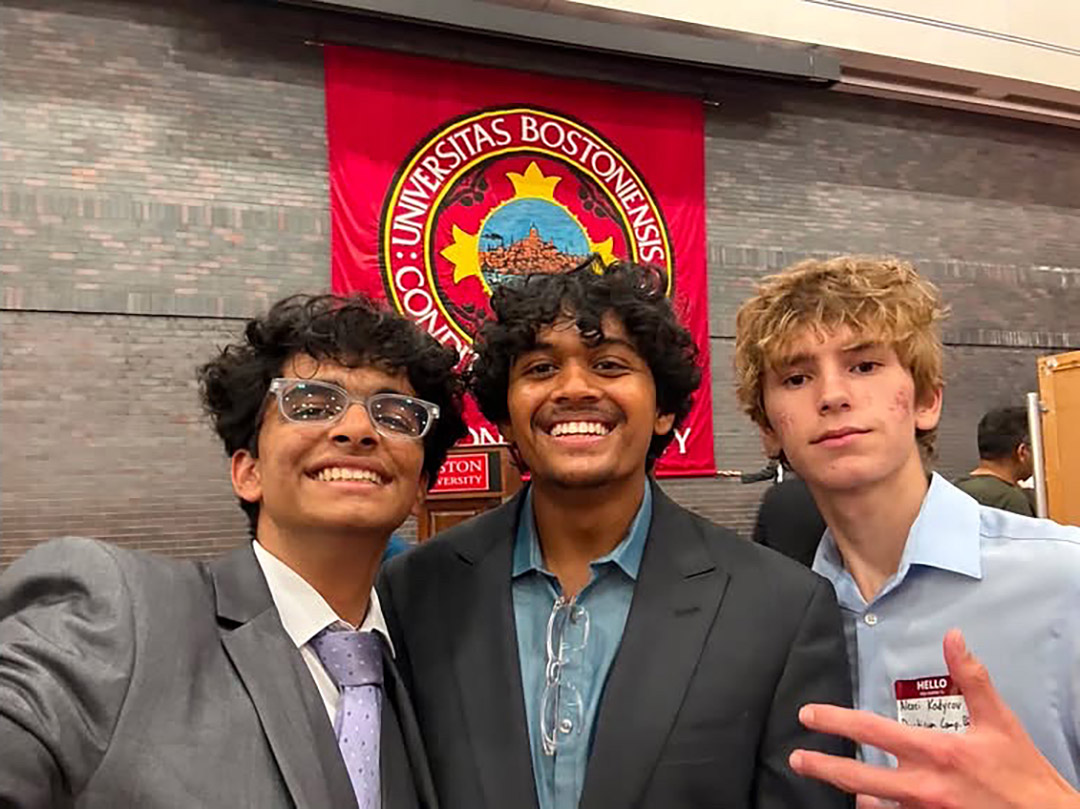
Alexei Kadyrov reports on his experiences at the RISE Internship Practicum at Boston University. After settling into his dorm, meeting his roommate and the other students on his floor, Alexei said goodbye to his family and prepared to have dinner with his PA group.
“Our floor PA, named Alex, funnily enough, hosted a dinner for our PA group to get to know each other. The food here is incredible, so much better than other colleges I’ve been to,” Alexei says.
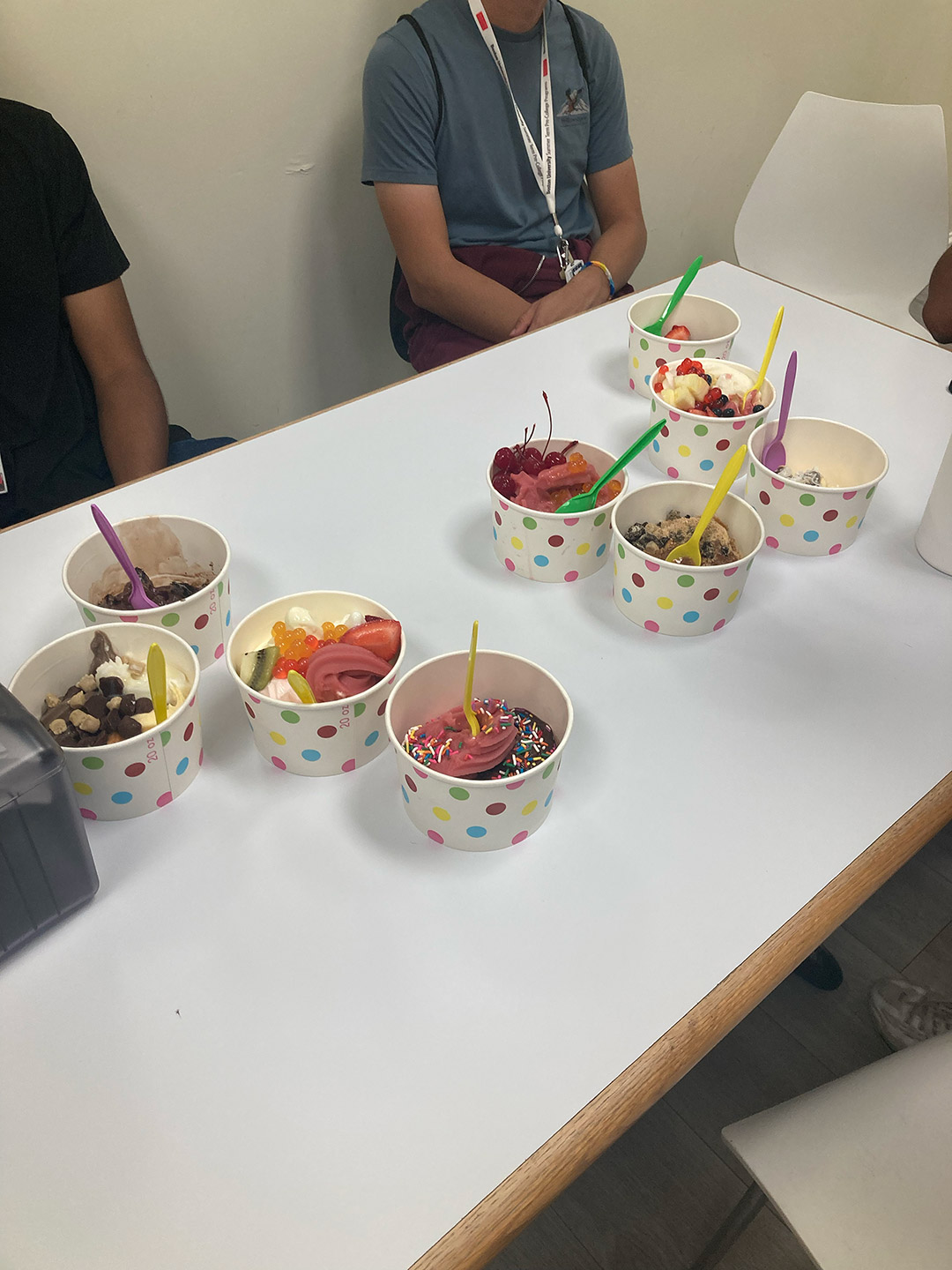
“The day ended with a tennis practice and a 20-person fro-yo run, where I made a lot of friends with other people on my floor and in the program in general,” Alexei adds.
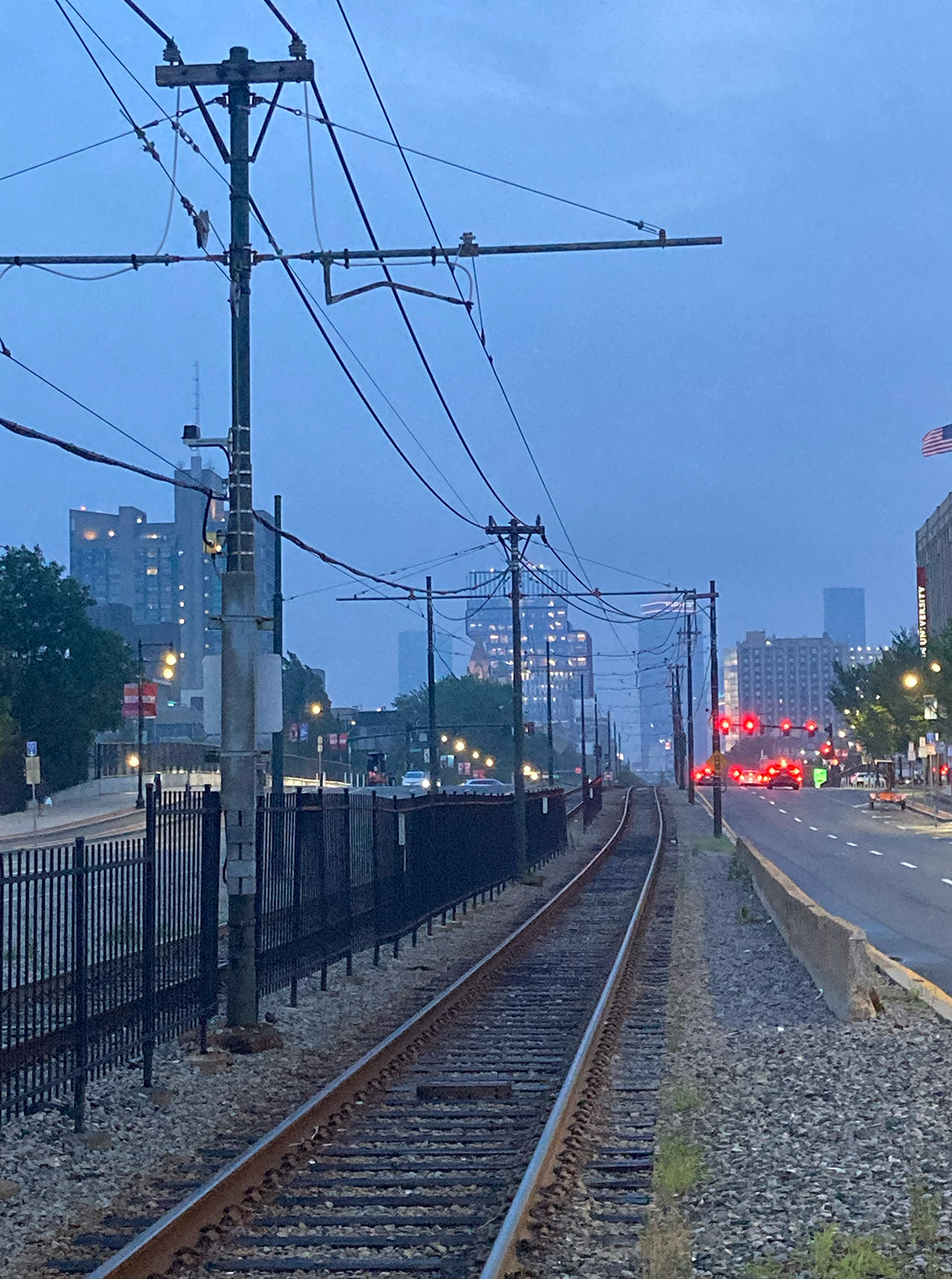
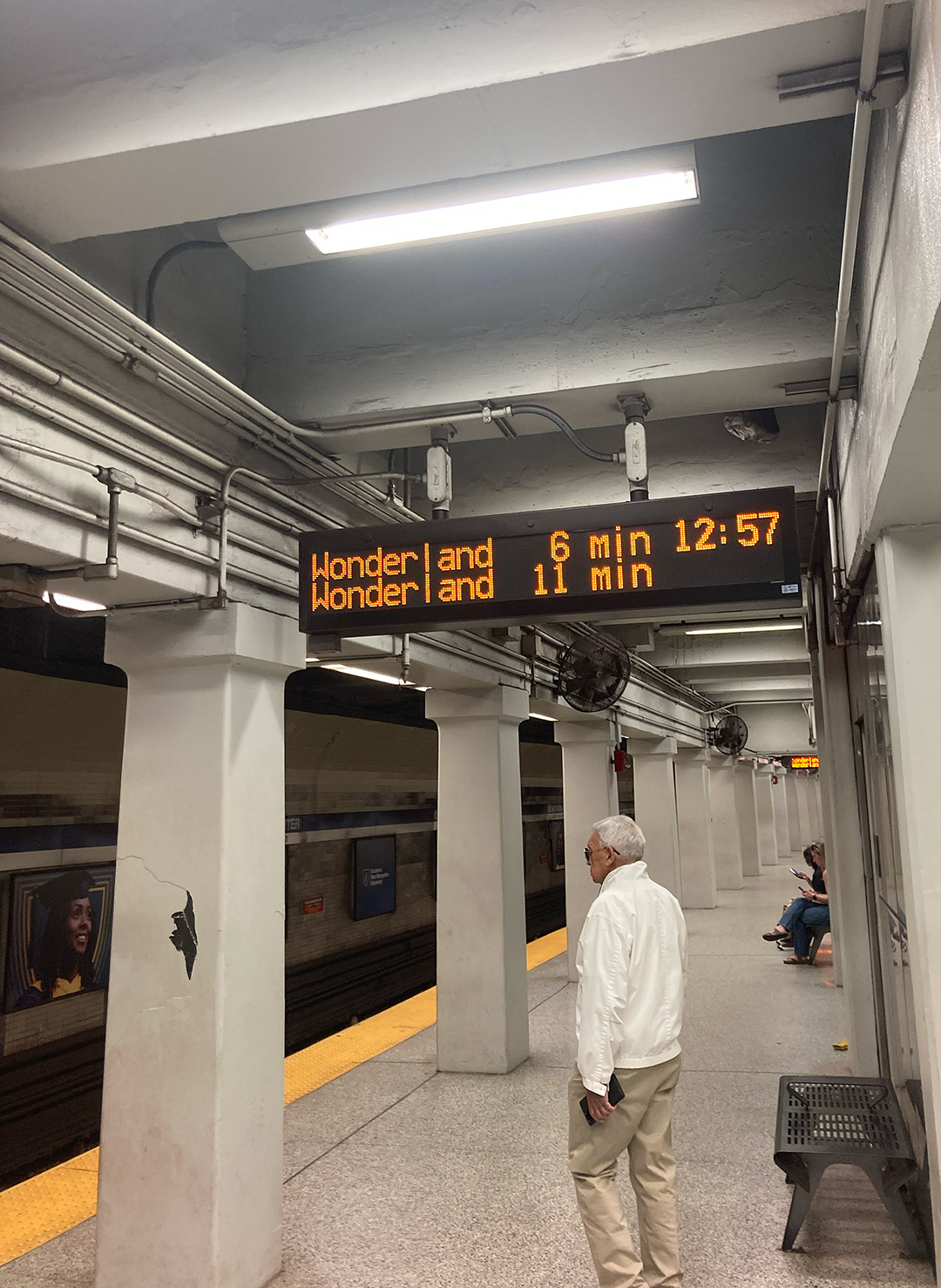
“The general schedule for each day is breakfast before 9 AM, a morning lecture at 9:30 AM (it’s a 15-minute commute whether you walk or take the train), lunch at 11:30 AM, and an afternoon lab at 1 PM. However, there is no class on Mondays. In the future, they will be dedicated to guest lectures and field trips, but today, the first Monday, was another orientation day. We also met our coding professor, Karla Montejo, who we would spend more time with after the first two weeks of wet lab,” Alexei explains.
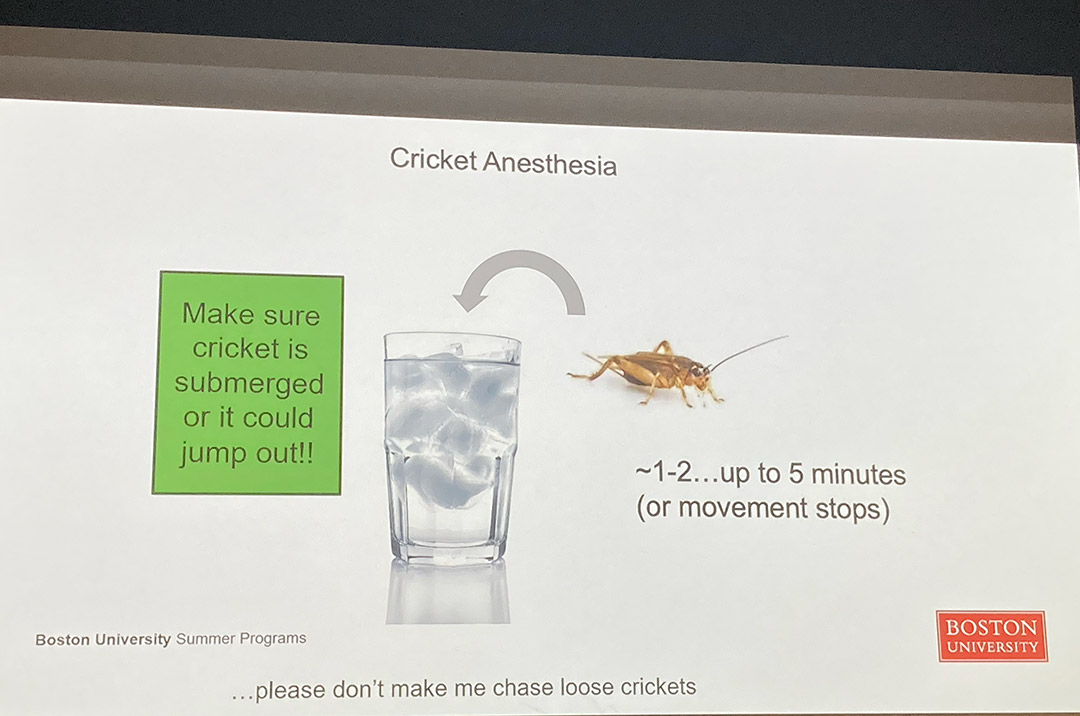
“The morning lectures are centered around neuroscience; we started with the basics and quickly advanced to topics I had never heard of before, like action potentials and equations to model nerve firing. They are fascinating, if not a little unfortunate due to the lack of air conditioning in the building. The afternoon session, for the first two weeks, is dedicated to wet lab work. On Tuesday, we dissected a sheep brain, which had been treated to not be absolutely disgusting to handle, and it was my first-ever dissection! On Wednesday, however, we started the cricket labs. We were looking into how the cricket’s nervous system reacts to different stimulations, and it involved cutting off a cricket’s leg. I’m so grateful for my lab partners (who were awesome in every other regard) for giving me that responsibility. Thursday was a big day, though, because we got usable data! After we finished doing whatever lab we had to do, which would usually be an hour before we were dismissed, we would start watching the world cup game that was on at that time,” Alexei reports.
Alexei says that when not in class, his program was filled with social activities every night.
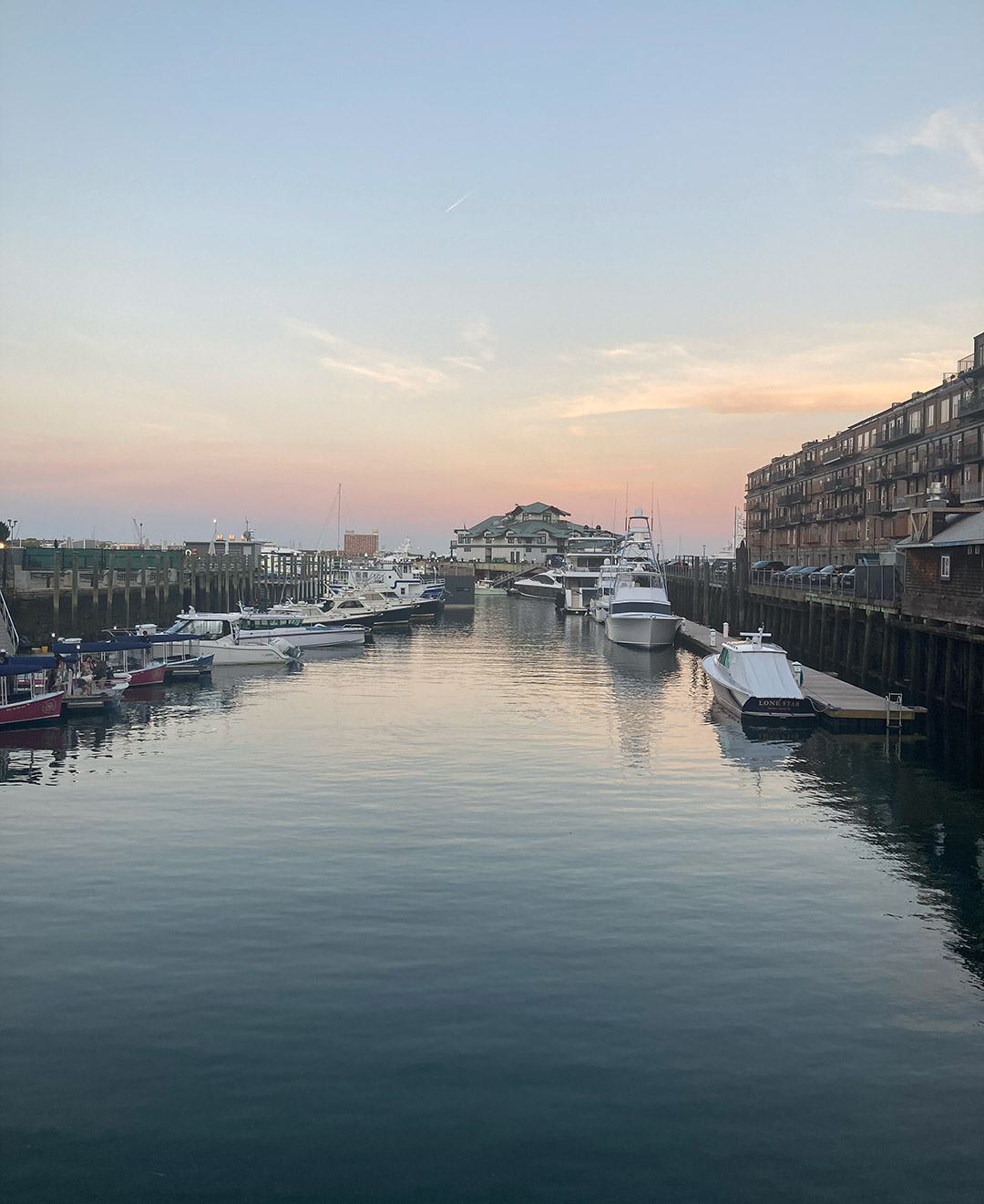
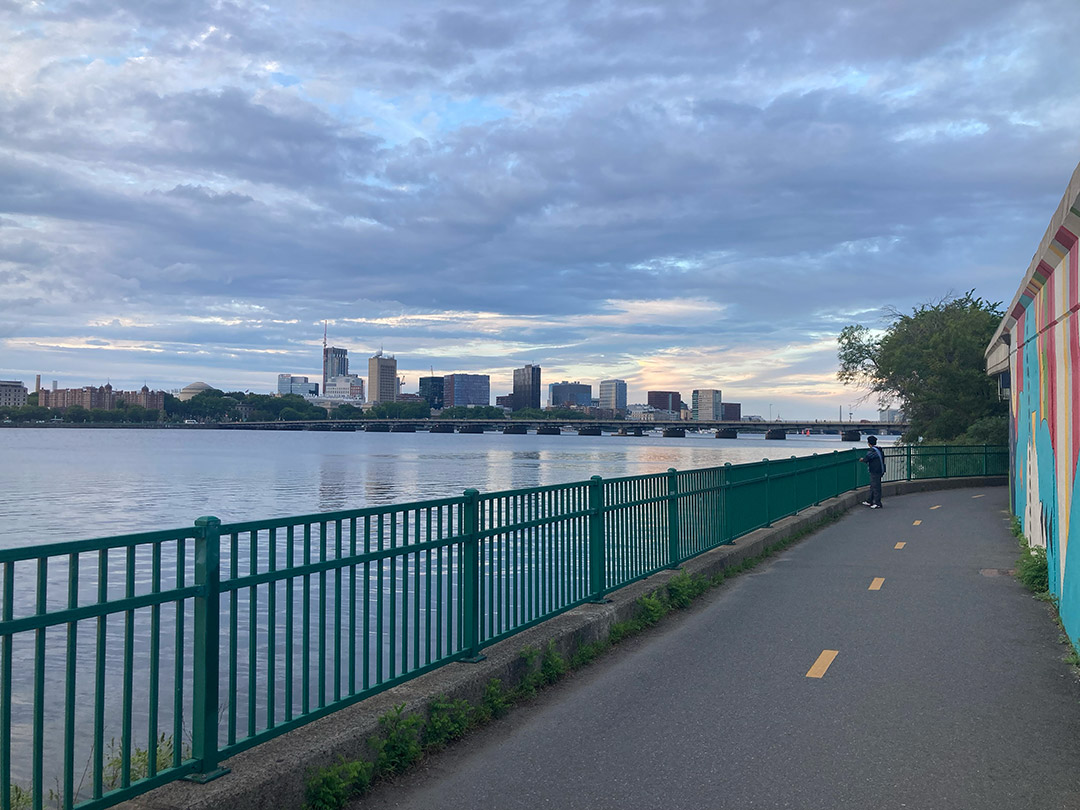
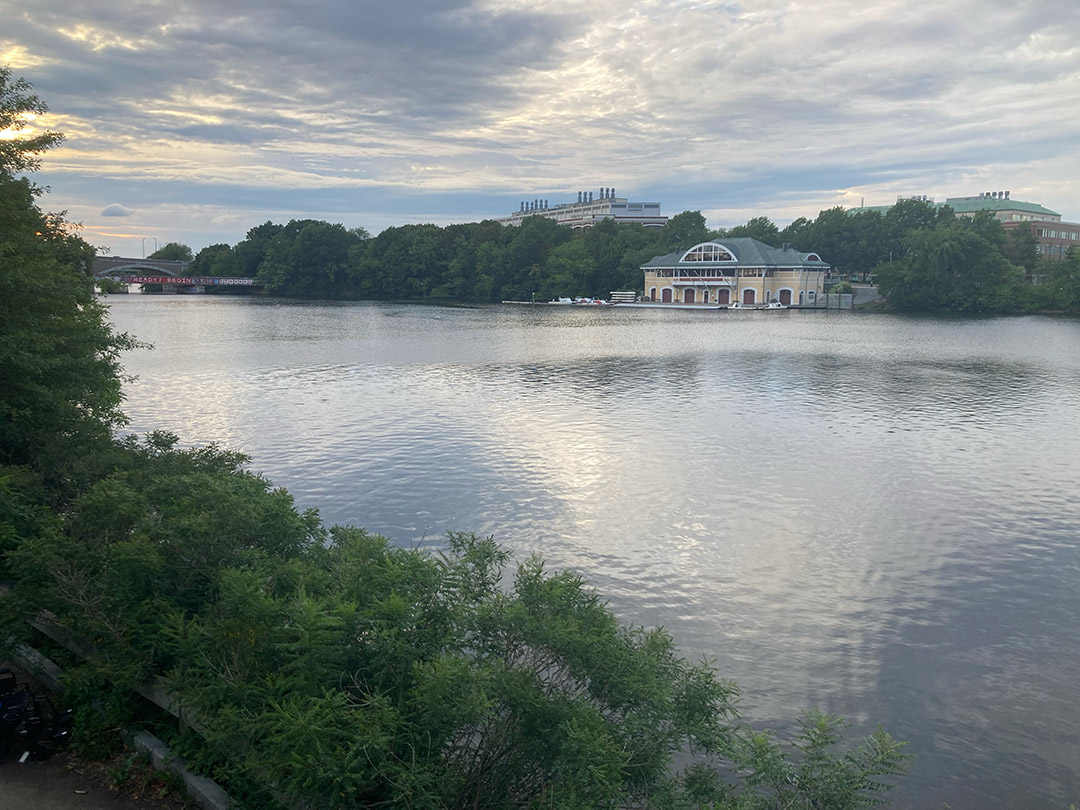
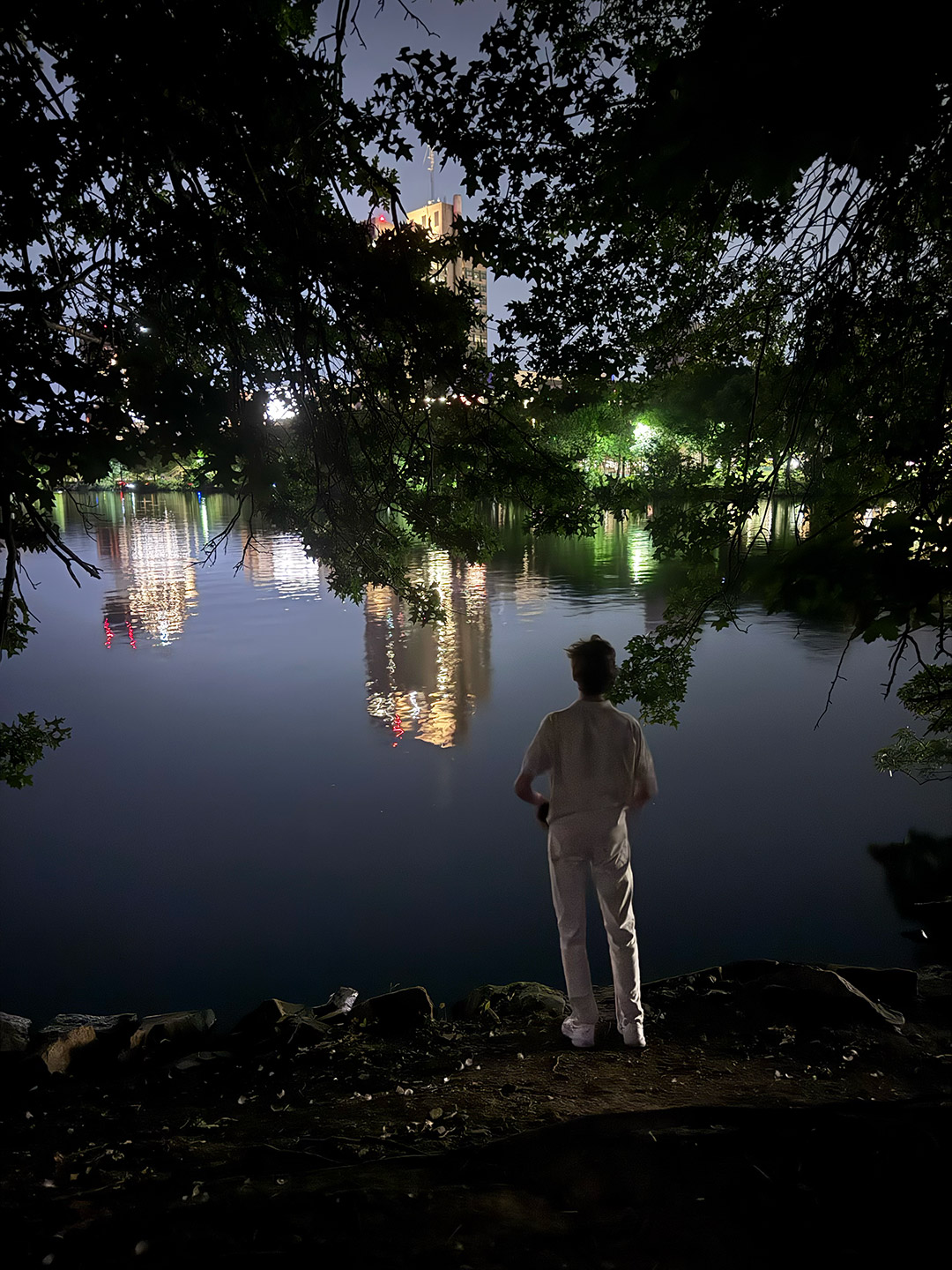
“On Tuesday, our PA hosted a floor night where we went out to a dock on the Charles River and blew up a watermelon with rubber bands (which is as fun as that sounds). On Wednesday, I went to BU’s field, an area dedicated to different sports, and did penalty kicks with some people from the other Practicum, Data Science. As a side note, BU just refuses to turn on the lights at night, which is an interesting decision. On Thursday, I went out to play basketball with some new friends,” Alexei says.
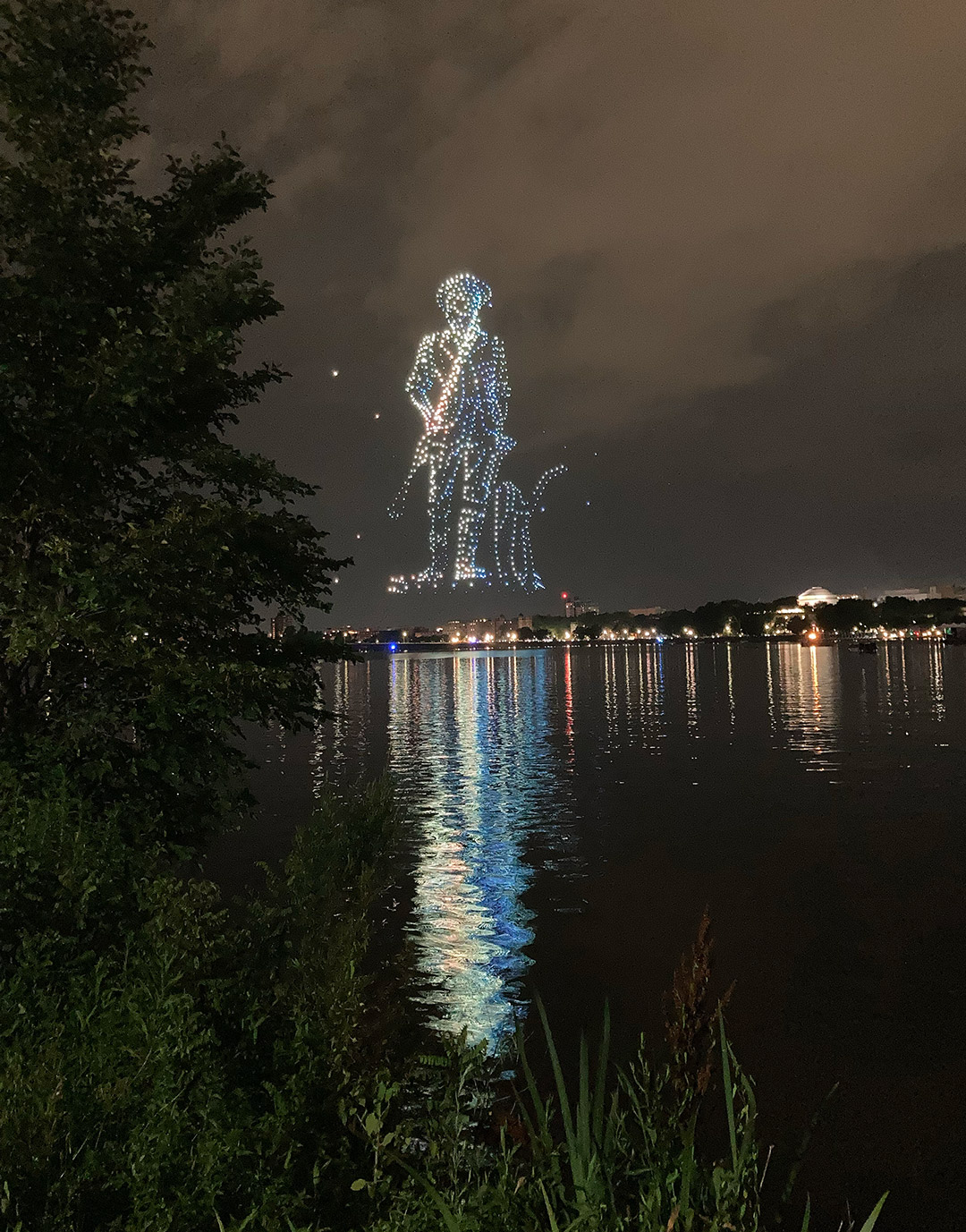
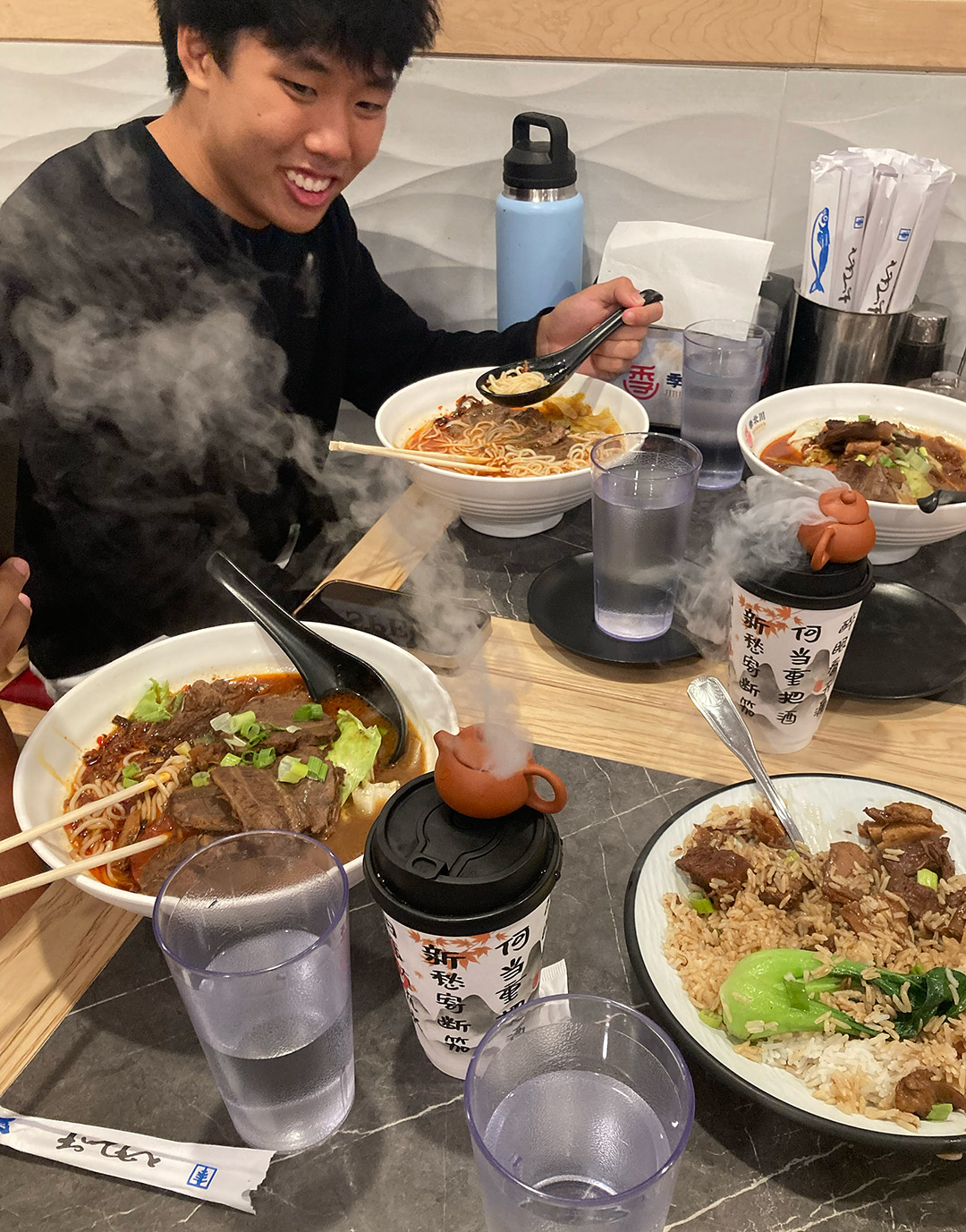
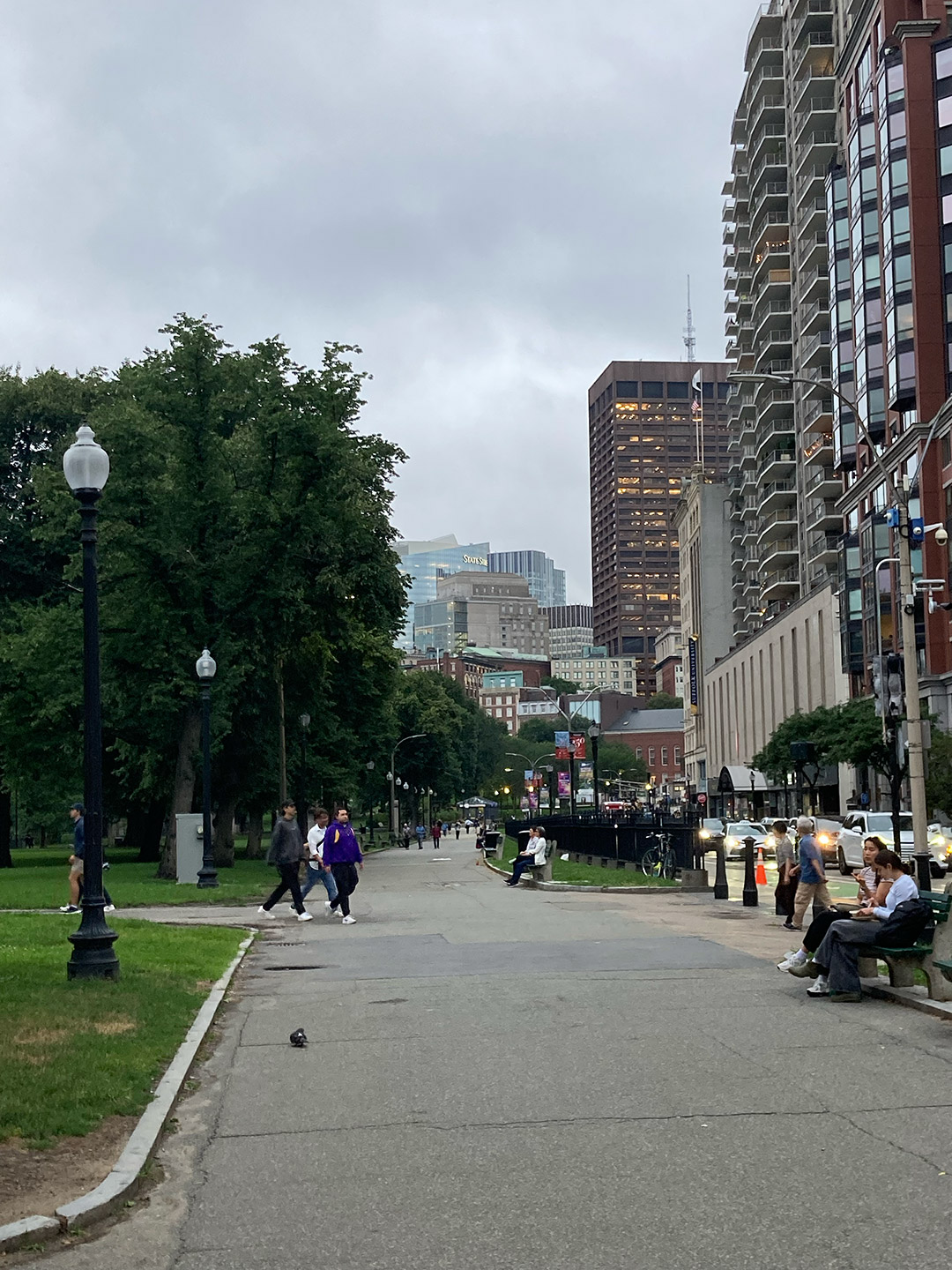
“We had the entire day off on Friday because July 4th was the next day, and I went to a hot pot for the first time! The food was awesome, and it was made especially special by the fact that we don’t have it anywhere near Carbondale. The highlight of Saturday, outside of morning tennis, was that it was America’s 250th anniversary in Boston. Most of the day was spent walking around to see the festivities, and it randomly started pouring a couple of hours before the fireworks started, which delayed it to be late at night. However, watching the fireworks show from the banks of the Charles River was the greatest fireworks experience I’ve ever had (it was, also, the most people I’ve ever seen in one place at once; it was truly insane). Afterwards, I continued my daily routine of getting a late night Taco Bell meal with the people I went to watch the fireworks with. Sunday was just a workday of doing my laundry and finishing some coding projects that we had been assigned to give us a head start for the coding lectures later on,” Alexei adds.
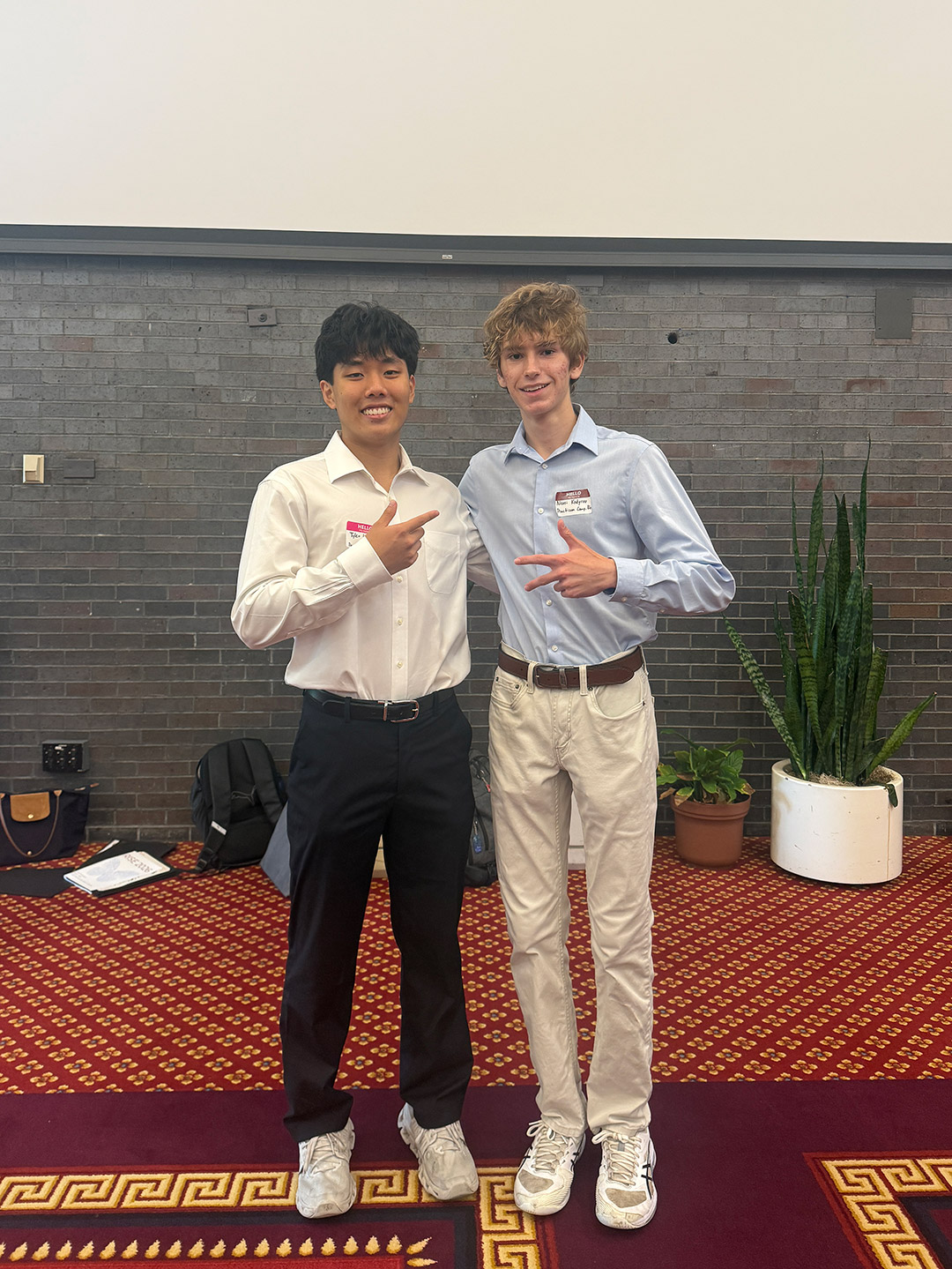
“To cap off this week’s report, I wanted to briefly mention the other people at the program. They were, by far, the smartest high schoolers I had ever been with. They knew what they were doing, were focused, and had some insane achievements before coming into this program (ISEF Finalists, National Essay Competition winners, etc.). They were all top students at their respective high schools, and it was very motivating to be around them,” Alexei says.
Week Two — Genetics and Sensory Systems
Alexei’s second week began with the first guest lecture of the program, including MRI center and EPIC lab tours.
“It was a two-part discussion of maintaining scientific integrity while discussing our research and the benefits of Boston University as an advertisement. Unfortunately, they don’t consider us being at BU RISE as demonstrated interest (darn). The afternoon session was far more interesting as we got to tour an MRI center (not as interesting) and the BU EPIC lab (very interesting). This is the workshop on BU’s campus, and it is a massive facility filled with all the machinery and materials you would need to make cool gadgets for campus life. I really hope that whatever college I go to has a lab like that so I could design some of my own things. As a bonus, when they were demonstrating the saw, they let us use it, and I got to keep a piece of an aluminum support beam that I cut off,” Alexei explains.
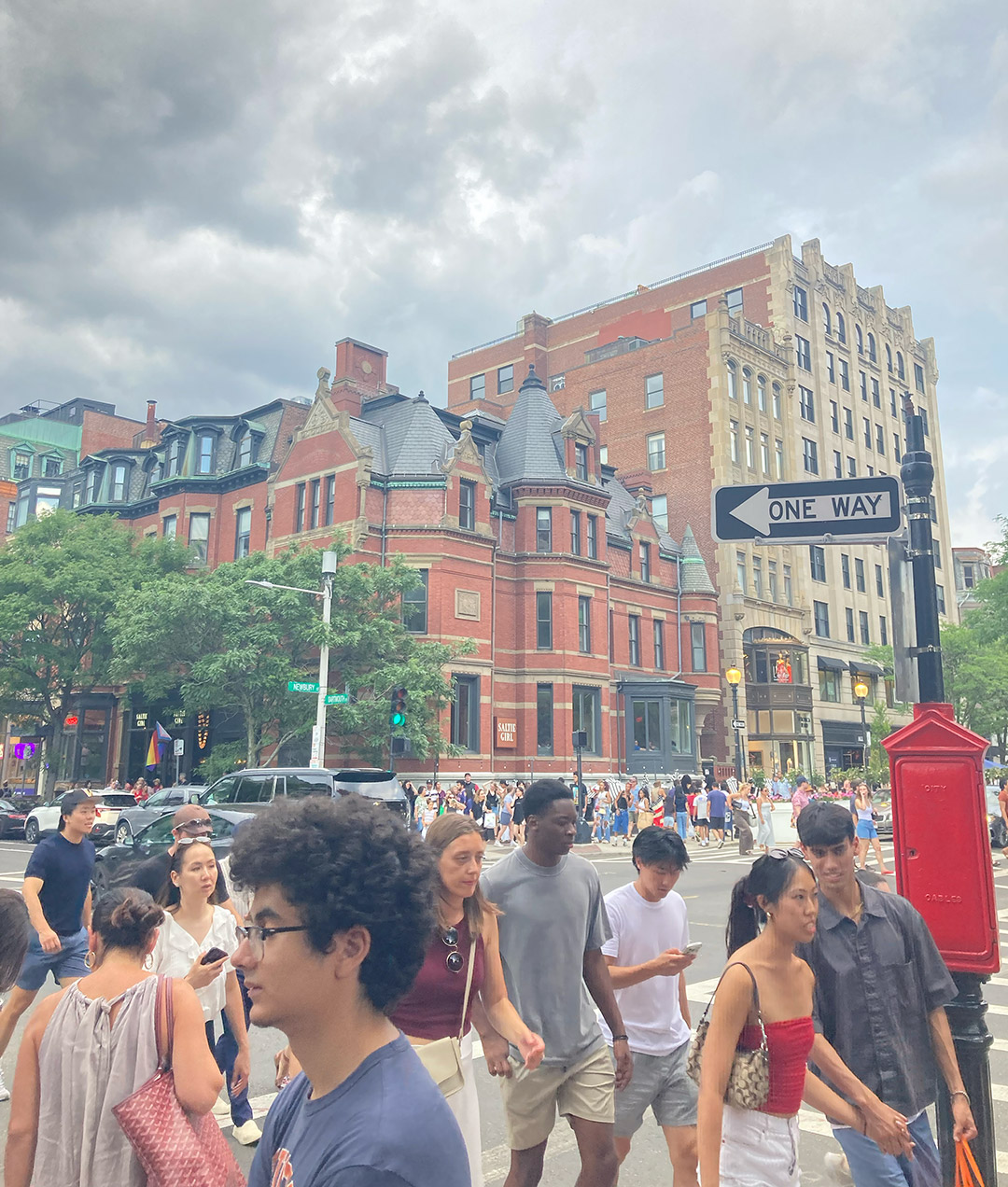
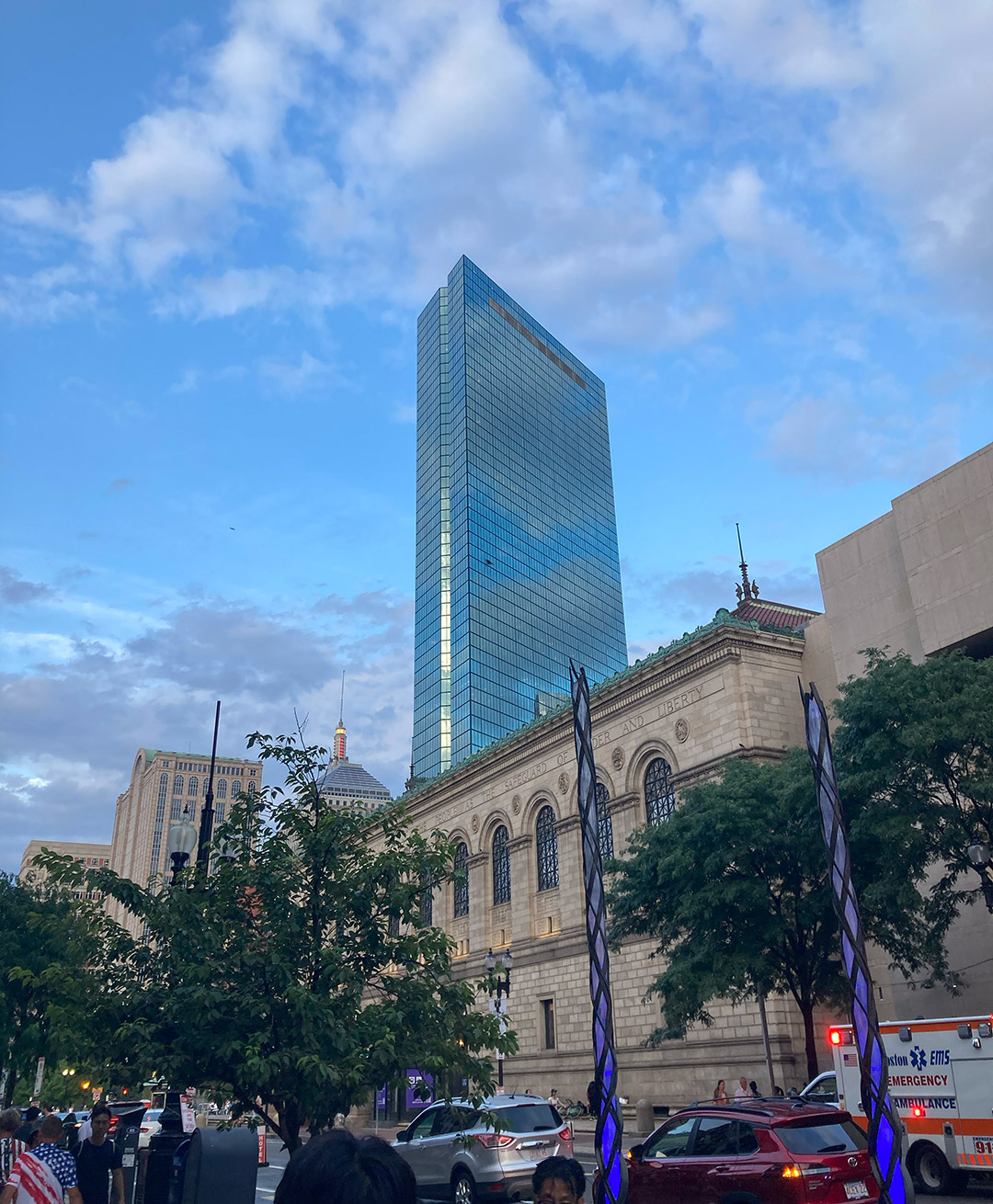
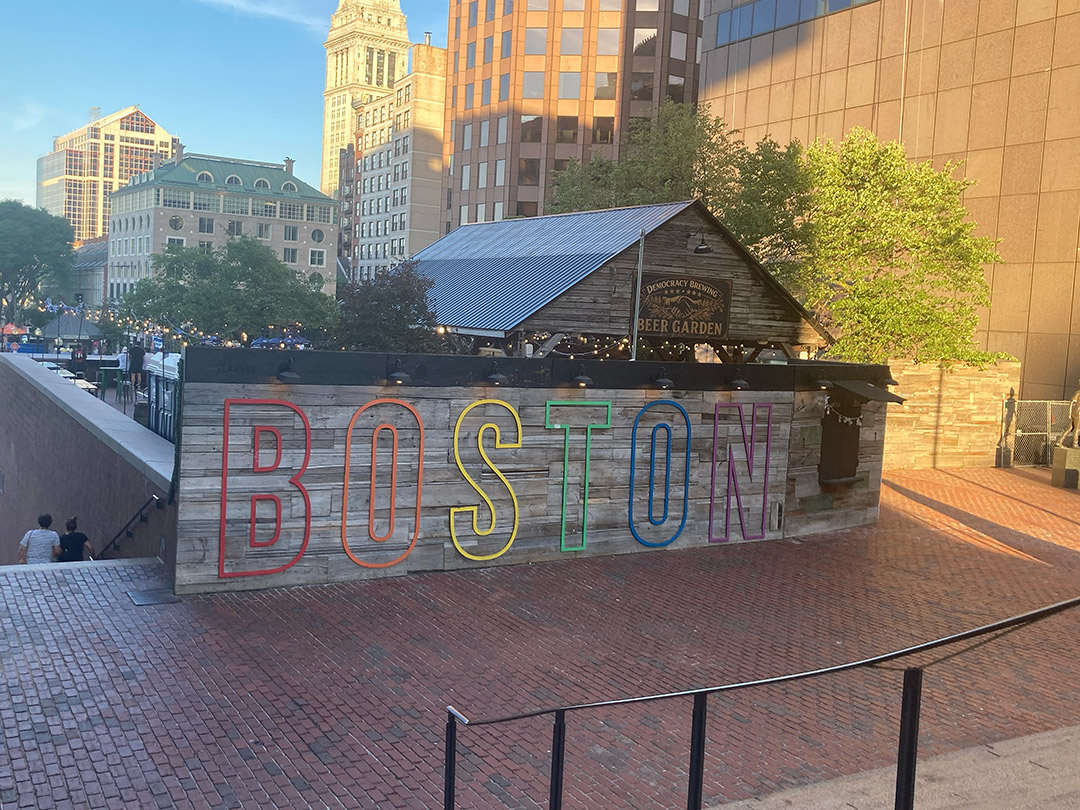
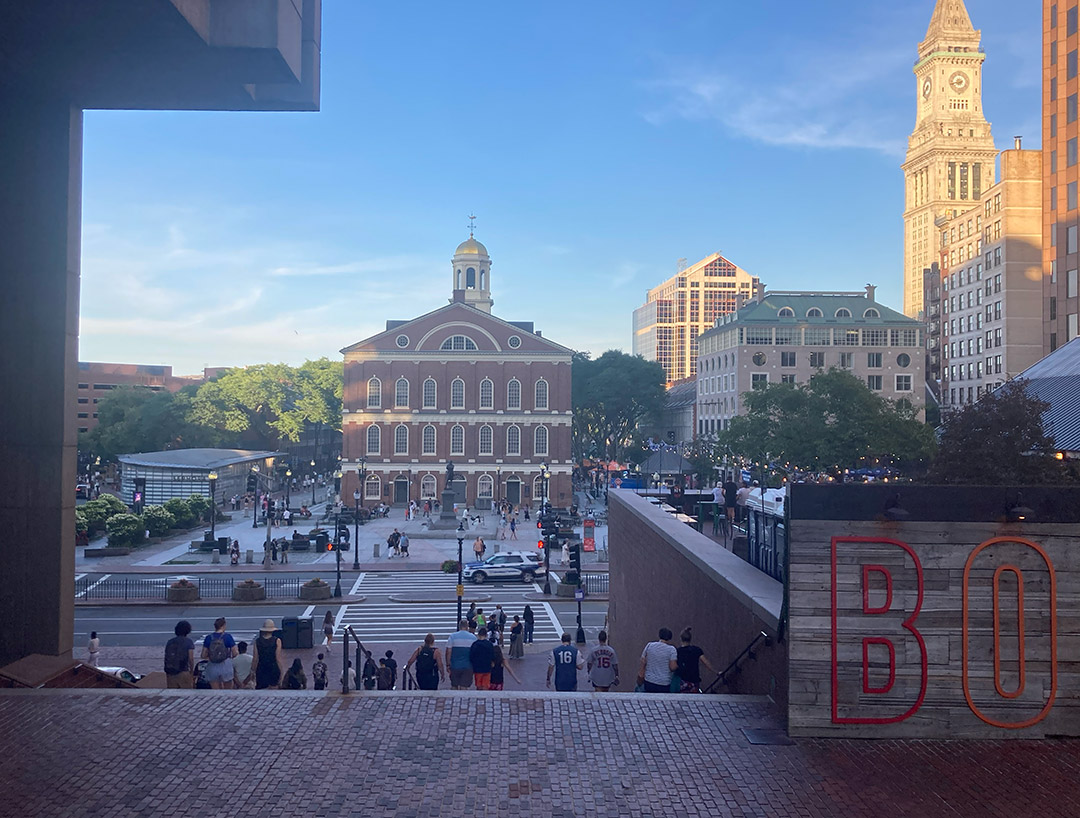
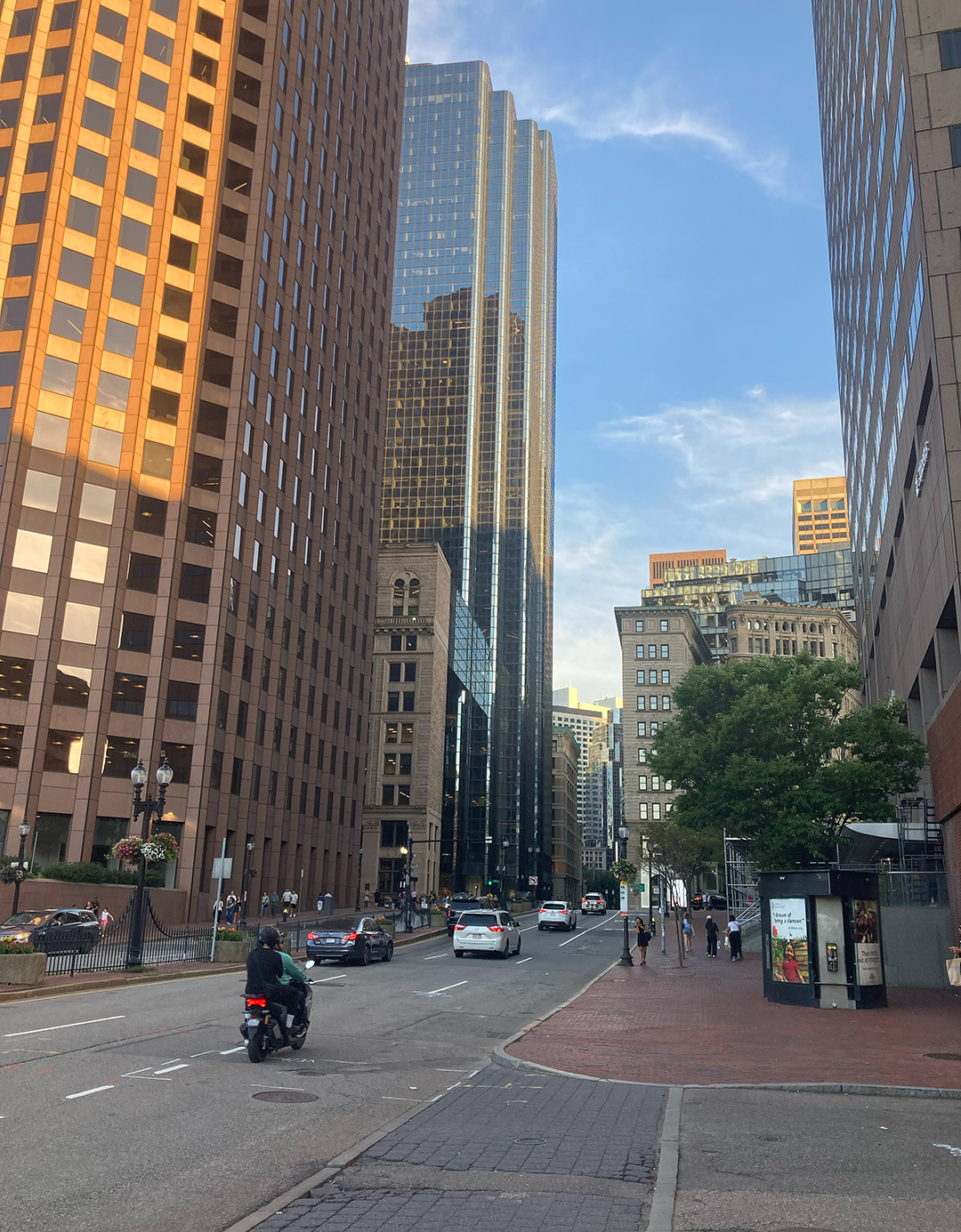
Outside of class, Alexei explored the city with friends, shopped on Newbury Street, watched the world-cup games, played basketball, and sampled the food at several local restaurants.
“On Tuesday, class went back into session. Our morning session was a lecture on genetics and how to employ it to give mice certain mutations to track neural functions, fun stuff. In the afternoon, we finished our last cricket lab, which involved injecting crickets with multiple substances, including nicotine and alcohol, to observe how the rate of their nervous system reaction was affected,” Alexei reports.
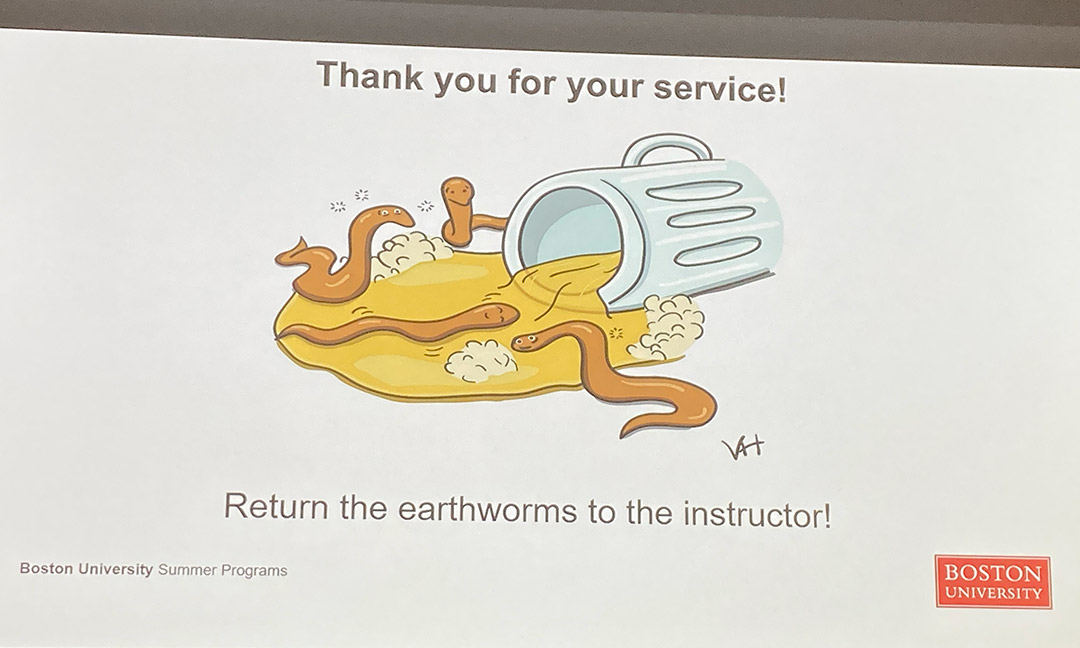
“On Wednesday, I accidentally slept through my alarm and woke up 40 minutes later than usual. I still made it to class on time, but I did not have breakfast. The morning lecture was on neural circuits and sensory neurons, and it was interesting to learn more about how our body detects and processes sensory information. The afternoon lab did not involve crickets, finally, and instead involved tracking the conduction velocity of an earthworm’s main neurons, which was a much less morally appalling experiment,” Alexei says.
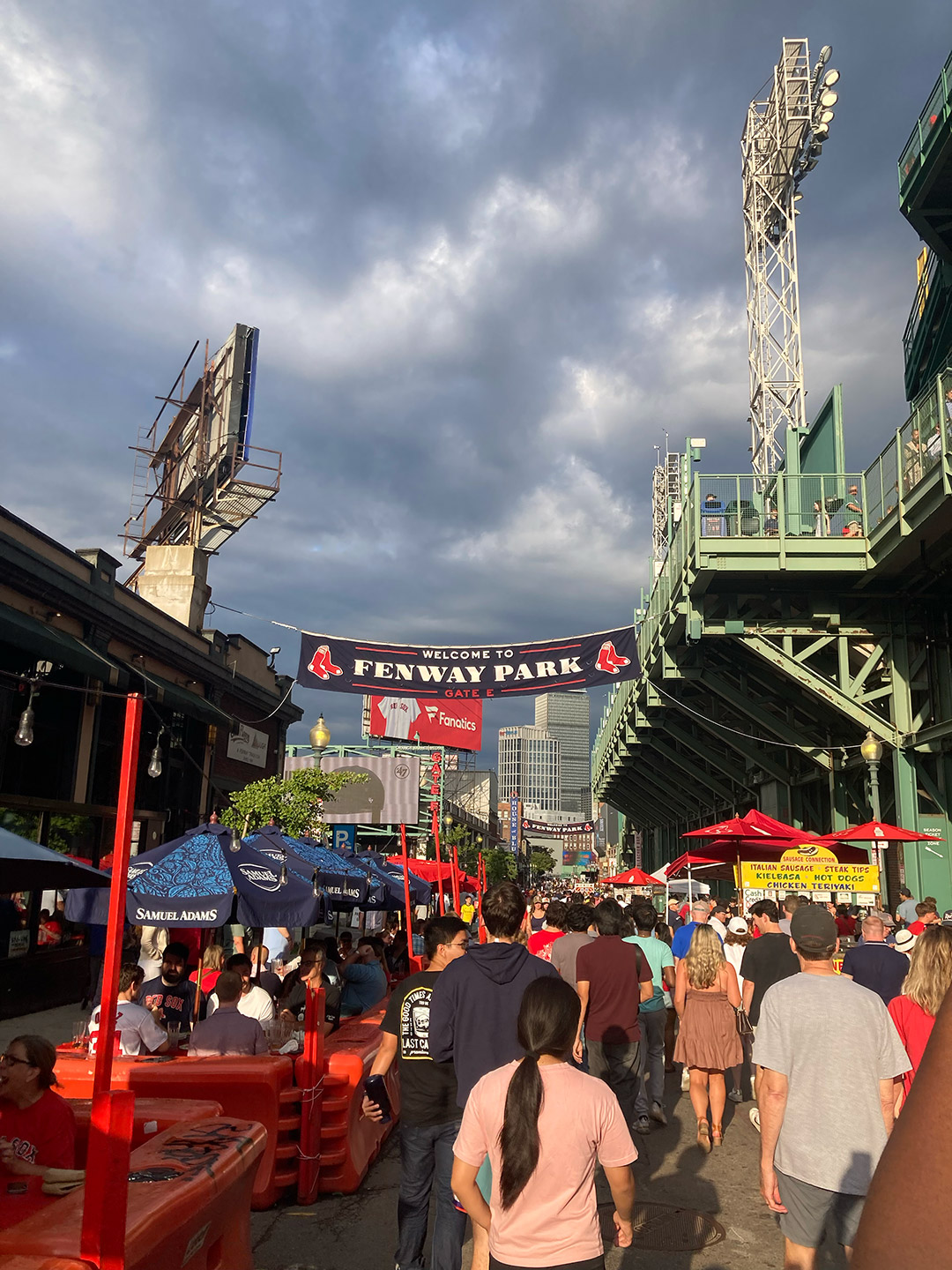
During the week, Alexei explored local neighborhoods on the way to Fenway park with a friend, continued working with new coding exercises, and programmed his first machine-learning model..
“Thursday was another pretty relaxed day. We continued learning about sensory systems in the morning, and the afternoon lab was an incredibly quick exploration of optogenetics (using light to activate different neurons) by shining red light at varying species of fruit flies to observe their behavior. To build on optogenetics, which is already fascinating, our lab supervisor told us about mechanogenetics, which is the usage of sound waves to activate certain neurons in the brain, which could become a non-invasive cure for some diseases as the systems to cause it have already been proved to cross the blood-brain barrier,” Alexei explains.
“Friday’s morning lecture focused on the different types of neurons and systems we have to control movement and how we navigate the world (weirdly, our brain groups grid cells, mental maps, into hexagonal structures, which I didn’t expect). We also got our first assignment, which was to read a paper about how neurons can be “recruited” for memory-related tasks. The afternoon lab, which was our last one of the program, had us create our own experiment to compare how different substances affected fruit fly attraction by making a tube setup with the substances on each end. Our group found out that fruit flies equally prefer acetic acid to sucrose,” Alexie adds.
Alexei says he spent the weekend playing soccer, running, playing basketball, doing karaoke, playing tennis and finishing up his coding projects in preparation for the coming week.
Week Three — Scientific Integrity, Memory & Coding
Alexei reports that his third week at RISE began with guest lectures on scientific integrity, potential career paths in biology, followed by a visit to the BROAD center at MIT.
“In the afternoon, we went to the BROAD center at MIT, where we learned a bit about the institute’s efforts to cure rare diseases and cancers. It was pretty interesting because they specifically focus on gene editing, which I personally find very interesting,” Alexei says.
“Tuesday’s morning class started with a discussion of the paper, where we focused on analyzing the figures more than the text to try and reinforce our understanding and good habits for reading a paper. This then nicely transitioned into a memory lecture, which I thought was the most interesting one we’ve had yet. We discussed engrams, which are specific patterns in firing order that neurons make in order to call a memory back,” Alexei explains.
“The afternoon session was our first coding lab with Karla, who we met on the first full day of the program. The content was incredibly easy to follow because of the amount of preliminary coding work I had been doing throughout the program, and a friend and I completed the day’s exercises pretty quickly. In the evening, I played tennis with a bunch of people in RISE,” Alexei adds.
“Wednesday was a continuation of the previous day course-wise, with the lecture continuing to talk about memory through synaptic plasticity, and the afternoon coding session being more review of the preliminary work I did. However, the day became pretty interesting as, randomly, after we stopped at a local restaurant for lunch, we noticed that the entire sky was yellow, like the yellow in Breaking Bad, and the sun was bright red. We didn’t know it yet, but it was due to smoke from the Canadian wildfires. Our group just referred to it as the “evil sky,” but it didn’t really affect us, yet,” Alexei reports.
After class, Alexei attended a college essay writing session, played basketball and got together with friends for dinner.
“On Thursday, the morning lecture was about the Circadian rhythm and our sleep-wake cycle (there are proteins fine-tuned to act at specific times during this 24-hour cycle, which is cool). The coding lecture was very interesting today as we started talking about how to model a neuron. We discussed the Leaky Integrate-and-Fire (LIF) model of neuron, which involved a 30-minute-long discussion about a circuit diagram to try and derive it. As someone who has not taken any classes involving electricity before, this was incredibly challenging to figure it out on the fly, but I now believe that I can reasonably explain it, so I’m pretty content (the entire afternoon was spent trying to understand how it works and coding my own LIF model, which I am very proud of),” Alexei explains.
“On Friday, the morning lecture was about the specifics of emotions, bonding, and stress responses. The afternoon coding lecture was also the most inspiring lecture that I’ve ever been to, as we talked about the Hodgkin-Huxley model of the neuron. From our viewpoint, it was a slightly more advanced version of the LIF neuron. However, thinking about how it was developed, Hodgkin and Huxley must have been geniuses. With nothing more than a squid and a calculator, Hodgkin and Huxley came up with a system of differential equations that works for squids and is customizable for any organism. In real life, a part of this process involves gates for ion channels that prevent ion flow. Amazingly, these guys were able to correctly guess the amount of gates for each ion channel and how they work years before it was proven. Just incredible. Coding with it was fun, too, because the graphs I got of neurons firing actually looked like what you would see online,” Alexei adds.
Alexei finished the week by working on bonus coding assignments, spending time with friends, playing tennis, pickleball, and watching the World Cup games.
Week Four — Preparing for the Final Class Project
Alexei reports that week four began with a talk on how to write a scientific abstract, requirements for creating the final class poster, and a visit to Alnylam.
“In the afternoon, we visited Alnylam, a company dedicated to treating rare diseases through their patented technique of RNA interference (RNAi). I’m starting to realize that MIT/Boston is a center for these biotech companies. They gave us a presentation about their company’s work, and then gave us a Kahoot to quiz us on it,” Alexei reports.
“On Tuesday, the morning lecture focused on how the human brain develops from embryo to grown adult. In the afternoon, we started coding with NEURON, which is a coding library filled with tools to properly model neurons. While this was fun, and seeing a visual model of my neurons firing was cool, everyone started wondering when we would actually start our projects. It was July 21st, and our abstract was due the 30th. Ideally, whatever project we have is done before the abstract is written, meaning we had less than nine days to develop a complete project,” Alexei explains.
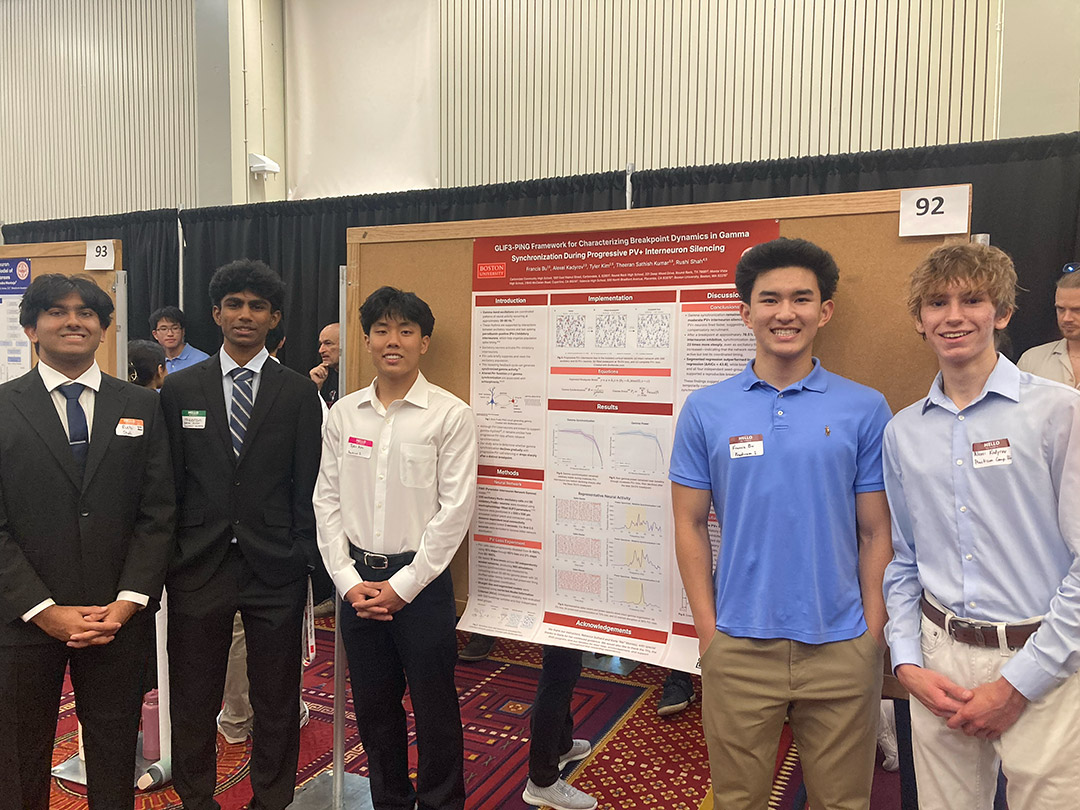
“These fears were alleviated on Wednesday when groups were finally selected. Following a Google Form we had to fill out for project ideas, I was placed in a group with Francis and three of our friends from the program. Combined with the morning discussion of mental disorders, it was a very productive day,” Alexei says.
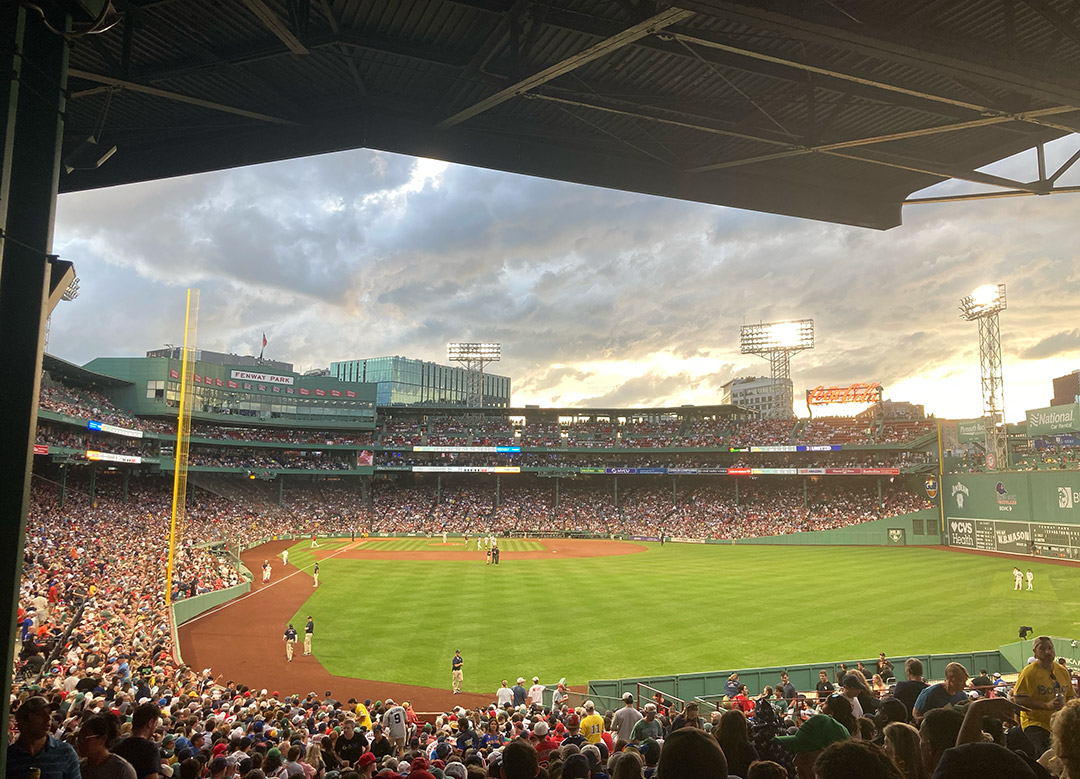
“I also went to my first baseball game ever today, where I watched the Red Sox lose 1-5 against the Orioles. It was a lot more fun than I expected a baseball game to be, though I suspect that’s because I had friends there. The rest of the evening was devoted to brainstorming project ideas as our project proposal was due the next day, and we really needed to get something going,” Alexei adds.
“In our morning lecture on Thursday, we had a guest speaker, the previous instructor of the program, who talked about… the Hodkin-Huxley model of the neuron. It almost completely aligned with the lecture Karla had given us, which was a weird overlap. The afternoon session was dedicated to working on our proposal so that Karla could vet our ideas. I had come up with a project revolving around sleep and modeling how synaptic pruning is dependent on protein concentrations, as I believed it was interesting and something reasonably completable in eight days. Looking back on this, it would be, as AI described one of my groupmate’s ideas, a ‘multi-year, multi-million dollar NIH funded project.’ Needless to say, we did not do that. We ended up going with the general idea of analyzing the structure of a neural network composed of excitatory and inhibitory neurons and how removing inhibitory neurons affected it. We hadn’t fleshed out specifics like biological ties, but those would come later. After a late night drafting our project proposal, we went to sleep,” Alexei explains.
“The same speaker came on Friday for our morning lecture, and it was significantly more interesting, if not a lot more complicated, as he discussed the mathematics behind neural networks. I understood quite a bit of it, which is great, but when he eventually started to talk about ideas which, as he said, “PhDs in this subject struggle to explain this clearly,” it made a lot less sense. I do know a lot more about neural networks and how they use weighting, non-linear functions, and more to adjust their calculations, though. The afternoon session was, again, dedicated to working on our proposals, this time adjusting what we had written based on Karla’s feedback. That evening, our group spent more time trying to fine-tune our project idea, and I found a connection to schizophrenia while researching our topic, as it causes the decay of PV+ interneurons, a specific inhibitory neuron,” Alexei adds.
Over the weekend, Alexei went to the beach, visited downtown Boston, and then shopped at local markets with friends.
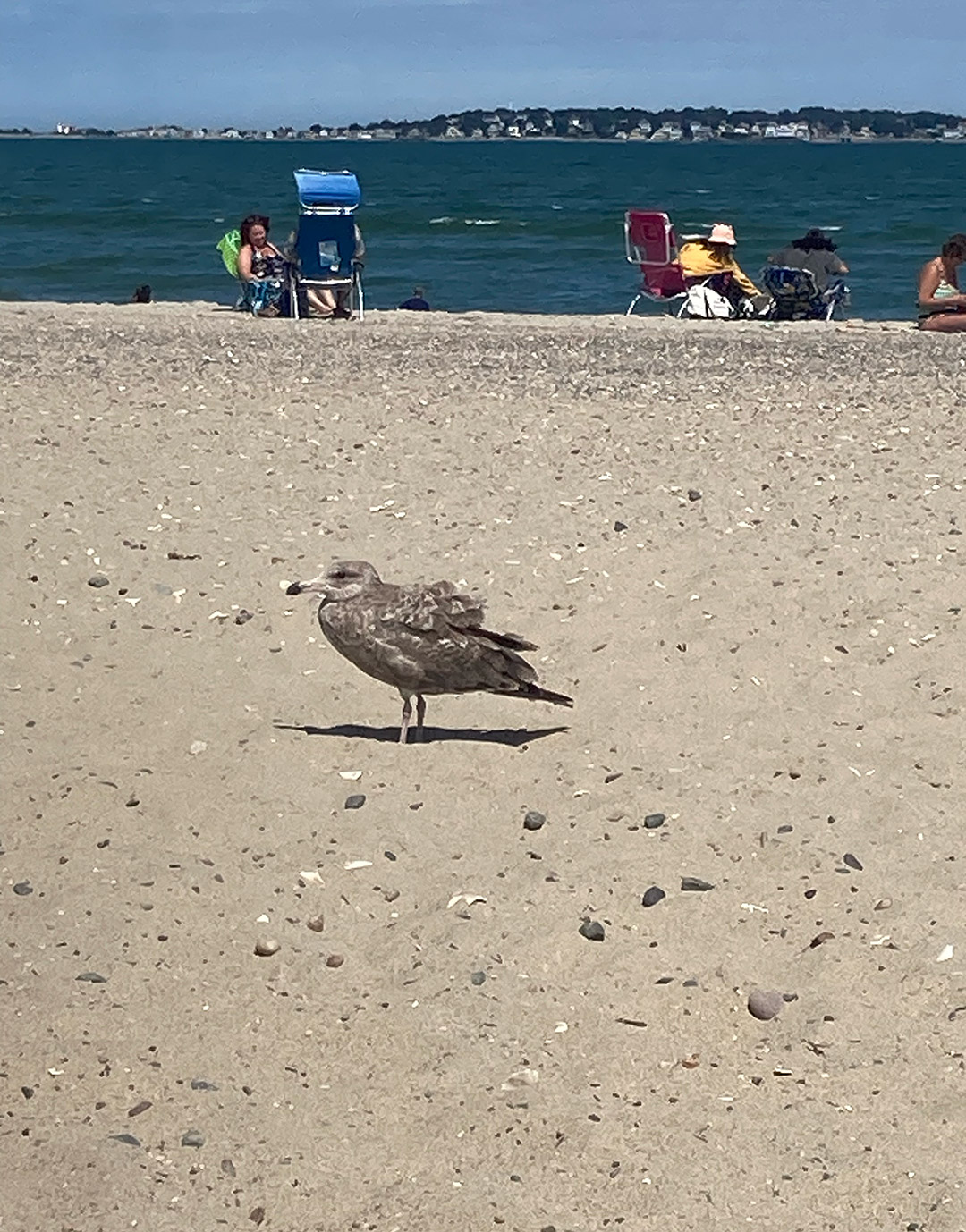
“It was almost a perfect day, but the water was unbelievably cold. I thought moving around would help warm me up, and I somehow moved into even more frigid water. It was basically an ice bath despite the sun shining directly onto the sea. I did not stay in the water for long. Outside of the water, the beach was still fun. I saw an AI poster for food, which was the first one of its kind that I’ve ever seen, went to a pretty good burrito place, played volleyball, and went shell hunting. Once we got back from the beach, our group submitted our final project proposal and continued working on our project,” Alexei says.
Week Five — Brain injuries, schizophrenia, and the nervous system.
Alexei says that his fifth week began with guest speakers discussing STEM careers and industry life.
“The morning lecture on Tuesday was about modeling different brain injuries, such as strokes and CTE, which are both undetectable and untreatable in living patients, a horrifying idea. In the afternoon session, Karla taught us how to properly write an abstract and had us present our projects to each other to get feedback. Our idea, which had finally been finalized, was looking into the effects of PV+ interneuron loss on gamma synchronization in relation to schizophrenia. Schizophrenia causes PV+ interneuron loss, and PV+ interneurons are essential to timing gamma waves, the electrical impulse of your brain’s neurons cycling between on and off, which can be linked to intelligence and cognitive function. We presented this to another group, who were working on how musical pathways are affected by Alzheimer’s, and they liked our idea, which is great. The coding of the project was well on its way to completion, but complications with finding specific elements such as a usable model and parameters for our PV+ interneurons had delayed it,” Alexei explains.
“Wednesday’s morning lecture built on Tuesday’s, discussing the mechanisms behind neurodegenerative diseases such as Alzheimer’s and Parkinson’s. In the afternoon session, our group turned in our first draft of our abstract,” Alexei adds.
“Thursday’s morning lecture switched to how neurons regenerate, which only really happens in humans in our peripheral nervous system. Due to how our central nervous system heals to minimize damage, it can’t really regenerate. Zebrafish can completely regenerate nerves in their central nervous system, however, like after a spinal cord injury, which is pretty fun. In the afternoon session, we followed the first due date of the program, getting our abstract in after reviewing the comments Karla had left for us. The poster was assigned immediately afterwards, but no one in our group wanted to start on that right after doing the abstract, so we just discussed some ideas for fully completing our project, as the abstract had been turned in resultless (which is completely normal, but the project now needed to be finished),” Alexei reports.
“Friday’s morning lecture covered different ways to image the brain. The afternoon session started with a lecture on how to analyze our data and how to pick a way to display it before transitioning to a poster workday,” Alexei says.
When not in class, Alexei played pickleball, had dinner in Chinatown, played basketball and board games, went to a dance at the college, had ice cream with friends, and continued work on his final group project.
Week Six — DNA Strands, Brain-Computer Interfaces & Final Presentations
We are happy to hear that you enjoyed your learning experience at RISE, got an excellent review for your final presentation, and made many memorable connections. Great work, Alexei.
>> Learn about the other students’ experiences in the GFF Scholarship Program.