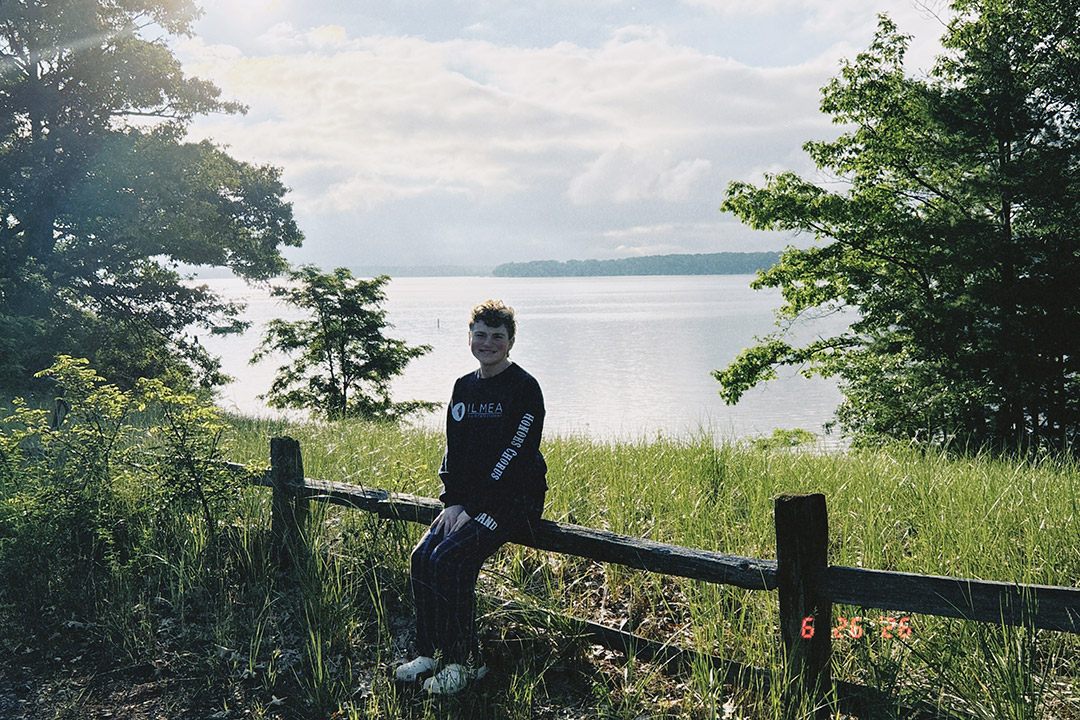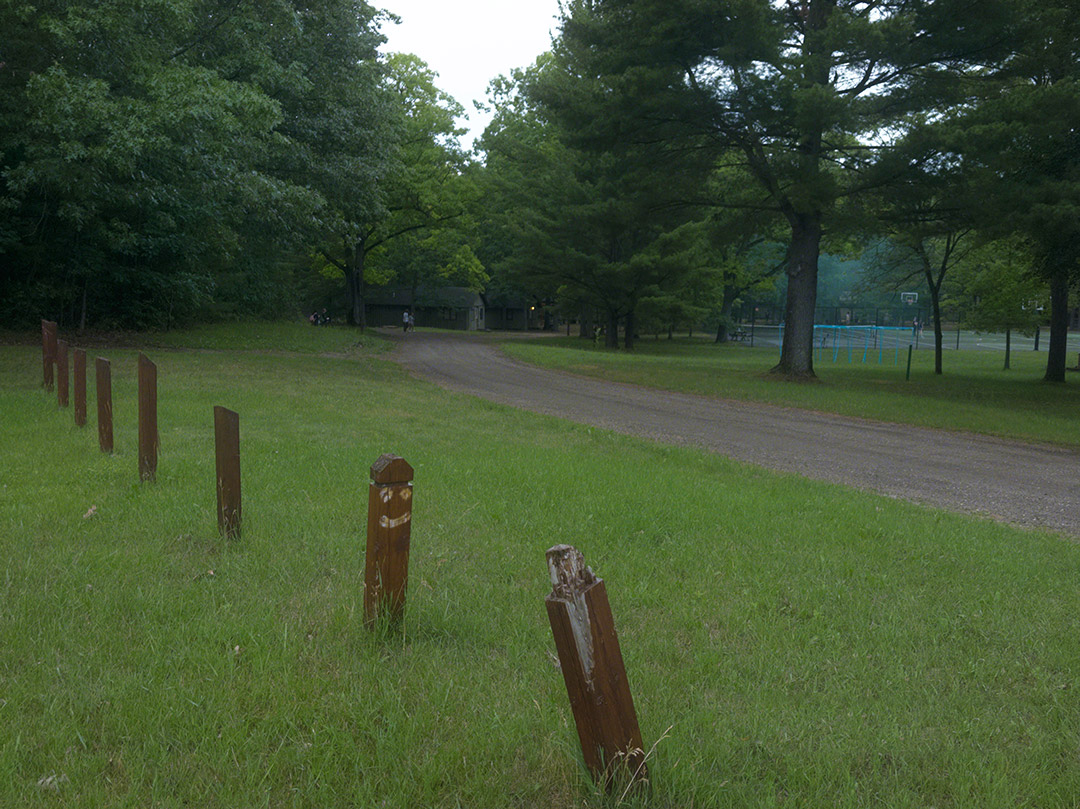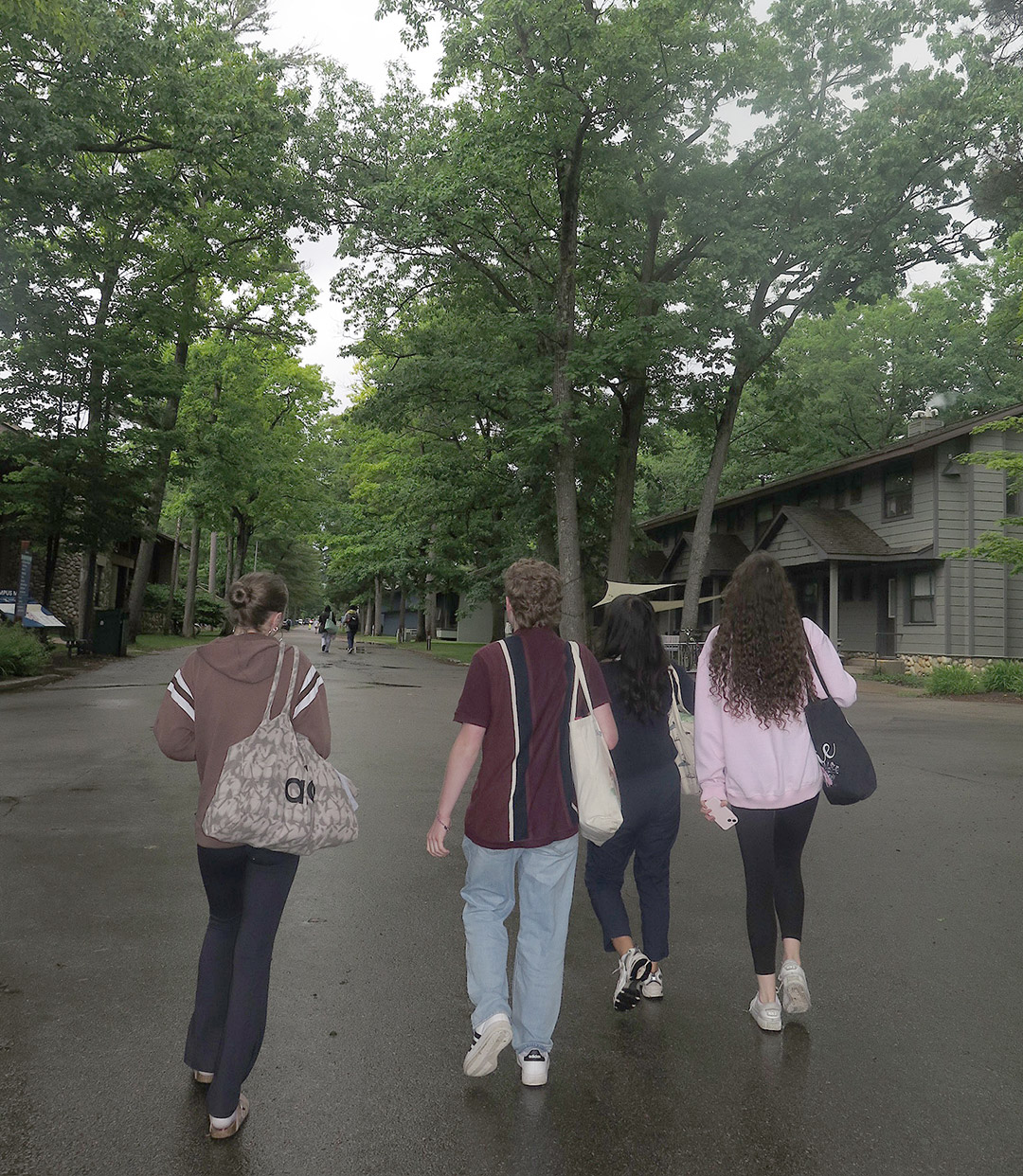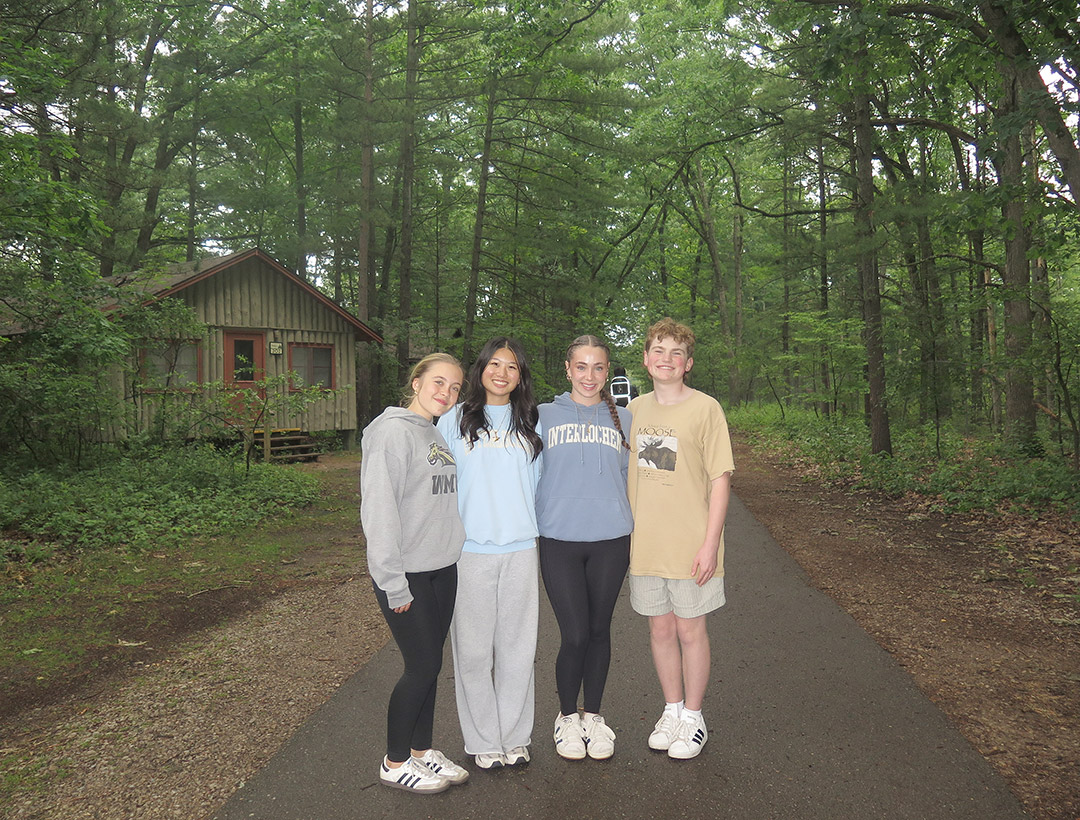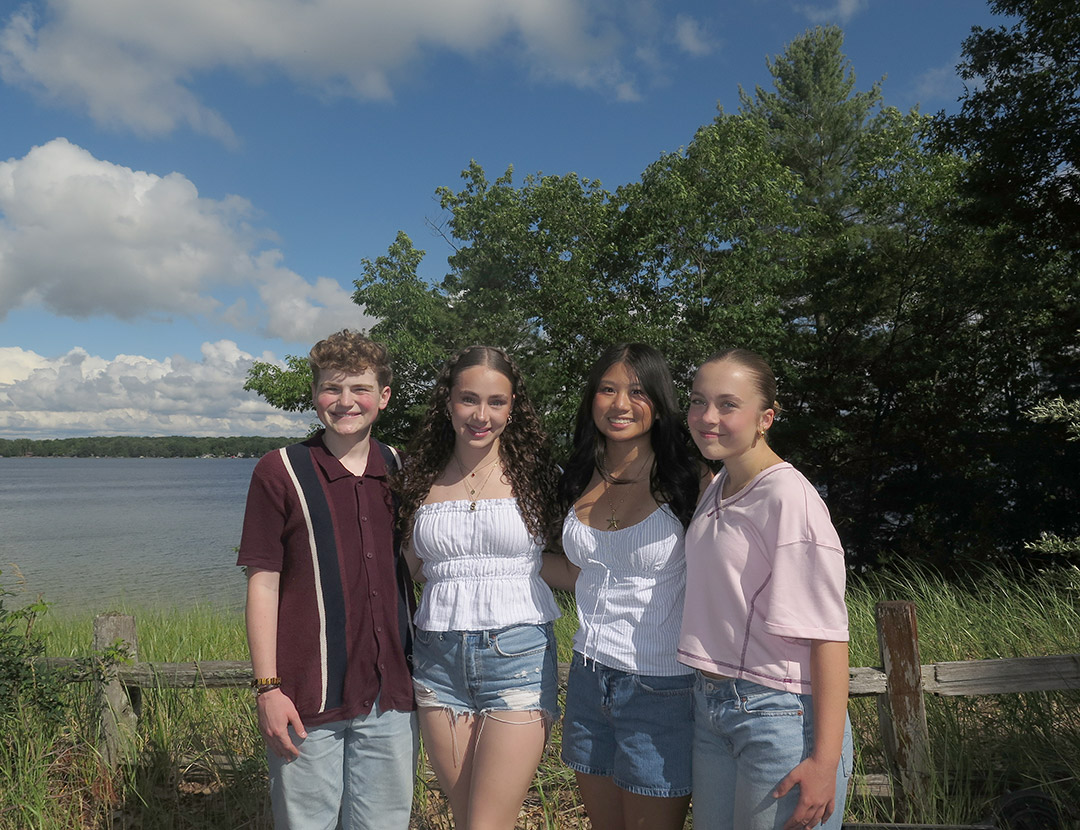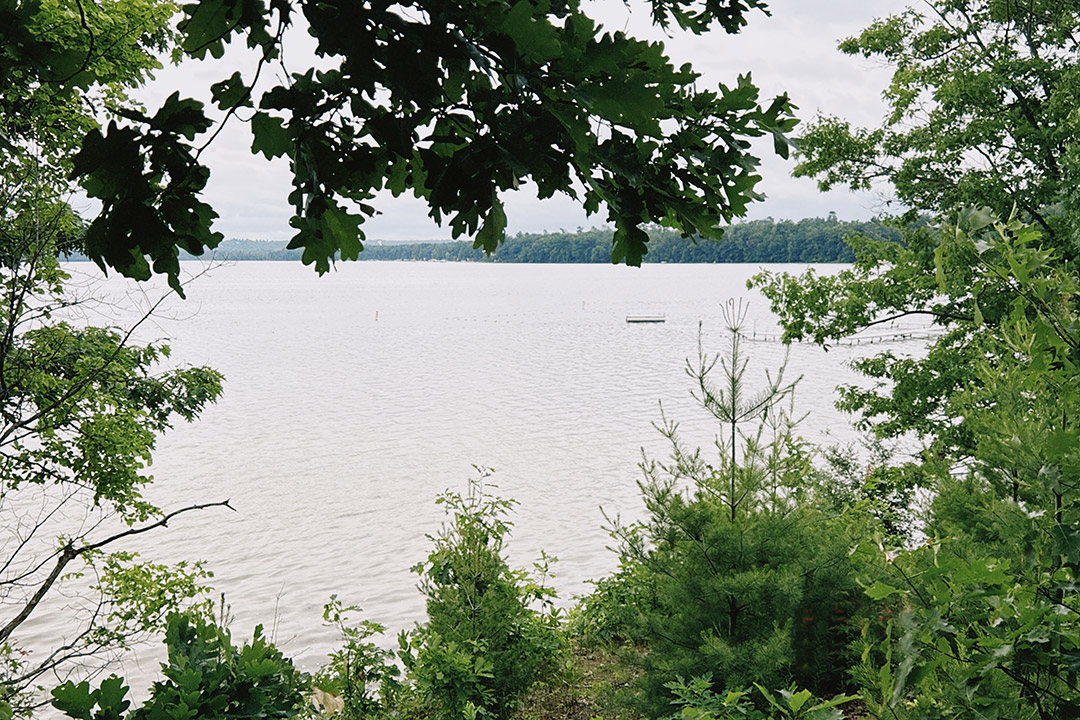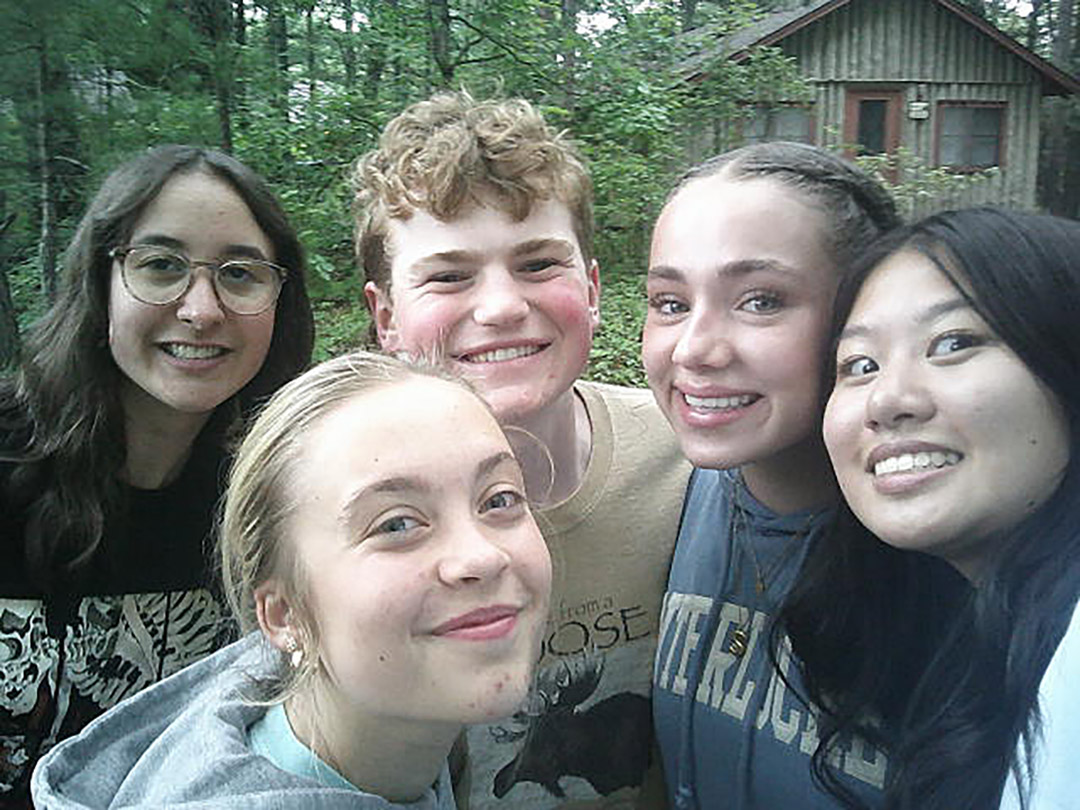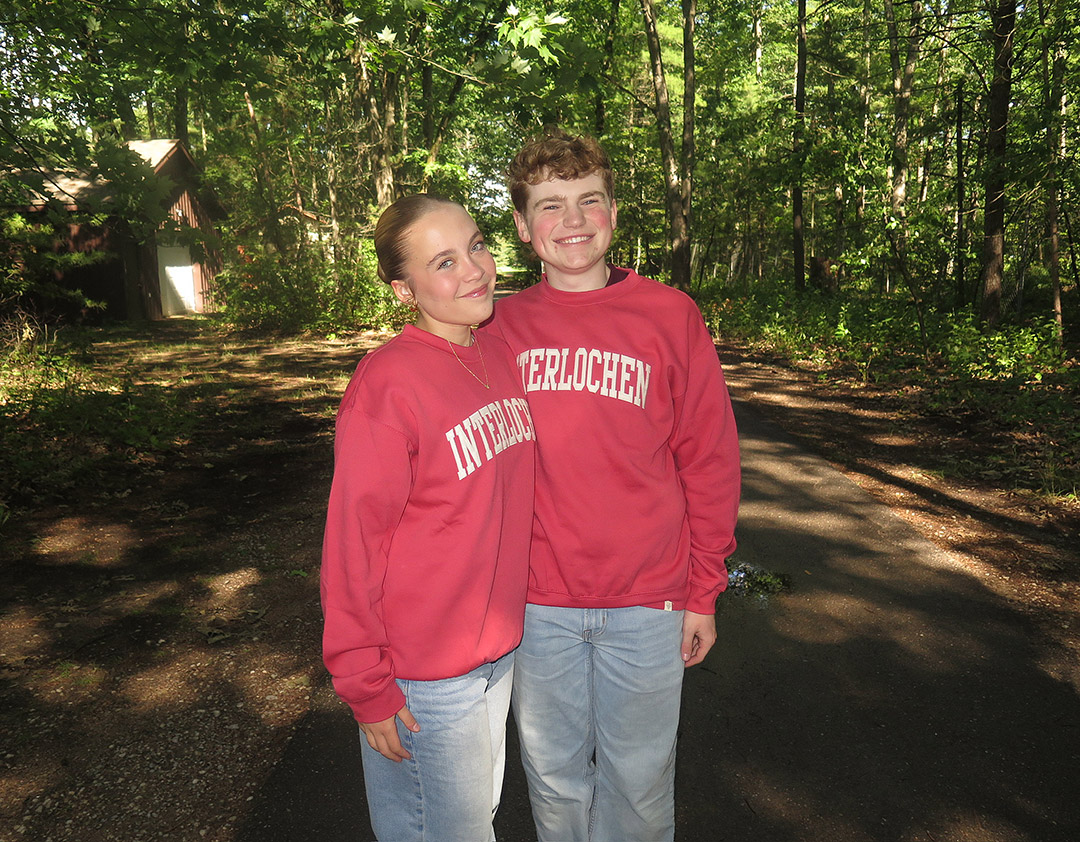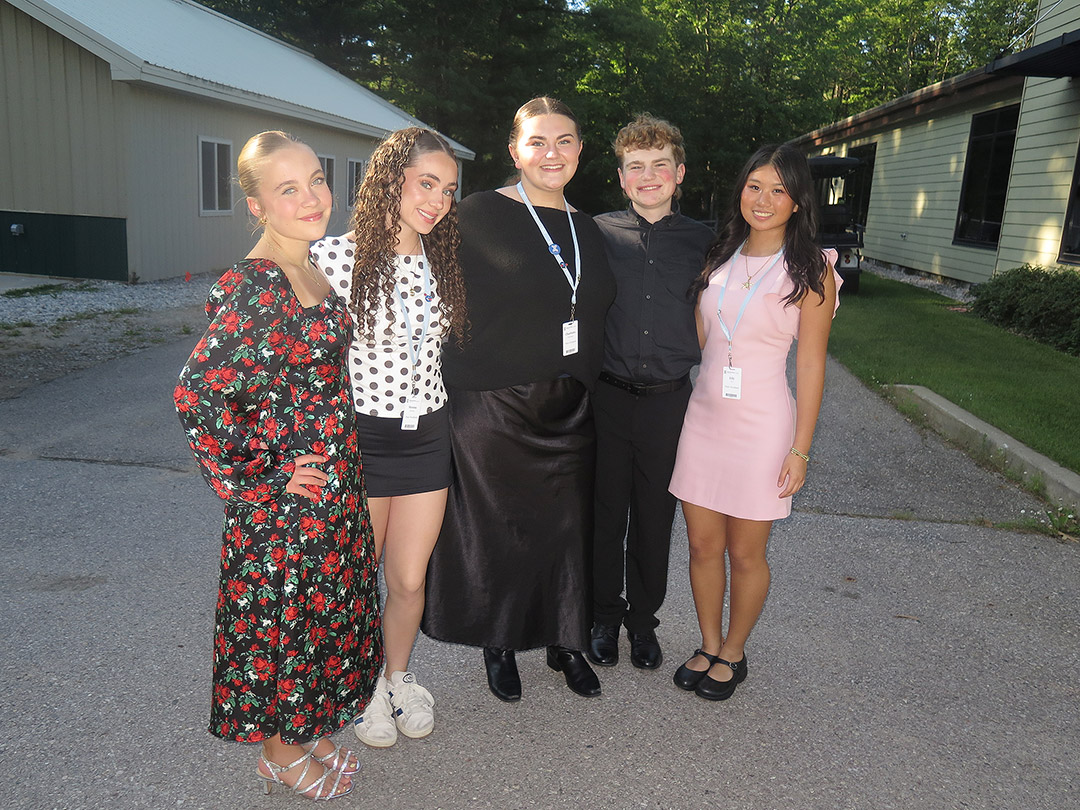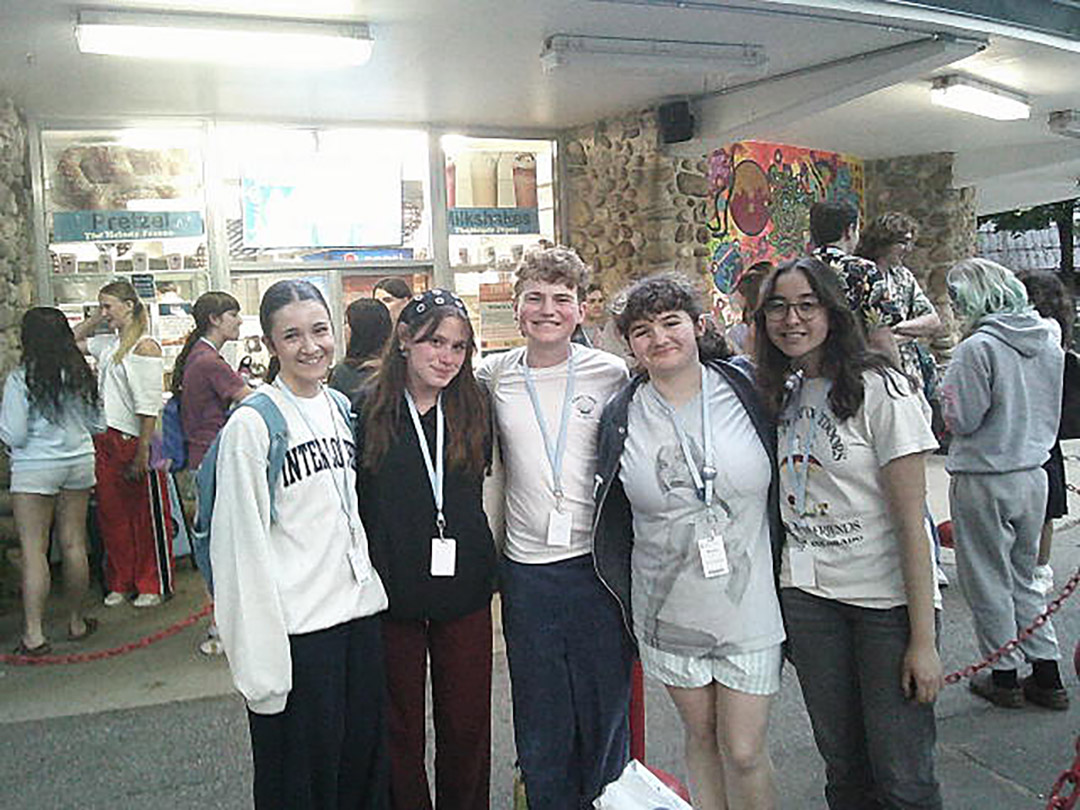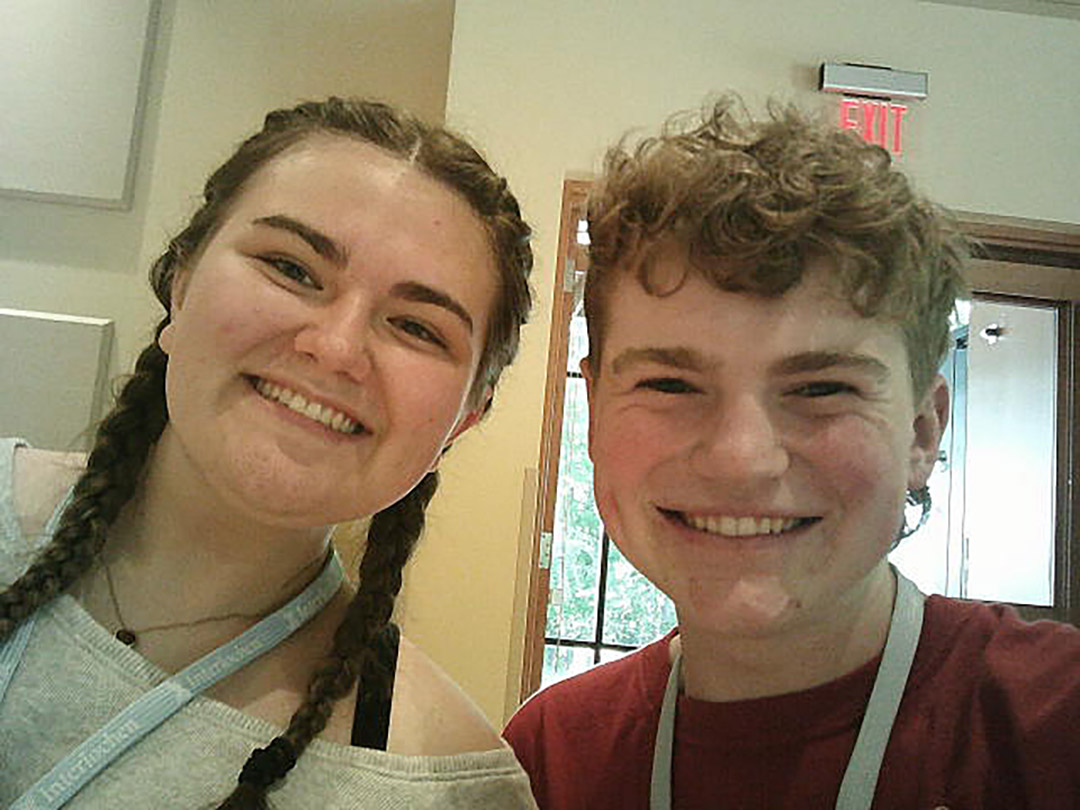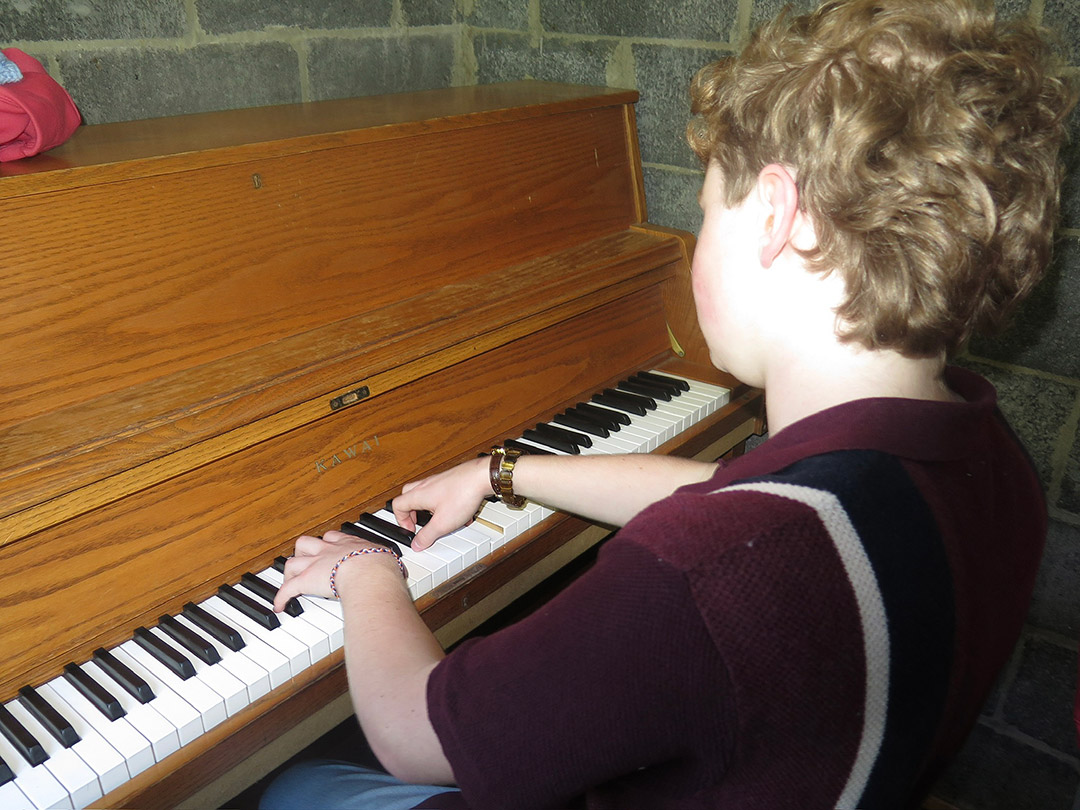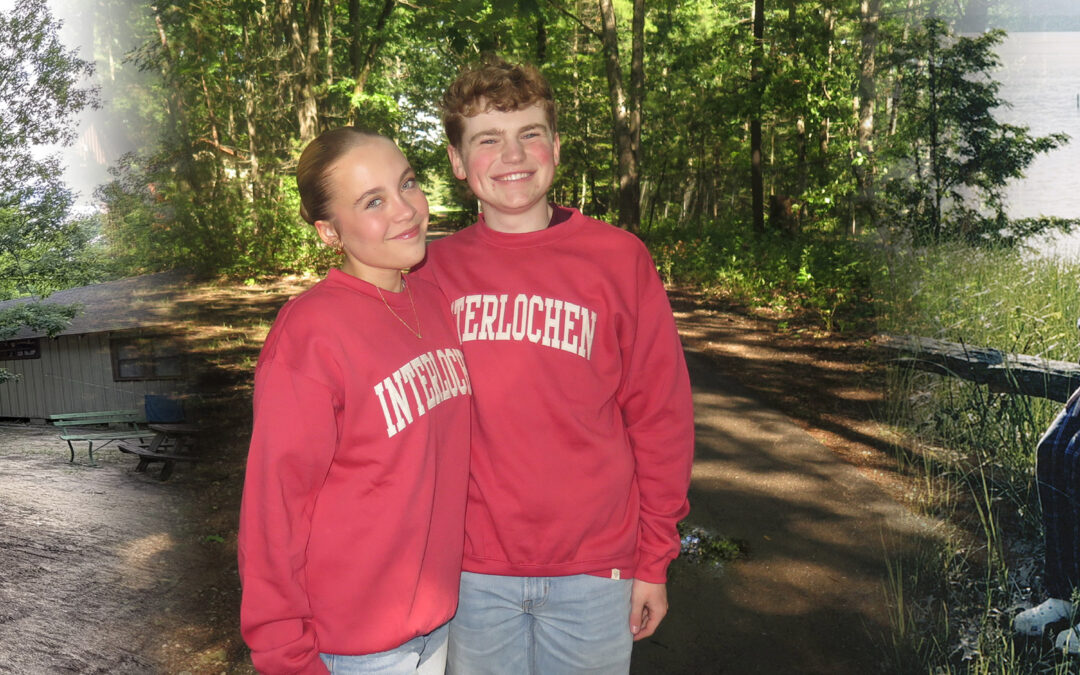
Justice Rawlinson reports on his experiences at Interlochen Center for the Arts where he is attending “Classical Voice Intensive.” His first few days were spent settling in, making friends, getting to know the counselors, attending placement auditions, and enjoying the lake.
“The purpose of the placement auditions was to decide which instructors we would be working with and what kind of ensembles we would be put in. I thought the placement auditions were very enjoyable because of how talented everyone was. It was so interesting to see different types of voices that were my age,” Justice says.
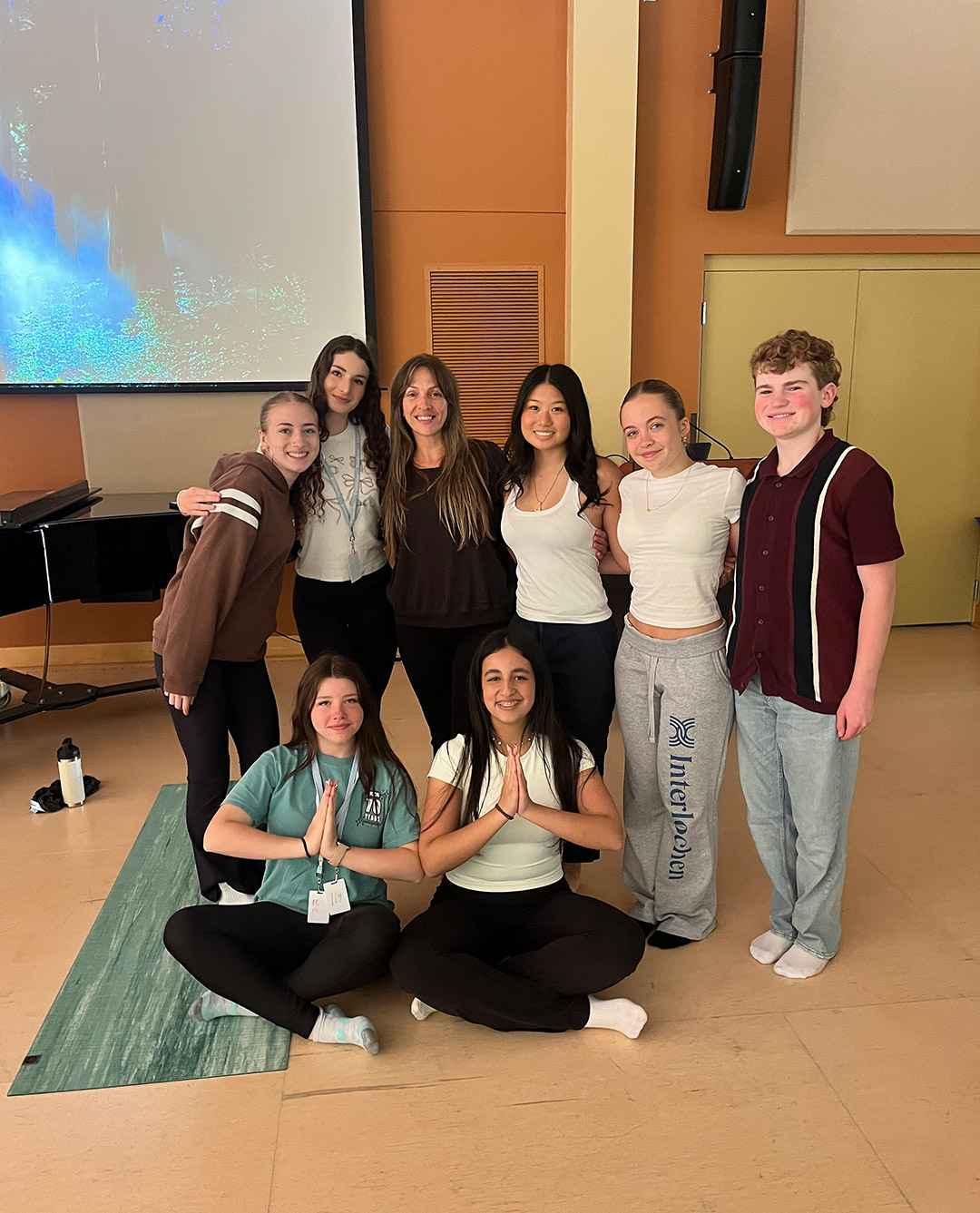
“The third day is when we finally started classes, getting into the daily schedule for the week. We started the day off with yoga, relaxing and stretching our bodies, building breath control, and learning more about our anatomy; this set us up to have a successful day. We were told that oftentimes warming up your body is overlooked, even though it is just as important as warming up your voice. After yoga, our day was filled with presentations, lessons, workshops, and masterclasses. These classes would typically help us develop skills such as creating a creative habit, how to learn a new piece, and more. I really enjoyed the presentations because they would provide a new way of looking at singing,” Justice reports.
“The biggest element of singing the instructors pushed was emotion. Everyone has different ways of connecting to a song, but there are three steps you can take to make adding expression and emotion easier. The first is understanding the lyrics. If the lyrics are in a language you speak, typically this step is not that hard, but if you do not speak the language, you should translate the lyrics. The next step is analyzing the music. This involves knowing the composer’s background; a lot of times knowing about the composer’s life explains why they wrote how they wrote. The accompaniment can also tell you a lot about the story of the piece. The last step is applying the piece to your life. Maybe this is past hardships you faced or maybe it’s thinking back to joyous moments,” Justice explains.
“During our acting workshops, lessons, and masterclasses, the instructor would have us apply these three things into what piece we were singing. She would always ask us, “What is this piece about?” or “What do the lyrics mean?” or “What does this piece mean to you?” Something I noticed with my peers along with myself, is that adding those layers of emotion and understanding of the piece drastically improved our performance. Another aspect I loved about our masterclasses was that after we performed, peers had an opportunity to give feedback. We were told to say a part about the performance we liked and how it made us feel. This was a really great opportunity to feel more comfortable with my classmates. Everyone in my studio class was kind and respectful, giving really good feedback,” Justice adds.
Justice was amazed by the instructors at Interlochen and says that they were “accomplished, experienced, joyful, smart, and kind — people I look up to and admire.”
“I could go on and on about how wonderful they were, but what stuck out to me the most is how down-to-earth they were. It is very easy to get a certain way when you get to the level these instructors are at, but they were so approachable. My instructor, Dr. Brown, was always in an amazing mood. I felt so free to make mistakes around her and ask questions when I did not understand a concept because of her welcoming and nurturing personality. The teaching assistant Rose Iannuzzi felt more like a friend than a TA in the best way possible. She was always there to support us whether we were stressed about a performance or overwhelmed by the intensive in general. She convinced me to dream bigger when it comes to colleges and life in general. Professor Chad Sloan went out of his way to make us feel wanted; after the end-of-week recital, he asked if I would be interested in setting up a lesson with him in the future. I did not get to work with Professor Dutton very much, but every interaction with her was authentic and genuine. She made me interested in pursuing a double major in Music Education and Vocal Performance, instead of just Music Education,” Justice says.
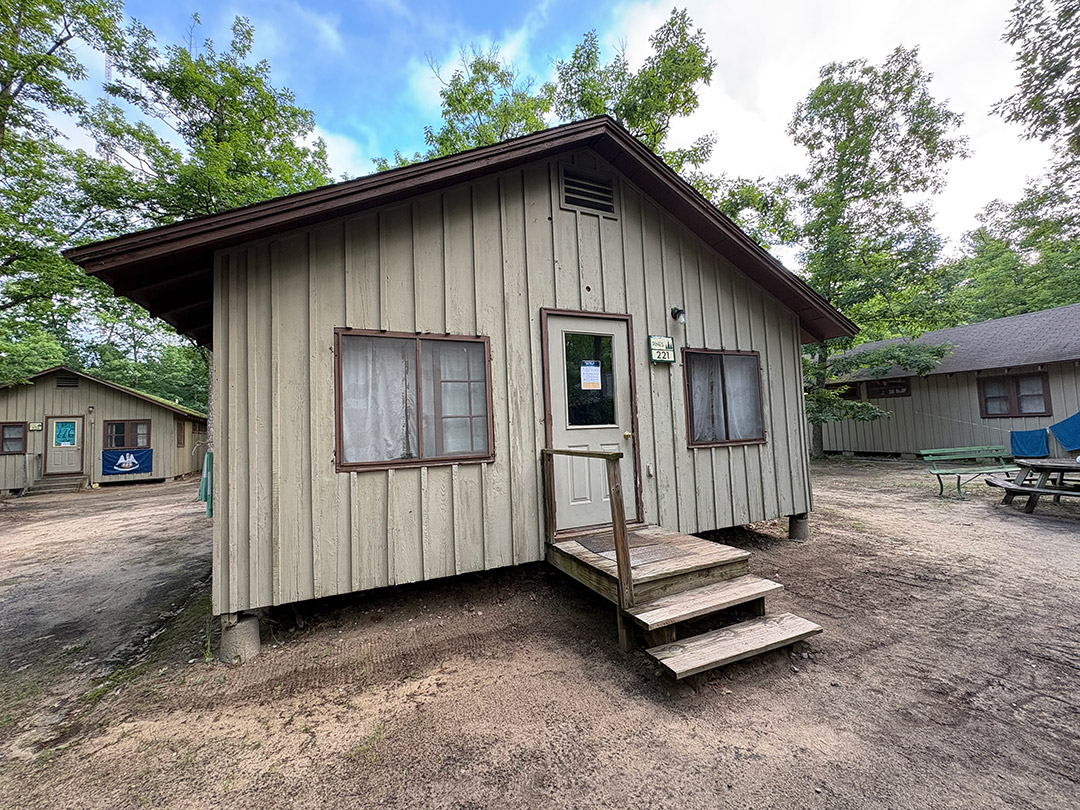
Justice explains that although he was used to being away from home, living in a cabin was a new experience for him.
“I will say, living in a cabin for a week was not easy. I camp a lot because of scouts, but usually that is tent camping, not cabins, so this was new to me. Surprisingly, camping in a cabin filled with 14 other people with only two showers and four sinks is much harder than just camping in a tent by yourself. This was good for me though; I learned how to live with people I don’t know,” Justice says.
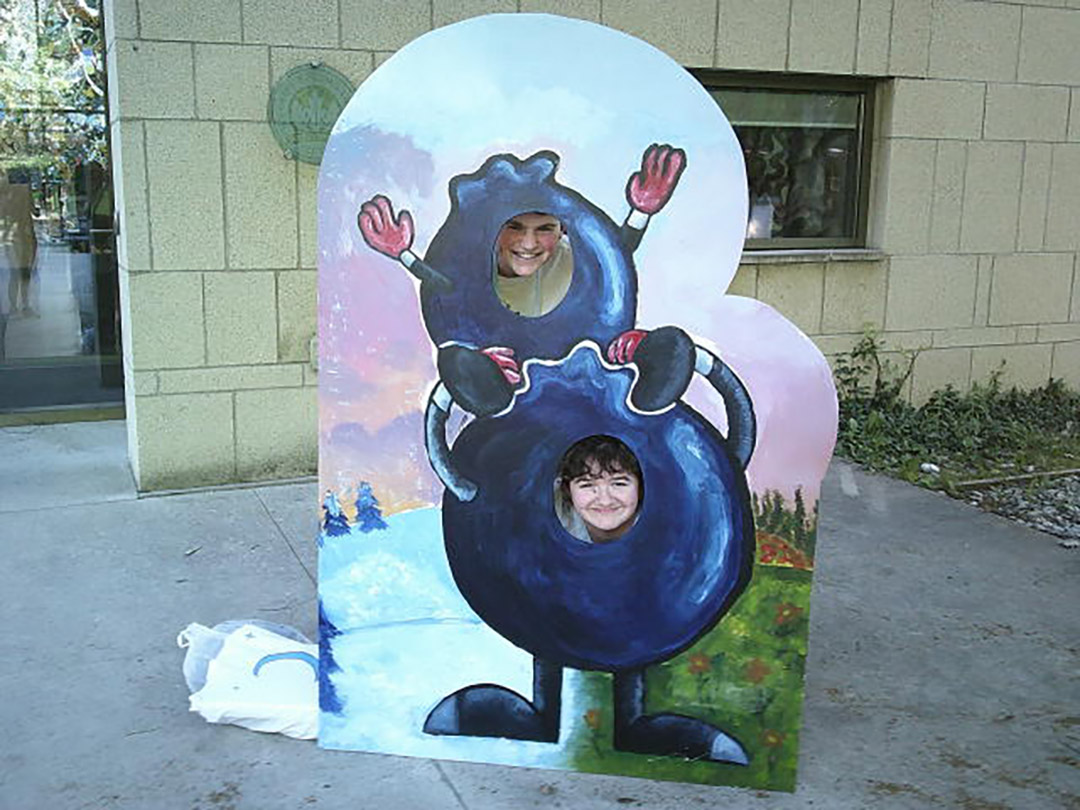
“While the program I was in was packed full of classes, they still made time for fun activities. Some activities I participated in were bracelet making, eating s’mores, pickleball, karaoke, and more. I loved these events; they were a great time for me to socialize and meet people that were not in the same program as me,” Justice adds.
We are happy to hear that your experiences at Interlochen helped you to clarify your educational goals in Music Education and Vocal Performance. Great work, Justice!
>> Read Justice Rawlinson’s Final Report (PDF File, 76 KB).
>> Learn about the other students’ experiences in the GFF Scholarship Program.