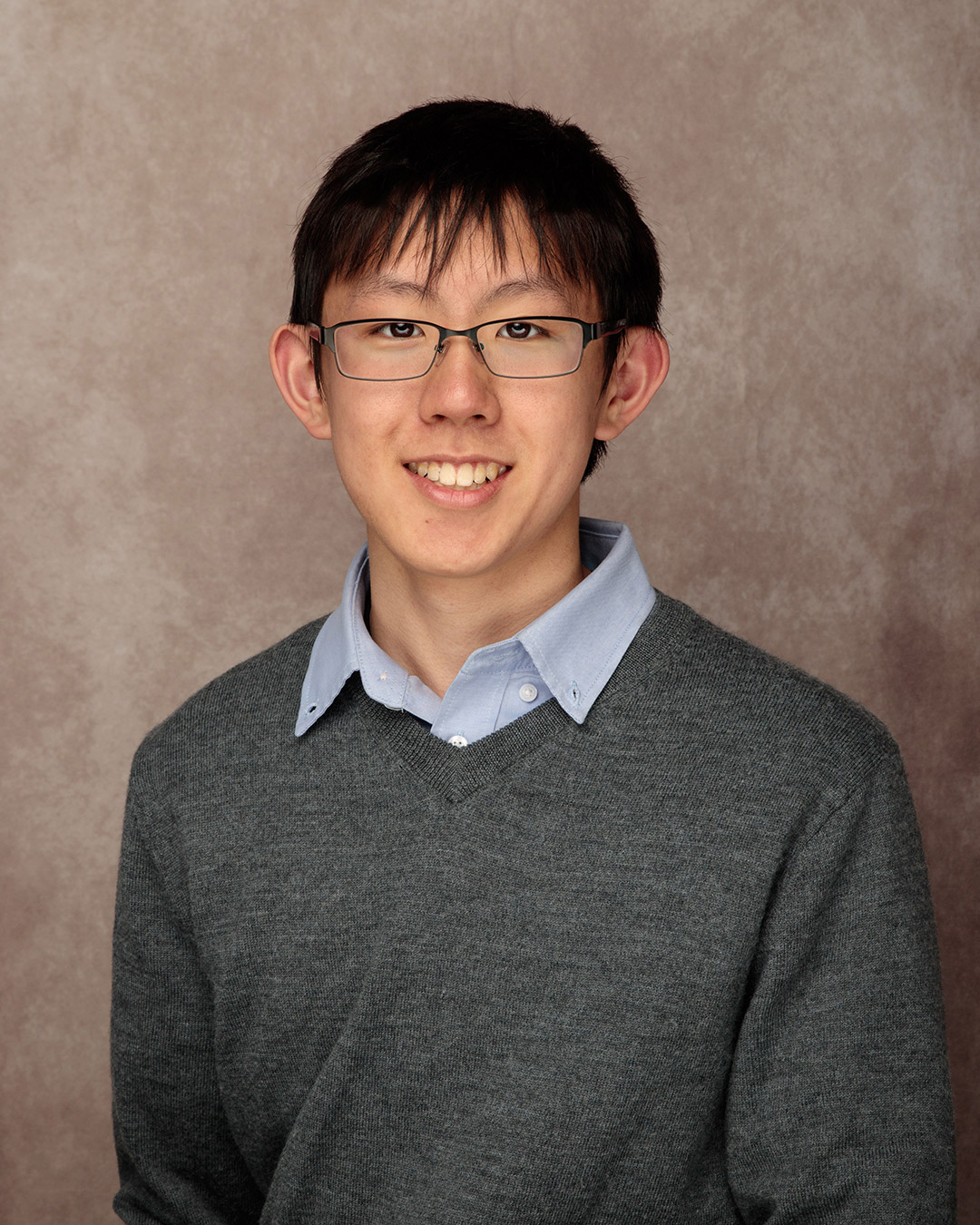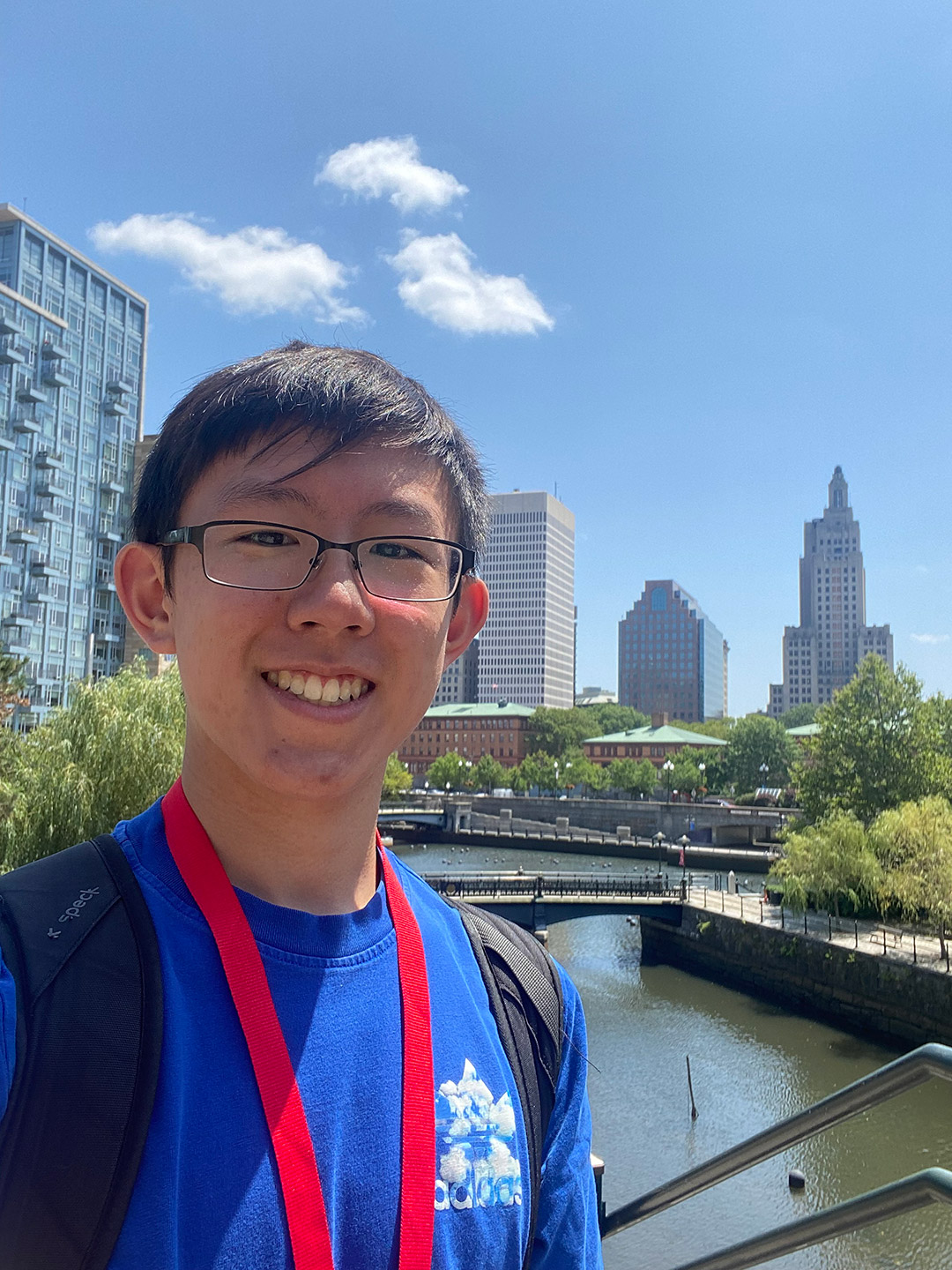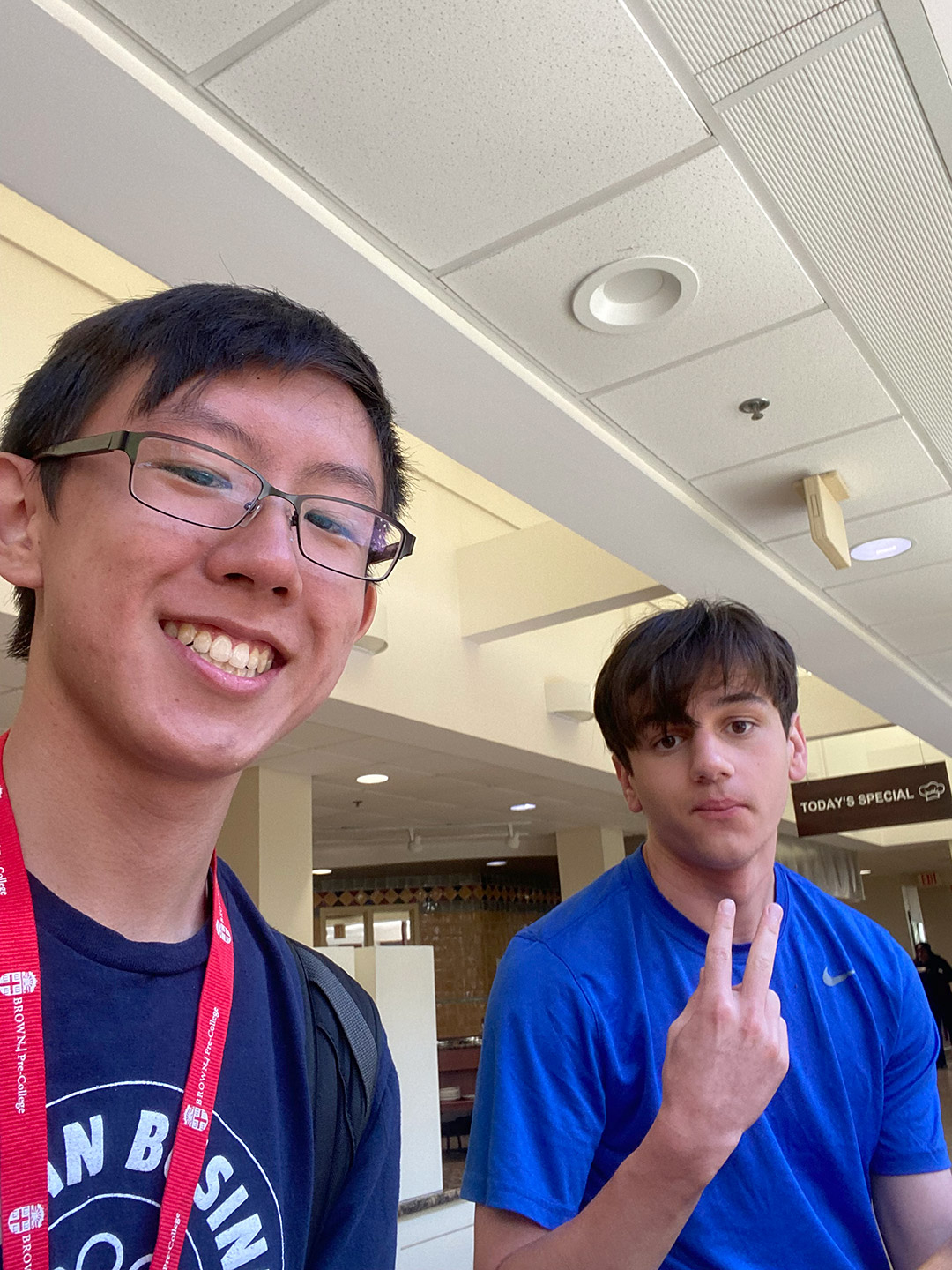
Ryan Dai reports on his experience attending Summer@Brown University, where he is studying political science and economics. Ryan says he spent the first week exploring the campus and getting a feel for the course.
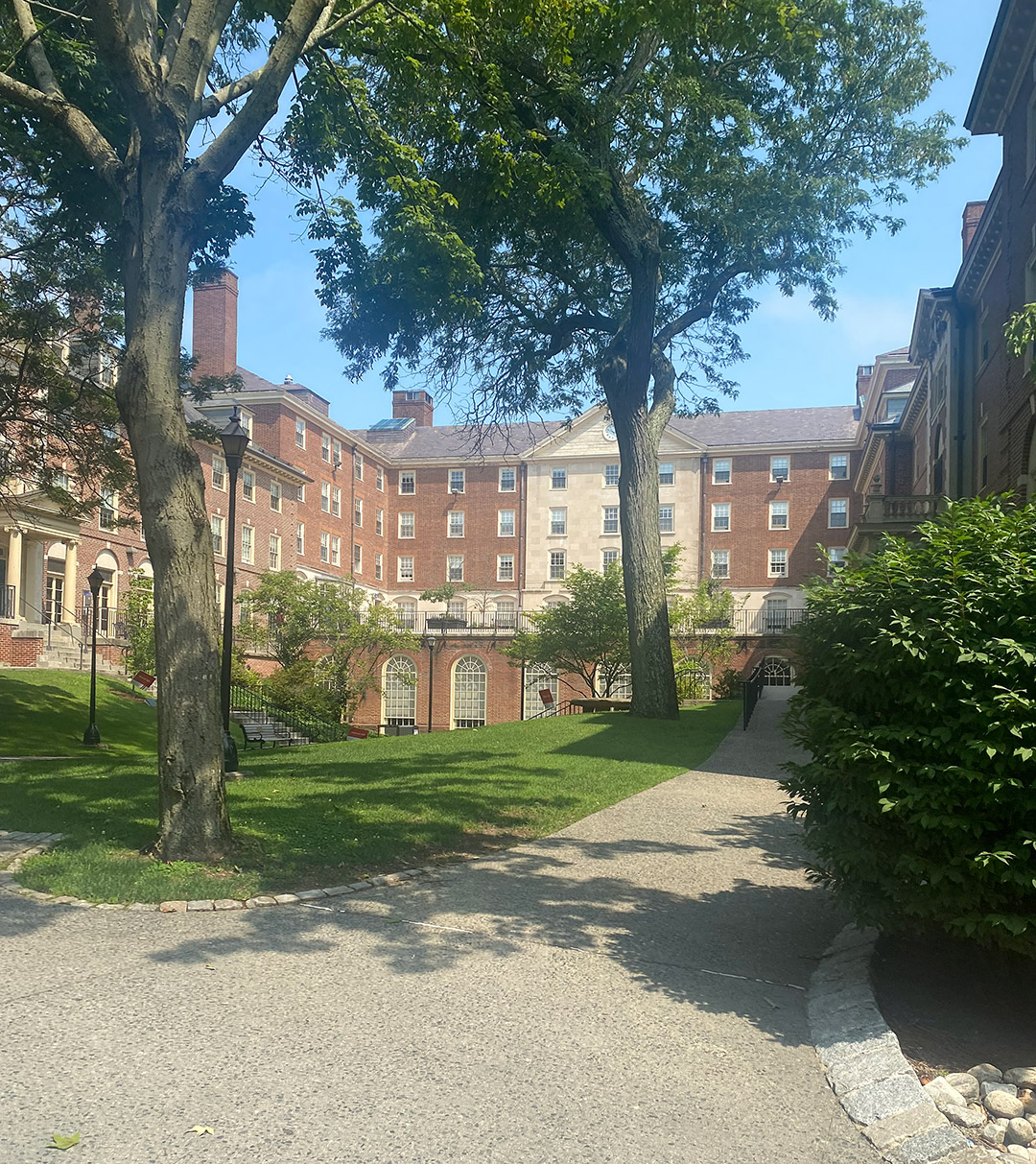
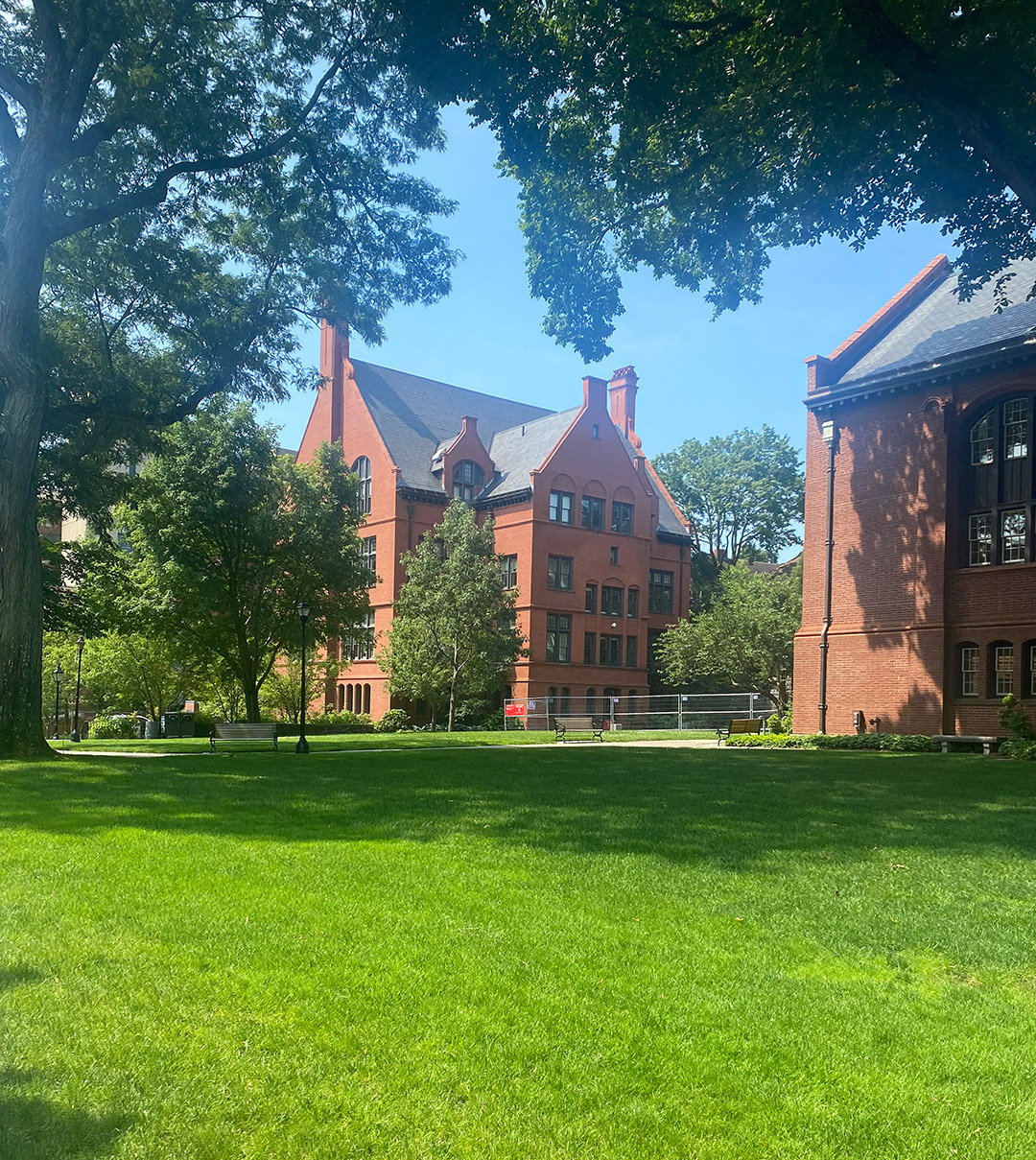
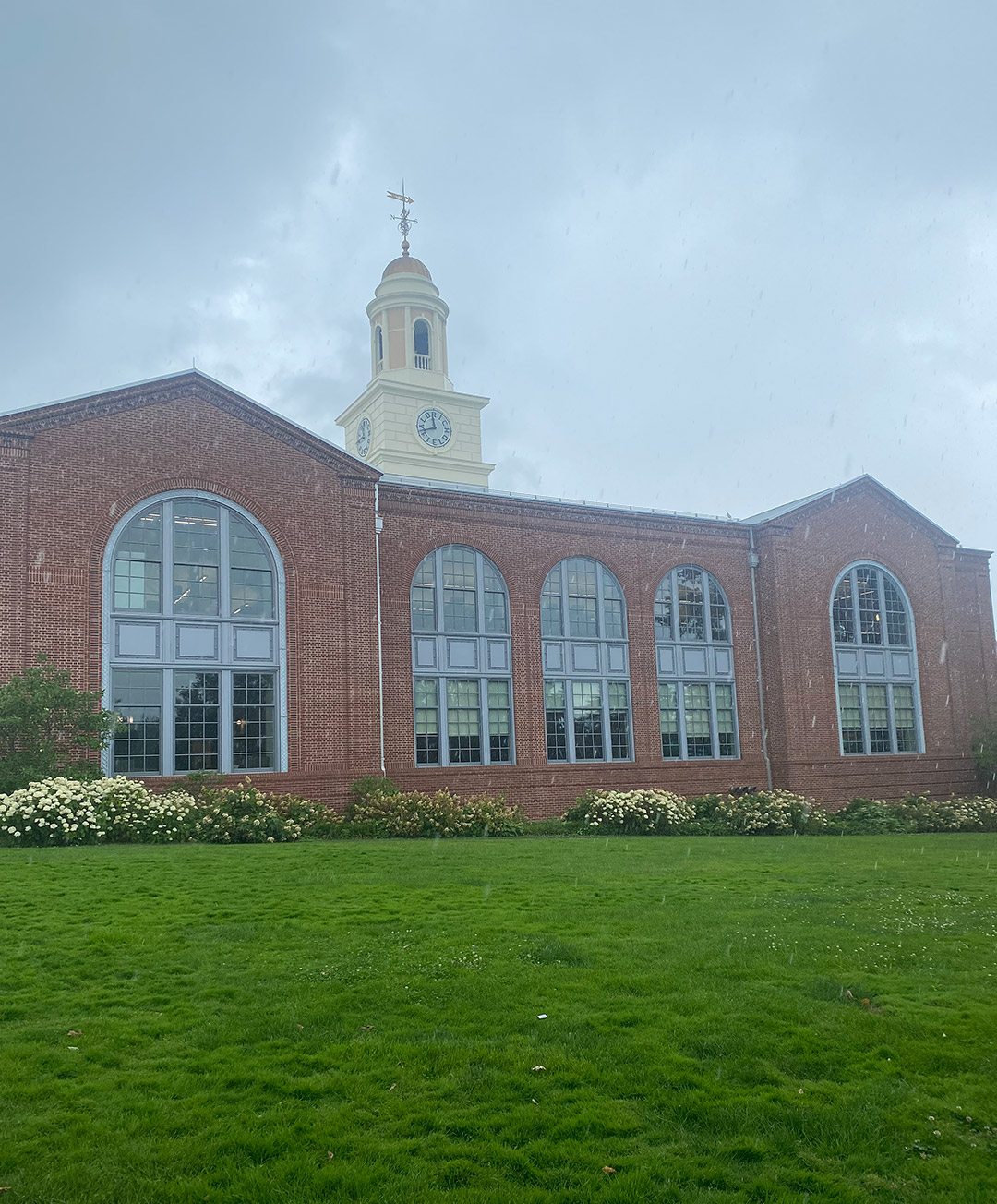
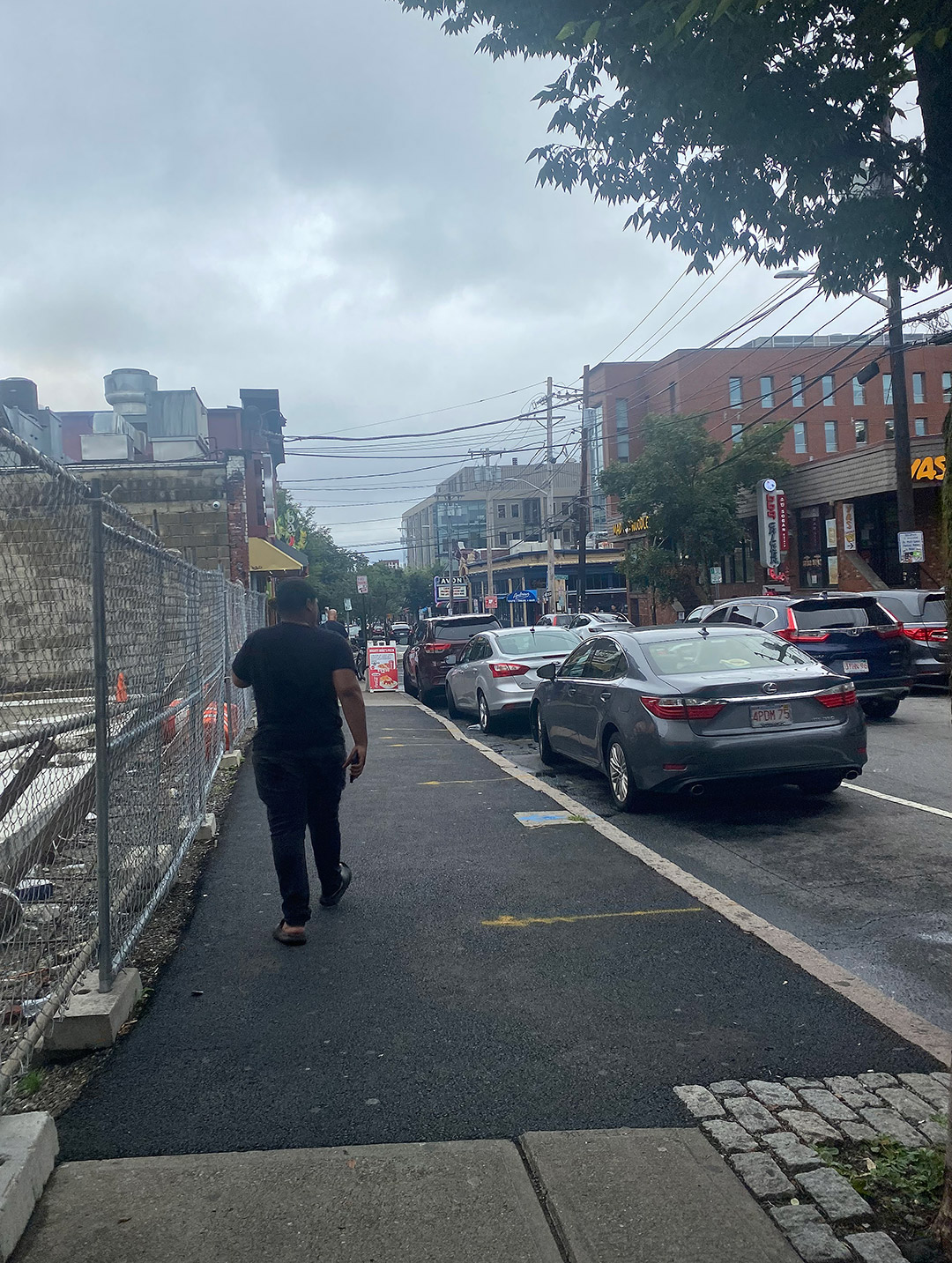
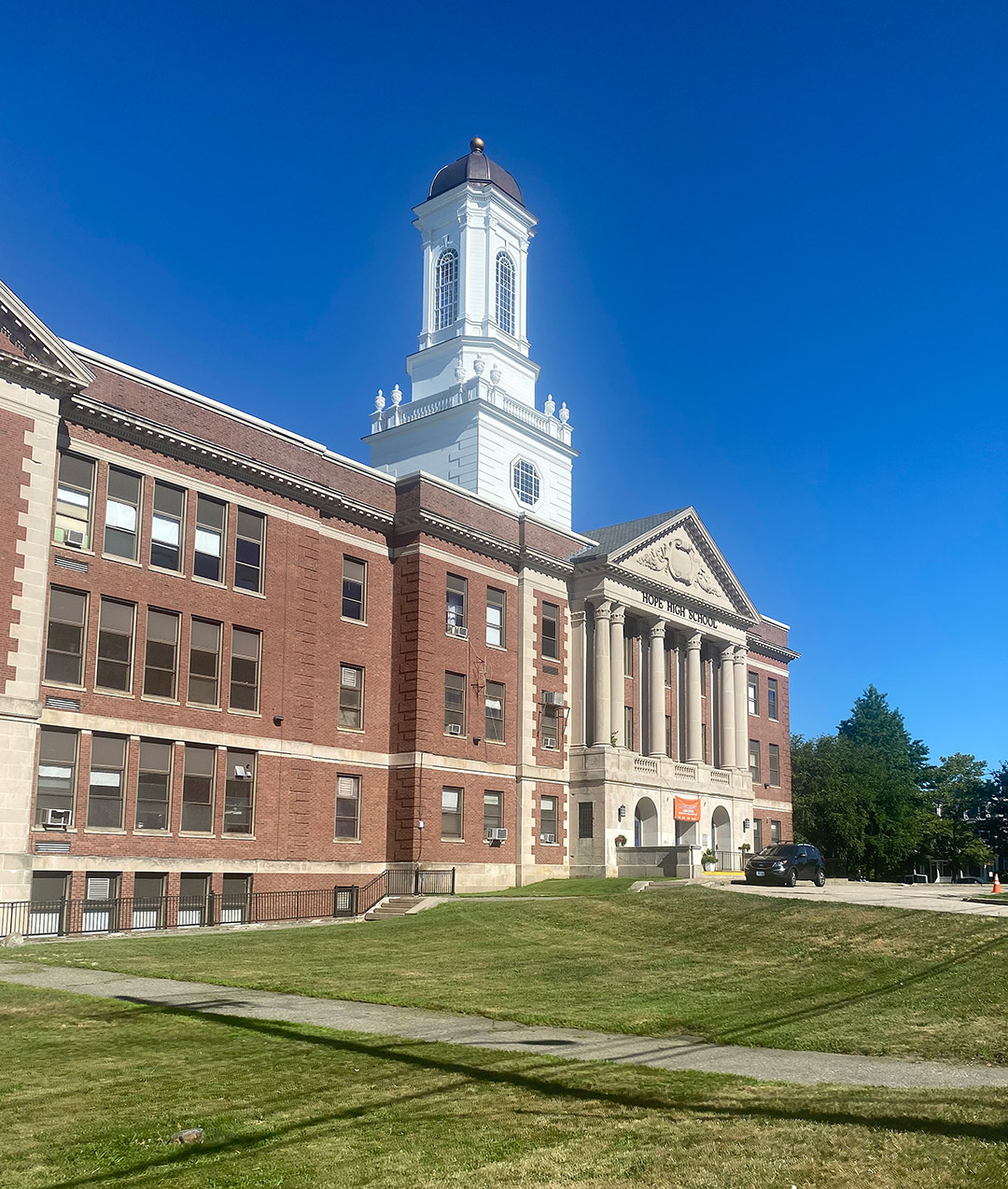
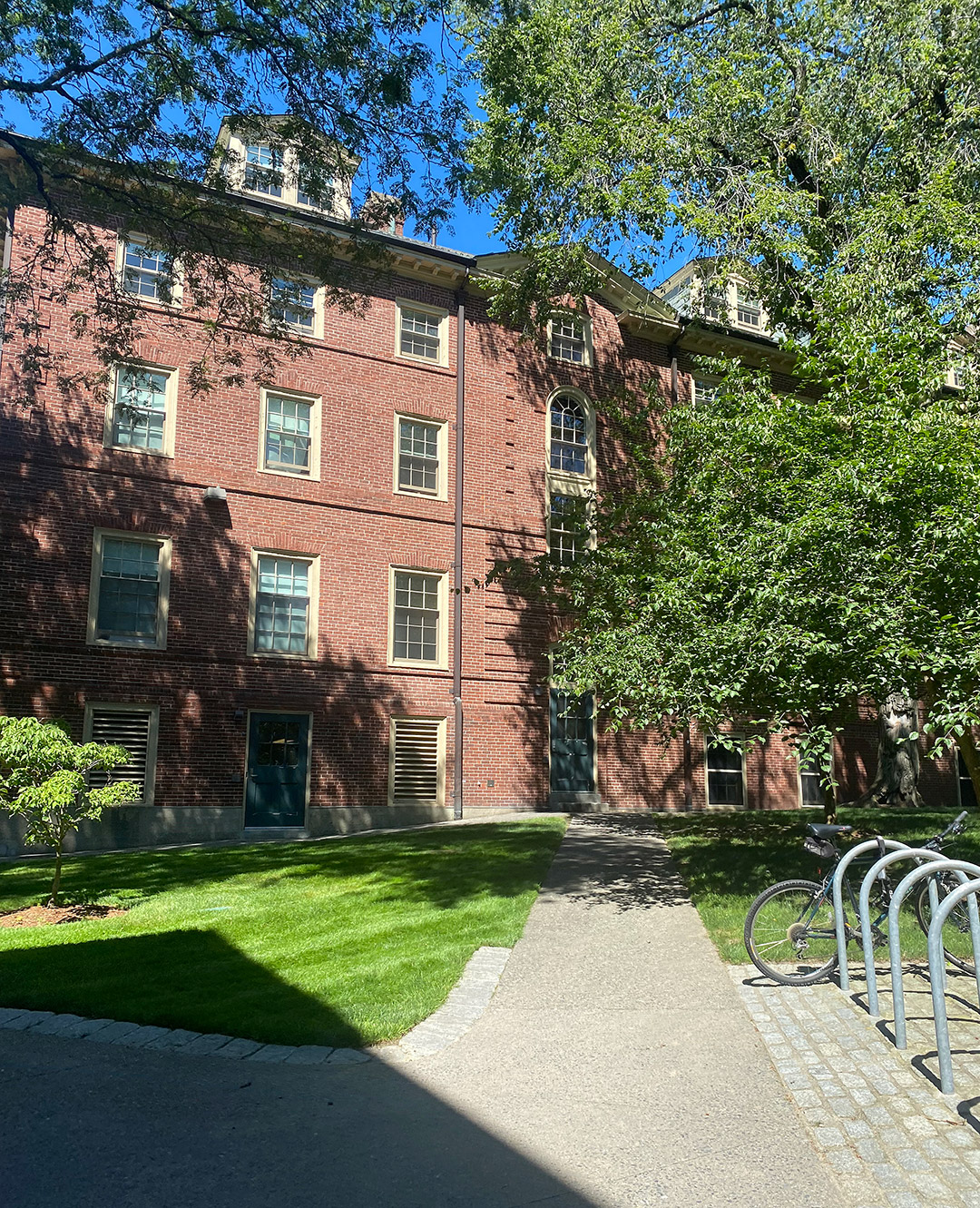
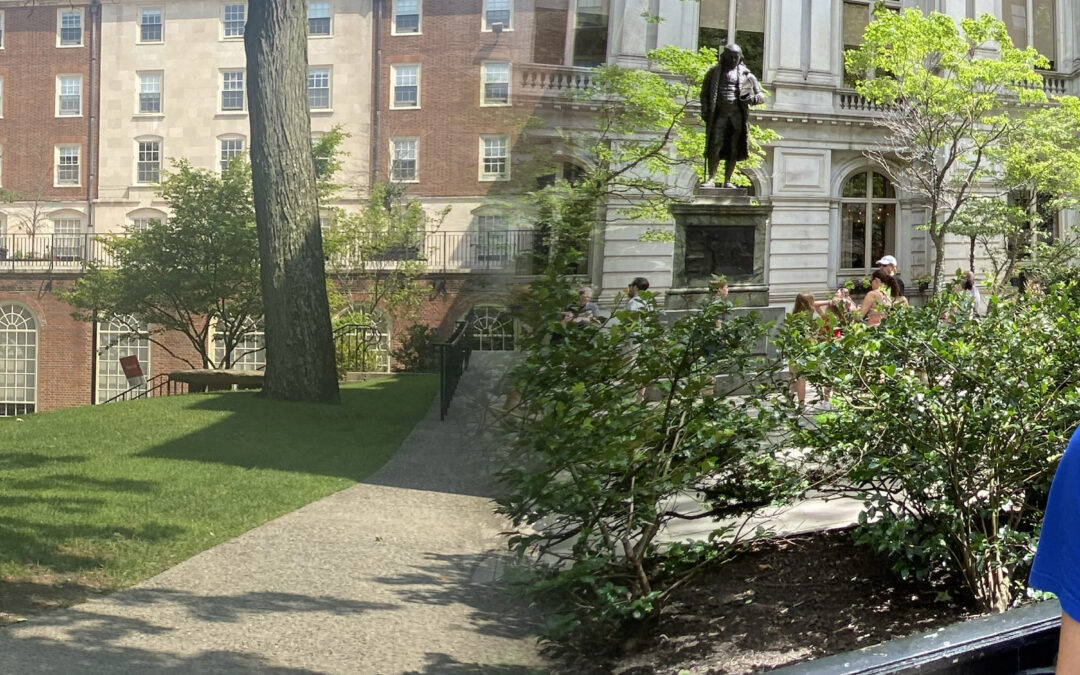
“Brown is composed of several different campuses that are a 10-20 minute walk apart. I have thoroughly enjoyed my walks across campus to my classroom and dining hall. Situated next to downtown Providence, the campus feels like a mix of city and nature. The architecture of the various campuses and houses that surround them adds to the beauty of the school. Brown borders a vibrant street of stores and restaurants,” Ryan reports.
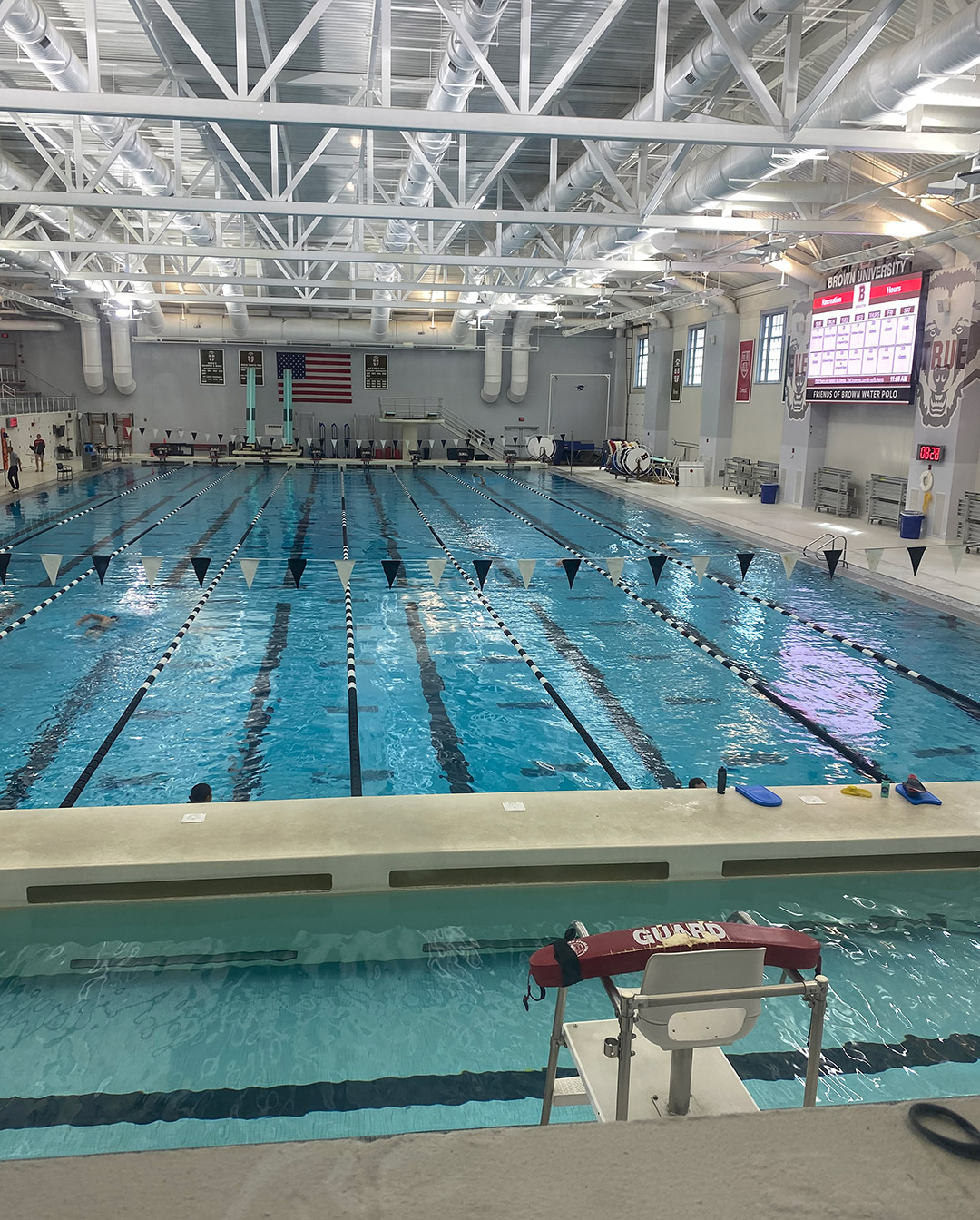
“My dorm hall is right next to Brown’s athletic facilities. In the first couple of days, I got into a routine of going to swim in the morning, then going to class in the afternoon. Due to the large campus, I found it easy to get lost. Until Thursday, getting to class was an adventure as I accidentally took a new route every day. Over the weekend, we had the opportunity to participate in a plethora of activities, and I chose to go to Topgolf. I have never played golf before, but it was a fun experience with my friends,” Ryan adds.
“For the first week, class was almost all review of basic economics principles. The 3-hour class consisted of 3 sessions of a lecture, discussion, and then a short break. Our daily homework consists of a couple of readings, which are either textbook chapters or scholarly articles. So far, I am getting good practice at reading and thinking critically about scholarly articles, as well as digesting them better. Next week, we will begin discussing the political economy, so it will be new information. Unlike my course last year, my class at Brown is quite small. The small class size gave me more opportunities to interact with other students and to ask questions,” Ryan says.
“Overall, this has been a pleasant week, and I look forward to continuing to learn and explore in the coming weeks,” Ryan adds.
Week Two — Economic Decisions and Politics
Ryan reports that during his second week, the course built on lessons from the first week, before moving on to new topics.
“In class, we covered political topics that were new to me. Over the weekend, I was given the opportunity to take part in several exciting off-campus excursions,” Ryan says.
“A large part of settling into the program is building a routine and finding a rhythm, and I have definitely done that this week. In terms of the course, I have begun following a routine of doing homework after class, then checking it in the morning. In class, there are 2-3 lecture sessions with a couple of short breaks,” Ryan explains.
“Unlike last week, this week featured a lot of new information. We talked about how economic decisions are made within the government, and how that involves politics. More interestingly, we talked about how economics affects politics. Within the government, everyone has a set of incentives that influence their actions. We talked about how to address corruption through changing their set of incentives through both monetary and non-monetary methods,” Ryan reports.
“On the non-monetary side, we learned about how factors like identity and culture impact decision-making and the impact of those factors on both economics and politics. Specifically, we discussed how identity shapes people’s decisions in elections. Although one would assume that each voter votes in their self-interest, this is not the case. Both identity and culture help bridge this gap in traditional thinking. On the politicians’ side, they often try to identify with voters, building identity instead of promoting good policies. Policies are complicated, and information is expensive, so it is easier for a politician to be elected by using identity,” Ryan adds.
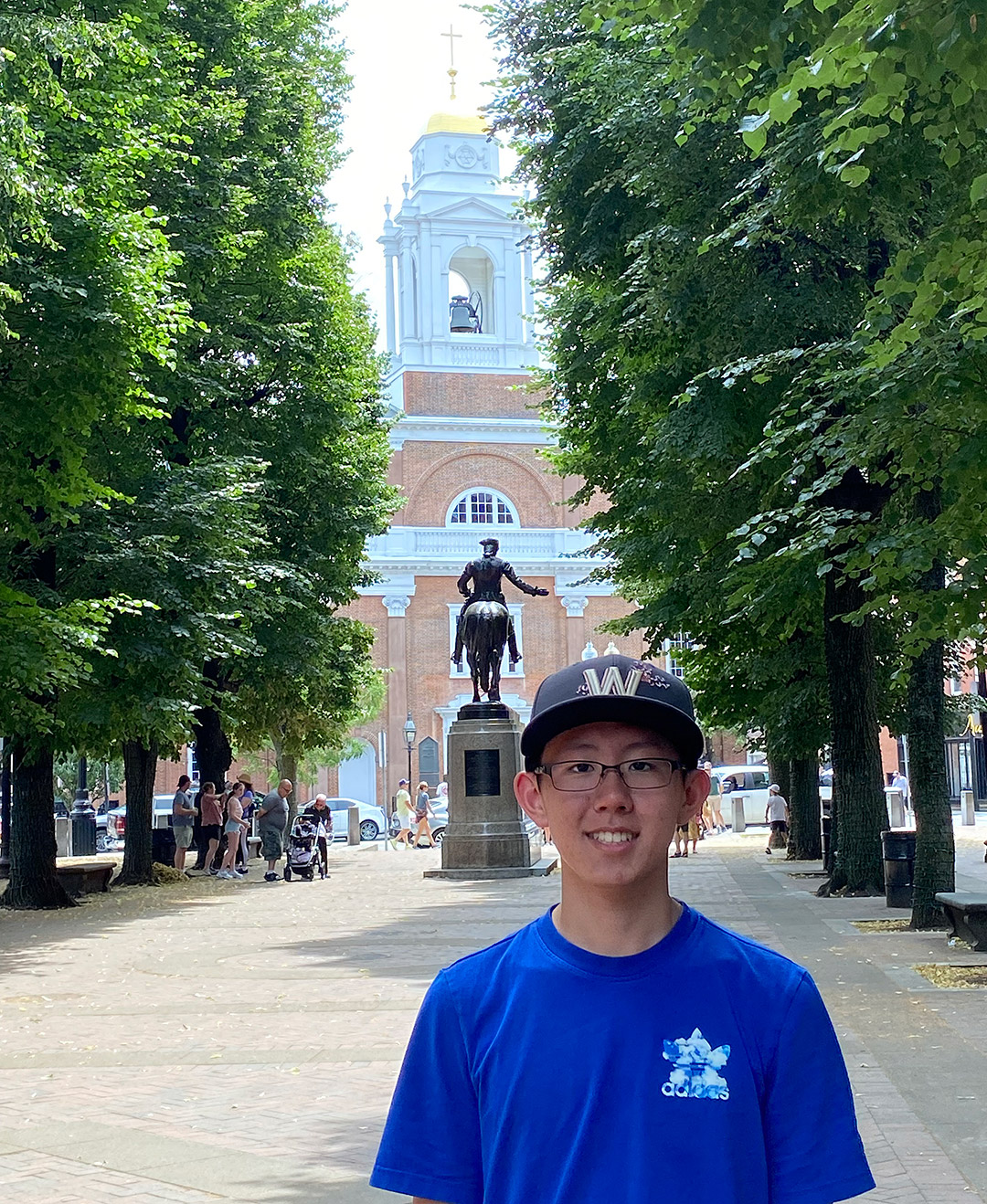
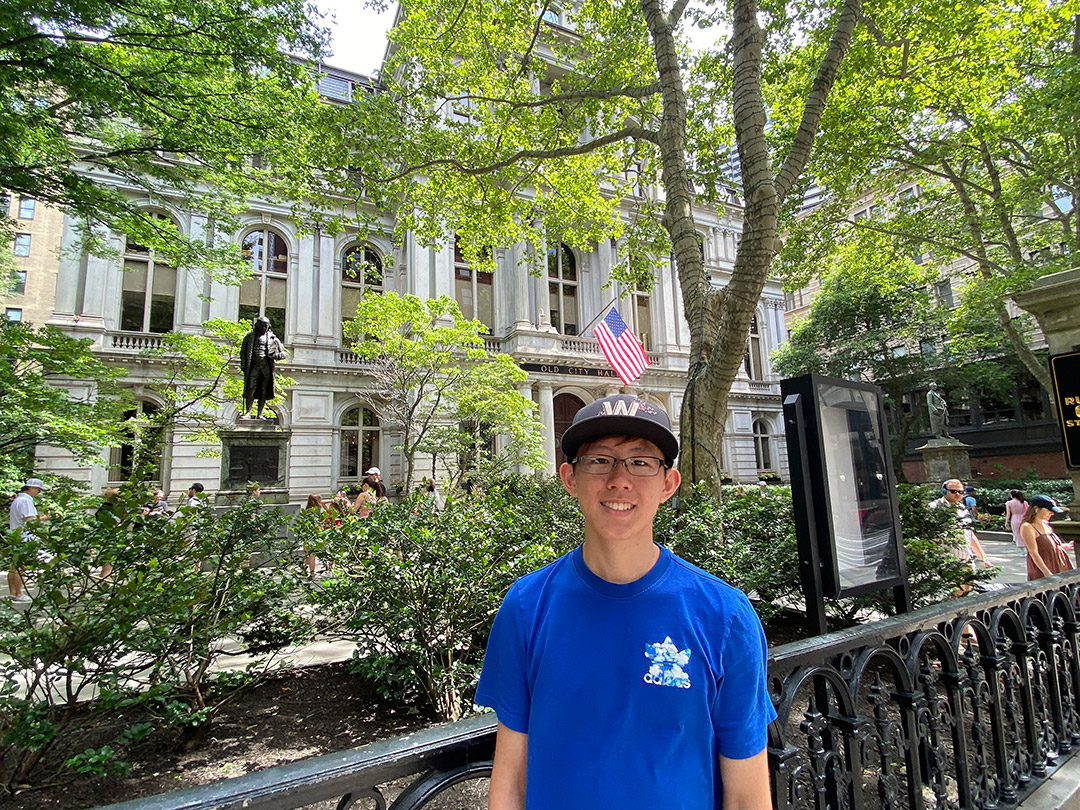
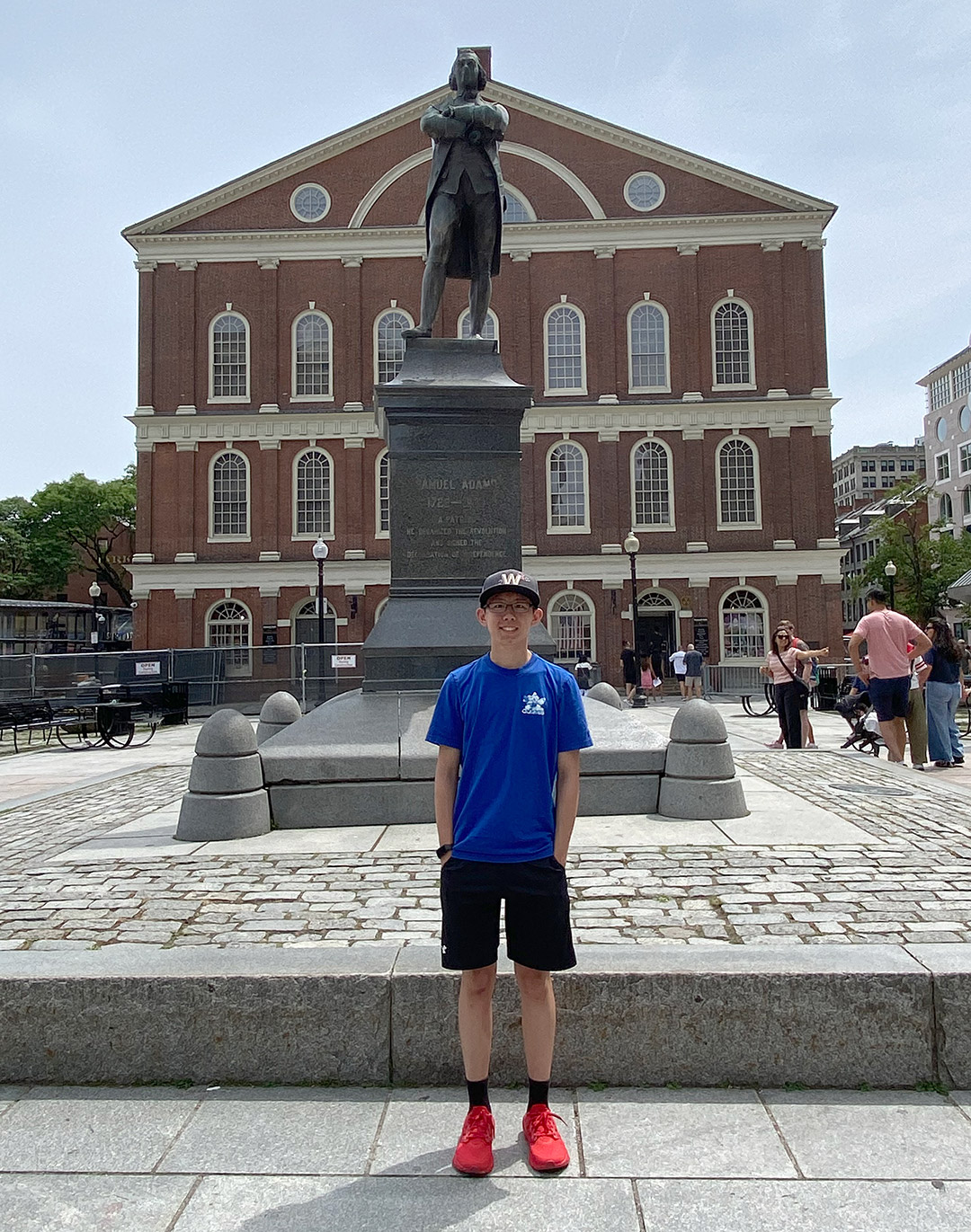
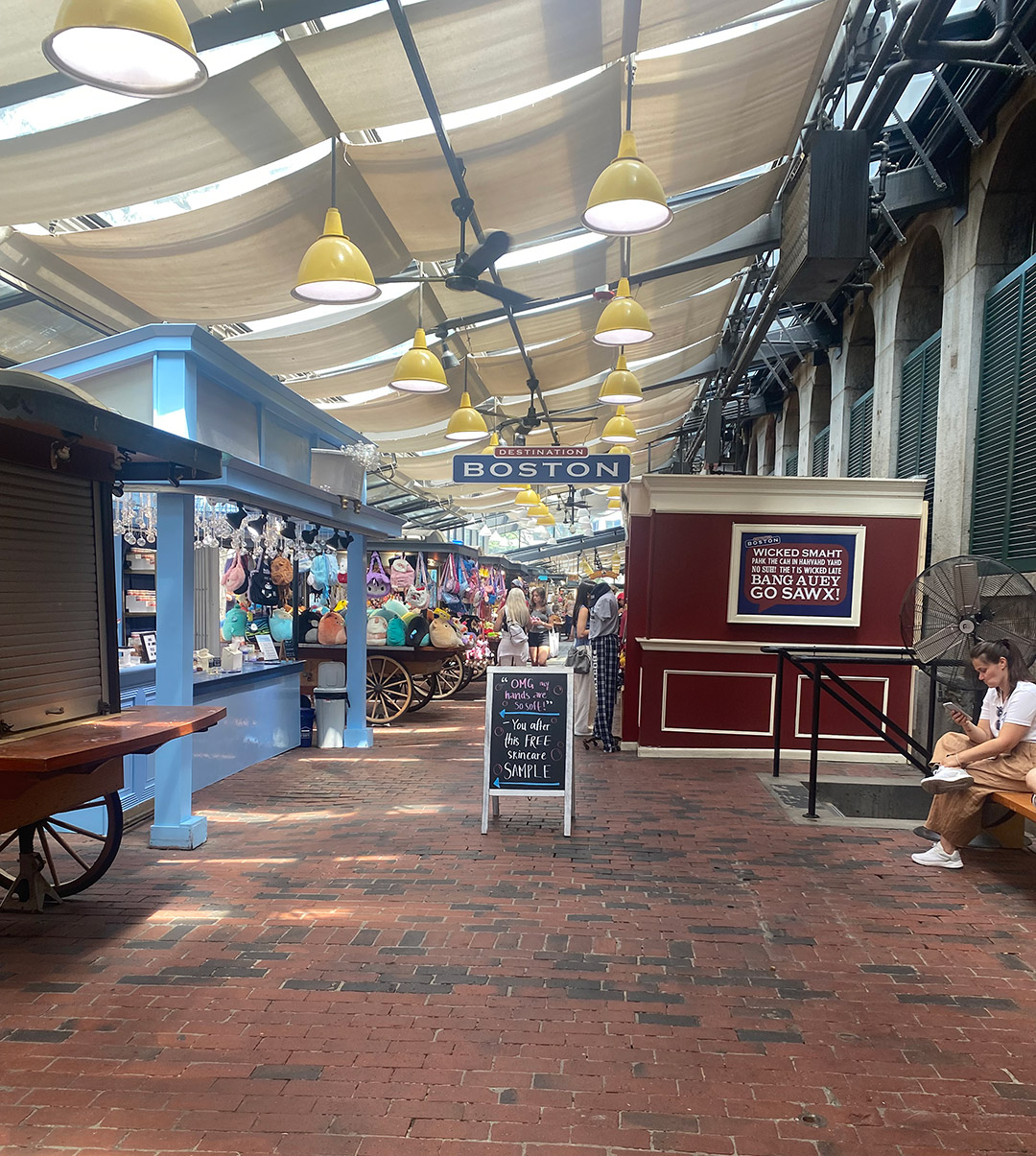
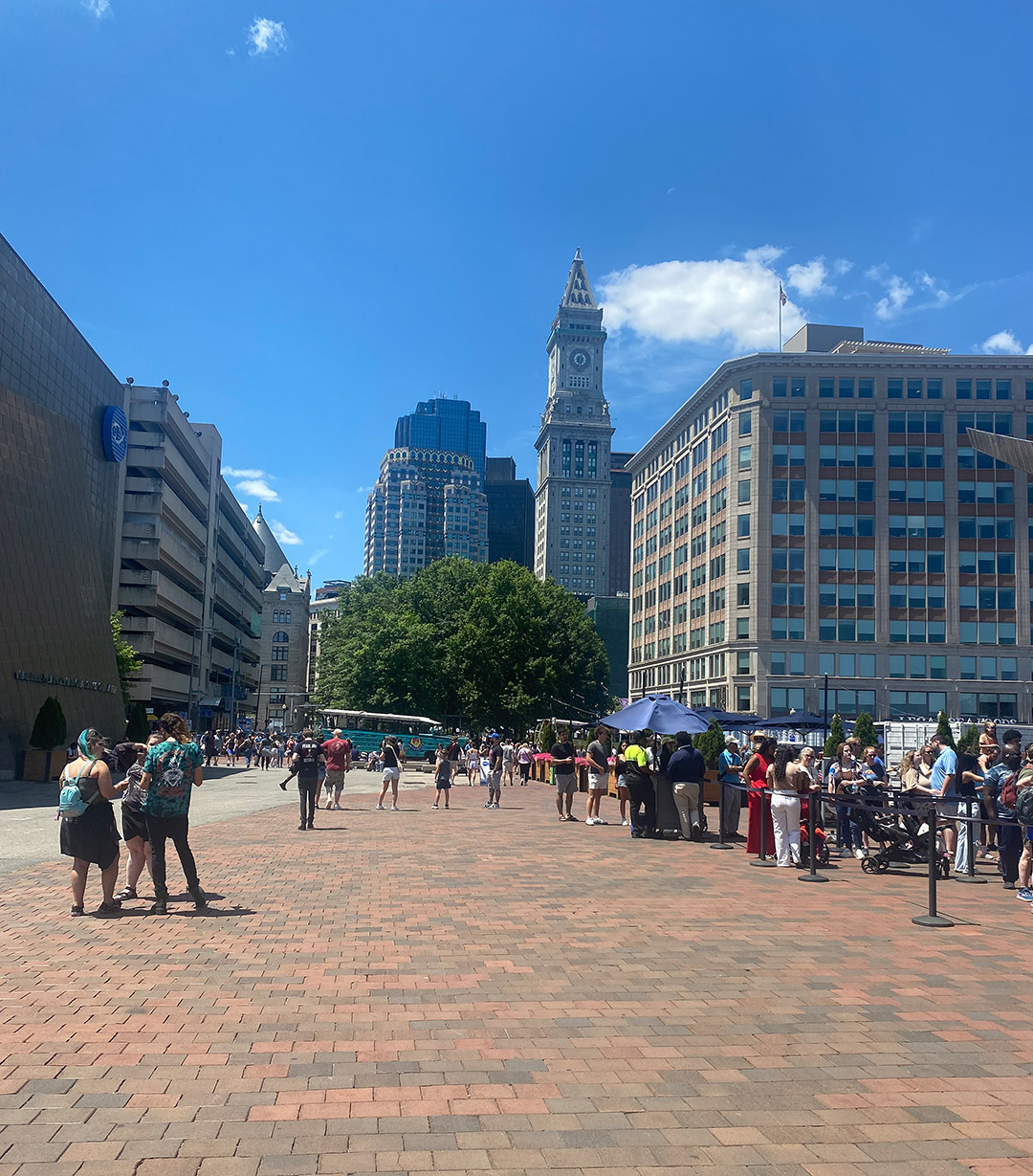
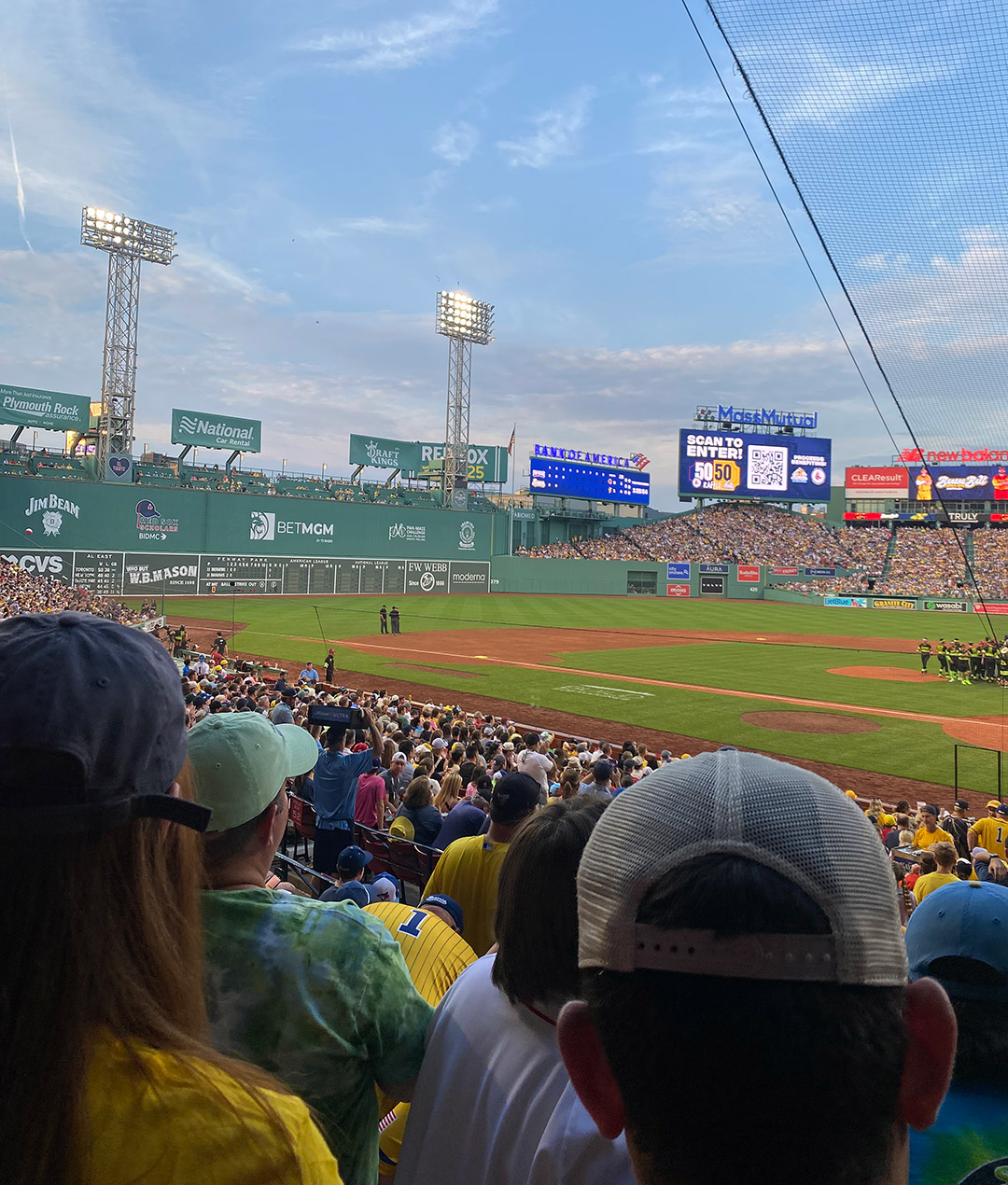
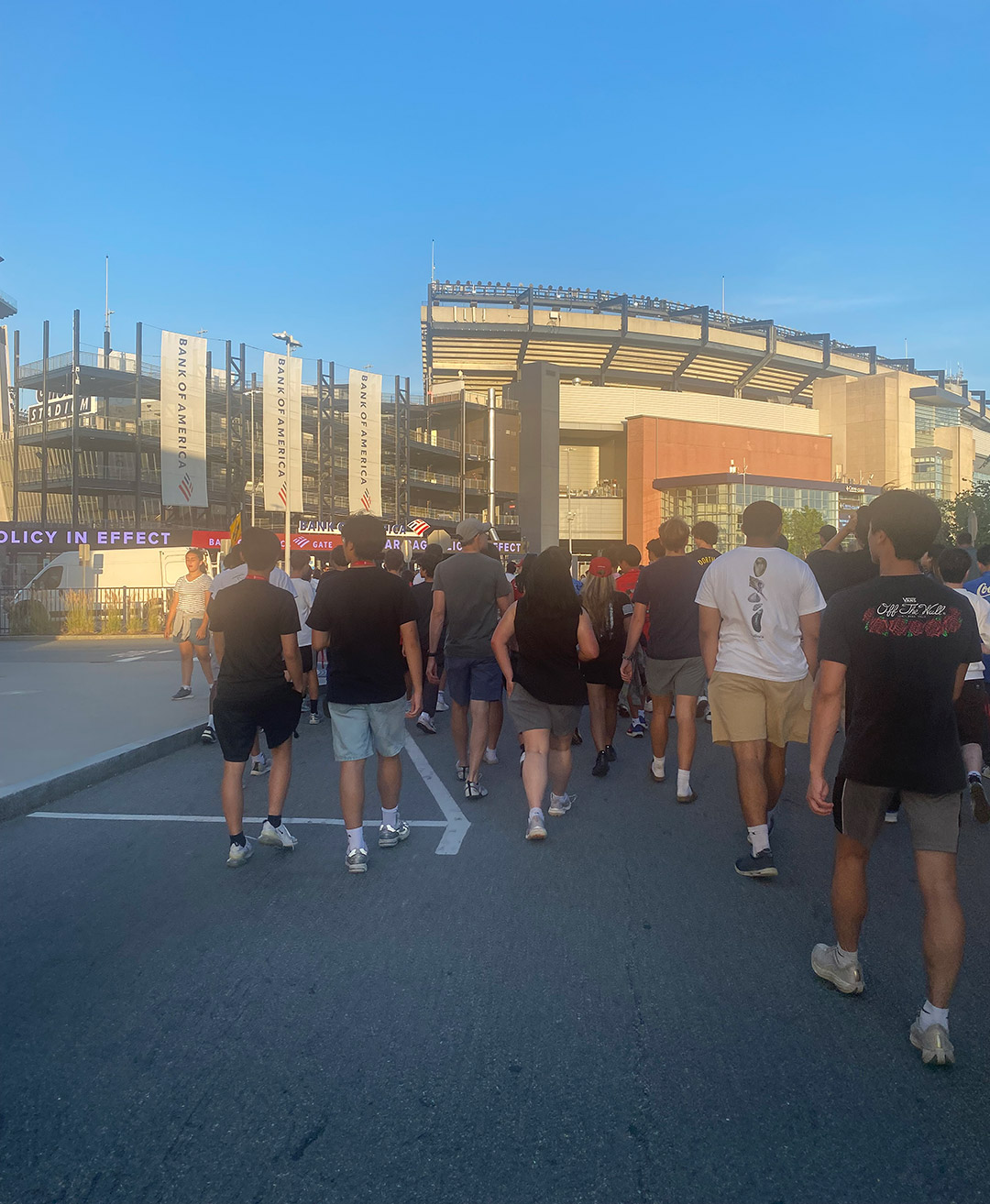
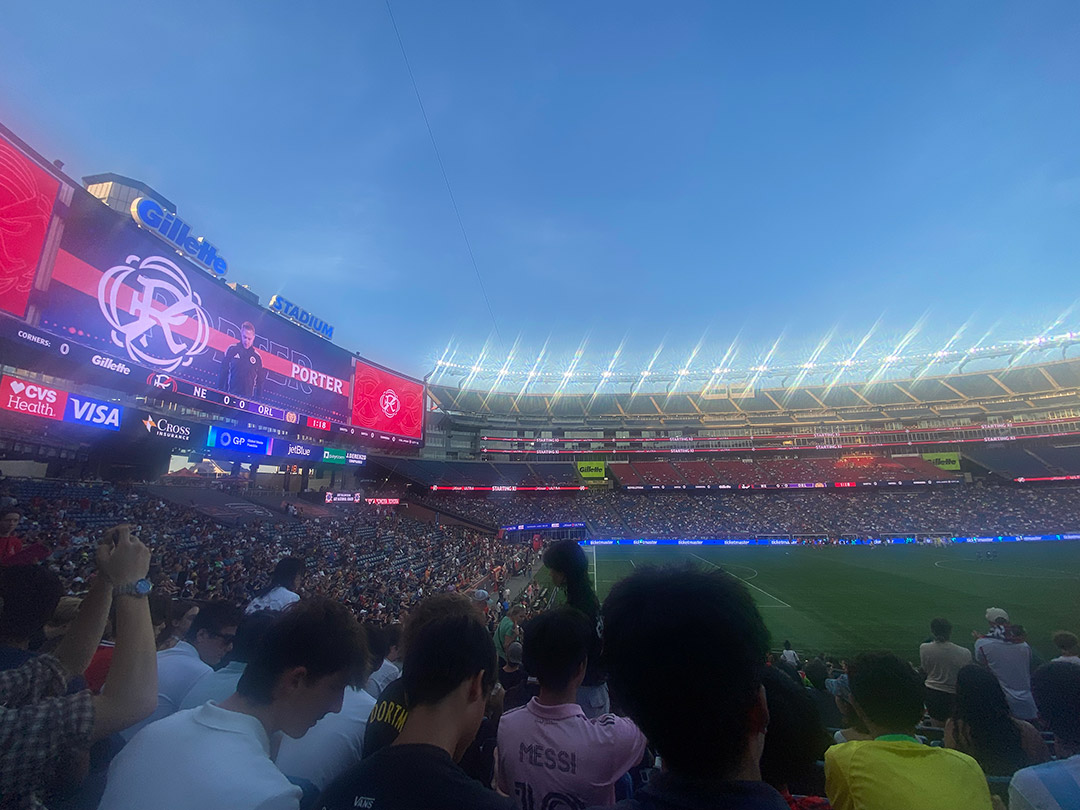
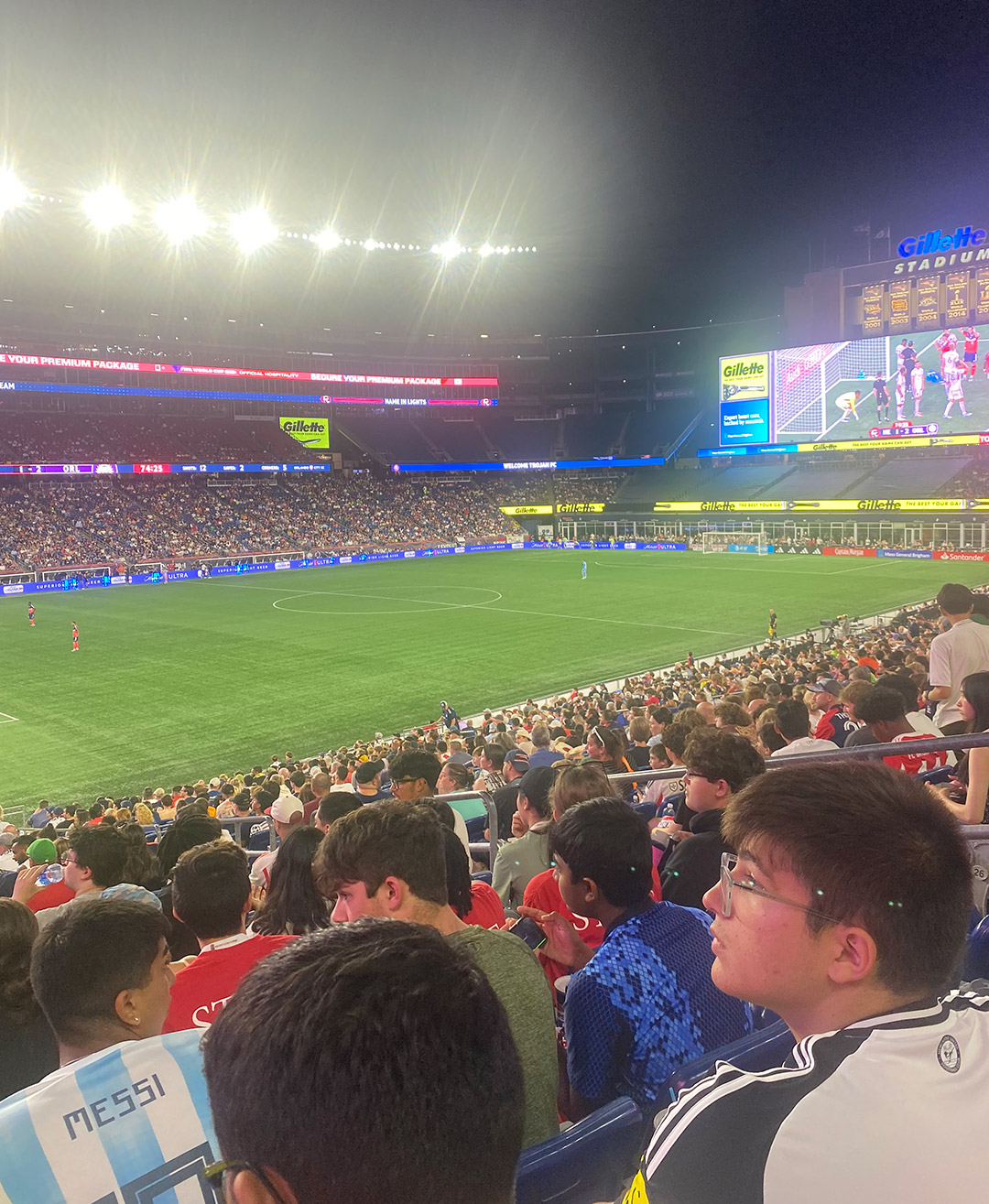
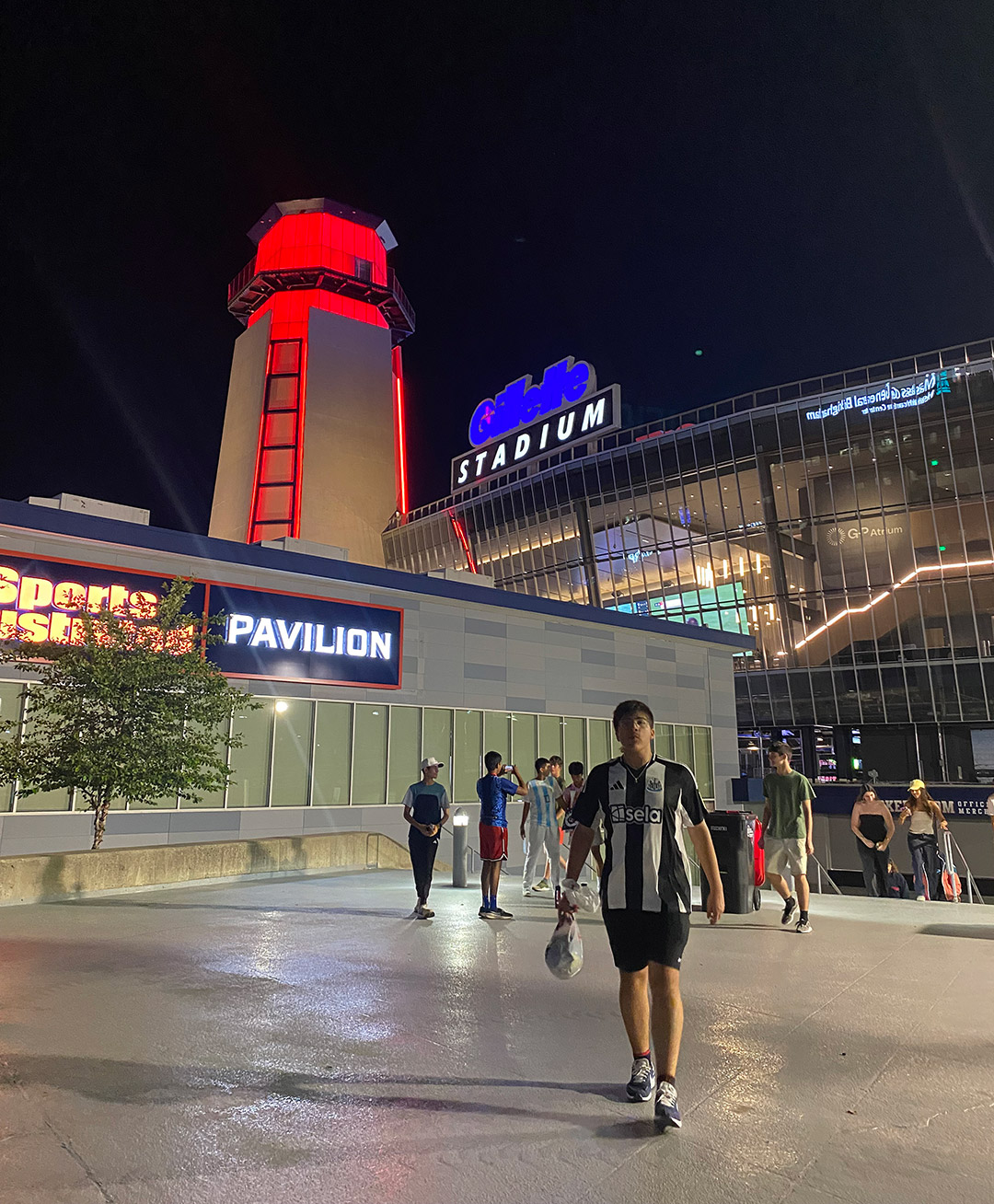
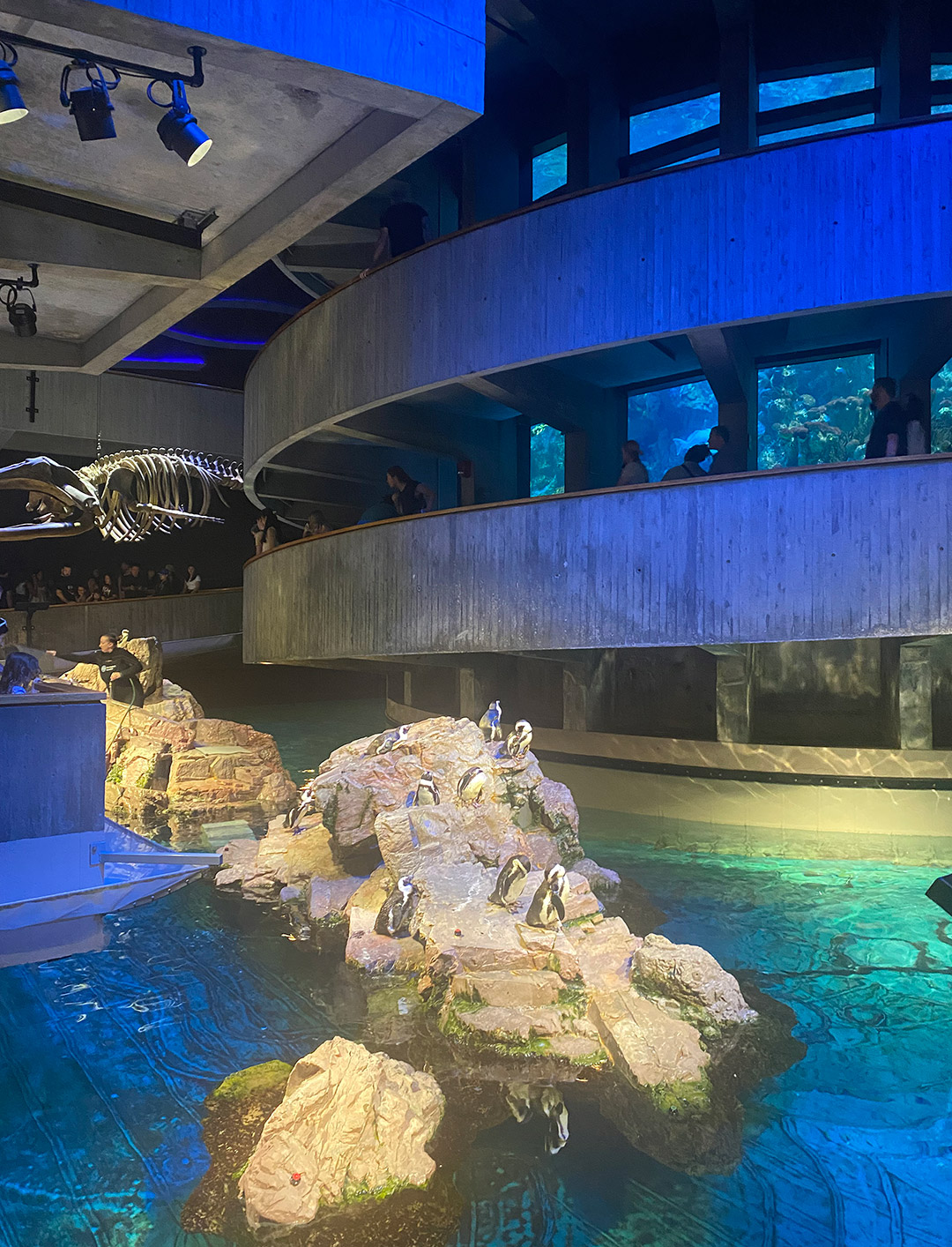
Over the weekend, Ryan visited the New England Aquarium in Boston and attended an MLS game at Gillette Stadium.
“The aquarium itself was pretty small, but the trip to Boston gave me a chance to explore the city a bit. The MLS game was also exciting as I got to enjoy Gillette Stadium, somewhere I usually associate with the NFL,” Ryan says.
“Overall, this has been a fun week, filled with learning and excitement. Next week, I look to continue the momentum I have built and finish the program strong,” Ryan adds.
Week Three — Trade and Climate Change
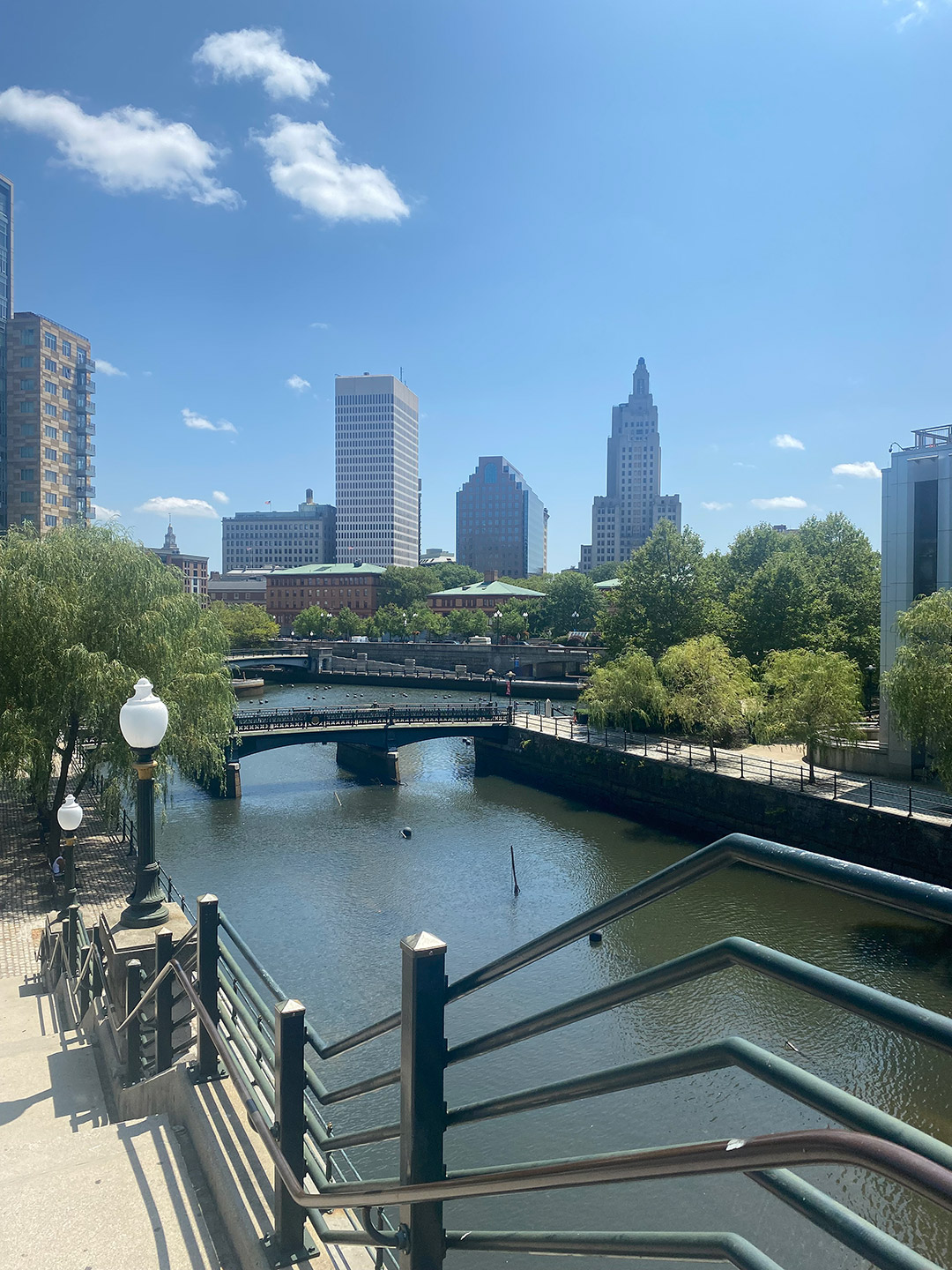
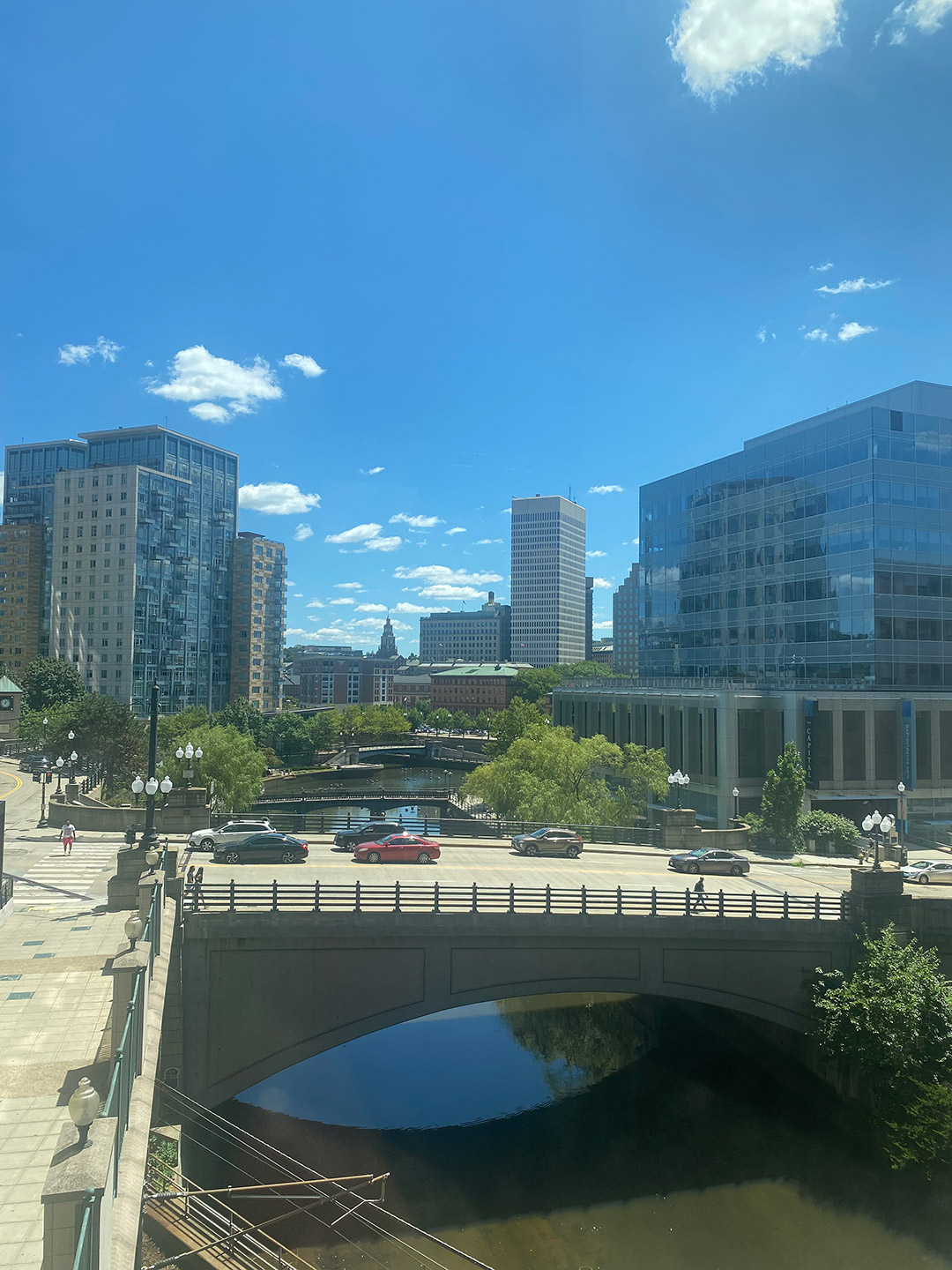
During his third and final week, Ryan’s course included lessons that combined political science with economics. When not in class, Ryan explored the city of Providence and the areas surrounding Brown University.
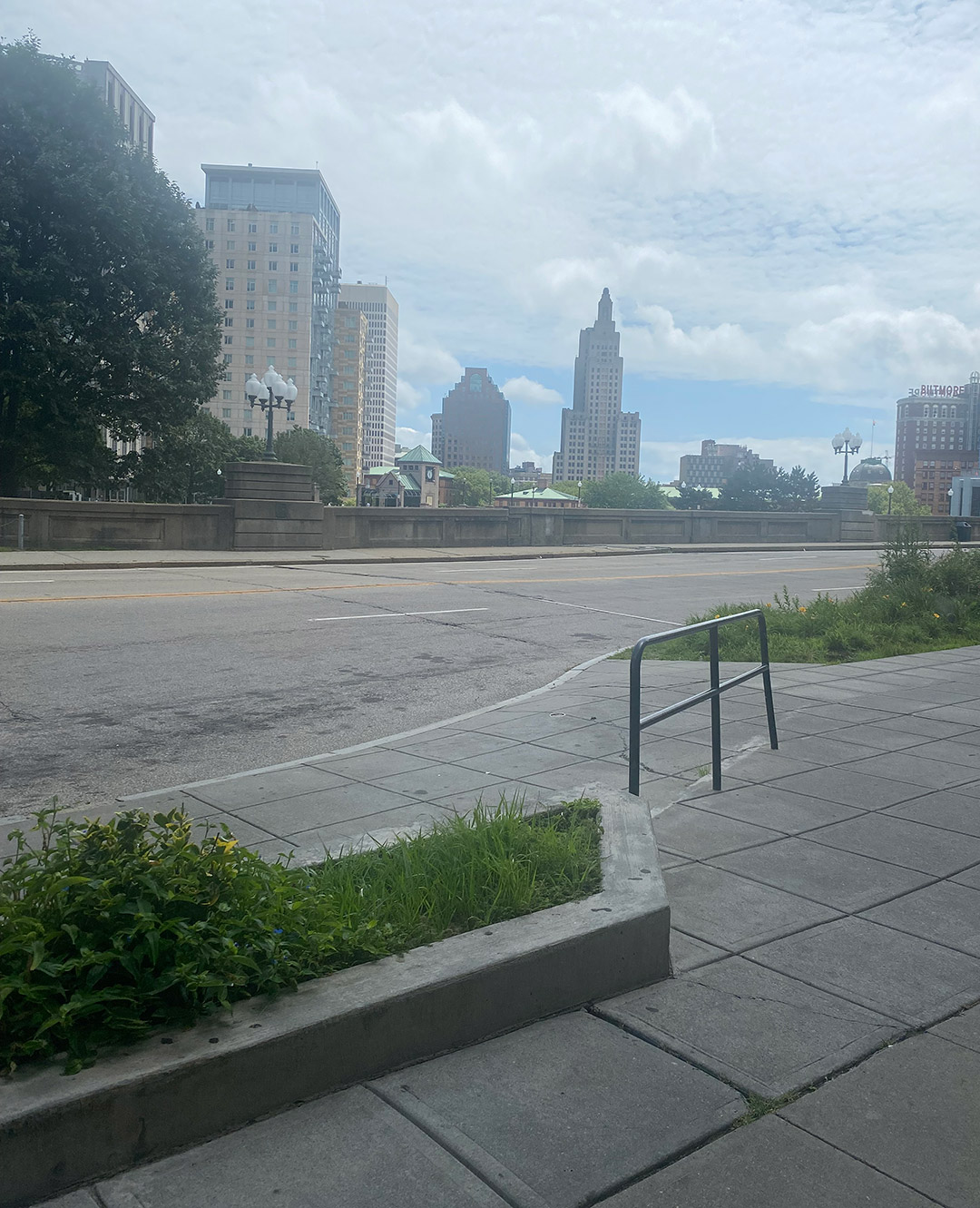
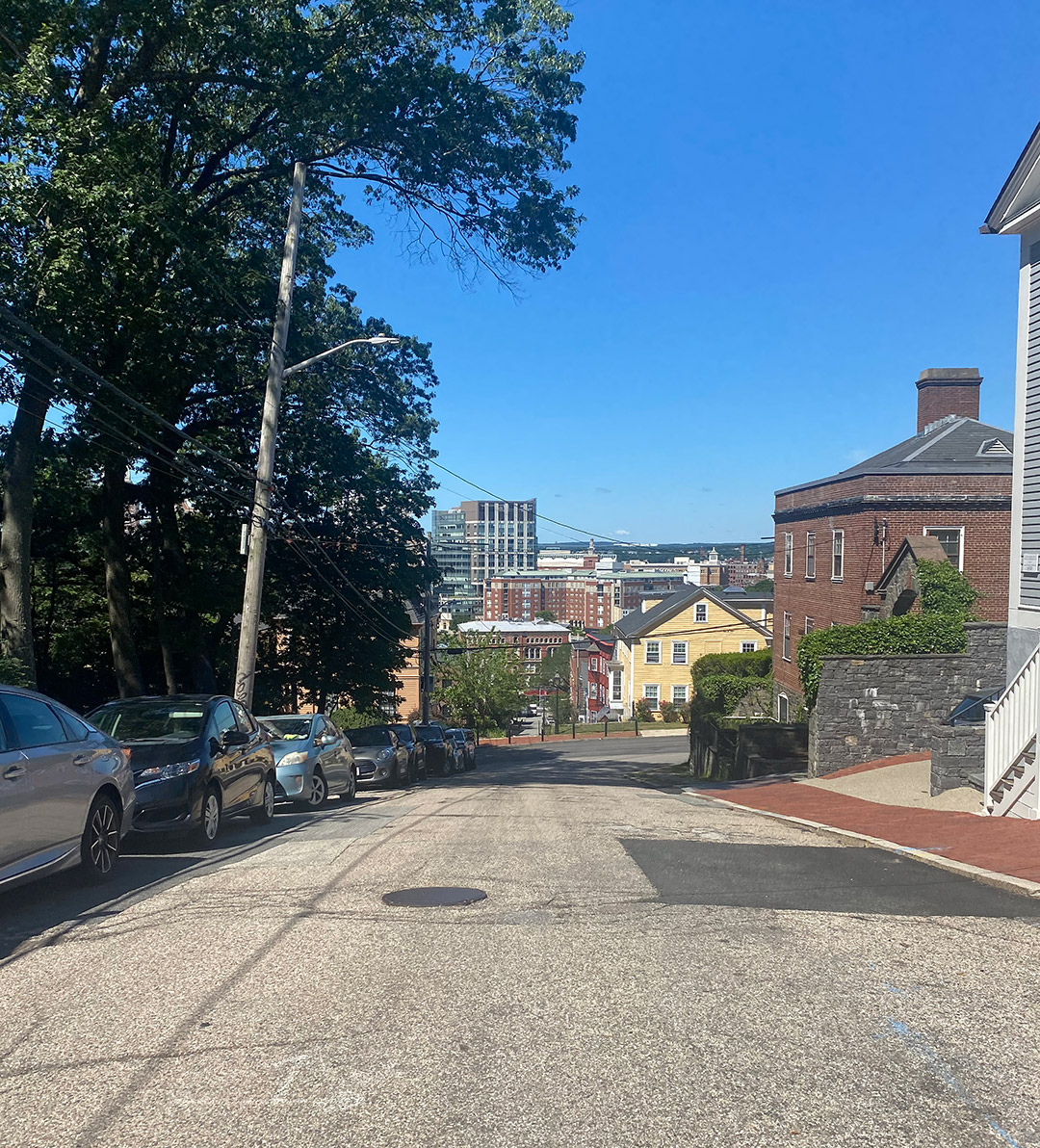
“Providence is a pretty small city, so it is really easy to walk everywhere. Instead of going swimming in the morning, I began a new routine of walking around Providence with friends, which I enjoyed a lot. The city of Providence has a little bit of everything: Historic buildings, modern ones, and a riverwalk. My least favorite part of my walks was the one back to Brown. Brown is located on top of a hill that overlooks Providence. On the way to the city, the steep downhill is not bad, but going uphill the way back is,” Ryan explains.
“In class, we have learned a lot about topics that combine political science with economics. In the first two weeks, we had to learn a lot of fundamentals so we could talk about issues this week. It is interesting to look at how economic topics are political, and the other way around. Specifically, we talked about trade and climate change. In economics classes, trade is seen as beneficial in general, which is true. However, economics does not look at who benefits and who loses. This is more of a political issue. If factory workers choose to lobby, then it becomes political. Their representation will likely fight free trade, which is not efficient. The essential problem is that there must be a way to share the benefits of free trade so that the losers are compensated. The environment is the opposite, where the topic seems non-economic, but economic principles can be used to model the problem,” Ryan says.
“This week has been very useful, as I have learned a lot both in and out of the classroom. Outside, I gained an appreciation for the city of Providence, and inside, I learned more about the world and how it runs. Overall, this week has been a fitting conclusion to a wonderful program,” Ryan adds.
We are so happy that you enjoyed your program and learned more about how the world runs both politically and economically. Good job, Ryan!
>> Read Ryan Dai’s final report (PDF File, 66 KB)
>> Learn about the other students’ experiences in the GFF Scholarship Program.