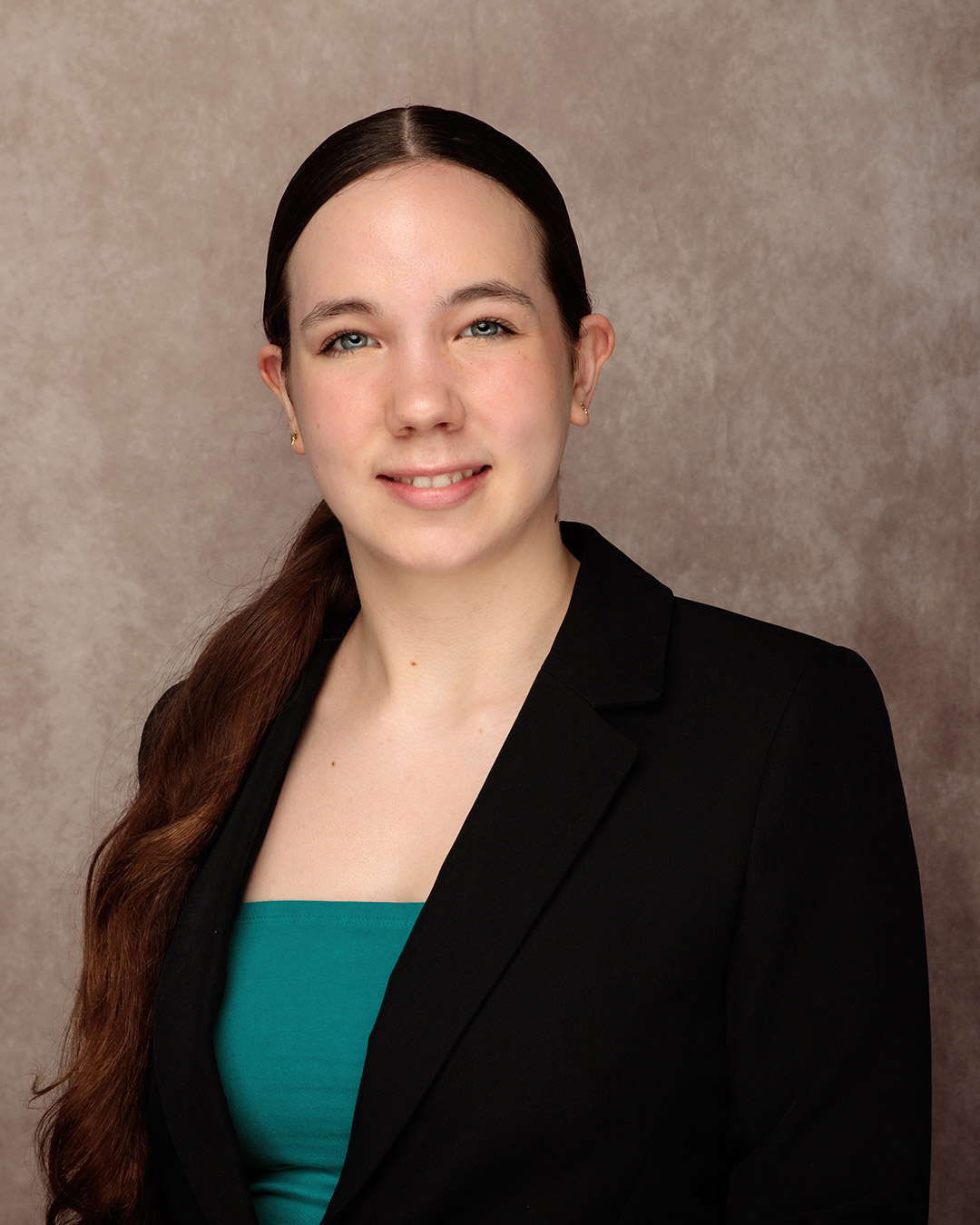
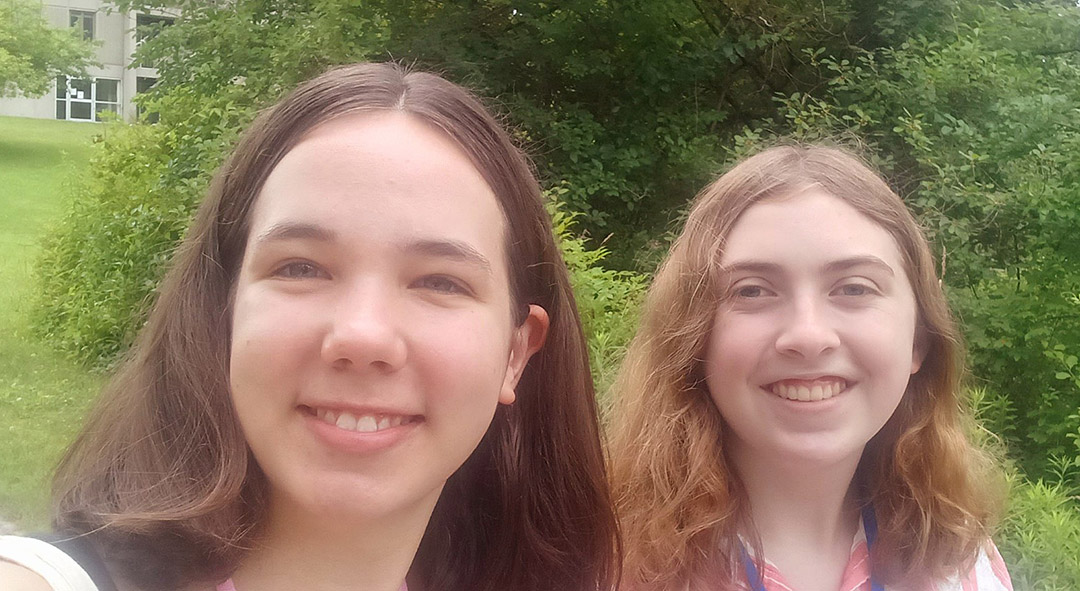
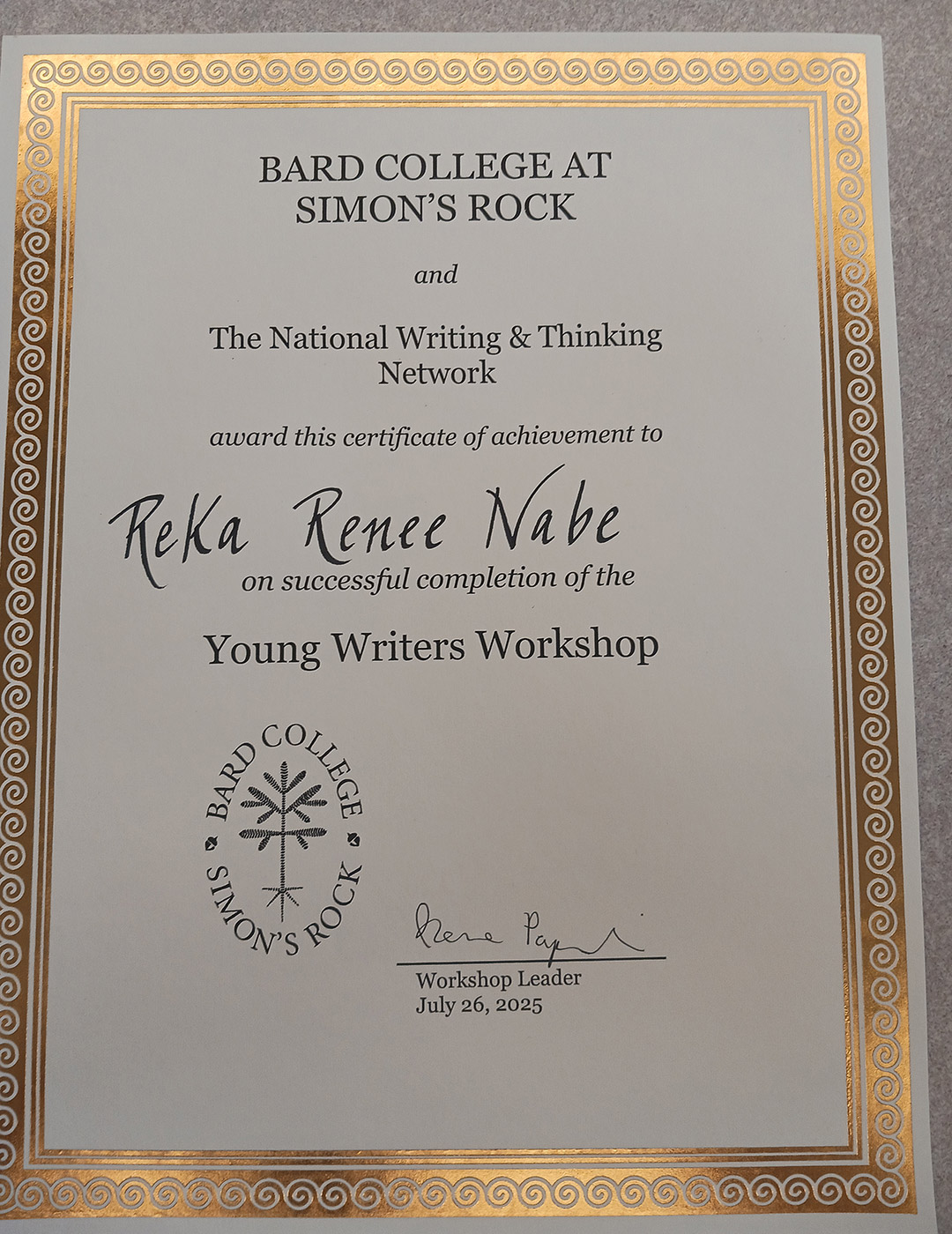
Reka Nabe reports on her first week at the Simon’s Rock Young Writers Workshop at Bard College. Reka was relieved to find her roommate to be very friendly, and that most of other students she connected with were “incredibly sweet and very easy to talk to.”
“We began the workshop with a full-group meeting and free write: two five-minute sections to write anything we wanted, whether it was the same word over and over again or a detailed story. Free writes, we were told, would begin every workshop session, helping to get our creative juices flowing and push away our perfectionist tendencies,” Reka explains.
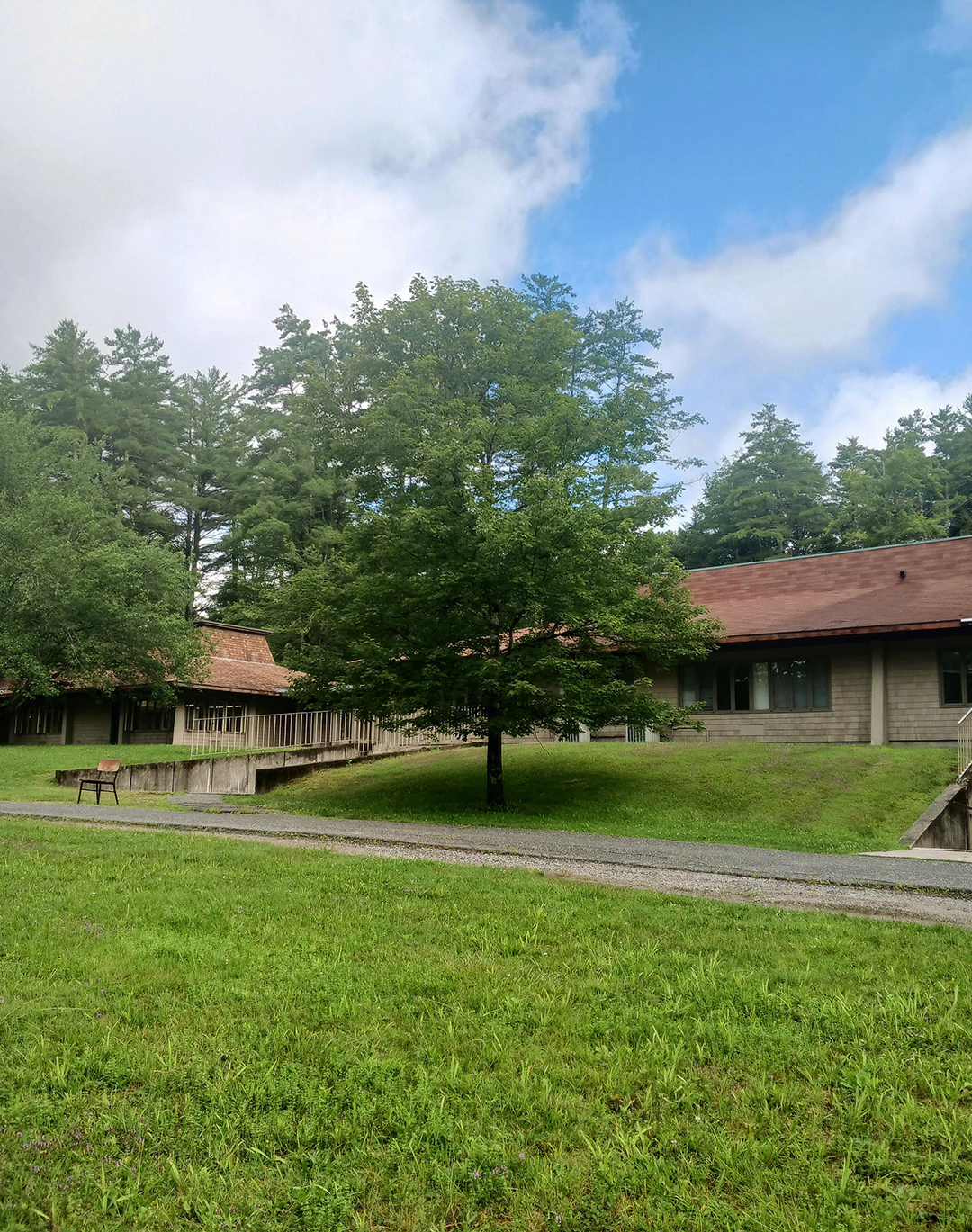
“The next day, we split off into our small workshop groups, and I was thrilled to see several familiar faces in mine. We generate a lot of informal work, and it makes it easier to pump out ideas for the more polished exercises. After classes were over, I discovered a quiet floor in one building with air conditioning and immediately claimed a desk to knock my assignments out of the way,” Reka adds.
“Later in the week, several of our small workshop groups joined together in a lecture center to learn about Dadaism, a movement during World War I that focused on ‘nonsense’ art forms to transcend nationalism and violence. Our workshop leaders posed us with the question, ‘Is there really no sense in nonsense?’ We shouted out random sections of the DADA Manifesto and the poem Gadji Beri Bimba by Hugo Ball to understand how the movement unifies (and it really does; everyone was smiling, laughing, and forgetting their issues by the time we finished). These pieces are literal nonsense—the first stanza of Gadji Beri Bimba closes out with, ‘Bluku terullala blaulala loooo.’ This means absolutely nothing in any language, and that is precisely the point: Dadaism isn’t targeted at any one group of people. After crafting DADA performances of our own–screaming, rolling around on the floor, writing the number seven on the board endlessly—we found that we’d given up on caring about looking stupid or being laughed at; the nonsense made sense,” Reka explains.
“As the week came to a close, we started assembling our portfolios full of work we wanted to share. I was surprised with the amount of content I could choose from for revision—about thirty pages in my notebook were completely filled. We traded the portfolios once done to receive commentary from our peers, which contained valuable criticisms and compliments. My workshop leader also told us she’ll review the work and meet with us one-on-one to discuss our goals for the upcoming weeks,” Reka adds
“My time at the workshop has flown by, and I’m eagerly anticipating what the next two weeks will bring. I’m also excited to see the neighboring town, Great Barrington, which we’ll be able to visit in the next few days. Week one is done,” Reka exclaims!
Week Two — Great Barrington & Collaborative Playwriting
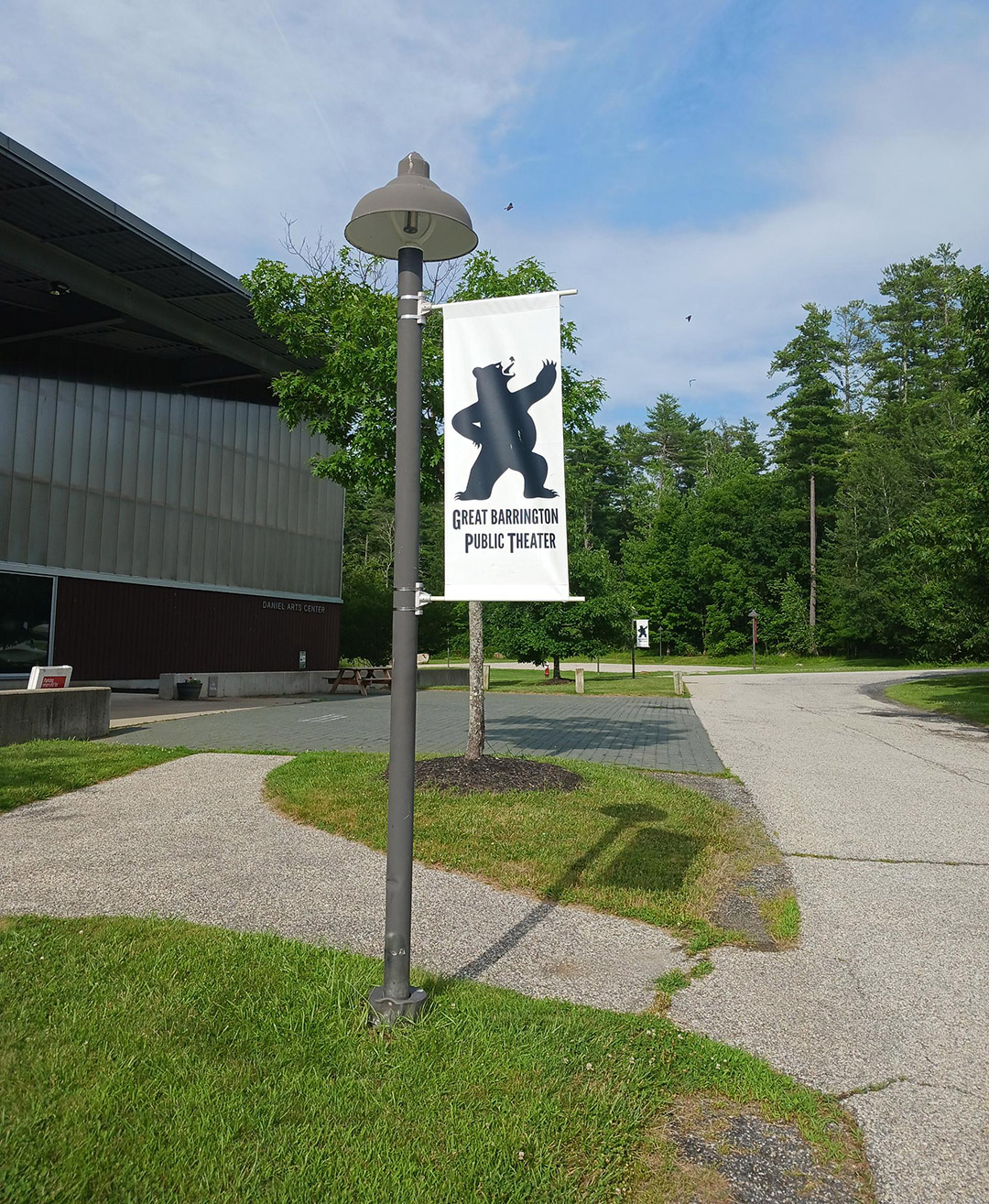
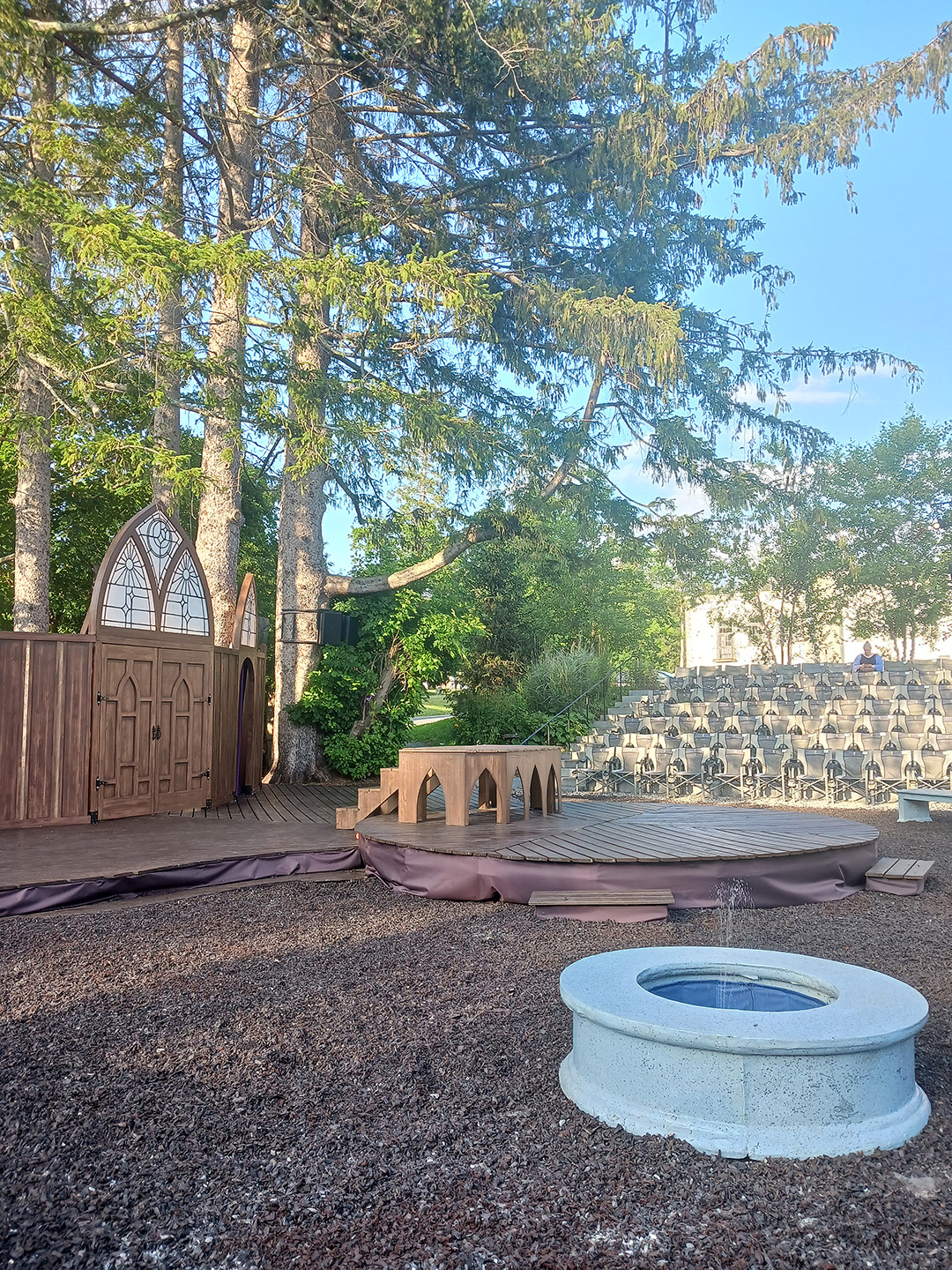
During the second week, Reka was able to explore the town of Great Barrington, where she and a group of friends went to see a rendition of Romeo and Juliet at a local theater. Returning to her workshop group, the class studied the work of Gertrude Stein.
“Back in our workshop groups, we explored some of the work of Gertrude Stein and wrote a little bit of free-flowing poetry containing the complete streams of thought that sprang from one food item, with absolutely no filter and as much onomatopoeia as we desired. It brought back a lot of my enthusiasm for writing, since I had been feeling a little ‘bleugh’ that morning,” Reka says.
Reka is pleased with the guidance she has been receiving from her group leader. “I’m definitely grateful that I ended up with the group leader I have, as she listens to our wants and needs and gives us a lot of creative license—we’re able to manipulate prompts as we desire, and “the answer is always ‘yes,’” Reka explains.
“We attempted collaborative playwriting in small groups, which resulted in a myriad of scenes, ranging from an interaction with an aggressive French couple in a hospital to a car going toward a police department at 200 miles per hour. It was a lot of fun, and the experience of attempting to write one piece as a group was brand new to me, so I learned a lot,” Reka adds.
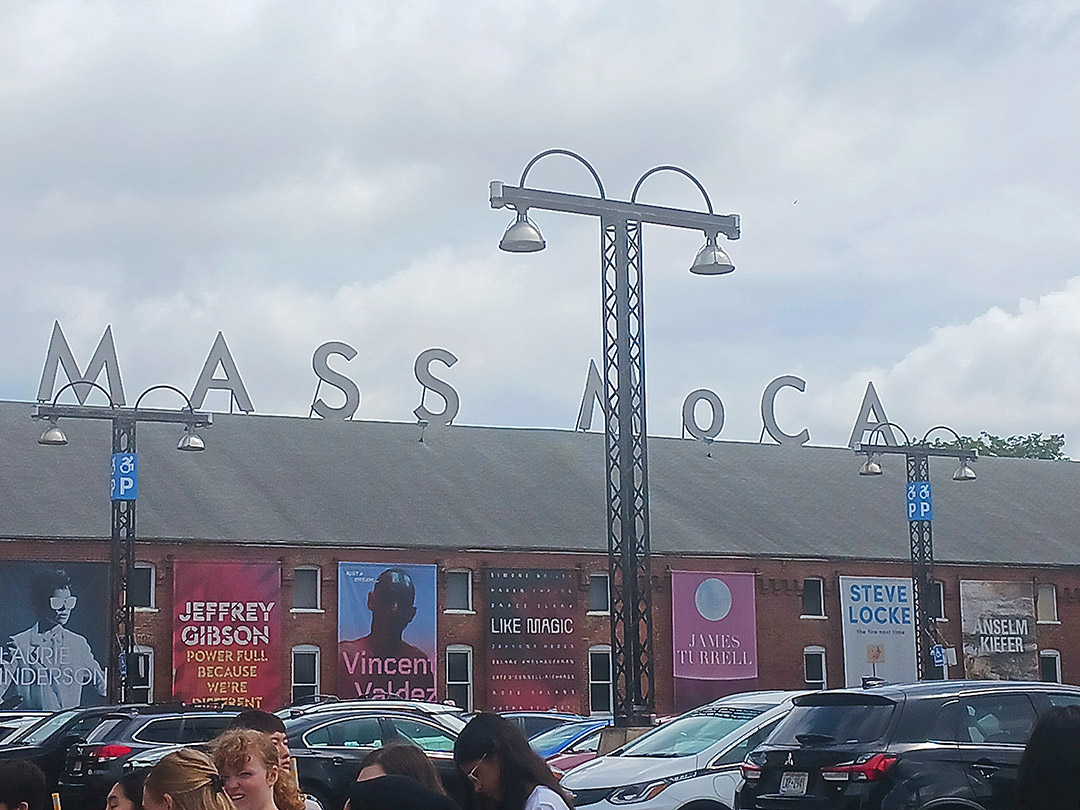
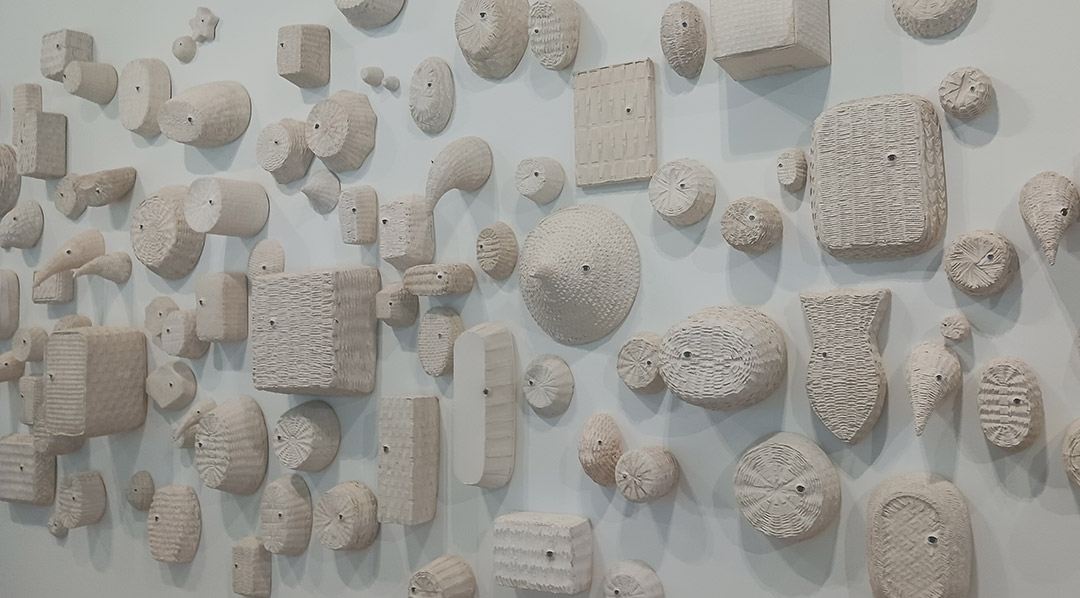
“On Thursday, we took a trip to Mass MoCA (the Massachusetts Museum of Contemporary Art). I often find that I’m not practiced enough with analyzing art to fully understand many of the pieces in museums, but Mass MoCA’s pieces were very subjective, with messages that were up to me to interpret as I pleased. This made it a lot easier to write about my favorite pieces as we were instructed—my writing was essentially just a thought dump rather than a futile attempt to wiggle my way into the artist’s mind. I especially loved the exhibit ‘Audience’ by Amy Podmore, which played with the relationship between the viewer and the one being viewed with doll eyes that stared and blinked,” Reka reports.
“We finished off the week with a playwriting workshop that included all eight workshop groups. We’re developing short skits that we’ll perform next week, and we have a lot of creative liberty, so my group’s script is very comedic. I’m really excited to see how all of the groups tackle this project,” Reka says.
Week Three — Why Write?
Reka says that her third and last week at Simons Rock began with a workshop “to focus on why we write.”
“We analyzed pieces by George Orwell, Joan Didion, and Paul Auster that conveyed the authors’ motivations for writing. Auster’s piece was my favorite–he wanted to tell about his own life experiences, the miraculous memories that would remain bottled up in his head if never put on paper. He demonstrated this by narrating impactful stories instead of simply telling the reader the answer to his question: “Why write?” We each worked on our own Auster-inspired vignette, and I had a lot of fun dredging up memories I’d completely forgotten about,” Reka says.
“One evening, we gathered in a performance hall for peer readings—several people volunteered to read a piece they had written. It was interesting to see how large the variety of topics and styles was, since we’re all so similar in age and share a passion. Some people wrote about homesickness, and others about the current political climate, but the pieces were all clearly emotional for the readers,” Reka adds.
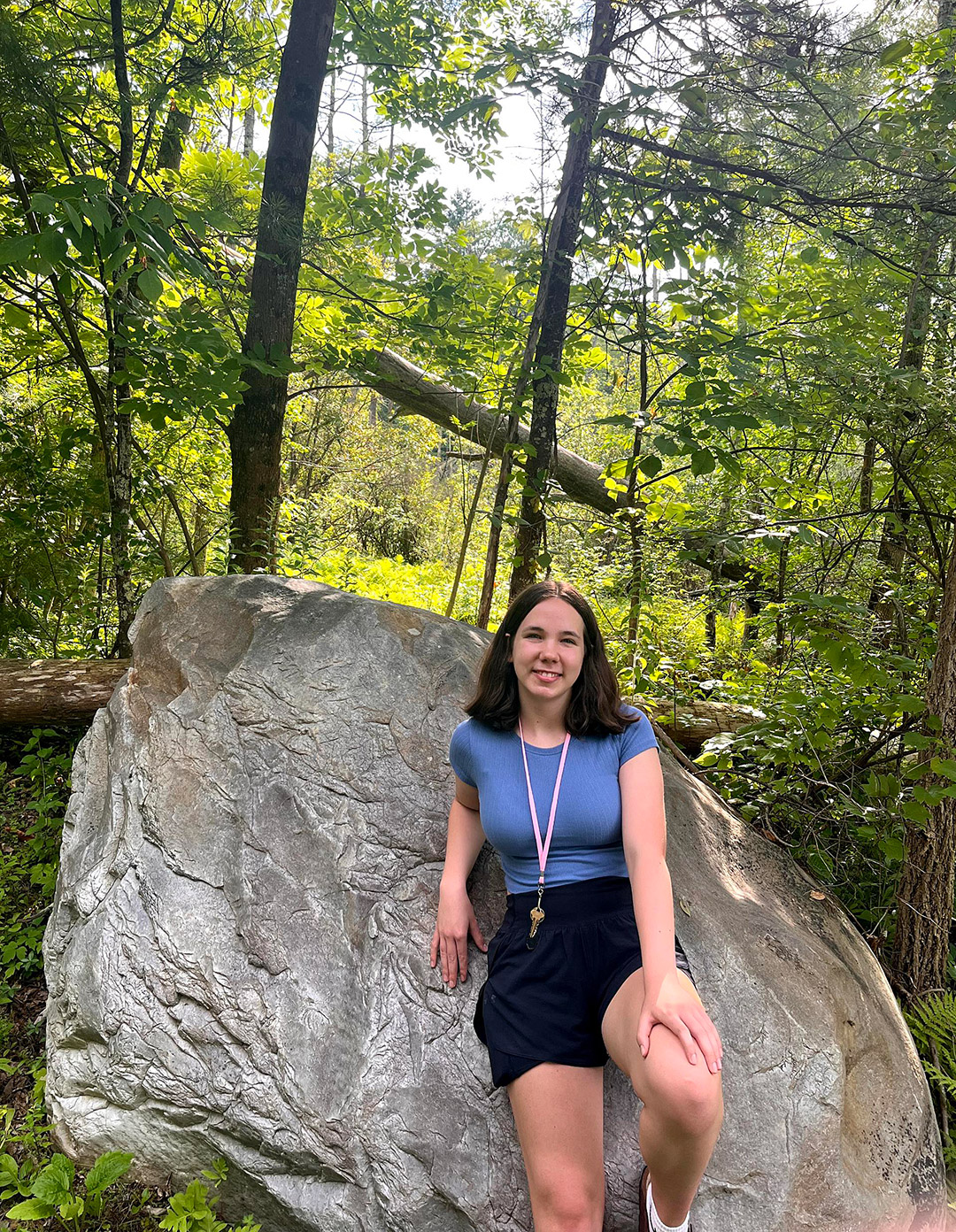
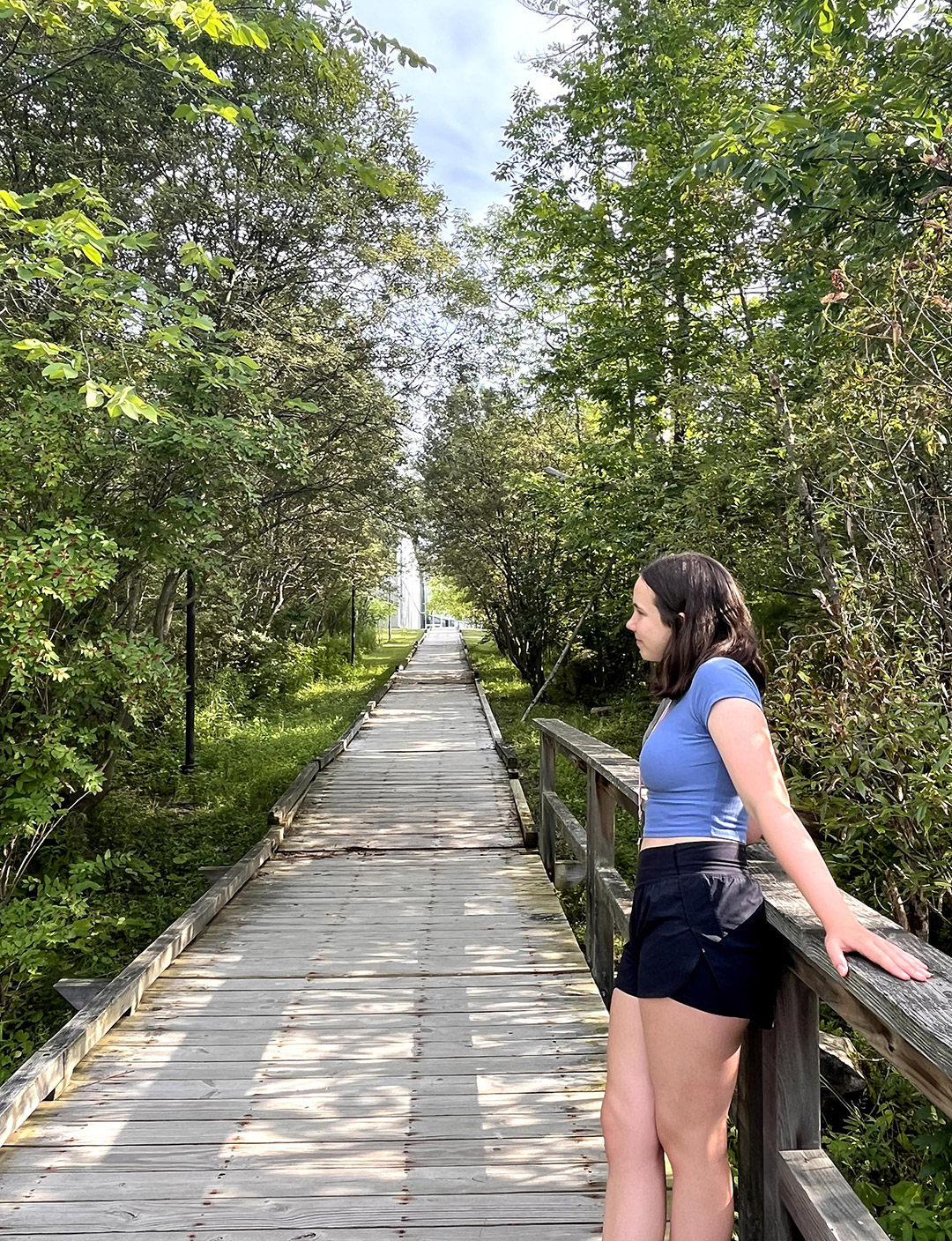
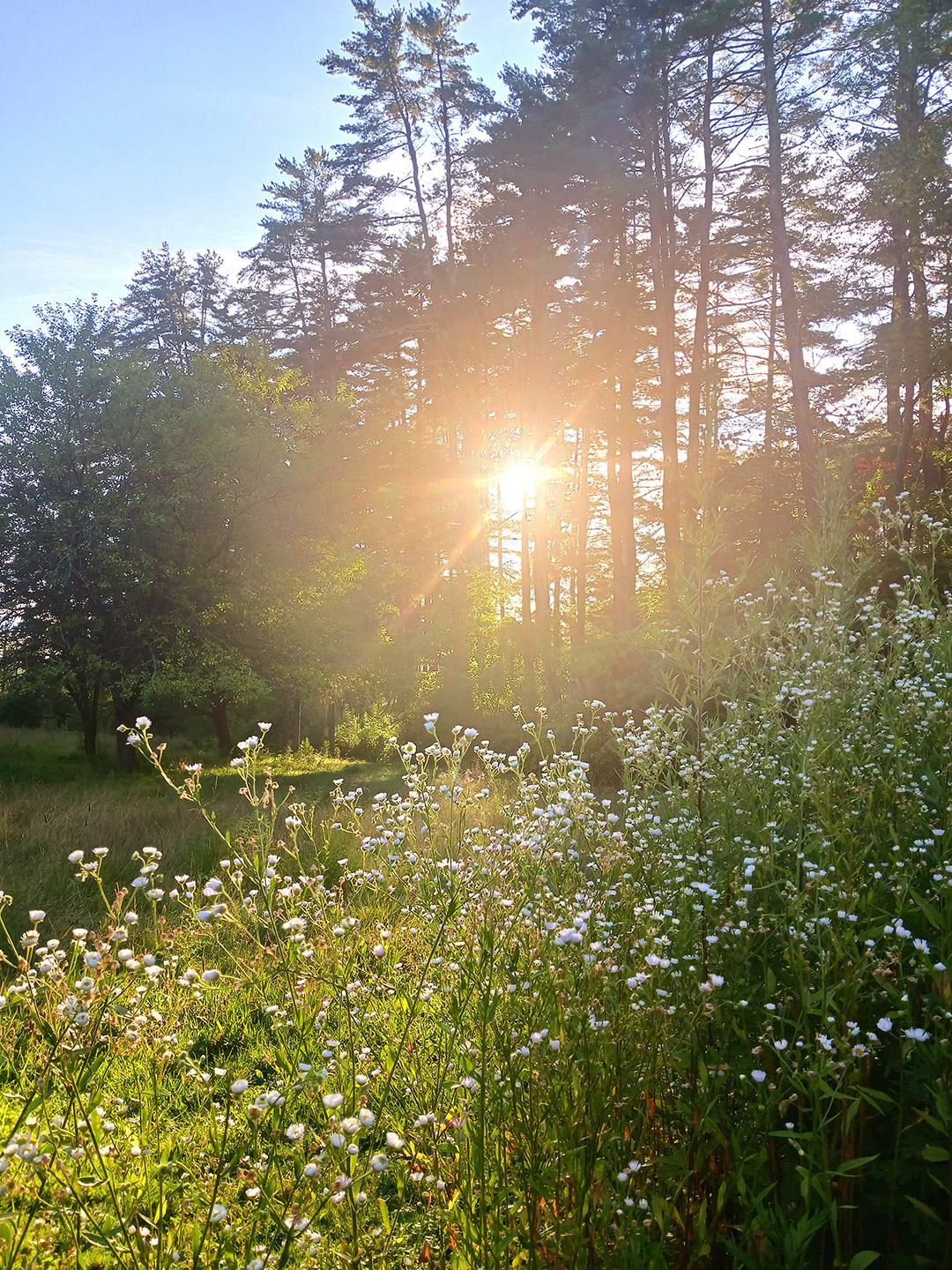
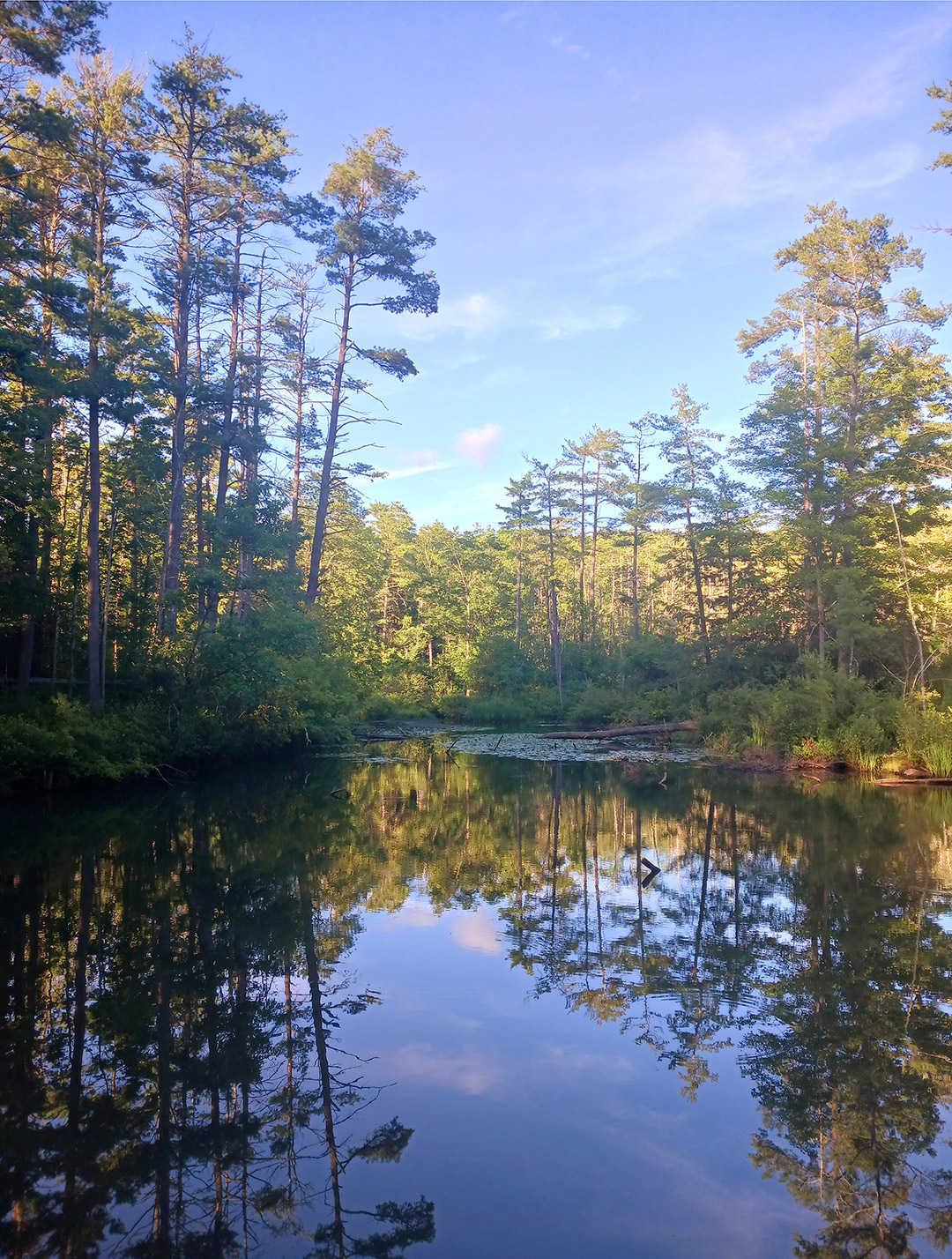
“Our last day of regular workshops began with two full-group sessions in which we focused on connecting with nature like Matsuo Basho, the inventor of the haiku. We went outside and explored new areas, writing about what we saw, heard, and felt. We shared the writings we did based on our experiences and addressed postcards with short excerpts from our pieces to our peers. In October, I’ll receive a postcard from another young writer with a few lines about their perception of campus—I can’t wait to see how that turns out,” Reka explains.
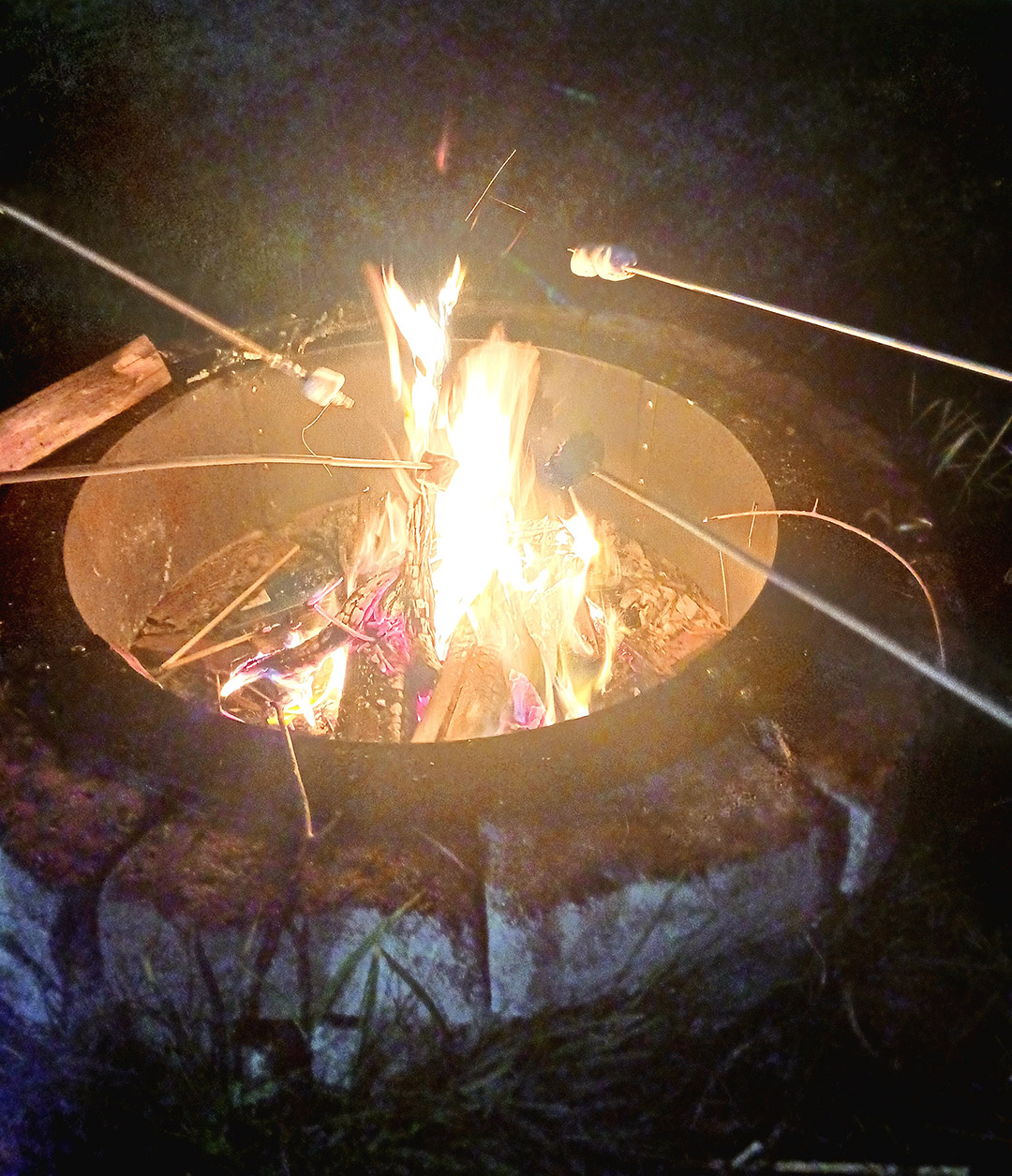
The week ended with “one-on-one” meetings with workshop leaders and valuable feedback from instructors, followed by a farewell bonfire for the students’ last night together.
“The past three weeks have been very turbulent, but looking back, they’ve been some of the most memorable times of my life. I can hardly believe the Young Writers’ Workshop is over; it feels like just a few days ago I was unpacking my suitcase. I’ve grown massively as both a writer and a person, and I know this experience will stick with me,” Reka says.
We are happy to hear that the workshop has helped you grow both personally and as a writer. Great work, Reka!
>> Read Reka Nabe’s final report (PDF File, 64 KB)
>> Learn about the other students’ experiences in the GFF Scholarship Program.