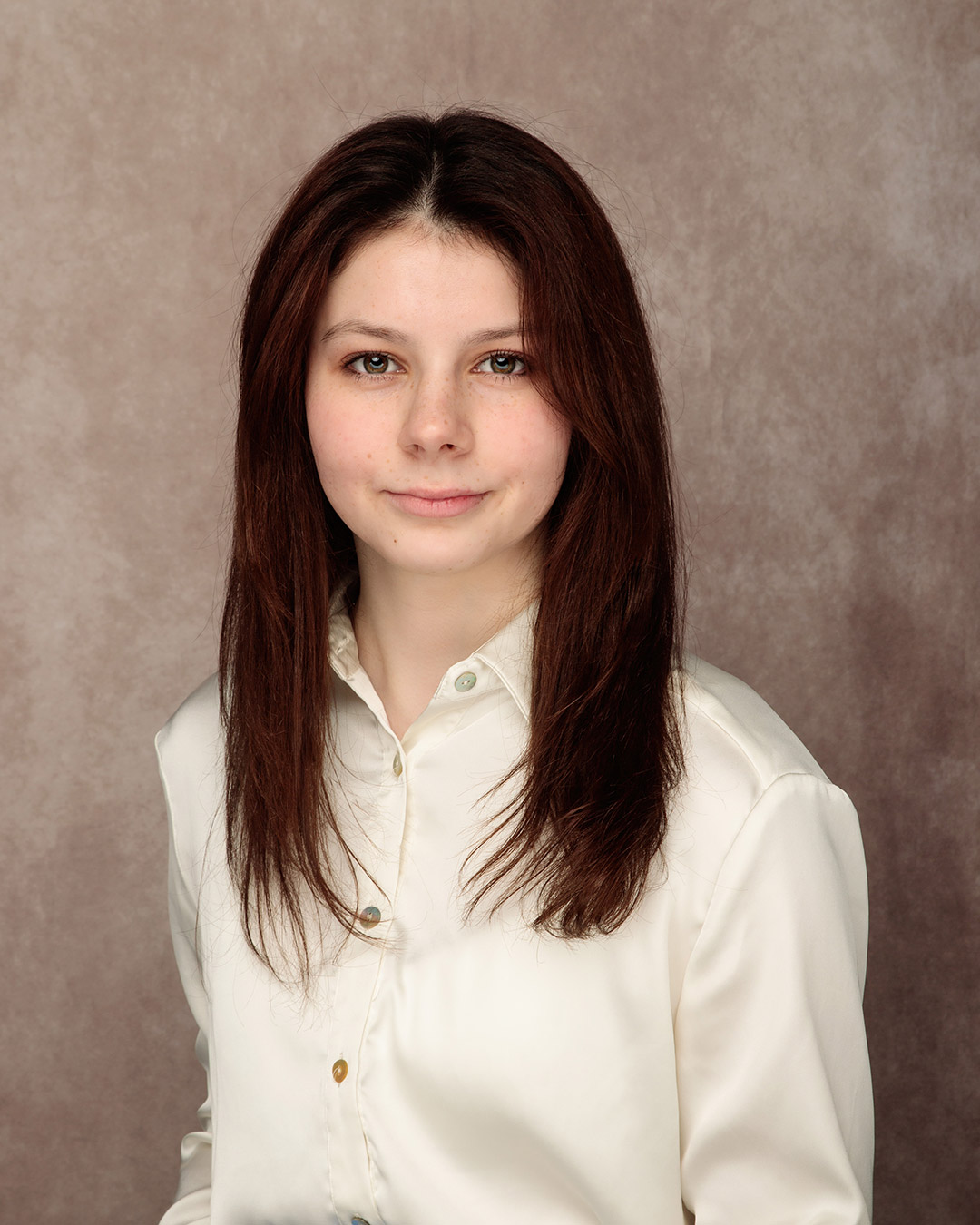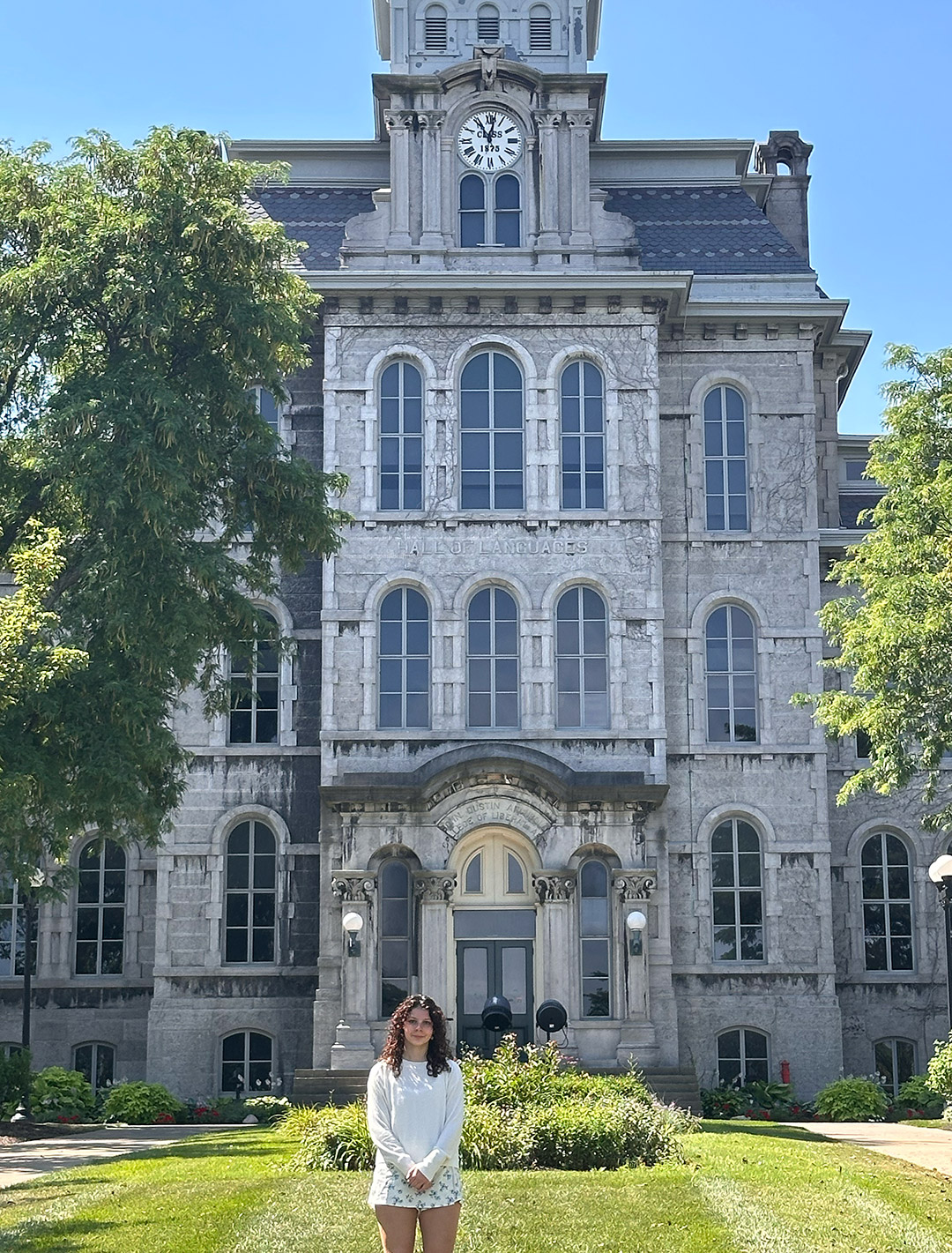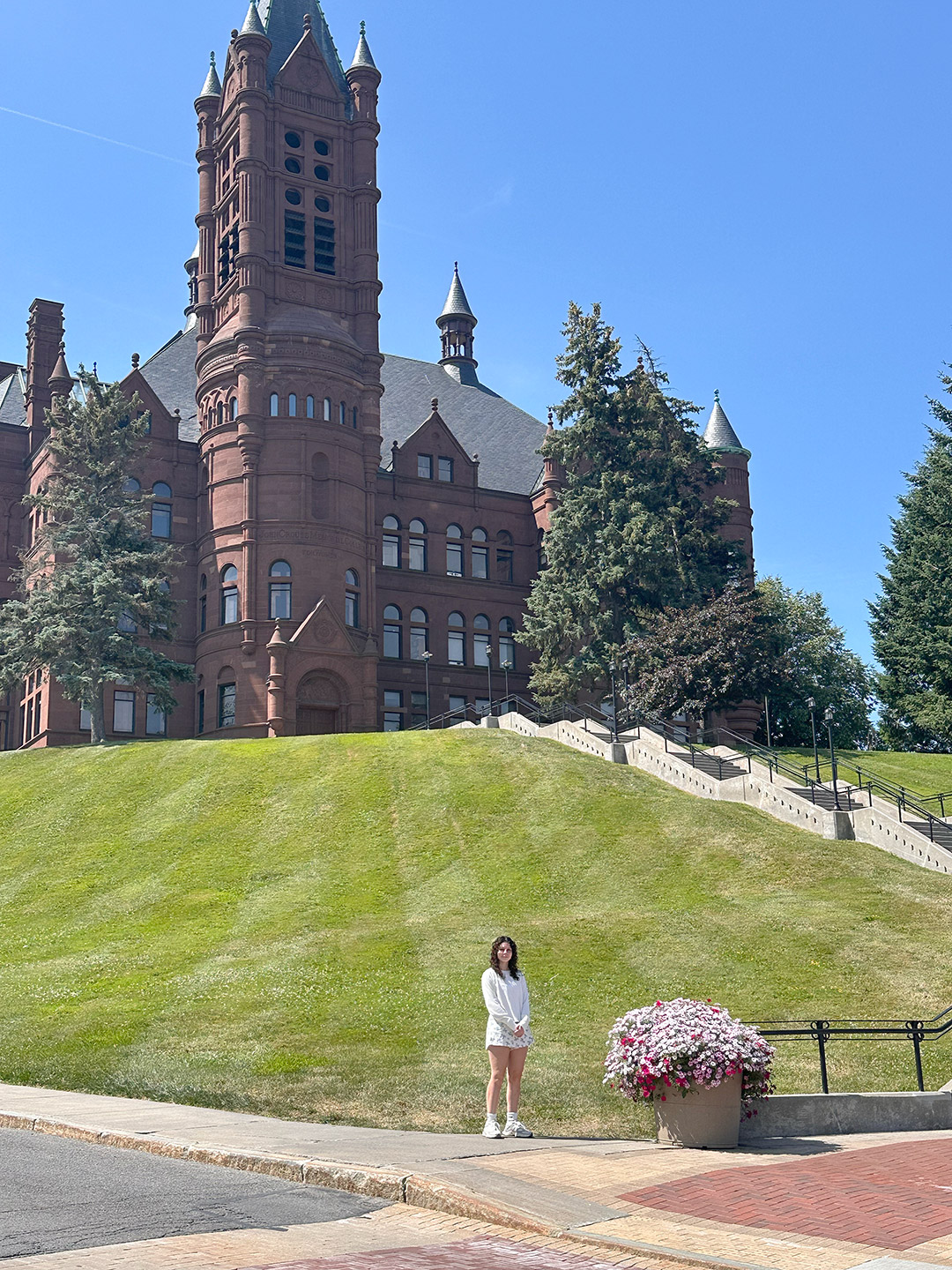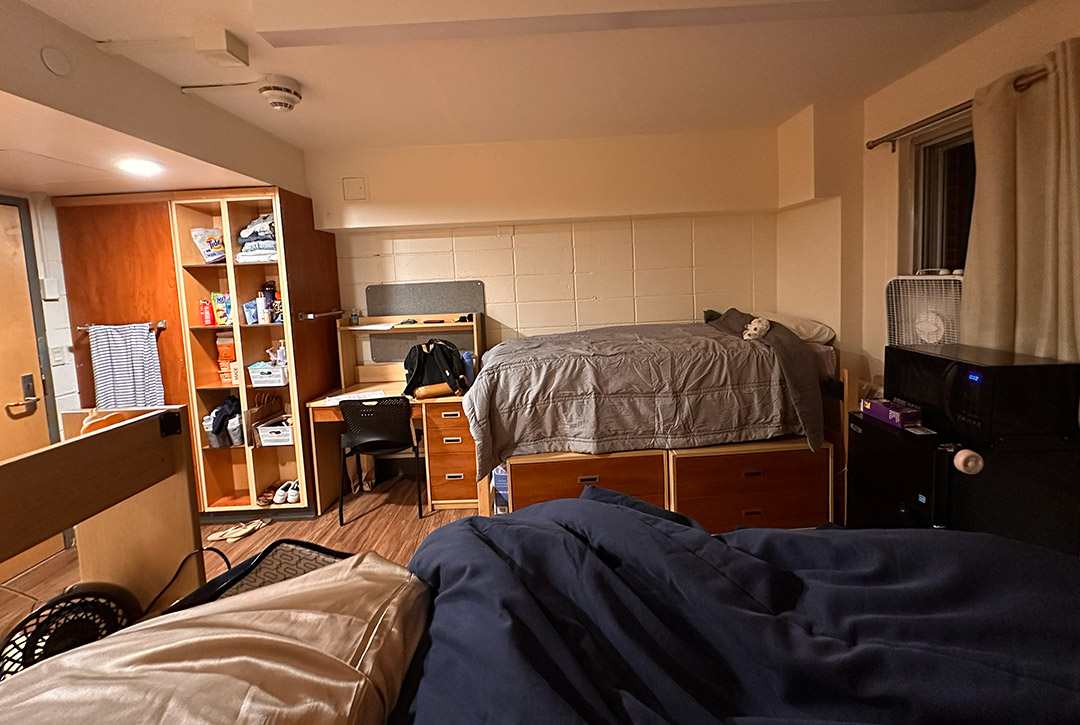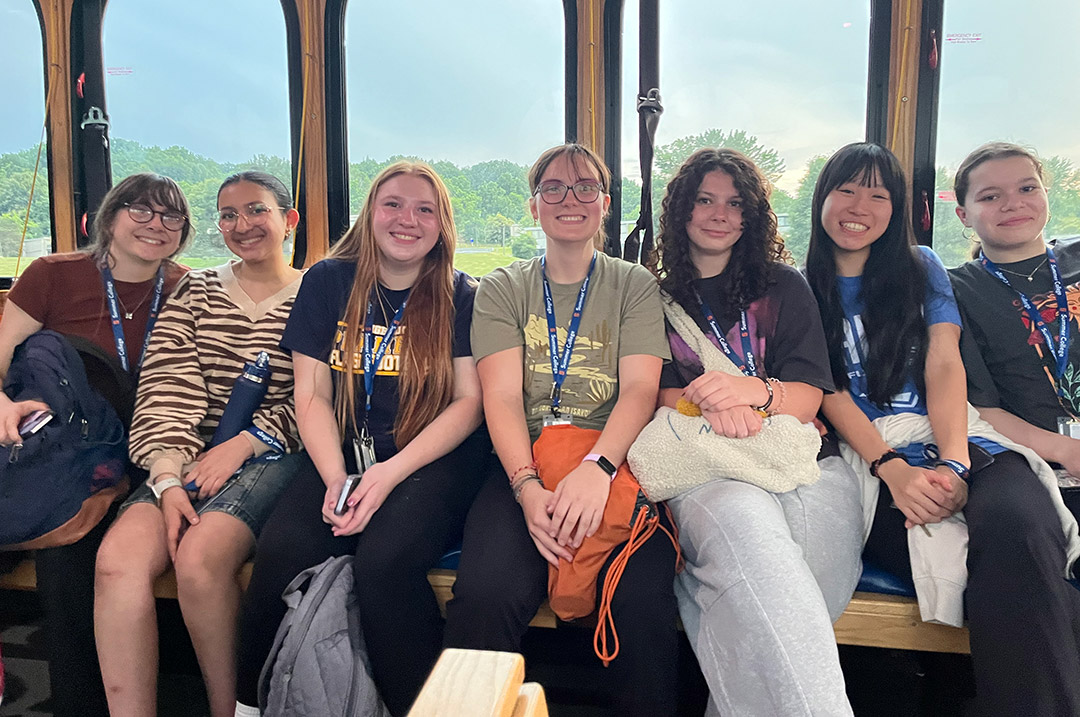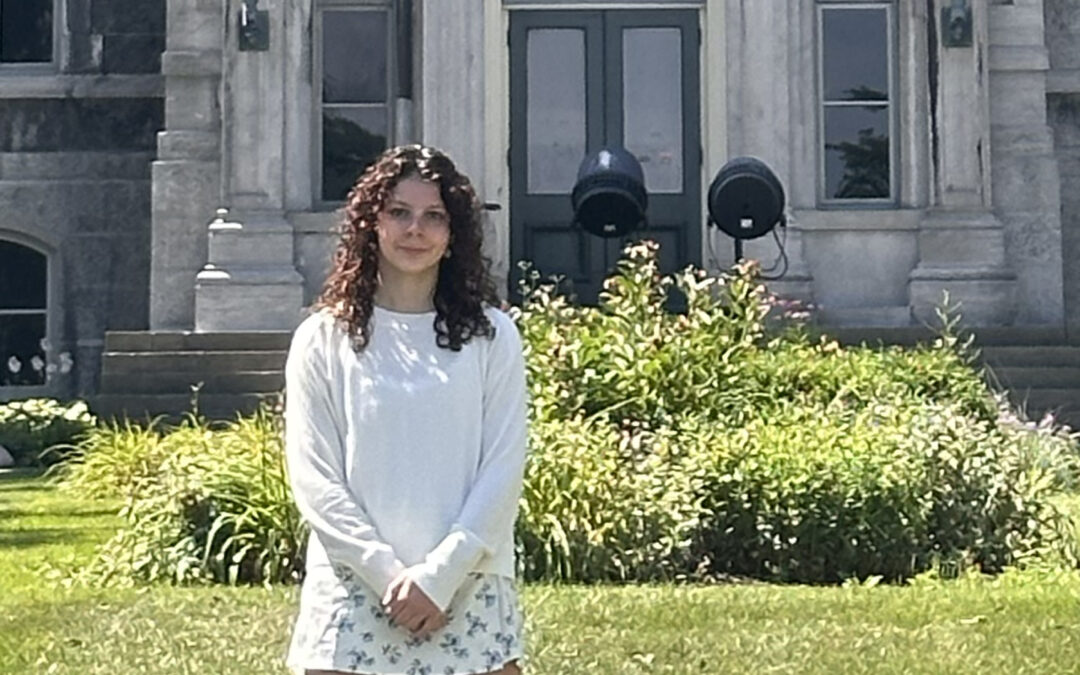
Margaret Davis reports on her first week at the Syracuse University Summer Pre-College program, where she is studying Architecture. After settling in, meeting her roommate, and attending orientation, Margaret was assigned to her group.
“This week’s projects were very independent and also very hands-on. On the first day, our professor had us introduce ourselves and share our hobbies. We then began our lessons, starting with the meaning of architecture, from the Latin words chief and builder. We explored architects’ views on the craft and process, and most importantly, we learned about the four architectural elements: hearth, earthwork, framework/room, and enclosure. We also studied two construction typologies: tectonic and stereotomic. With the help of image references, we understood that these two typologies would be the foundation of our upcoming projects,” Margaret explains.
Our projects have involved making models and sketching them, something I was extremely excited about. I hope to fill my portfolio with these models and sketches. I’ve never completed a project perfectly on the first try; I’ve always redone them. Even though it takes extra time, redoing projects gives me confidence and helps me better understand the process. The TAs have been incredibly helpful, always offering great feedback. Reworking the projects was never something they forced. I chose to do it myself because I wanted to improve with each attempt. Sometimes, this meant working outside of class hours,” Margaret adds.
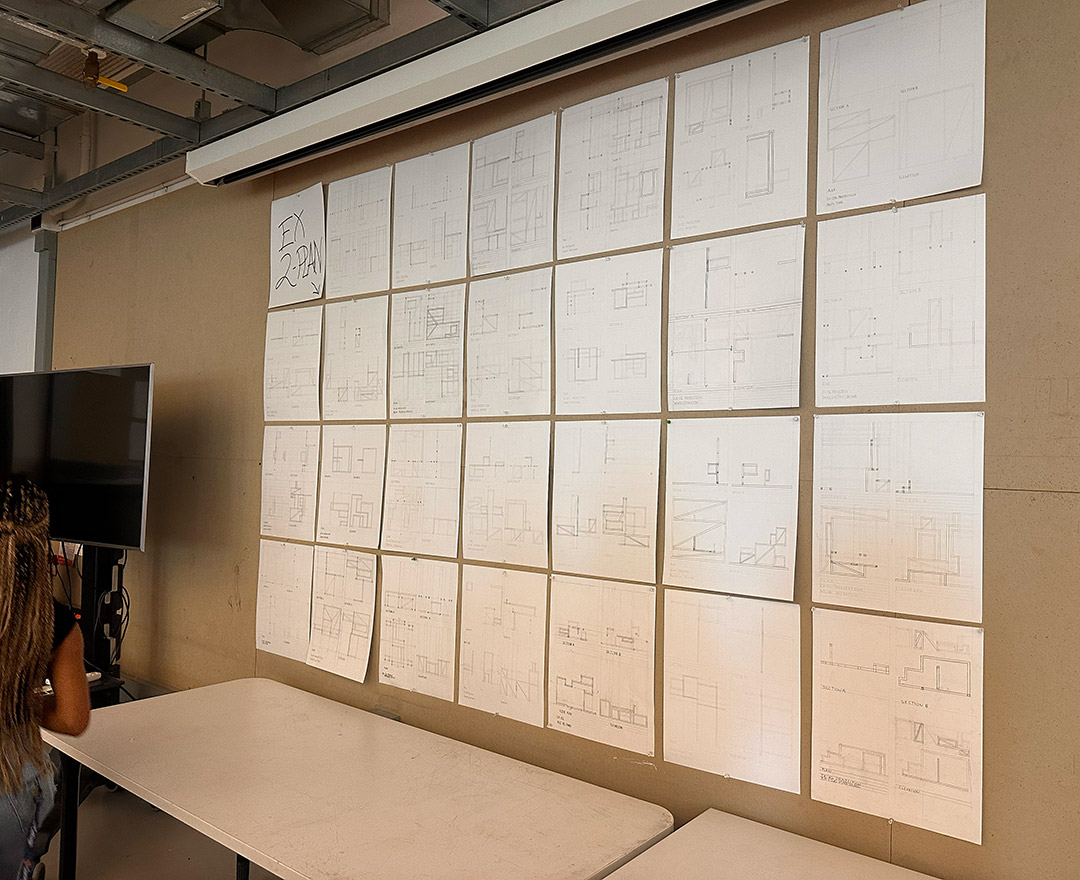
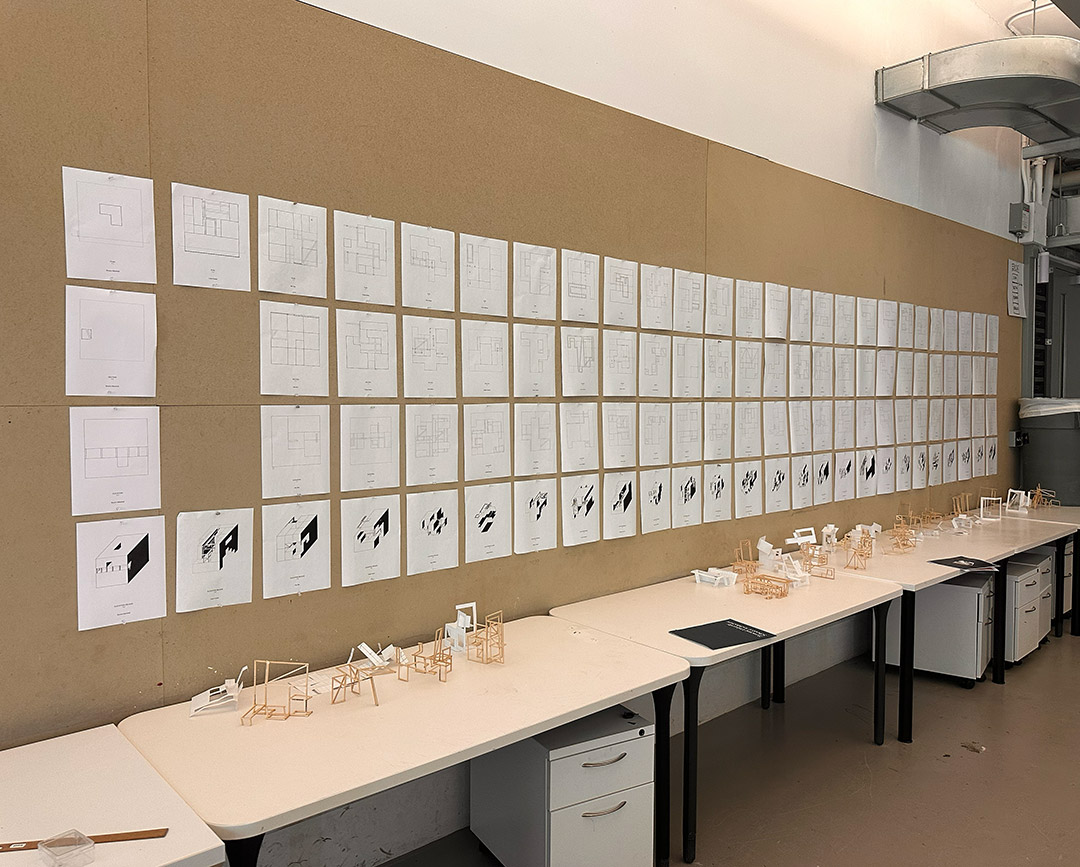
The program offers studio hours after dinner at 6 PM, allowing us to work on unfinished projects and talk with TAs. Each project builds upon the last, gradually forming a larger, interconnected project. I’ve learned how to draw architectural sketches, like a plan, two sections, and an elevation. A plan is a top-down drawing of a structure, as if the roof were removed. A section is similar but shows the building sliced vertically from the side. An elevation is a straight-on side view of the structure. Another sketch type I learned is called axonometric perspective. It was my first time drawing one. It was hard to comprehend, but I ended up enjoying it a lot. Despite being new to it, I received an excellent grade and minimal corrections. I’m proud of the work I’ve produced, especially since it’s all my first time trying these techniques,” Margaret says.
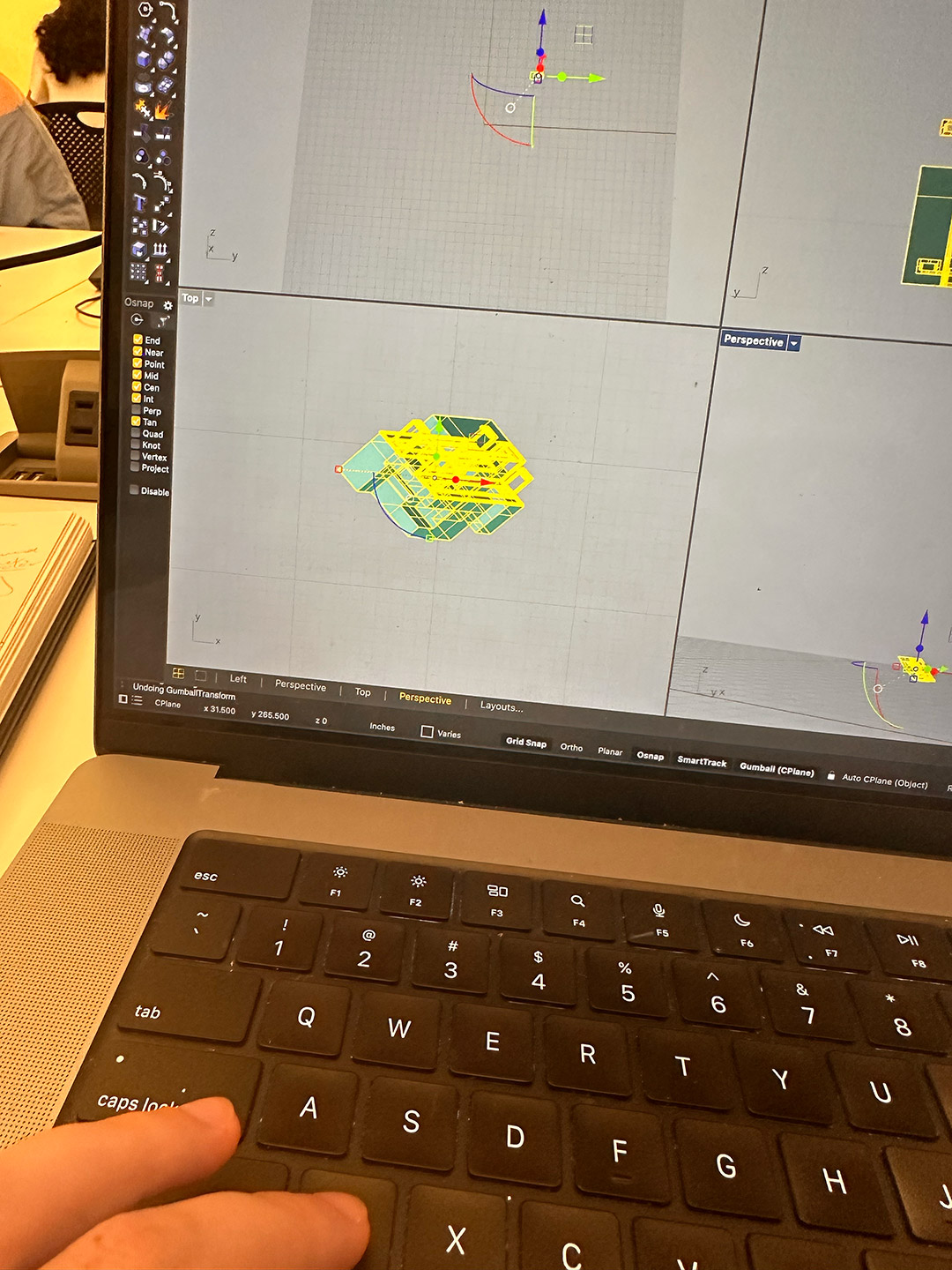
“Towards the end of the week, we began working on Rhino, a 3D modeling software I had used before, but I never really learned the commands properly. This time, I quickly picked them up, which allowed me to help my peers. This experience gave me valuable techniques to practice and excellent content for my portfolio,” Margaret reports.
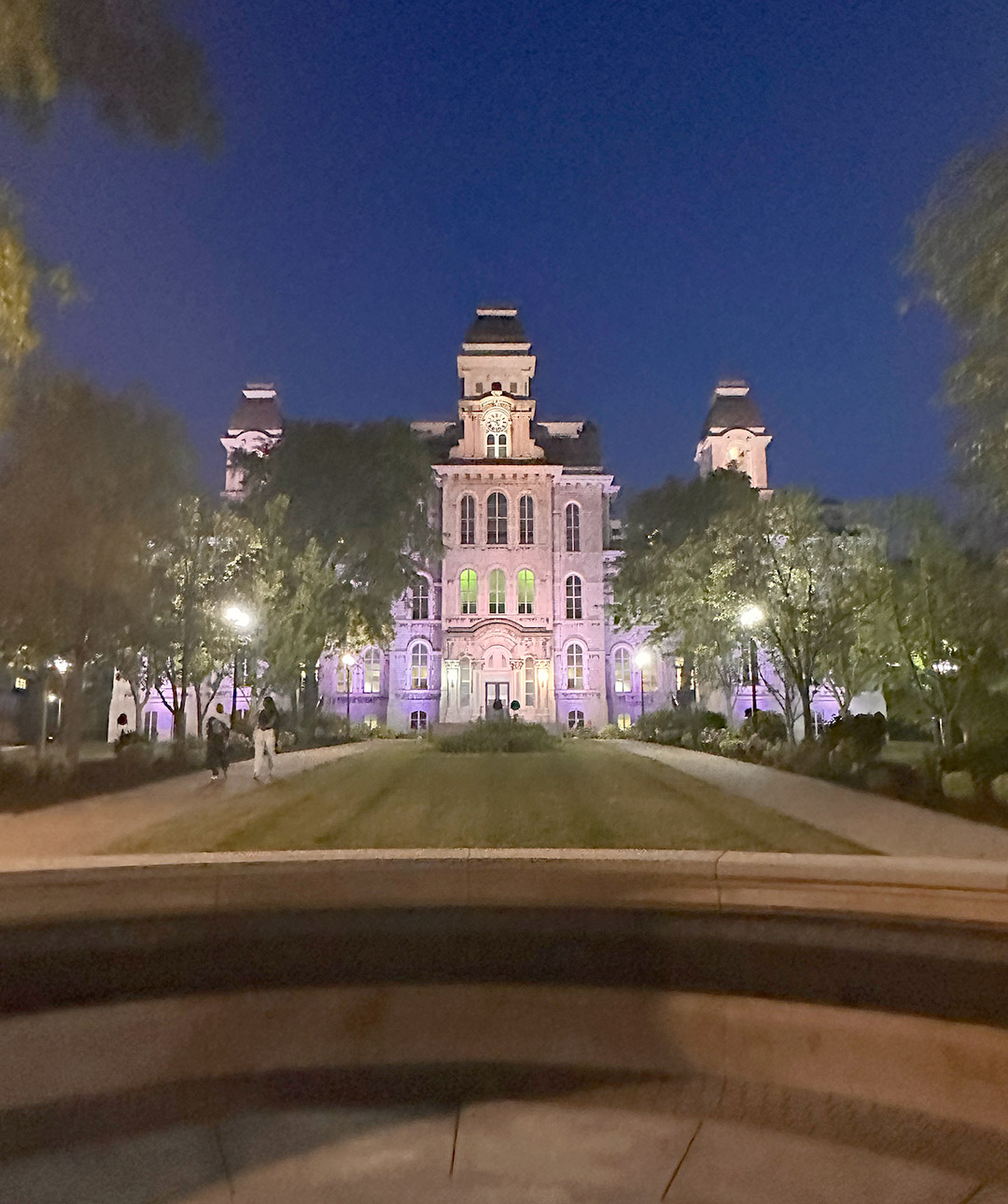
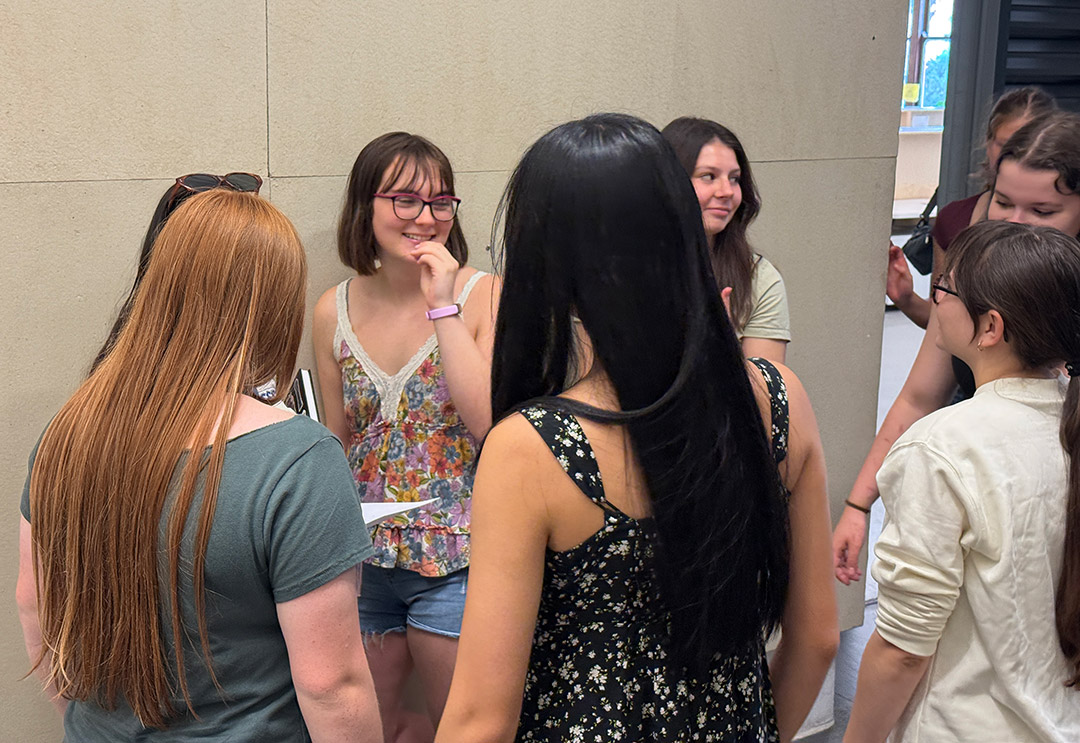
“The program helped me not only academically but also socially. Initially, I thought most students would be from New York, but I was completely wrong. The program is incredibly diverse, with students from over 40 states and 30 countries. The farthest student might be from Japan, while the closest is from Syracuse itself. My friend Sadye, who’s from Syracuse, gave us a tour of the campus every day as we walked to the architecture building. I learn something new about Syracuse every day, which makes the campus feel rich in history,” Margaret adds.
When not in class, Margaret had a chance to participate in several activities with newly-formed friends.
“When we had free time after completing our models or sketches, we signed up for many activities. One night, my friends and I went ice skating. I have never ice-skated before, but I have roller-bladed before, which is similar. Was I good? Not at all. My friend Juliette, from Ohio, is a figure skater, so the skill gap was pretty funny. I wasn’t the only one struggling; I fell a total of three times and got a wicked bruise from the third fall. Another activity we did was going to Green Lakes Beach, where we skipped rocks and swam. Afterwards, we gathered in one dorm room and watched Netflix’s new movie K-Pop Demon Hunters, which left us with songs stuck in our heads. “Soda Pop” is never not going to be catchy,” Margaret says.
Week Two — Wooden Block and Stick Models
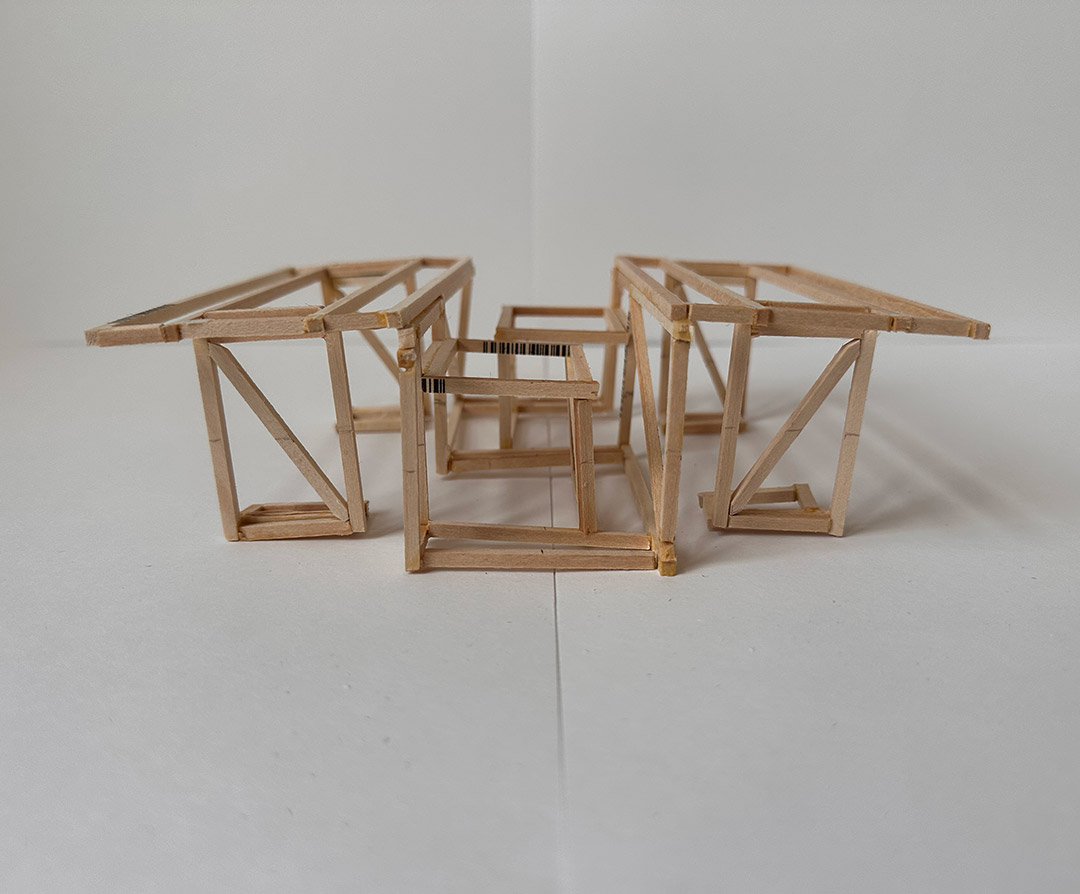
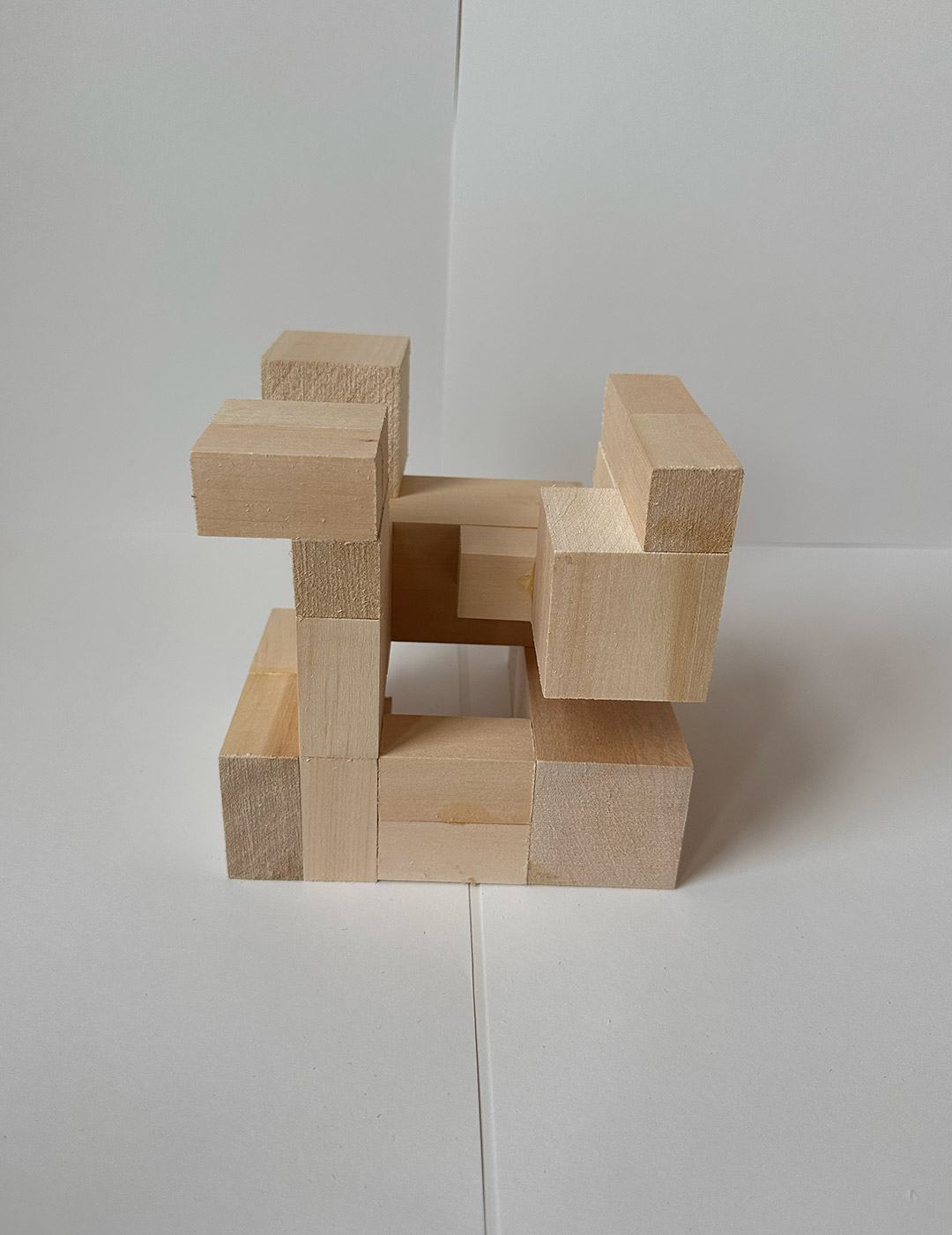
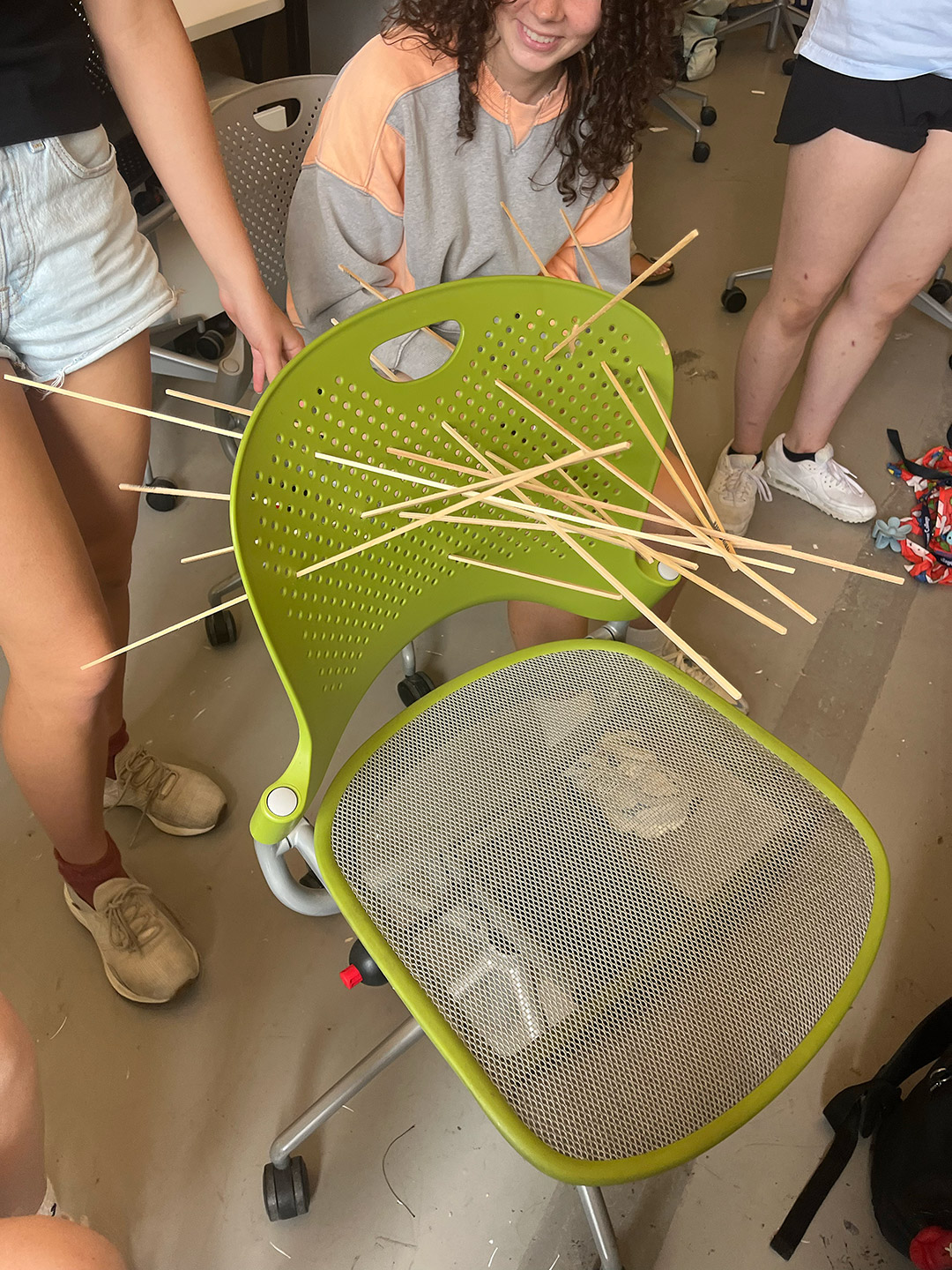
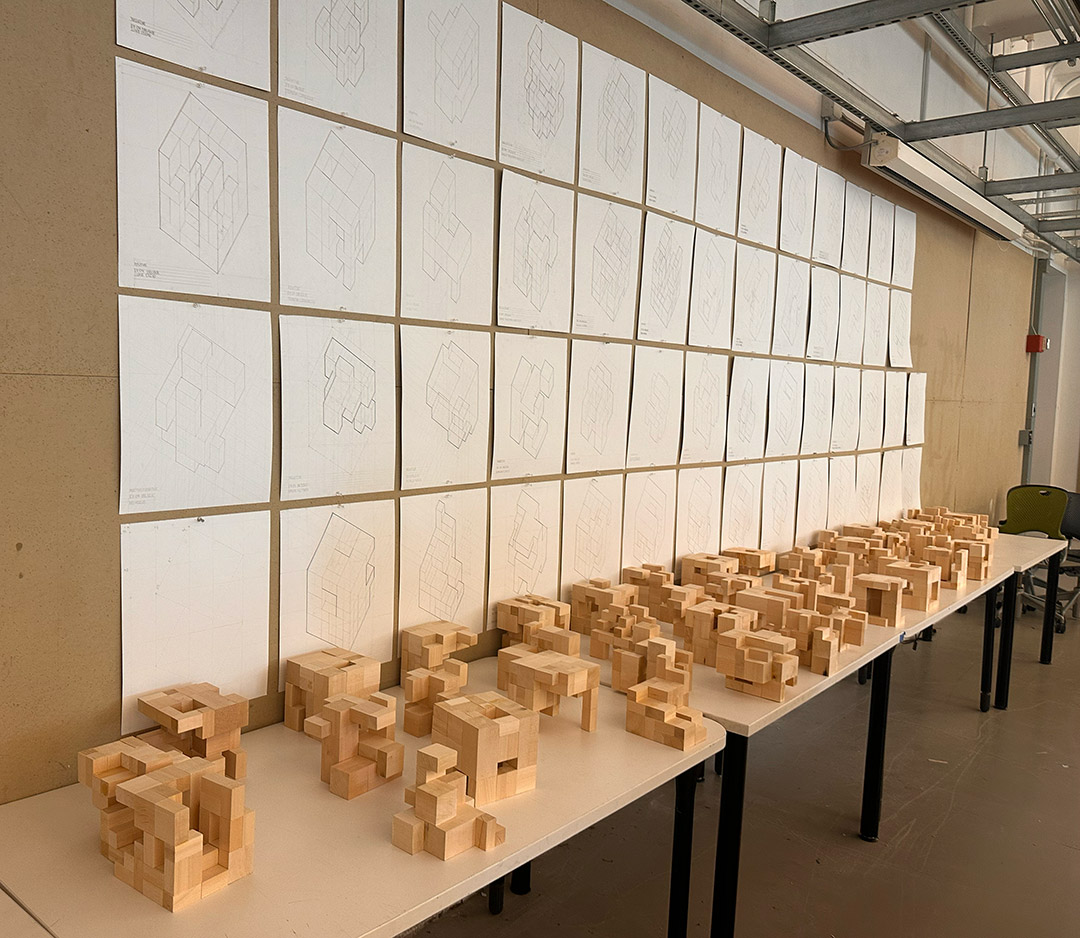
Margaret reports that during her second week at Syracuse University, she built wooden block and wooden stick models of her designs, then transported them into Rhino, a computer program used by architects..
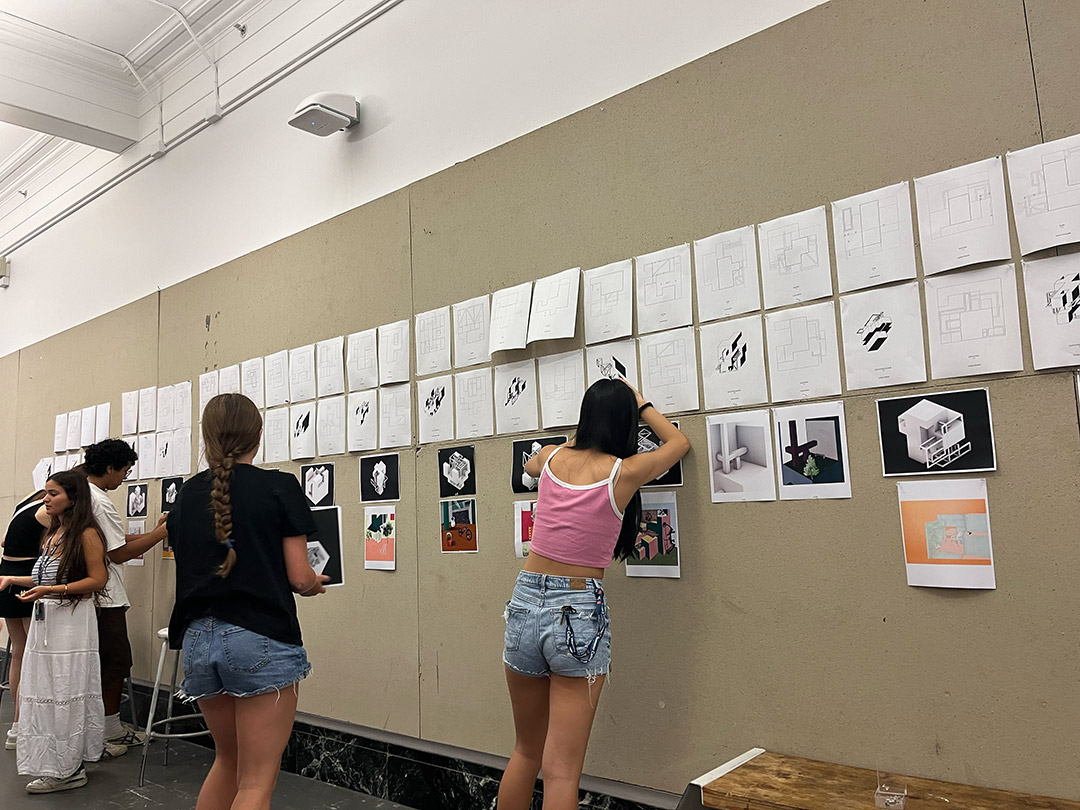
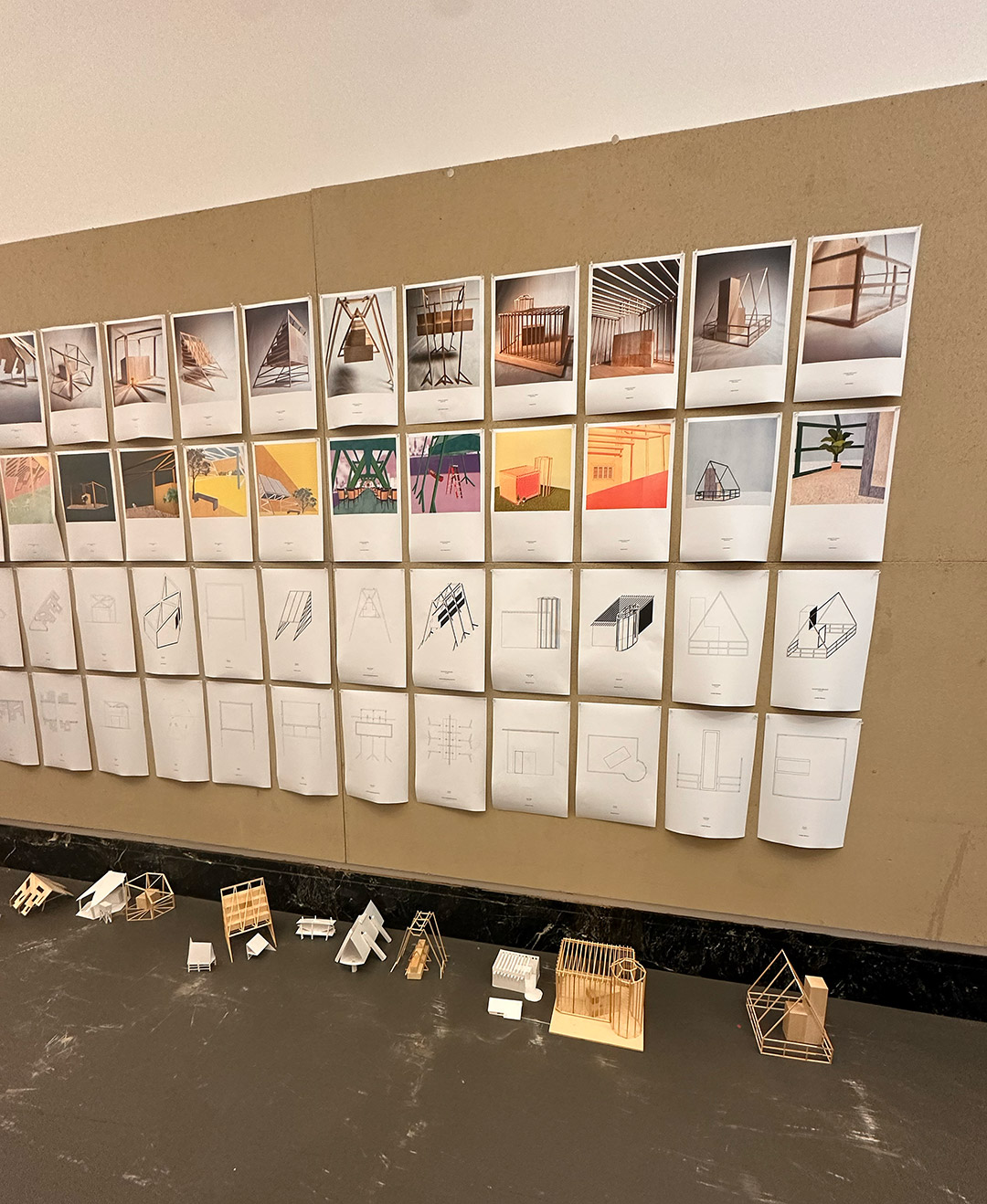
“I spent so much time in the computer lab working on Rhino that when I went to bed, I dreamed of modeling blocks in Rhino. As a class, our models were combined to create a stereotonic and tectonic hybrid model. We took photographs from different angles and perspectives of the hybrid model and printed them out. From those, we selected an angle to use as the basis for a collage. We learned that architects use collage to express hierarchy and character within a design. My TA complimented my collage, saying it reflected exactly what the professor had hoped for, which boosted my confidence. However, during our pin-up, where we presented our work to the professor, he explained that none of us had quite achieved what we were aiming for. But he reassured us that this was to be expected. Although my confidence took a hit, I saw it as an opportunity to adapt and grow. I took his feedback to heart and will use it for my next project,” Margaret explains.
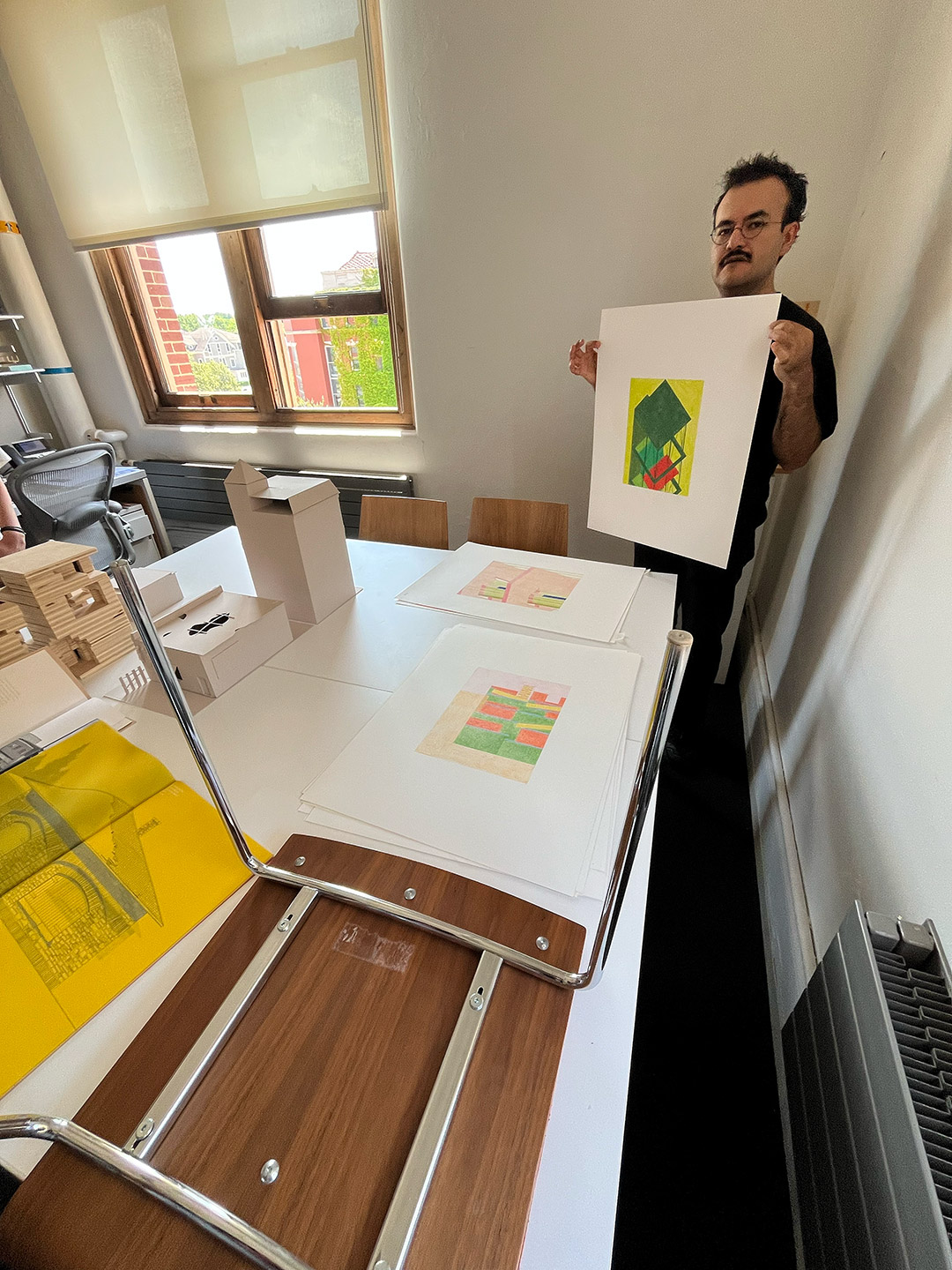
“Our final project focused on understanding the meaning of a room. I began with a research assignment: we studied a list of houses and their architects, sketched the buildings, and then discussed as a group the character and intentions behind each one. We also learned how to approach sketching by seeing how sketchbooks can be structured. The professor showed his own sketch books, and it was interesting. He made a joke that he was sane, as the sketches were crazy and simple,” Margaret says.
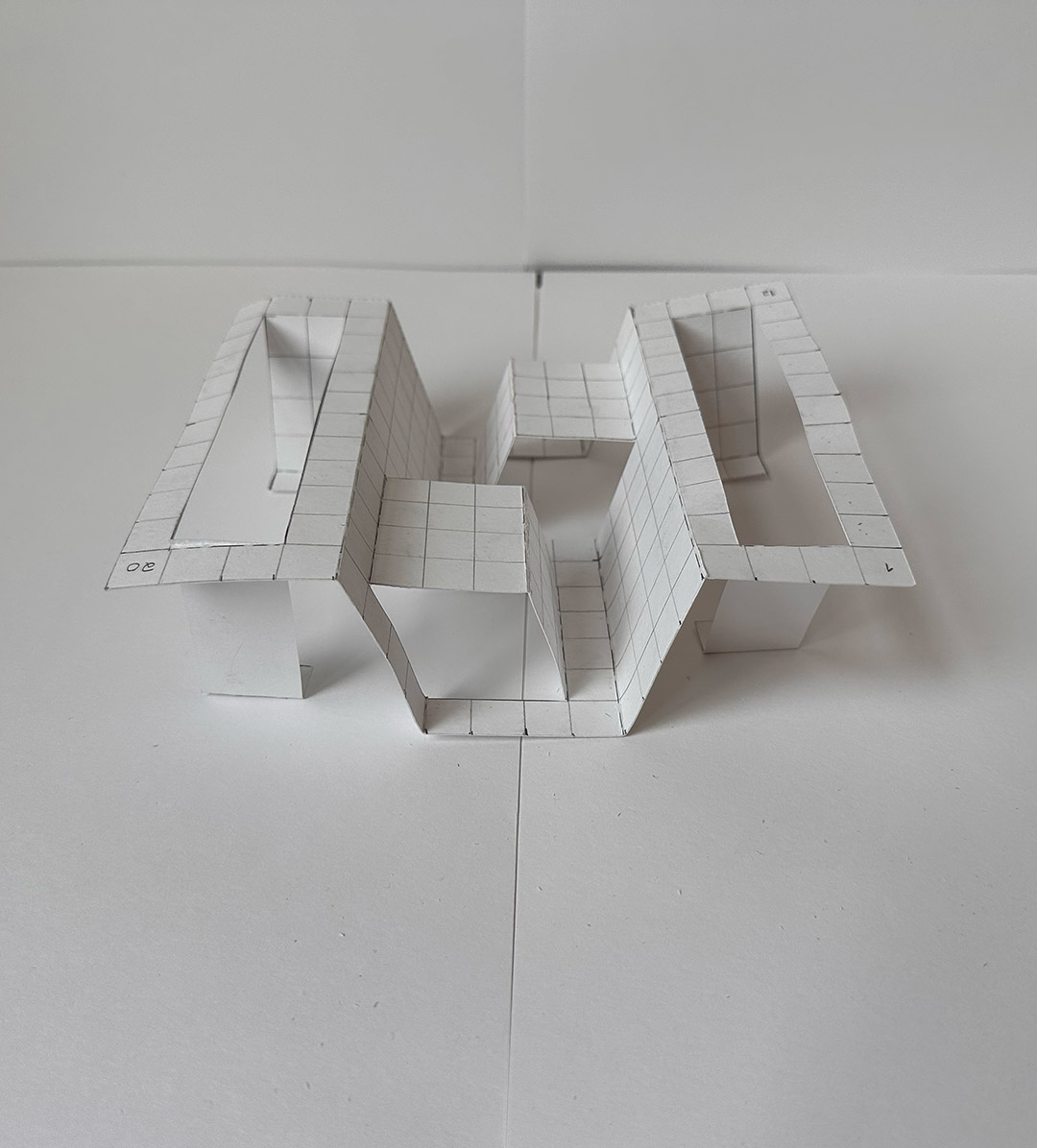
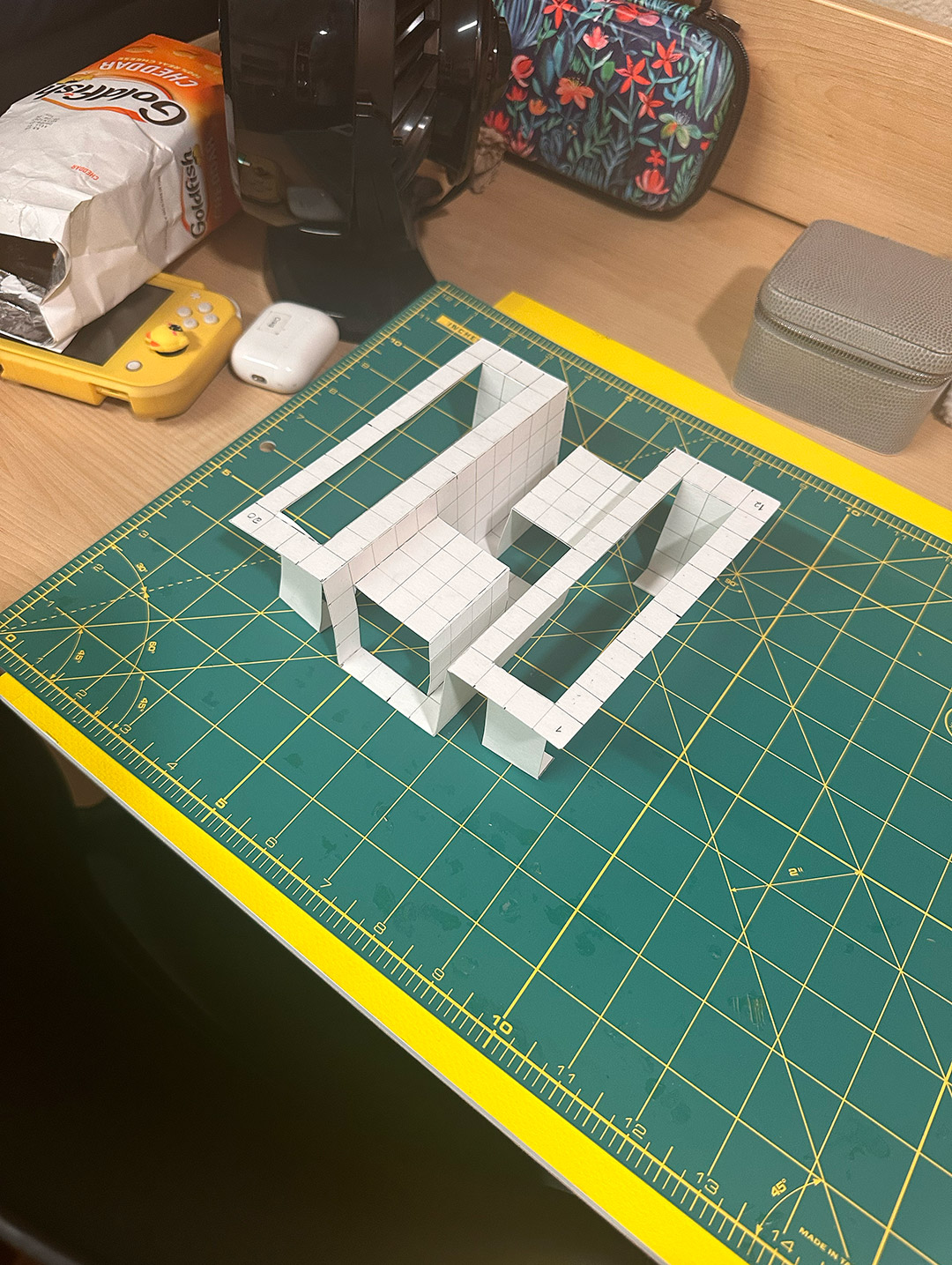
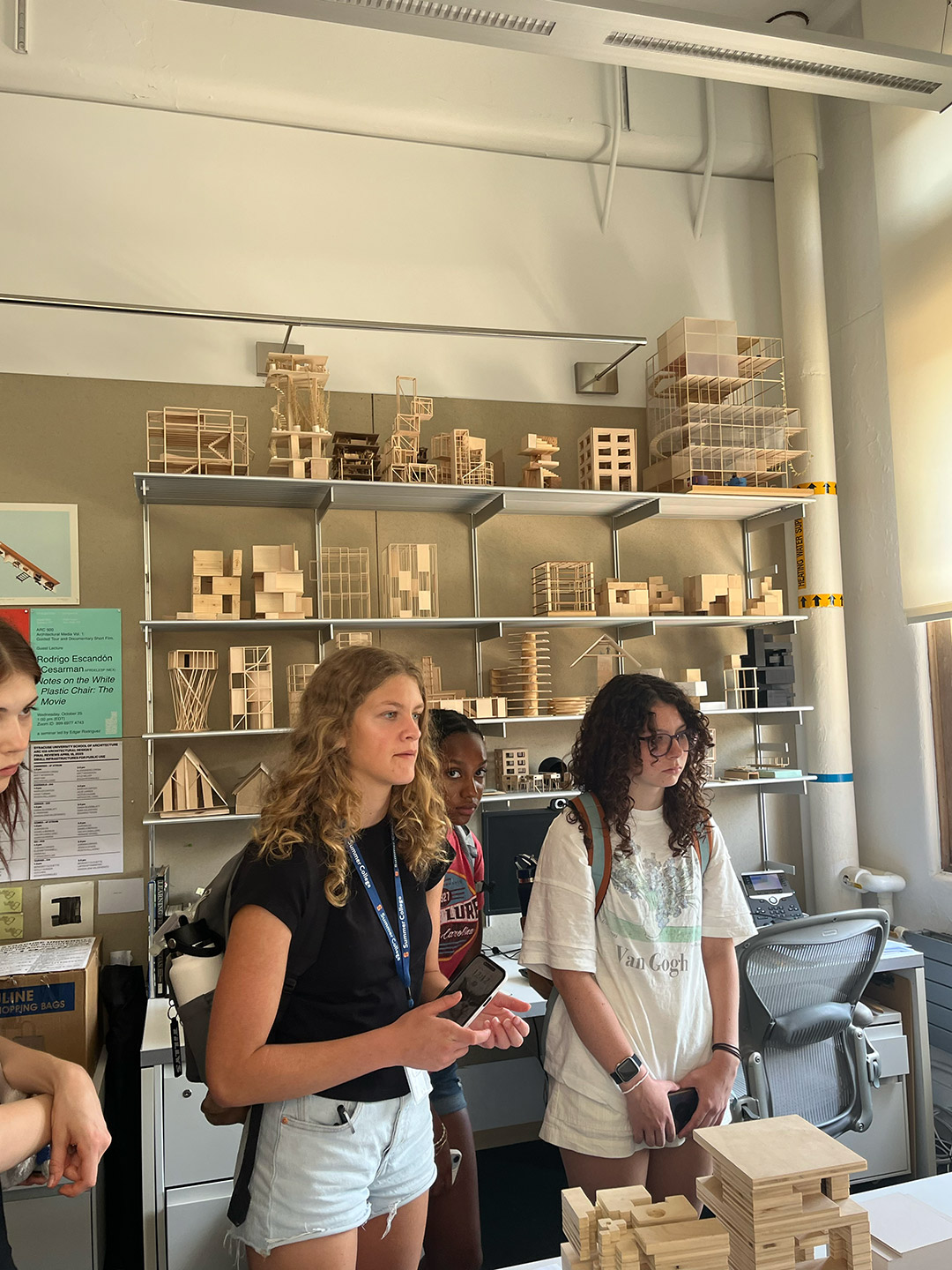
“From the buildings we discussed, we were asked to choose one or two to recreate as a paper model and modify them slightly by height or length. I chose Kazuo Shinohara’s Tanikawa House and built a small paper model of it. After that, we were instructed to design our own model from imagination, incorporating the lessons and terminology we had learned. Throughout the week, we attended daily guest lectures from professors, graduate students, and current students. I learned a great deal from their experiences,” Margaret adds.
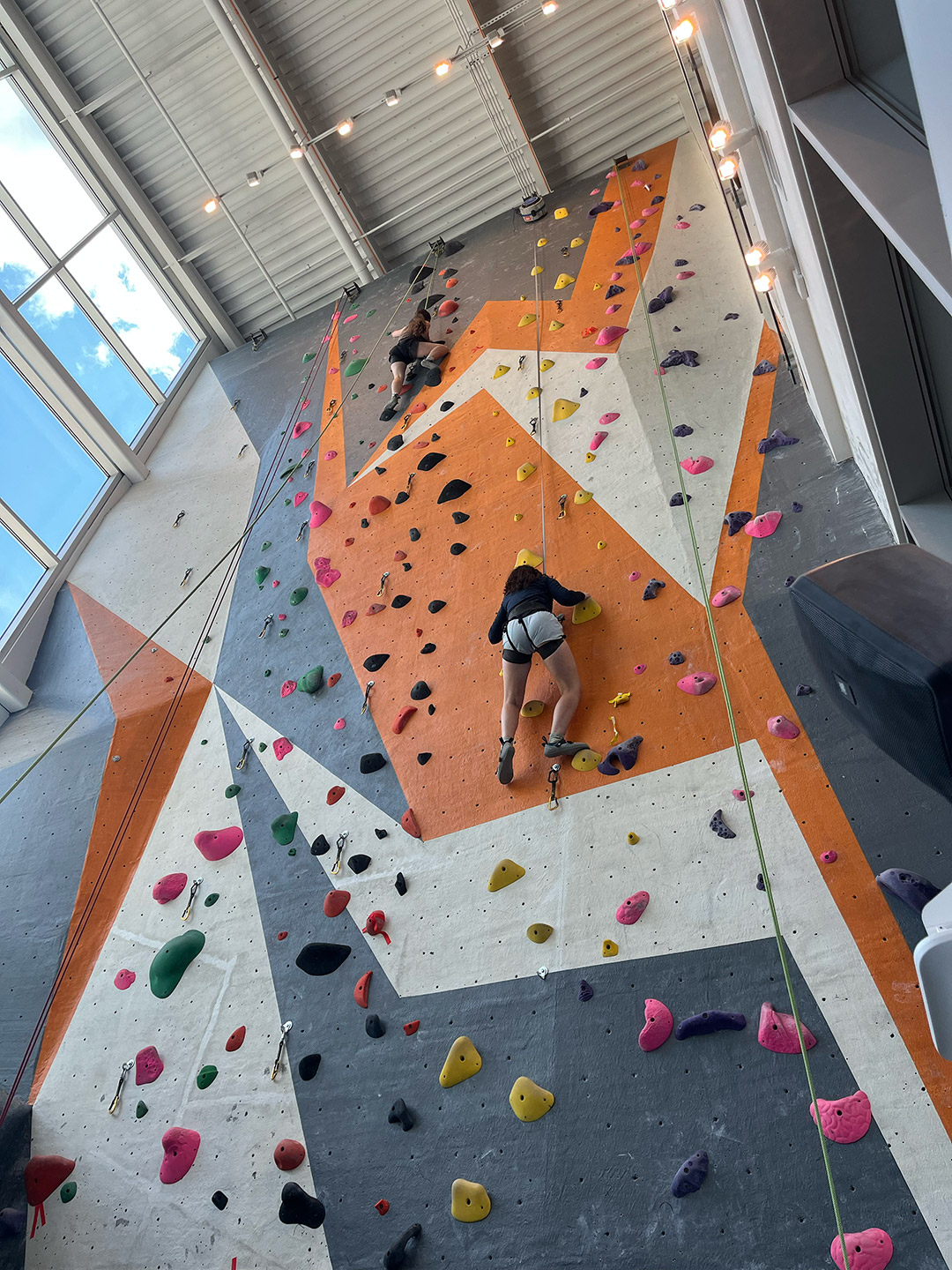
When not in class or doing studio work, Margaret and friends explored athletic center at Syracuse University, where they went rock climbing and played volleyball.
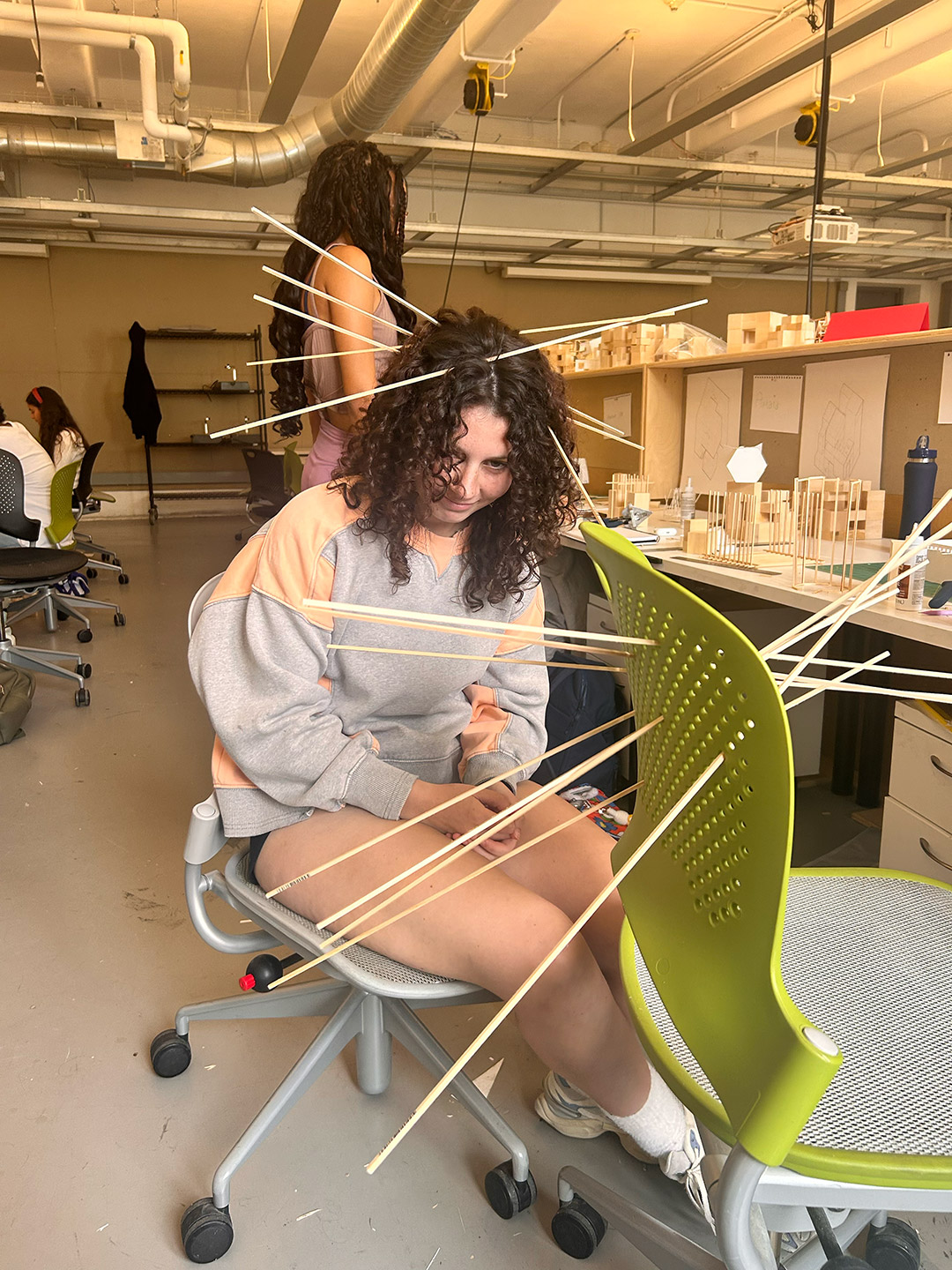
“After activities with my friends, we would go straight to studio hours to continue working on our wooden models. My design was tedious and time-consuming, but I was incredibly proud of the final product. Although the professor has yet to see it, I hope it meets his expectations. Reflecting on the entire program, I’ve grown a lot. I fixed my sleep schedule, learned how to manage my time better, and accepted that people don’t care if you look perfect all the time, which helped me let go of the fear of being overly judged. I’ve been waking up early, attending class early, eating balanced meals, and doing my laundry weekly without issue. I’m especially proud to say I make my bed every day, because starting the day with a small accomplishment, like a made bed, means that even if the rest of the day doesn’t go as planned. I still did something right,” Margaret says.
Week Three — Final Presentations
During third and last week of the program Margaret completed her final project, and spent time with friends.
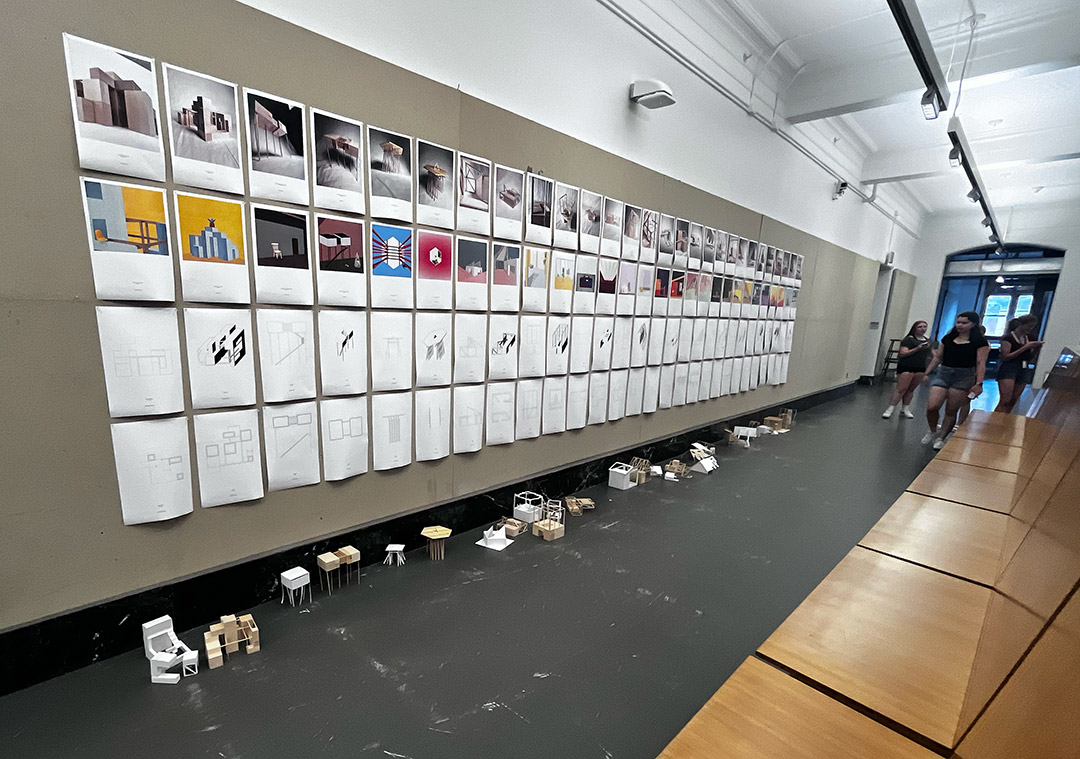
“As I wrapped up the final week of the program, I focused on completing my final project. The last steps took place in the computer lab, where we transferred our wooden models into Rhino. Once in Rhino, we created a drawing of the model, including a section, elevation, oblique and plan. We also photographed our physical wooden model from various perspectives one closed-up and another showing the entire model. We uploaded these images along with our drawings, placed them on a presentation template, and printed them for the final pin-up. We then took more images, this time using the Rhino model, and used them to create a collage that highlighted the hierarchy and defining characteristics of our design. These collages were also printed and added to the pin-up,” Margaret explains.
“On the final day, we uploaded everything from the program onto Blackboard. Our last assignment was to create a portfolio slideshow that compiled all of the work we had completed, which we also submitted to Blackboard,” Margaret adds.
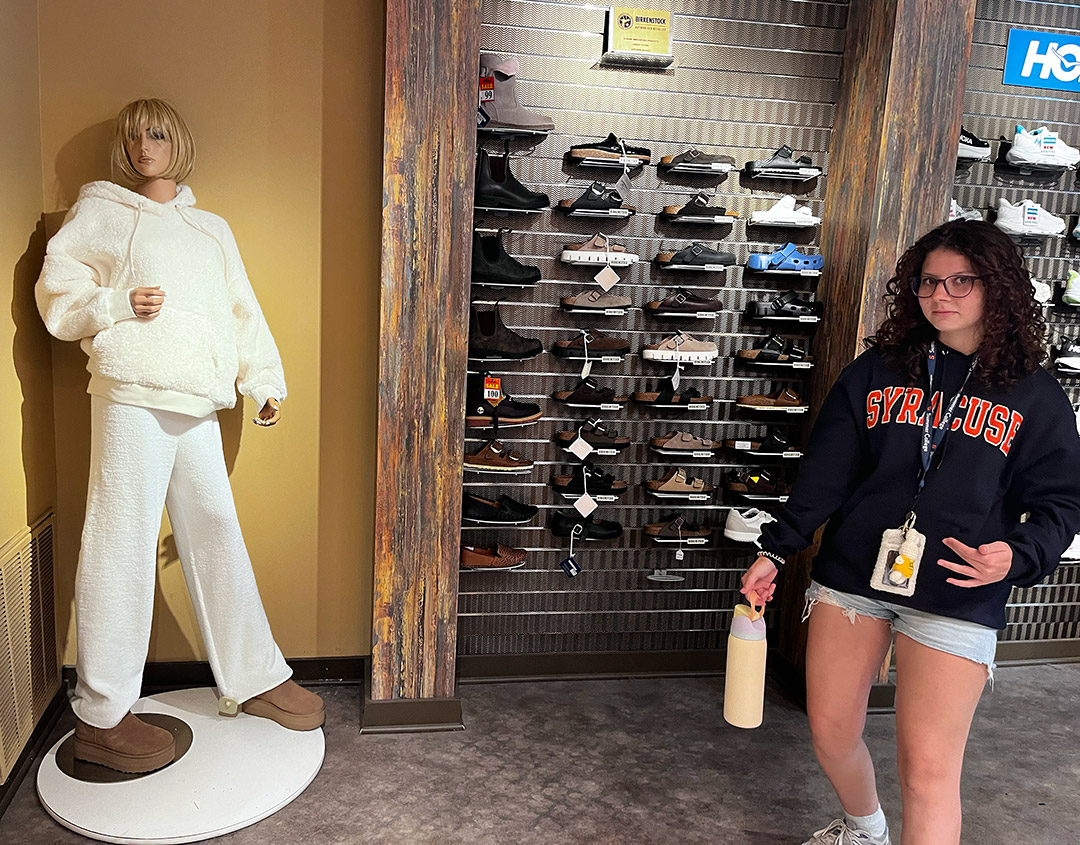
“In my free time, I explored Marshall Street, where I got boba tea and Insomnia Cookies for breakfast, which I shared with a friend. Marshall Street, located near campus, is lined up with restaurants, shops and cafes. Walking through it reminded me of New York City, though walking back was exhausting from the elevation, it was worth it. It gave me a chance to see parts of campus I hadn’t explored. Despite being there for three weeks, I realized I haven’t seen much of campus from taking a daily path. Seeing all the buildings reminded me how much this college truly offers,” Margaret says.
Margaret’s last days were spent preparing the final display of student work.
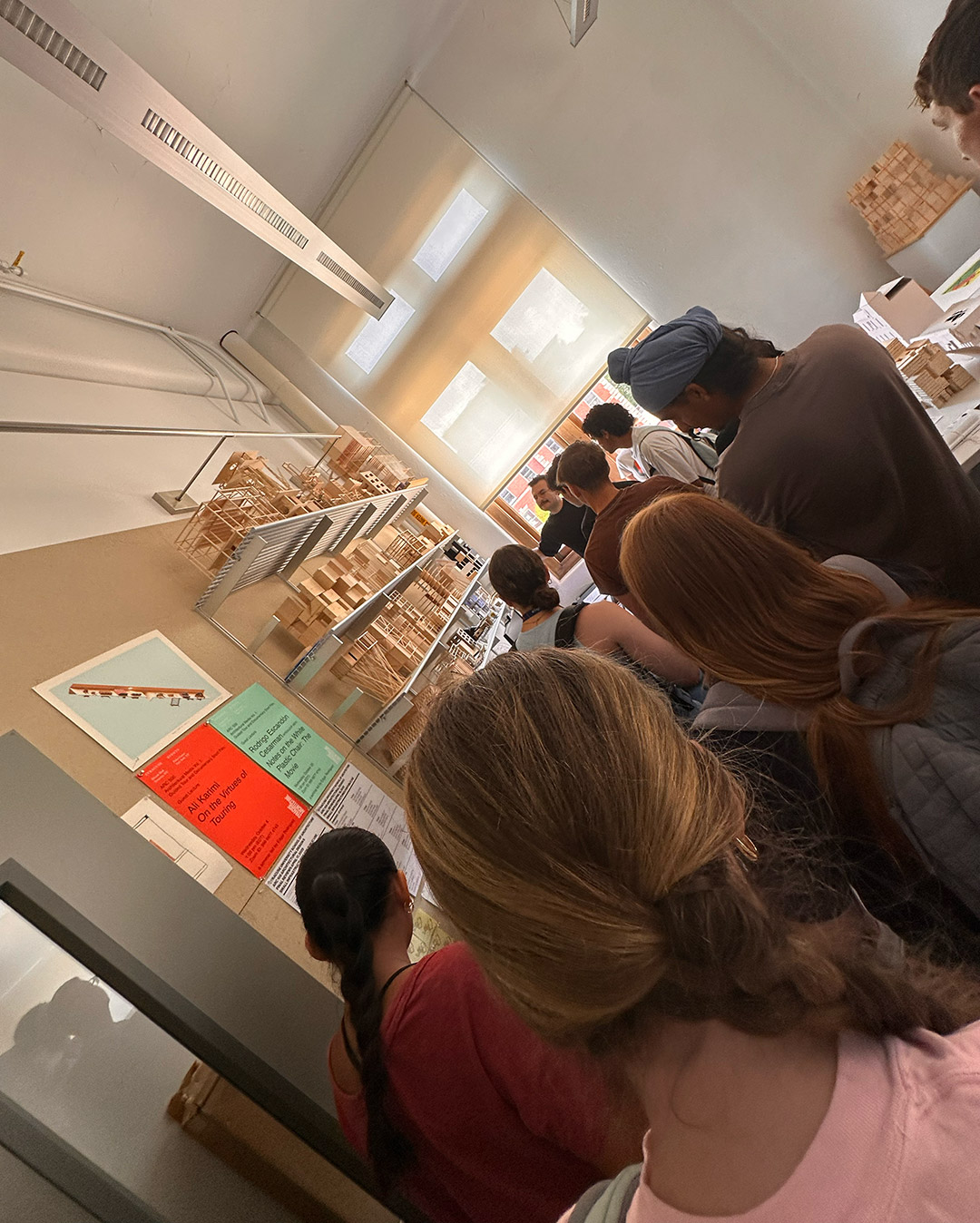
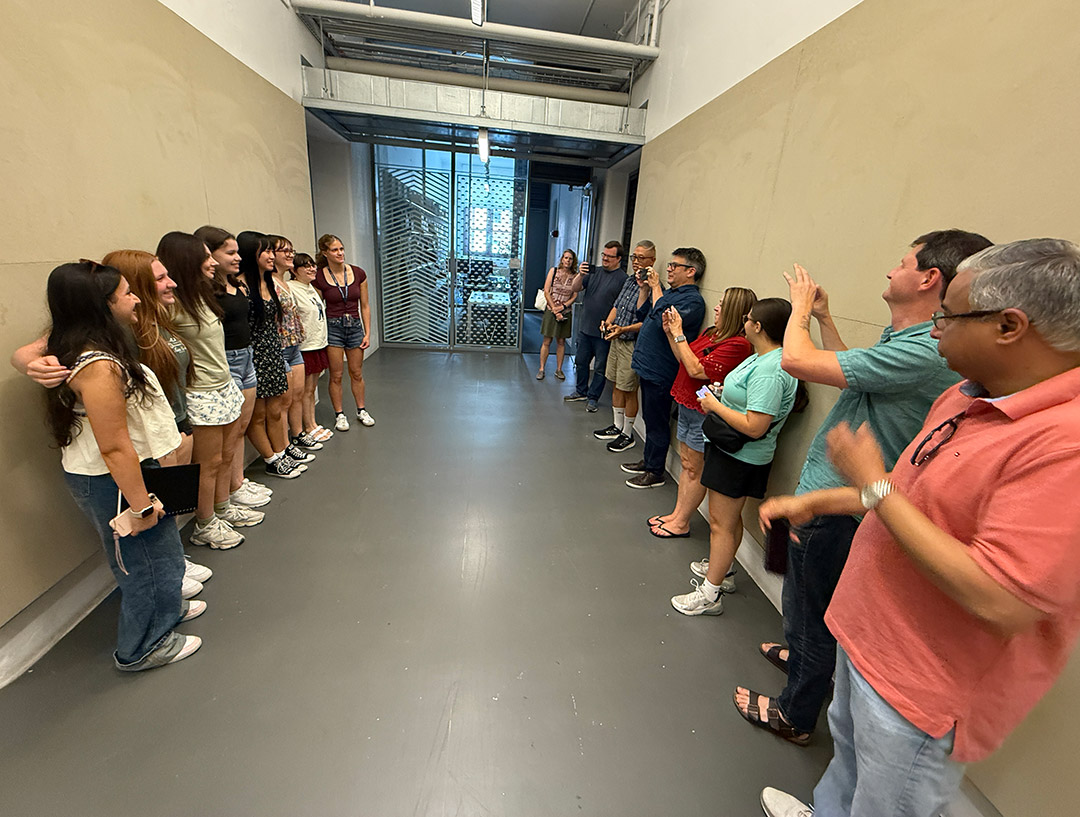
“The final display was a neat, straight row of projects, and it was incredibly satisfying to see. With everything on display, I realized how much I had accomplished in just three weeks. I learned everything I had hoped to, and now I’m inspired to keep improving. This program was a great stepping stone toward future work. I now understand what schools look for in applicants, and with this knowledge, I feel ready to grow further. I made friends who I believe will become valuable connections. I had great conversations and laughs with people from many backgrounds. I had done an architecture program before, which showed me what an architect does, but this one showed me how an architecture student works, and I enjoyed both. Though both involved hard work, the results were incredibly rewarding and inspiring,” Margaret says.
We are happy to hear that the course was rewarding, inspiring, and helped develop your skills as an architect. Excellent work, Margaret!
>> Read Margaret Davis’ final report (PDF File, 75KB)
>> Learn about the other students’ experiences in the GFF Scholarship Program.