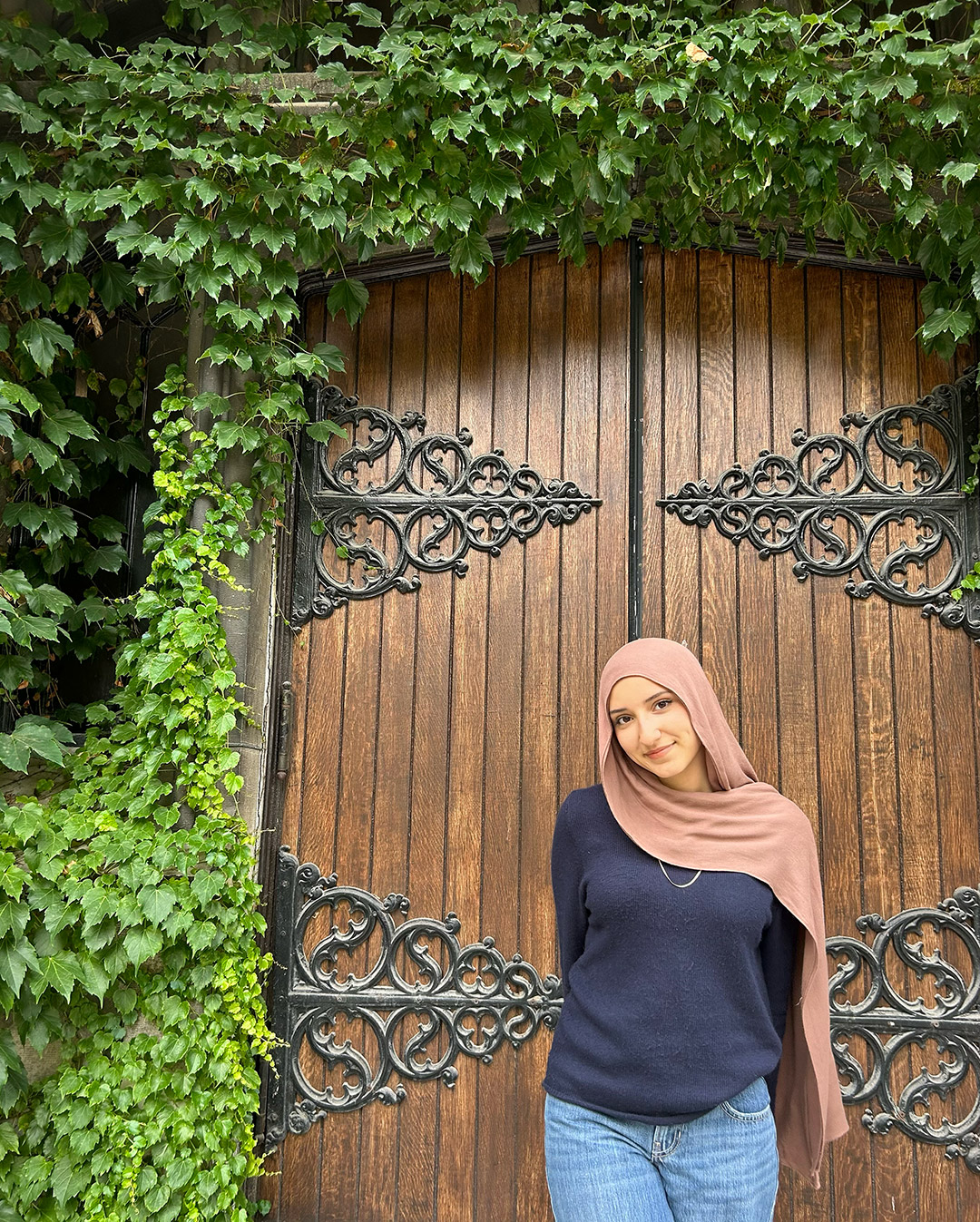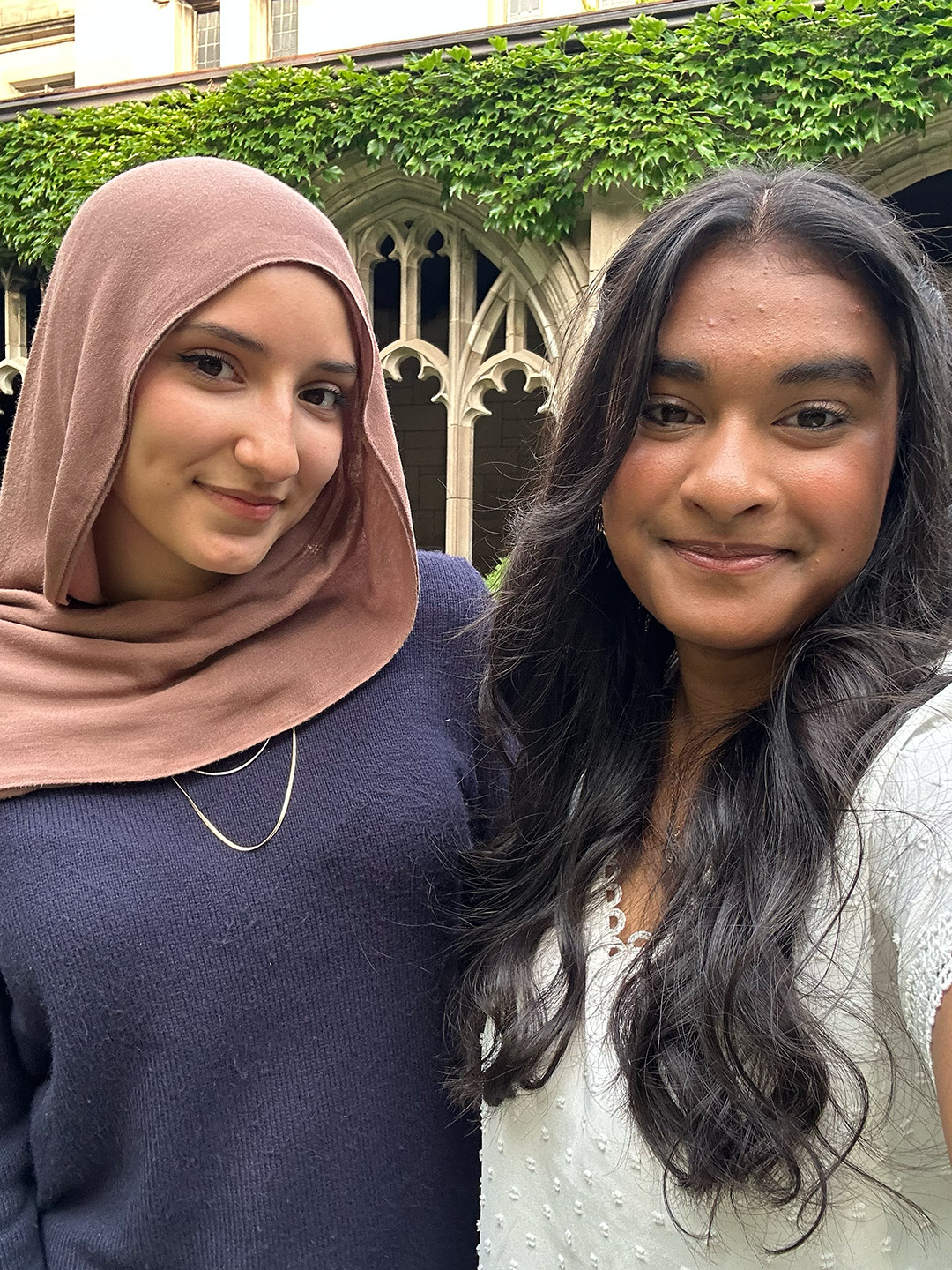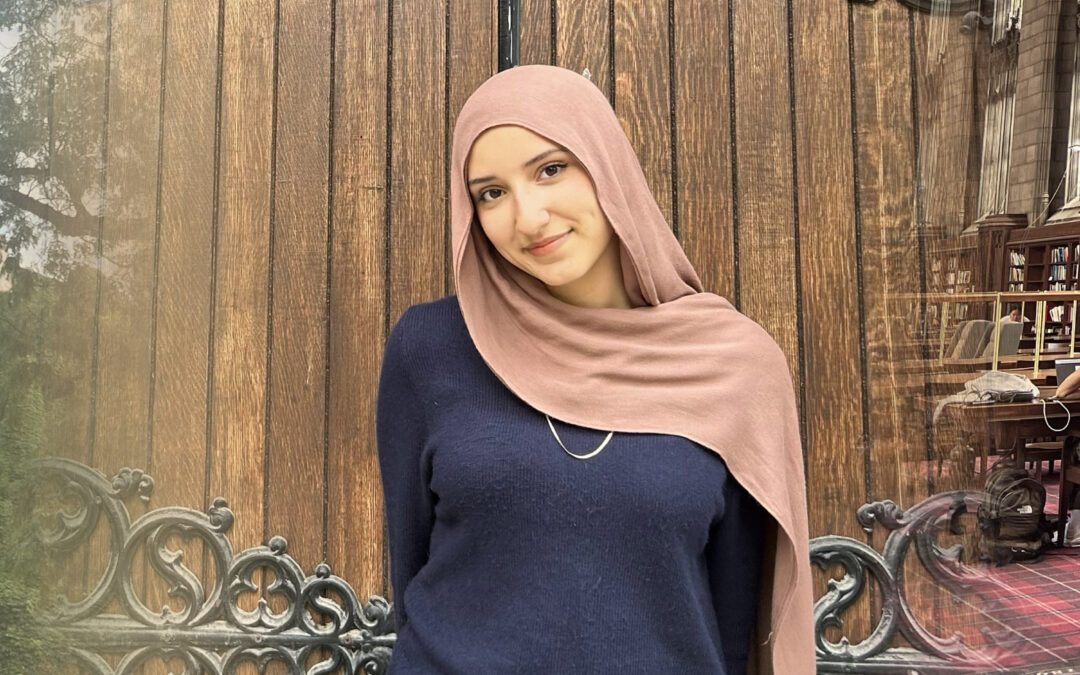
Laila Al-Asfour reports that she feels “incredibly grateful” to be attending the University of Chicago Summer Immersion Program.
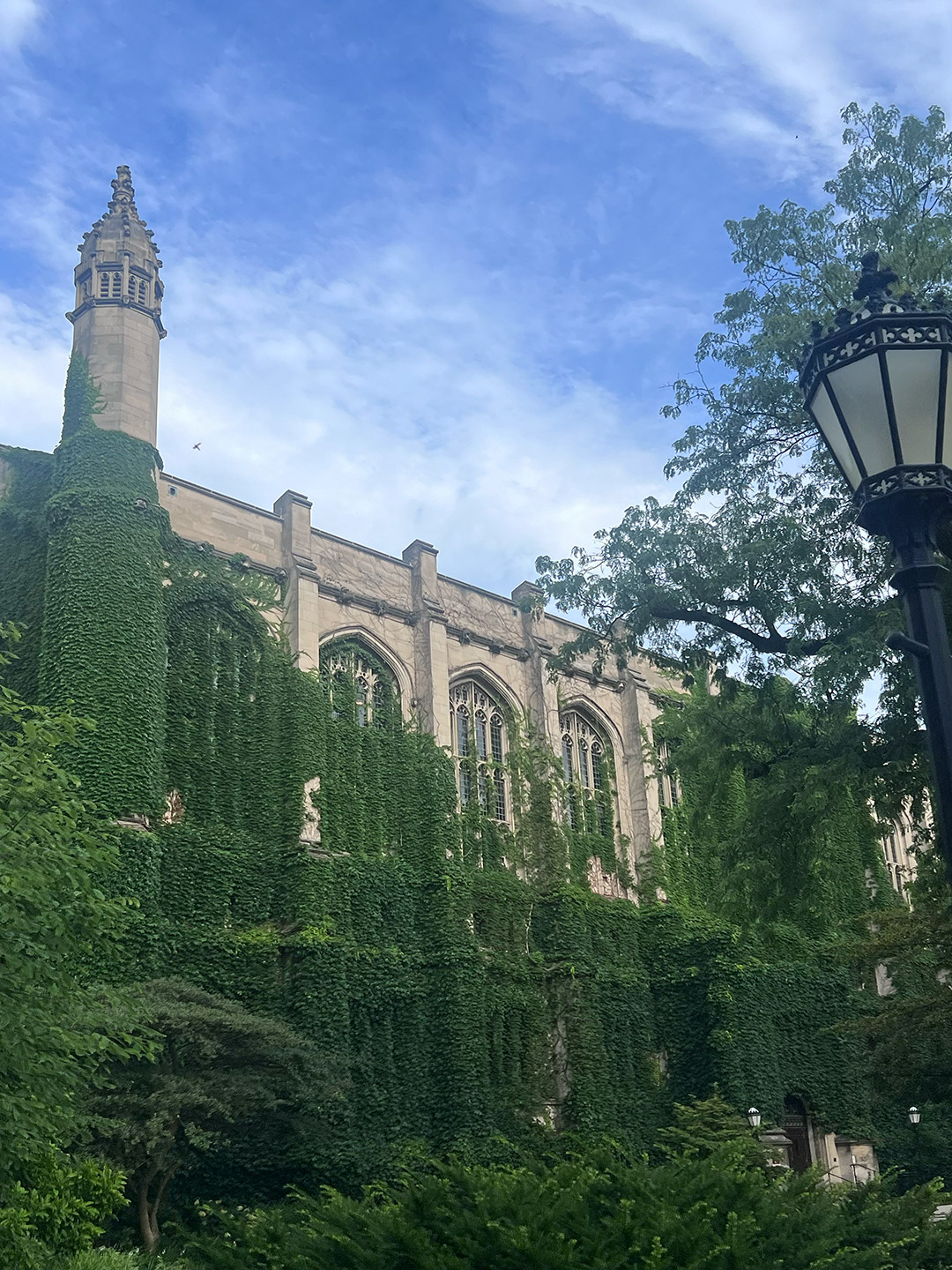
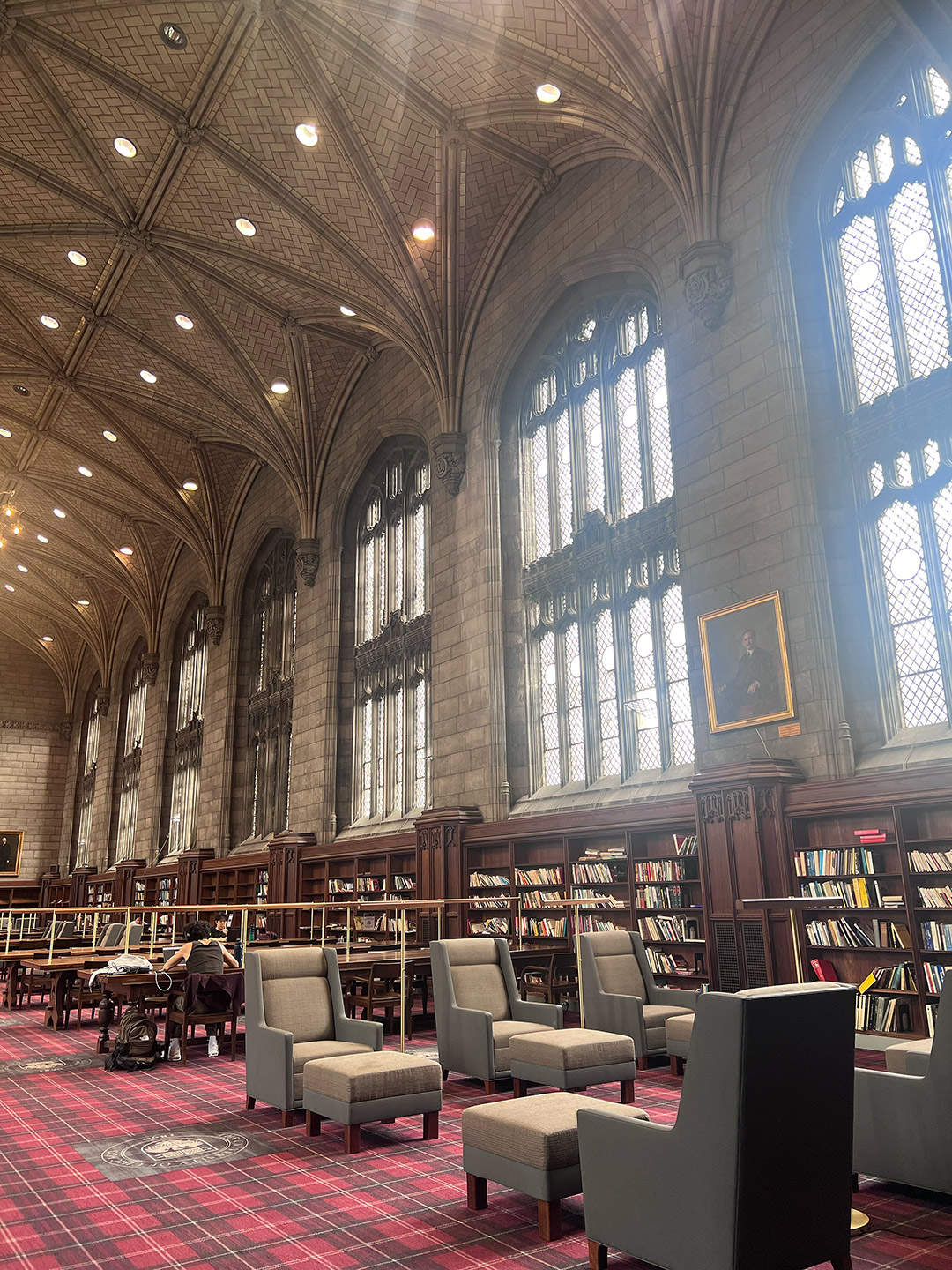
“My course, Contagion: Infectious Diseases and Agents, has already been full of exciting hands-on labs, new discoveries, and growth. Throughout my first week here, I have begun to adapt to the more independent lifestyle and manage time between academics and rest. UChicago itself has been a very welcoming environment for me to explore college life: walking through Hyde Park and the campus, discovering the many beautiful libraries, and getting comfortable with campus facilities has been an amazing experience. However, my favorite part of residential life has been meeting fellow students from across the world: from Hong Kong to Mexico, the people I have met and the conversations I have had over shared interests and future goals have been eye-opening. Living independently in such a beautiful and historic campus has really given me a sense of college life and made me even more excited for the future,” Laila says.
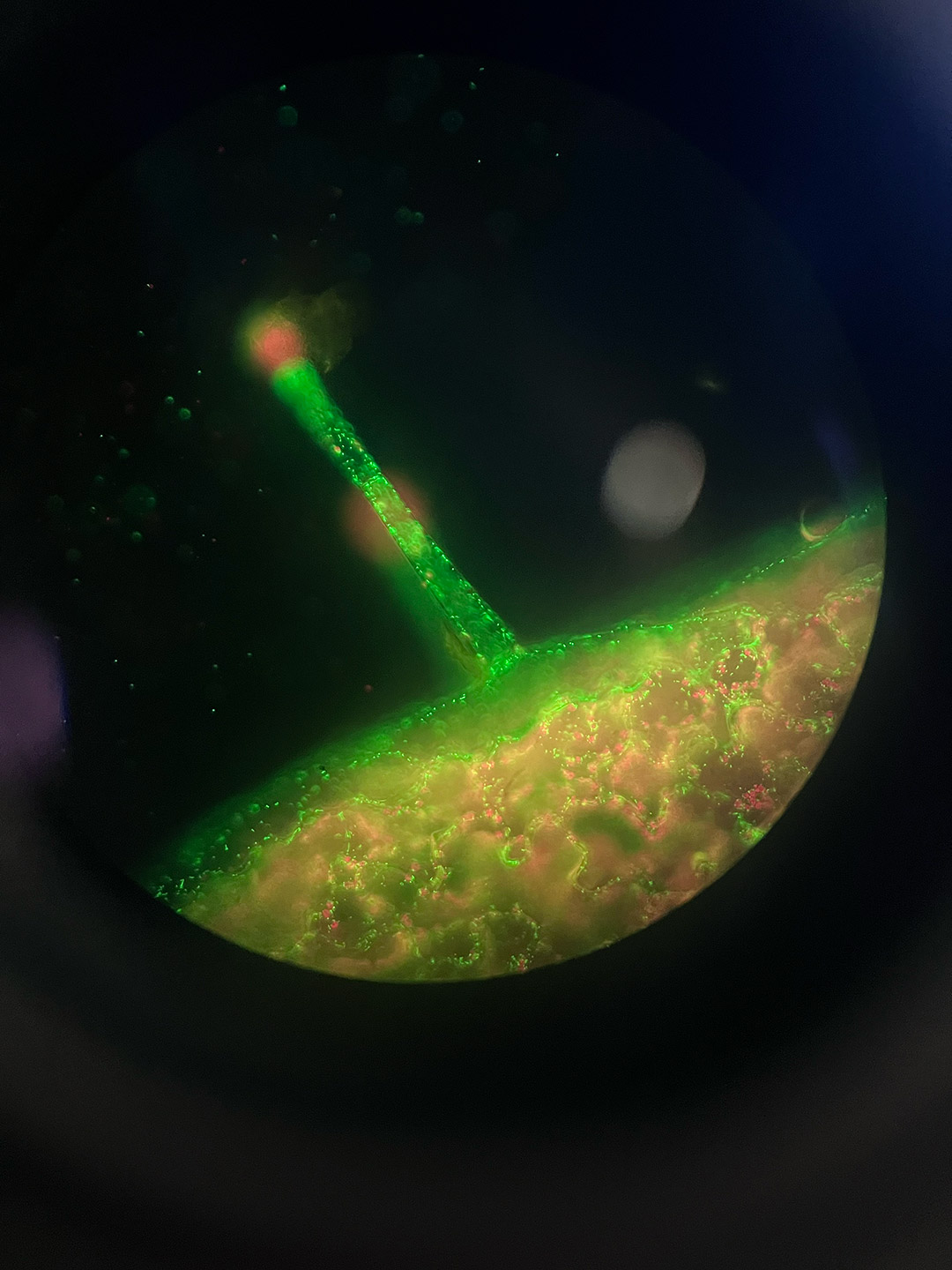
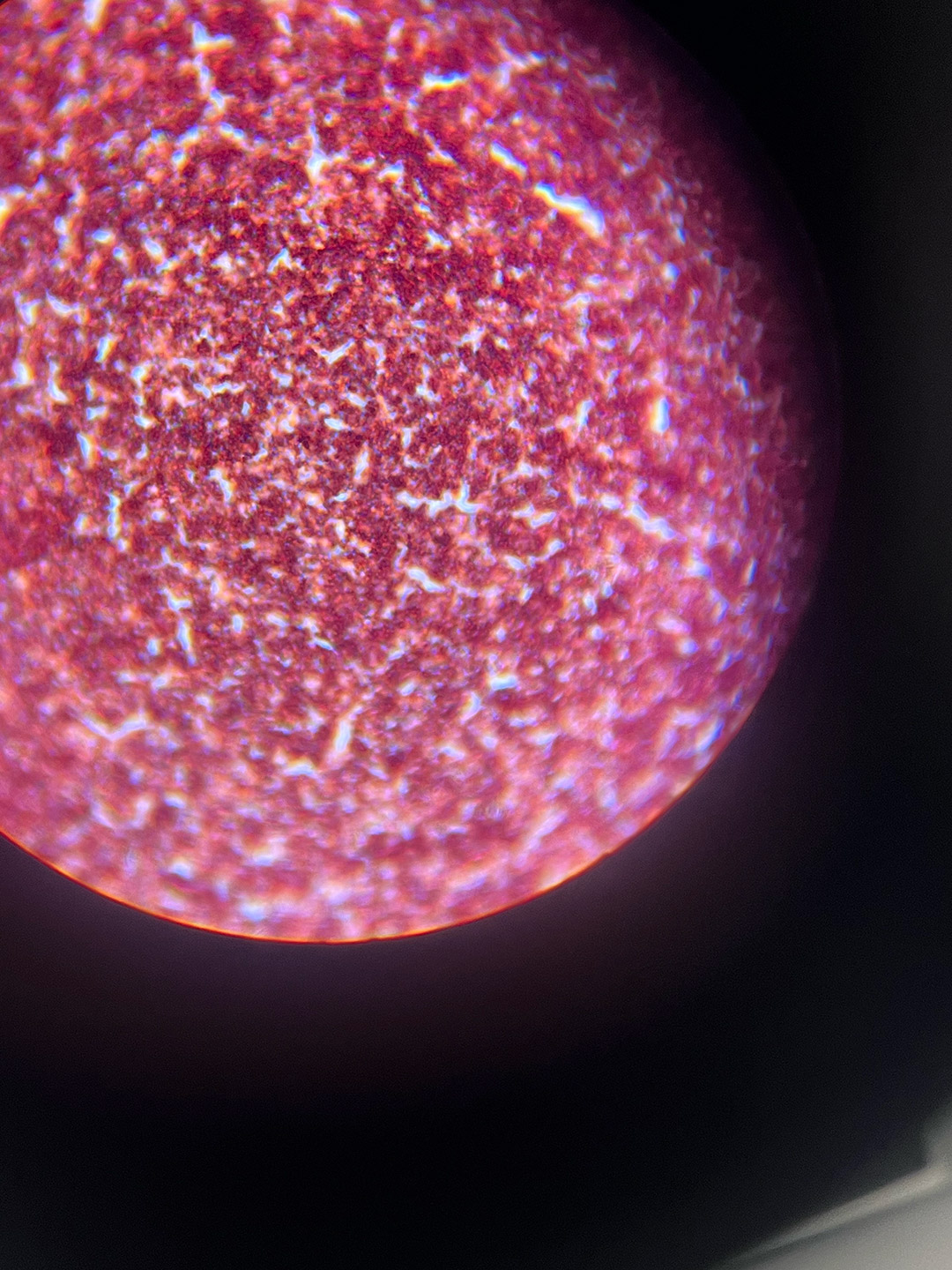
“Regarding my academic experience here, I am extremely enjoying the course I have chosen. Although the class is more lab-based than what I initially had in mind, the hands-on experience and opportunities to apply new information to real-life situations have been an engaging challenge. We started off the week with fluorescence microscopy, where we took a close-up look at cells using fluorescent dyes to visualize the cytoskeleton and nuclei. I learned how DNA, tubulin, and actin could be highlighted with stains and filters to further visualize the inner workings of the cell. In a separate lab, I was able to examine genetically modified tobacco plants where the mitochondria glowed green and the chloroplasts appeared red to reinforce the idea of organelle functions and the endosymbiotic theory,” Laila explains.
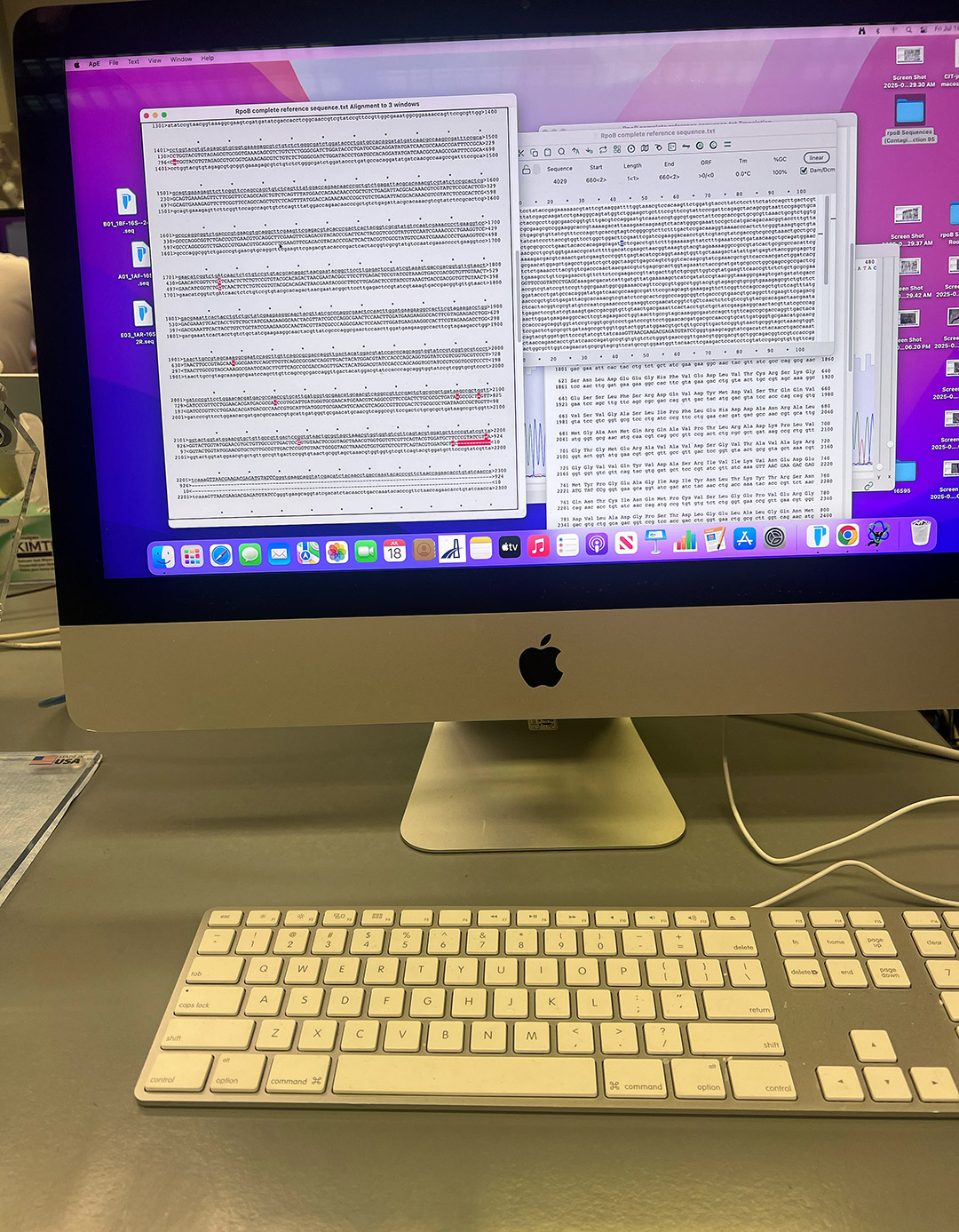
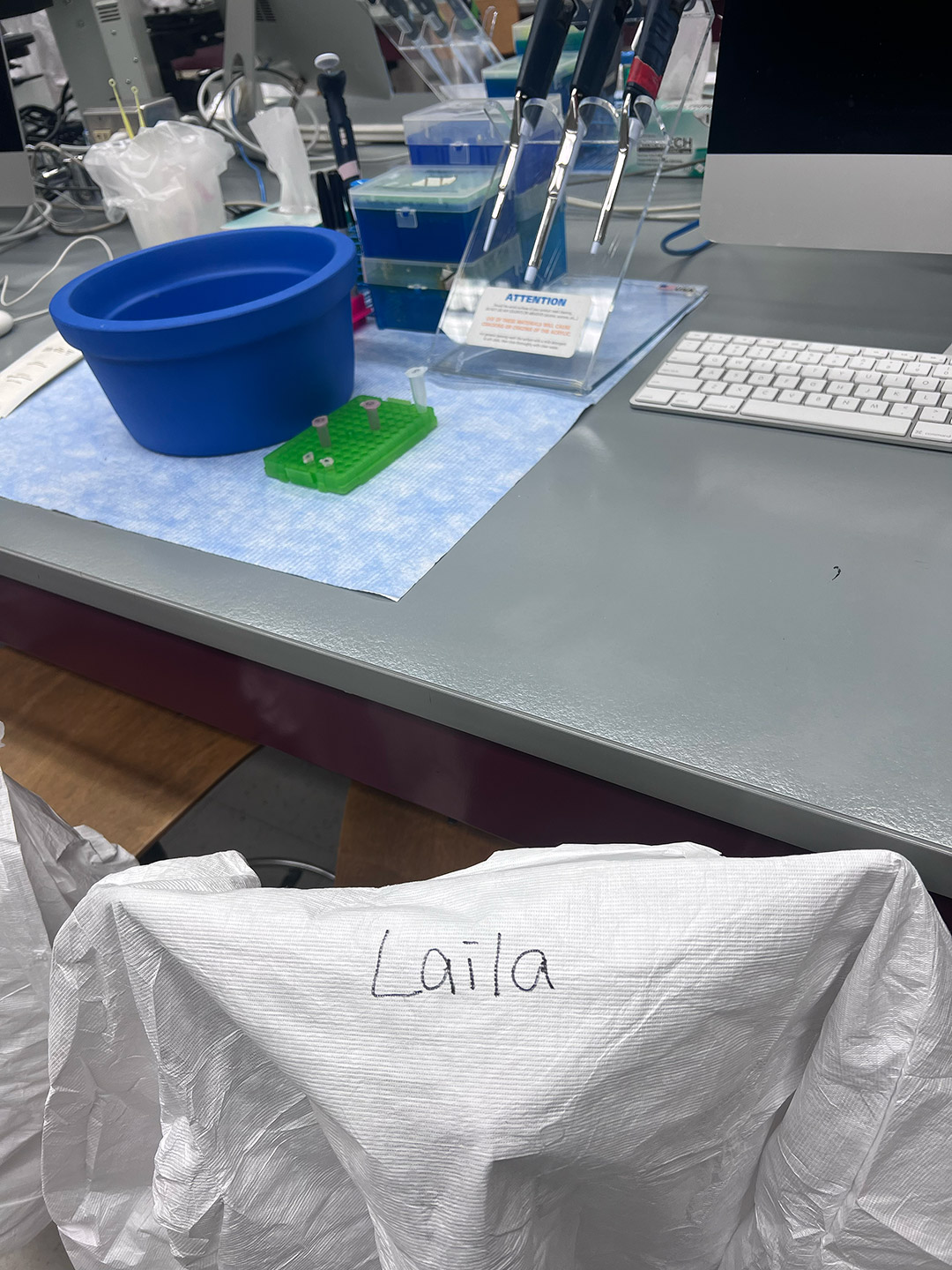
“Later on in the week, I extracted environmental samples and was able to amplify the 16S rRNA gene using PCR. After amplification, we used gel electrophoresis to confirm that the correct gene segment was isolated, and then prepared the PCR products for sequencing using ExoSAP-IT to clean the DNA samples. This is all to see if we can correctly identify the bacteria found in our environmental samples. My lab partner and I took samples from the men’s and women’s bathroom door handles, and we are very excited to see the results when they come back from sequencing. The last thing we started exploring before the end of the week was how a single amino acid change in hemoglobin causes sickle cell anemia using a 3D modeling program. These experiences have not only taught me laboratory skills but also helped me understand the inner workings of cells and pathogens,” Laila says.
“Experiencing life on this campus has only deepened my excitement for pursuing a future in science, and I can’t wait for the next two weeks here,” Laila adds.
Week Two — Real-World Applications
During her second week, Laila Al-Asfour says the class “dove deeper into infectious diseases through hands-on lab activities and real-world applications.”
“It has definitely been one of the most engaging experiences of my academic journey so far. Through this program, I have been able to apply laboratory techniques to study gene editing, virus-host interactions, and bacterial identification. Outside the lab, I was able to explore Chicago with friends and experience all the city has to offer,” Laila reports.
“Academically, my course focused on three general projects to connect lectures and theories with real-world applications. As a continuation of last week’s 16S rRNA lab, my group received our sequencing from the lab, and we were able to compare the gene’s sequence from the environment to a database called BLAST. We identified our sample as Staphylococcus epidermidis, which is a common bacterium found on our hands and skin. We also did a CRISPR-Cas9 Gene Editing Lab, which has been one of my favorite activities. In this lab, we used CRISPR to edit the lacZ gene in E. coli. After growing bacterial colonies on media, we extracted the DNA and performed multiplex PCR to check for successful editing. Through gel electrophoresis, we were able to see banding patterns to indicate whether the gene was edited. I thought this was incredibly interesting as it made me think of the implications for gene editing in the future. We also studied antibody neutralization of viruses through the effectiveness of the T4 bacteriophage when we performed serial dilutions and introduced antibodies to test their neutralizing effects at different times. We saw this from plaques on the bacteria lawns, which we compared to explore how the immune system defends against viral infections and how antibodies play into this. All of the labs we have performed so far have been incredibly interesting and have only pushed my desire to learn more about immunology and its modern applications,” Laila explains.
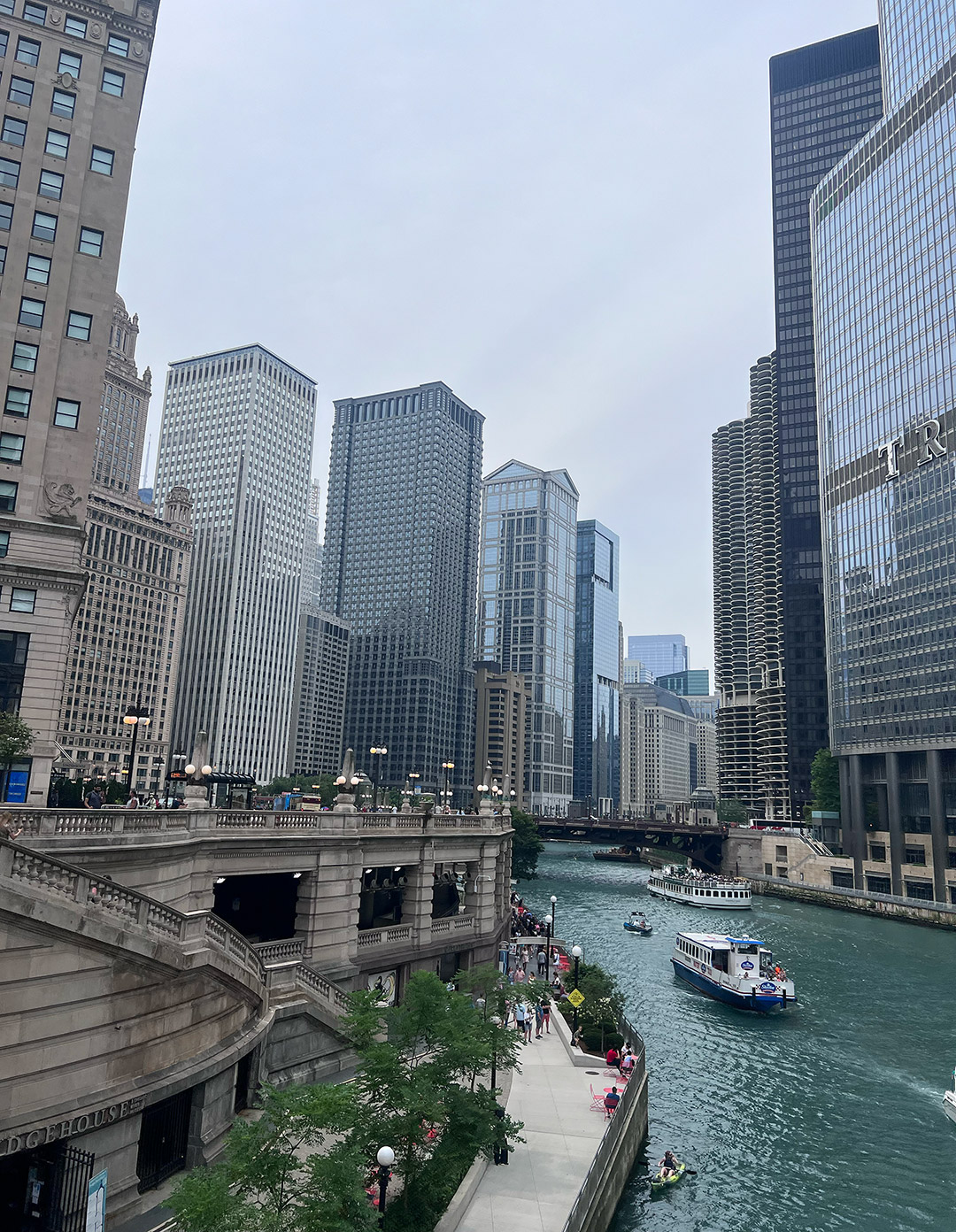
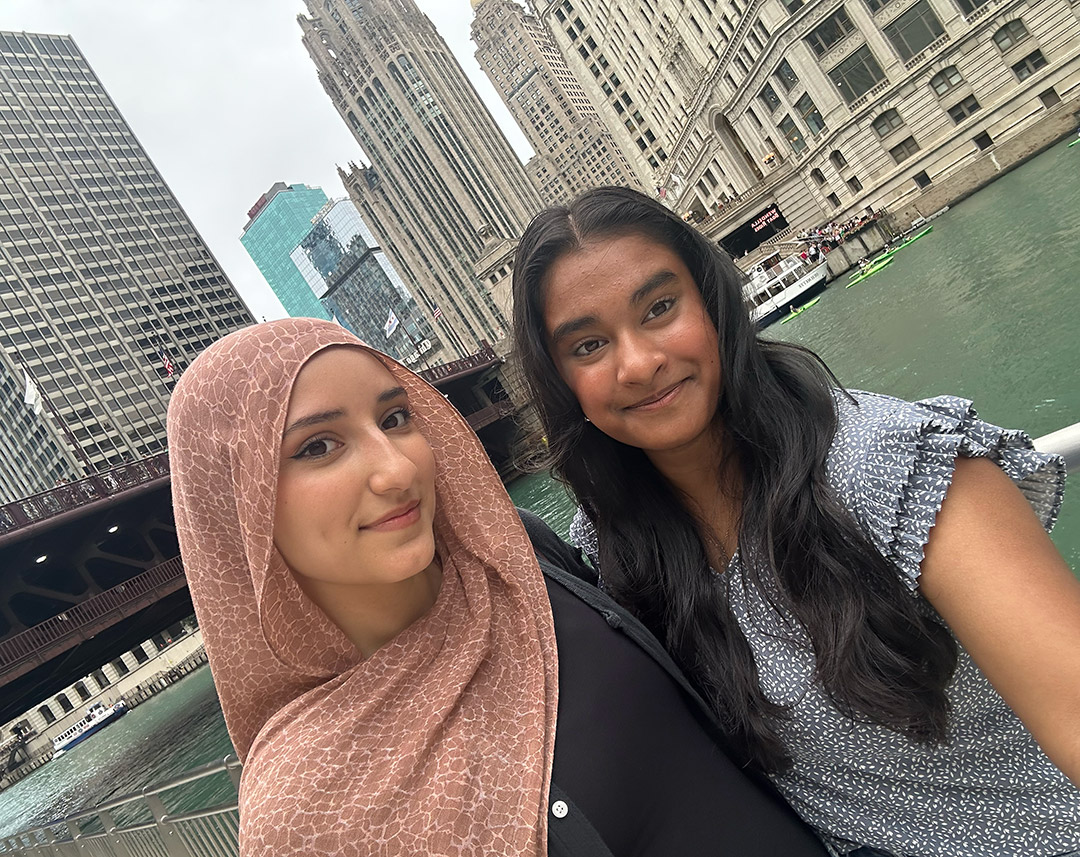
When not in class, Laila had time to explore the city of Chicago with friends and program participants.
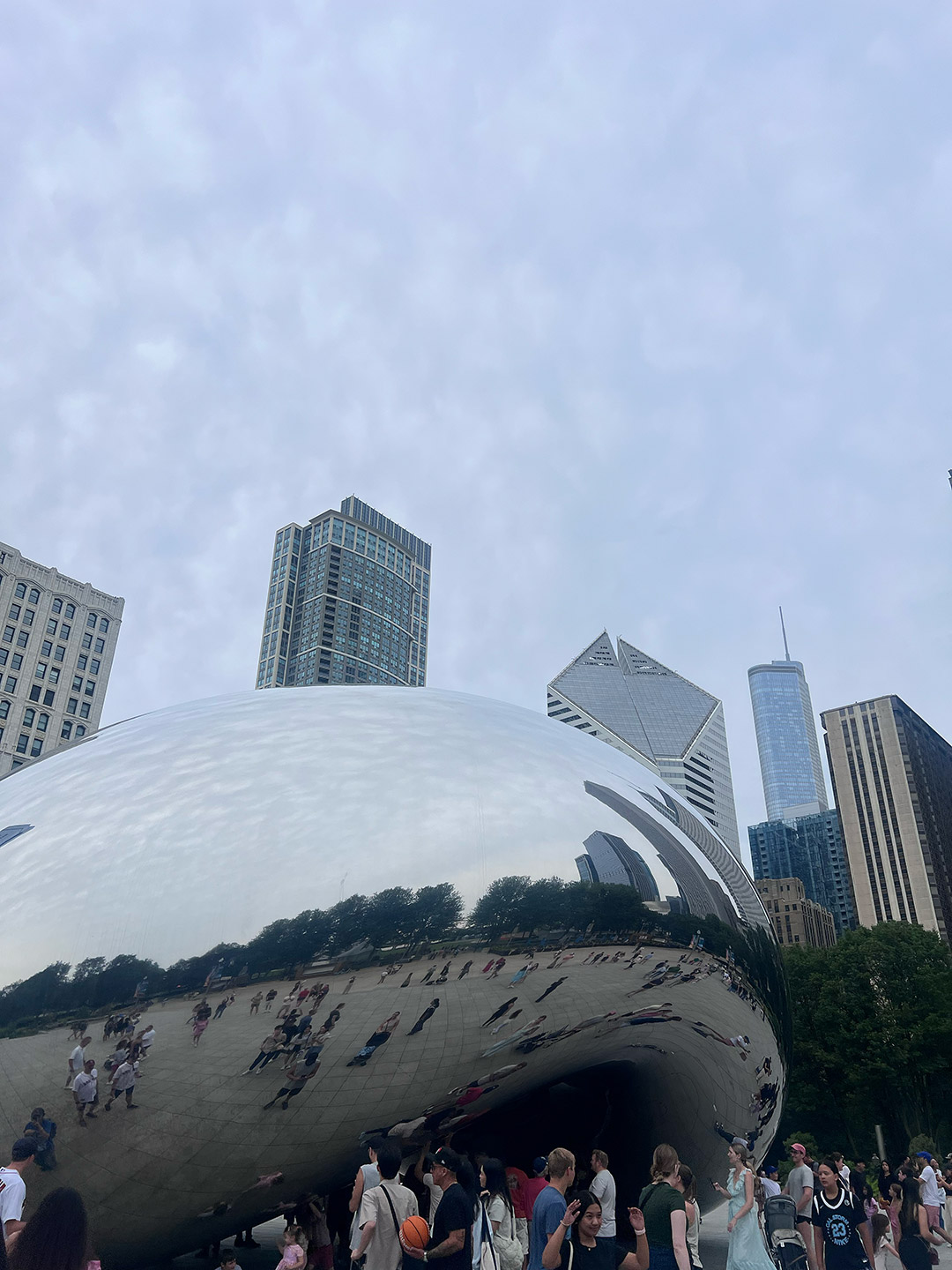
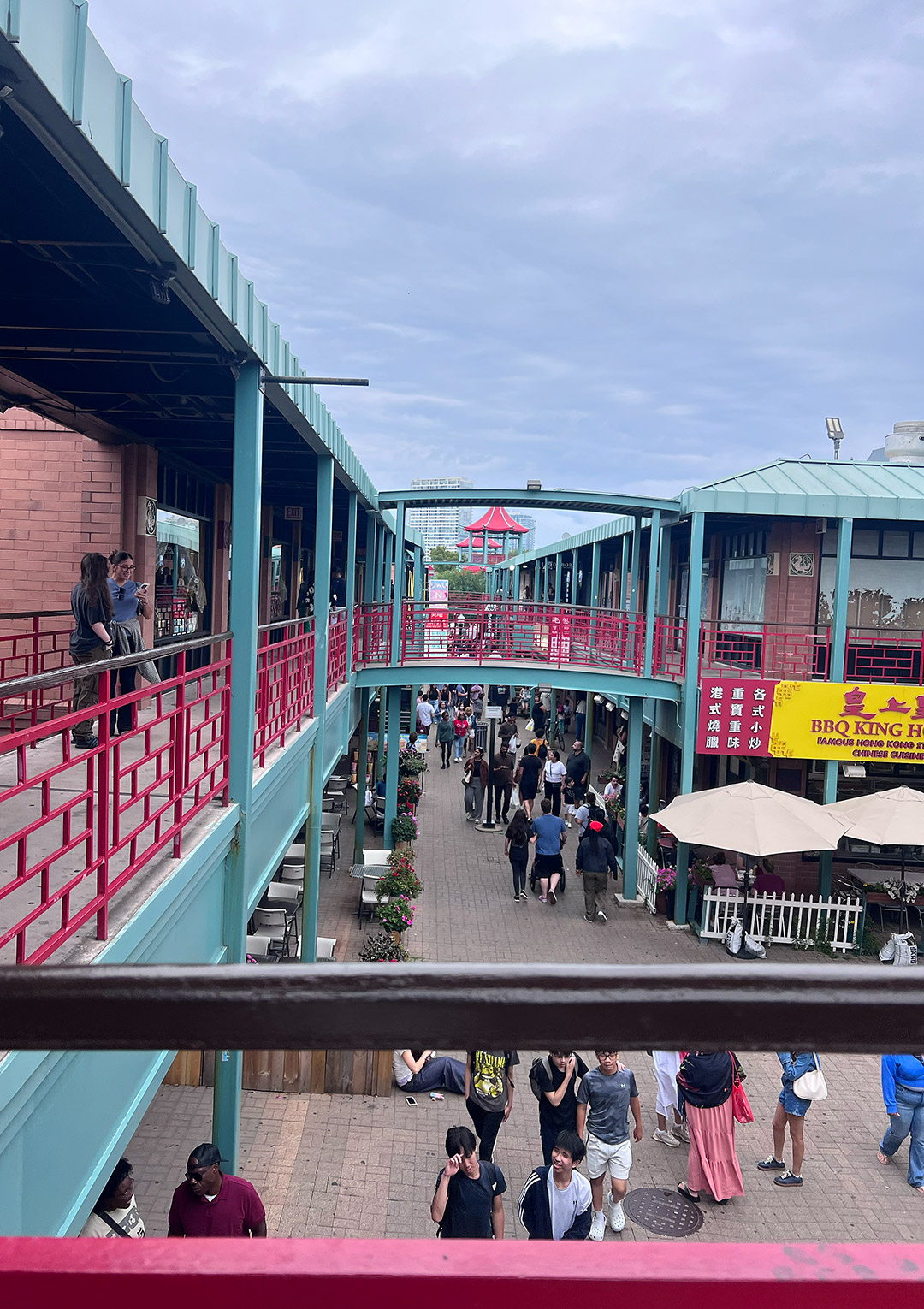
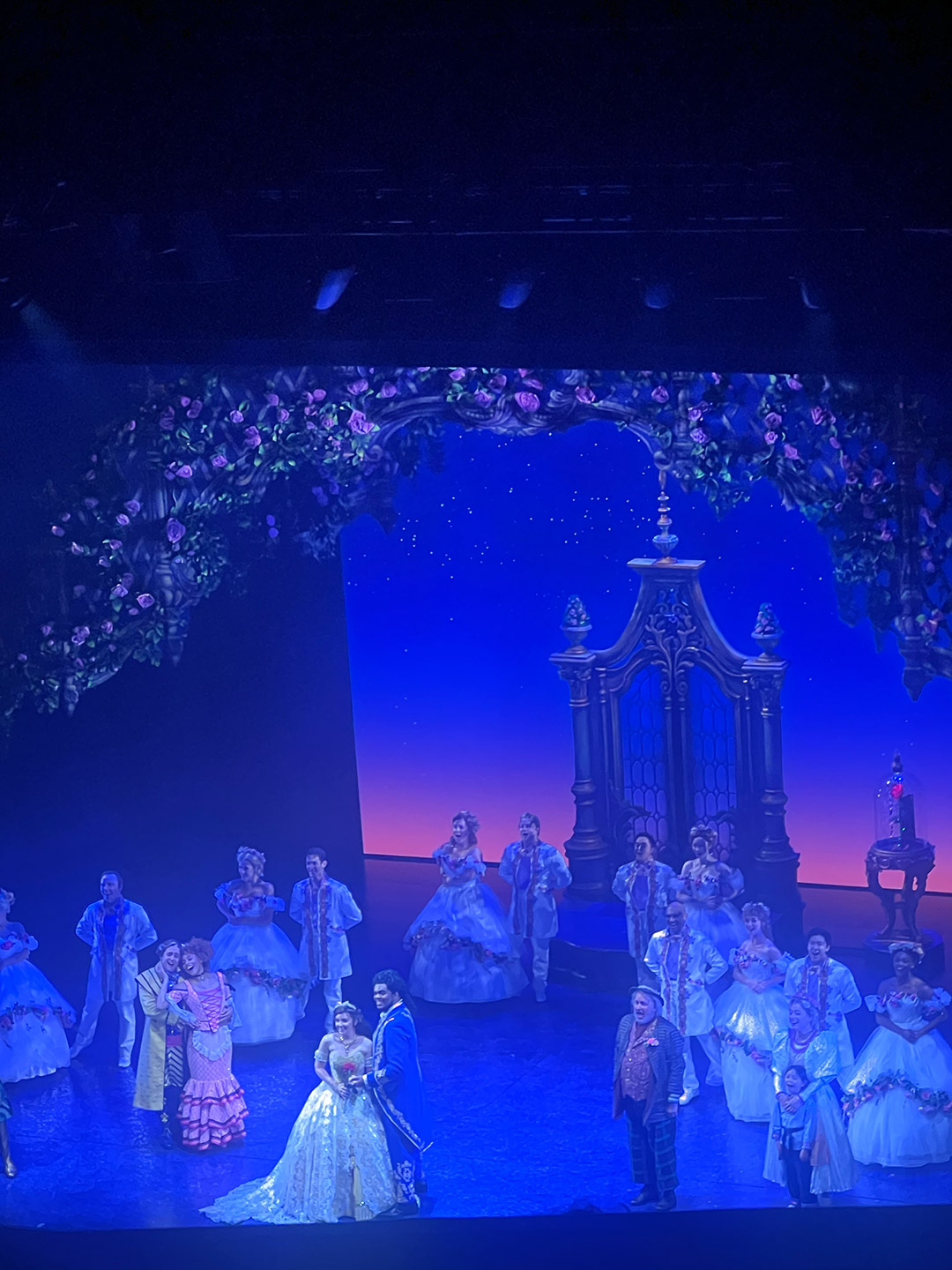
“We explored Cloud Gate, Navy Pier, the Lincoln Park Conservatory, Chinatown, and The Art Institute of Chicago. We were also able to attend a classical musical festival in Millennium Park, where a larger group of us got together to enjoy live music and take in the city’s culture. However, I would have to say that my favorite thing I got to do this week was watch Broadway’s production of Beauty and the Beast. Being my favorite Disney movie, it was so cool to experience it in the theater, and it was an amazing production,” Laila says.
We are happy to hear that you are having exciting lab experiences, learning new skills, and diving deeper into the material. Good job, Laila!
>> Read Laila Al-Asfour’s Final Report (PDF File, 78 KB).
>> Learn about the other students’ experiences in the GFF Scholarship Program.