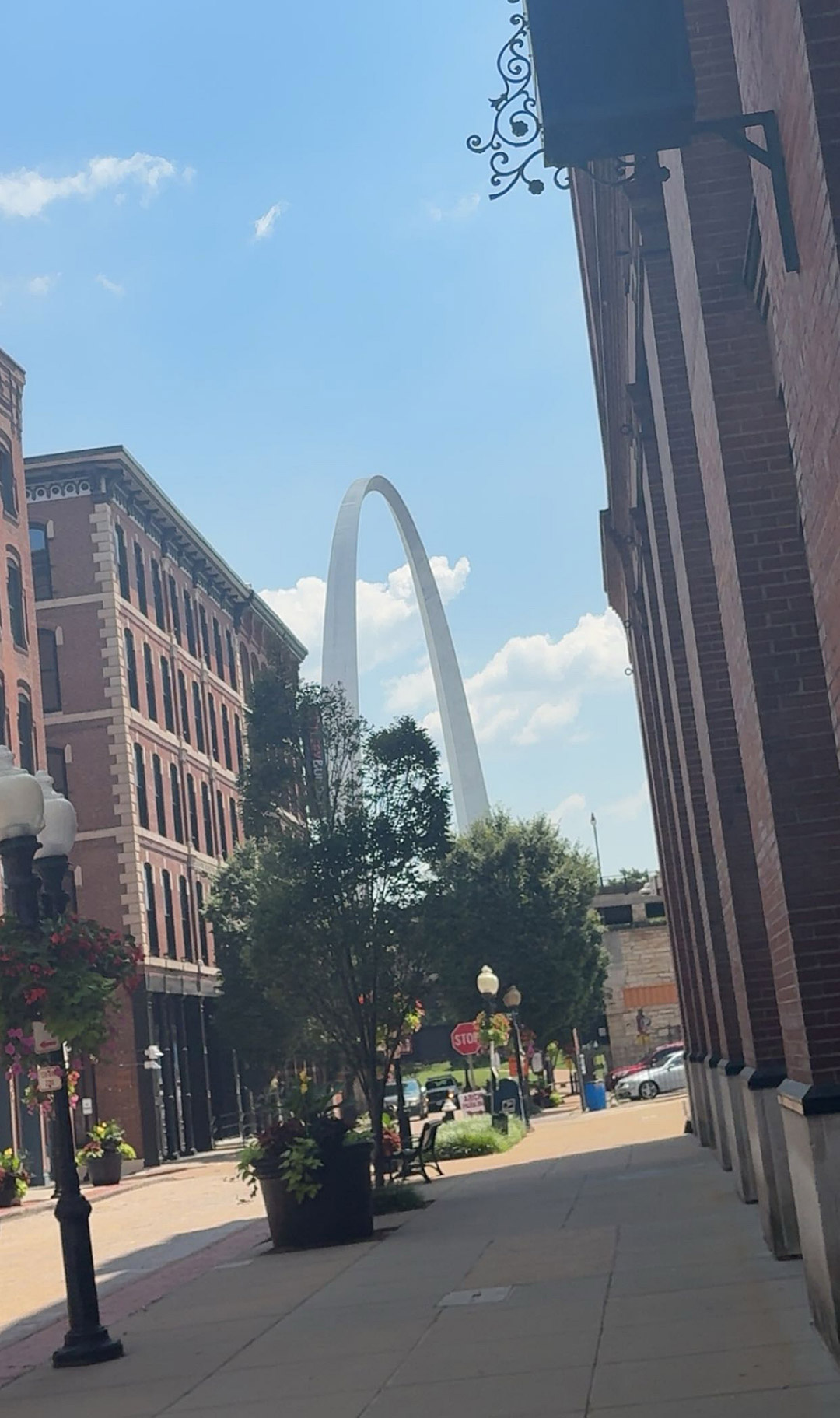
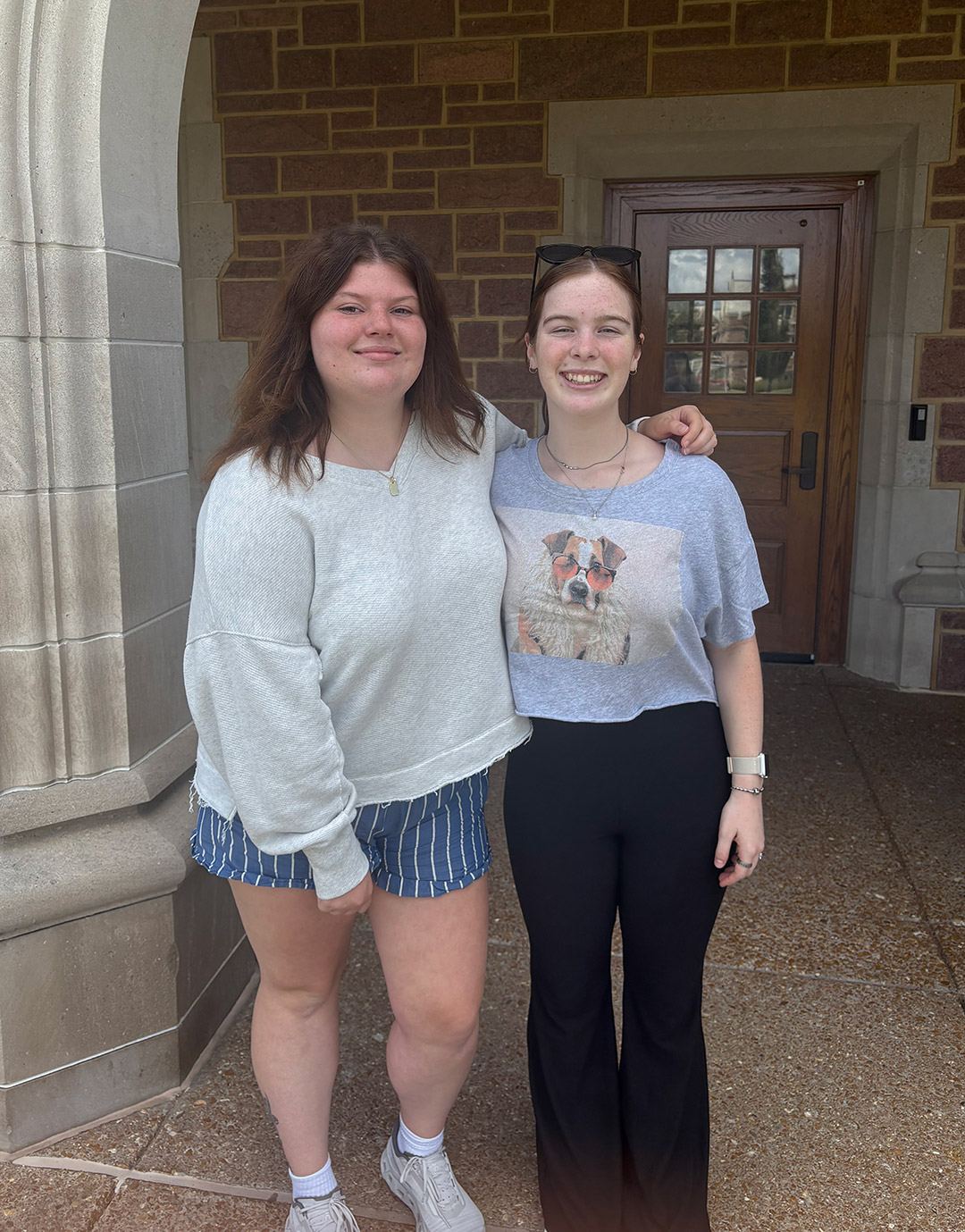
Isabella Ratchford reports on her first week at the Washington University High School Summer Scholars Program, where she is studying Biomedical Ethics. After settling in and meeting her two roommates, Isabella and friends toured the campus.
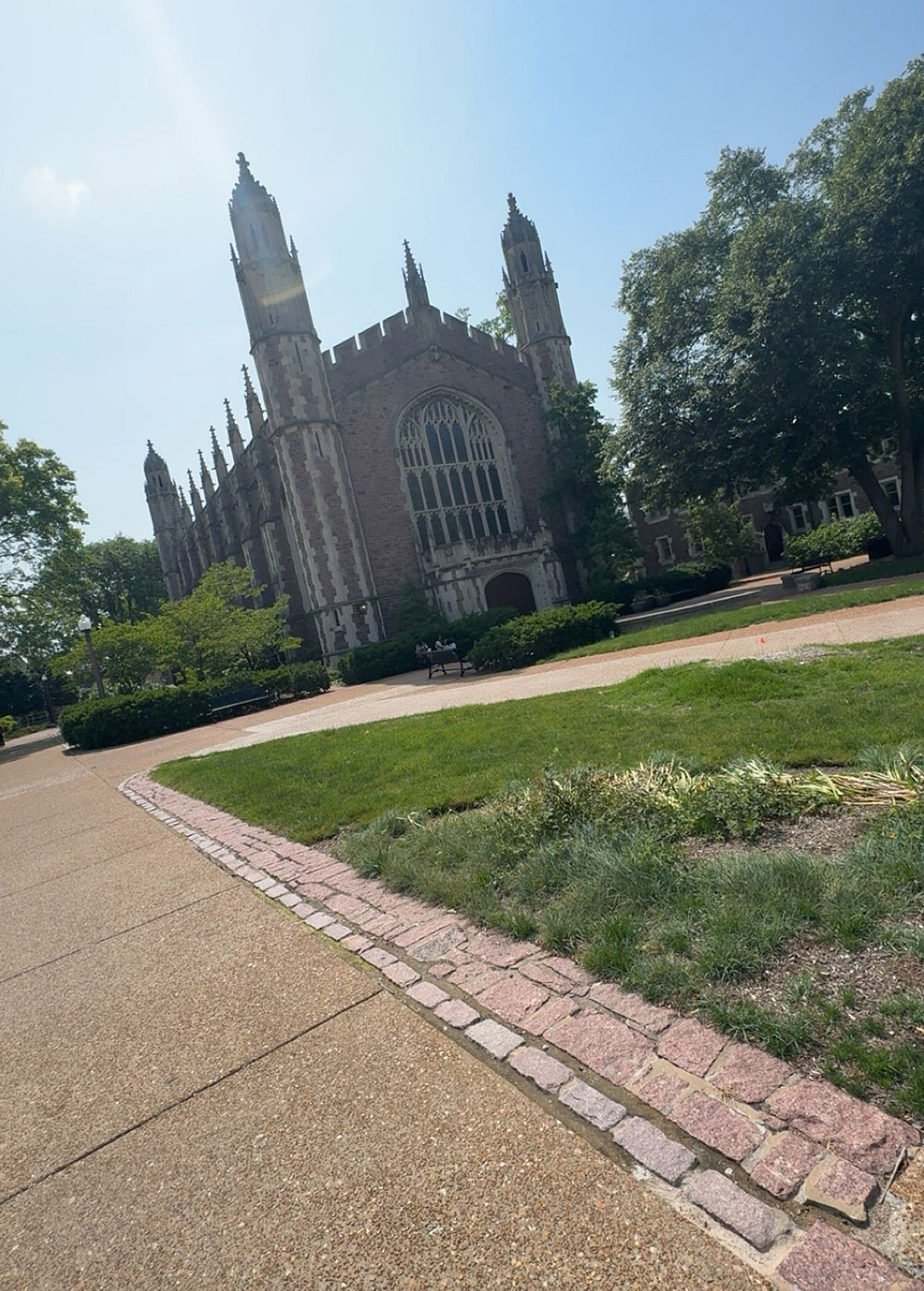
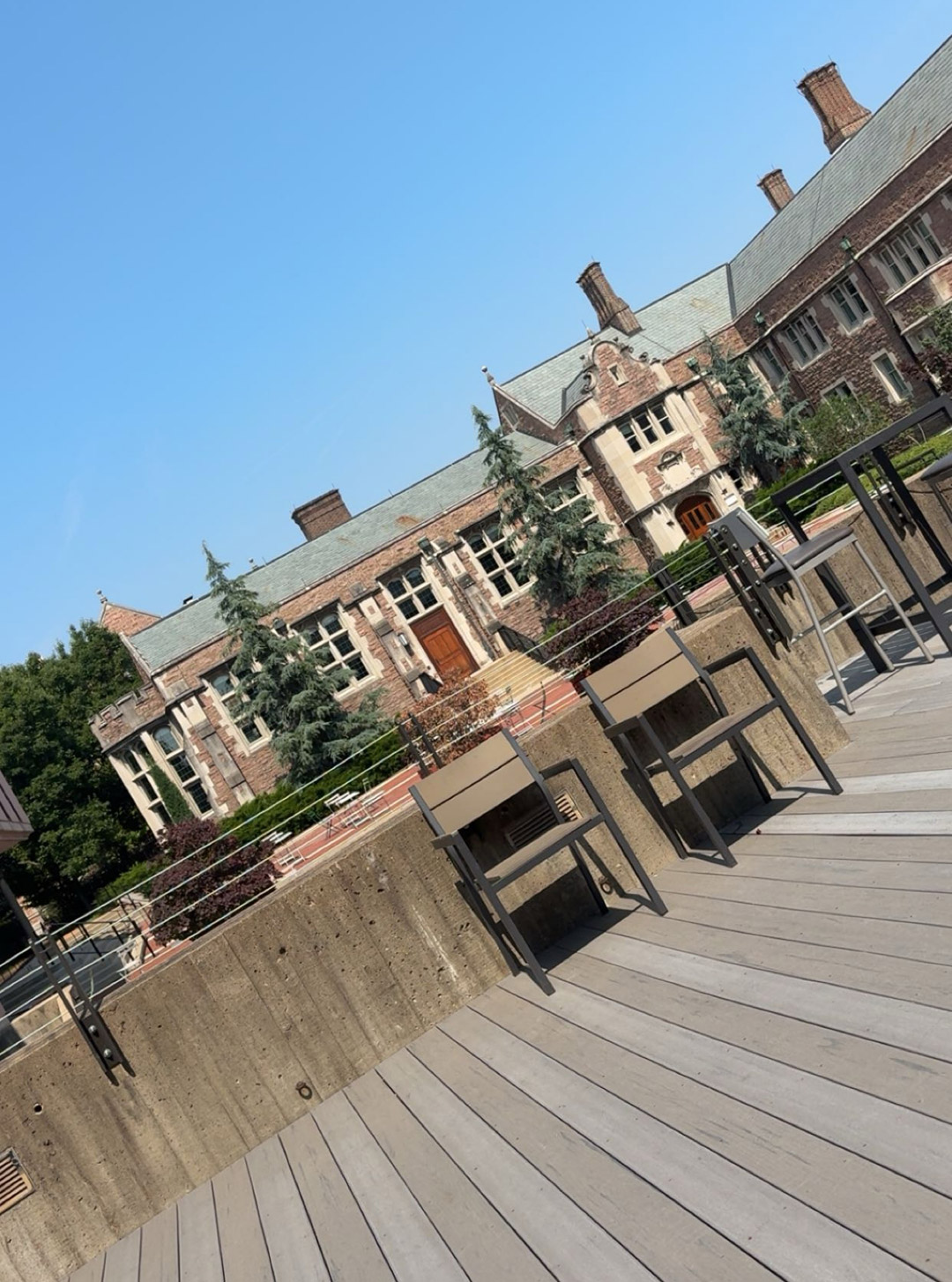
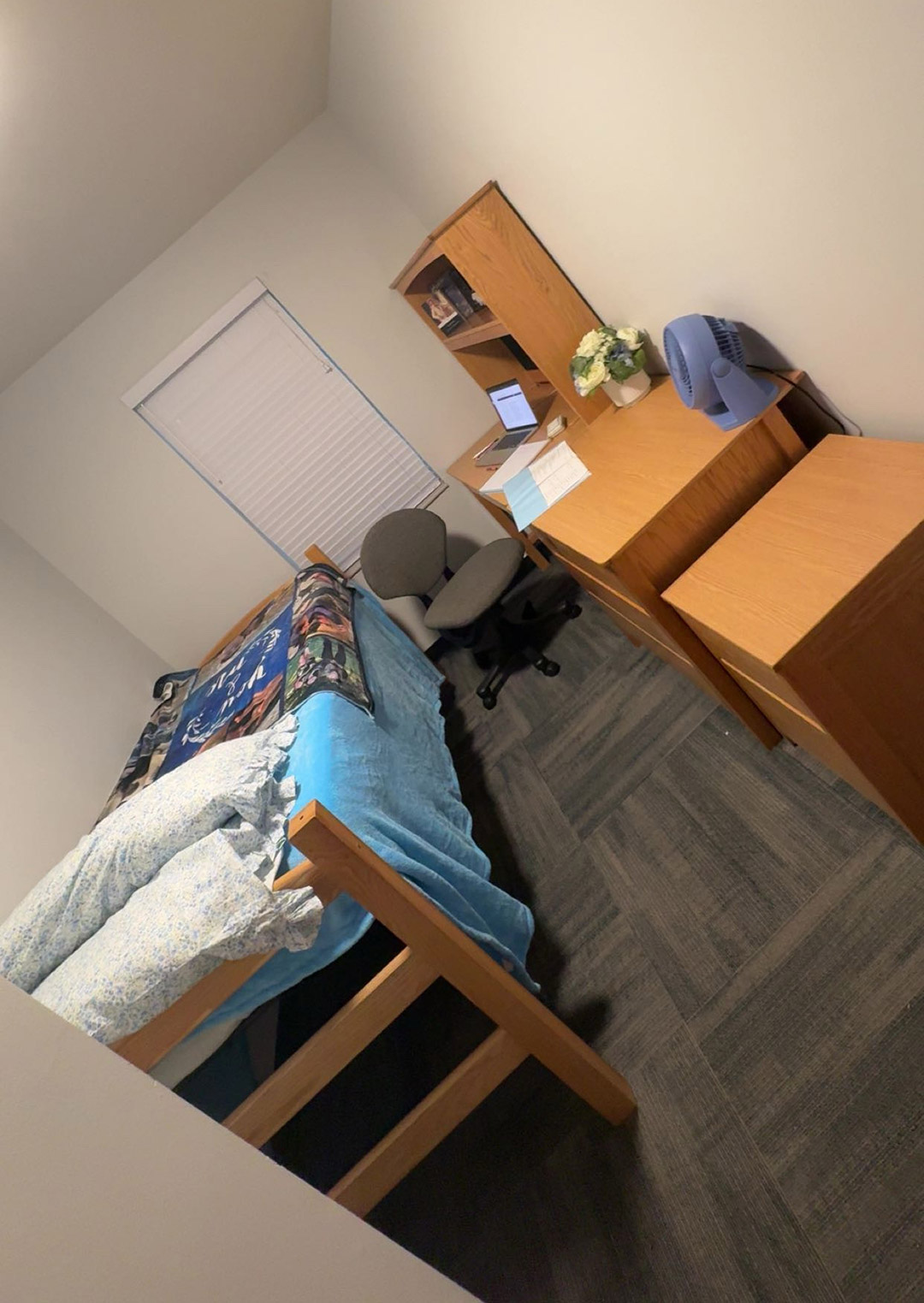
“Walking up the stairs to my suite was the most thrilling but anticipatory feeling. When I reached the dorm, the door was propped open, and I was welcomed warmly and excitedly by two of my roommates. At that moment, I knew I would be okay. The first night we toured the campus at WashU, which is unimaginably breathtaking; it feels like an enormous castle. After the tour, we went back to Nemerov and had a group meeting with our PA. Everyone clicked instantly, and the energy in the room was electric. It felt like we all knew each other for years. I am excited for these bonds to grow and the adventures coming up. To put my first day together, it was thrilling, and I’m excited for what’s to come,” Isabella says.
Since her class doesn’t start until 11:00 a.m., Isabella and friends spend time getting together at the dining hall to socialize, prepare for class, and share opinions on class topics.
“Having different opinions and thoughts has made the class more interesting and challenging. The class (Biomedical Ethics) is already thought-provoking itself, but being able to discuss outside of class with my peers deepens my understanding and makes me challenge my personal perspective on ethical issues. The class is structured where we spend two to four hours a night reading material and discussing it the next day. As of right now, we are contrasting Boorse’s and Kingma’s views of health and disease; Boorse’s viewpoint defines health as biological systems within a reference class, whereas Kingma’s viewpoint is value-based and dependent on the role of a function. This topic has been stimulating due to the deep thought that goes into the ethics and philosophy of the question, “What is defined as healthy?” There are numerous important factors to consider when asking this question, and there is no definite answer when you include a person’s values, goals, and experience,” Isabella explains.
When she is not in class or studying, Isabella has found time to participate in various activities at Washington University.
“So far, we have played in a UNO tournament, made bracelets, had beverages while talking about our future plans in college, and went to the zoo. Outside of planned activities, we went out to Fitz’s, which was an adventure because the shuttles stopped circling at seven, so we ended up having to walk forty minutes back, but it’s something we look back on as a lesson, and now we will only take the metro. Outside of my life at WashU, I make sure to talk to my family and friends every day. I was surprised that I settled in as easily as I did. I thought I would be home sick, but I told all of my family that I would be perfectly fine staying here the whole summer if I could,” Isabella reports.
“To sum up my first week at WashU, the academic part has been both challenging and engaging, pushing my critical thinking skills to a higher level and encouraging me to seek outside research to better my knowledge in the ethics being discussed in class. The social part of my WashU experience so far has been exciting and eventful. My friends and I are always out and exploring the campus or the city. My time here already has impacted me for the better as a person, and I am thrilled to learn more and build better bonds,” Isabella says.
Week Two — An increase in course work!
Isabella says that although her second week at Washington University has been “work-heavy,” she was able to carve out some time to meet with friends and explore the campus in greater depth, finding “study spots and secret snack spots.”
Isabella’s Biomedical Ethics class discussed alternate arguments on abortion through papers written by Marquis and Thomson.
“This Monday in Biomedical Ethics, we talked about abortion. We discussed a paper by Marquis that dove into the conceptual ideas of why abortion is immoral. His whole argument was based on the idea of a ‘future like ours,’ meaning that abortion deprives the baby of a potential future. His argument, at first, seemed ideal, but diving into Tuesday’s lecture fought against Marquis’ ideology,” Isabella explains.
“Tuesday increased the amount of work two-fold. In biomedical ethics, we discussed a paper by Thomson, defending the rights to abortion. In the Thomson paper, she argues that a mother has a right to her own body and who uses it. Thomson uses many analogies to demonstrate her argument. One analogy she uses is about a baby growing in a tiny house, about to crush the mother to death. The purpose of her argument is to illustrate that a person has a right to defend their own life. Her main focus is on the dangers a mother might face during pregnancy, and being able to make the choice to abort the child in order to save her own life should not be viewed as morally wrong,” Isabella adds.
When not in class, Isabella was able to find time for campus activities, including a few interesting “Doordash” experiences.
“My second week at WashU has been a success. Some of the activities I did were painting, volleyball, and trivia night. I enjoyed the volleyball game (even though we lost), and painting tested my patience, but I think I’m the new Van Gogh. Although I didn’t technically play in trivia night, I did cheer on my friends,” Isabella says.
“Being active with my friends and all of my homework has kept me distracted from home. In my free time, I caught up on the series I’ve been watching (“The Blacklist”), and talked to friends and family. Being able to sit down and see what’s going on back at home has made me a little homesick, but my amazing friend, Anna, has been there for me, making sure I enjoy each moment here at WashU,” Isabella adds.
Week Three — One of the Best!
Isabella reports that her third week at Washington University has been “one of the best” in terms of both “engaging” class work and time spent with friends.
“Both “Biomedical Ethics” and “The Biological Basis of Human Disease” have been exciting, but a lot of work. In Biomedical Ethics, we learned about Active and Passive euthanasia. We have also started a news article project. My group is doing “Equitable Health Care for Patients with Disabilities.” On Thursday, we wrote our analysis, and on Friday, we made our whole slideshow and presented. For my online class, we have been watching lectures on the immune system and HIV/AIDS. These topics have been interesting to learn about, especially seeing all the connections between each lecture. Learning deeper into physiological aspects of the body has expanded my understanding of how internal processes drive human health, behavior, and responds to disease. Each class has introduced me to new perspectives and ways of thinking I hadn’t considered before,” Isabella says.
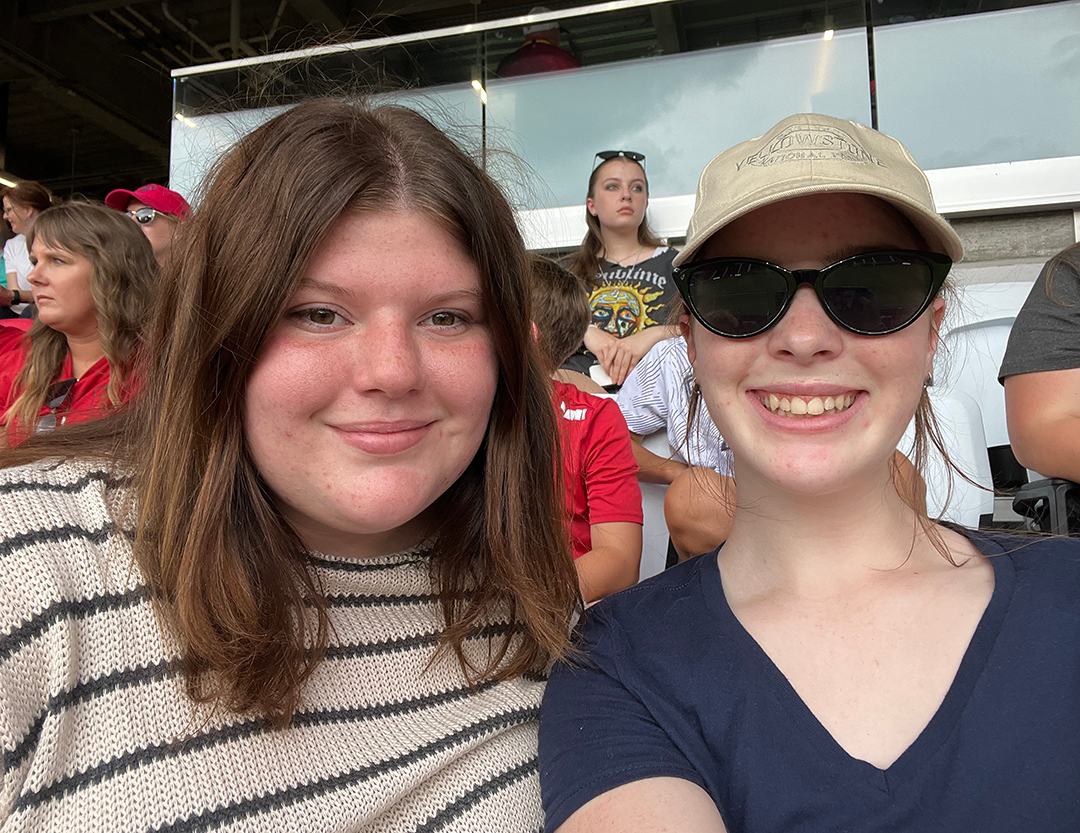
Although busy with course work all week, Isabella found time to get together with friends to celebrate a birthday with dinner, have lunch and attend a soccer game between St. Louis vs. Houston.
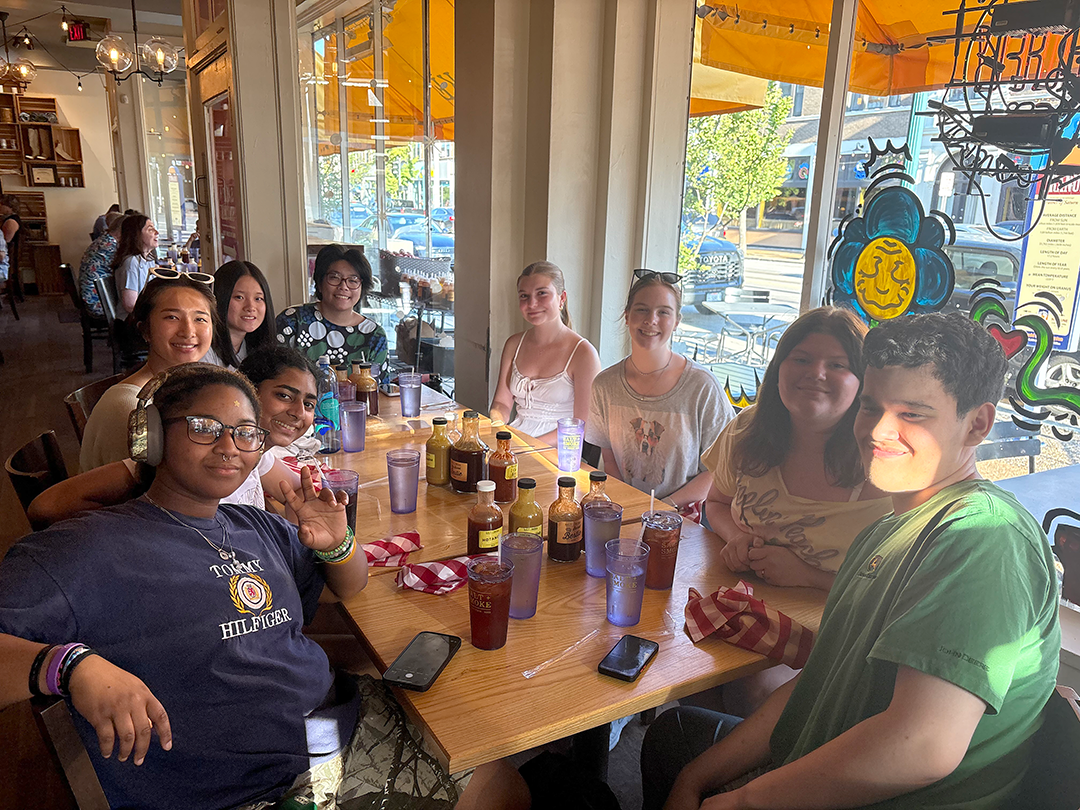
“Our connections have grown and being around them is worth every minute. We all have different goals, lifestyles, and personalities, but that’s what makes our friendship meaningful. We learn from each other and grow together. This week was Anna’s birthday (one of my roommates). She planned a dinner at Salt and Smoke with a big group of people. This was the first time in over a week that we all got to get off campus due to the heat advisories. Being able to celebrate with her and everyone else was special. Once dinner was finished, we came back and had chocolate cake, her favorite. I learned more about everyone that day, and we have only grown closer. This weekend, we had made lunch reservations for Fitz’s on Saturday. After lunch, we went to a soccer game to watch St. Louis vs. Houston. I have never watched a soccer game before, but luckily I sat next to Grace and she explained offside to me a million times. Saturday ended on a good note,” Isabella reports.
“To sum up my third week at WashU, I have grown closer to my friends, and the feeling of homesickness is subtle. Although I miss work and my friends at home, the different scenery and the challenge were needed. I have enjoyed every second at WashU, and as the time gets closer to the end of my time here, I feel the need to continue to be active and social with everyone to make the best memories before the end of the program,” Isabella adds.
Week Four — Genetic Enhancement
Isabella spent the fourth week at Washington University writing a philosophy paper for her course and growing closer to her group of friends.
“As of this week in Biomedical Ethics, we have been working diligently on our philosophy papers. I chose the topic of genetic enhancement. I have always been fascinated by DNA. My passion for genetics stems from a deep curiosity about how genes shape who we are and how they influence our health. The paper I am debating against is about Procreative Beneficence by Julian Savulescu. His paper talks about how it is a parents moral obligation to select the best life for a child. His argument at first, in my opinion, is agreeable; I believe that genetic enhancement should be used to cure diseases and, if the parents want, disability, but Savulescu then introduces non-medical traits. This condition is where my debate comes into play. I argue that human diversity and autonomy shouldn’t be altered; I believe external factors are a massive part of what makes us our own individual self,” Isabella explains.
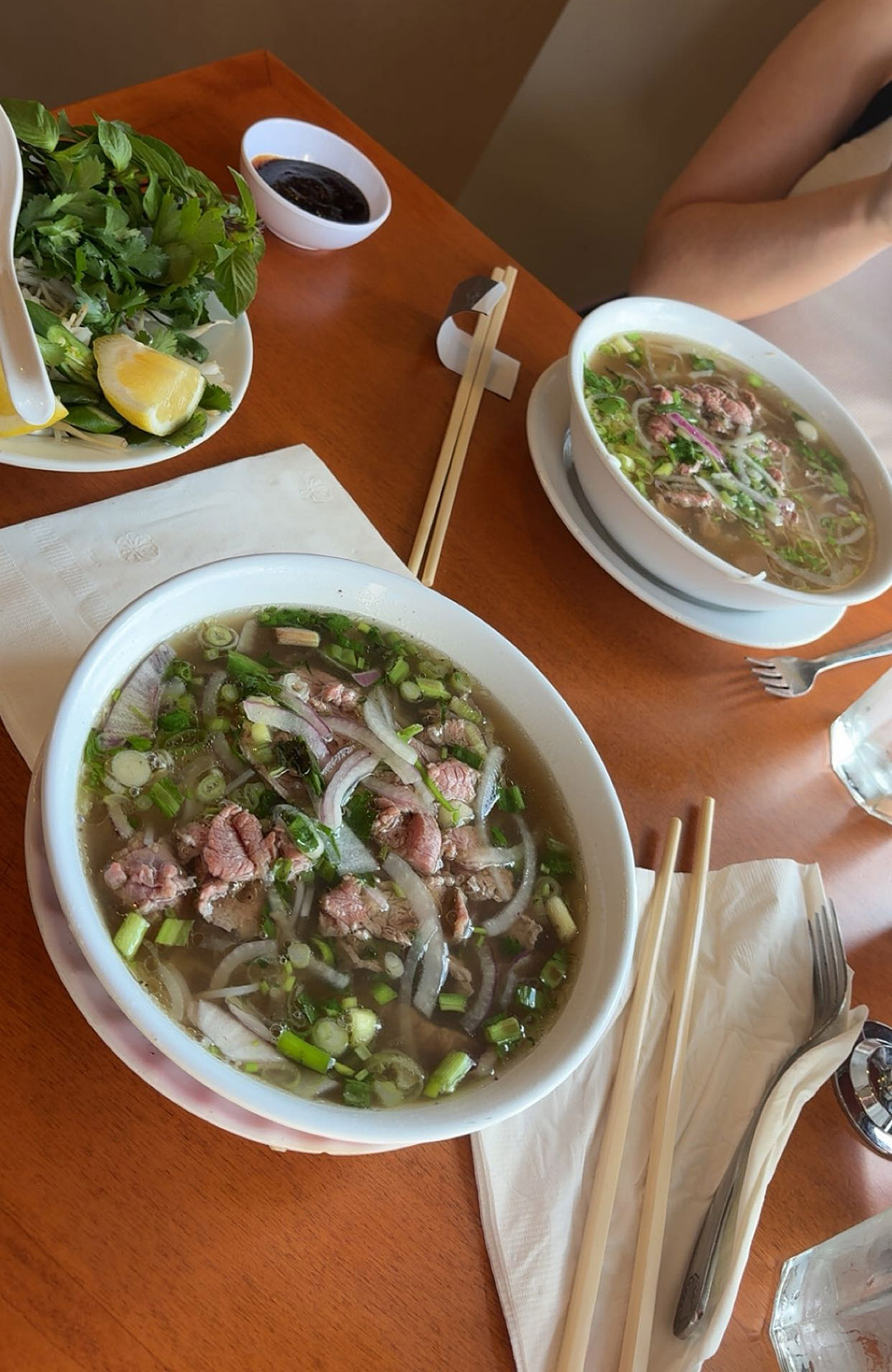
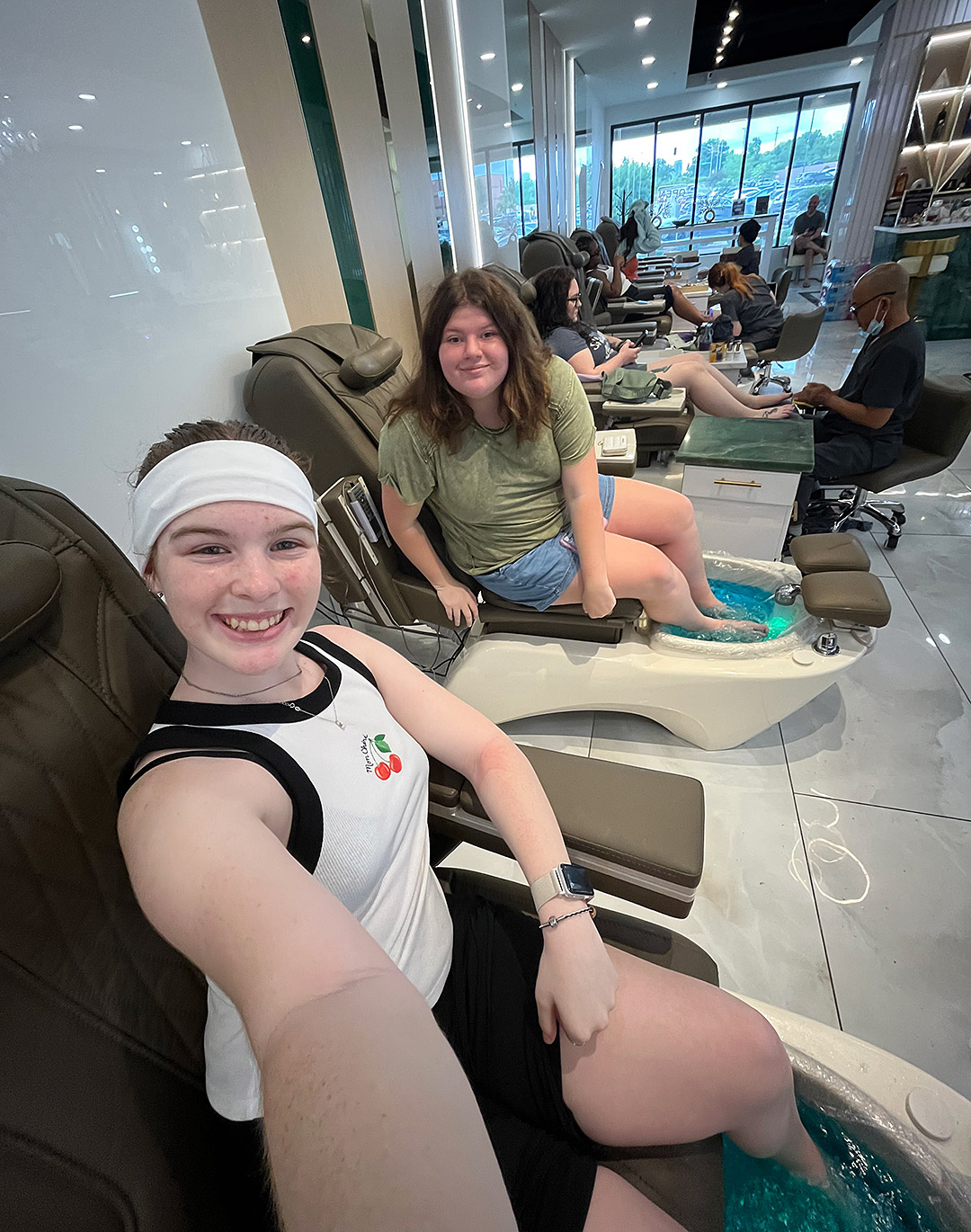
When not in class, Isabella was able to try a Vietnamese dish called “pho tai.” Isabella and her friend Grace also treated themselves to a pedicure at the Oliver Nail Lounge to decompress from the week’s coursework.
“To conclude my fourth week at WashU, I enjoyed learning and exploring new ideas. I see education as a lifelong journey rather than a destination. I find excitement in challenging myself and growing both academically and personally. After spending four weeks at WashU, I feel more confident to thrive in a college environment. My experience so far has pushed me intellectually and given me the courage and mindset to take on the independence and rigor that college demands. I also deeply value the friendships I have made during my time here. I am thankful for the diversity of the people I have met and for learning about different cultures. Being surrounded by people who are equally motivated and passionate about learning has pushed me to be the best I can. Learning in such a supportive and intellectual environment has brought me the confidence to strive and succeed at the college level,” Isabella says.
Week Five — Growth, learning, and connections
In her final week at Washington University, Isabella says that time has flown by and she is not ready to leave.
“Each moment here has been filled with growth, learning, and connections. From engaging and thought-provoking classes to late nights with friends, each and every experience has influenced and shaped me in some way. In my time here, I have discovered new passions for biomedical ethics and just philosophy overall. I am grateful for the opportunity the Garwin Family Foundation gave me. I can’t thank each of them enough for the phenomenal time that I had at WashU,” Isabella says.
“My last three days of biomedical ethics were stimulating. We covered topics that I either loved or never thought about. Monday, we talked about whether there is a right to healthcare or if it’s a luxury. At first glance, I assumed we had a right to healthcare and that giving everyone equal opportunity. Norman Daniels argues that the right to healthcare is grounded in the principle of justice. Daniels believes that everyone deserves fair equality of opportunity. But that’s where my first question arose: what is equal opportunity? Is it that everyone gets equal healthcare, or everyone gets to live in the range, as Barnes says, normal functioning? I still think about this question now, and knowing that there isn’t a definitive answer is hard to accept. Biomedical ethics doesn’t give you yes or no answers. Instead of providing one “right” solution, it encourages critical thinking, and that’s what I enjoy about this class,” Isabella explains.
“Although I will miss all of my classes, I will deeply miss all of the friends I made along the way. Realizing that the program was actually over and seeing my room come apart was heartbreaking to me. I wasn’t ready to leave, and I don’t think anything could have prepared me for when the time came. It reminded me to cherish every moment in life because time moves quickly. After class, I made my rounds of goodbyes and hugs. It was the hardest thing I had to do in my time at WashU. Although I will be in contact with most people, it’s hard not to see them every day anymore. Even though it came to an end, I will never forget the amazing memories that lay at WashU,” Isabella says.
We are happy to hear that your time at Washington University was an exciting learning experience, and ended with memorable friendships. Excellent work, Isabella!
>> Read Isabella Ratchford’s Final Report (PDF File, 55 KB).
>> Learn about the other students’ experiences in the GFF Scholarship Program.