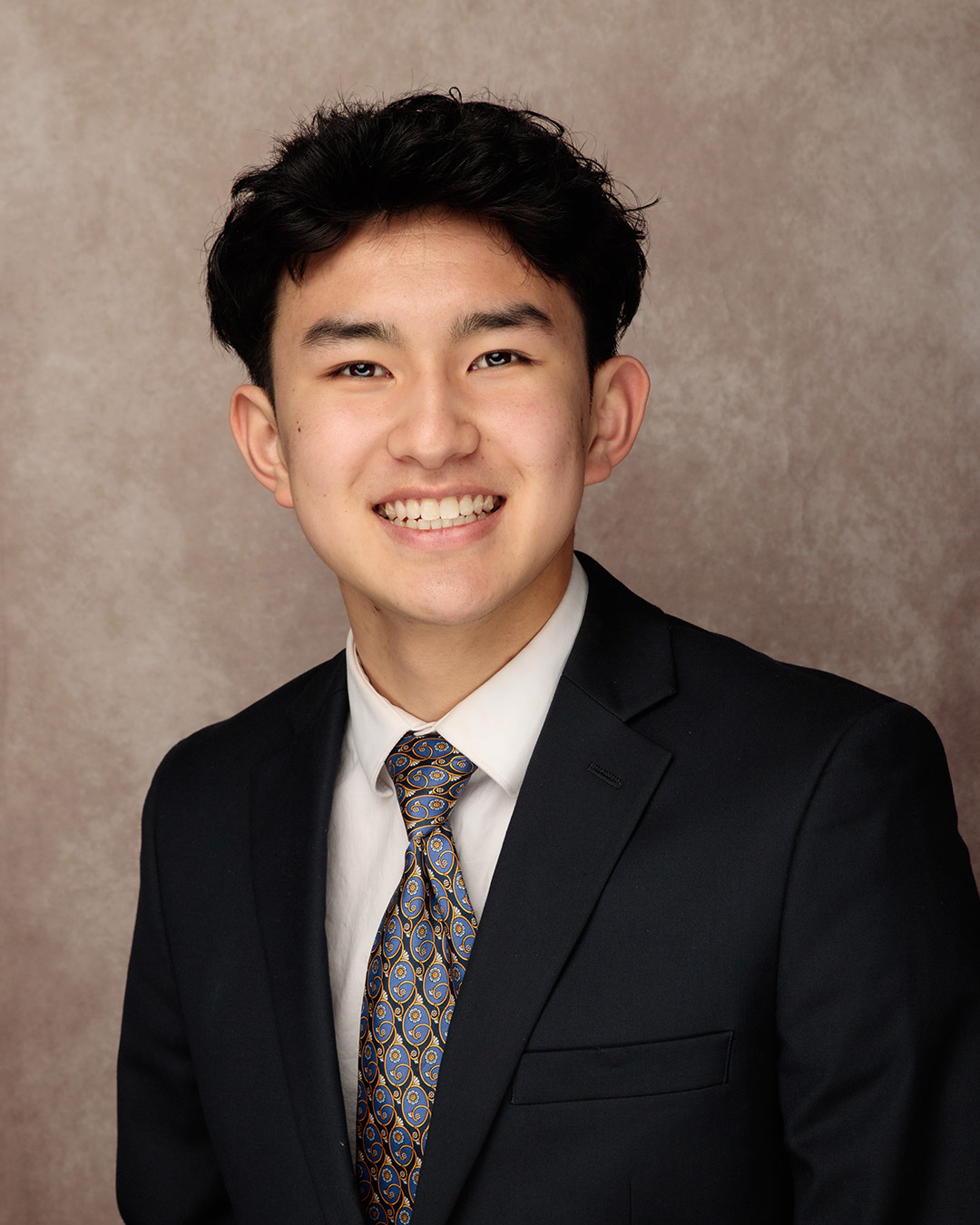
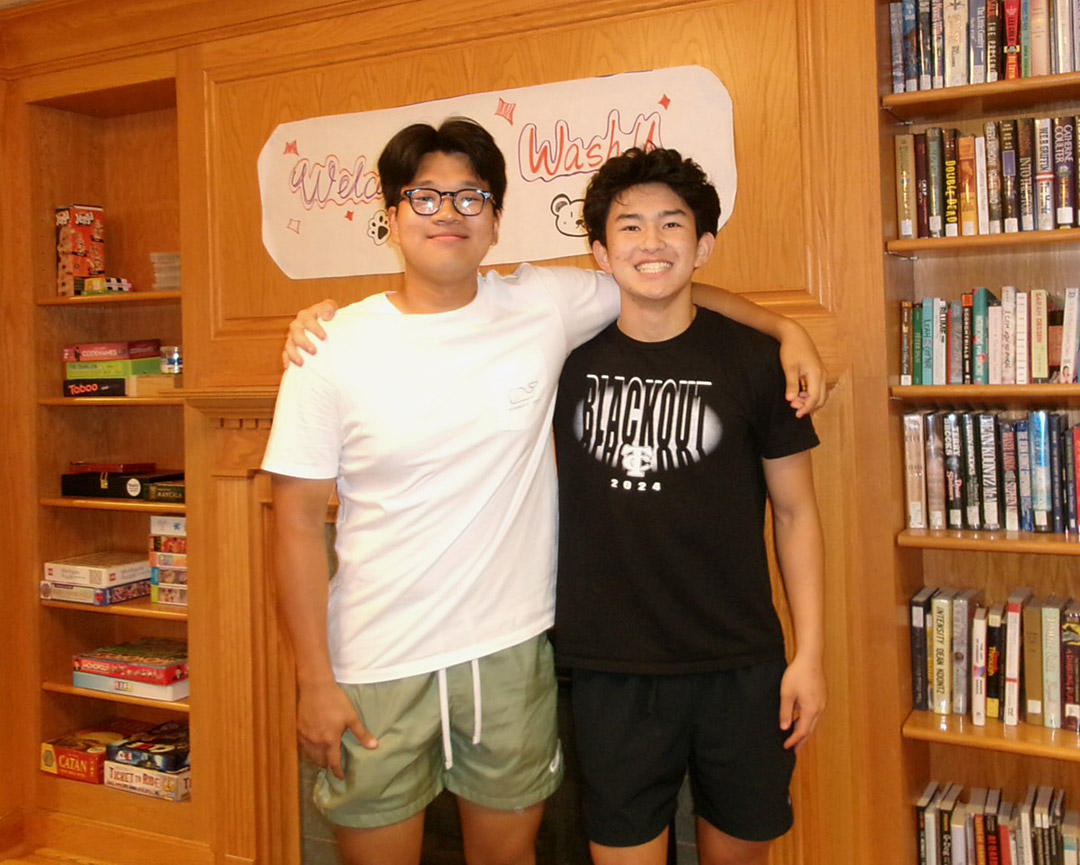
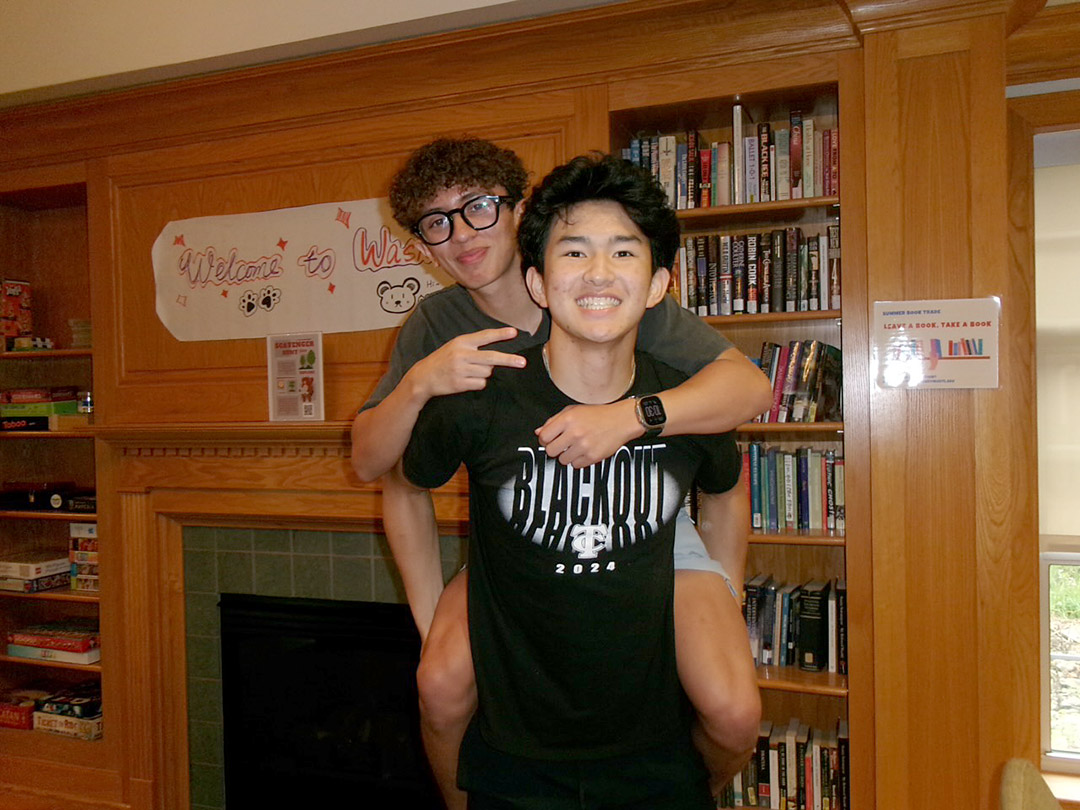
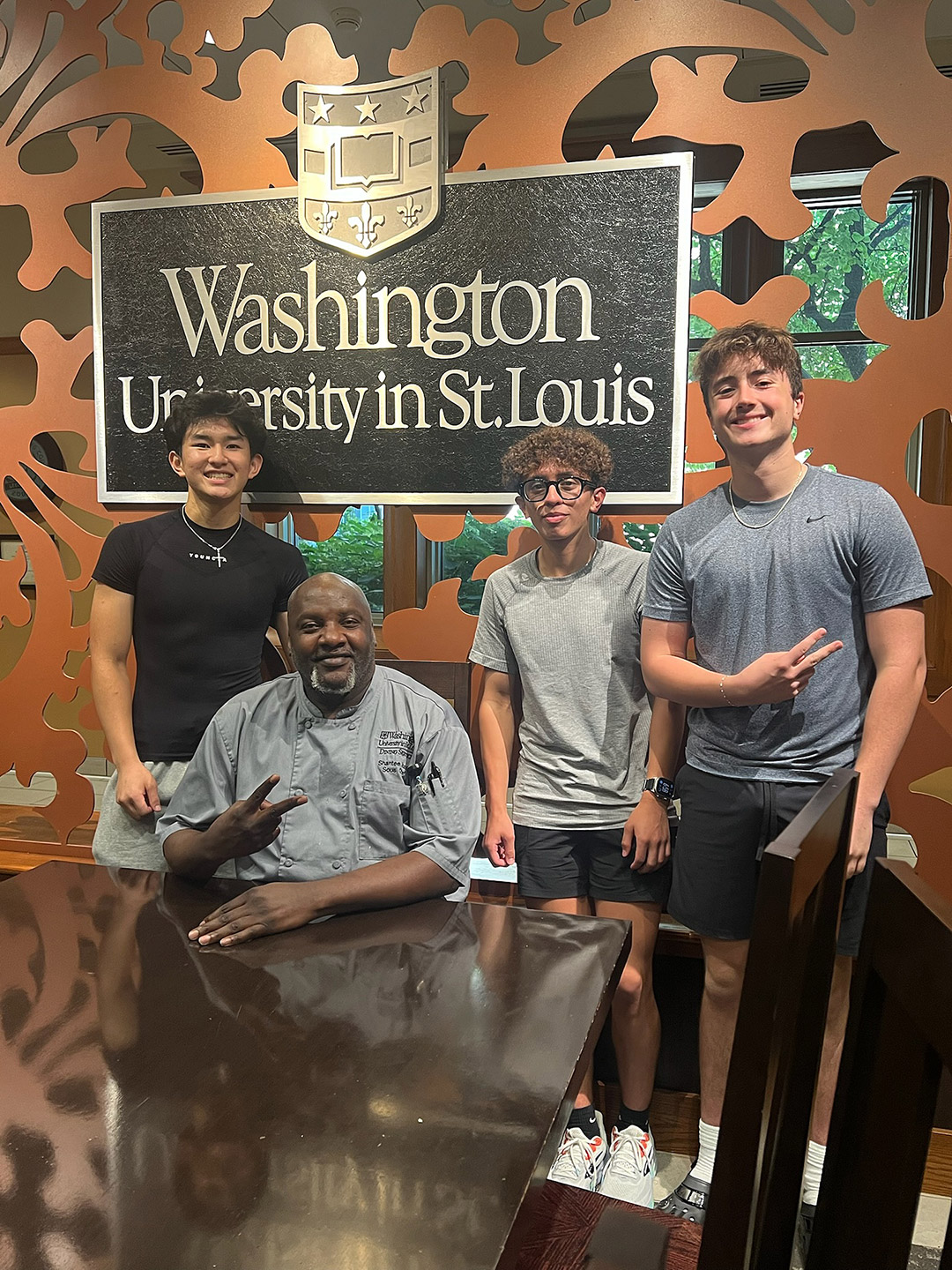
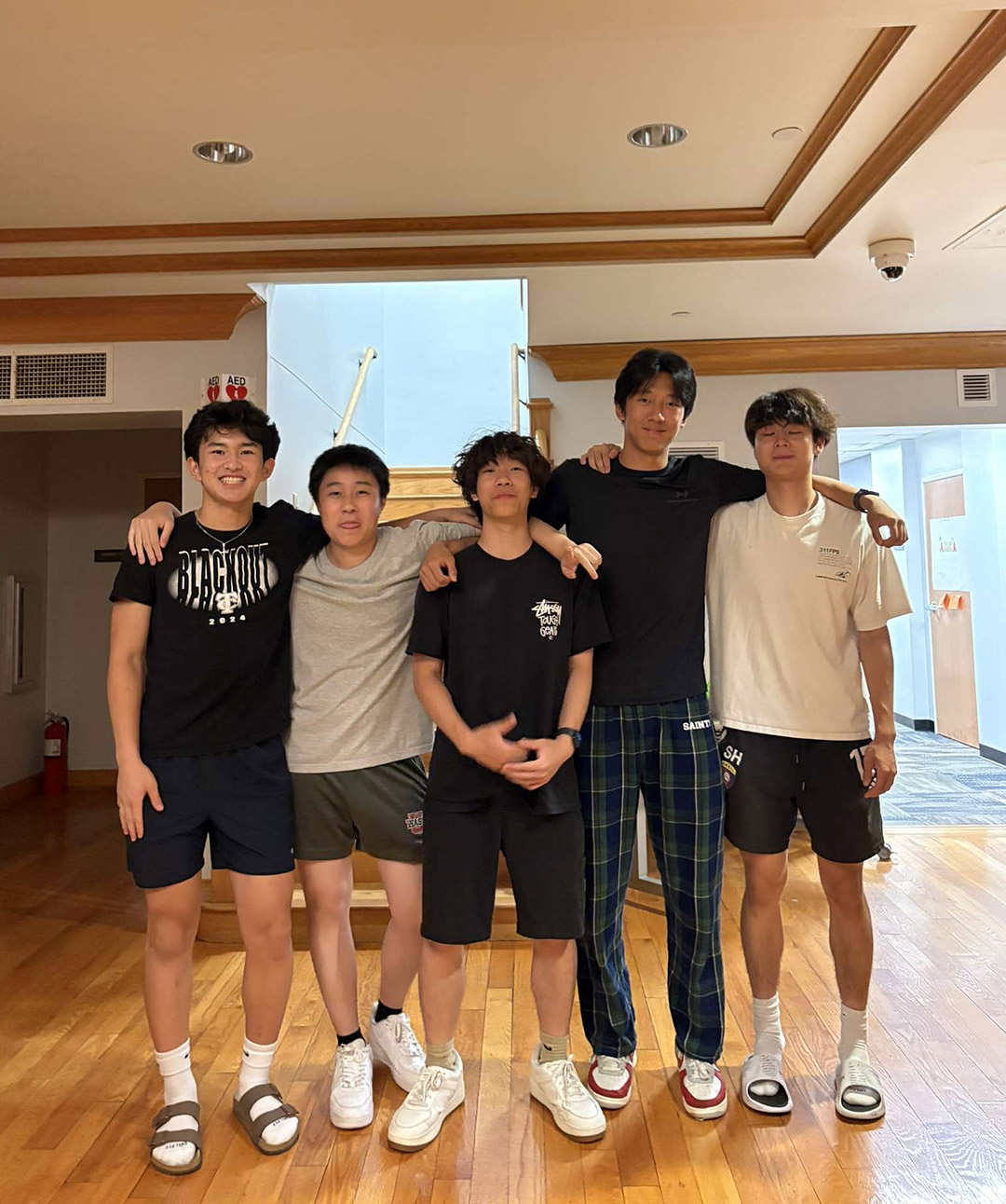
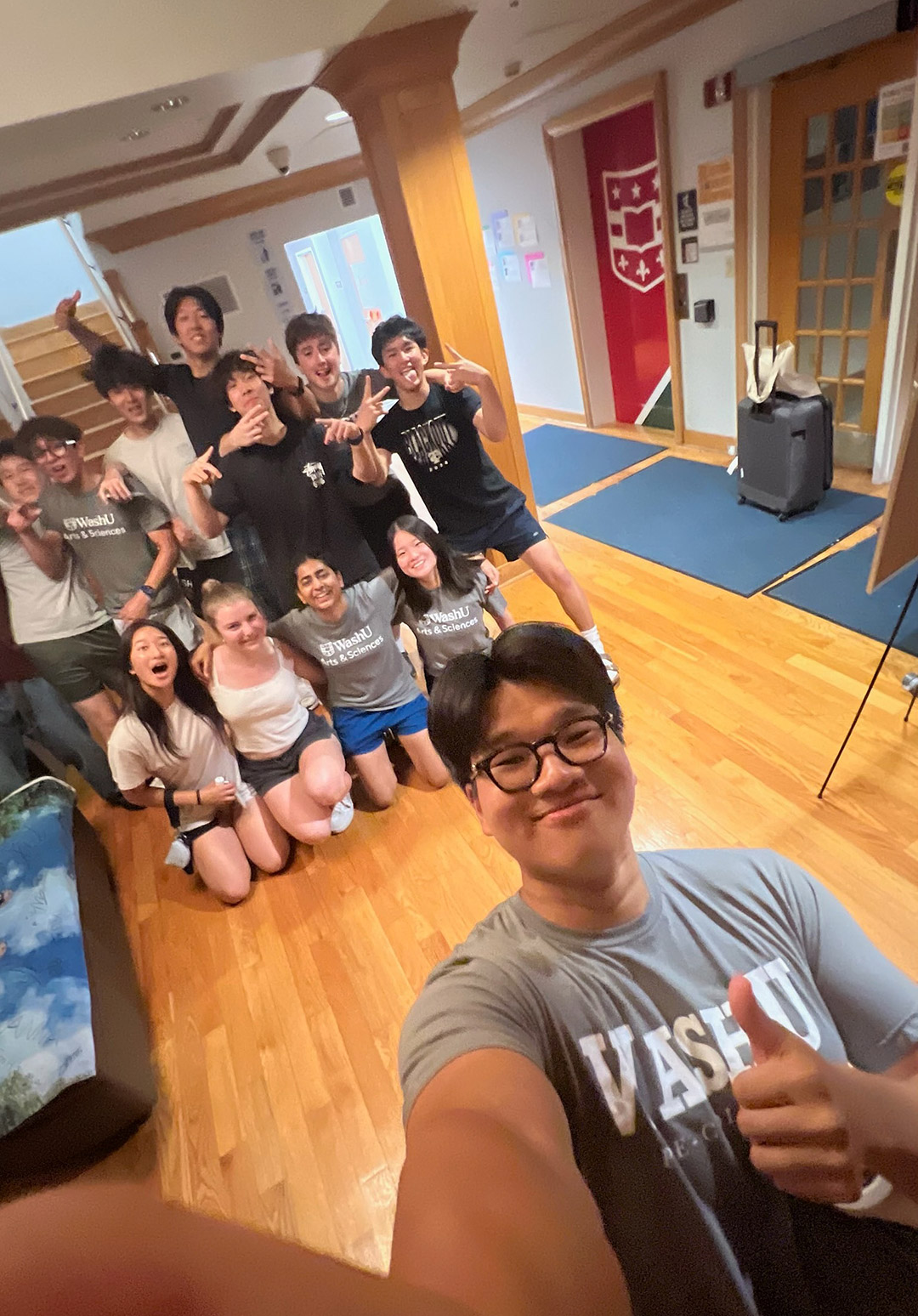
Francis Bu reports on his first week at the Washington University High School Summer Scholars Program, where he is studying Neuroscience. “I have to say I didn’t think I would like WashU this much. However, I’m happy to report that I’ve had a blast here over the past week,” Francis says.
Although check-in day was a little awkward since no one knew anyone, Francis says he was able to quickly find friends, especially with his knowledge of Mandarin.
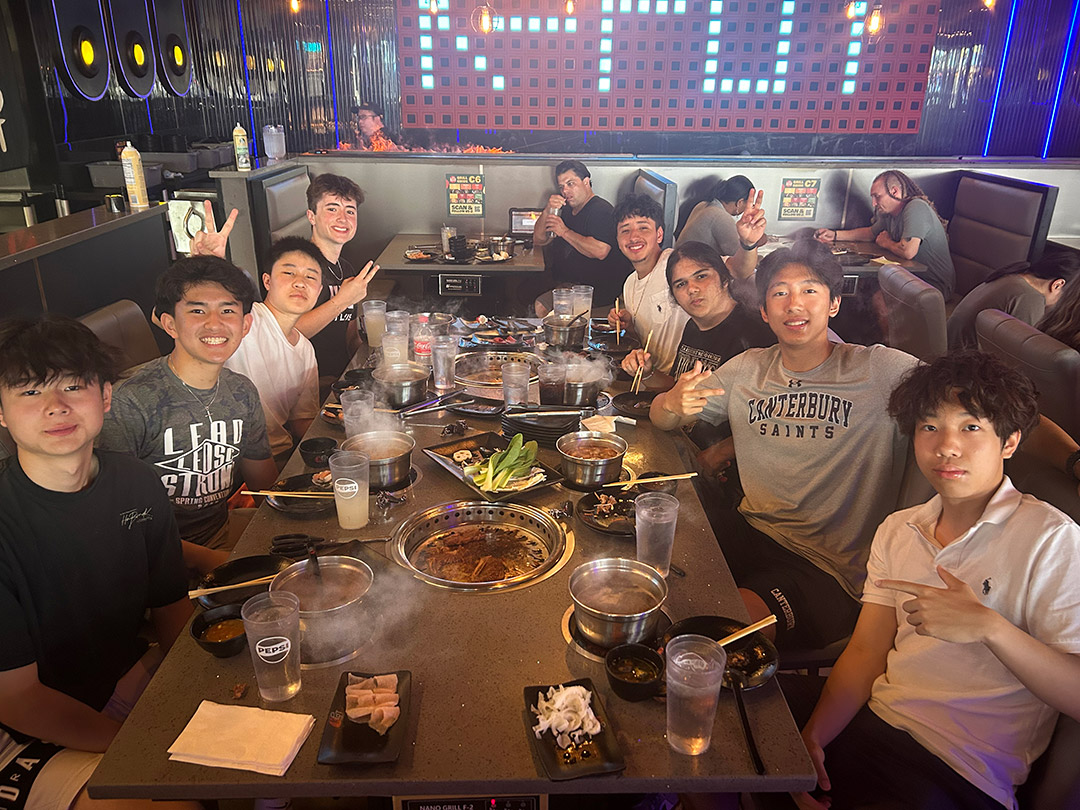
“It took me all of 20 minutes to find some new friends. I have to say, for the first time, Mandarin has actually been useful in making friends. In our program specifically, we’re split roughly 50-50 international—U.S. students, with all the international students coming from China. Some of them are really fluent in English, while some of the others have a really, really, really strong accent. Right now, our entire program is basically friends with each other. Slowly, I’ve formed a little trio within our program—Sean and Antony are my closest friends here (yes it’s Antony not Anthony). While there are some interesting people here, I would say they are the most “normal” and comparable to my friends in Carbondale. They are both Chinese but go to private school in Connecticut,” Francis reports.
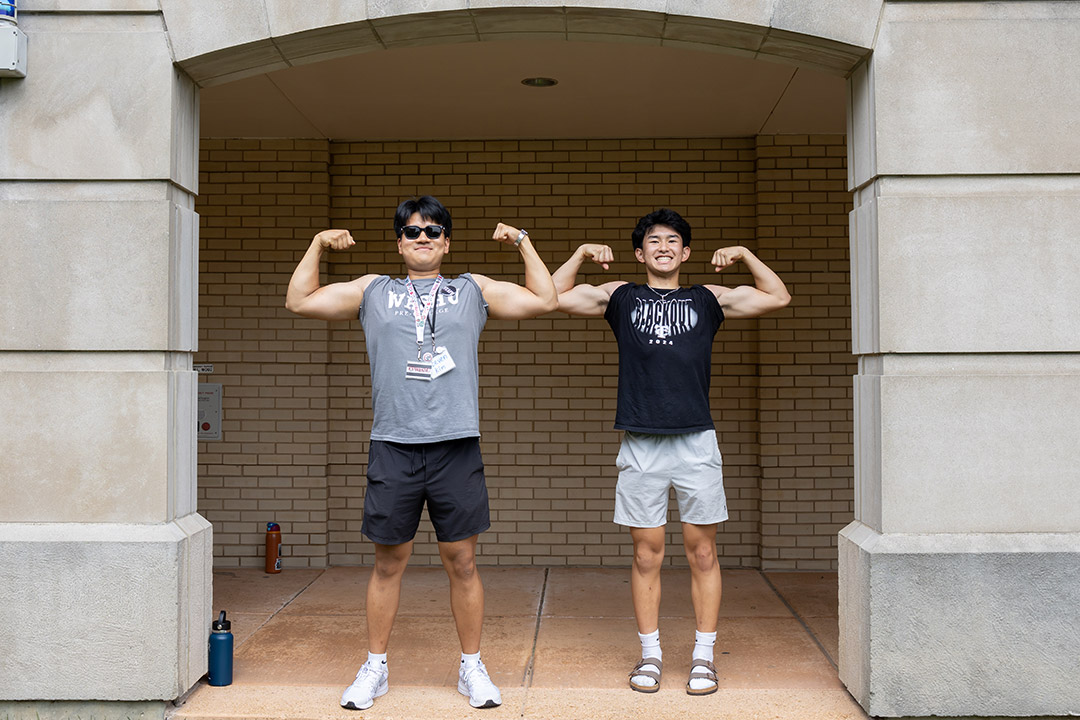
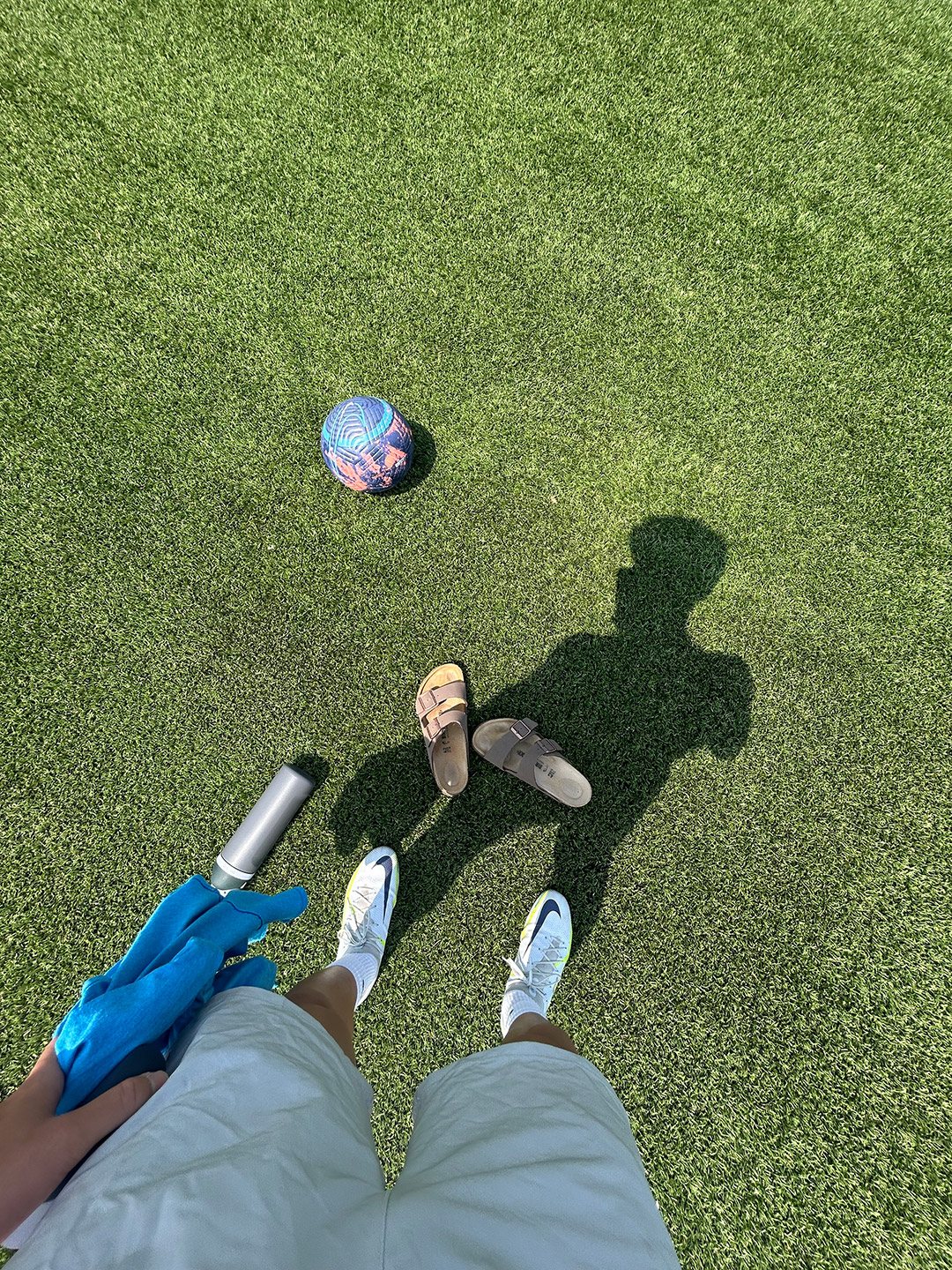
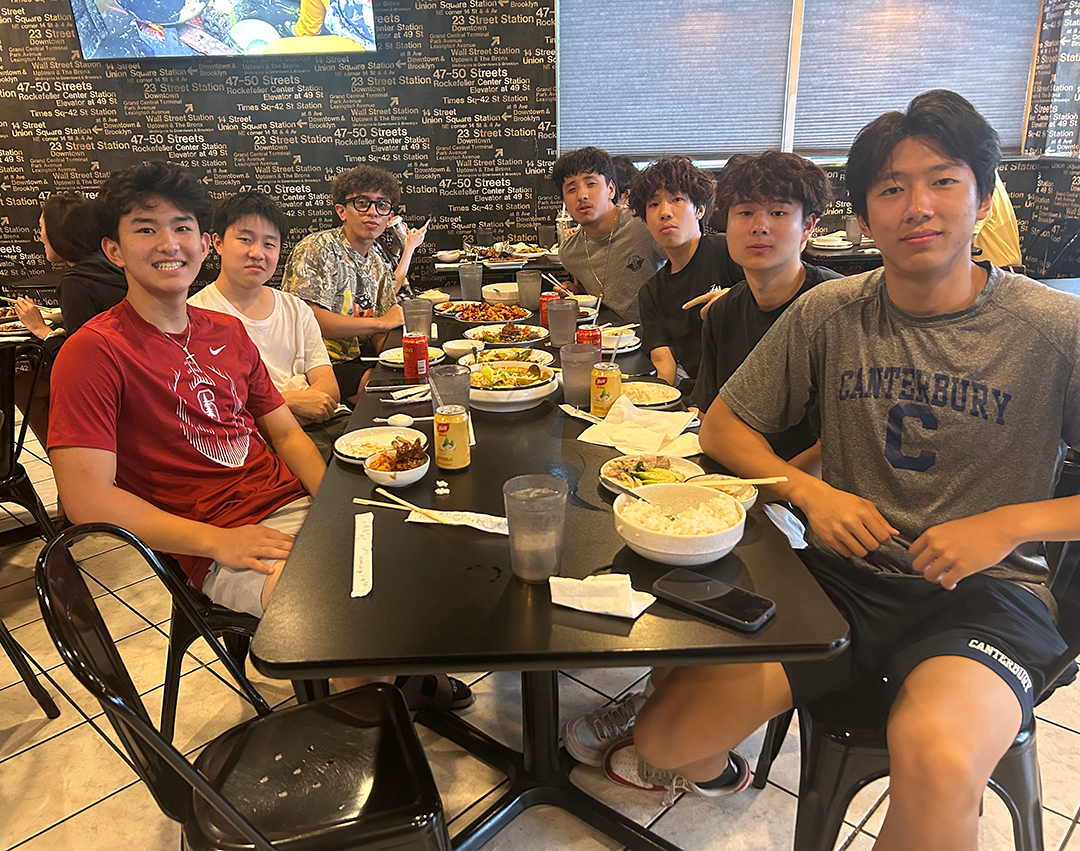
“For the first couple of days, there really wasn’t much happening. We were all just trying to figure out our schedules and where our classes were. But slowly, we started playing soccer, basketball, football, and cards (every single night). I’ve taught them a lot of gambling card games (we don’t use real money, we gamble for pushups), which I learned back home with my friends,” Francis adds.
“I really like my class (neuroscience essentially) and the content we’ve gone over this far. I feel like my class is the right amount of hard/easy. I work pretty fast and understand a lot of basics because of my AP Biology course I took this year, so I only had about an hour of homework each night (online lecture and knowledge check with quizzes on Wednesday and exams on Friday),” Francis adds.
When not in class, Francis has the opportunity to participate in a variety of student activities at Washington University. The campus is equipped with soccer fields, track, basketball courts, board games, a gym, and more.
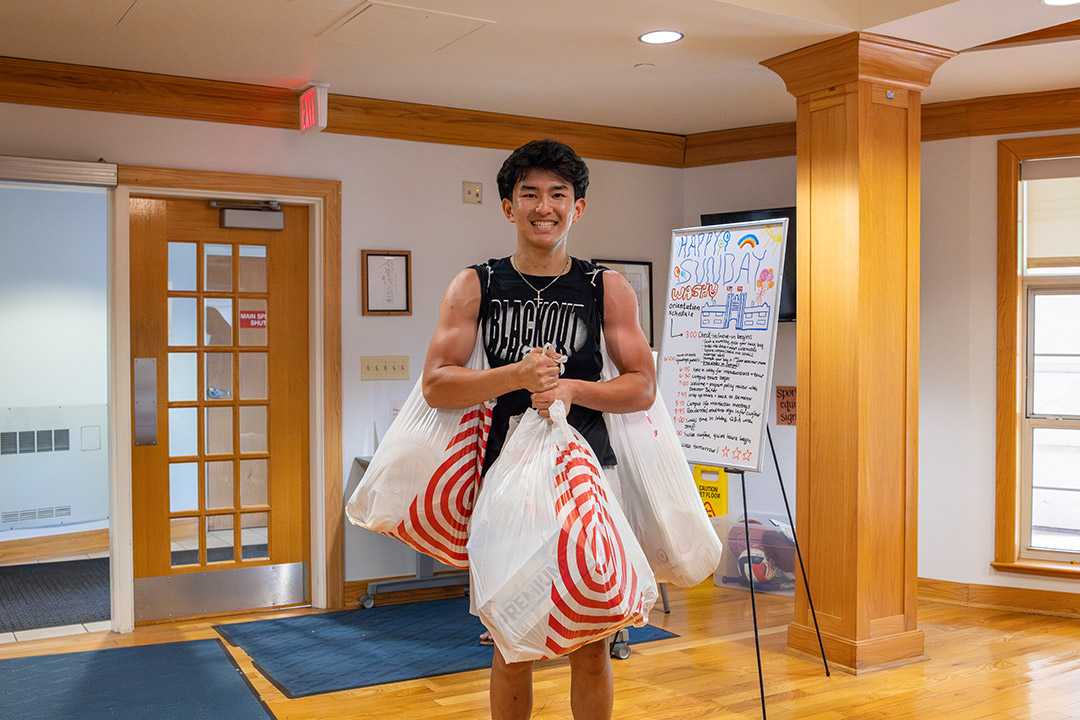
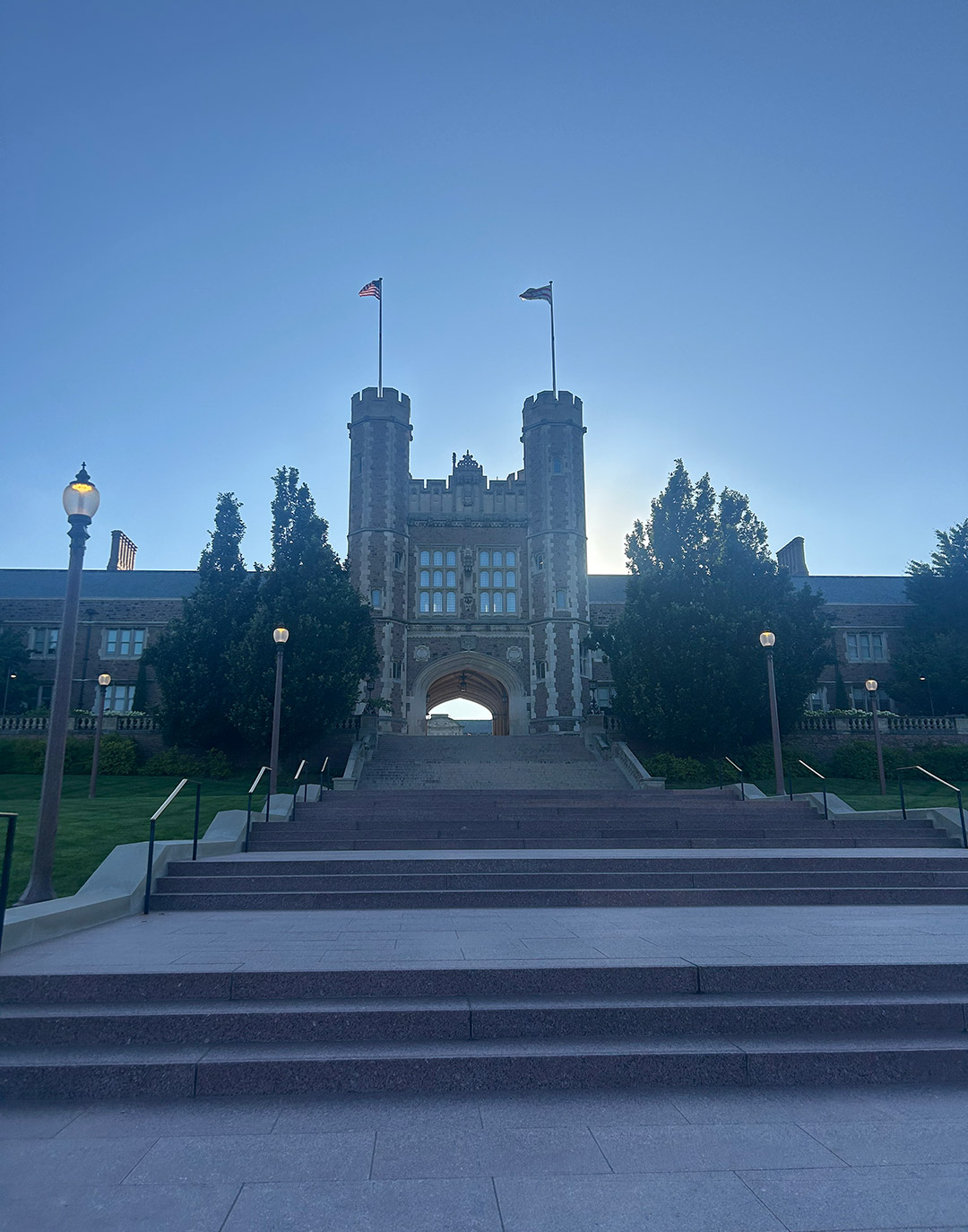
“They also have a BEAUTIFUL campus. It’s a lot of walking, but it’s really pretty. I’m having no issue with moving in or sleeping or making friends or anything related to being away from home… Also, we had 35 new students move in this week for another non-credit program. Week one complete,” Francis exclaims!
Week Two — Improving and working hard every day!
Francis Bu has been enjoying his second week at Washington University and is motivated to excel in the course.
“I have to say, the longer I’m here, the more I enjoy it. The campus, staff, and students are all incredible. Being on such a prestigious campus genuinely motivates me to improve and work hard every day. That’s one of the biggest takeaways I’ve had during my time here. For college, I’d love to attend an Ivy League school or a university of similar caliber to WashU. I truly believe that your environment plays a significant role in motivating you to push yourself and grow,” Francis says.
“Now going into my third week of the program, my mindset has shifted dramatically. I expected to be thinking about my friends, parties, and what I might be missing back home—but I’ve actually come to really like the people here. My friends are funny, smart, and enjoy doing things like playing cards, basketball, and other activities together. Academically, I’m doing well; I currently have a 98 in the class,” Francis adds.
“One aspect of WashU that I especially appreciate is the fact that the coursework counts for college credit. Knowing that your performance actually matters toward a college transcript adds another level of motivation, especially when you’re surrounded by peers who are equally driven. The material itself is genuinely interesting. For example, this week we explored how memories form in the brain, including the roles of neurotrophins, cellular changes, and physiological mechanisms. I find this much more engaging than broader topics like psychology because I enjoy the science behind it rather than the concept or theories,” Francis explains.
“Before starting this program, I already knew I wanted to major in biology or chemistry, but this course has really confirmed that path for me. I love analyzing concepts, interpreting diagrams, and asking meaningful questions. It’s both intellectually challenging and exciting. One thing that I’ve recognized is that college will be hard, and you need to study independently and come to class ready to engage with a decent understanding of the material in order to truly succeed,” Francis advises.
“Although everything is pretty new to me, I haven’t had trouble understanding or applying what I’ve learned because of how I study and what I said above about being prepared before class starts. Again, I am extremely grateful for the GFF’s sponsorship. Going back to freshman year, I would’ve never expected to be earning college credit during the summer as a sophomore,” Francis adds.
Week Three — Sensory and Information Processing
Francis Bu reports that his third week at Washington University “has been great.”
“I never expected to enjoy this program and campus as much as I have. It has truly been an eye-opening and enriching experience. Once again, I want to express my sincere gratitude to the GFF for sponsoring my attendance in this program,” Francis says.
“This week in my Bio120 course, we discussed sensory and information processing within the brain. This included the consolidation of memories, specific neurons, neurotransmitters, and the physiological mechanisms involved in neuronal pathways. Simple tasks like listening to music, watching a movie, or feeling the presence of the chair that you’re sitting on turn out to be far more complex than they appear! Grade-wise (since this is a credit-bearing course), I’d say I’m doing just fine—currently holding a 100% after three weeks of exams and quizzes,” Francis explains.
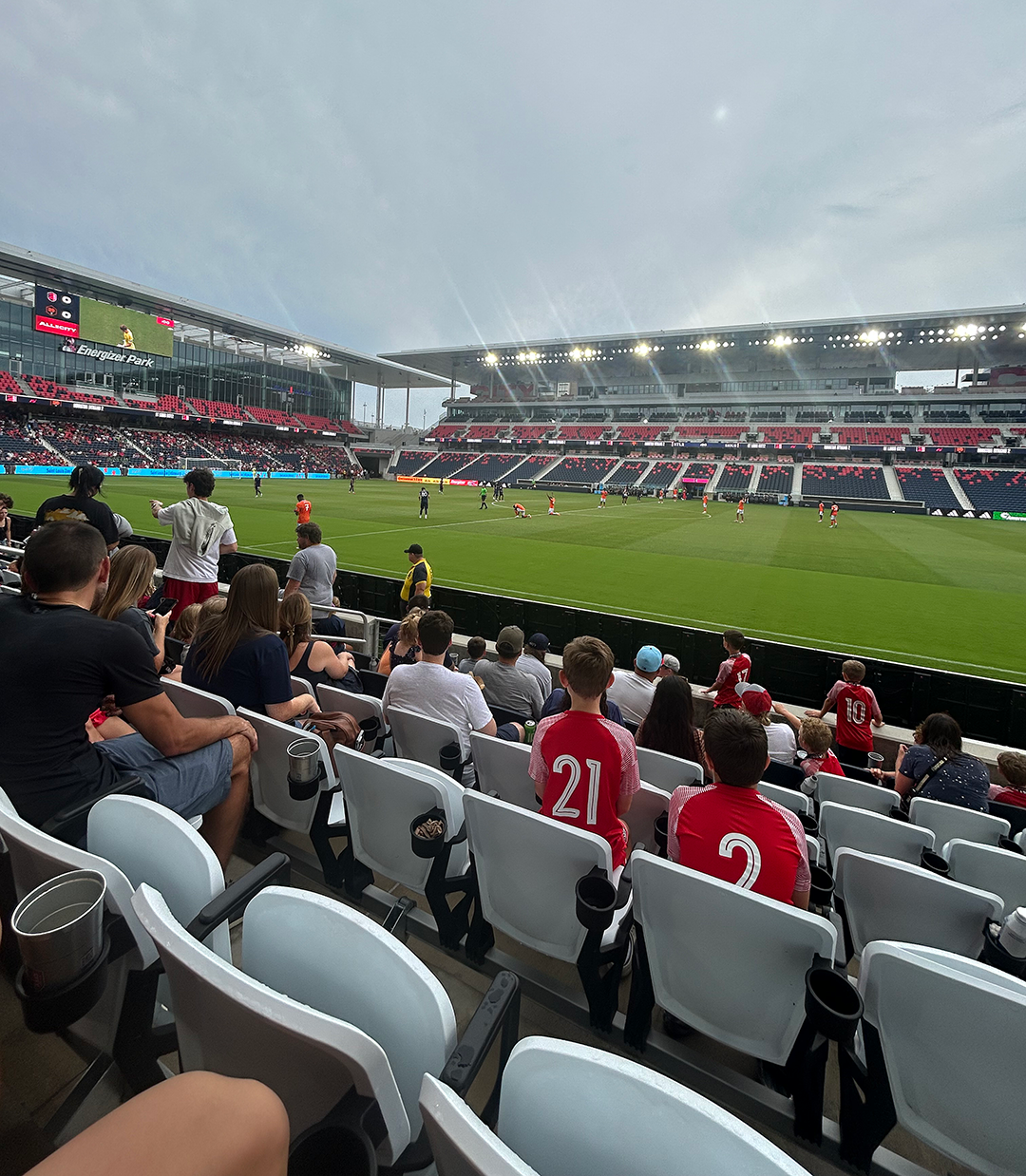
When not in class, Francis has had time to attend a soccer game in St. Louis with friends.
“Beyond academics, the programming at WashU has been phenomenal. This past Saturday, we went to Energizer Stadium to watch St. Louis City 2 play Houston 2 (MLS Next Pro). It was a great game and ended in a 1–0 victory for City! Everything here is well-coordinated—from morning check-ins and wellness checks to the various events. The entire experience is thoughtfully organized to support and engage students,” Francis adds.
“The program I’m in—High School Summer Scholars—is designed for rising seniors. I genuinely believe it does a great job of preparing students for college life, particularly through the career planning and college prep events hosted by the WashU staff throughout the program. The added pressure of receiving a grade and earning real college credit has motivated me to engage more deeply and study harder—especially when I’m surrounded by like-minded, hardworking peers. You just want to be better. It’s a bit hard to explain, but the environment really pushes you in a positive way. I’ve noticed a real difference in my work ethic and personal motivation compared to high school. I also genuinely prefer college-style classes: pre-recorded lectures, more active engagement during class, the encouragement to ask questions, and the expectation to complete homework and study independently. No one holds your hand, but support is always available if you need it. So far, I’ve been pretty self-sufficient, and I have my parents to thank for that—they gave me a lot of independence and freedom early on, which has prepared me well for real life,” Francis says.
Week Four — Unforgettable Memories
At the end of his fourth week at Washington University, Francis reflects on the friendships he has formed, and “the unforgettable memories along the way.”
“In class, we explored motor function and spinal-mediated reflexes, including the Golgi tendon organ and the knee-jerk reflex. It was fascinating to uncover the complex cellular mechanisms behind everyday actions. For instance, everyone’s familiar with the reflex test where someone taps just below your kneecap—but how does it actually work? Few realize that it involves muscle spindle fibers, sensory neurons, interneurons, and the inhibition or excitation of motor neurons—all occurring without input from the brain. We also studied how different types of input are processed in the brain, examining spinal cord cross-sections and regions like the supplementary motor area, prefrontal cortex, and primary motor cortex,” Francis explains.
“My favorite topic this week was the direct and indirect pathways of the basal ganglia. These circuits help distinguish between ‘signal’ and ‘noise,’ determining whether and how we should move. The striatum, globus pallidus (external and internal), subthalamic nucleus, and VA/VL complex all communicate to coordinate movement based on input from the eyes and other brain areas. There was even a question about this on Thursday’s exam,” Francis adds.
When not in class, Francis was able to network with different student groups and catch up with GFF student Alexei Kadyrov, who is also attending a summer program at Washington University.
“This past Sunday, students from the Research Development Institute joined us at Nemerov House. I saw Alex for the first time since school ended and got to catch up with him a bit. It’s great that different student groups arrive at different times for various programs; it gives us more chances to network and build friendships. Plus, most things here are better with a crowd—basketball, dinner outings, board games, etc.,” Francis says.
“As I head into my fifth week here, I’m excited to finally go home, start lifeguarding again, and get ready for soccer season—but I’m also genuinely sad to leave. Everyone in the High School Summer Scholars Program has been here for four weeks, and it feels like we’ve all just moved to WashU and started college together (which, in a way, we have). I’m really looking forward to the final week and can’t wait to share more,” Francis exclaims!
Week Five — A Mix of Joy & Sadness
Francis had a mix of emotions as he completed his summer program at Washington University.
“I never imagined I would cry over a summer program, but that’s exactly what happened when I swiped my room key for the last time at WashU. This past week has been an emotional roller coaster—filled with both joy and sadness—truly bittersweet. I was excited to return home and see my friends in Carbondale, but leaving the family I built over the last five weeks was incredibly difficult,” Francis says.
“The people I met at WashU were nothing short of phenomenal. Each of them was intelligent, talented, and driven, and I have no doubt they will go far in life. Looking back, these past few weeks have been some of the happiest I’ve experienced in a long time. Everyone was mature when it mattered, which made the entire experience even more enjoyable and free of drama,” Francis adds.
Francis was able to connect with GFFer Alex Kadyrov who is also attending Washington University this summer.
“Academically, this week was much like the others. I attended class on time, delivered my final presentation, and completed my final exam. I finished with a high A (though the final grade hasn’t been posted yet), and I’m very proud of my performance. More importantly, I truly learned something new during my time at WashU, which I deeply appreciate,” Francis reports.
“I am forever grateful to the Garwin Family Foundation for making this opportunity possible. It has been an unforgettable experience—truly one for the books. The memories I’ve made will stay with me for a long time. Once again, thank you to the GFF for your support. This program has genuinely shaped who I am today and helped clarify my goals for the future. I now have a deeper appreciation for the mission of the GFF and for everything it does for the incredible group of ‘sponsorees’ I’m so fortunate to be part of,” Francis adds.
We are so happy to hear that you enjoyed your time at Washington University, formed memorable friendships, and finished with an excellent grade. Great work, Francis!
>> Read Francis Bu’s Final Report (PDF File, 118 KB).
>> Learn about the other students’ experiences in the GFF Scholarship Program.