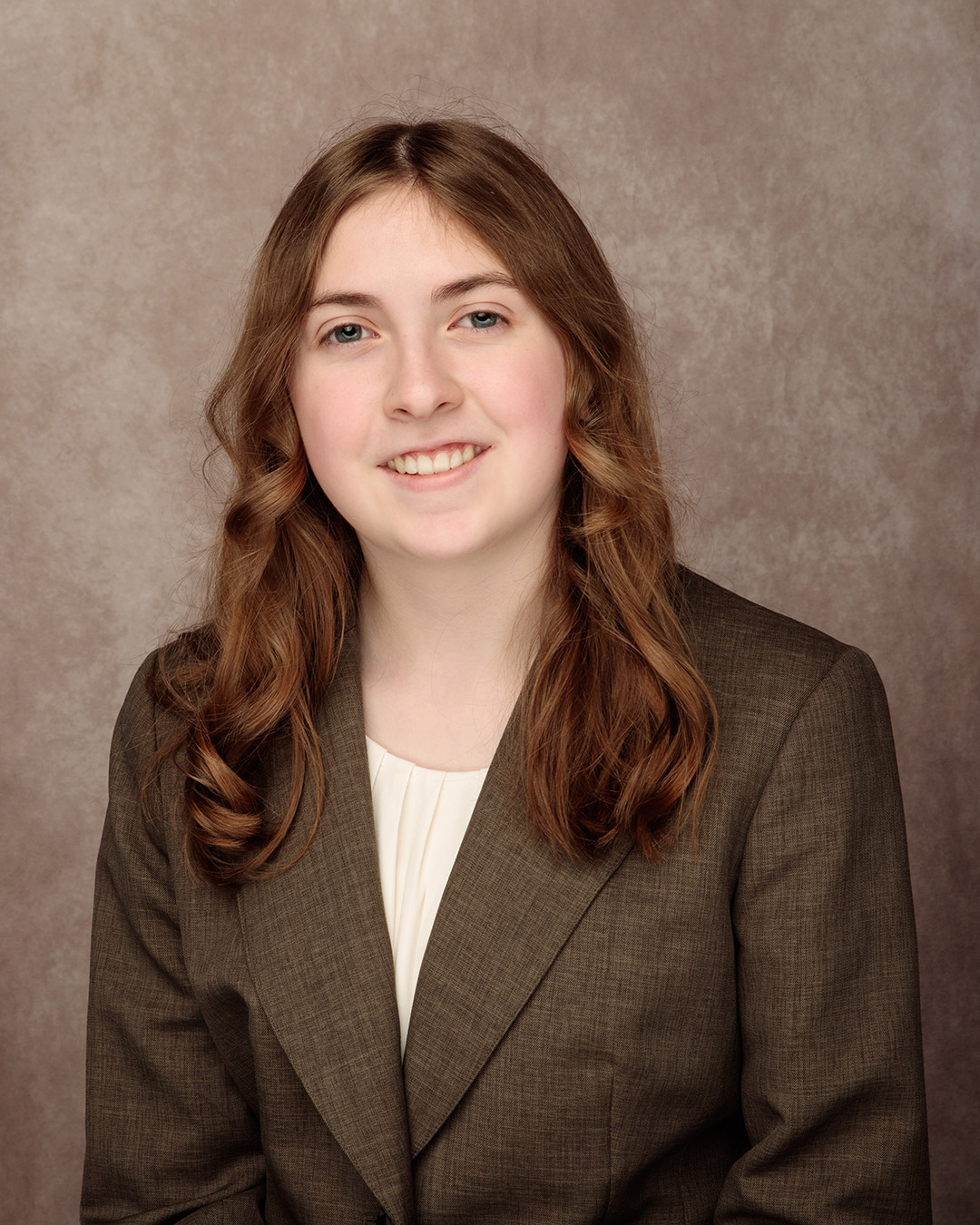
Emily Edwards says that her first week at the Bard College Young Writers Workshop was, in one-word, “different.”
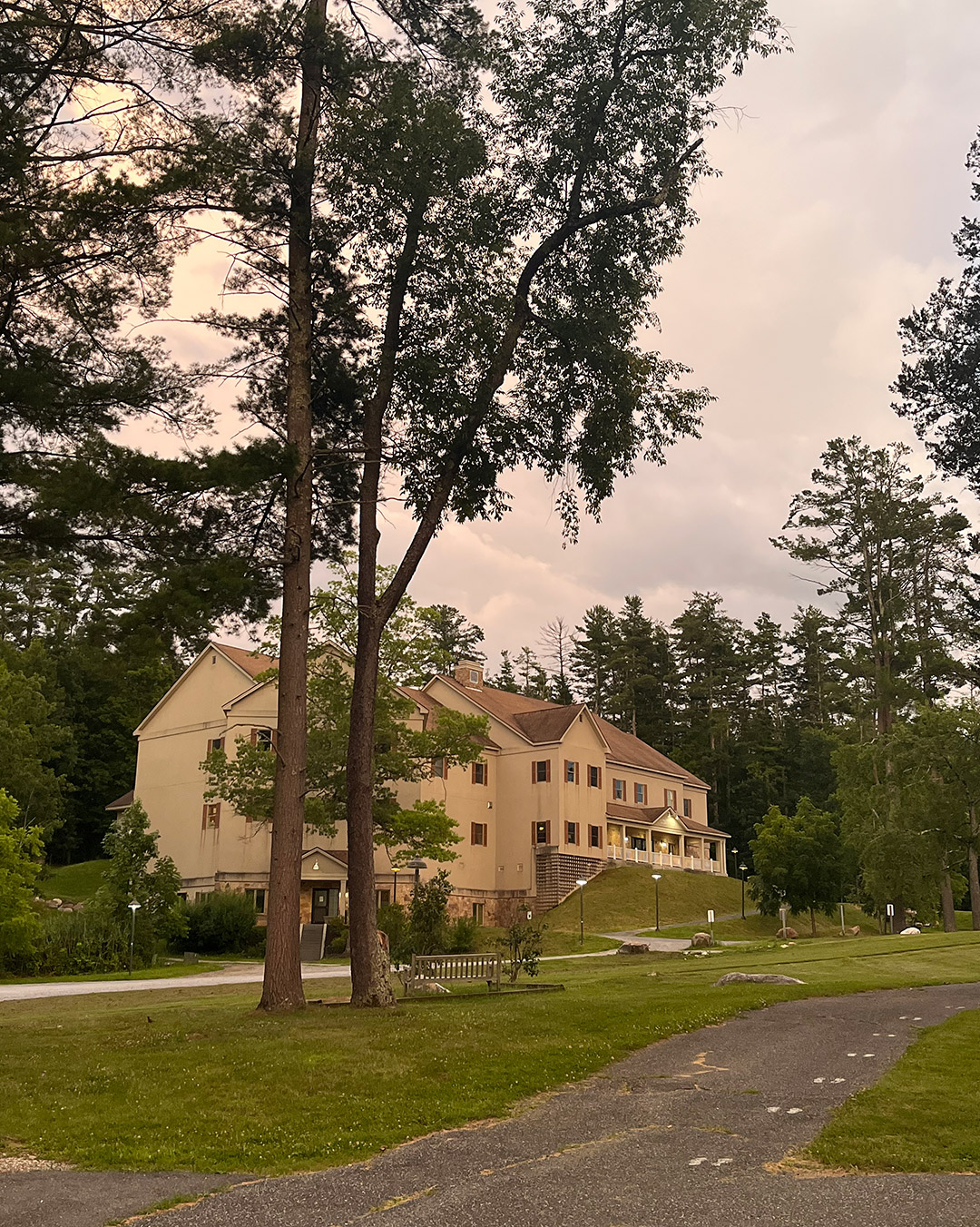
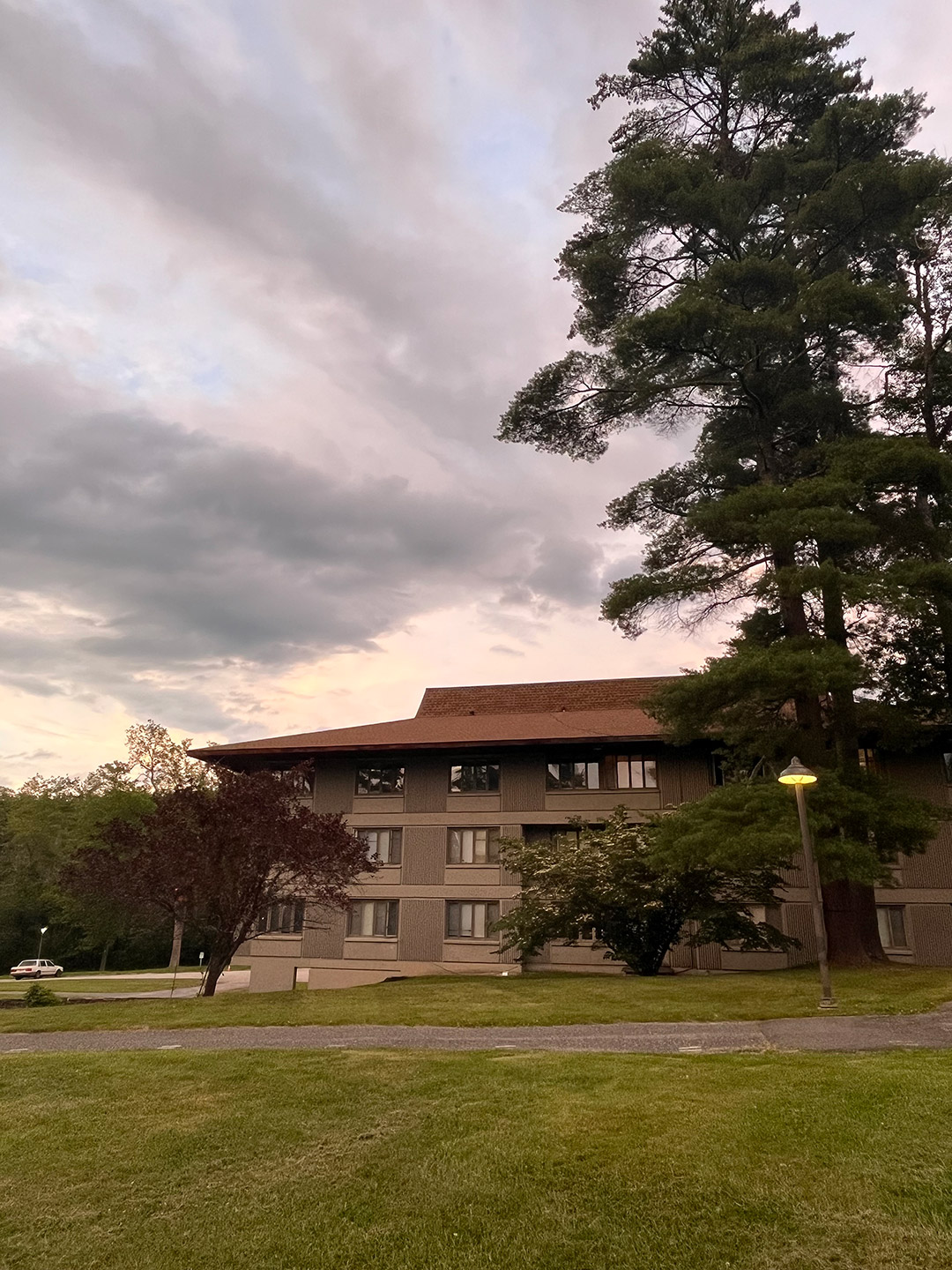
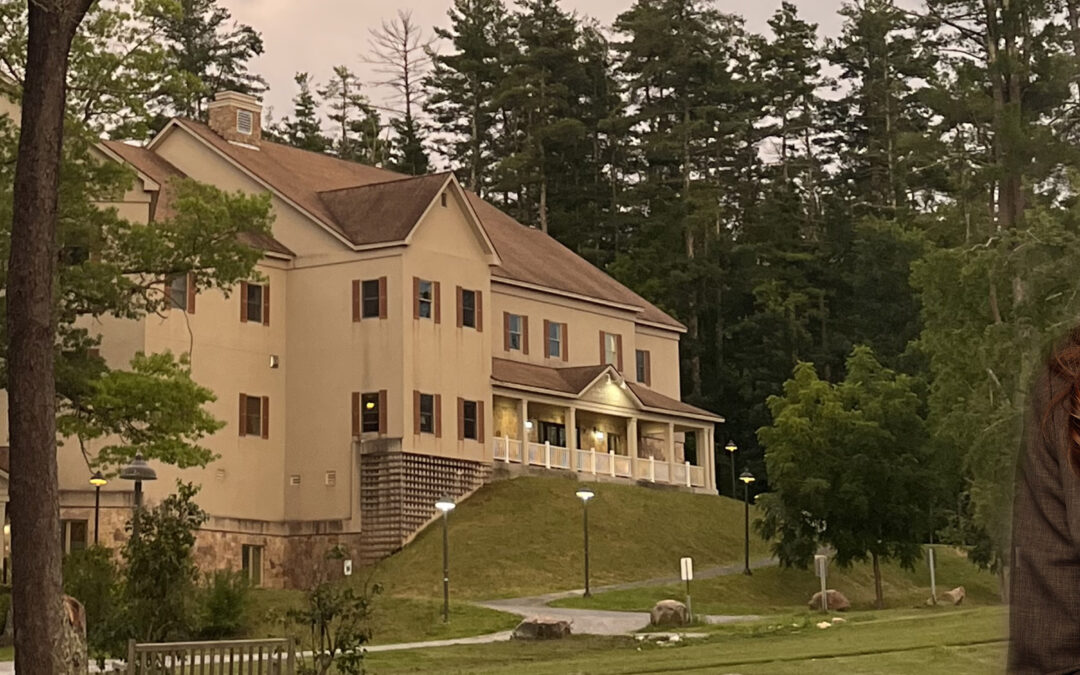
“Any building on campus could easily be accessed in a less than 10-minute walk through the beautiful, humid, wooded paths. Food was varied and delicious, and the dining hall offered plenty of frozen treats and chilled soda to cool off with. The classrooms were one of the few air-conditioned buildings, providing nice cool spaces to write, read, and discuss,” Emily says.
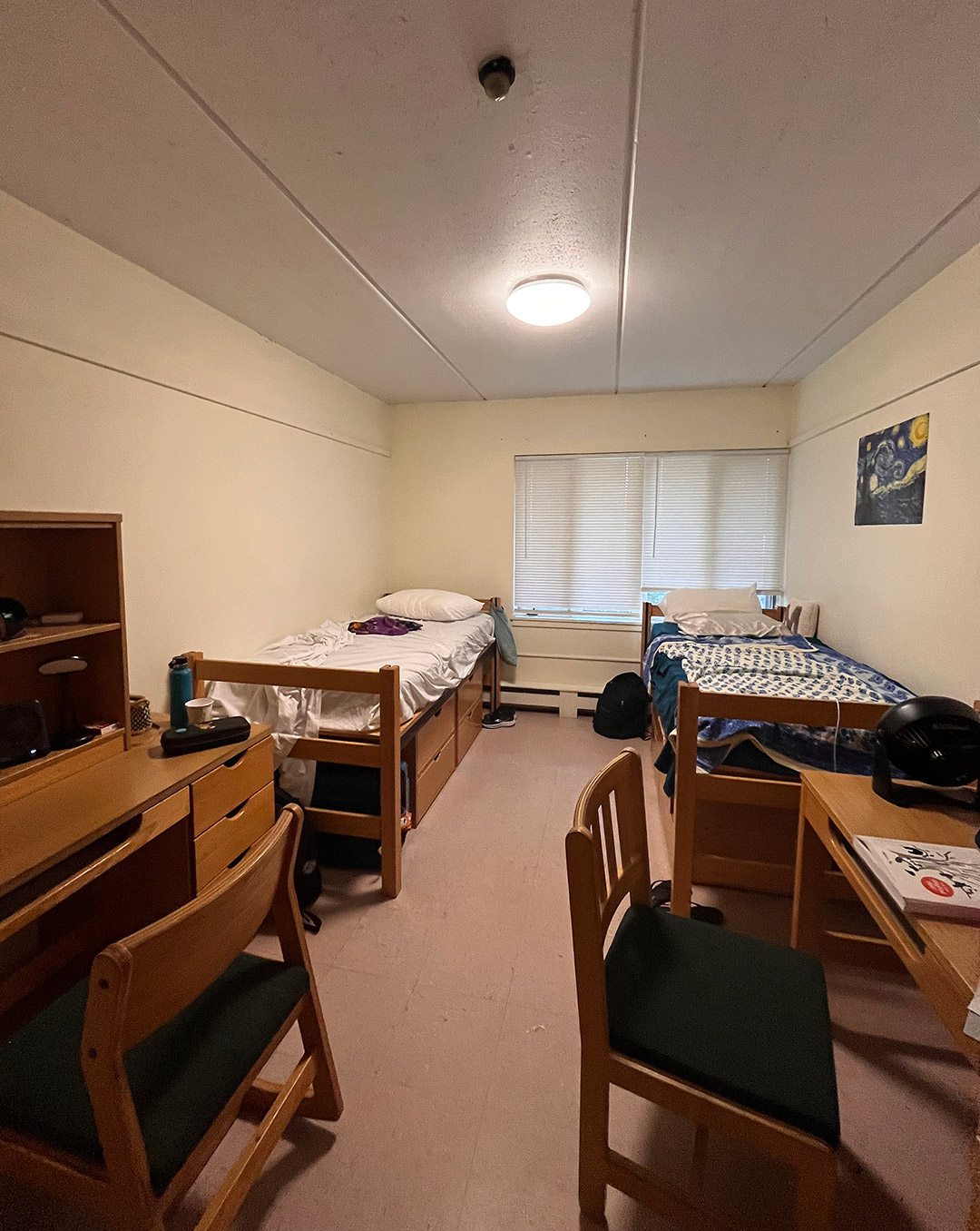
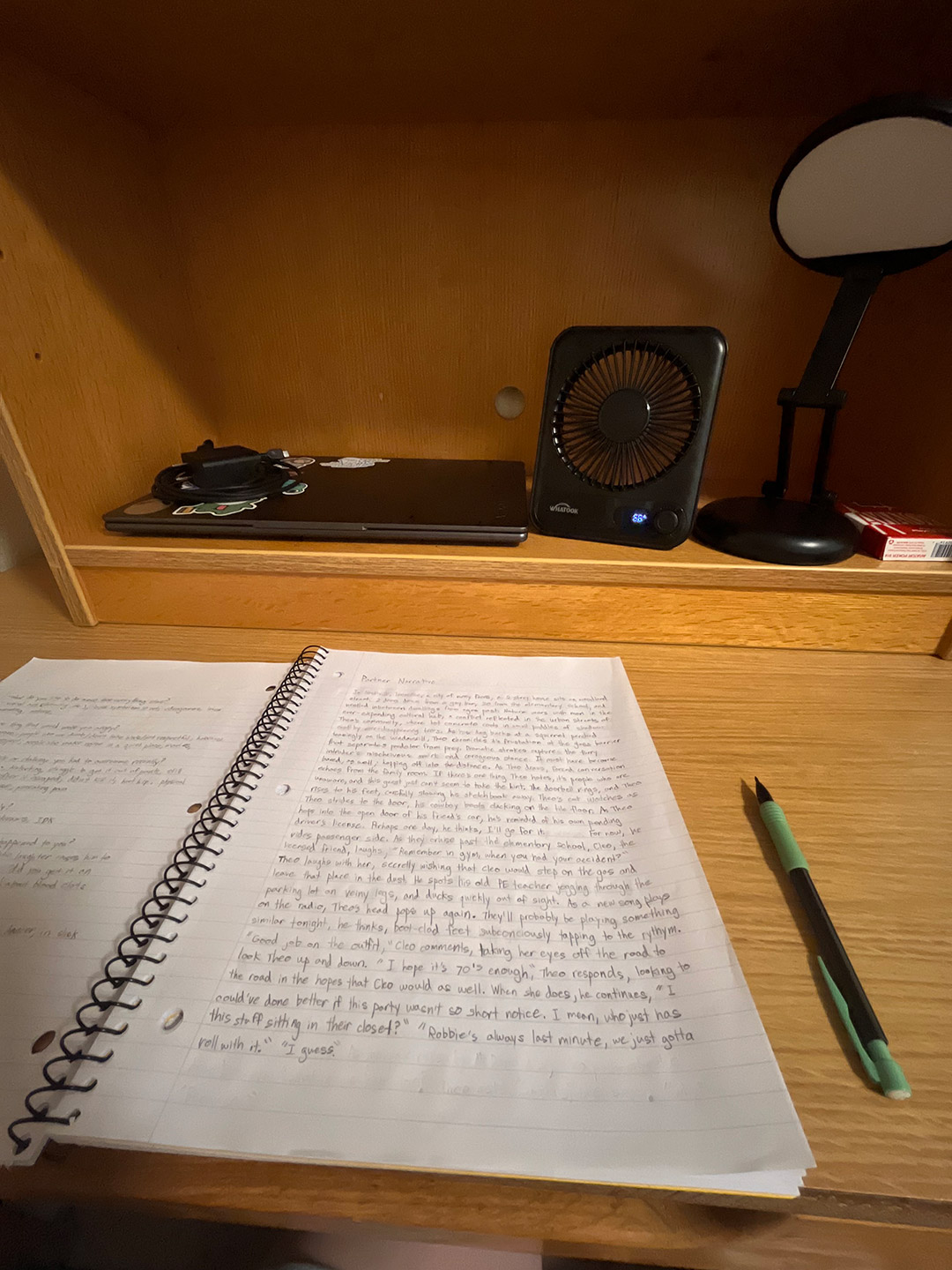
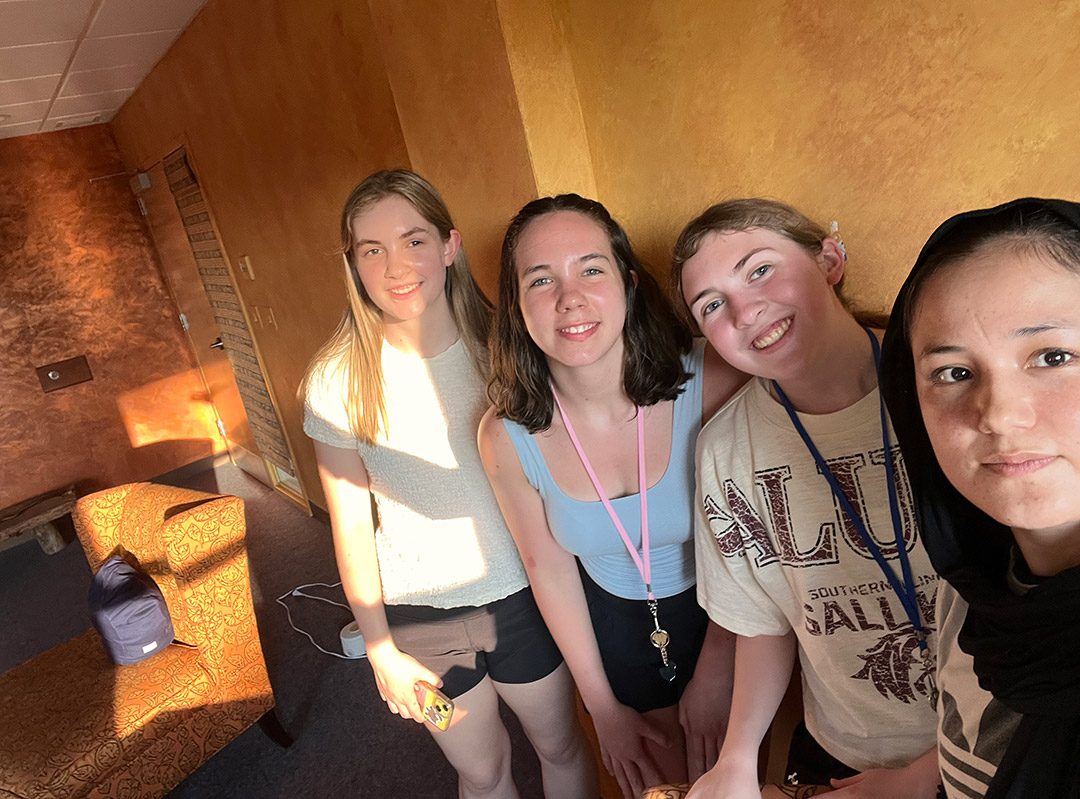
“When I did return to the dorms, I was greeted by a friendly roommate who respected my boundaries as well as spent plenty of time talking with me. There, cooled by my portable fan, I could spend time working on the small amounts of homework that I was assigned, which usually took 30-60 minutes to complete. The ideal amount, as we spent plenty of time writing throughout the day in our classes, and our afternoons were occupied with camp-sponsored activities, as well as get-togethers organized by the students. At these activities, I met plenty of amazing people with similar interests, enough to keep me from getting too homesick. However, I spent a lot of my time with Reka. It was amazing to have someone familiar within the utter unknown of this camp. Even so, at home, I had never spent much time with Reka, what with us being in different classes and friend groups. Here, I began to form a good relationship with her, one which I hope to continue to foster throughout the weeks,” Emily explains.
Emily says her classes are “simply amazing,” as she spent much of her class time on her favorite subject, “writing.”
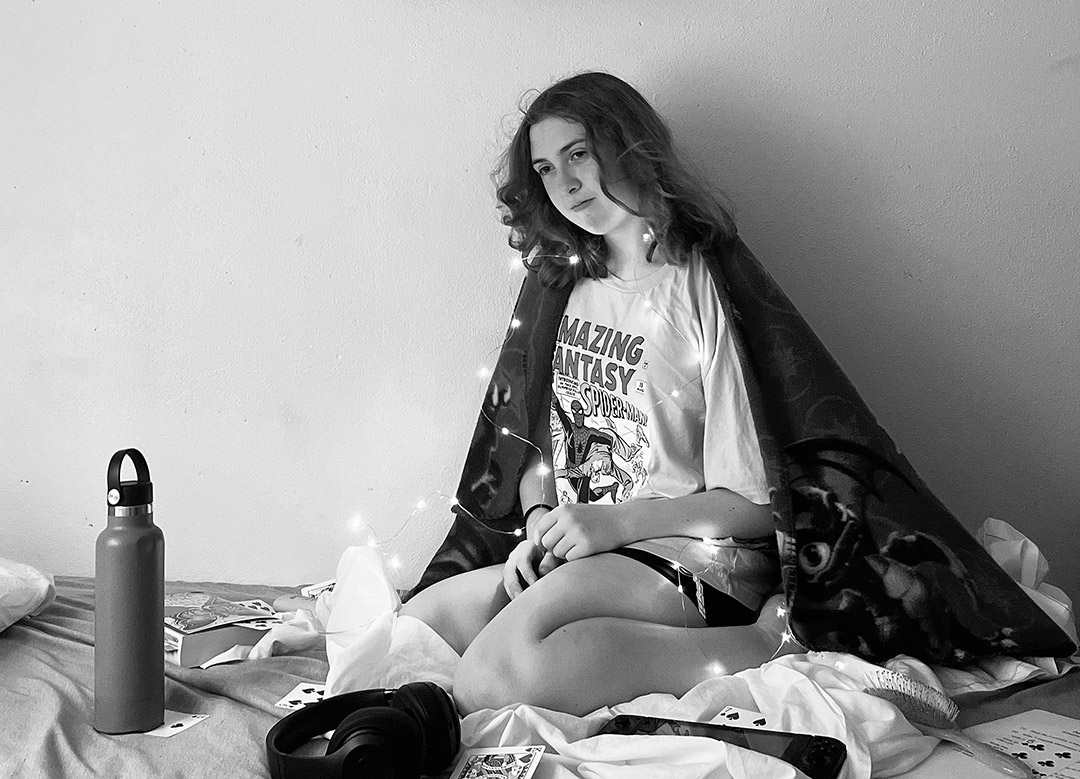
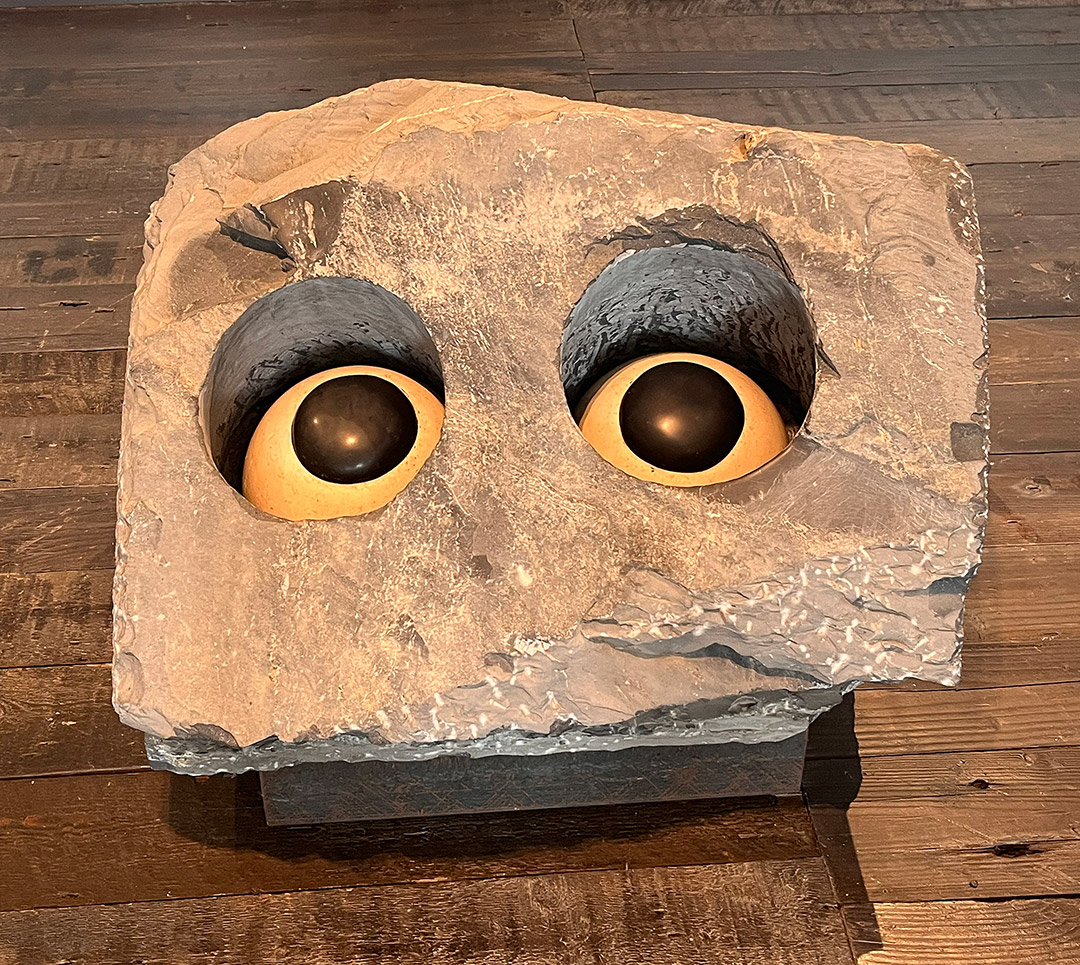
“Each class followed a different curriculum, and ours followed a pretty simple structure of read, write, and discuss. In one period, we would discuss a prompt, in another we would write (and anything we didn’t finish was homework), and then each student would share and the group would discuss their pieces. The week was completed with a portfolio of our best pieces to review. We also broke up the monotony with a playwriting activity, a lesson on the meaning of nonsense (I still don’t get that one), and a portrait activity. The portrait stood out to me, in particular, as it involved us taking the most absurd pictures we could and capturing their meaning in our writing. This activity was at once extremely perplexing, and a blessing of well-needed freedom to do whatever I wanted in my work. While this first week was supposed to be about finding my rhythm, I have been surprised in more ways than I can count, and look forward to what the rest of this enlightening, workshop has to offer,” Emily says.
Week Two — Challenging Writing & Poetry
Emily says that her second week began with “some weekend fun and homework.”
“When not watching Superman at the triplex cinema or a production of Romeo and Juliet at a local theater, my weekend was filled with challenging writing. The homework encouraged us to examine the literary work of Lydia Davis and create our own short pieces mirroring it. One of which I used in this week’s portfolio. Speaking of portfolios, our first day of workshop began with a review of those collected works from the first week. Conferencing with my instructor allowed me to realize some critical areas for improvement within my writing,” Emily reports.
“We spent a lot of time analyzing poetical style, lyricism, themes, and conveyed emotions. Now, I’m not the biggest fan of poetry, but I’ve come to respect the way that this genre can expand your skill with description and the conveying of emotions within your characters, Emily adds.
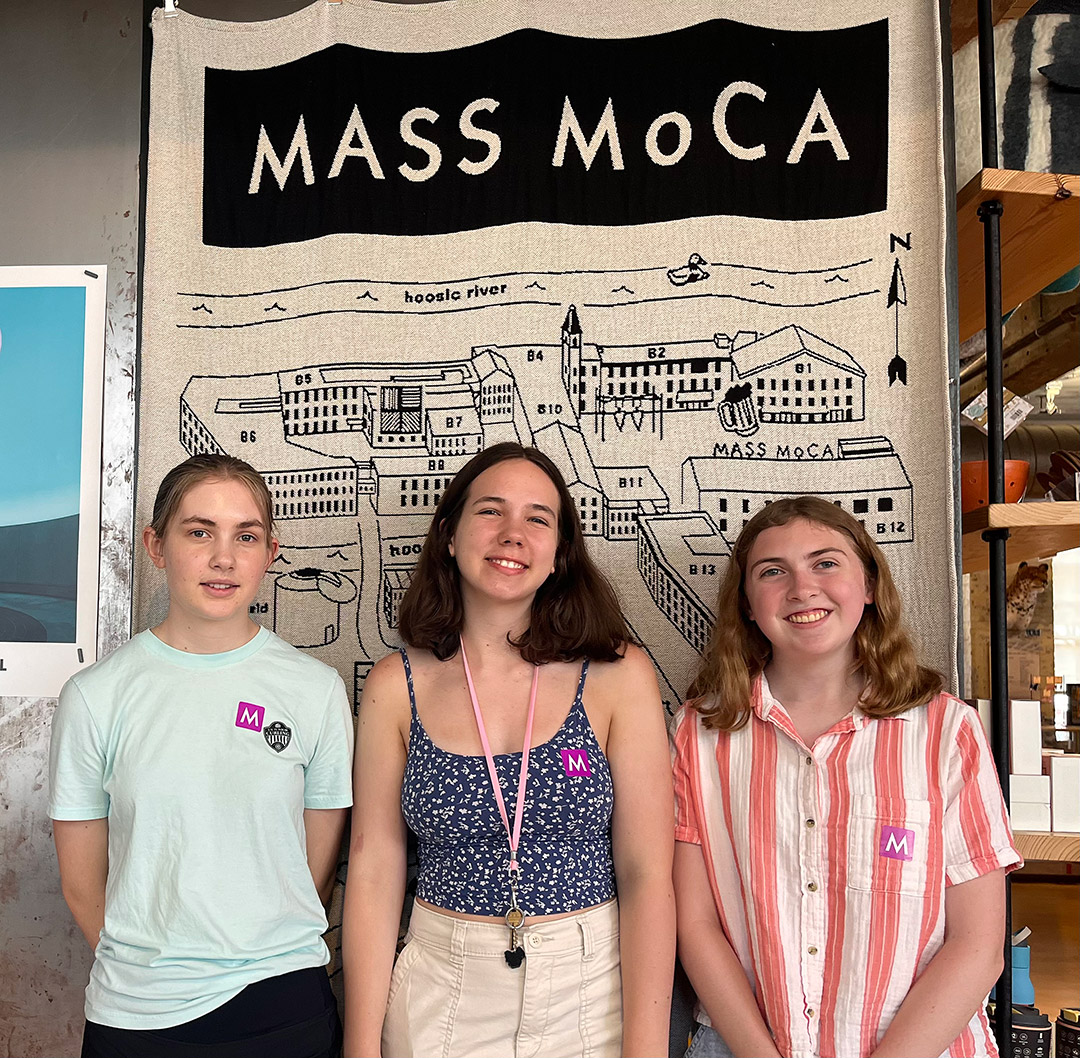
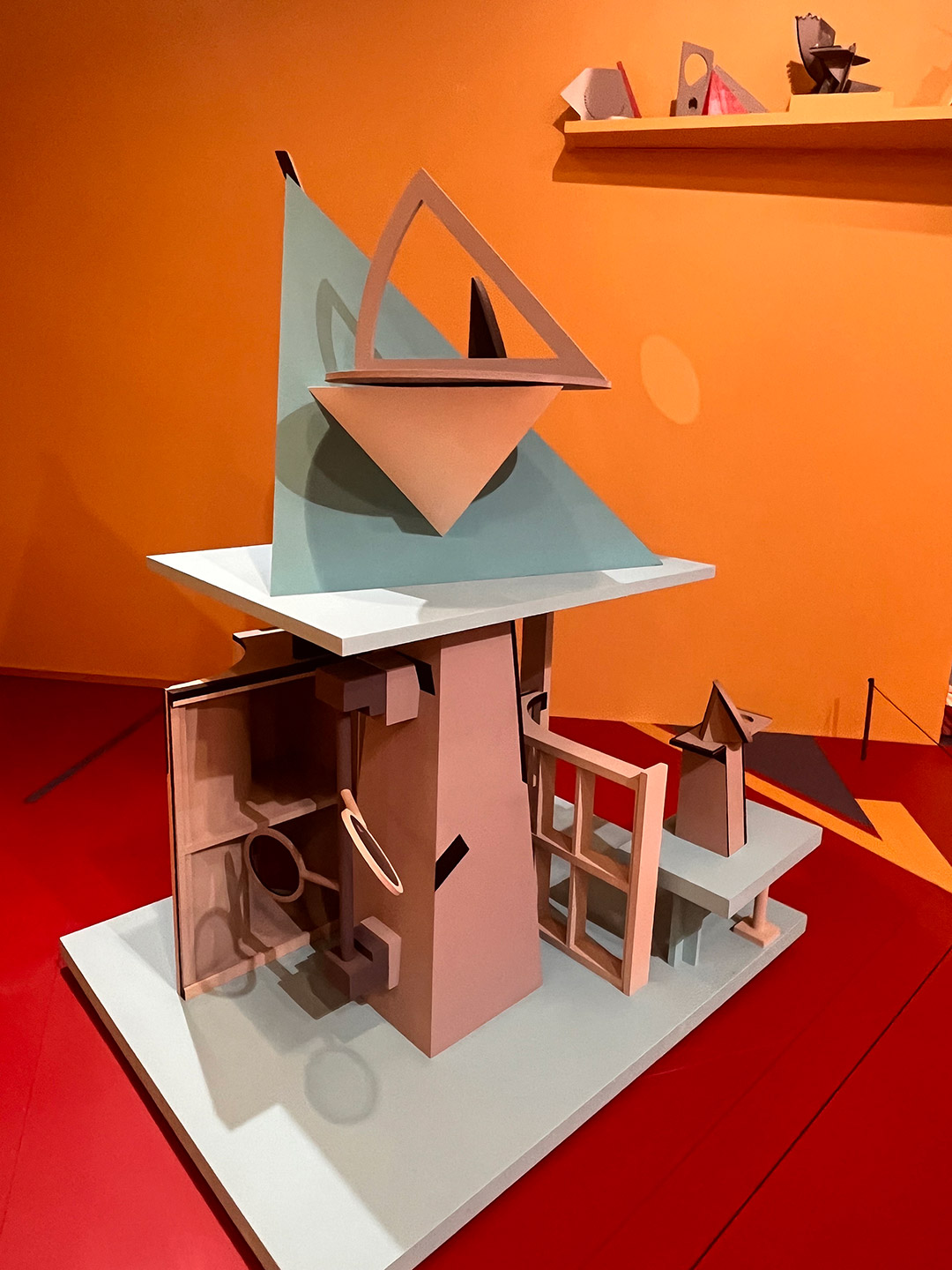
“Thursday was spent at the MASS MoCA contemporary art museum, situated only one and a half hours away. This museum, which is the largest gathering of contemporary art in the nation, allowed us young writers to gain an appreciation for other forms of expressive art. I’ve never been to an art museum before, and this one was certainly an experience. While I was initially skeptical of the purpose of attending a visual art museum during a writing camp, I learned to be more appreciative of this medium, and consider that the complex themes and messages that I often see in writing can be presented visually as well,” Emily says.
After the group trip to MASS MoCA, the class participated in a playwriting workshop, and several after-class activities.
“Friendship bracelet making, game night, a scavenger hunt, and more helped me to keep my mind off an increasing feeling of longing for my dogs, family, and air conditioning back home. I’m still going strong, though, and look forward to the final week,” Emily says.
Week Three — Poetry, Short Stories & Final Portfolio
Emily reports that her third week began with more poetry lessons, followed by lessons on short stories and personal essays.
“Wednesday began with an enlightening lecture on the importance of details in our writing. It allowed us to better recognize which details are integral to the reader’s understanding, and which only muddle the piece. I carried this knowledge into the preparation of my final portfolio, which occupied our afternoon session that day. I focused on keeping my pieces short and powerful by cutting unnecessary details and strengthening those of value. This new process of thinking was especially prevalent in the revision of a chapter of the novel I had been writing in my free time here. Before revision, my chapter was nearly four pages long, and after, it was barely over two. My instructor agreed that the shortened version felt just right, and he had only praise for the finished piece,” Emily explains.
“While Wednesday lent most of its focus to our final portfolios, we also spent a portion of that day conferencing about last week’s portfolios. In that meeting with my instructor, I gained valuable insight into another piece that I ended up using in my final portfolio. Overall, my instructor provided plenty of great critiques and advice that helped my pieces along to their final forms, and I’m very happy with my creations. Both the ones that I included in my final portfolio and the ones that I didn’t,” Emily adds.
“On Thursday, when most students were finished with their final portfolios and awaiting their conferences on Friday, the whole camp participated in an event called the Basho Walk. Based on the works of Matsuo Basho, a Japanese poet, the event encouraged us to examine the nature around us and write about it. While I can’t say that I absolutely loved this lesson, it provided another outlet for short writing and encouraged me to write about nature, which I normally just don’t do. So, after spending about five hours working on it on Wednesday and a couple more after the walk on Thursday, my final portfolio was finally complete,” Emily reports.
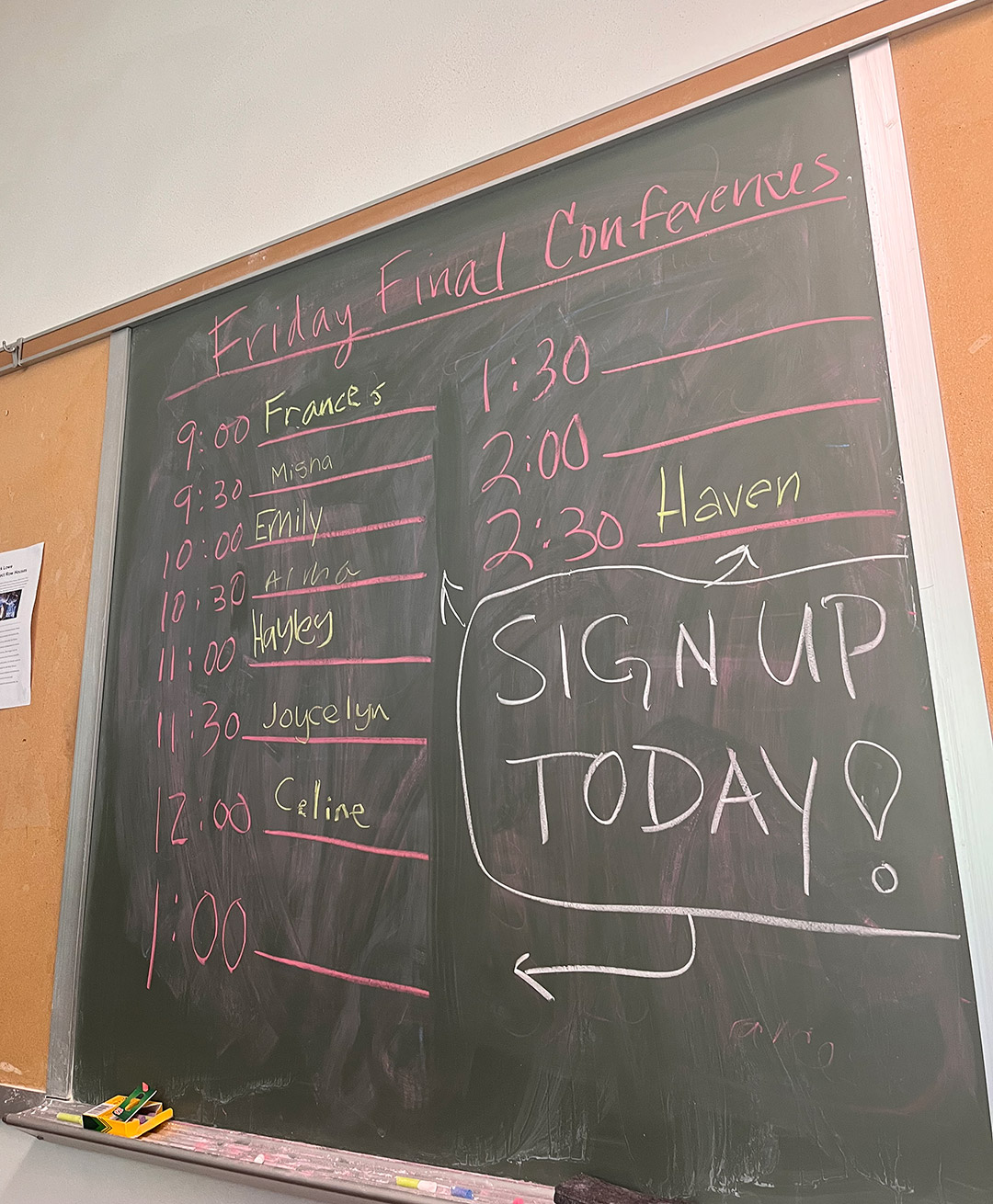
“On Friday, I met with my instructor one last time for final feedback, and I got some great tips. My instructor gave me a couple of minor suggestions to further improve my pieces, but he didn’t have much to say in the way of critiques. Hearing how much my instructor loved and appreciated my pieces was an amazing confidence boost, one that I absolutely needed with how much I’ve been beating myself down lately. Friday ended with a camp-wide bonfire and celebration, and I can’t wait to go home tomorrow and continue my writing with all that I’ve learned,” Emily says.
We are happy to hear that the workshop provided valuable lessons and advice that helped develop your writing skills. Good job, Emily!
>> Read Emily Edward’s final report (PDF File, 50 KB)
>> Learn about the other students’ experiences in the GFF Scholarship Program.