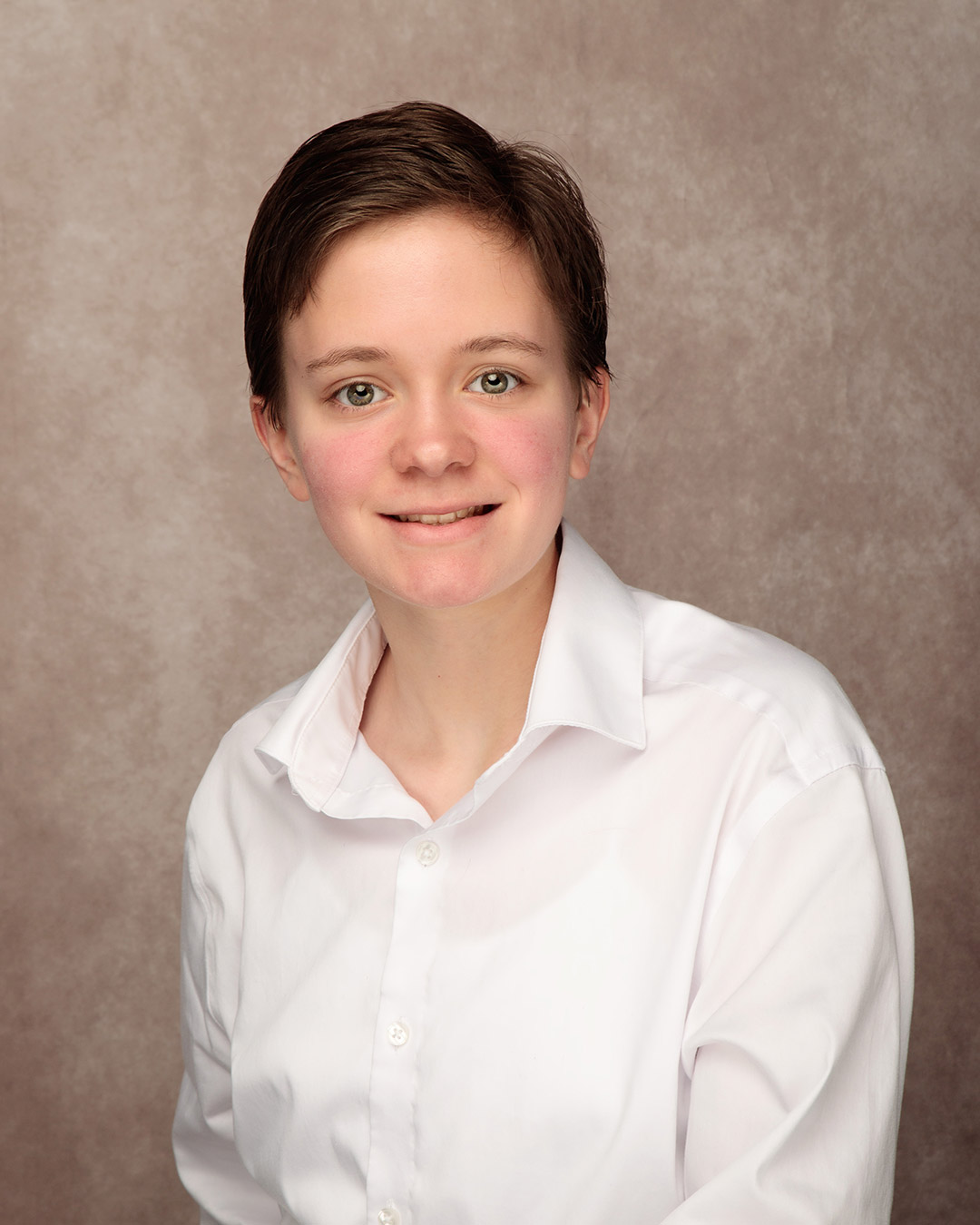
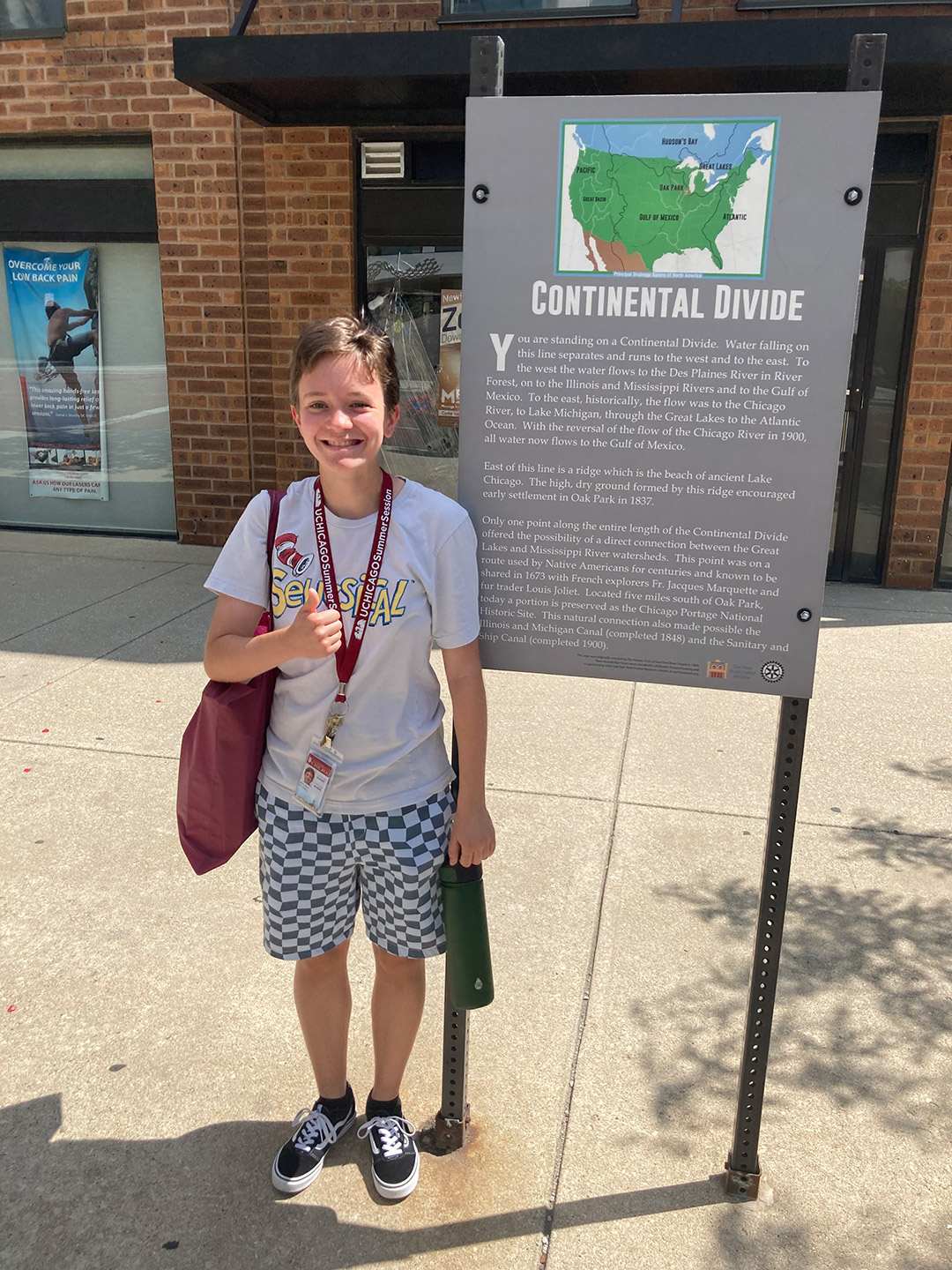
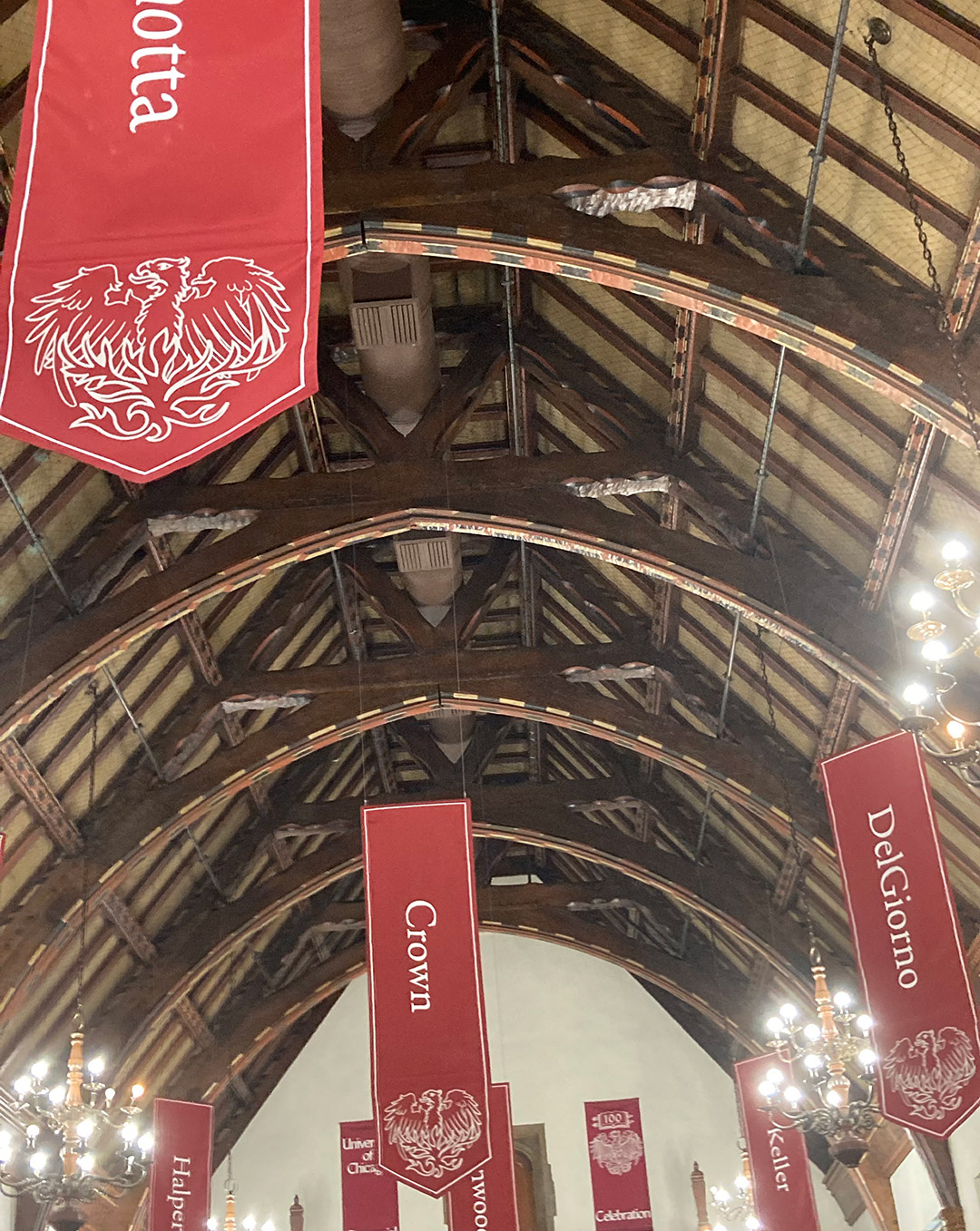
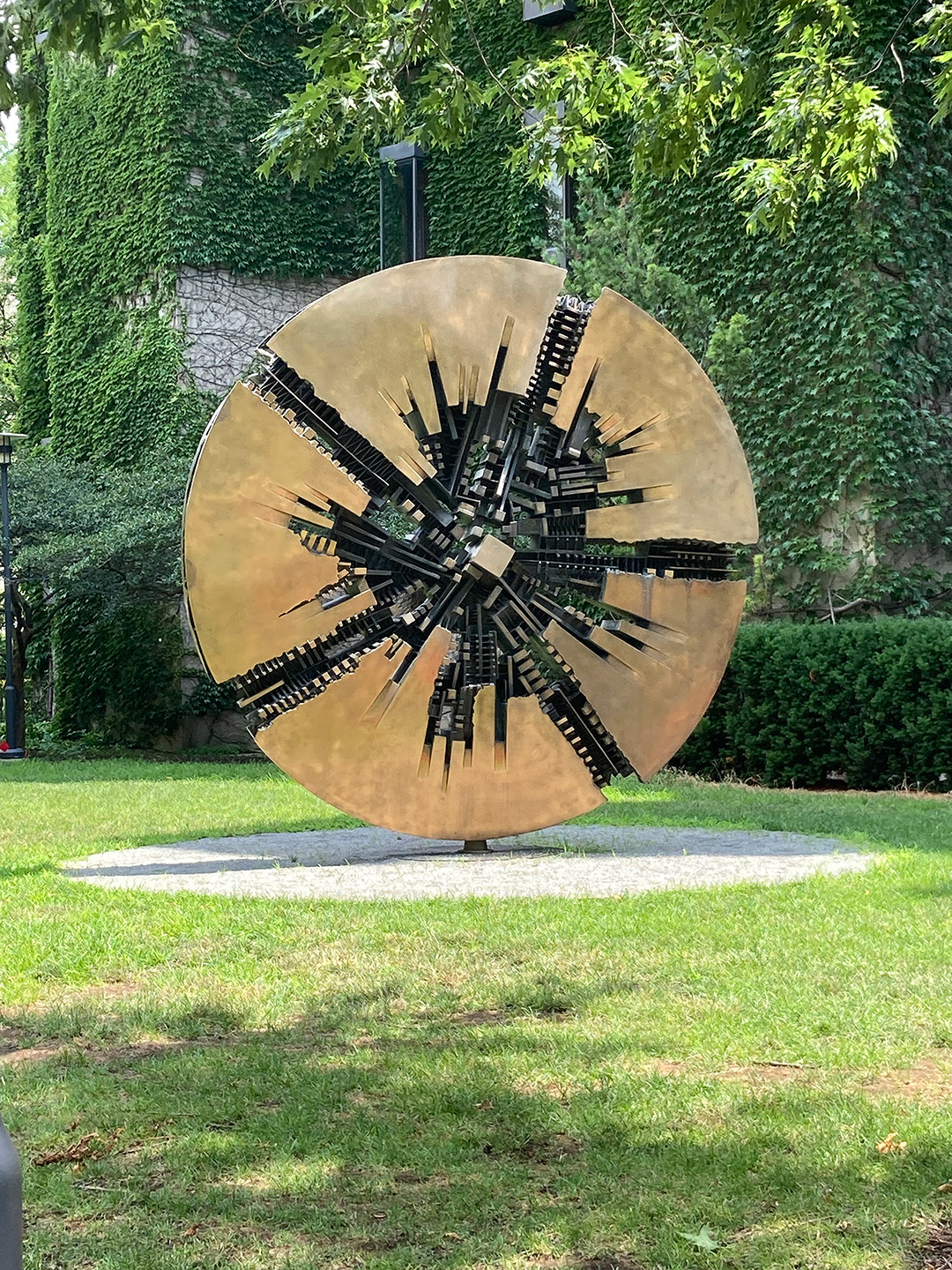
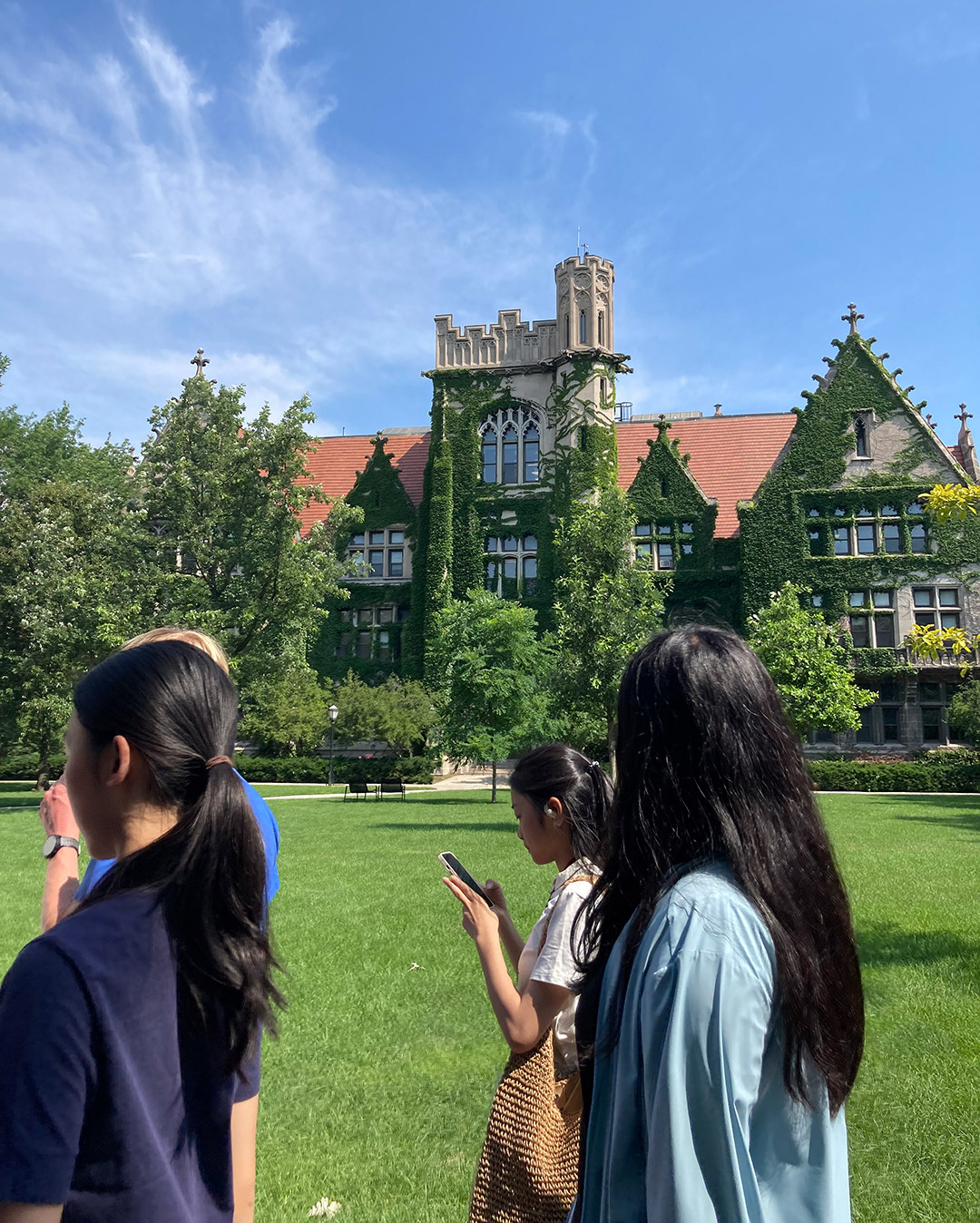
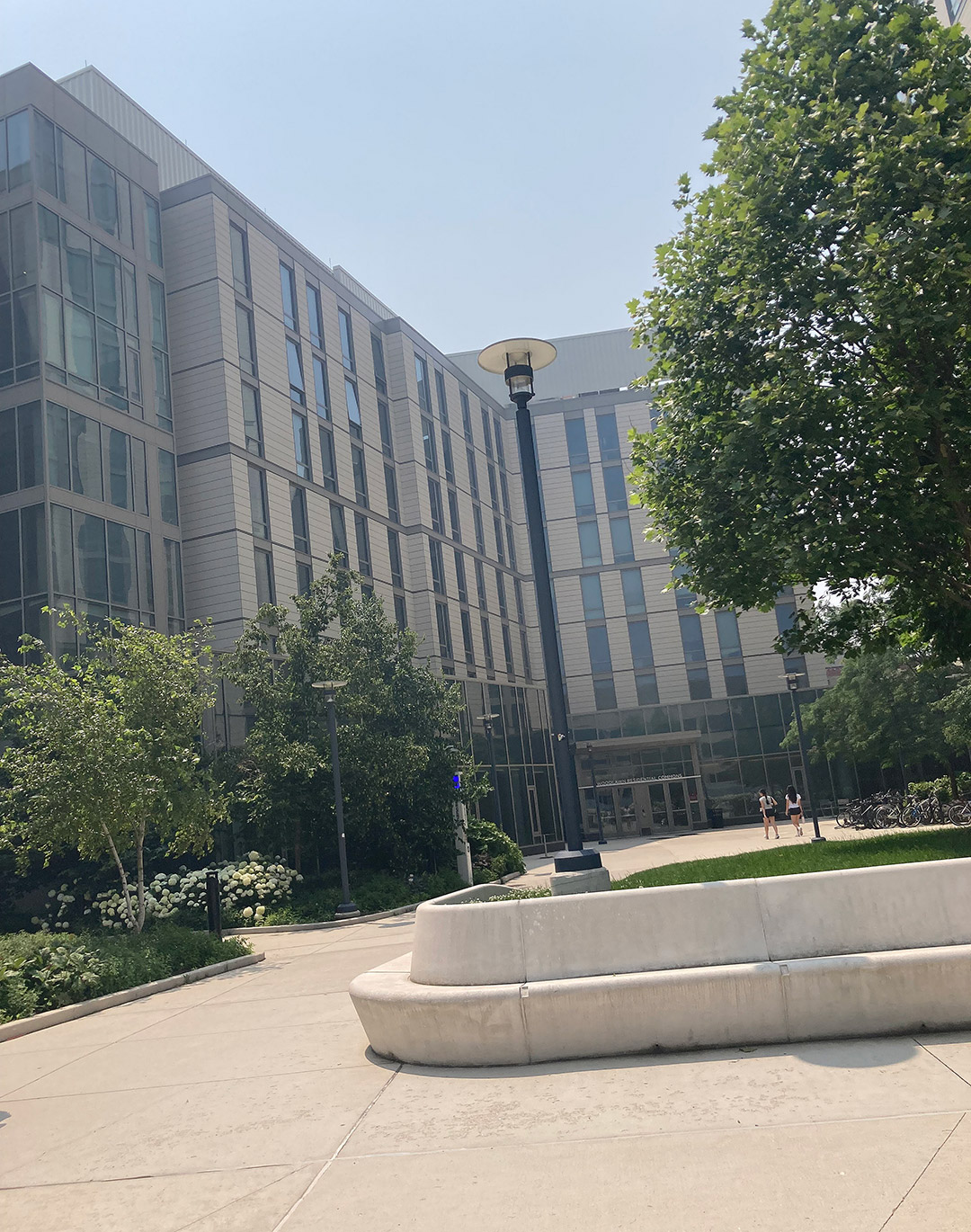
Mollie Mandell reports on her first week at the University of Chicago Summer Immersion Program where she is studying “Biology and Its Modern Applications.” After settling in at her dorm room at Woodland Residential Commons, Mollie and her dad explored the Chicago University campus.
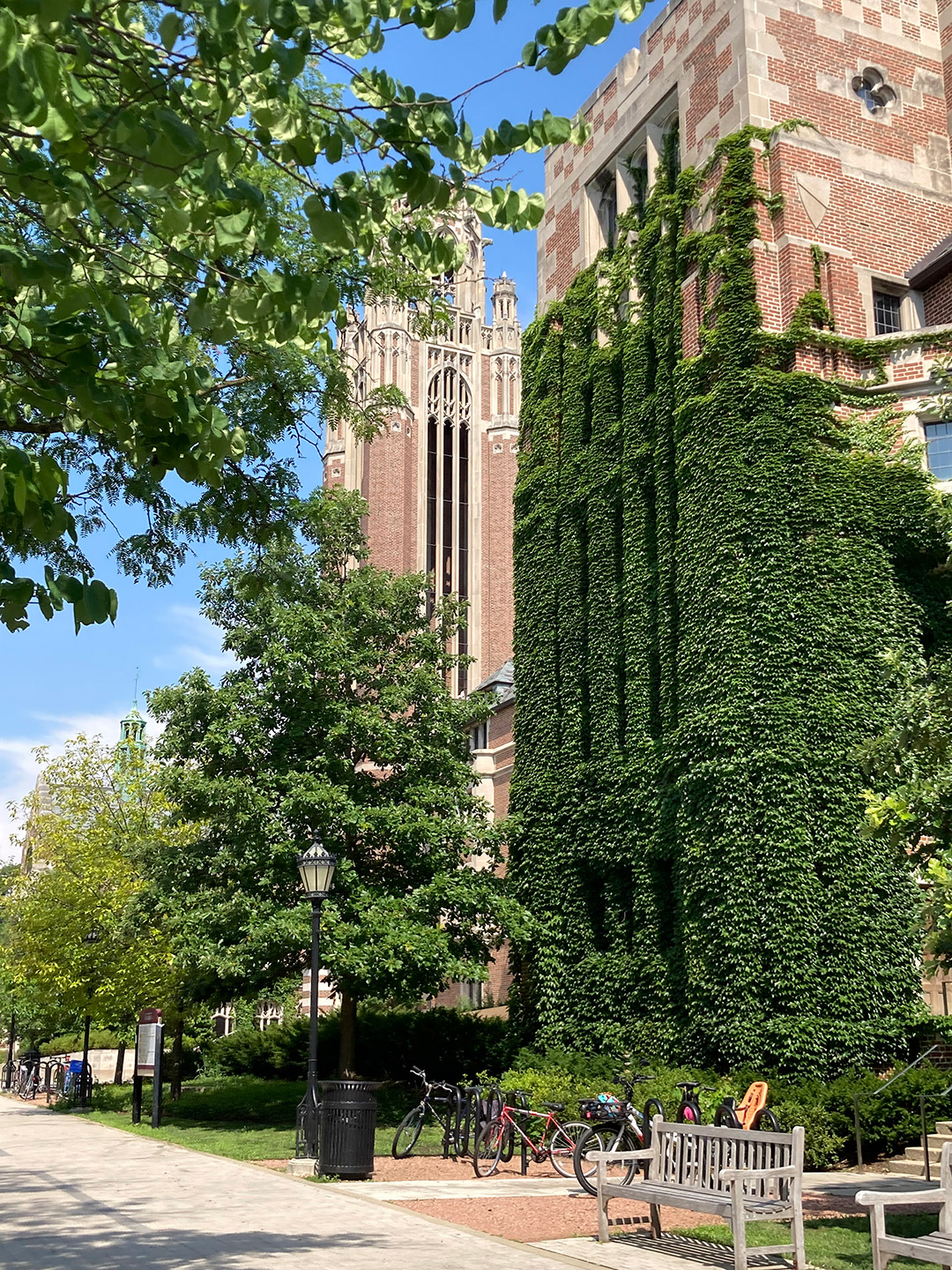
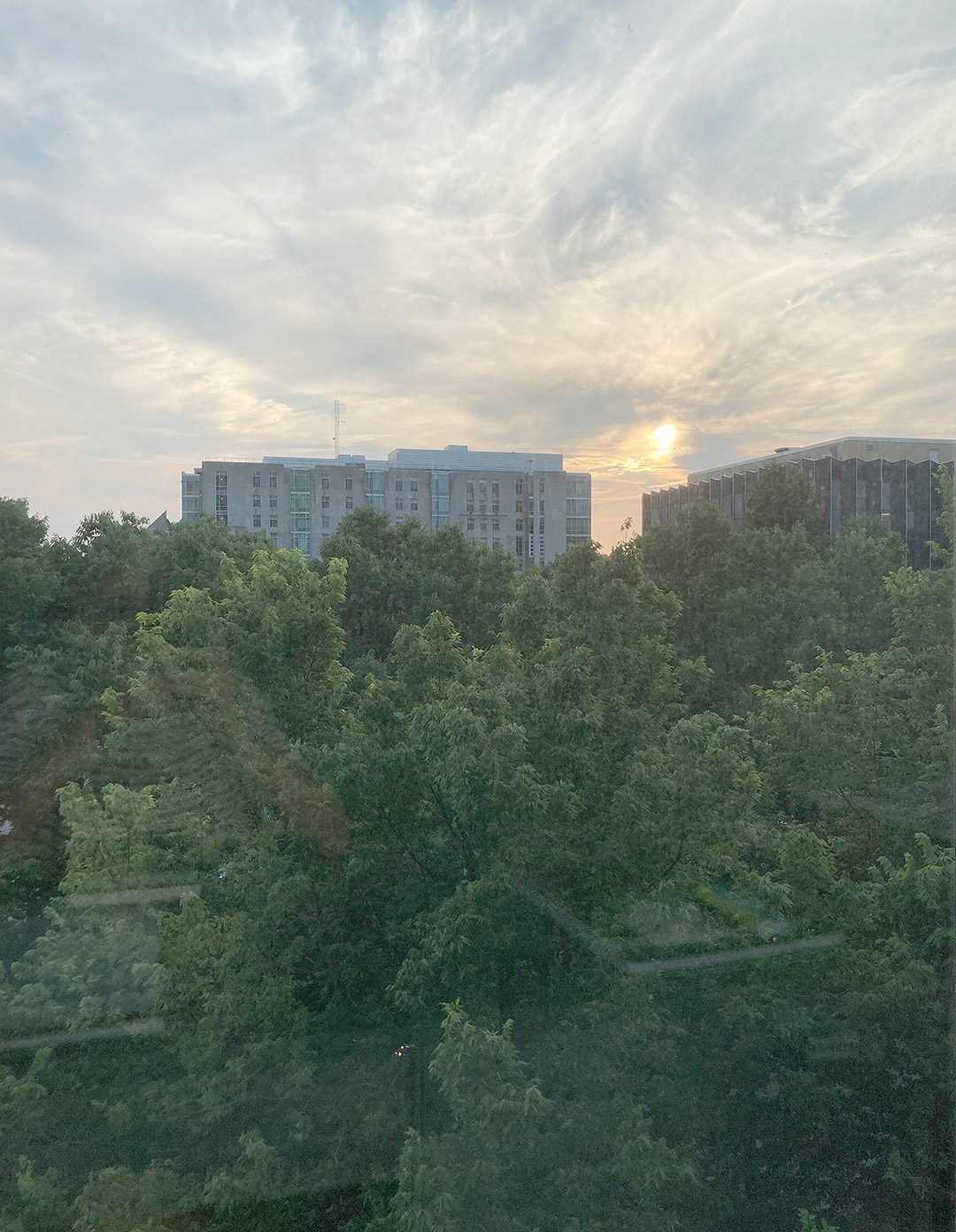
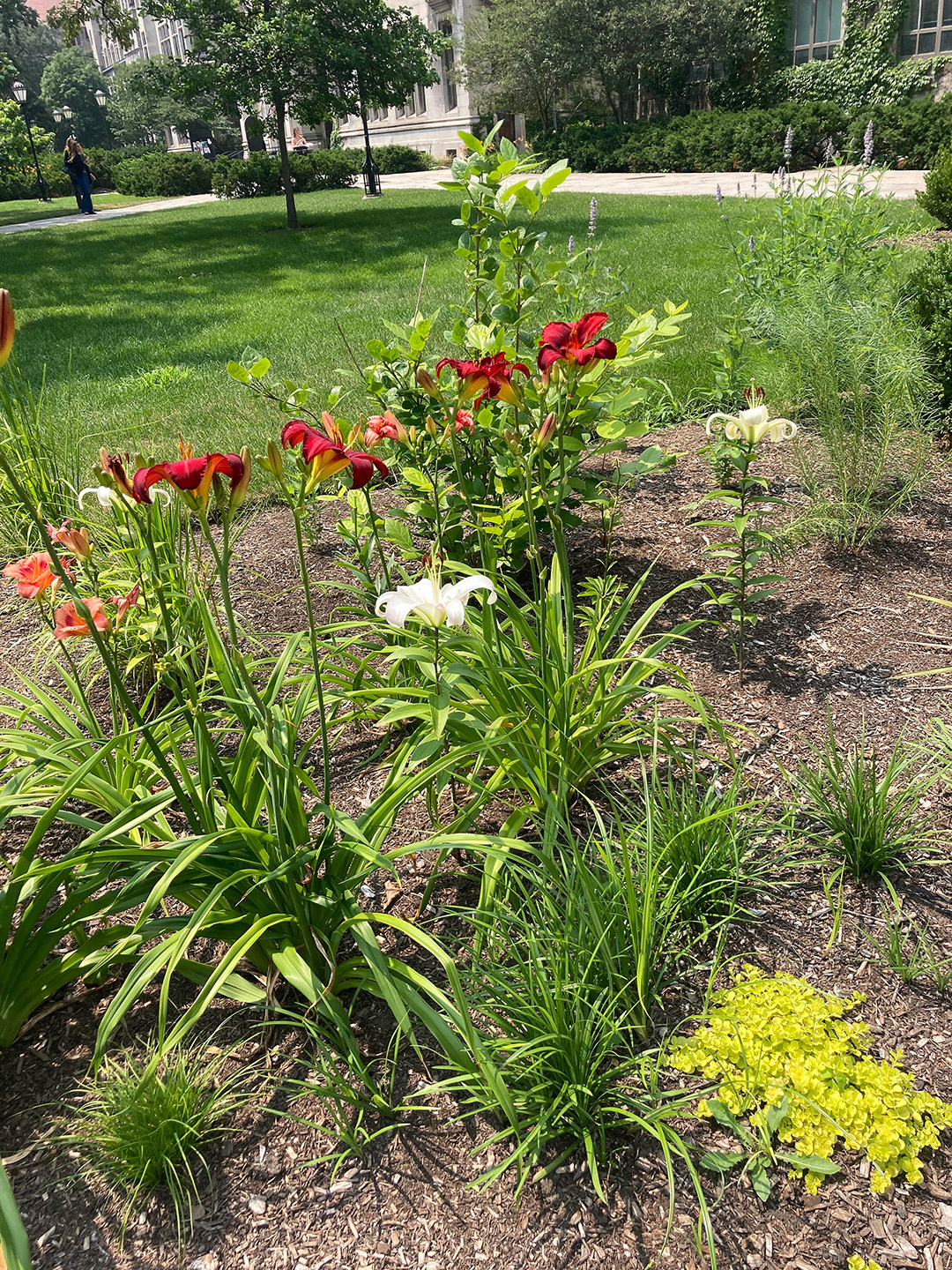
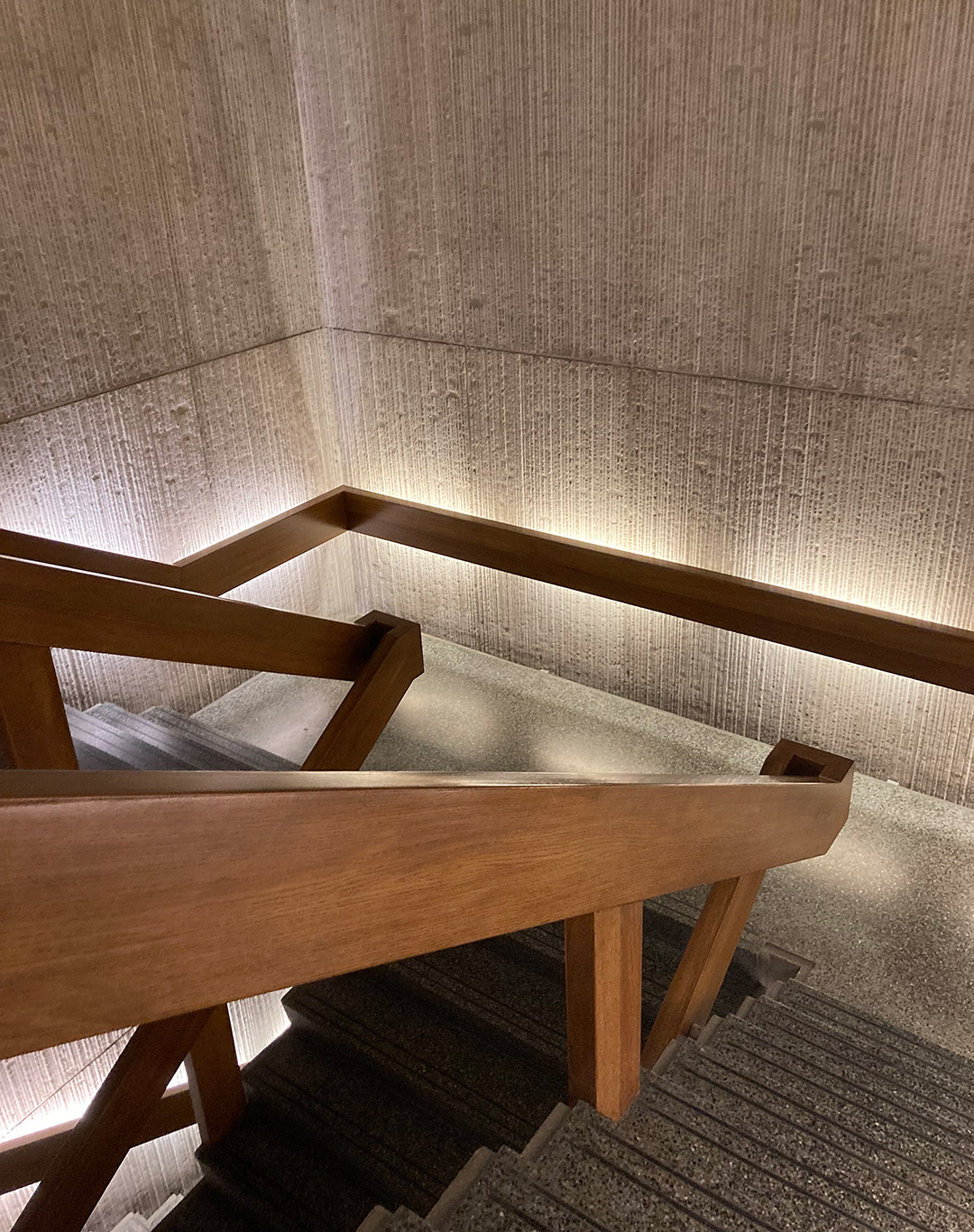
“My dad helped me move in, and then we explored the campus. It’s so pretty. The architecture is varied; the oldest buildings are brick with elaborate decorations and ivy, while the newer ones (like Woodlawn) are industrial and modern. Woodlawn is at the south end of the campus, so you can walk at least 20 minutes north and still be at UChicago. When I walk to my class every day, I choose the route with the best views,” Mollie says.
After meeting her roommate, an international student from China, Mollie and her her friend Aashna attended orientation, and went on a campus tour.
“I went on a campus tour and started to get my bearings in navigating the city. I tried to talk to as many people as I could in the first few days, because I knew that once classes started, people would break off into groups of friends,” Mollie reports.
“I’m taking Biology and its Modern Applications, which is a fifteen minute walk away from the dorms, so Aashna and I decided to leave early. At breakfast, I saw Zoya and Laila, two other Garwin sponsorees. I hadn’t known whether their classes were the first or second sessions. It was nice to talk to others from home,” Mollie adds
On the first day of classes, Mollie met her professor, Dr. Pliny Smith, and attended a two-hour lecture on biosafety, followed by a lesson on lab safety and micropipetting in the afternoon.
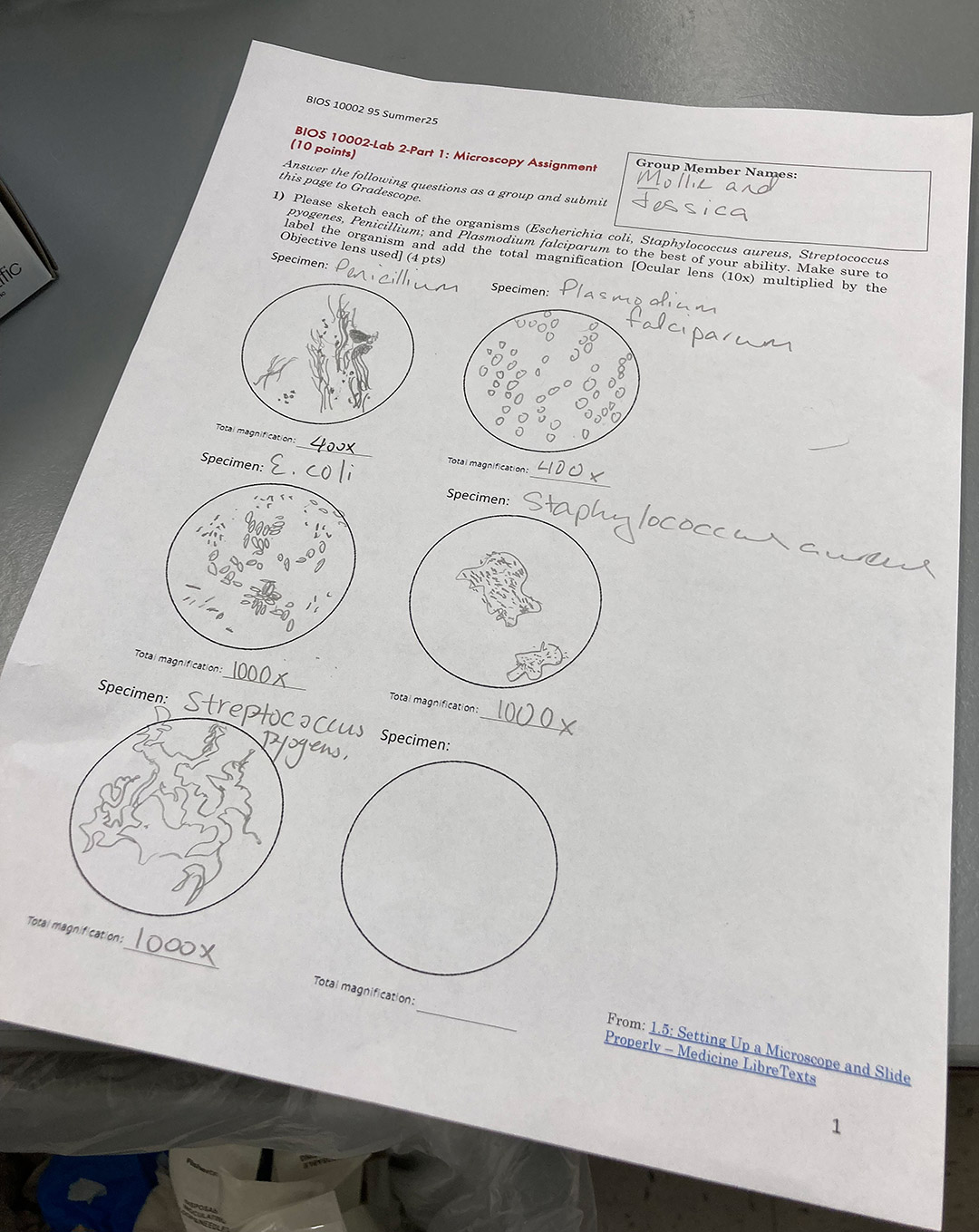
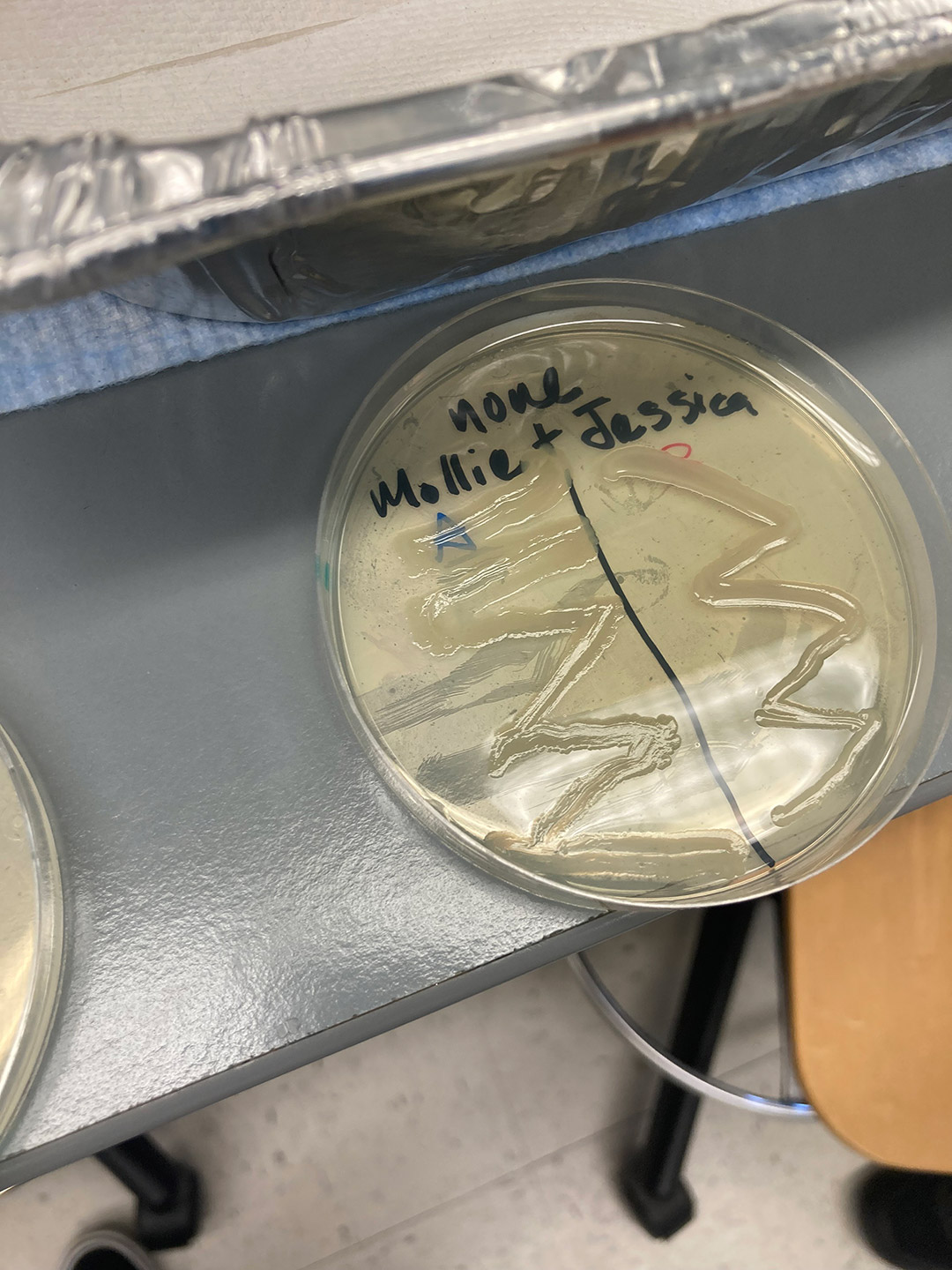
“On Thursday, we had our first real lecture, which was titled ‘What is Life?’ It went over a large amount of information in a short time. The course is essentially a quarter of college biology shoved into three weeks. I expected the pace, but my hand hurt from writing so quickly. Every Thursday, we will have a seminar at BSLC with different UChicago staff. This week, it was Joon Seo Park on cancer immunotherapy. It was very interesting. The lab was for microscopy and plating E. coli bacteria,” Mollie reports.
“After class, I ran with a girl from my house. It was my first time running with another person. I found that it’s a really good way to meet people and get to know them. I went to the Regenstein Library with Aashna and checked out a few books. That night, we had a study break in the RA apartment, in which they supplied us with brownies and Italian sodas. The RAs are very helpful and always willing to solve a problem,” Mollie adds.
“The next day, the lecture was about cell function, structure, and signalling. We also got to look at posters made by the Research in Biological Sciences (RIBS) program. My favorite posters were about Wnt inhibitors and their effects on hydra and jellyfish and artificial organs derived from plants. The RIBS program is really interesting because they get to perform their own experiments and do research over the course of five weeks. In the afternoon, we got in groups and picked our final project topic. I wanted to do de-extinction, but my group decided on forensic biology. We will be making a poster on it over the next two weeks. I hope that it can be as good as the RIBS posters,” Mollie says.
Outside of class, Mollie got together with friends to watch a movie in the house lounge, met new people, and visited the Oak Park Library Friends Book Fair.
“I think my favorite part of this program has been meeting other people and getting to know them. The RAs work hard to make an environment where we feel comfortable doing so. On Saturday, I went to the Oak Park Public Library Friends Book Fair and got five books for $10. The most interesting one is The Immortal Life of Henrietta Lacks. We also got to walk around Oak Park and go to a candy store. Someone invited me and my friends to the Fama house presentation night, which was very…interesting,” Mollie says.
“Over this week, I have reflected on how lucky I am to be here through the Garwin Family Foundation sponsorship. So many people aren’t able to do programs like these simply because they cannot afford them. On the other hand, I have met people who paid for the entire program and still order Doordash every night. The disparity between classes, backgrounds, and places of origin at UChicago is insane. There are a lot of people who come from fancy private schools where they can take 30 AP classes and learn about college opportunities, and only a few from small public schools like mine. I really enjoy being here and am excited for the remaining two weeks,” Mollie exclaims!
Week Two — Cell Division, ELISA, and Lab Work
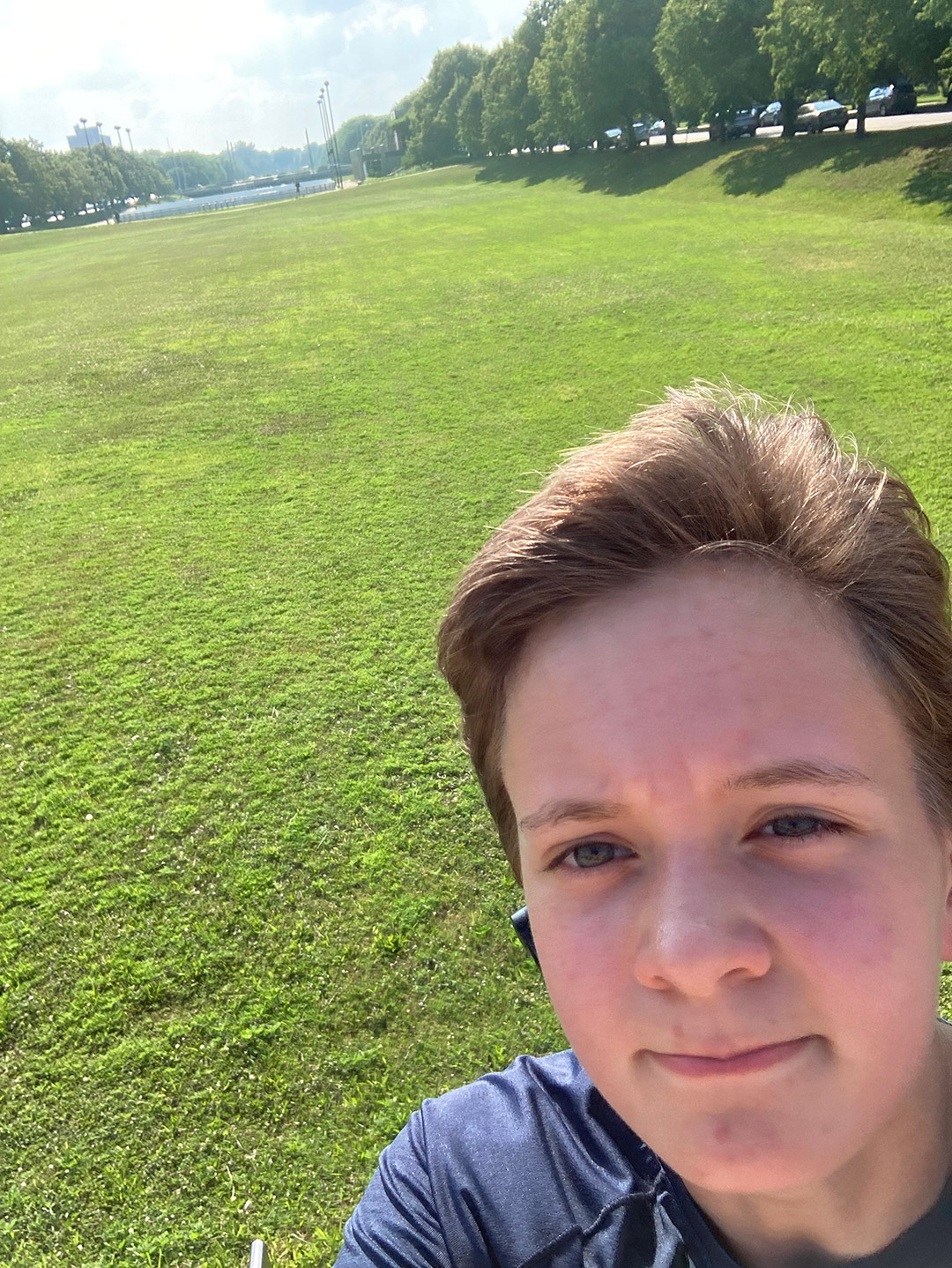
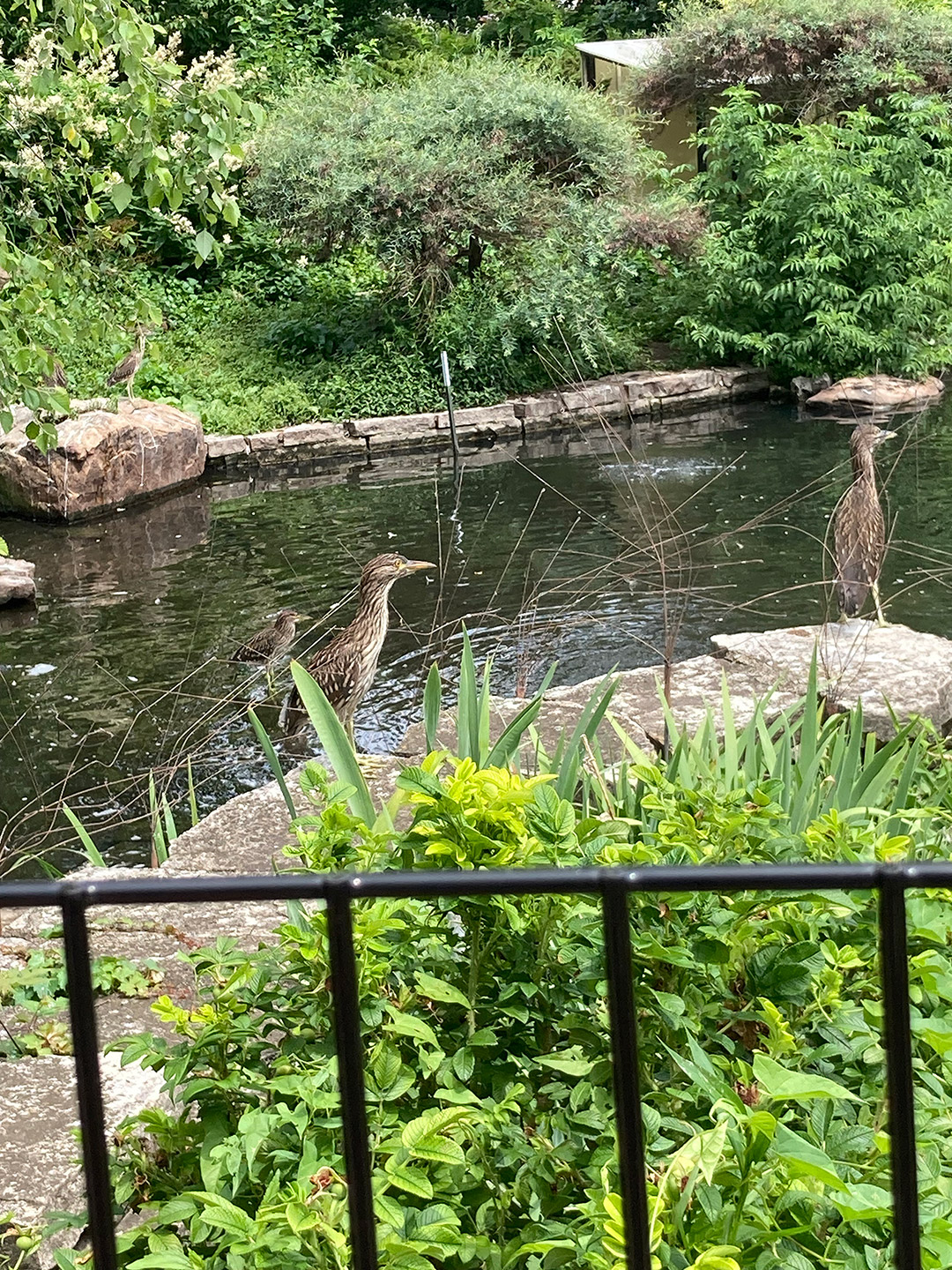
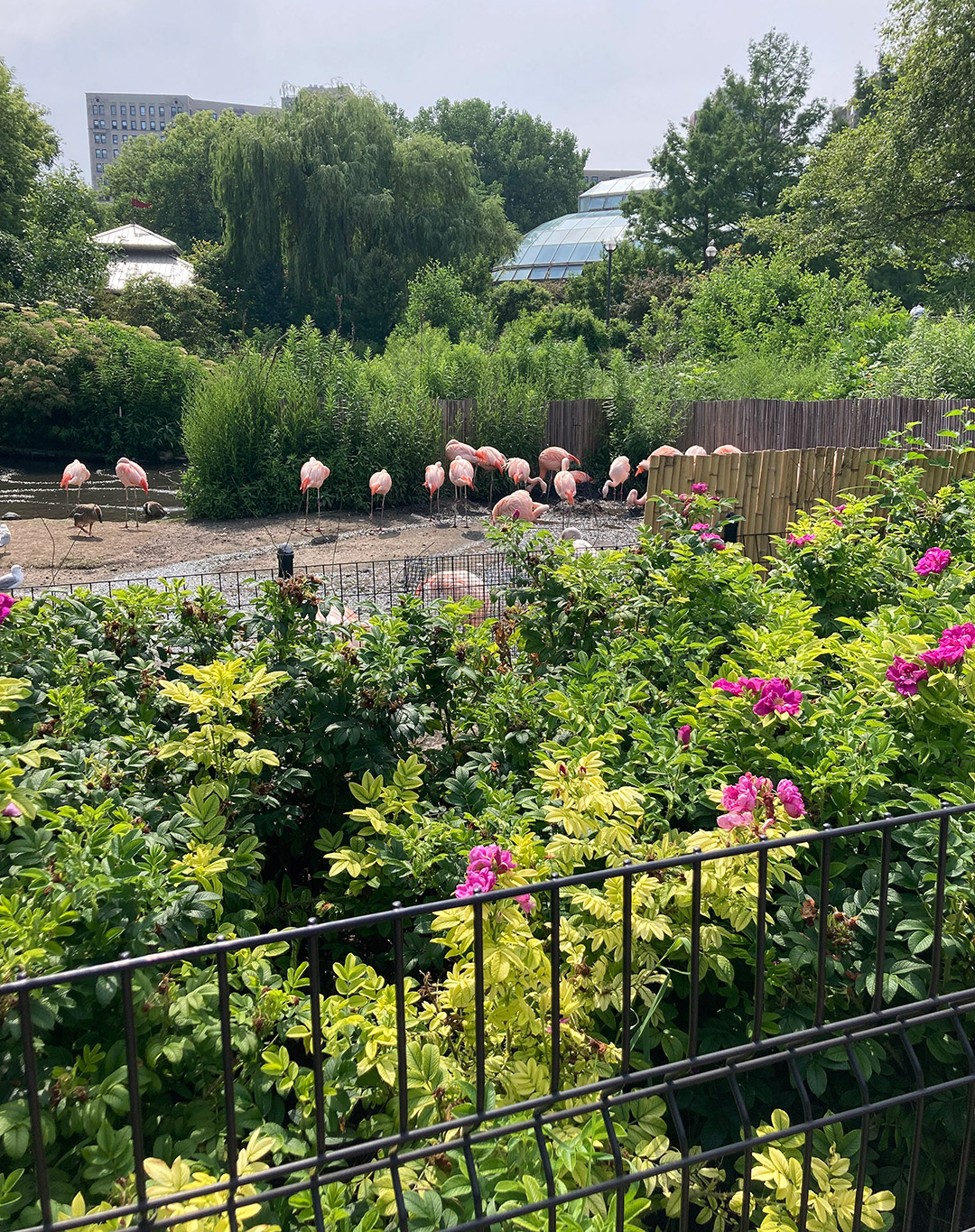
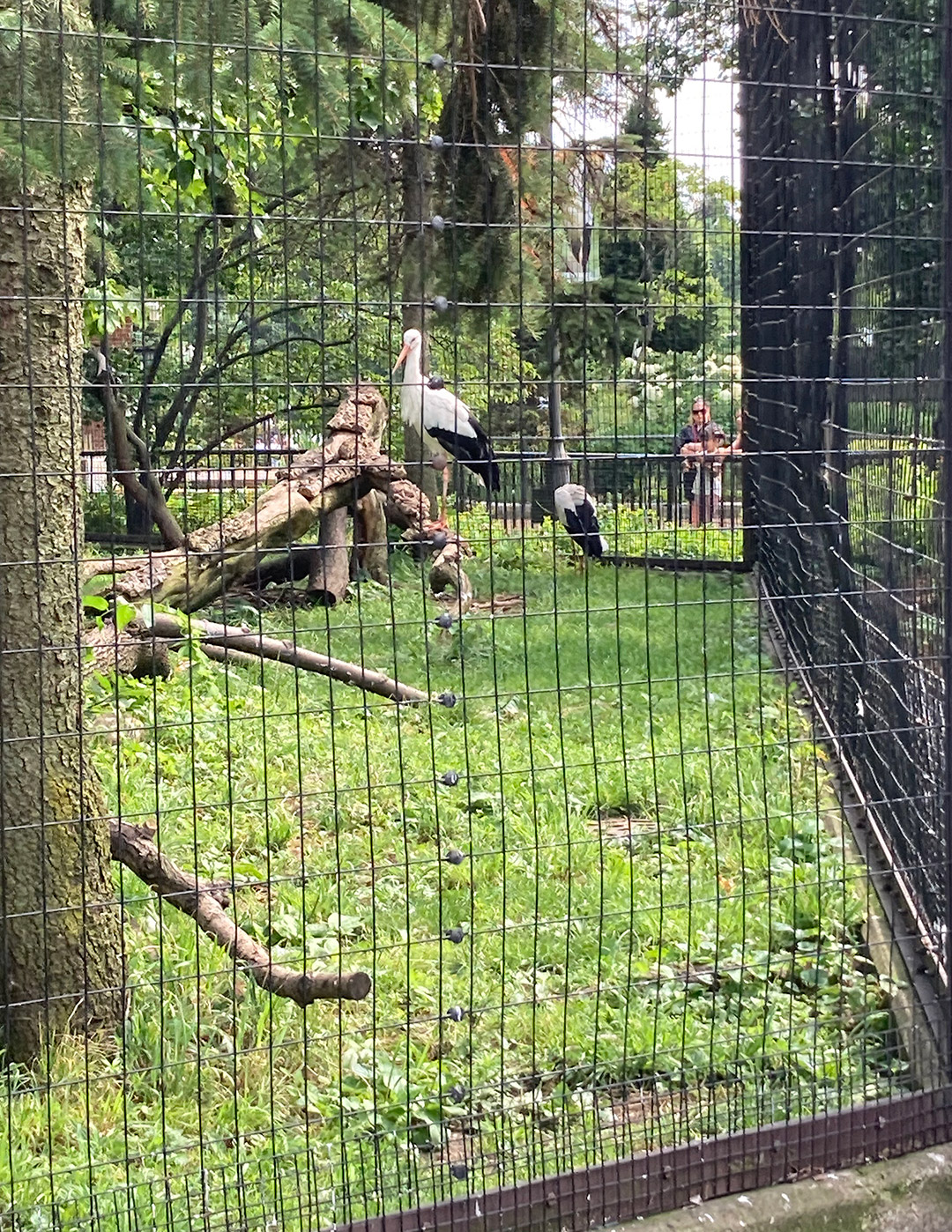
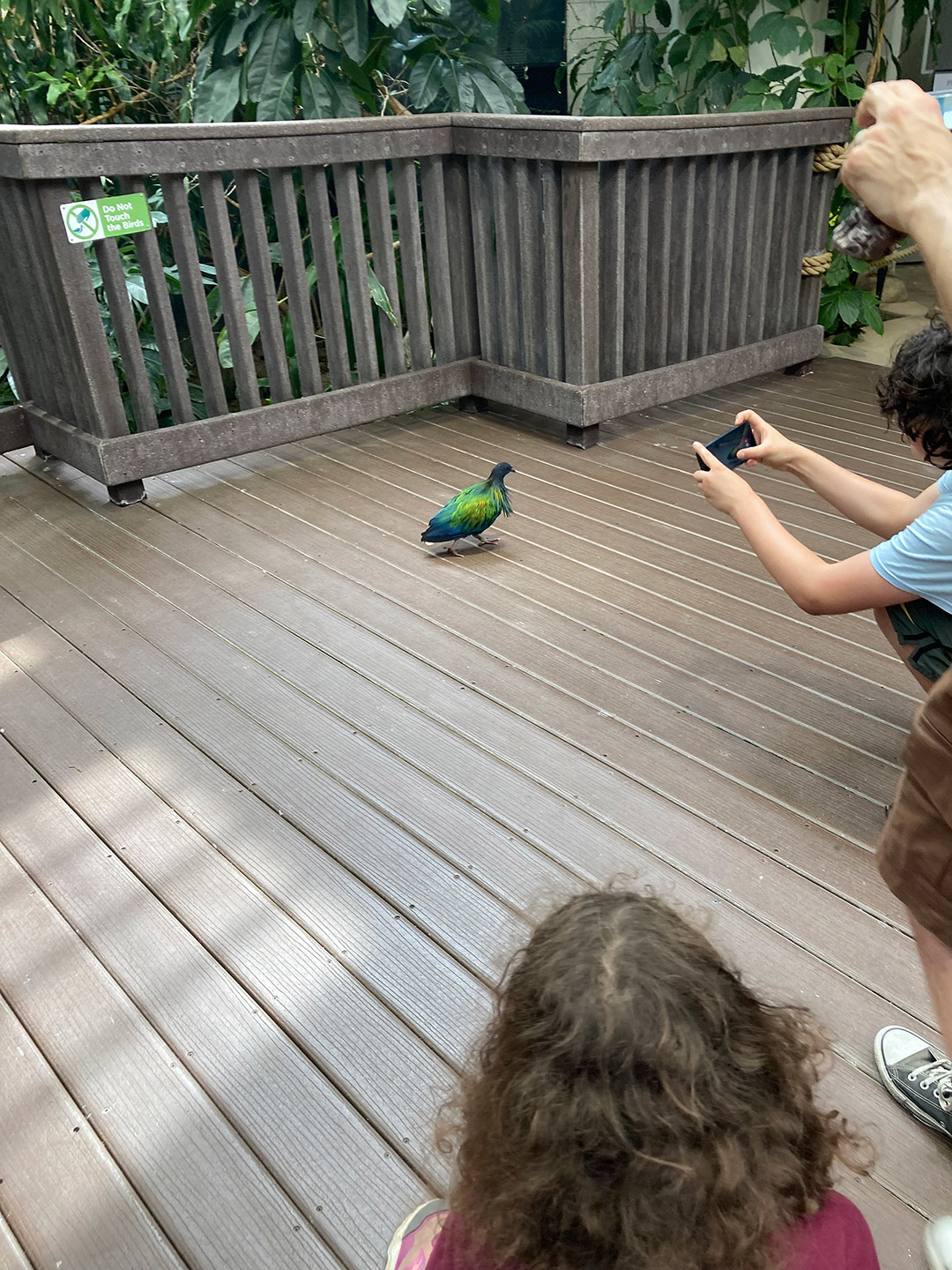
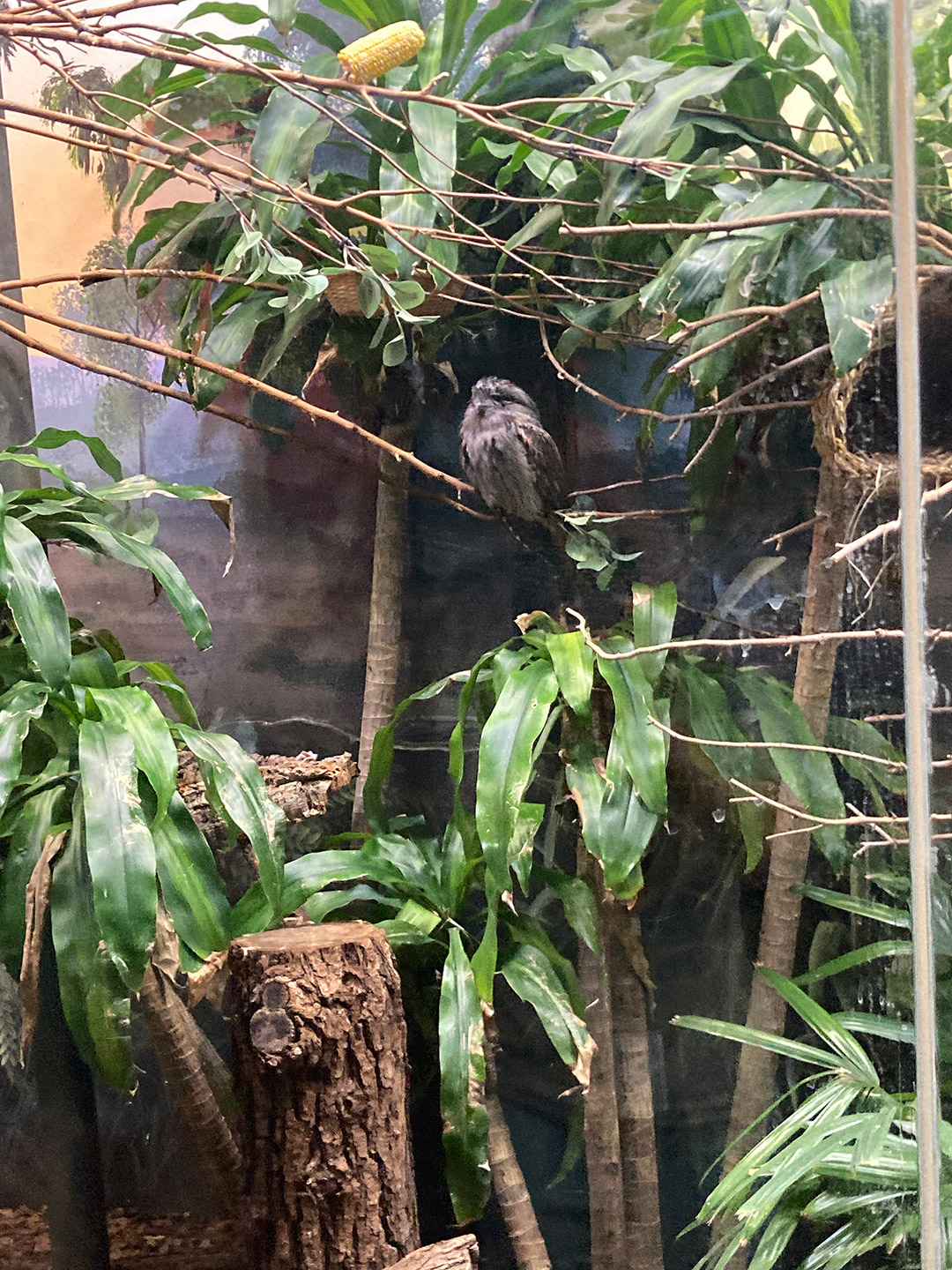
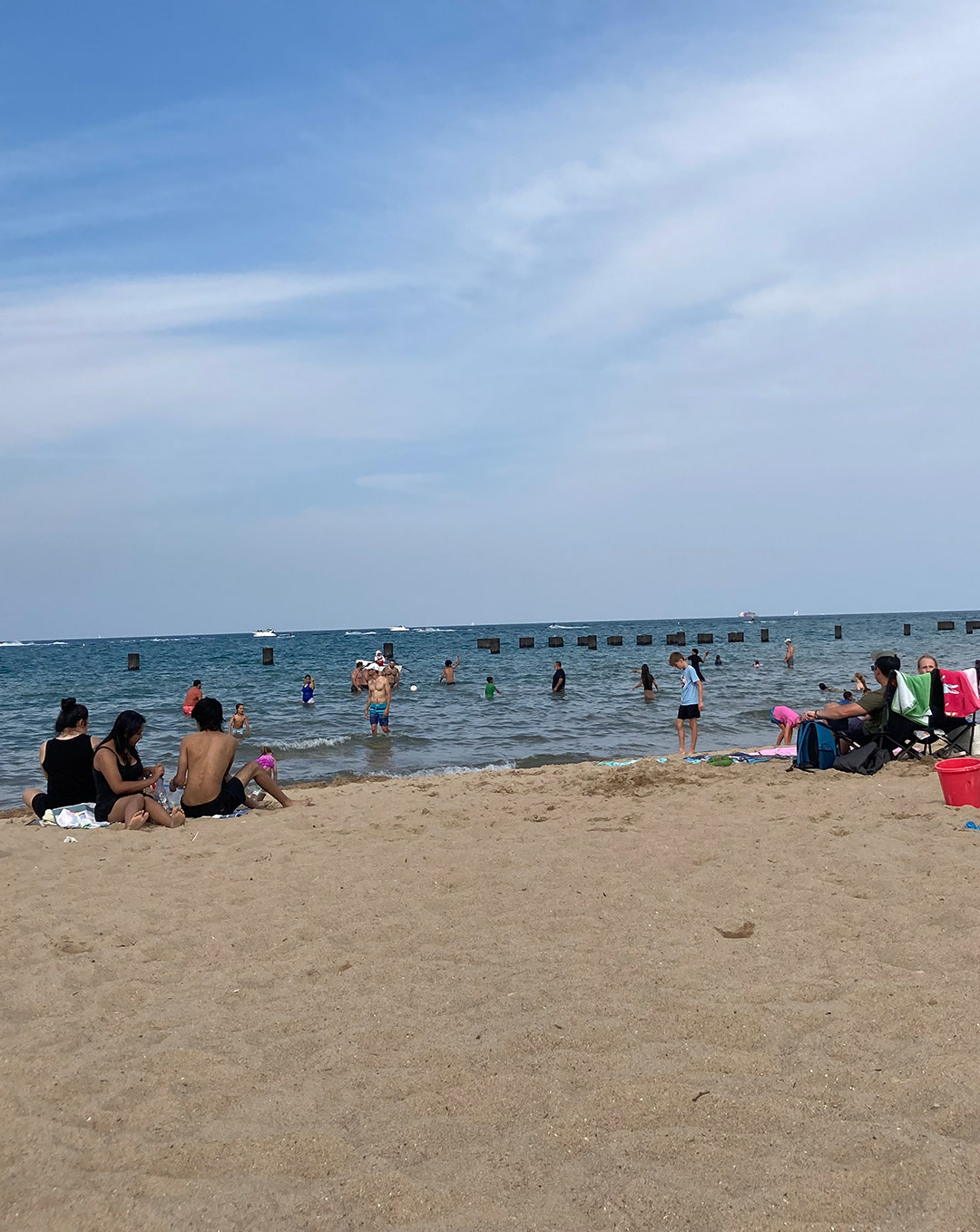
During her second week at the Chicago University of Chicago, Mollie settled into a comfortable routine. She also had a chance to visit the Lincoln Park Zoo and the beach at Lake Michigan.
“Everything about being here feels right to me–the schedule, the people, the academics. I’m consistently excited about all that we do, whether it’s lectures, labs, seminars, or house activities. I’ve also found a lot of friends and acquaintances that I can rely on to support me,” Mollie says.
“On Monday, the lecture was about cell division and cancer. It was the most interesting topic we’ve gone over in the program—I talked to others, and they agreed. Cancer is not really something you learn about in a lot of high school biology classes. The lecture revealed a lot about how cancer works. I feel that knowing more about scary and uncontrollable things helps the public. When my grandma had lung cancer last year, it would’ve helped me to know how cancer develops, because I had no idea whether she was going to be okay or not (don’t worry, she was). It also helps to know about carcinogens like smoke and HPV (human papillomavirus),” Mollie explains.
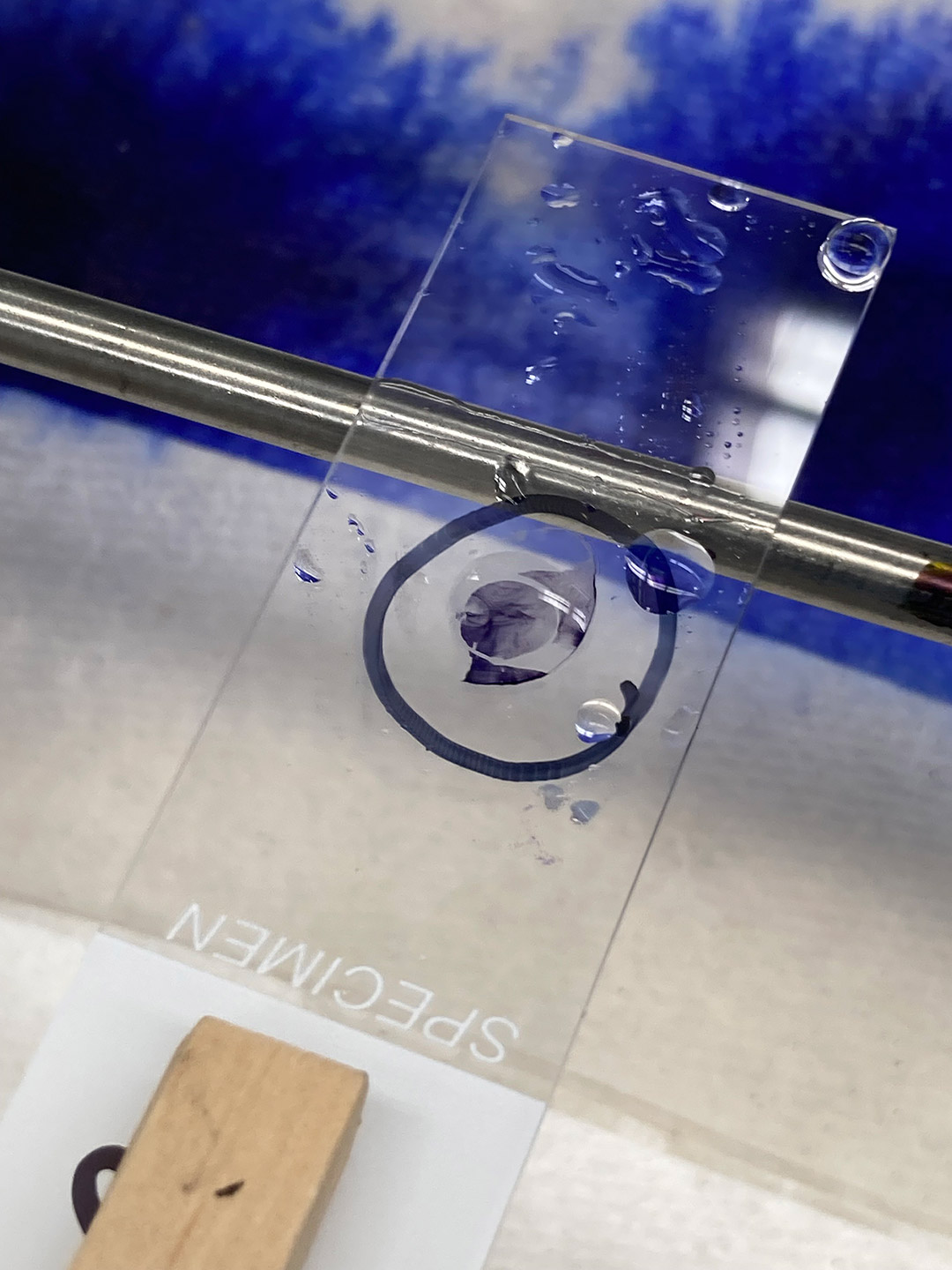
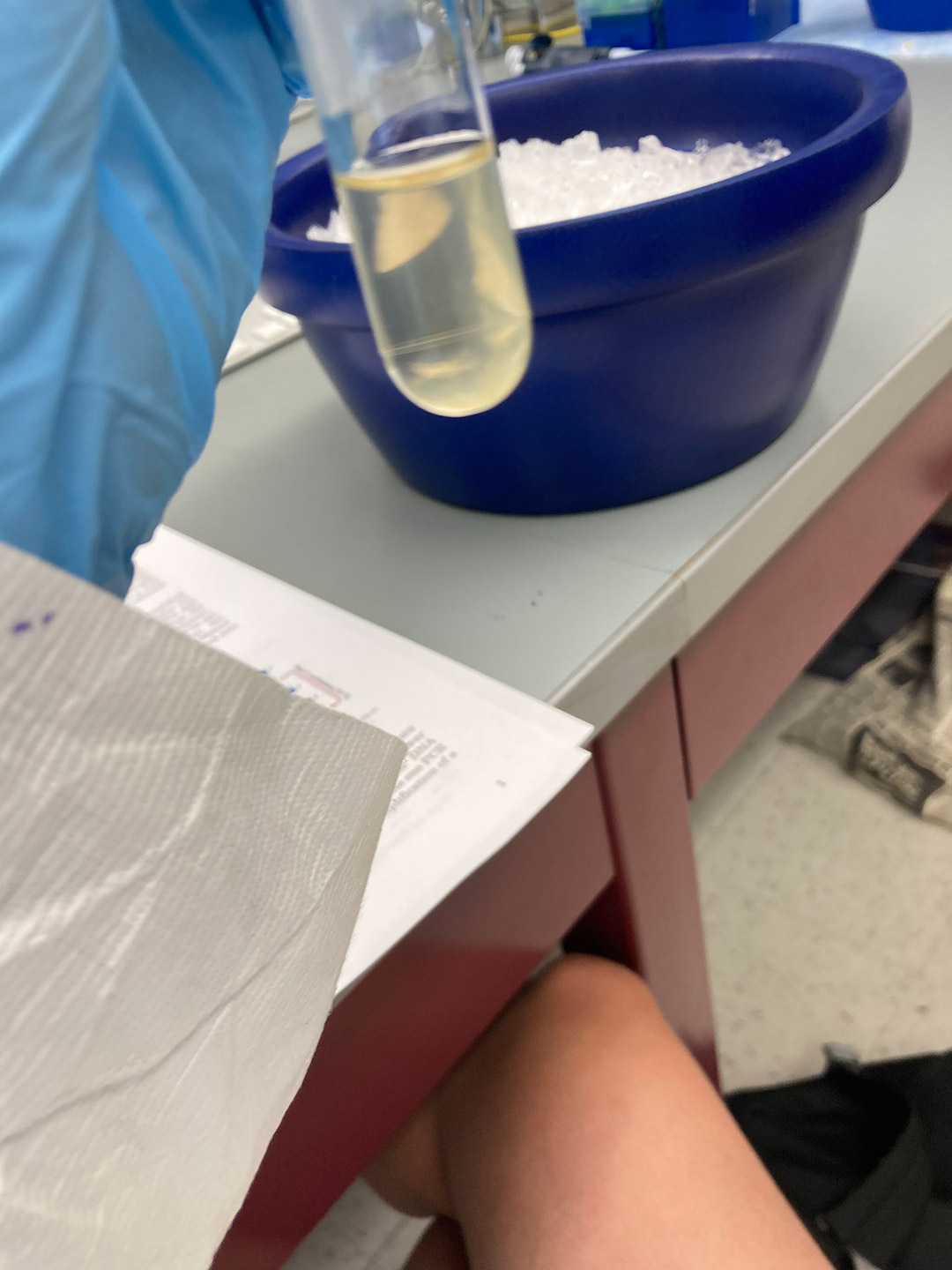
“The lab that day was TS agar plate evaluation, broth inoculation, and Gram staining. I’m really loving the labs here. I like the hands-on experience, and it will be good to know how to do those labs in the future if I continue learning about biology. After class, I worked with my group on our forensic biology project. We decided to do it on a specific case, the Golden State Killer, and explore the methods used to solve that case. When we were done, I explored the Regenstein and Mansueto libraries. They’re both beautiful and definitely good places to study,” Mollie adds.
The week continued with lessons on energy, metabolism, cellular respiration, photosynthesis, and setting up for a polymerase chain reaction (PCR) in the lab. After class, Mollie participated in a Bob Ross painting activity.
“On Wednesday, the lecture was on DNA replication. My professor teaches a class about the biology of aging, so he went into specifics on how replication has to end at the Hayflick limit due to telomere length. It was interesting to hear about, especially because it was tailored to our class, and I probably wouldn’t have heard that anywhere else. Also, I happened to be reading the book The Immortal Life of Henrietta Lacks at the time, and Dr. Smith explained how immortal cells existed. Instead of lab, we had a guest speaker named Fernando Nieto. He talked about computational biology and thought that we were incoming undergraduate students,” Mollie reports.
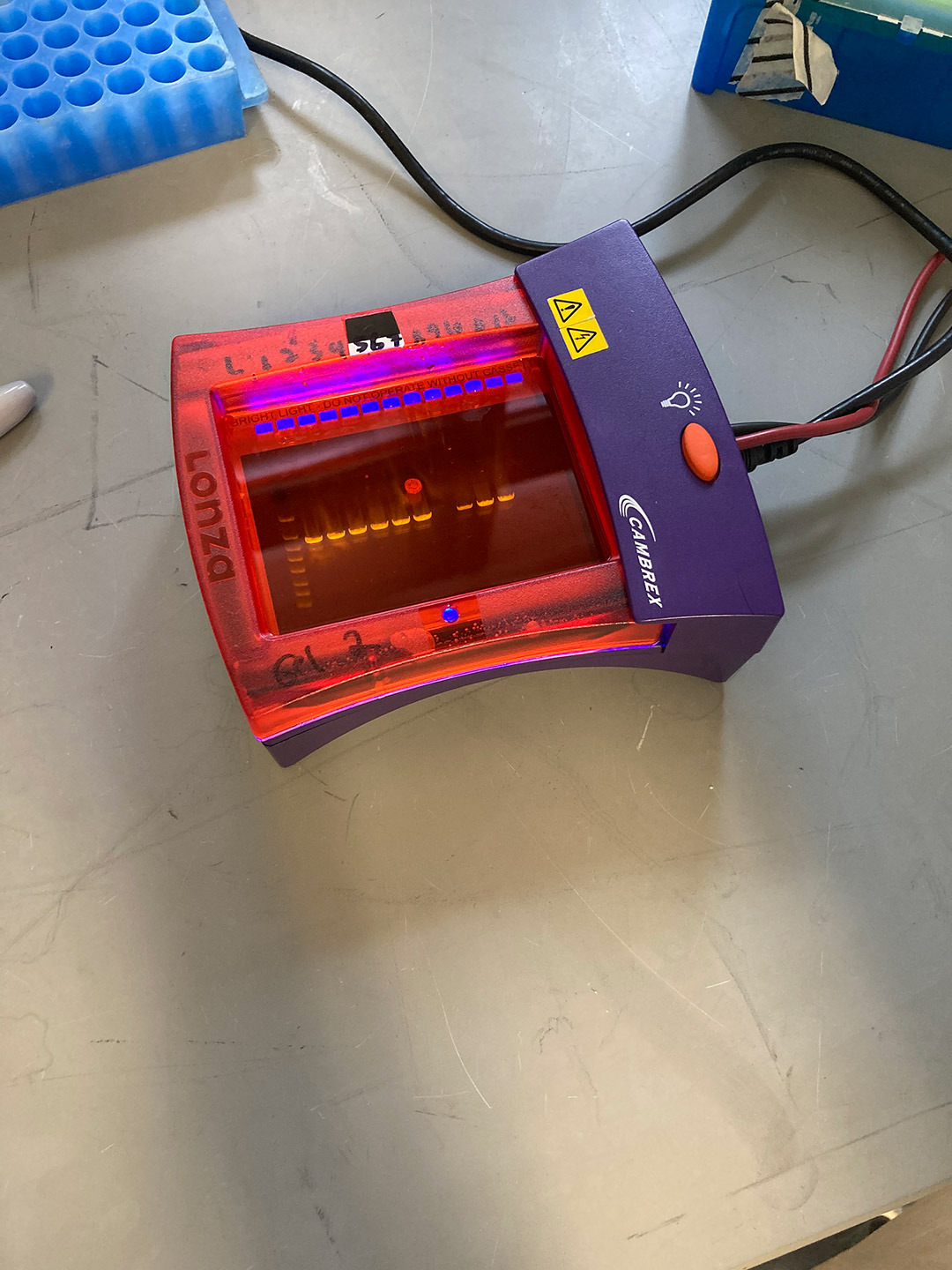
“On Thursday, the class was taught about transcription and translation. We also had another seminar from UChicago staff; this time, it was from Zewdi Tsegai about hominin locomotion evolution. I’ve always been interested in anthropology, so it was nice to hear about it from an expert, especially with such a niche topic. The lab used gel electrophoresis to analyze the DNA that we PCRed. After dinner, there was an admissions Q&A and then a study break with boba tea,” Mollie says.
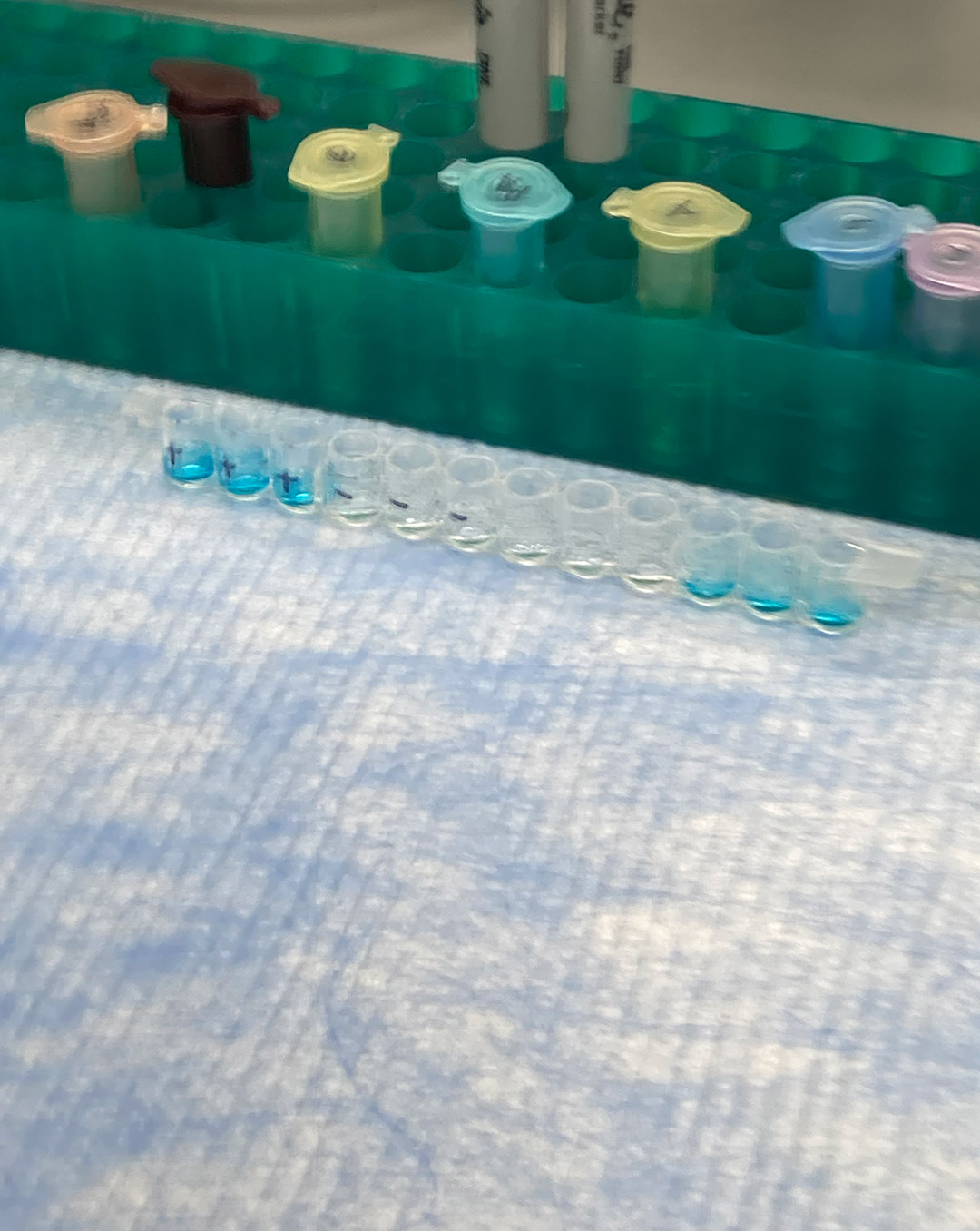
The week ended with lessons on gene expression and regulation, a lab on Enzyme-Linked Immunosorbent Assay (ELISA), and a team trivia competition after class.
“This week has taught me that everybody has different experiences. I’ve met people taking math five years ahead of me, and I’m advanced for my school (though some people found a loophole to take Advanced Geometry and Advanced Algebra II at the same time). I’ve met people with access to their parents’ credit cards who spend $70 on snacks at a time. I’ve met people who are so smart that they don’t even realize it. The only other non-Garwin person I’ve met who’s here on scholarship has talked about this—someone asked him why he wanted to shop at a used bookstore, and he had to explain to them the concept of buying cheaper things. It’s crazy how many different kinds of people can be brought into one place with programs like this. I think I’ve made really good friends, and I will be sad when I have to leave here. I already know that this experience has changed me forever. Thank you, Garwin Family Foundation,” Mollie says.
Week Three — Getting Ready for Finals and Saying Goodbye
Mollie says she couldn’t believe the course was coming to an end. After a weekend of fun activities and trips with friends, Mollie and her classmates needed to prepare for their final presentations. Still, Mollie was able to find time to compete in the traditional House Games, visit the Farmer’s Market, and shop at Powell Books.
The week began with a lecture on Mendelian genetics followed by lessons on mutations and evolution.
“It was a topic I already knew a lot about, even before I took Advanced Biology at my high school. It was still interesting to hear it taught by a different person, though. In the lab, we started to do Clustered Regulatory Interspaced Palindromic Repeats (CRISPR) to disrupt the lacZ gene in E. coli. CRISPR is so interesting because when I’d heard of it and imagined it, I thought it was some high-tech, computational thing, but we just added some things into a tube. It might be different in a real lab space, though. I’m interested in how CRISPR is applied to other organisms, so I plan to look into this,” Mollie says.
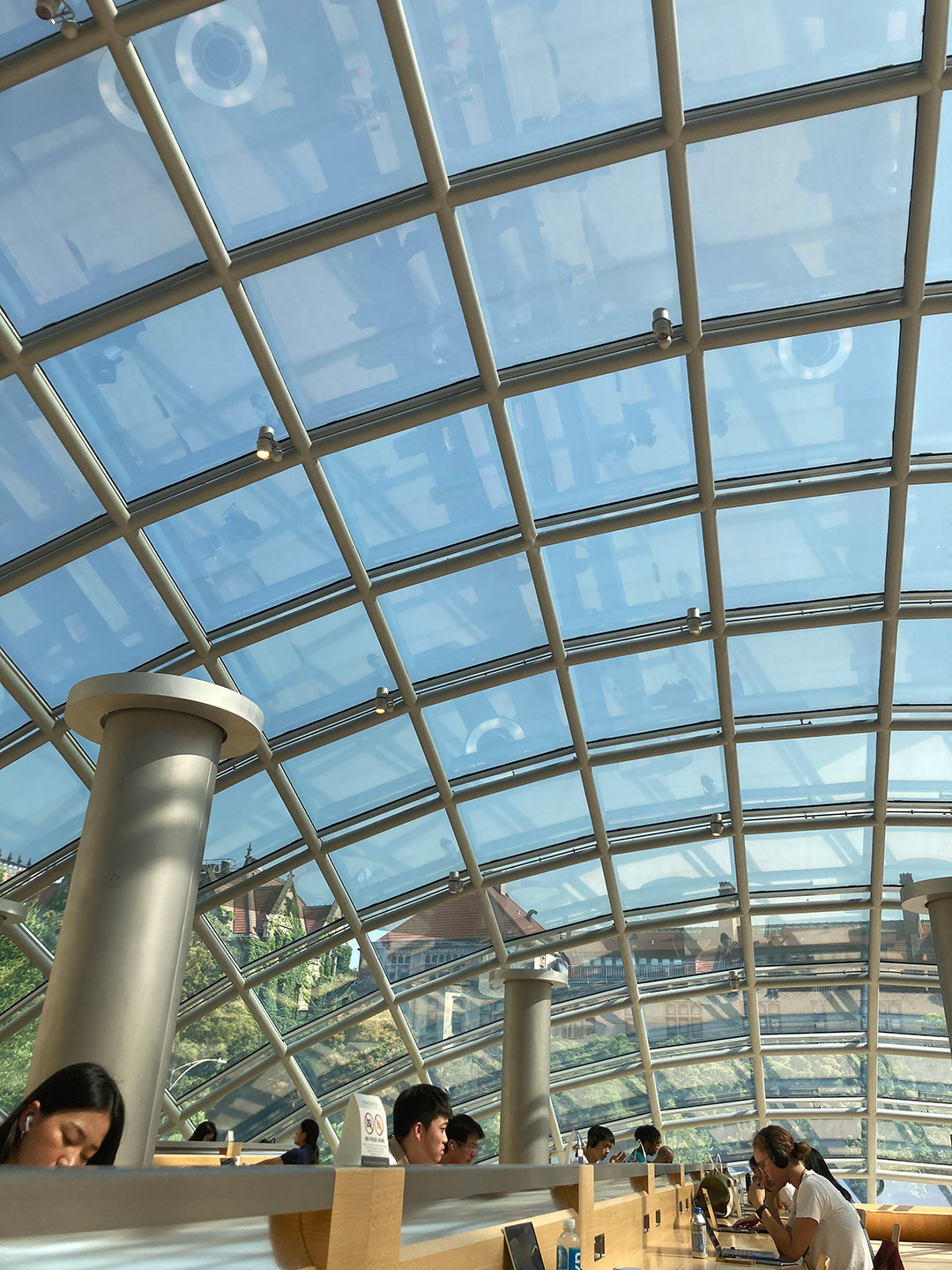
“The mutation part was cool and mostly new to me, but I am an evolutionary biology fan, so I already had a lot of knowledge about the subject (thanks PBS Eons!). I was surprised that Charles Darwin was only mentioned once and the history of evolutionary theory was not talked about. However, I understand that it was just half a lecture of a condensed third of a year of college freshman biology, and some people get their PhDs in evolution. Later, we continued our CRISPR project by evaluating our plates and performing multiplex polymerase chain reactions on them to amplify the DNA. The whole class had problems with their bacteria (which the TA said wasn’t our fault), but we were able to get enough colonies of the correct kind. Then, I worked with my group and then independently studied in the Mansueto library for a few hours. It’s beautiful there—the walls and ceiling are a paneled glass dome. I went back to Woodlawn to eat and then worked more. Right after I got done with what I wanted for the day, the RAs hosted a study break with hot pot,” Mollie adds.
“On Wednesday, the professor gave a lecture on ecology. I think that ecology is a very interesting topic, but in a condensed space like that, we mostly went over things I already knew. I think that the easier lectures were saved for the last week because we were busy working on our projects, and the topics didn’t completely correlate with labs. Then, we did our last lab by completing the CRISPR. We performed gel electrophoresis on the samples to see how many base pairs long they were. Luckily, all of ours worked, even though the plating didn’t look good. We got done early, so I went with my group to the Regenstein Library to work. In the basement of the Reg, there’s a group study area with lots of tables, whiteboards, and vending machines. It was pretty much the final day of work because we were supposed to assemble our posters in class the next day. Afterwards, I worked on my own in Mansueto again,” Mollie explains.
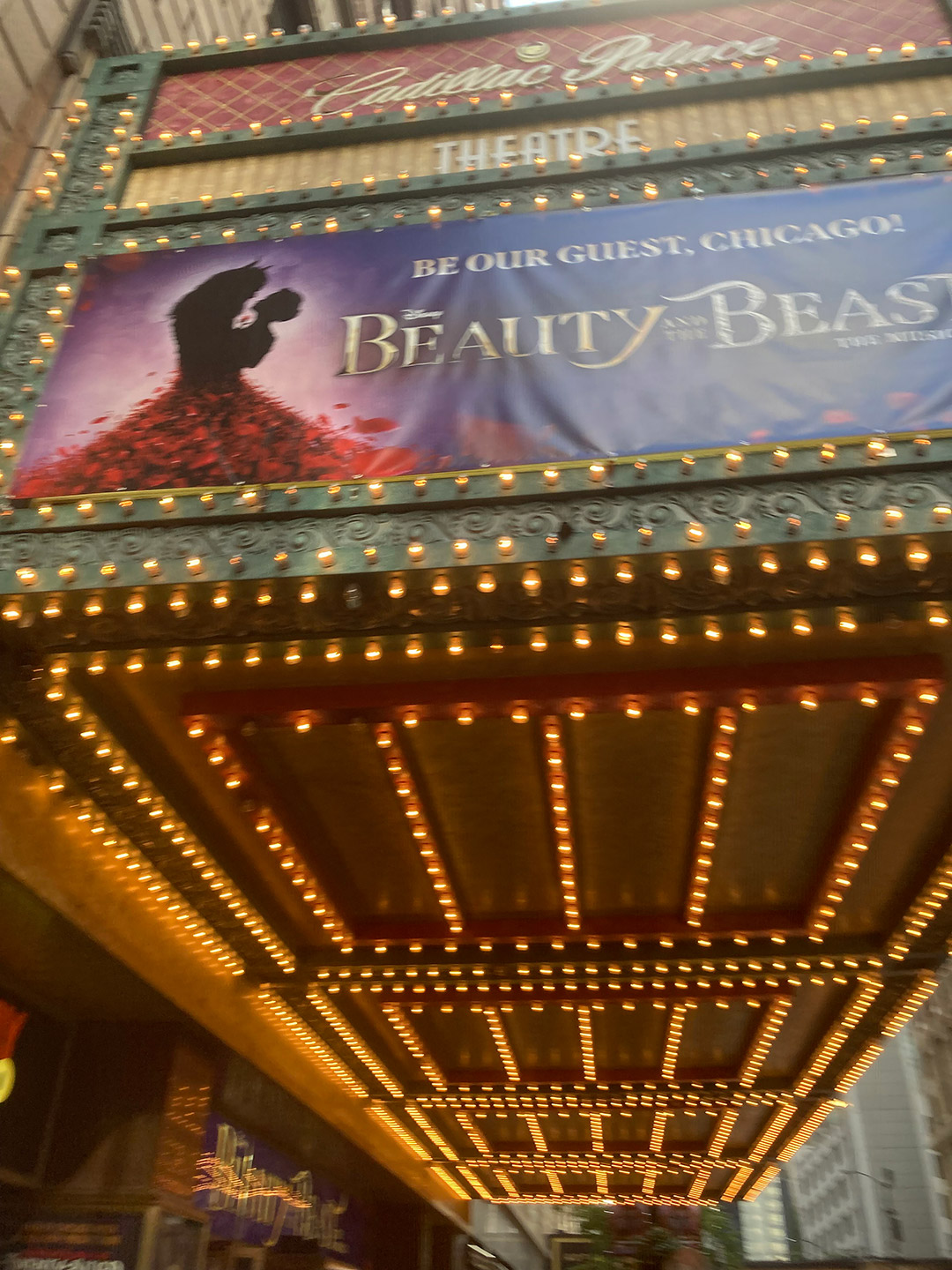
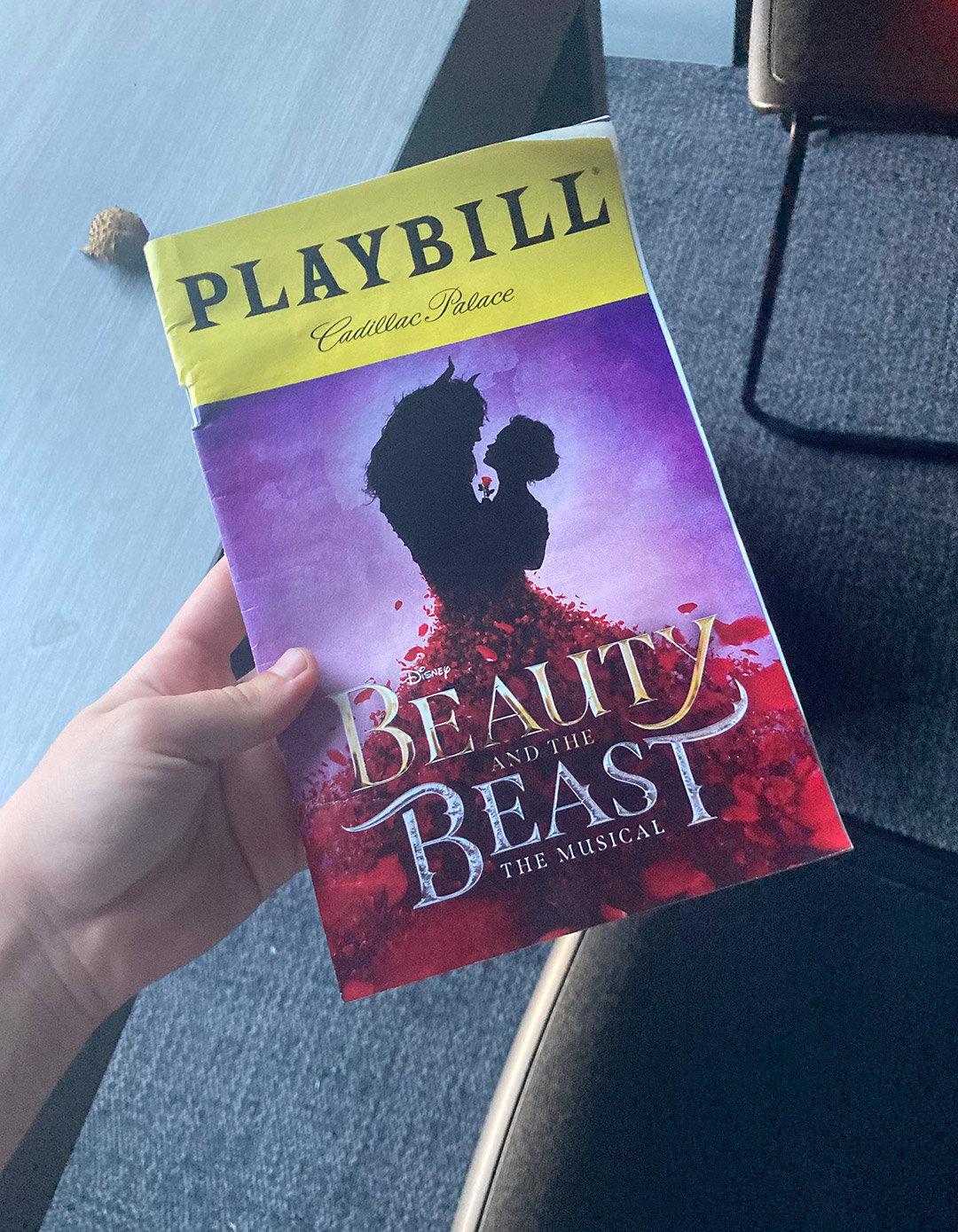
After class, Mollie found a way to finally see Beauty and the Beast.
“The week before, I had been denied from attending the trip to see Beauty and the Beast because I was too far back on the waitlist. I was determined to go, especially as my friend was confirmed and it would be sad if everyone went and I didn’t, so I made a plan. The bus was going to leave at 6:00. At 5:15, I showed up at the stop with snacks (the dining hall hadn’t opened yet) and read a book until the RAs got there. I was first, but some others with the same idea were there about ten minutes later (I gave a granola bar to one because he also skipped dinner). I successfully made it on the bus. Then, the RAs announced that they had a bunch of extra tickets. All that time, the food not eaten, was it worth it? Maybe not. However, I really enjoyed the show. The digital effects were a bit too much at times, but the cast and choreography were great,” Mollie exclaimed!
The week ended with a final lecture on different applications of biotechnology, then the class worked on their final presentation posters.
“Biotech is a very cool field and something I’ve always wanted to learn more about, especially as we skipped that chapter at my school. In the afternoon, instead of lab, we put together the posters. Ours wasn’t as pretty as some, but I thought the information came across well. Later, my group called, and we practiced our presentation,” Mollie says.
On the last day, it was time for final presentations.
“The poster presentations were set up like a gallery. For 90 minutes, there would be about twenty setups from all of the different classes in the building (neuroscience, infectious diseases, biotech, etc). The people who made them would stand next to their posters and present for pretty much the entire time, unless there was no audience. There were two sessions—one in the morning and one in the afternoon. My group wanted to go in the morning but were beaten by others (they probably had flights, though, so it’s fine). Instead, that morning we got to watch others’ presentations and evaluate them. It gave us a chance to see what kind of questions the TA and professor would ask,” Mollie explains.
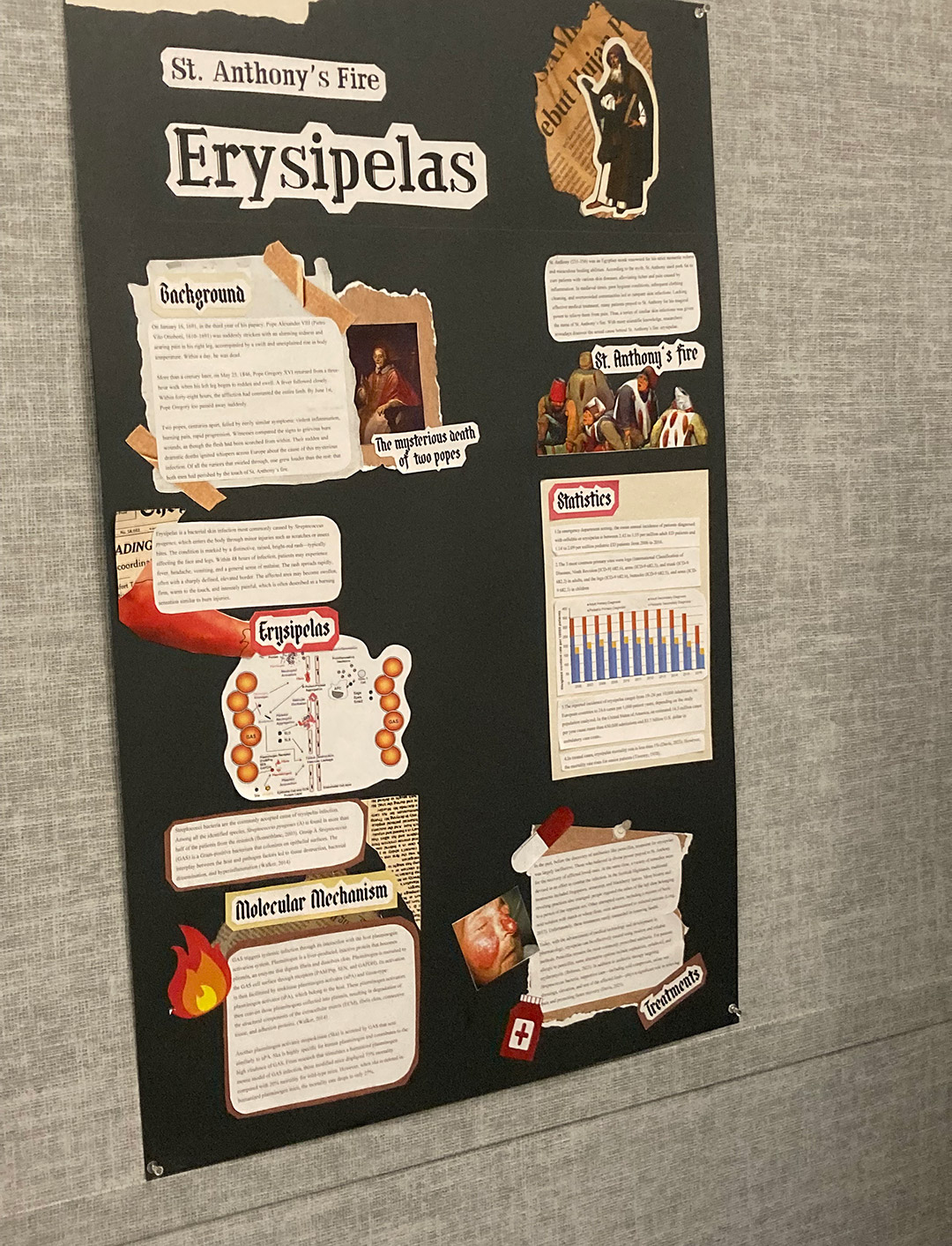
I saw some really cool posters, including the one by Zoya from GFF! (I saw Laila’s in the afternoon but wasn’t able to watch her group present, unfortunately.) It was nice to have people from back home in the same session as me (and in the same building!). The most interesting one I saw was about the infection erysipelas, which I had never heard of,” Mollie adds.
After a break for lunch and a flash flood warning, Mollie was able to make it back to the Bioscience Learning Center for her presentation.
“I got to the Bioscience Learning Center right before we were supposed to start. We began our first presentation with the professor in the audience before being interrupted by another flash flood warning and the start time being pushed back. When we were finally able to present, I think I did a pretty good job. We ended up doing the 15-minute presentation five times, and I got better as the day went on. Afterwards, the staff provided us with ice cream. I said goodbye to some people from my class,” Mollie says.
“That afternoon, I returned a couple of books that I had borrowed, bought a UChicago hoodie, and started to pack my things. It took a while to pack, mostly because I couldn’t accept that I was leaving. It simultaneously felt like I had just started, and that I had been there for years. My friends and I commiserated. We went to dinner together and then went to the dessert reception for the parents (though there were mostly students there). I found out that my friend Aashna was leaving that night, and we got to hang out for the last time. When the reception was over, everyone who was still there gathered in the house lounge. It felt bittersweet. None of us was done packing, so after curfew, we finished that. Then we reconvened and talked for hours. Like I said, I’m not usually a night owl, but it felt pretty final. The only one of my friends that I even have a small chance of seeing lives in the Chicago suburbs. Otherwise, I had friends/met people from Alaska, New Jersey, Iowa, Beijing, Shanghai, Hong Kong, Singapore, Malaysia, New York City, Los Angeles, Champaign, Maryland, and more,” Mollie explains.
“The next day, I made final checks and helped a friend who hadn’t finished packing. I said my goodbyes and promised to keep in contact. I saw my dad and sister for the first time in three weeks, and it felt like no time had passed at all, except that I was different,” Mollie adds.
“I am going to miss my life at UChicago so much. Nothing I’ve ever experienced has done so much for me. As I think about this experience, everything I’ve learned and everybody that I’ve met has allowed me to grow. I will never forget this. Thank you, Garwin Family Foundation,” Mollie says.
We are happy to hear that the course has been a life-changing experience for you, and wish you much success in your future studies. Good job, Mollie!
>> Read Mollie Mandell’s final report (PDF File, 99 KB)
>> Learn about the other students’ experiences in the GFF Scholarship Program.