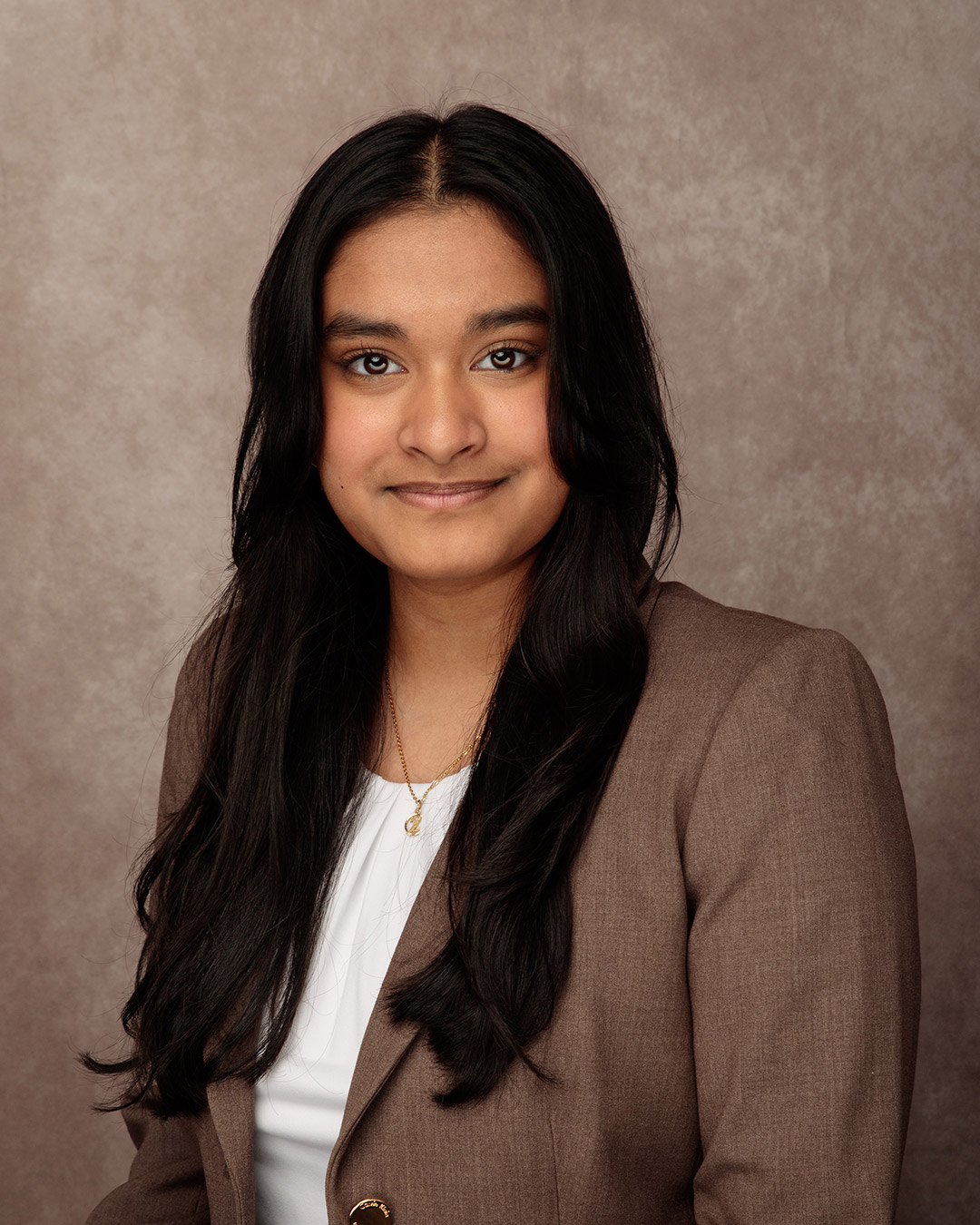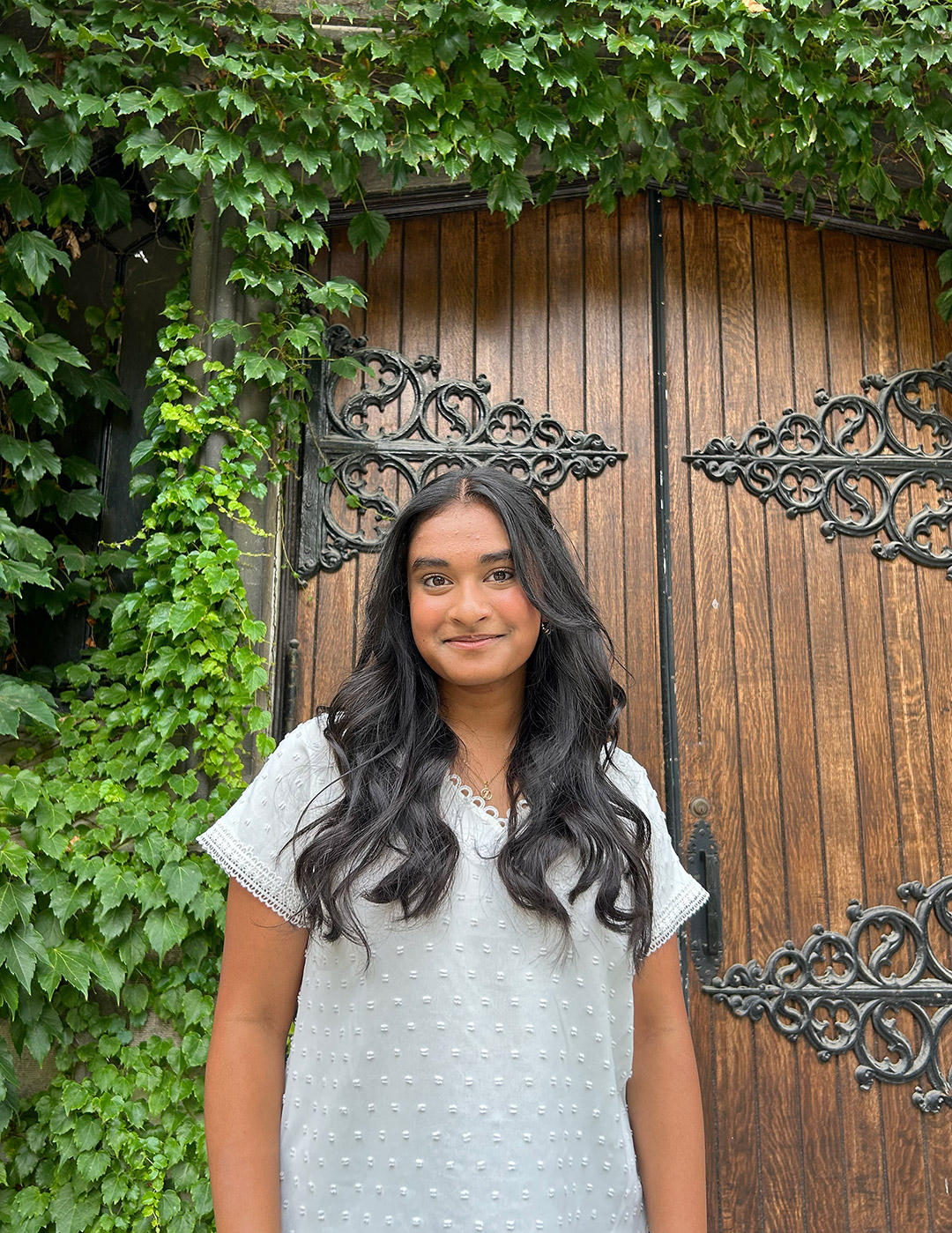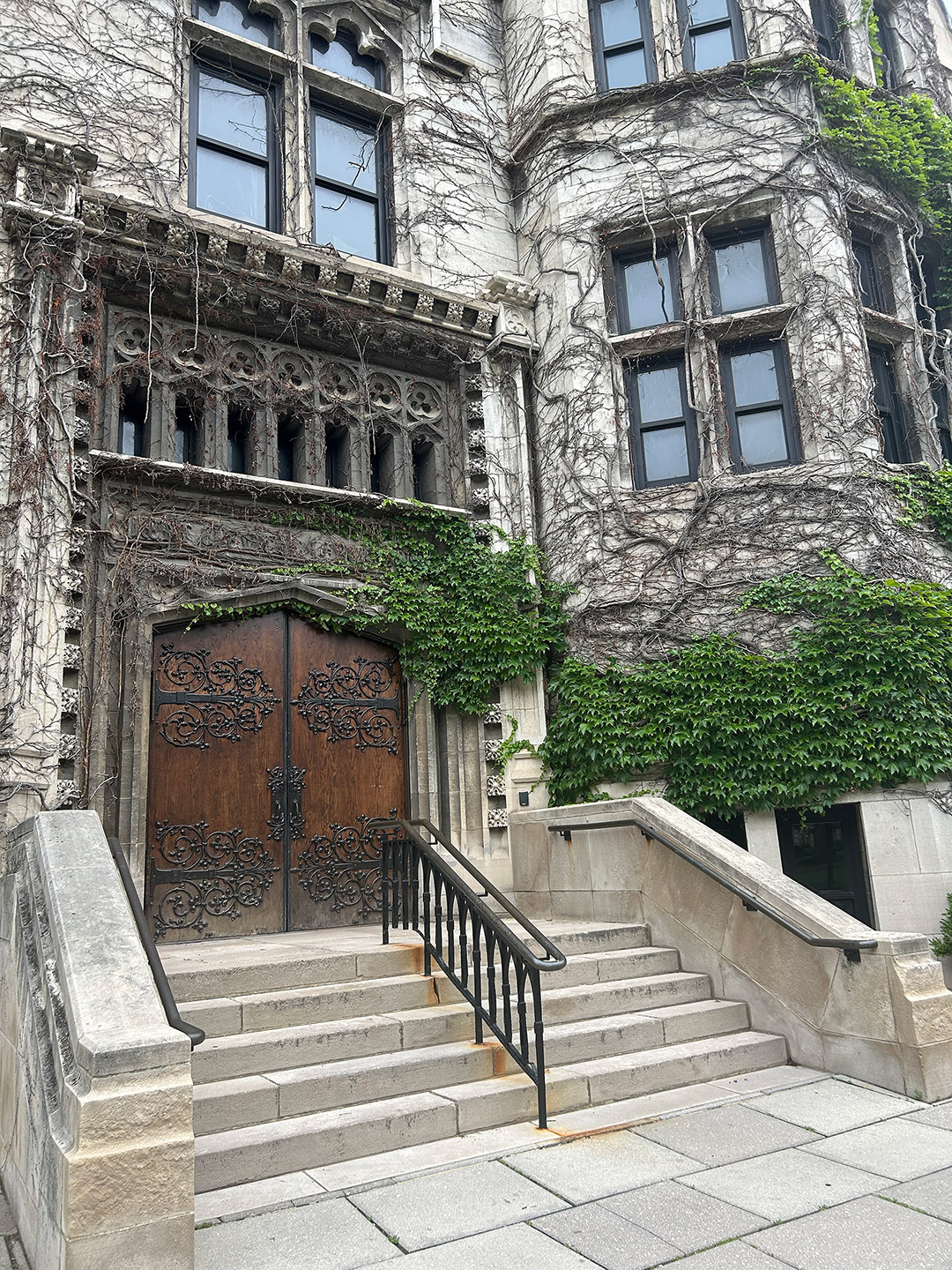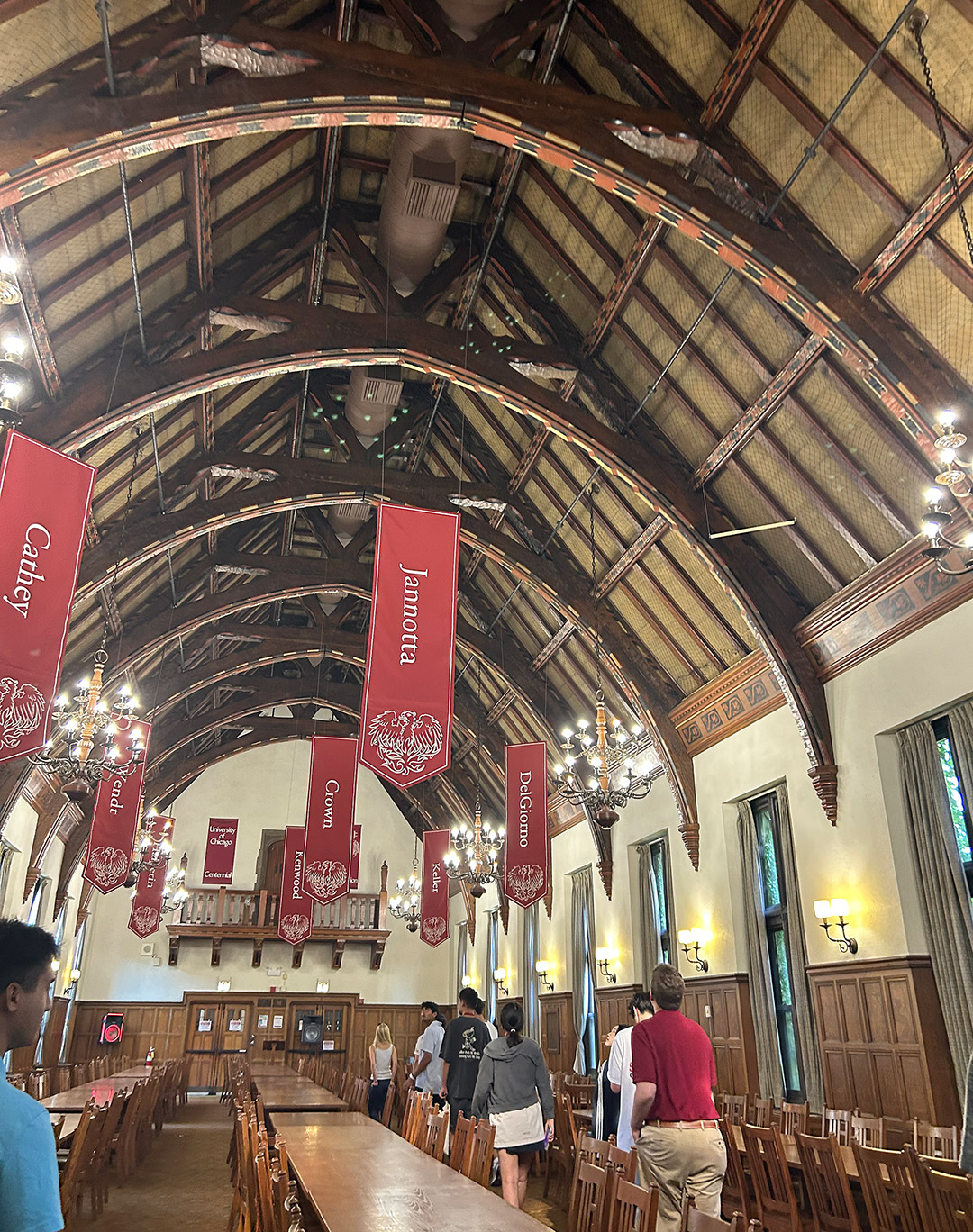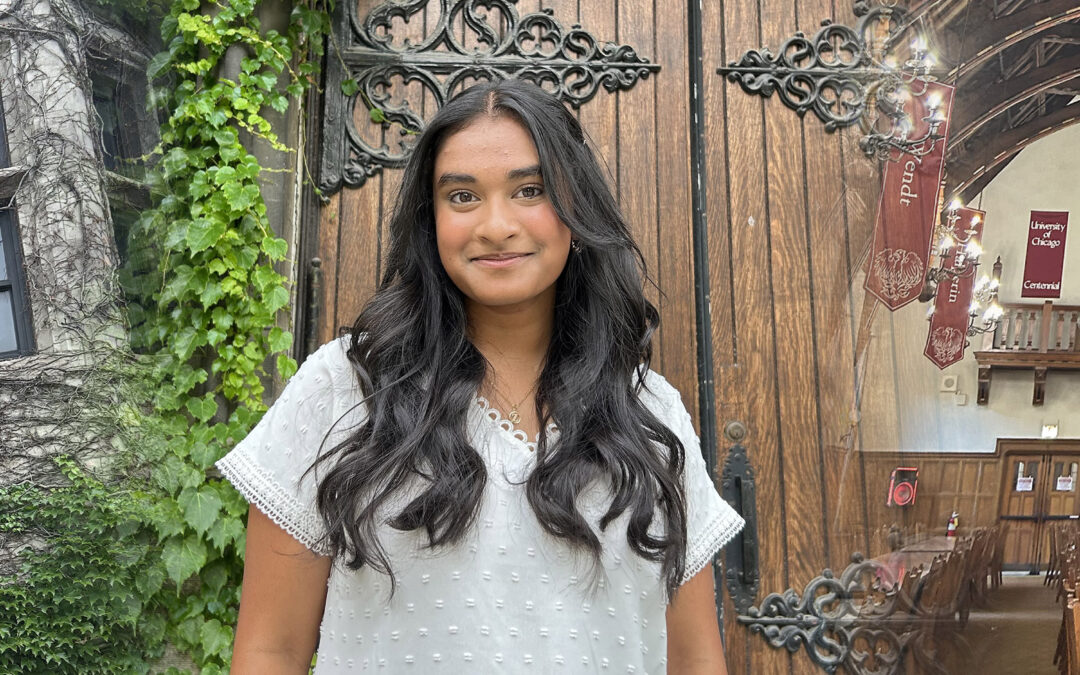
Zoya Chowdhury reports on her first week at the University of Chicago where she is studying “Explorations on Neuroscience.” After settling in and orientation, Zoya toured the campus and was “genuinely impressed by the beauty and atmosphere at UChicago. The architecture and green spaces are stunning, and I could have easily spent hours exploring.”
The week began with material Zoya had previously learned in AP Biology, AP Chemistry and research projects, followed by homework assignments and “lectures on neuroanatomy and nervous system organization.”
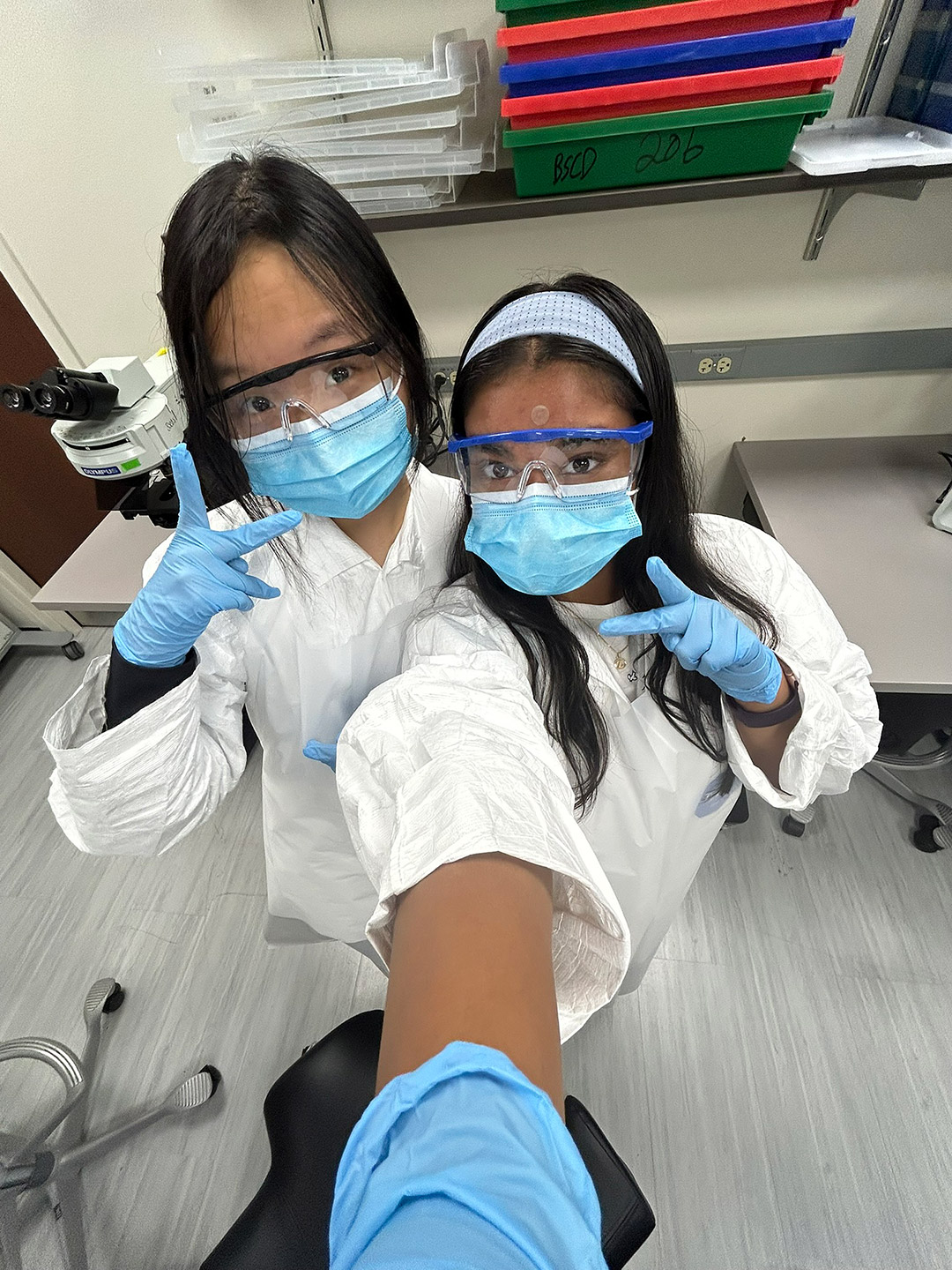
“We also had our first lab, where we used microscopy to compare nervous systems of invertebrates and vertebrates, starting with the simple nerve net of the hydra. My lab partner for this week, Isabela, is from Brazil and has been a great collaborator,” Zoya says.
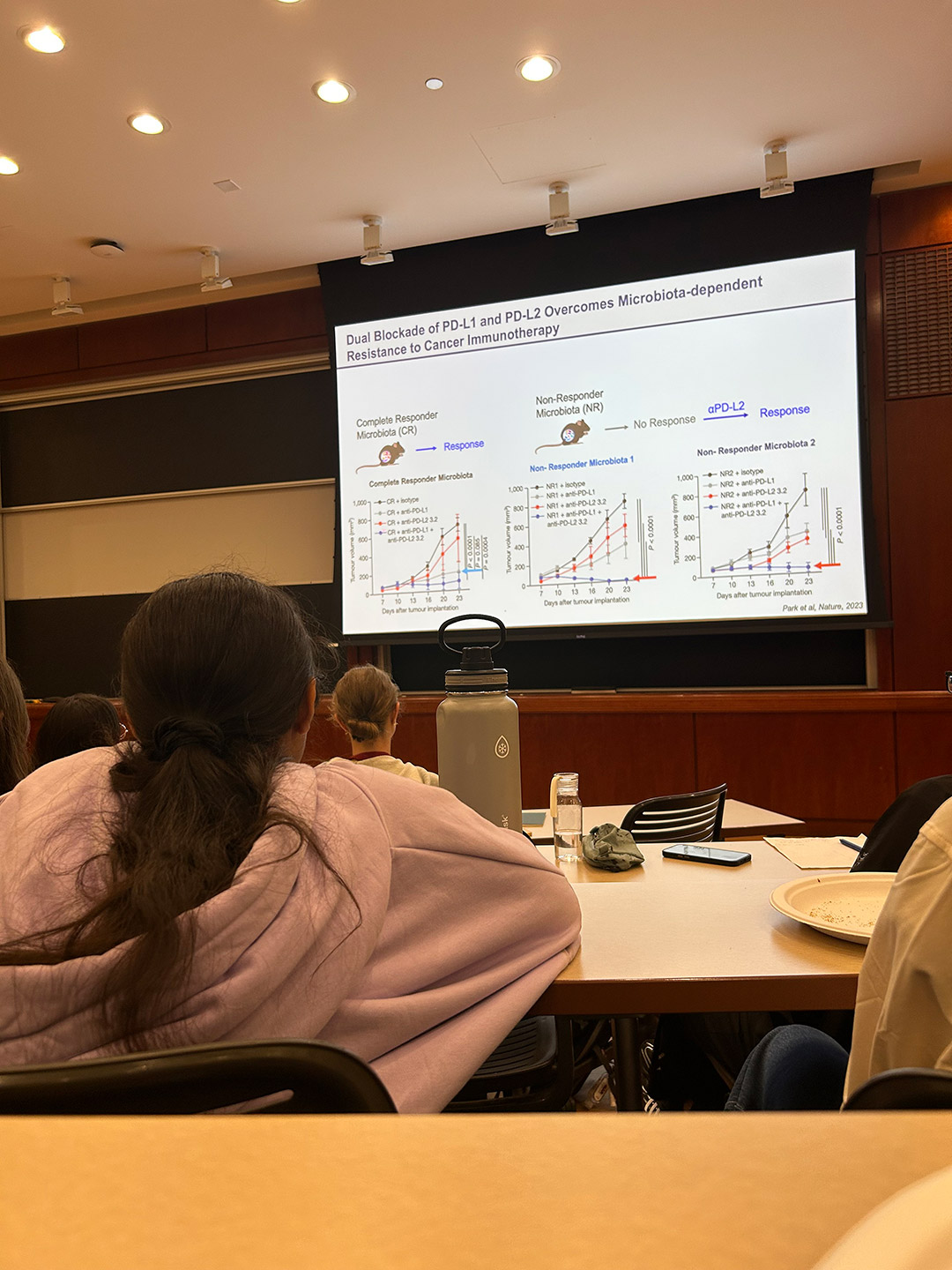
“On Thursday, UChicago hosted its weekly lunch seminar, where Dr. Joon Seok Park presented his lab’s research on using gut microbes to improve cancer immunotherapy, offering a safer alternative to chemotherapy, which was incredibly fascinating,” Zoya adds.
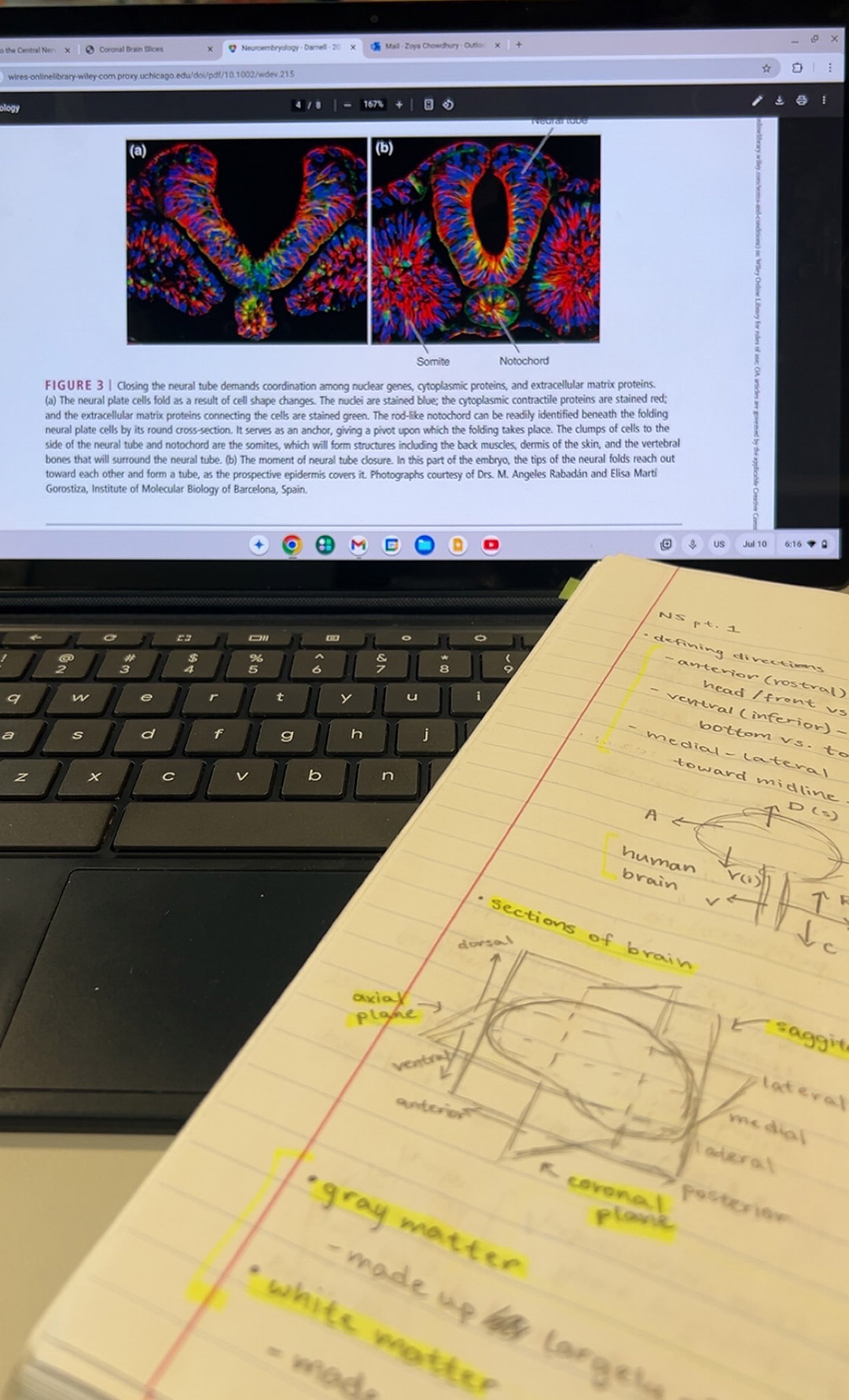
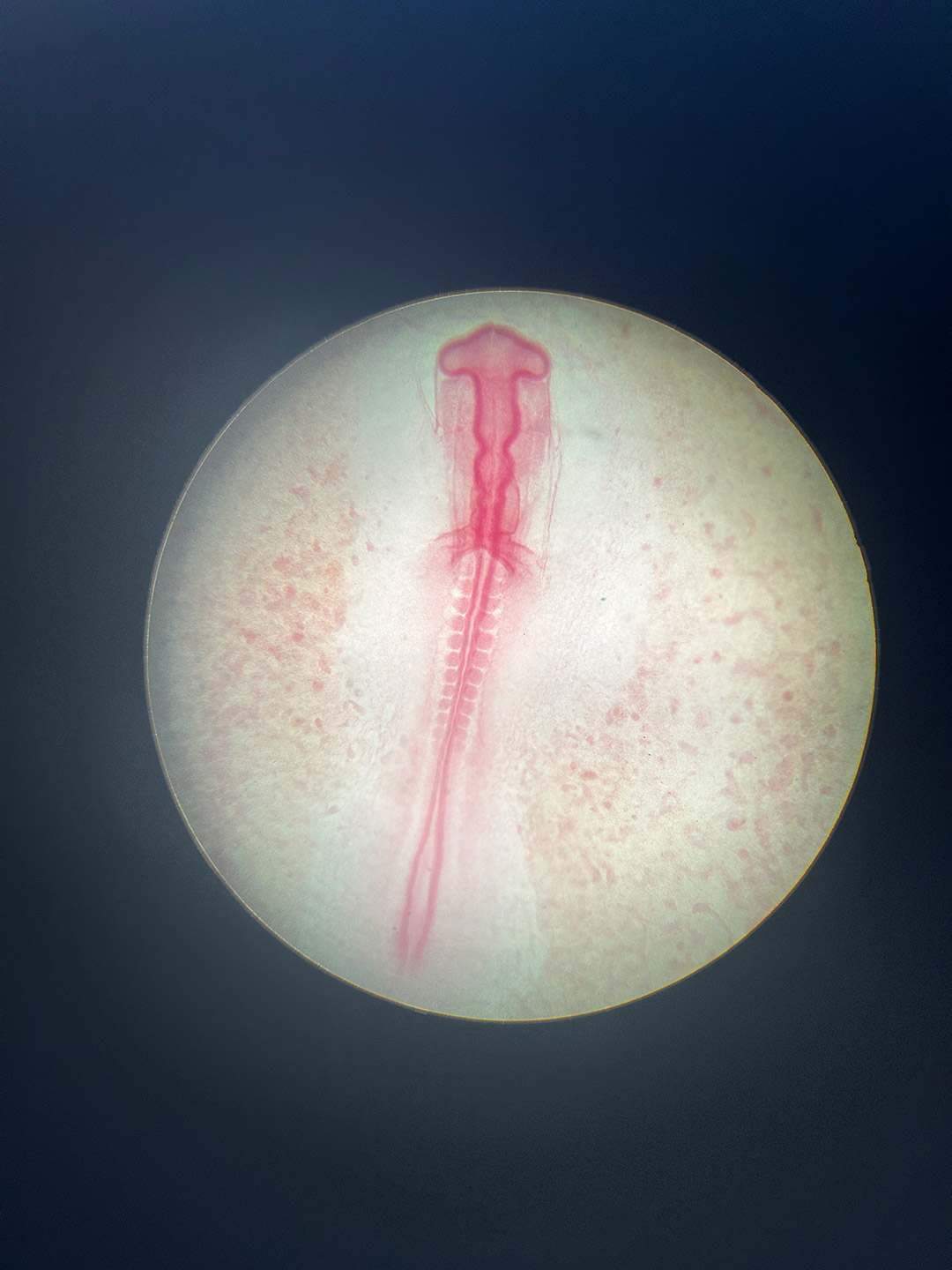
“By Friday, the pace accelerated further with lectures on neuroembryology and nervous system development. This was especially interesting for me since I have experience with directing cell differentiation in research, and diving deeper into the anatomical development aspect added a new dimension to my understanding. The accompanying lab in the afternoon had us classifying different stages of chick embryo development using microscopy, which was a fascinating and hands-on way to connect lecture material to real biological specimens,” Zoya explains.
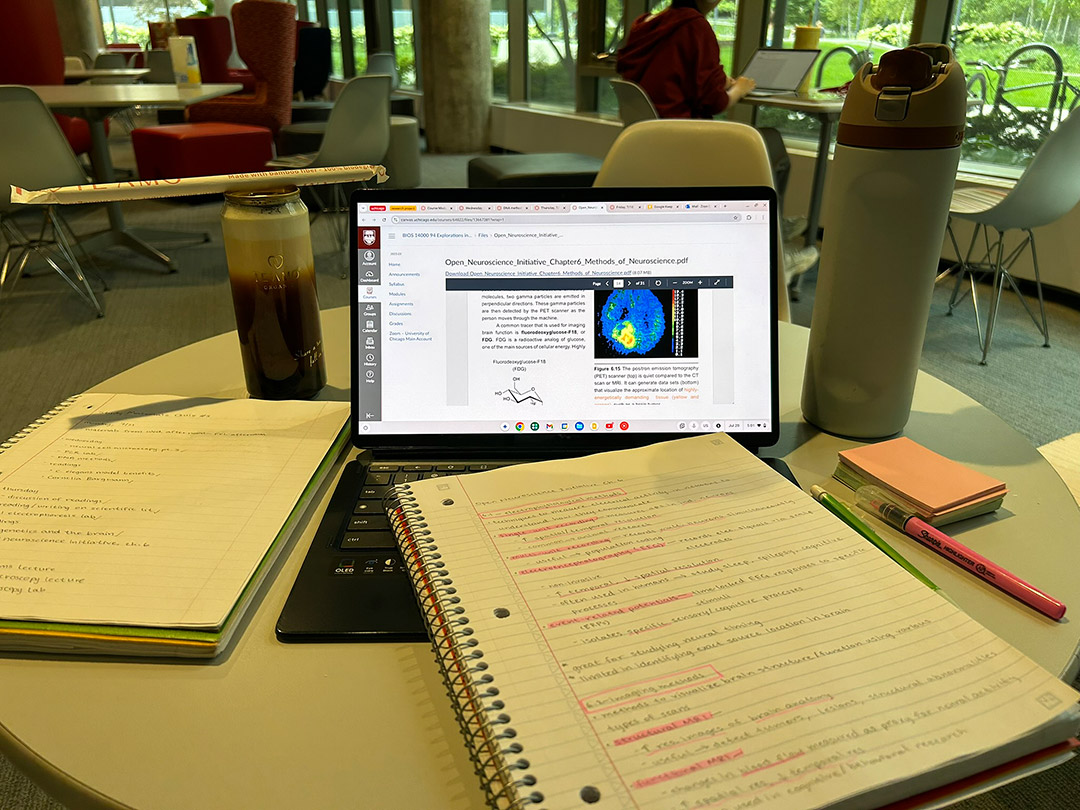
“Overall, the workload is quite intense, with 3-4 required readings each day plus several optional readings and videos. Despite this, the professor’s enthusiasm and approachability make it easier to stay engaged. She encourages questions and allows for personal, meaningful discussions, including discussing ongoing neuroscience research at UChicago and opportunities to connect with labs and researchers,” Zoya adds.
When not in class or working on assignments, Zoya was able to spend time exploring the Chicago area and spending time with her new friends.
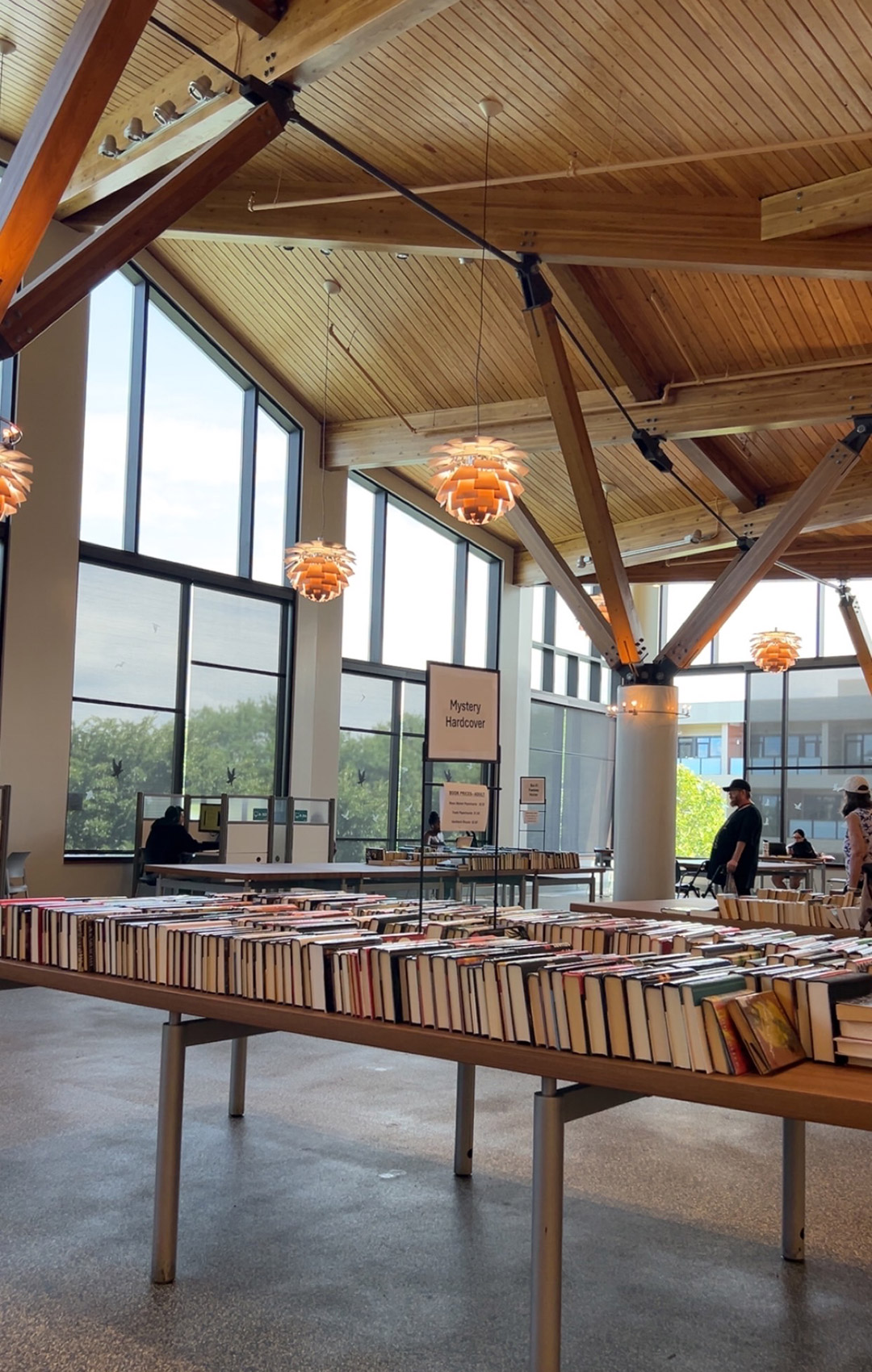
“On Saturday, I attended the Oak Brook Library Book Fair, where books were selling for just $1 each! I picked up six books (though I was tempted to buy more) and spent the afternoon exploring Oak Brook with my friends Fede from Italy and Kathi from California. Sunday was mostly devoted to studying, but in the evening, Laila and I took advantage of the stunning campus scenery to take pictures,” Zoya says.
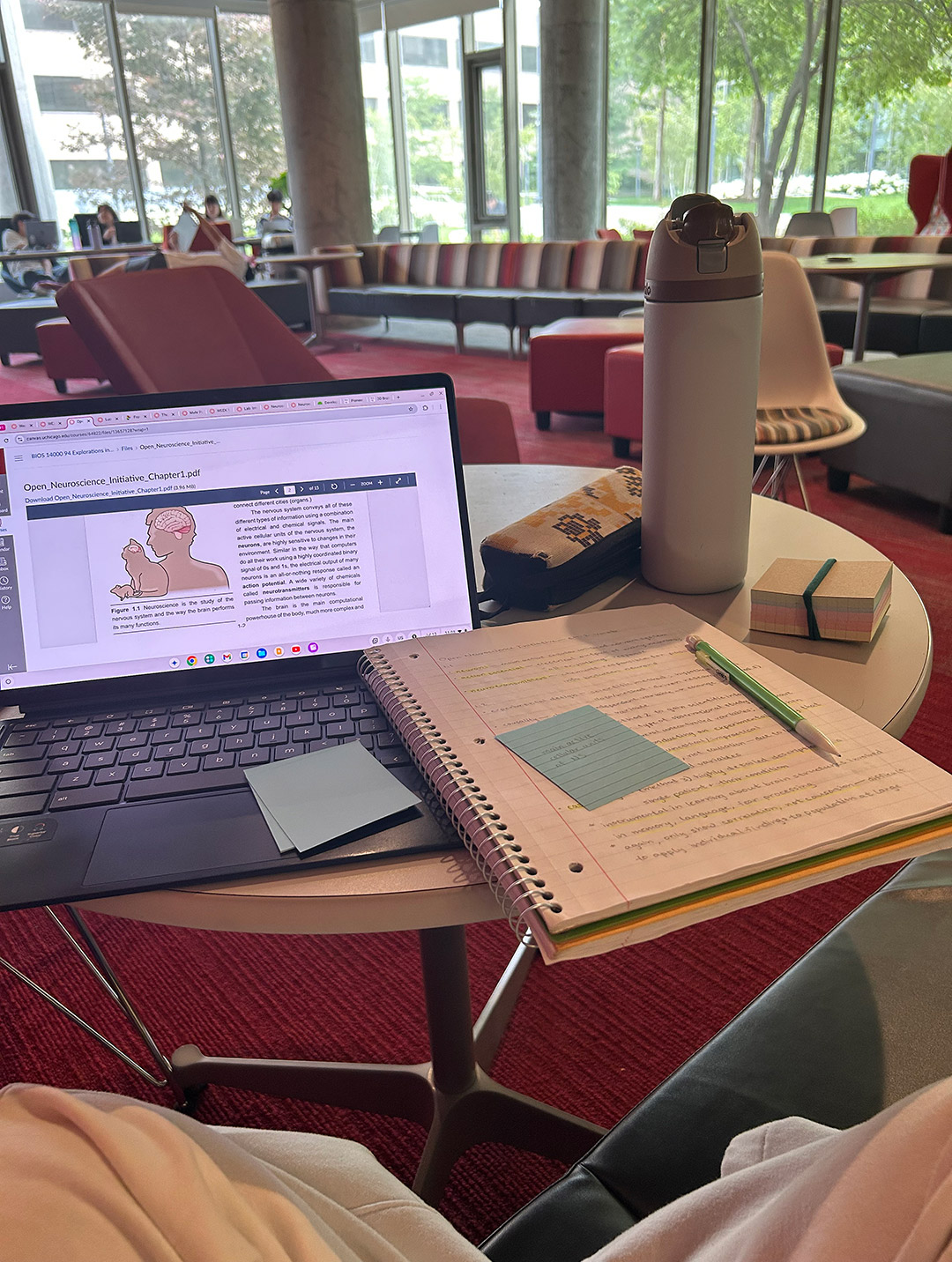
“This neuroscience class is definitely more demanding than my previous experiences, but the content is incredibly engaging and rewarding. I find myself spending 3-4 hours each evening studying to keep up, but I feel that the challenge is worthwhile because I am learning so much about a field I have long been passionate about,” Zoya says.
“This first week showed me how much I genuinely enjoy studying neuroscience, even though I’ve never explored it in depth before. From observing the hydra’s nerve net under the microscope to identifying stages of chick embryo development, the hands-on labs have been some of my favorite parts. I also really loved the Thursday research seminar—learning how gut microbes could be used to improve cancer immunotherapy was something I’d never considered, but found incredibly interesting. Outside of class, exploring Oak Brook with friends and taking photos around campus made the long study hours feel worth it. It’s been a demanding week, but one that’s made me excited about the possibility of studying neuroscience more seriously in the future,” Zoya adds.
Week Two — Academic Deep Dives and Challenging Labs
Zoya’s course is becoming more challenging as the class moves deeper into the material.
“This week kicked off at full speed with Monday’s lecture on membrane potentials. While I had touched on some of the concepts before, the class dove into deeper detail, especially in terms of how ion gradients influence neural function. In lab, we observed brain and spinal cord tissue through neural cell microscopy, identifying structural activity in neural cells via high-resolution micrographs. We also had our first quiz, which I think went fine. Homework was also immediately assigned—two textbook chapters to read before Tuesday,” Zoya reports.
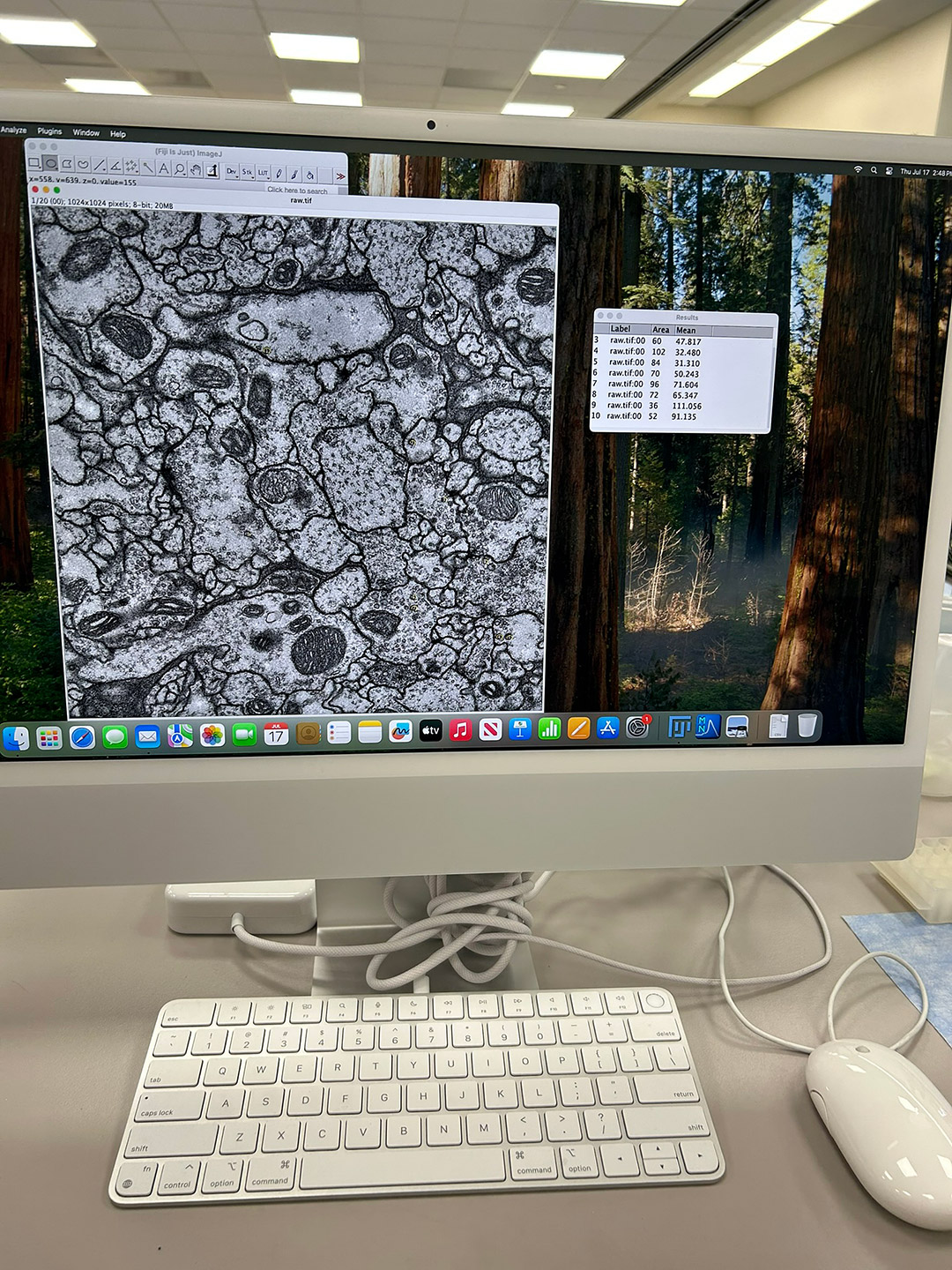
“Tuesday’s lecture on synaptic transmission and neurotransmitter release was probably my favorite so far—I was completely engaged from start to finish. We also did a clinical case study of a patient who had eaten toxic fish that blocked potassium ion channels, effectively shutting down action potential transmission. The hands-on lab that followed was fascinating: we examined labeled neuron components—microtubules, axons, dendrites, synaptic and dense core vesicles—and used a computer program to measure their dimensions. Homework included three complex but fascinating articles on the mouse connectome, optogenetics, and prions in the context of epigenetics,” Zoya adds.
Zoya reports that Wednesday and Thursday classes included discussions, quizzes, and more homework as the students began working in the PCR lab.
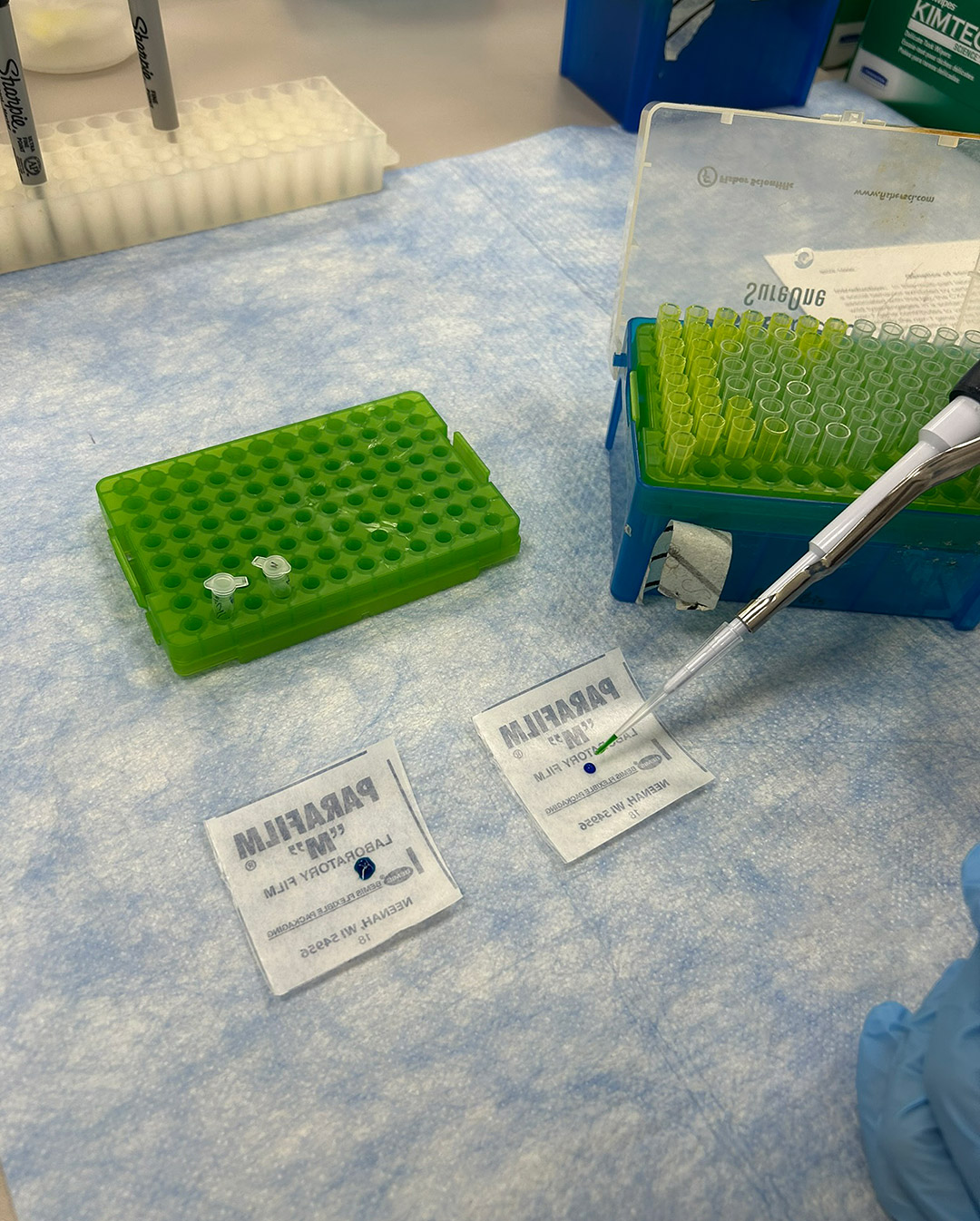
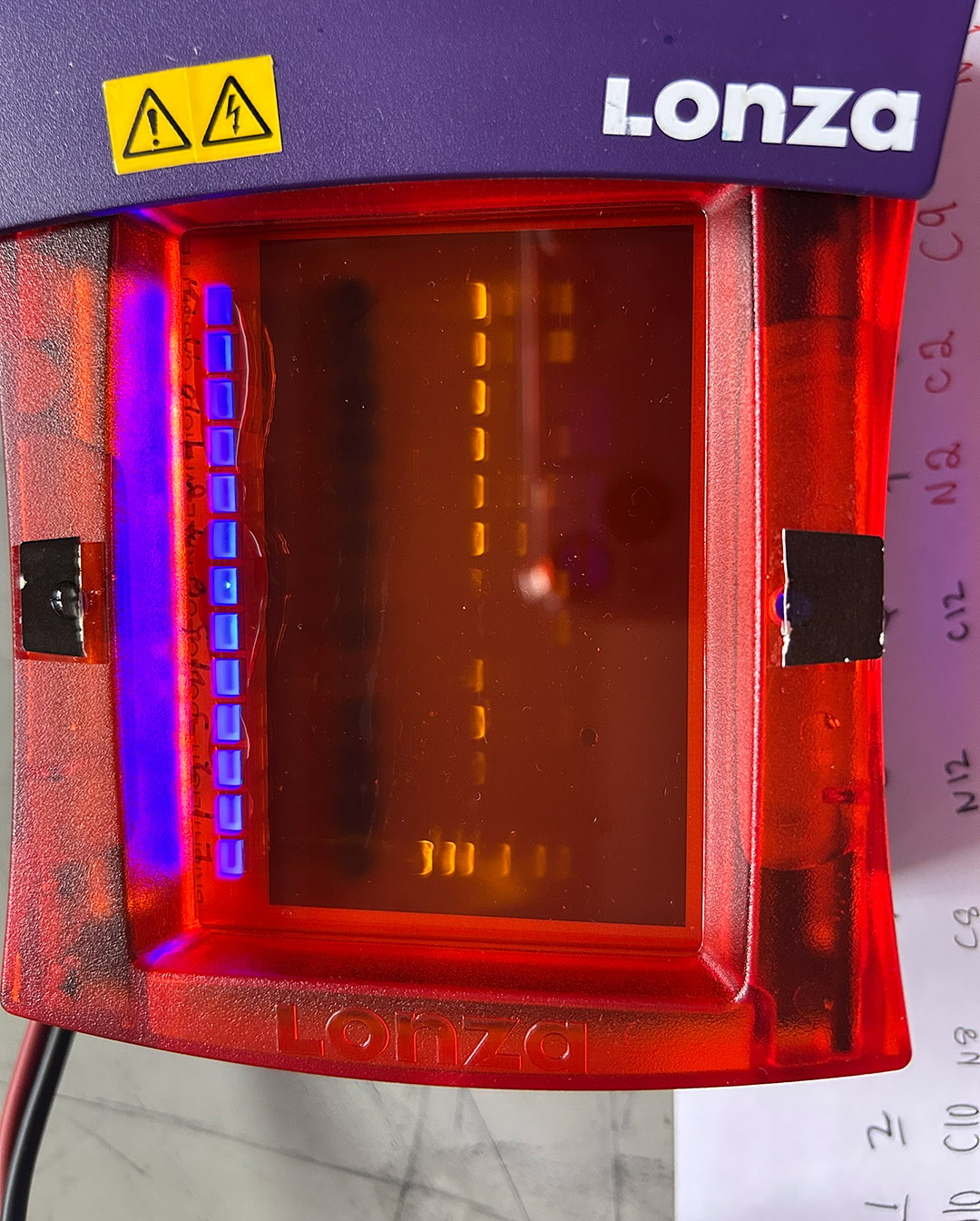
“We began a PCR lab that introduced us to the npr-1 gene in C. elegans, used to understand behavioral differences in social vs. solitary feeding. It was amazing to see how something so small could reveal such meaningful data,” Zoya explains.
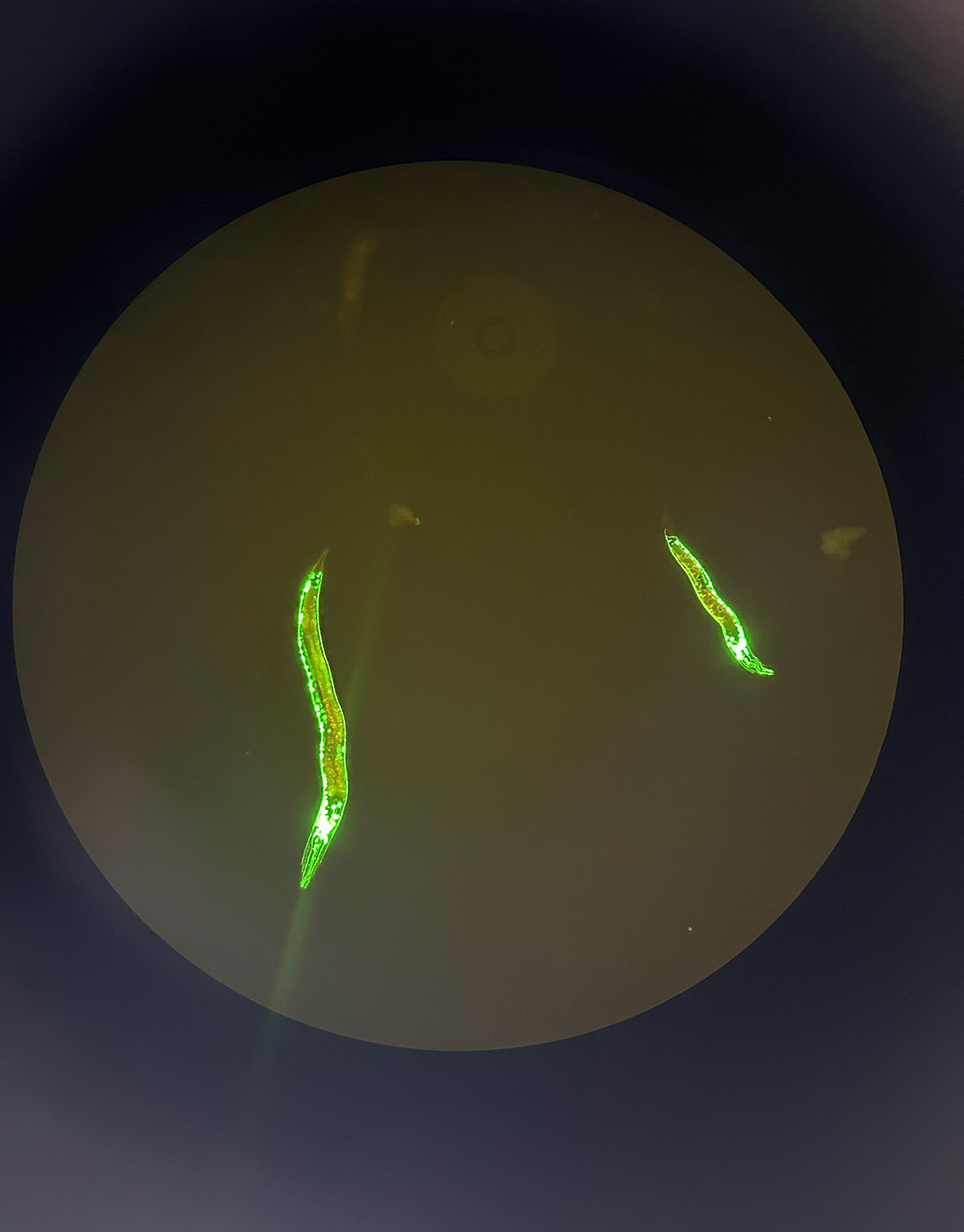
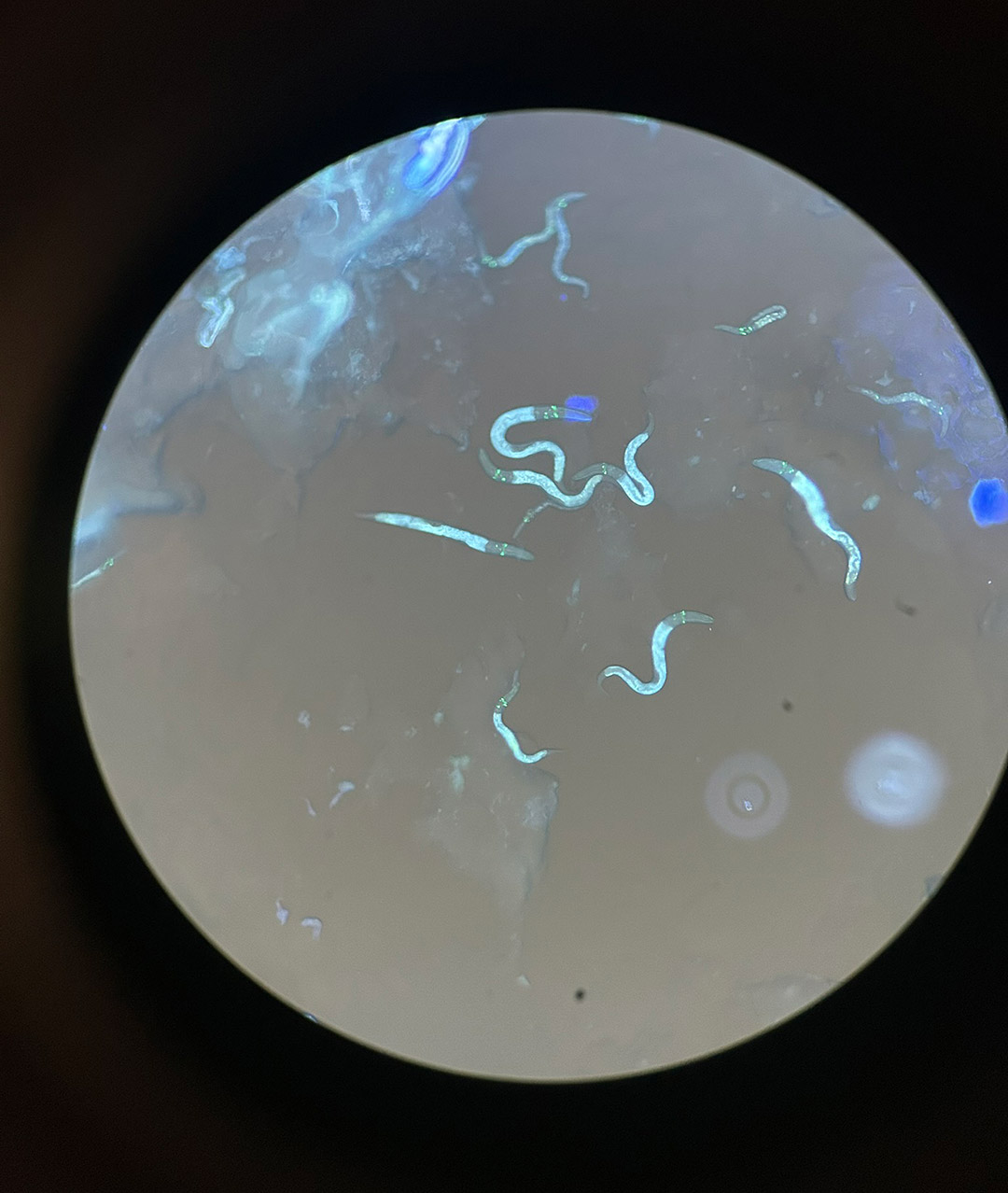
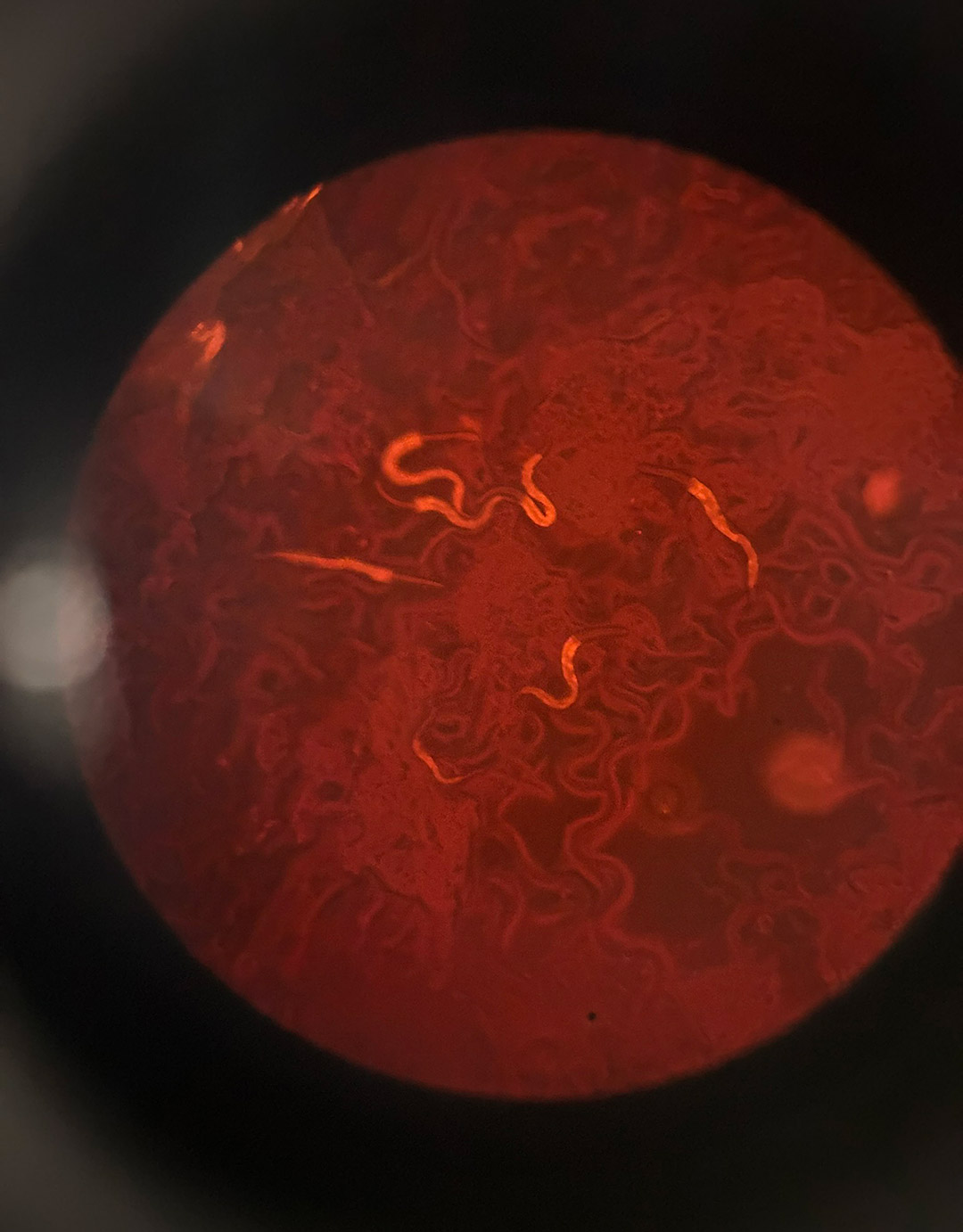
“Friday’s lecture covered sensory systems—how our bodies interpret external stimuli, and how sensation differs from perception. We discussed specific sensory modalities (visual, auditory, vestibular, olfactory, and gustatory) and their respective brain pathways. I was especially intrigued by the lecture on fluorescence microscopy. Since I’ve used fluorescence imaging in my own research, it was exciting to connect prior knowledge with classroom content. We then conducted a lab using fluorescent microscopy on C. elegans, observing different strains under varied stains and lights. It was surreal to see how genetic modifications paired with staining techniques could make neural circuits glow with information,” Zoya says.
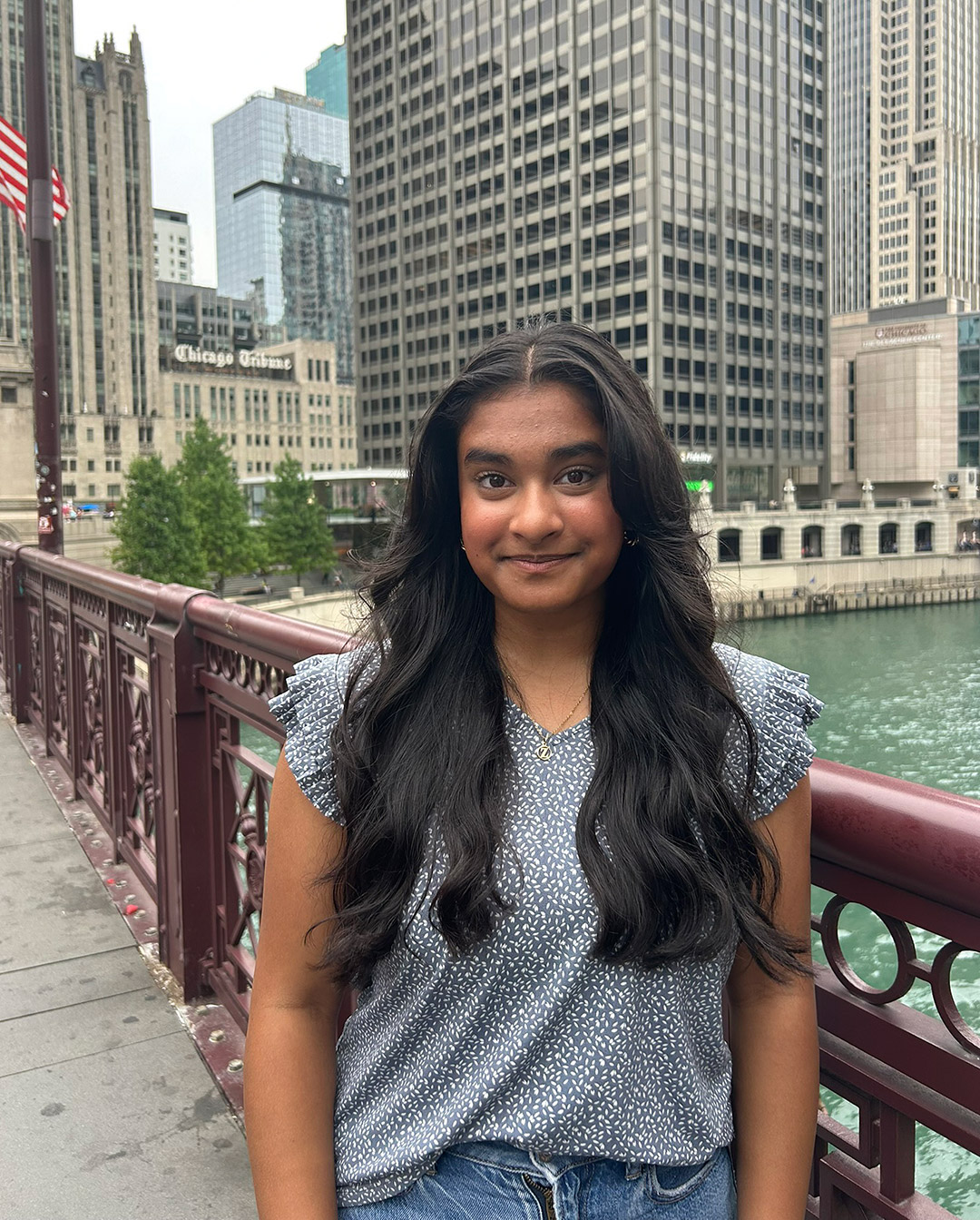
Over the weekend, Zoya and friends spent Saturday exploring the Chicago area—visiting the Bean, walking along the Riverwalk, having lunch near Navy Pier, visiting the Lincoln Conservatory, followed by attending. a music festival.
“The evening was arguably the highlight of the day—we attended the Grant Park Music Festival, where a full orchestra performed Tchaikovsky’s Violin Concerto and Prokofiev’s Symphony No. 5 under the open summer sky. The music was breathtaking, and the atmosphere—blankets on the grass, the Chicago skyline in the background, and the gentle warmth of a summer night—made the whole experience feel magical,” Zoya says.
“This week was exhausting, but in a good way. The lectures have been consistently interesting, the labs actually feel useful, and even though the workload is a lot compared to other classes here, I don’t really mind it. I’ve been learning such interesting content every day, and I’m so excited for the last week,” Zoya adds.
Week Three — Deepening Our Understanding of the Brain
Zoya reports that her third and final week at the University of Chicago Neuroscience Immersion Program “was a whirlwind of lectures, labs, and our culminating research project.”
“Monday began with a discussion of Friday’s readings, followed by a focused lecture on the motor control system. While the sensory system as a whole is incredibly intricate, this lecture allowed us to zero in on the pathways that translate perception into action. After completing Quiz #3, we wrapped up our fluorescence microscopy lab and dedicated time to progressing on our research project,” Zoya says.
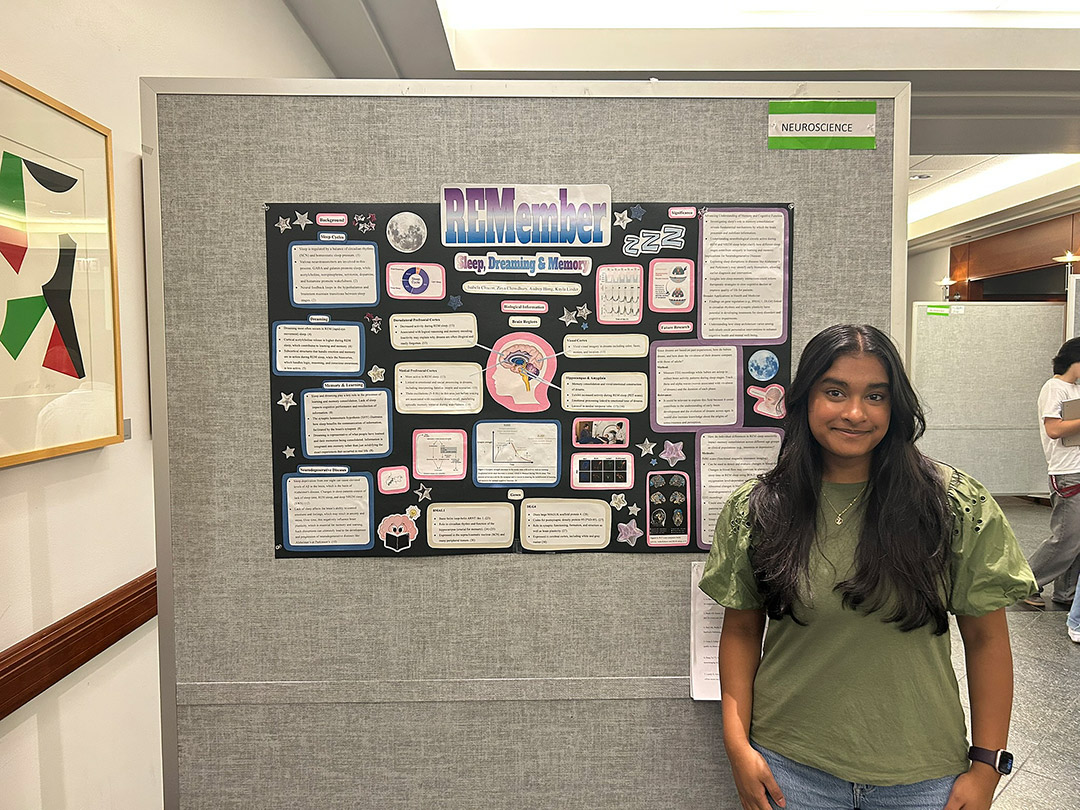
“Tuesday’s lecture explored circadian rhythms and sleep, connecting to the ways neural activity fluctuates across the 24-hour cycle. In the lab, we transitioned to a fascinating experiment on the gut-brain axis and behavior. Using C. elegans—the only organism with a fully mapped connectome—we fed the worms two different bacterial diets and observed behavioral variations. My lab partner, Flora, and I chose to analyze locomotion patterns, specifically comparing the frequency of omega loops to reverse movements. It was remarkable to see how something as small as diet could so tangibly influence neural-driven behavior. That evening, we submitted the next phase of our research project, which explored how sleep and dreaming influence memory consolidation and cognitive function by examining the neural circuits, brain regions, and genes that regulate sleep and shape the mind during rest. We also read an article on memory and the hippocampus,” Zoya reports.
“Wednesday centered around the relationship between learning and memory. A highlight of the day was our guest speaker, Dr. Jason MacLean, Professor of Neurobiology at the University of Chicago. He provided insights into pursuing the neuroscience major and research opportunities, which made the path to a future in this field feel tangible. Afterward, we worked on designing our research posters and spent the evening preparing for Quiz #4,” Zoya adds.
“Thursday was dedicated to synthesizing the work from the past two weeks. We began with discussions connecting our DNA sequence analyses from the previous PCR and gel electrophoresis lab with this week’s gut-brain axis experiment. The lecture focused on emotion and biological stress responses, which tied together neural circuitry with physiological outcomes. Our weekly research seminar at lunch featured another guest speaker, and afterward, we completed Quiz #4 and polished our posters for the group presentations,” Zoya explains.
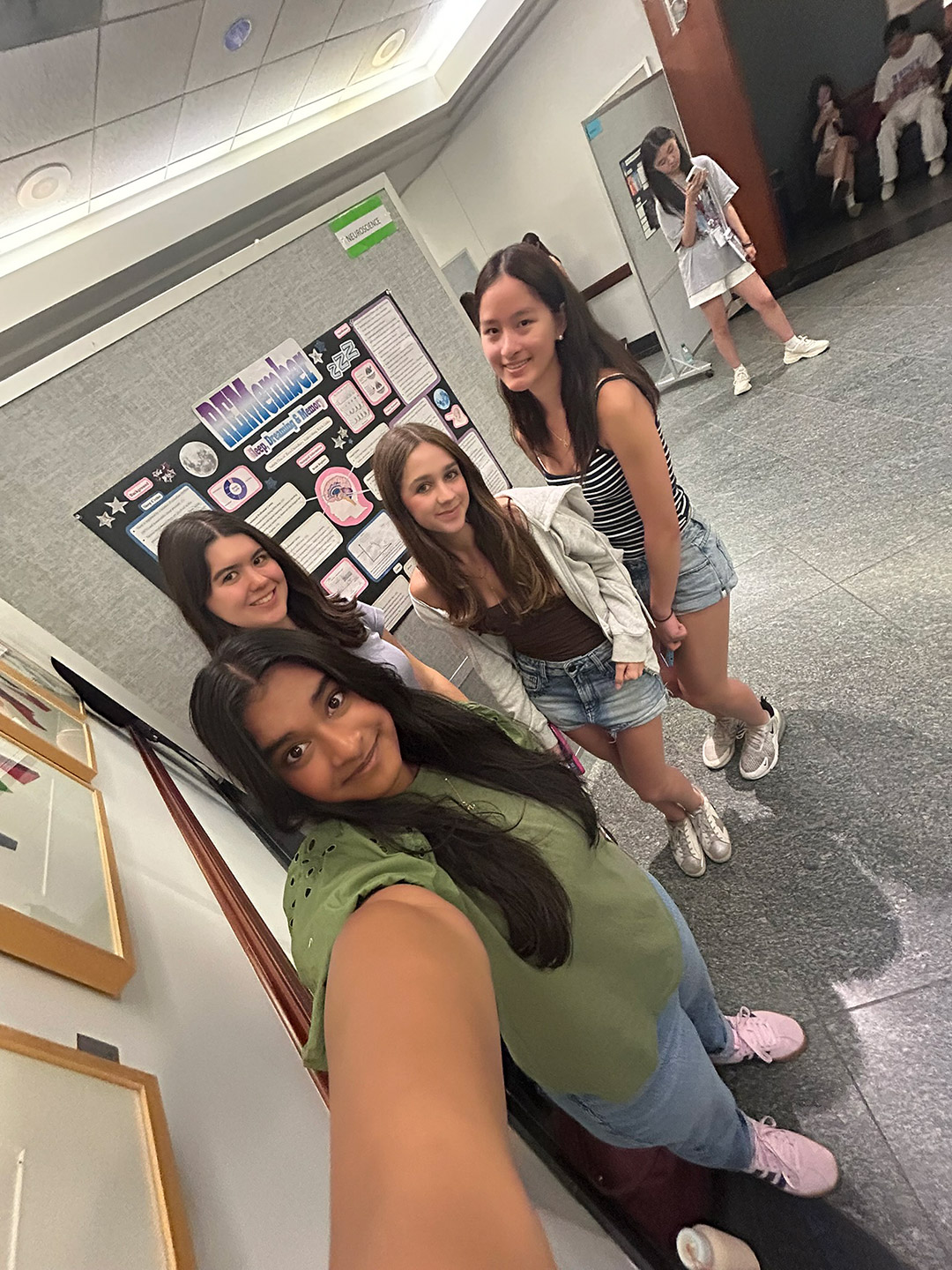
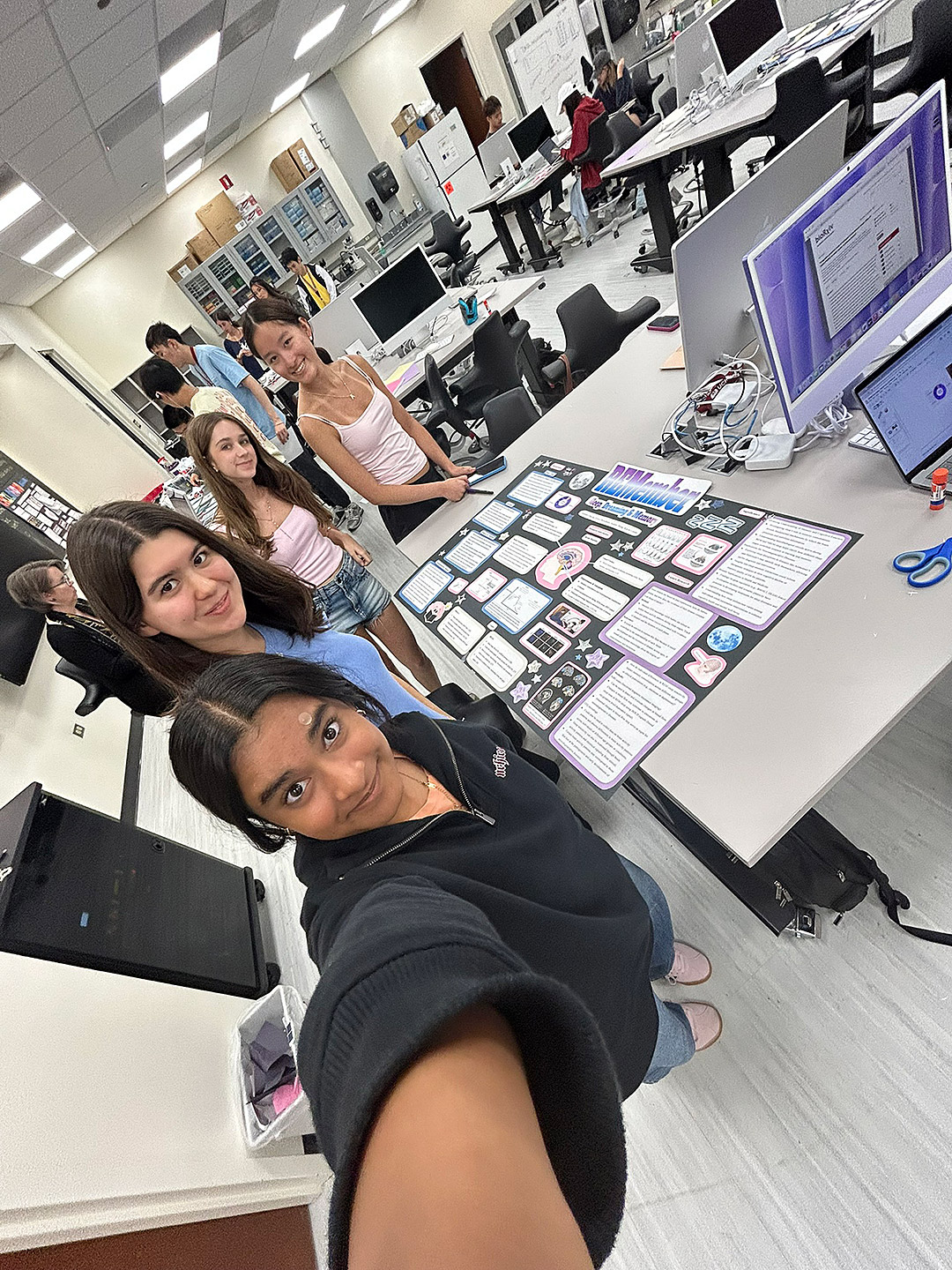
“Friday marked the culmination of the program with our poster presentations. My group presented in the morning session, and I felt immensely proud of our work. We had developed a strong dynamic as a team, and I believe our clear explanation of our behavioral analysis impressed our professor. Afterward, I attended the afternoon session to view the creative and diverse projects produced by other groups, which deepened my appreciation for the variety of approaches within neuroscience,” Zoya adds.
“This final week pushed me to think more deeply about how the brain translates experience into action. Studying sleep, stress, and emotion in quick succession showed me that neuroscience is not just about isolated systems—it’s about how every signal and circuit interacts to create behavior. Our behavioral lab with C. elegans captured that perfectly: a small dietary change rippled into measurable differences in movement, reminding me how even the simplest nervous systems can reveal profound insights about biology,” Zoya explains.
“Presenting our research was a highlight of the week. I realized that the process of doing science—asking questions, analyzing data, and sharing discoveries—requires both precision and creativity. Standing by our poster and explaining our findings to peers and faculty gave me the same excitement I feel when I’m in the lab at home, and it reinforced that research is where I feel most energized,” Zoya adds.
“As I left campus, rain-soaked from the storm but full of gratitude, I realized how much this program has shaped my perspective. I came to UChicago with curiosity and ambition, but I am leaving with confidence in my path forward. I now see neuroscience not just as a field I want to study, but as a space where I can contribute to discoveries that matter,” Zoya says.
We’re happy to hear that the course has helped to build your confidence toward choosing a future career path. Excellent work, Zoya!
>> Read Zoya Chowdhury’s Final Report (PDF File, 110 KB).
>> Learn about the other students’ experiences in the GFF Scholarship Program.