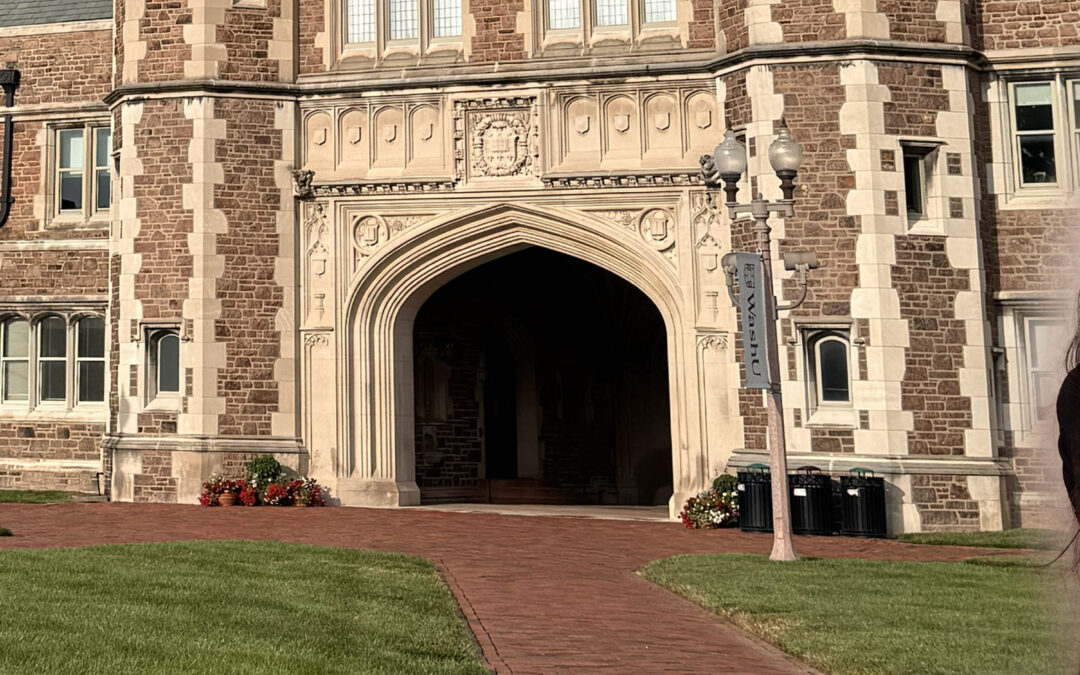
Tanya Arun says that her first week at the Washington University Research Development Institute has been different from what she expected, “but in a good way.”
“I originally thought the program would be more focused on research in a scientific or lab-based setting, but in reality, it is much more theoretical. We’re learning how to work with primary sources, think analytically, and build arguments using evidence. It’s a side of research I’ve done in my English classes, but I’ve never thought about applying it to my interest in psychology,” Tanya says.
“We began the week by talking about our current ideas of research and how they compare to a college-level research course. We were taught about the research process and how to create an open-ended research question. We then discussed our individual research ideas in small groups. It was interesting to see how everyone chose such different topics, and it showed me just how diverse research can be. Many of my classmates have more STEM-focused interests, but it was interesting to see how they found creative ways to adapt their interests into research questions that fit the more analytical and interpretive style of the class. Our professor gave detailed, helpful feedback to everyone, offering ideas for primary sources and methods we might use,” Tanya explains.
“As for my own research, I decided to focus on the topic of internal monologues and the voice in your head. I’ve always found it interesting how some people hear a constant inner voice, while others don’t have one at all. I want to explore what causes these differences and how they affect people’s lives. I surprisingly found a primary source quickly, but the challenge is figuring out how to interpret and incorporate it into my argument.” Tanya adds.
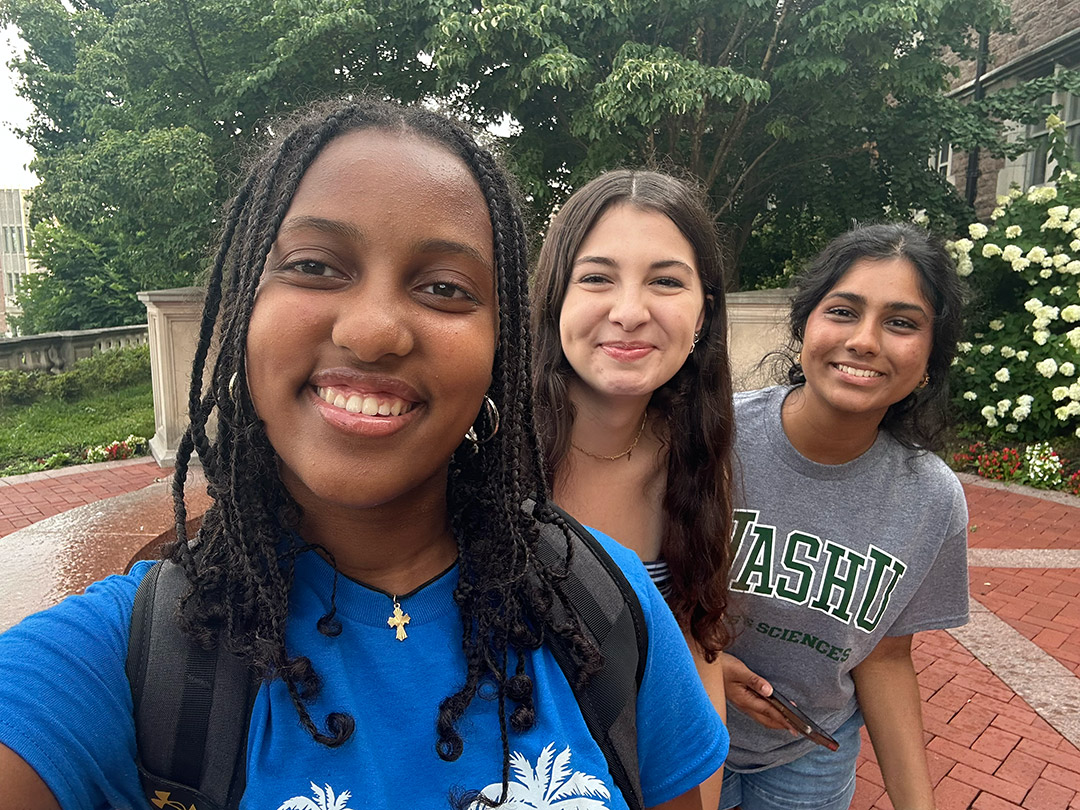
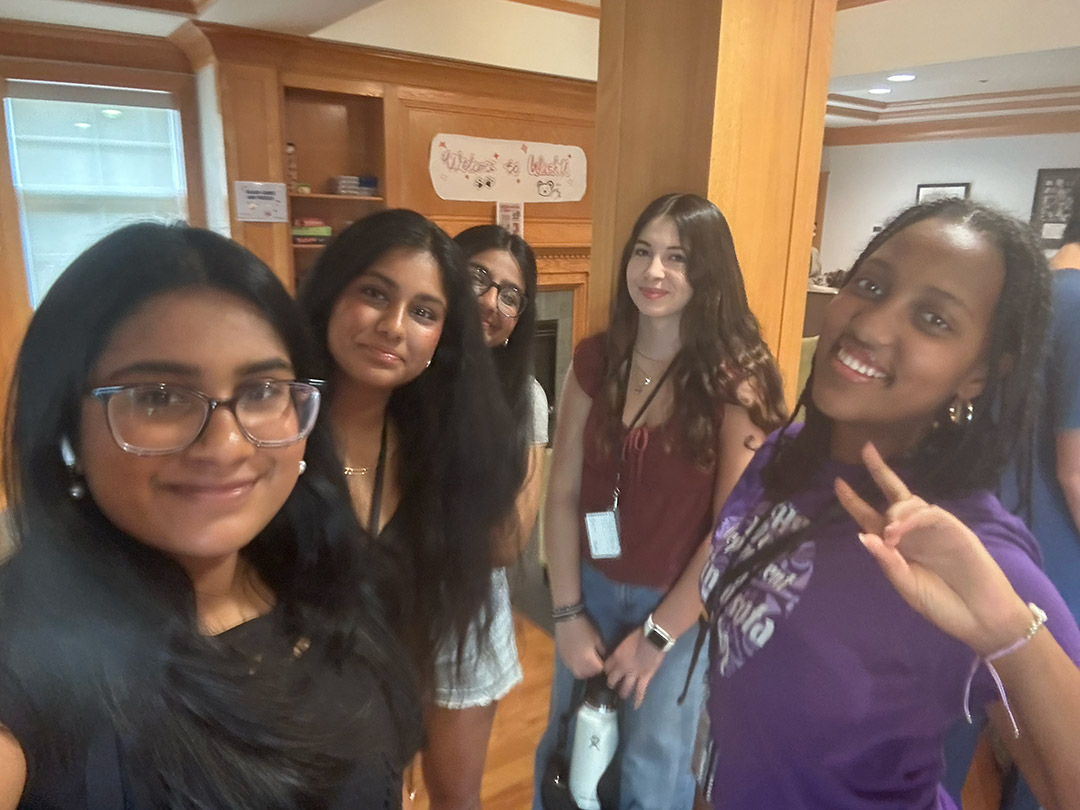
“Outside of class, I’ve found a group of friends who have made this first week even better. I was nervous about making connections, but my roommates and I clicked during the campus tour, and now we’re part of a fun group of five. We walk to class together, get food at the DUC, and talk about our schools and lives back home. We’re all from completely different areas, and it’s interesting to see how different their lives are from mine. AP scores came out early this week, so that gave us something else to talk about,” Tanya reports.
“One of our most involved class discussions this week was about The Yellow Wallpaper and the Panopticon. We explored different interpretations, questioned whether our connections were accurate, and practiced distinguishing between summary, analysis, and interpretation. It pushed me to think more carefully about how I read and what I assume when interacting with a text. The professor also gave us a framework for what to avoid, like forming an opinion too quickly or expecting a text to explain itself, and what to do instead, like noticing patterns, contradictions, or outliers. These skills are already shaping how I approach my own research,” Tanya explains.
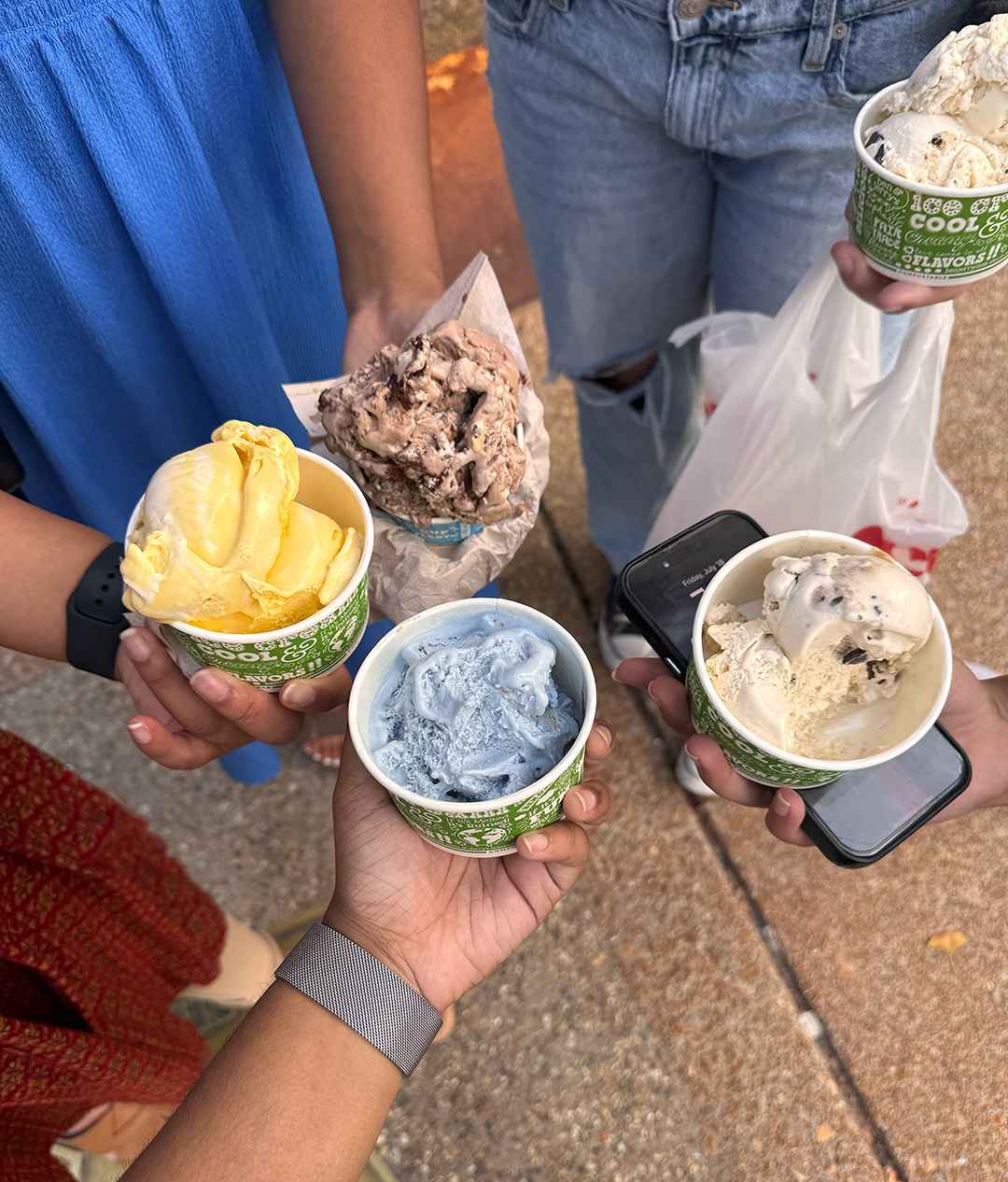
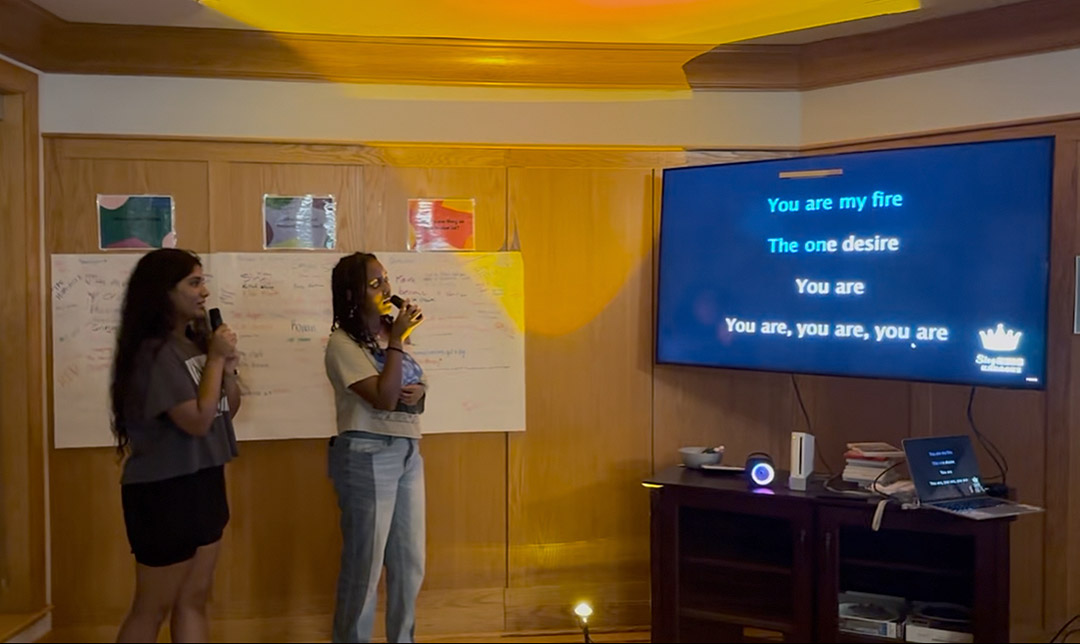
When not in class, Tanya and friends visited the Delmar Loop for poke bowls and boba, then joined in singing at Karaoke night in the dorm lobby. “It ended up being one of the highlights of the week. It felt like a community with everyone, and singing with friends was so much fun,” Tanya says.
“Academically, there hasn’t been too much work outside of class. Most of our assignments, like an analysis of our primary sources and starting an annotated bibliography of scholarly sources, can be done in class, though the work itself still requires a lot of thought. Verifying that a source is reliable and relevant isn’t easy, and I’ve found myself going through dozens of pages just to find the right fit. It’s definitely challenging, but in a way that keeps me engaged.
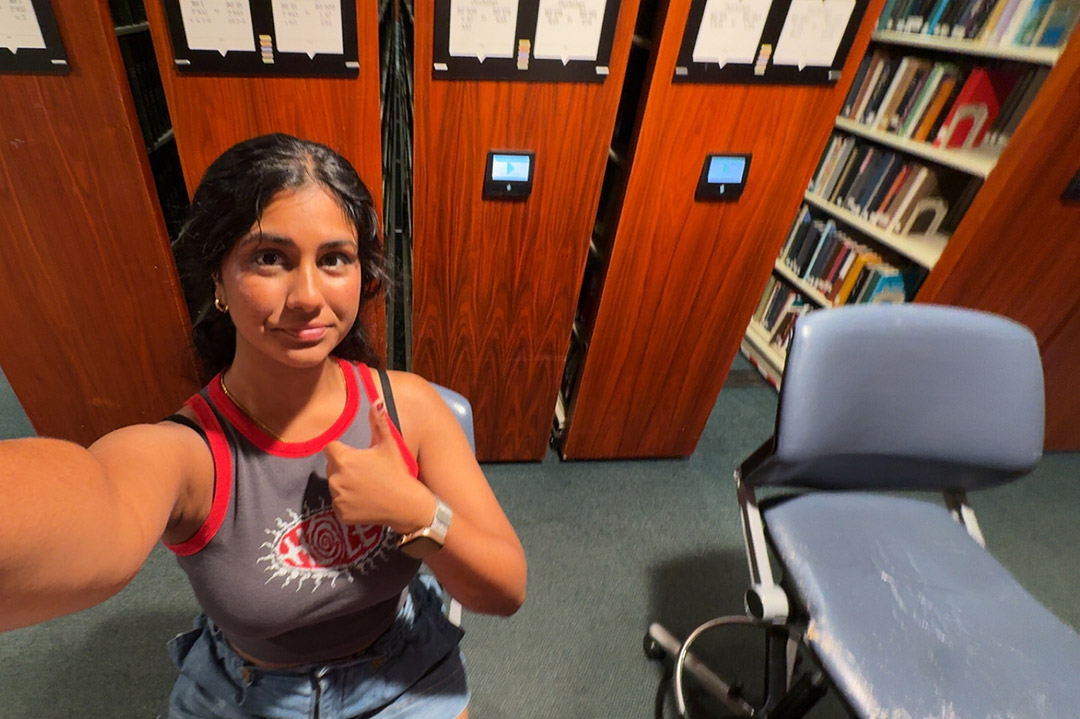
We also visited the library during class to look for sources, and that was one of my favorite experiences so far. The psychology section in the basement was incredible; there were so many books I wanted to flip through. I loved how the shelves could be moved around and how quiet and focused the whole space felt. I could honestly stay down there for hours just reading,” Tanya says.
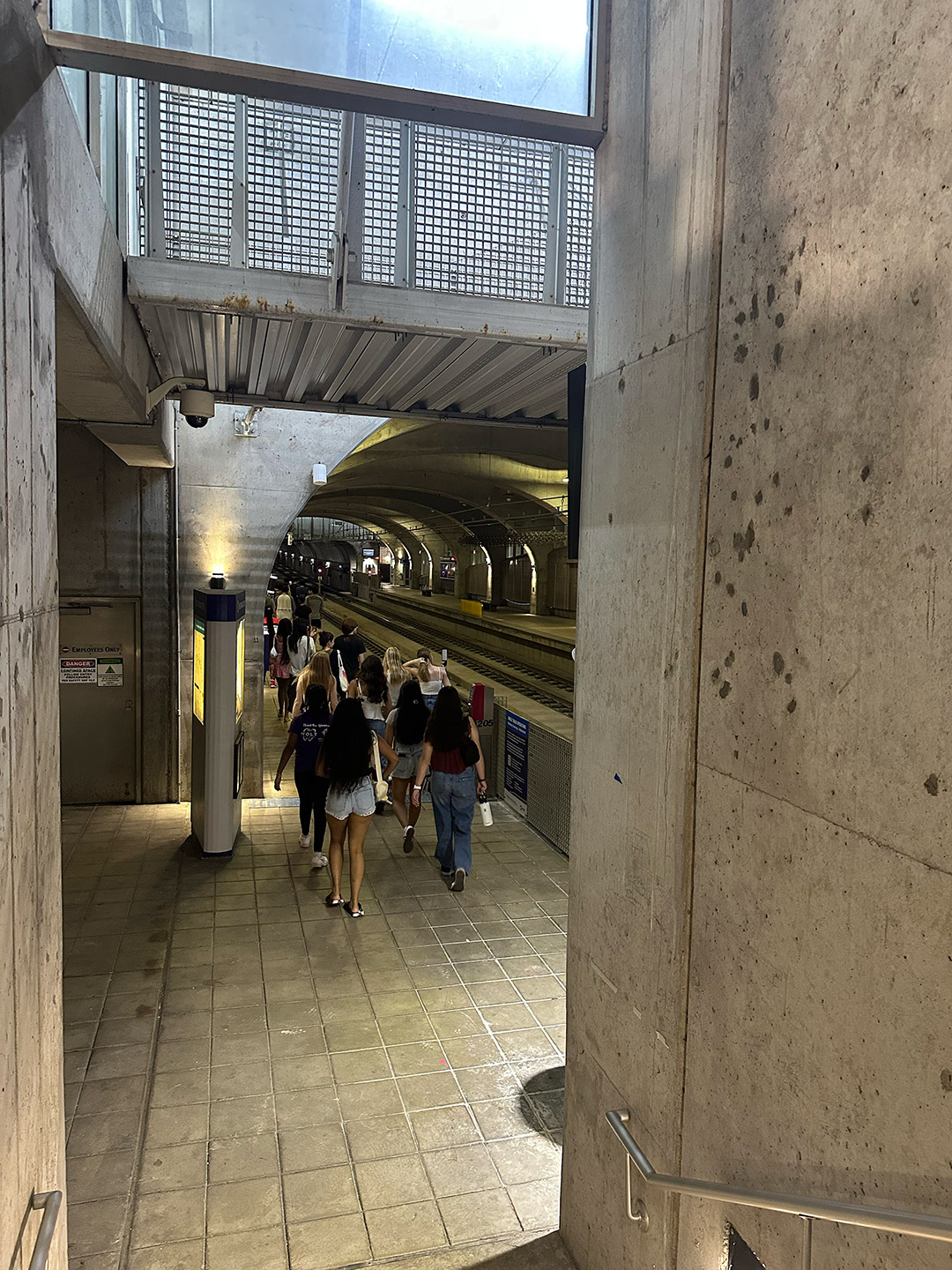
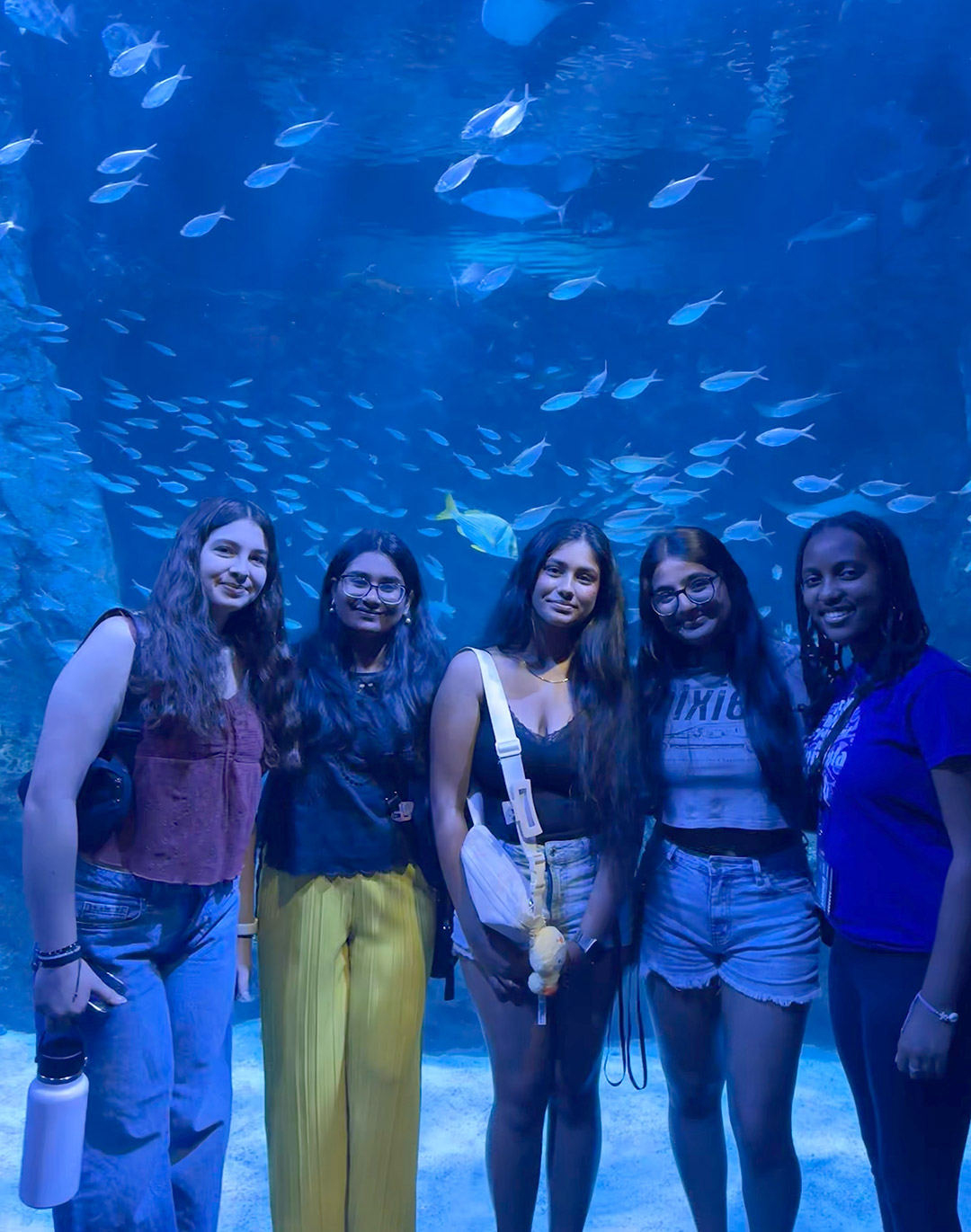
“To wrap up the week, we all signed up for a Saturday trip to Union Station. The aquarium was a highlight—I got to touch jellyfish and stingrays—and we ended the visit by riding the giant Ferris wheel. It felt like the perfect mix of learning and fun, which is how this whole week has gone. I’m excited to keep building on my research project, and I’m looking forward to seeing what the rest of the program has in store,” Tanya says.
Week Two — Refining Research, Sources and Final Projects
Tanya reports that her second week was focused on refining her research questions and finalizing sources for her class project.
“A big part of the week was making sure that both our primary and secondary sources were strong enough to support a clear argument. We practiced connecting the two types of sources through in-class assignments and writing exercises, which helped me think more critically about how to use evidence. My topic on what causes an inner monologue and how its presence or absence affects daily life turned out to be more complex than I expected. My primary source was a Reddit thread where people described their experiences with inner speech or the lack of it. I paired that with scholarly sources—one on the causes of inner speech, another on anendophasia (the absence of an inner voice), and a third that broke down different aspects of inner dialogue. Together, they helped me better understand how this internal phenomenon works and shaped my final claim,” Tanya explains.
“Coming up with a thesis statement was one of the most difficult parts of the project. At first, I felt stuck because I could see valid points on both sides of the issue. Having an inner voice can be helpful for reflection, but not having one doesn’t necessarily mean something is wrong. I kept going back and forth, unsure of how to take a clear stance. It wasn’t until I connected my secondary and primary sources that I noticed a pattern. Many of them emphasized the cognitive toll a negative inner voice can take and how a negative or overly critical inner monologue can contribute to anxiety, depression, or cognitive overload. That helped me narrow my focus and finally commit to an argument, even if it felt a bit uncertain at first: while inner speech can help with creativity and has cognitive benefits, it can often be more harmful than helpful.,” Tanya adds.
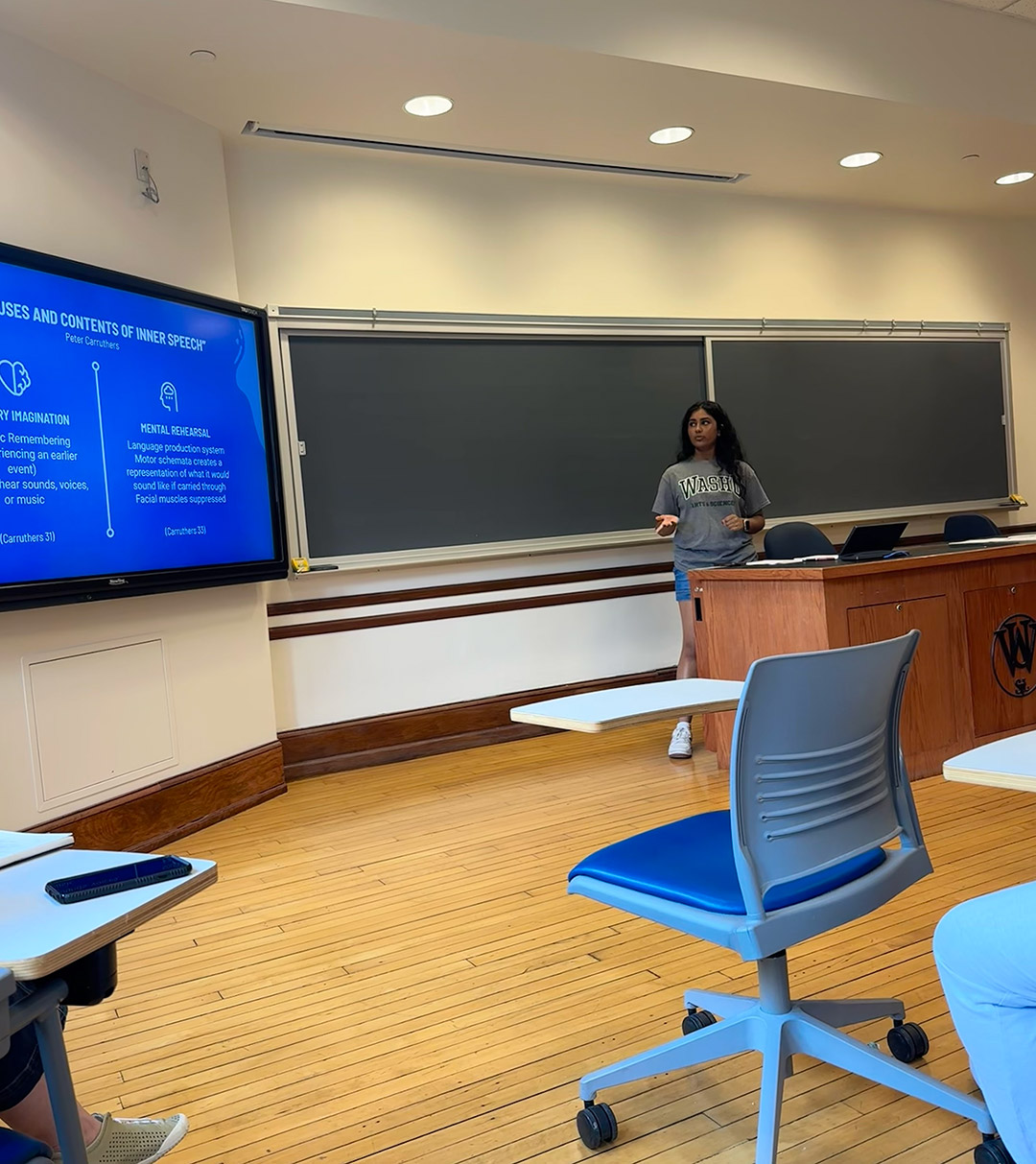
“There was slightly more homework this week, mostly involving writing about our sources and building our arguments, but it was manageable. Toward the end of the week, I spent some time polishing my presentation outside of class. Everything we worked on throughout the week was leading up to our final presentations. I was relieved not to be presenting on Thursday, but I ended up going first on Friday morning, which was made me very nervous. Luckily, my friends helped me practice and once I got up there, it went smoothly. It was really nice to see how everyone’s work over the two weeks built up to their final projects. There was such a wide variety of interests, and I learned something new from each presentation,” Tanya says.
When not in class or studying, Tanya and friends were able to get together to celebrate a roommate’s birthday, explore the Delmar Loop, and spend time with students from the other RDI programs. “It was fun hearing about everyone’s different hometowns and experiences,” Tanya says.
“Saying goodbye was harder than I expected. I didn’t think I’d grow so close to people in just two weeks, but we formed a really strong bond,” Tanya adds.
“This program has been such a meaningful experience for me—not just because I got to research something I genuinely care about, but because I got to do it alongside amazing people. I’m really going to miss it,” Tanya says.
We are so happy to hear that you had an enriching experience at Washington University RDI, and formed wonderful friendships as well. Good job, Tanya!
>> Read Tanya Arun’s final report (PDF File, 77 KB)
>> Learn about the other students’ experiences in the GFF Scholarship Program.